 Copy Link
 X
X
 Facebook
 LINE
LINE
 LinkedIn
 Pinterest
 WhatsApp
 KakaoTalk
 NAVER
NAVER
 Weibo
Weibo
 WeChat
 Mail
Mail
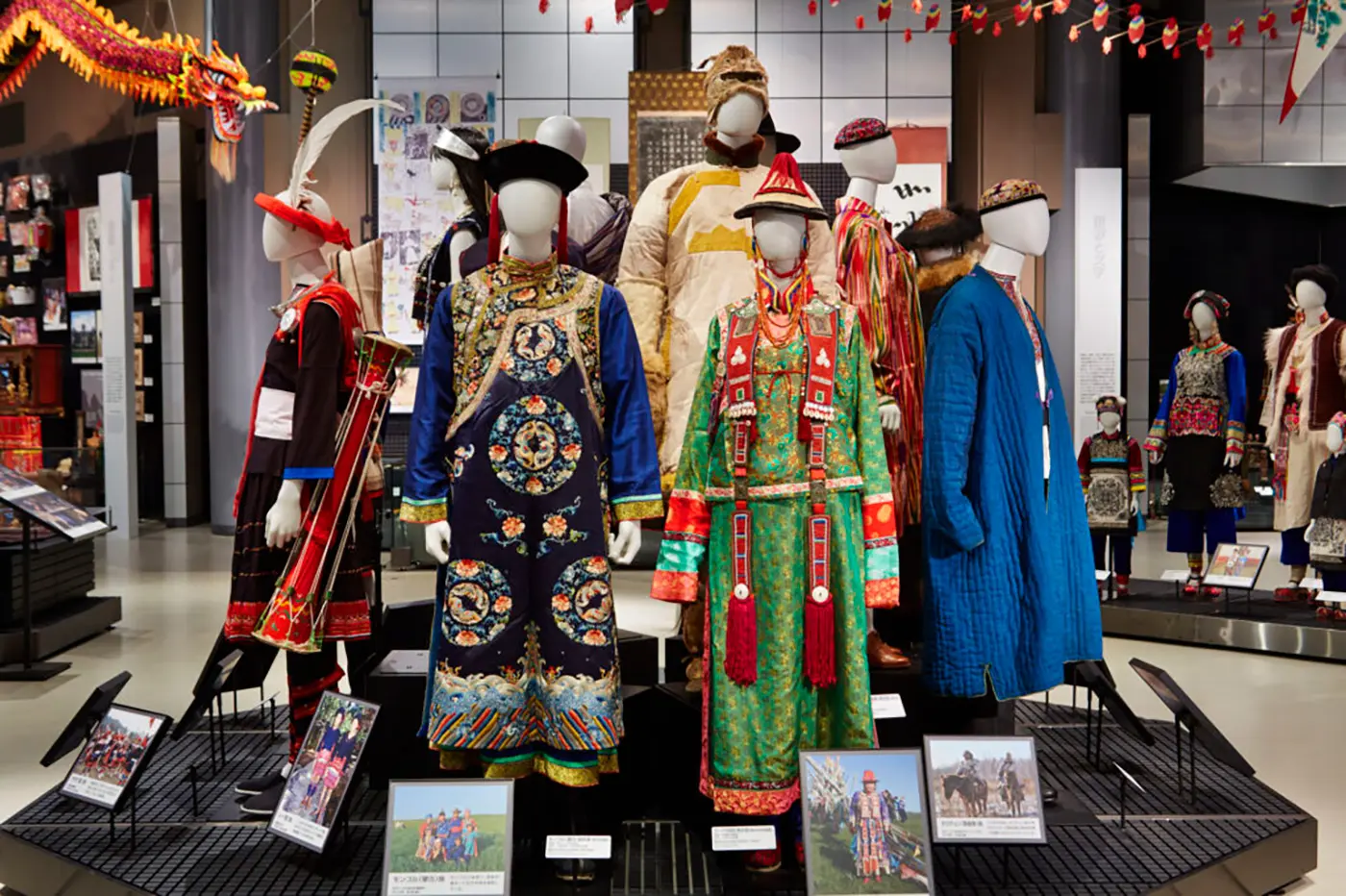

Located within Expo'70 Commemorative Park in Suita City, Osaka Prefecture, the National Museum of Ethnology is one of the world's largest ethnological museums, focusing on cultural anthropology and ethnology. With approximately 12,000 exhibits centered on everyday items such as clothing, food, and shelter, and around 800 video programs showcasing rituals, performing arts, and daily life from around the world, visitors can experience a variety of global cultures. It's a popular spot for learning, offering a sense of a round-the-world trip while viewing the exhibits, and enjoyable for both children and adults.
- point
- The collection houses over 340,000 items from 160 regions around the world.
- The estimated time required is 2 to 3 hours.
- The exhibition is designed to be enjoyable for a wide range of people, from children to researchers.
- Suitable for workshops and educational use.
- Enjoy sightseeing within Expo'70 Commemorative Park.
- Approximately 15 minutes on foot from Bampaku-Kinen-Koen Station on the Osaka Monorail.
What is the National Museum of Ethnology?
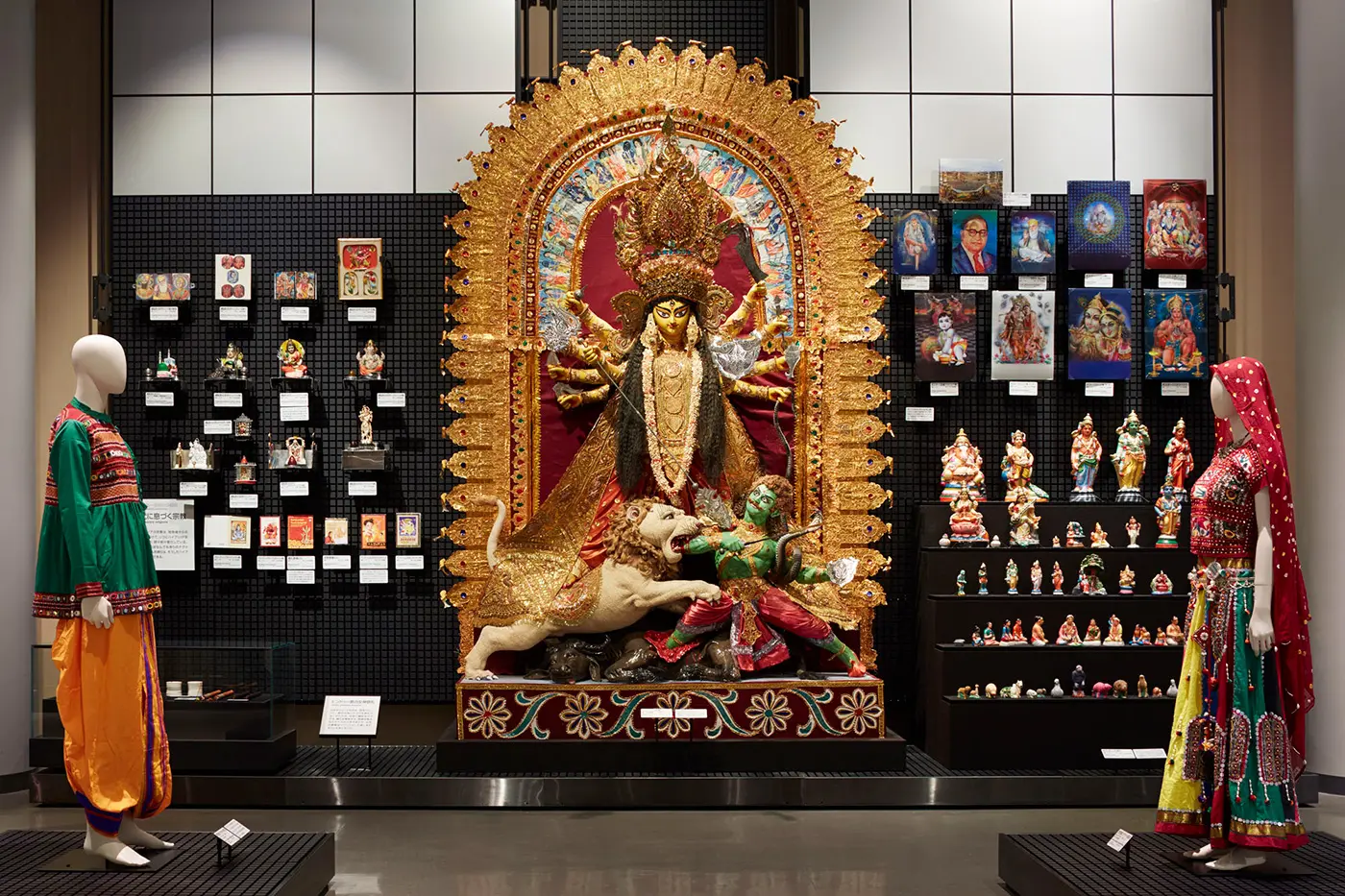
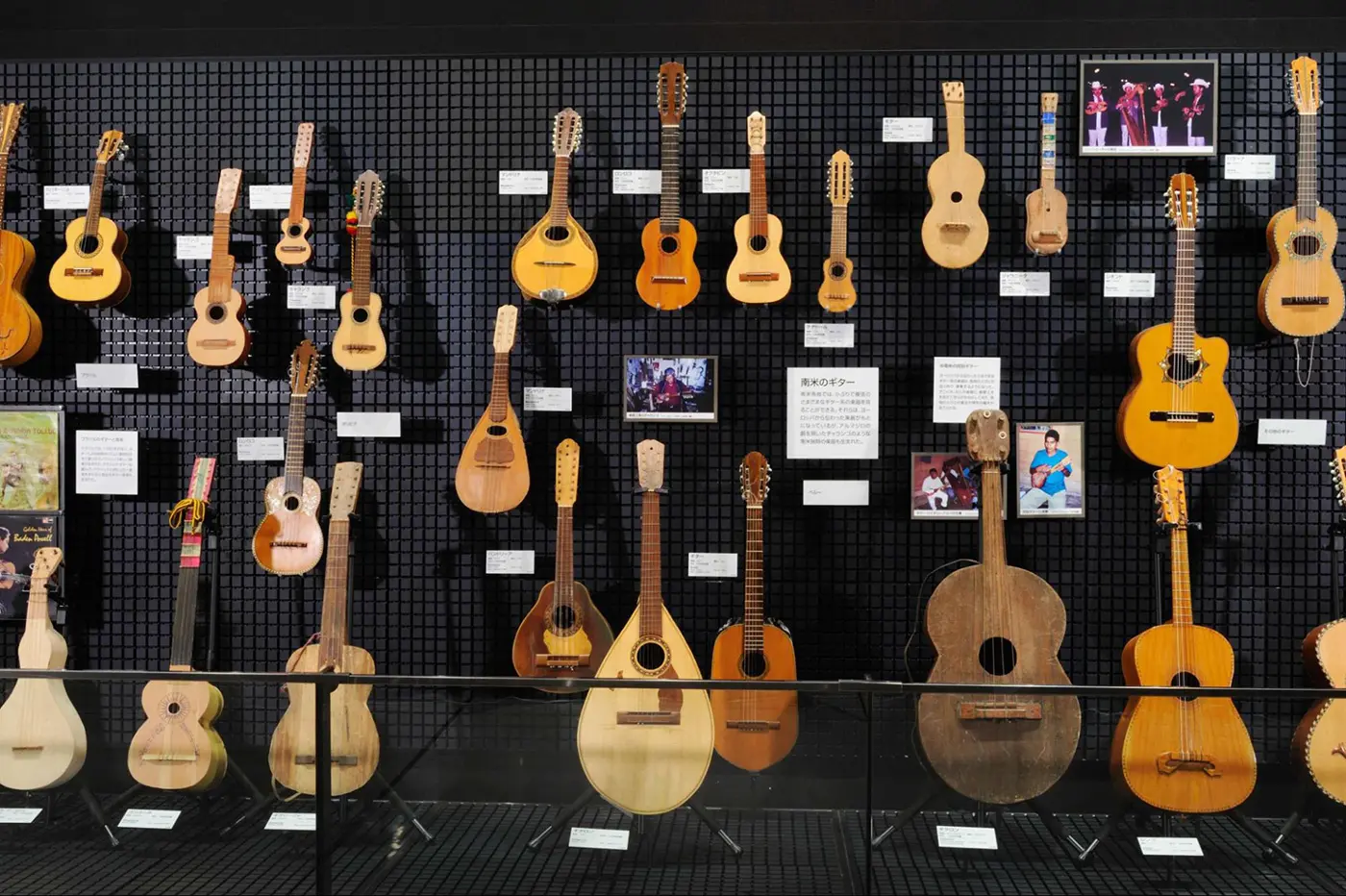
The National Museum of Ethnology, commonly known as "Minpaku," is one of the world's leading research museums, housing over 340,000 artifacts from 160 regions around the world, with approximately 12,000 on permanent display. It showcases the cultures of various regions through ethnic costumes, musical instruments, and everyday objects, allowing visitors to experience the diversity of the world through both permanent and special exhibitions. As a research institution, it combines academic value with tourist appeal.
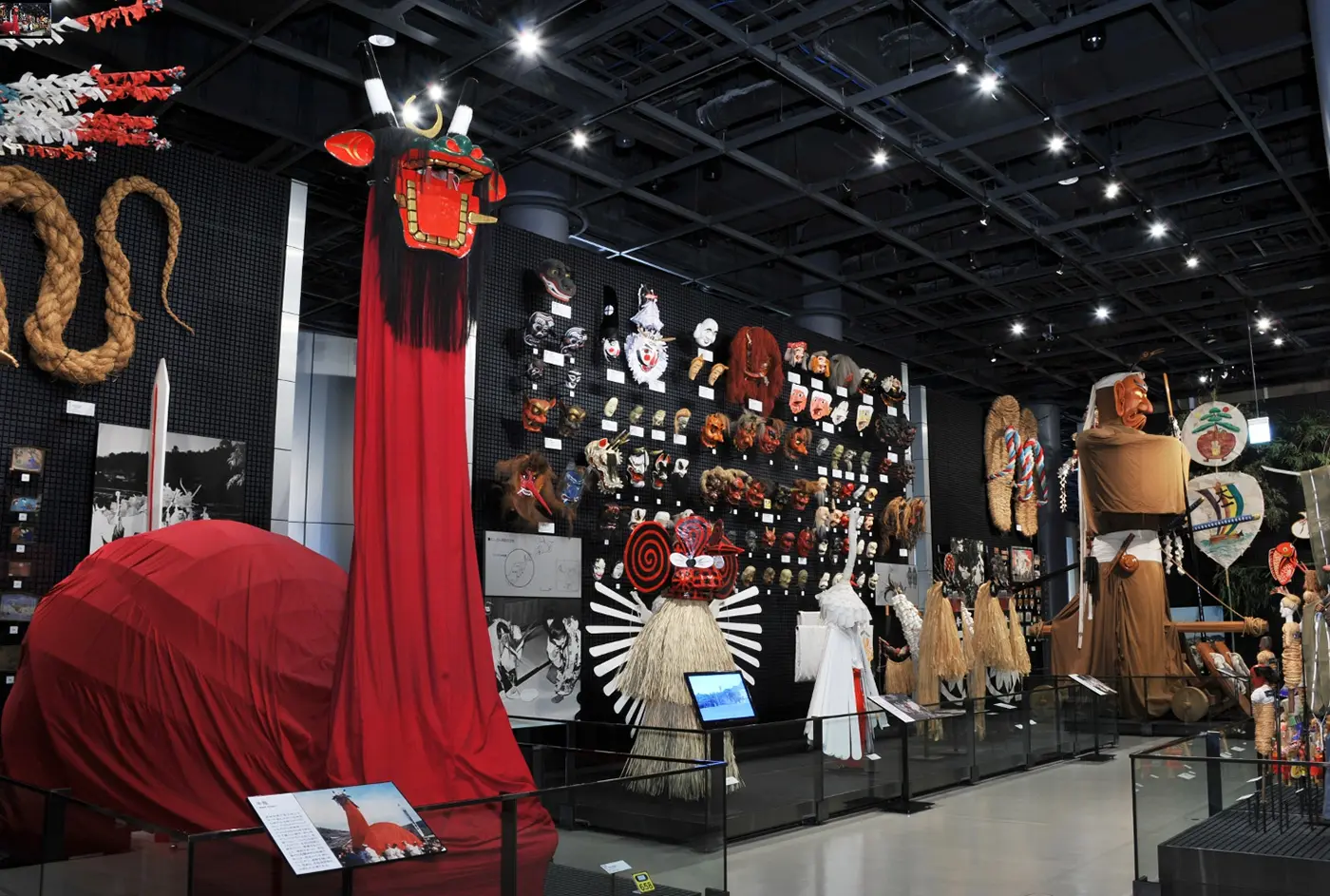
What kind of materials are on display?
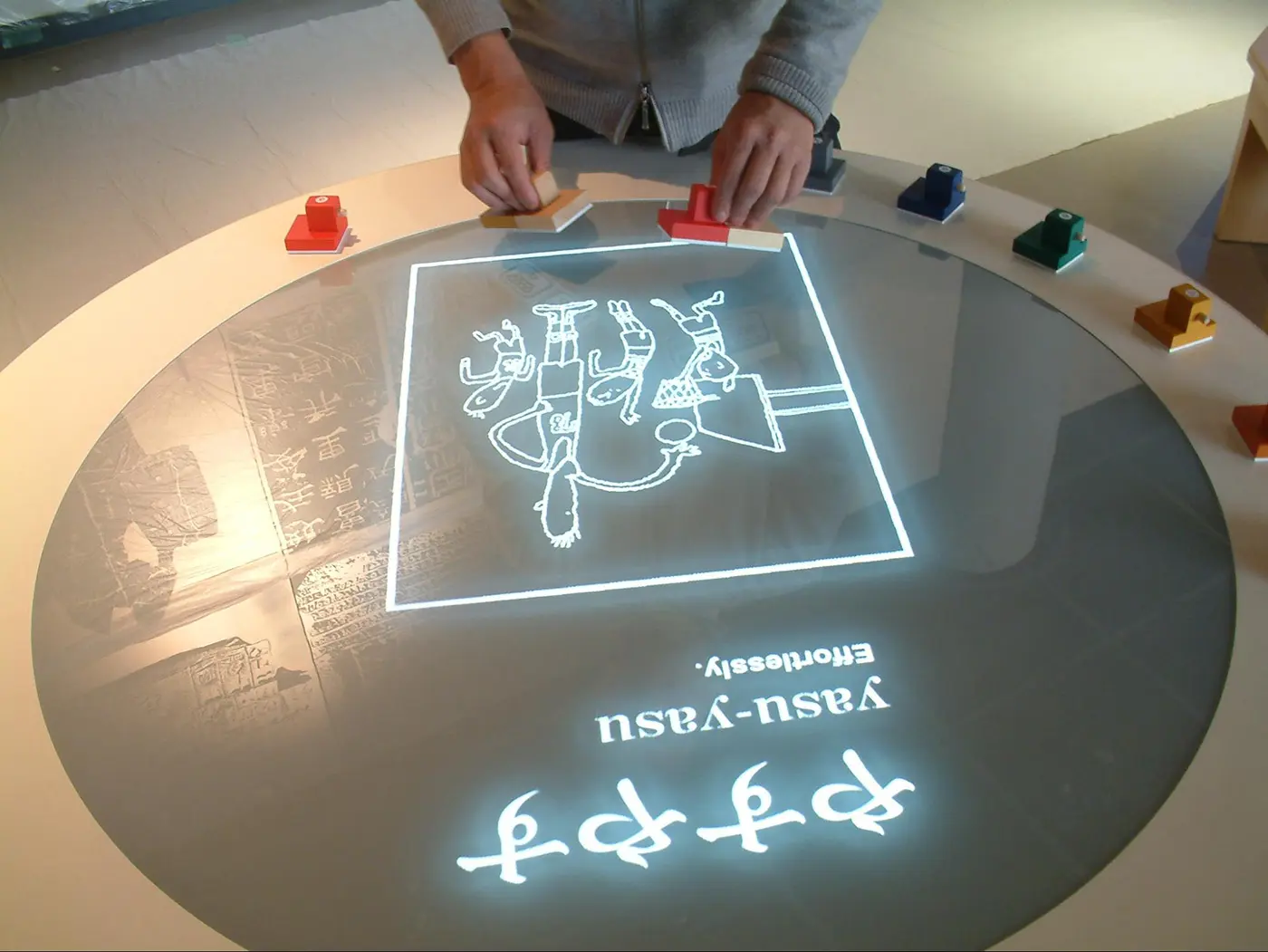
The permanent exhibition is structured to take you on a journey around the world, much like the routes of the Age of Discovery, allowing you to learn about the cultures of various regions, including Asia, Europe, Africa, and the Americas. It features a wealth of video and audio materials, and is designed to help you intuitively understand different cultures. The interactive section where you can try out musical instruments and the display of traditional costumes are popular with children, making it an enjoyable experience for the whole family.
What is a reasonable length of stay?
The museum is vast, and it takes about 2-3 hours to thoroughly view all the exhibits. If you only have a short time, it's recommended to focus on the areas that interest you most. While it is rich in academic materials and used by researchers and students, the exhibits are well-balanced and can be easily enjoyed by tourists and families.
Are there any programs that parents and children can participate in together?
The entire facility is barrier-free, making it safe and easy to use for those with strollers or wheelchairs. Children's workshops and hands-on learning programs are also offered, making it a highly-regarded destination for independent research projects and school field trips. The opportunity for families to "learn while playing" is another attractive feature.
What are some recommended spots to visit inside the building?
The museum is located within Expo'70 Commemorative Park, allowing visitors to enjoy it along with other nearby attractions such as the Tower of the Sun and the Japanese Garden. The museum's restaurant sometimes offers collaborative menus with special exhibitions, featuring cuisine from around the world, making it a delightful opportunity to experience different cultures through both exhibits and food. It's also well-suited for a full-day sightseeing plan.
How do I get to the National Museum of Ethnology?
It's about a 15-minute walk from Bampaku-Kinen-Koen Station on the Osaka Monorail. A convenient route is to transfer to the monorail from Senri-Chuo Station on the Osaka Metro Midosuji Line; it's about a 40-minute train ride from Osaka Umeda. Parking is available at Expo'70 Commemorative Park if you're arriving by car. It's conveniently located for a day trip from Osaka city.
*The information in this article is current as of February, 2026. As details may have changed, please check the official websites of the facilities and stores for the latest information.
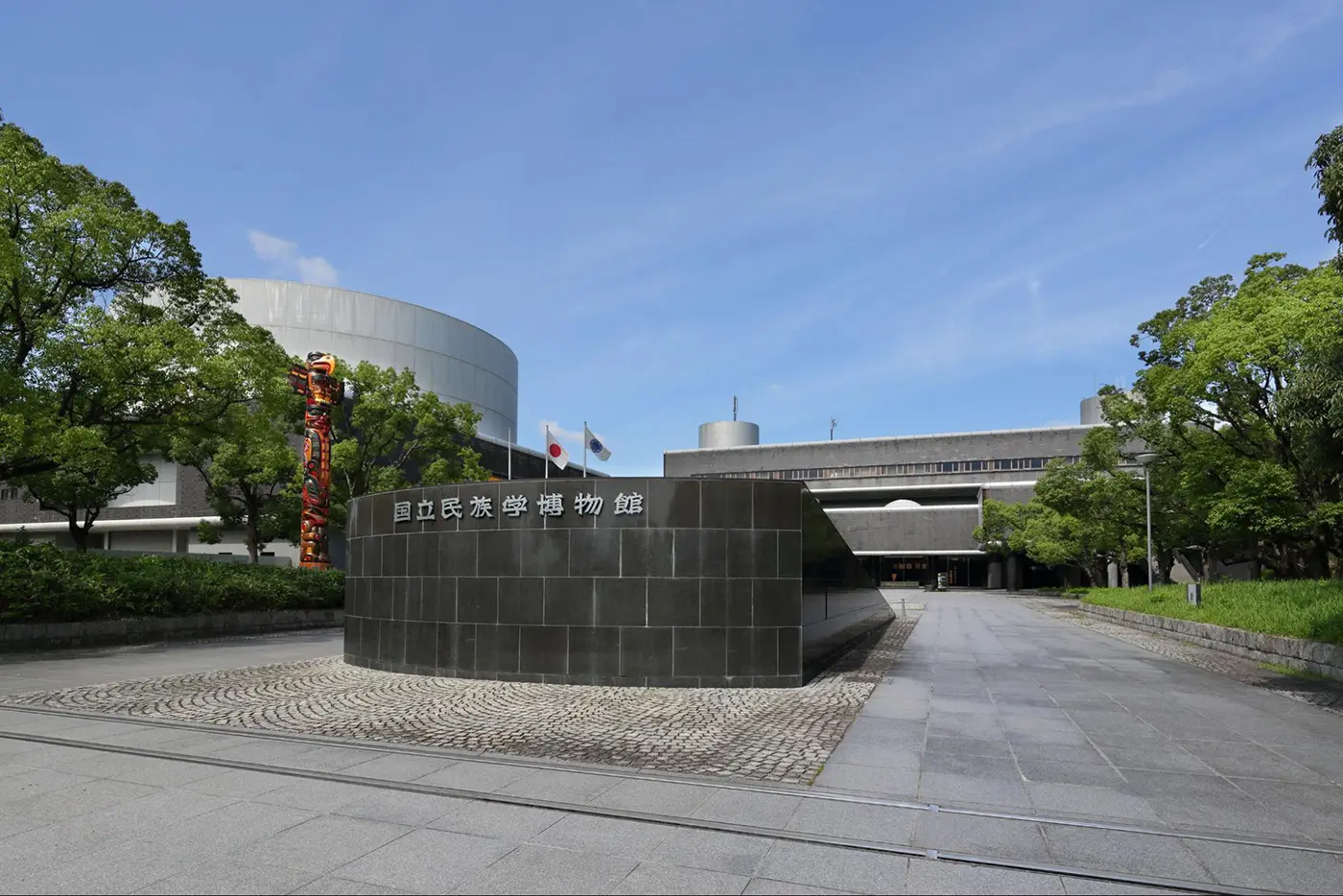
National Museum of Ethnology
10-1 Senri Expo Park, Suita City, Osaka Prefecture
Google MapOpening hours: 10:00〜17:00
Holiday: Wednesday (or the following weekday if Wednesday is a public holiday)
Phone number: 06-6876-2151
Access: Approximately 15 minutes on foot from Bampaku-Kinen-Koen Station on the Osaka Monorail.
Official website