 Copy Link
 X
X
 Facebook
 LINE
LINE
 LinkedIn
 Pinterest
 WhatsApp
 KakaoTalk
 NAVER
NAVER
 Weibo
Weibo
 WeChat
 Mail
Mail
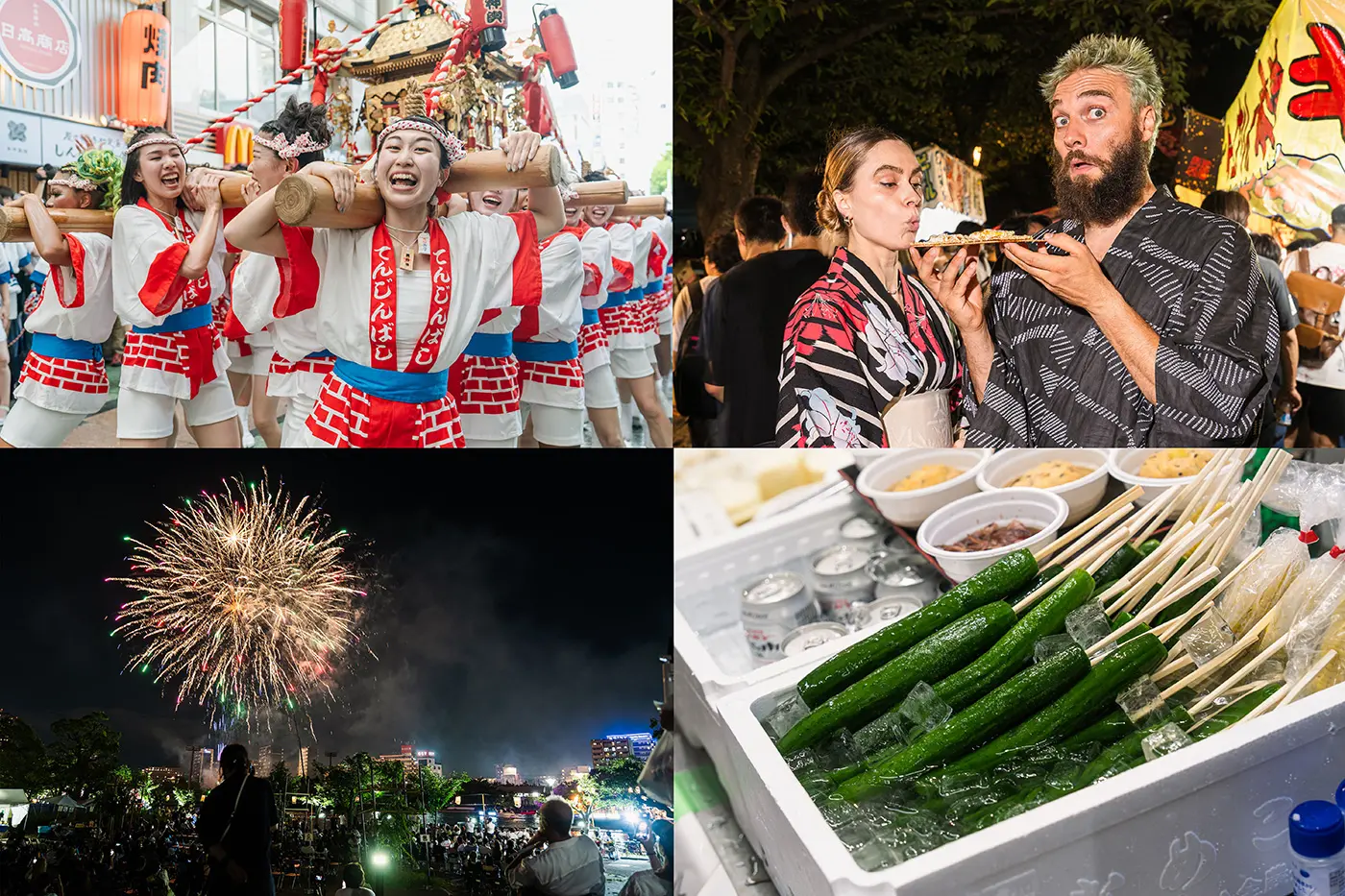
Osaka's Tenjin Festival is one of Japan's three major festivals. Mikoshi parades through the streets, boats filling the river, and fireworks lighting up the night sky. We explore the charm of this historic festival that has continued for over a thousand years.
The Tenjin Festival, a summer tradition in Osaka, is one of Japan's three major festivals, alongside Kyoto's Gion Festival and Tokyo's Kanda Festival. Organized by Osaka Tenmangu Shrine (Kita Ward, Osaka City), the festival takes place from around the shrine to the Okawa River area.
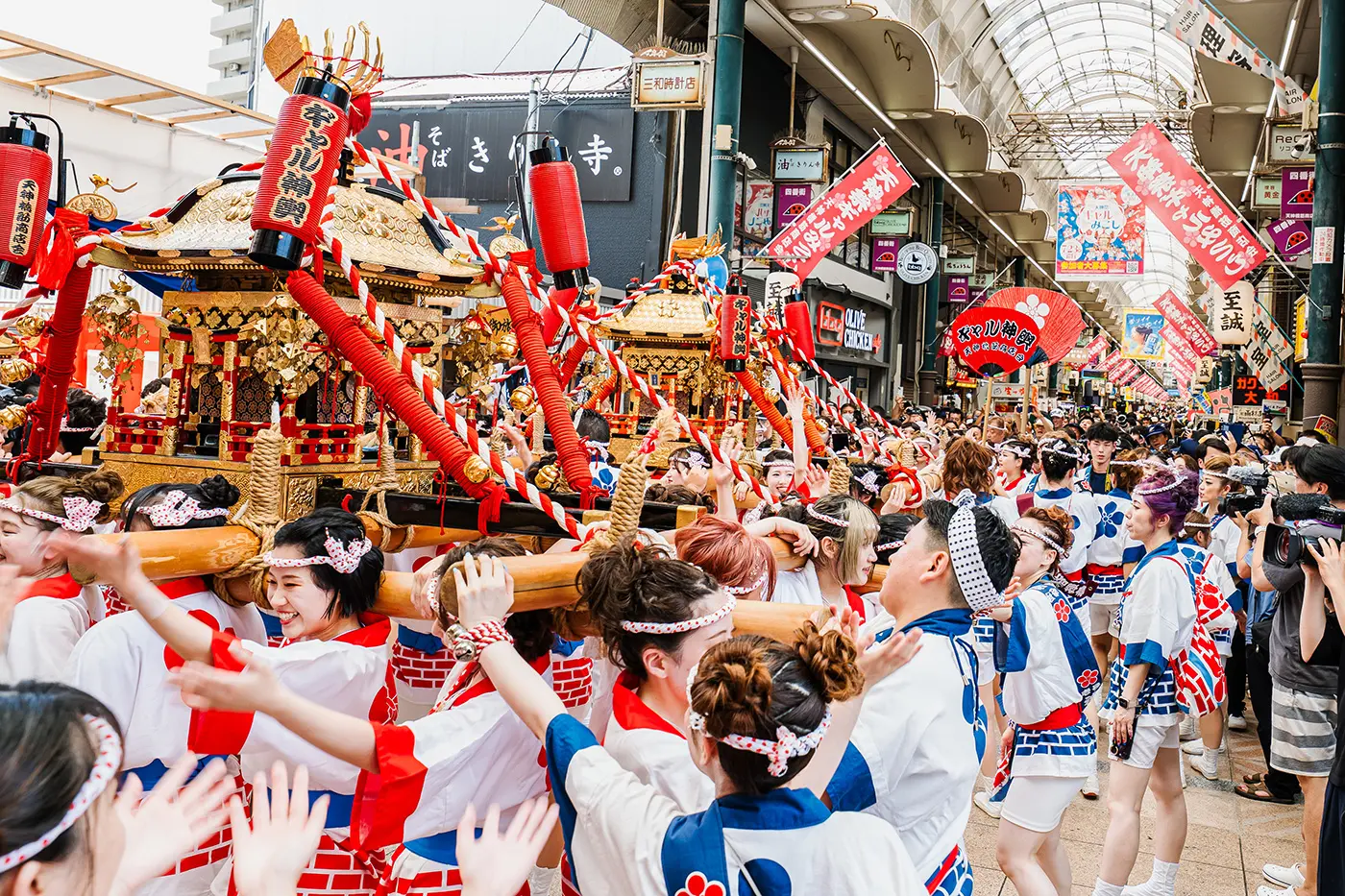
The Tenjin Festival is held over two days every year, with Yoimiya on July 24th and Honmiya on the 25th, but on the previous day, the 23rd, the "Gyaru Mikoshi" is carried out, livening up the festival atmosphere a little earlier.
The main attractions of the Tenjin Festival are the "Rikutogyo" procession through the city and the "Funatogyo" procession on the Okawa River. At the climax, around 100 boats of various kinds float on the Okawa River, and around 3,000 fireworks are set off in the night sky.
This time, Mehdi from Belgium and Nana from Denmark experienced the Tenjin Matsuri for the first time. Together, they will introduce in detail the history, charm, and highlights of this traditional Osaka event.
Guide

Originally from Belgium, he came to Japan because he was attracted to the Japanese culture and philosophy that respects people. His hobby is climbing.
He is good at baking bread and sweets, and his dream is to open a restaurant in Japan. He also loves Japanese manga.
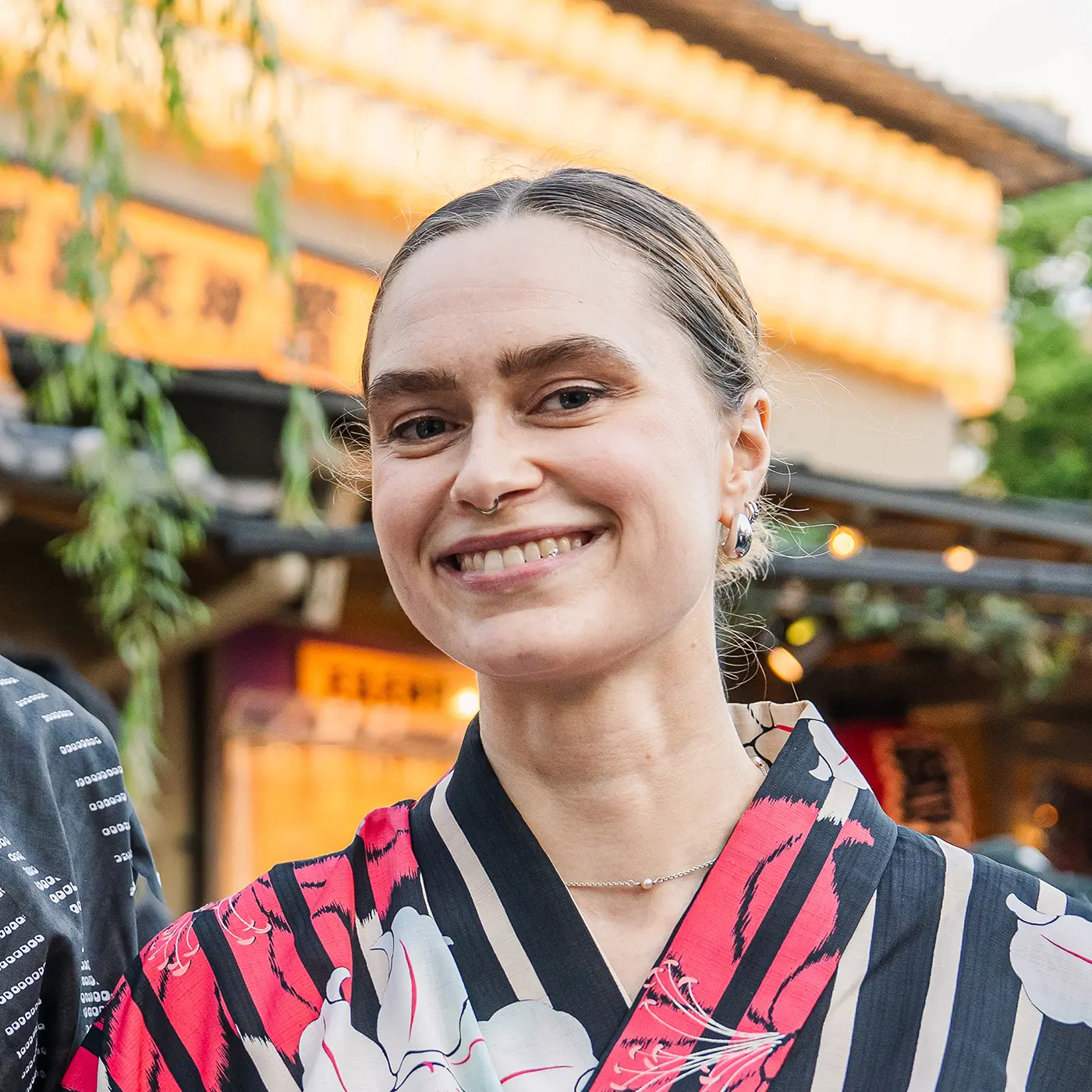
Originally from Denmark. Currently studying Japanese. Hobbies include knitting, reading, pottery, and yoga. She loves spending time with friends and nature.
The world-famous Tenjin Festival, a symbol of Osaka's summer
The History of Tenjin Festival and Osaka Tenmangu Shrine
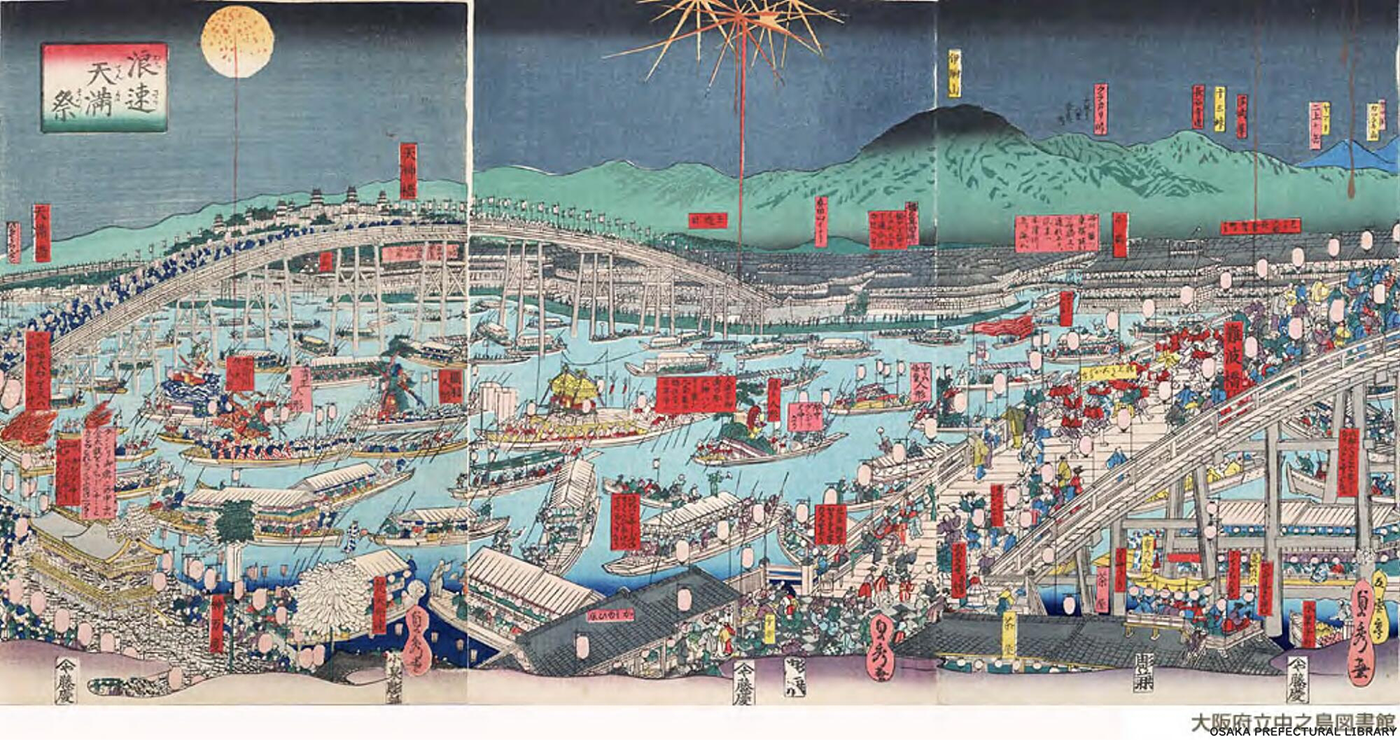
The history of Tenjin Festival is deeply connected to Sugawara no Michizane, known as the god of learning.
Michizane, one of the leading scholars of the Heian period and also a politician, served the Imperial Court with his talent for poetry and outstanding academic knowledge, eventually becoming Minister of the Right. However, he was falsely accused of a crime and demoted to Dazaifu in Fukuoka, where he died in despair.
After that, a series of events occurred, including the deaths of people connected to Michizane, natural disasters, and epidemics. People began to fear that Michizane had become a vengeful spirit and was bringing disaster.
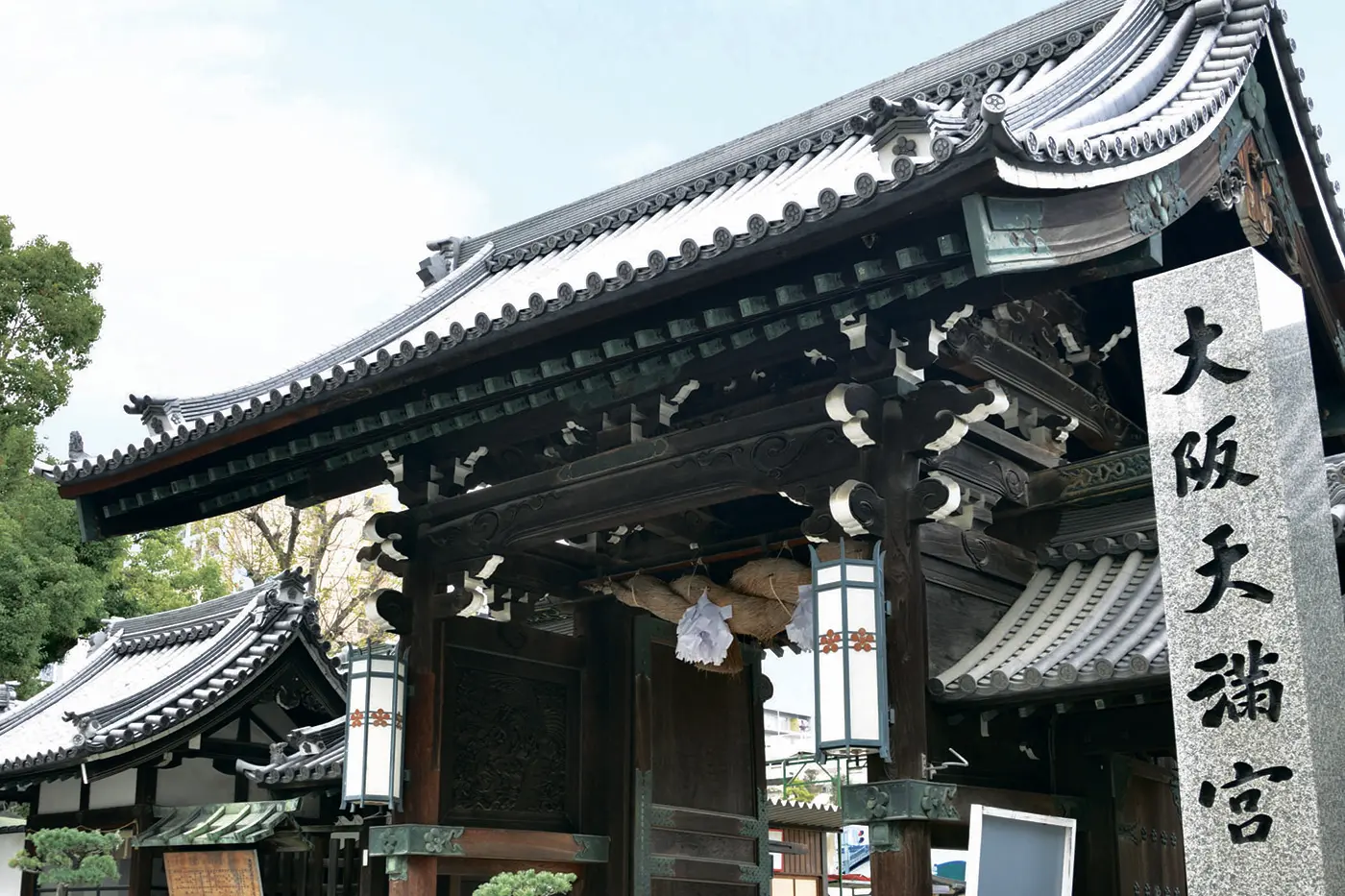
So, in order to appease the vengeful spirits, Osaka Tenmangu Shrine was built in 949. Since then, Michizane has been enshrined as "Tenjin-sama". Two years later, in 951, the "Hokonagashi Shinji" ritual was held to pray for the stability of the nation and the peace of the people. This ritual, in which a sacred spear made of plain wood is floated down the river and the place where it washes over is designated as a temporary shrine, is said to be the origin of the Tenjin Festival. Furthermore, it is said that the local people built boats to welcome the sacred spears, which later became the beginning of the "Funatogyo" (boat procession).
As time passed, the number of boats increased and the festival became more and more extravagant as a symbol of prosperity. It was canceled at times due to political upheavals at the end of the Edo period and during World War II, but was revived each time and traditions have continued to be preserved. Since the early modern period, votive fireworks have been added, and the Tenjin Festival has become known around the world as a grand festival that symbolizes summer in Osaka.
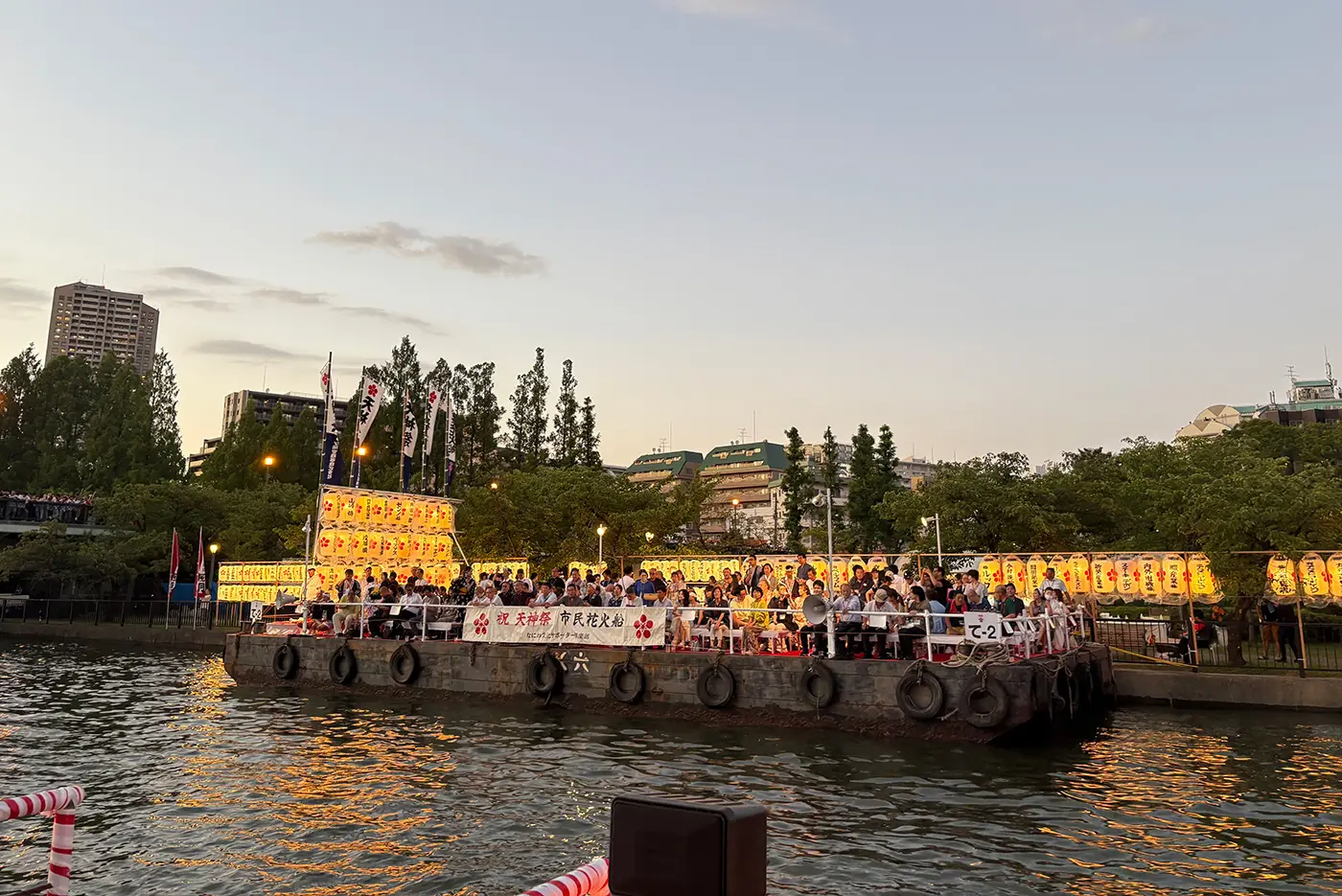
Osaka Tenmangu Shrine, the venue for the Tenjin Festival, is bustling with visitors throughout the year, including students and their families praying for academic success, as well as those praying for protection from evil spirits, business prosperity, and safety for their families. Particularly during exam season, the approach to the shrine is filled with students and parents seeking amulets and votive plaques to pray for success, giving a real sense of the deep faith in the god of learning.
7/24 Yoimiya
8:50~ Hokonare Shinto Ceremony
12:00~ Tenjinko Lion Dance
16:00~ Otori Mikoshi and Tama Mikoshi local procession, etc.
July 25th Main Shrine
15:30~ Departure of the Land Parade
18:00~ Boat procession departure
19:30~ Dedication fireworks and more
Gal Mikoshi on the 23rd and Yoimiya on the 24th
The Gal Mikoshi, a symbol of Osaka's energy
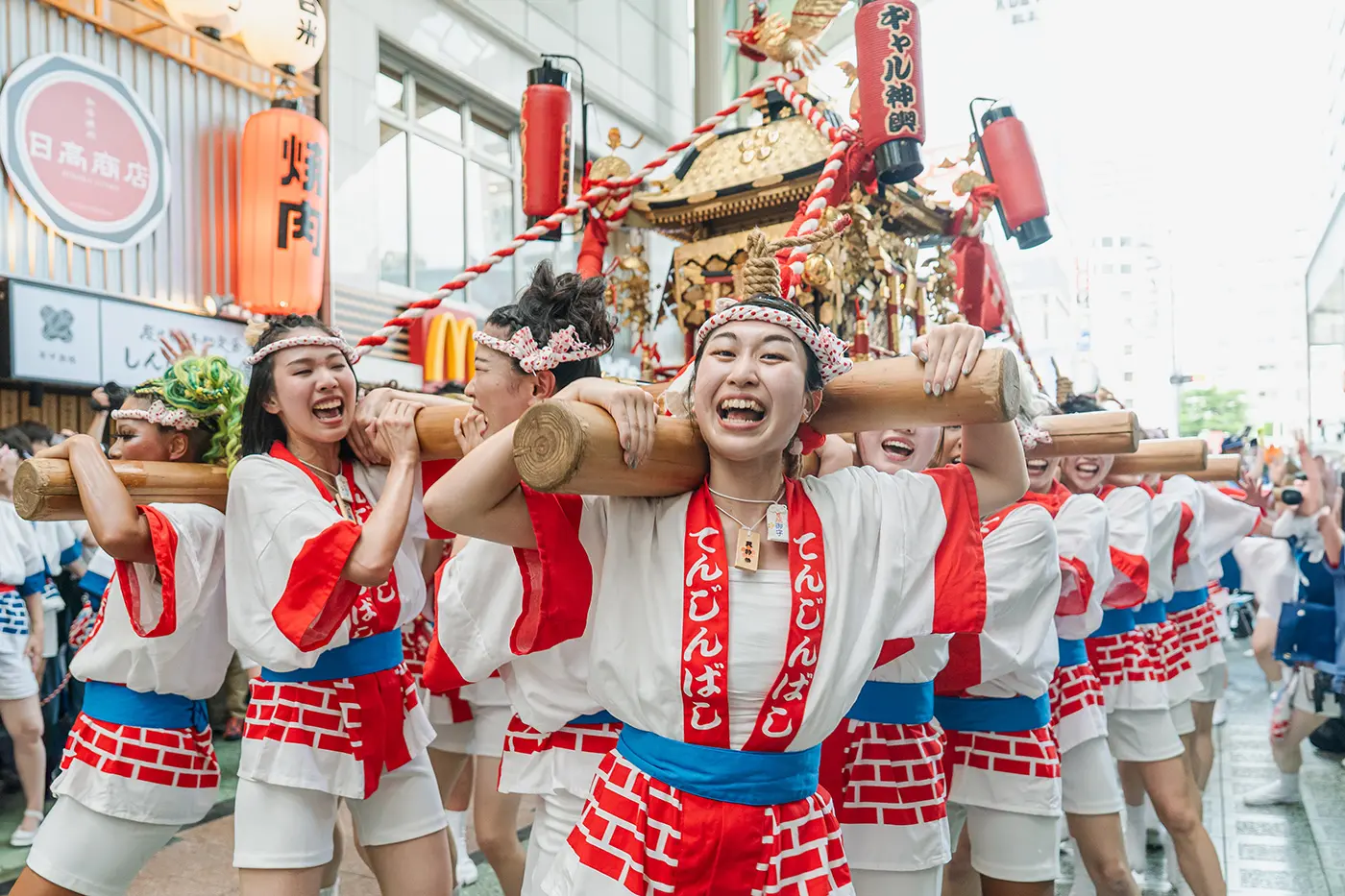
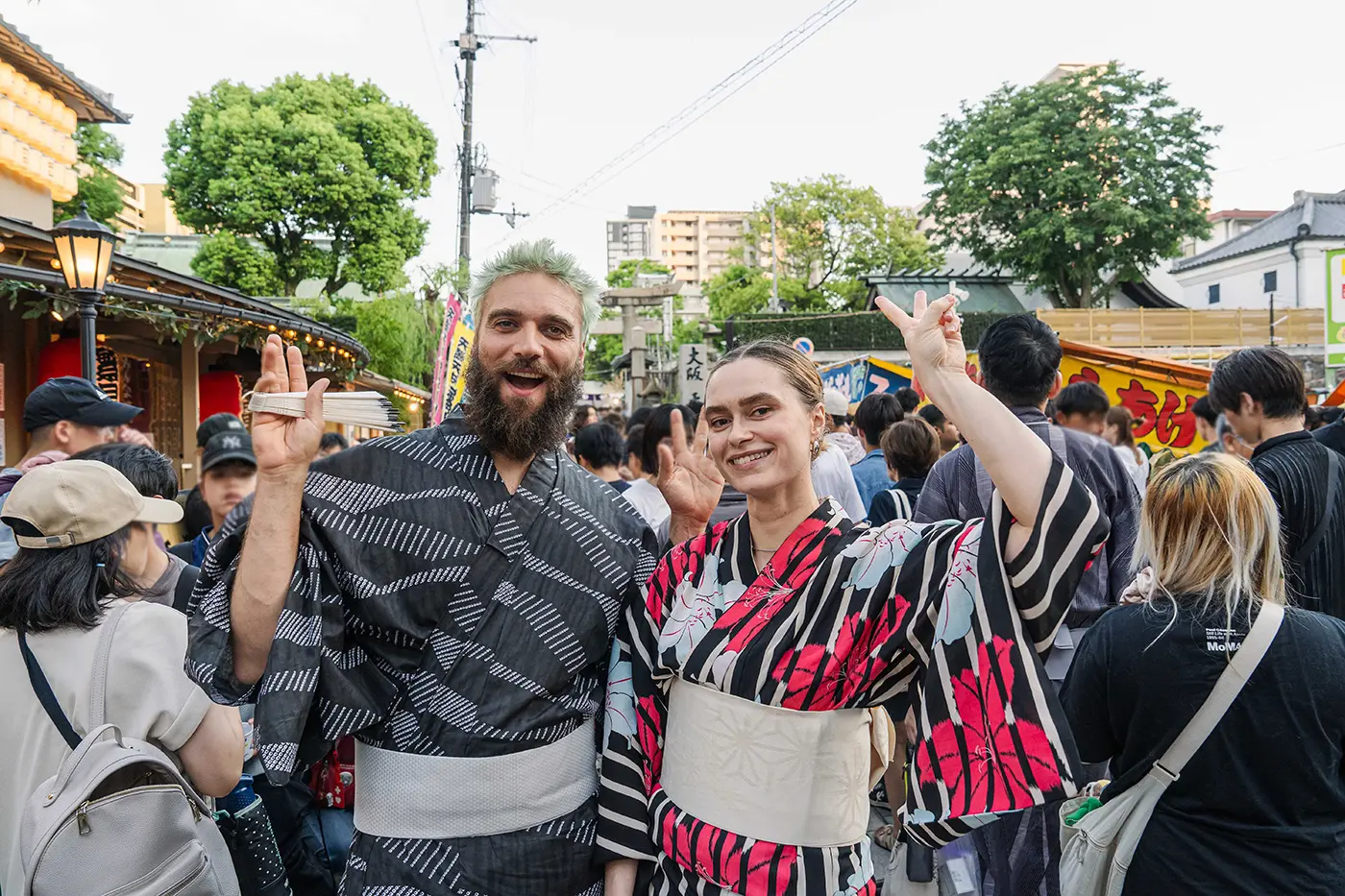
On July 23rd, the Gal Mikoshi event sees 80 young women in happi coats carrying a mikoshi (portable shrine) weighing around 200 kg, parading through Tenjinbashisuji Shopping Arcade accompanied by spirited chants. This event began in 1981. While mikoshi used to be dominated by men, the sight of women taking center stage is refreshing, and the event has become established as a symbol of Osaka's energy.
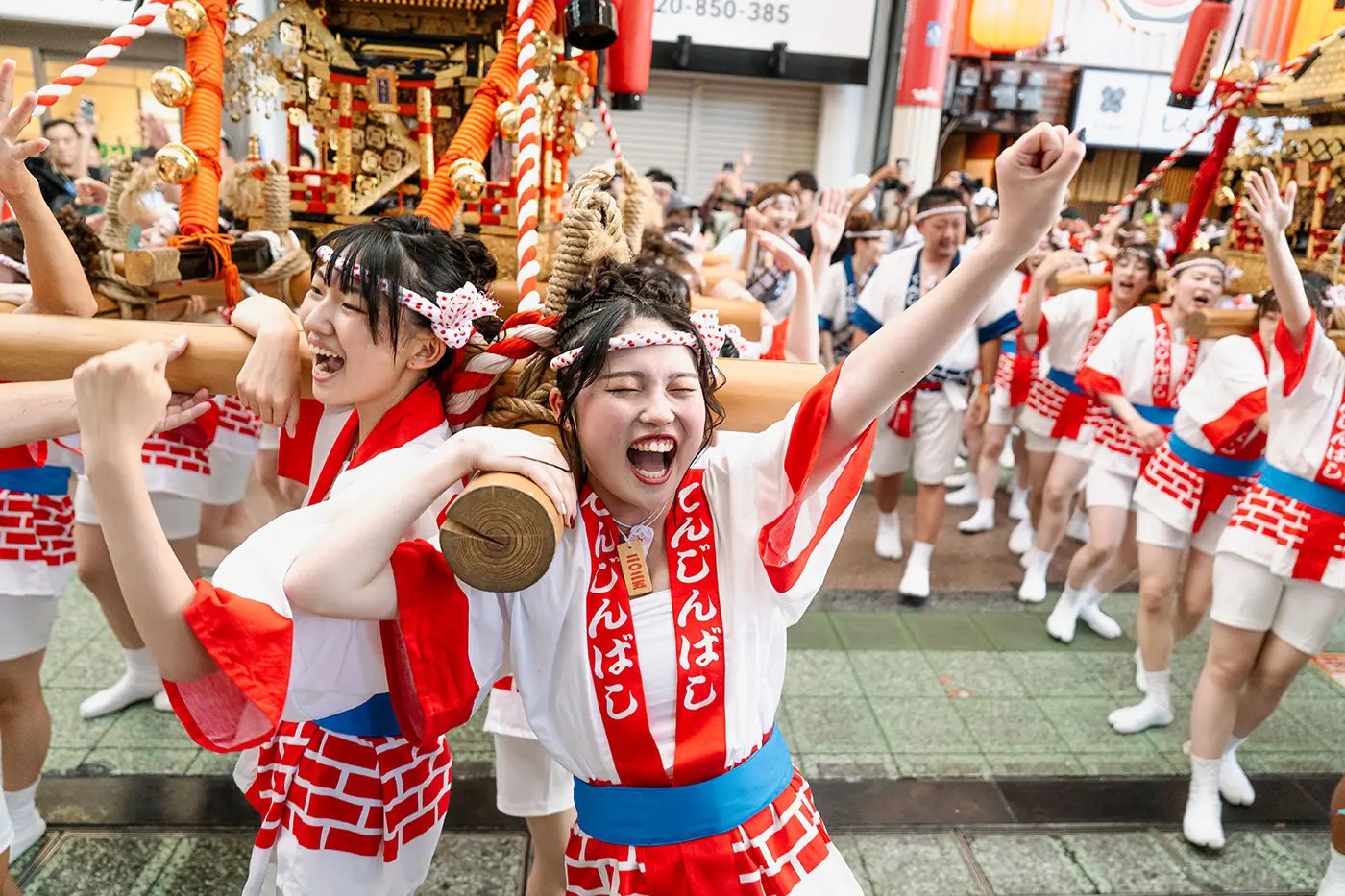
The Gal Mikoshi is widely loved and familiar as it is positioned as a prelude to the Yoimiya and Honmiya festivals.
The Yoimiya Festival begins with a solemn ritual
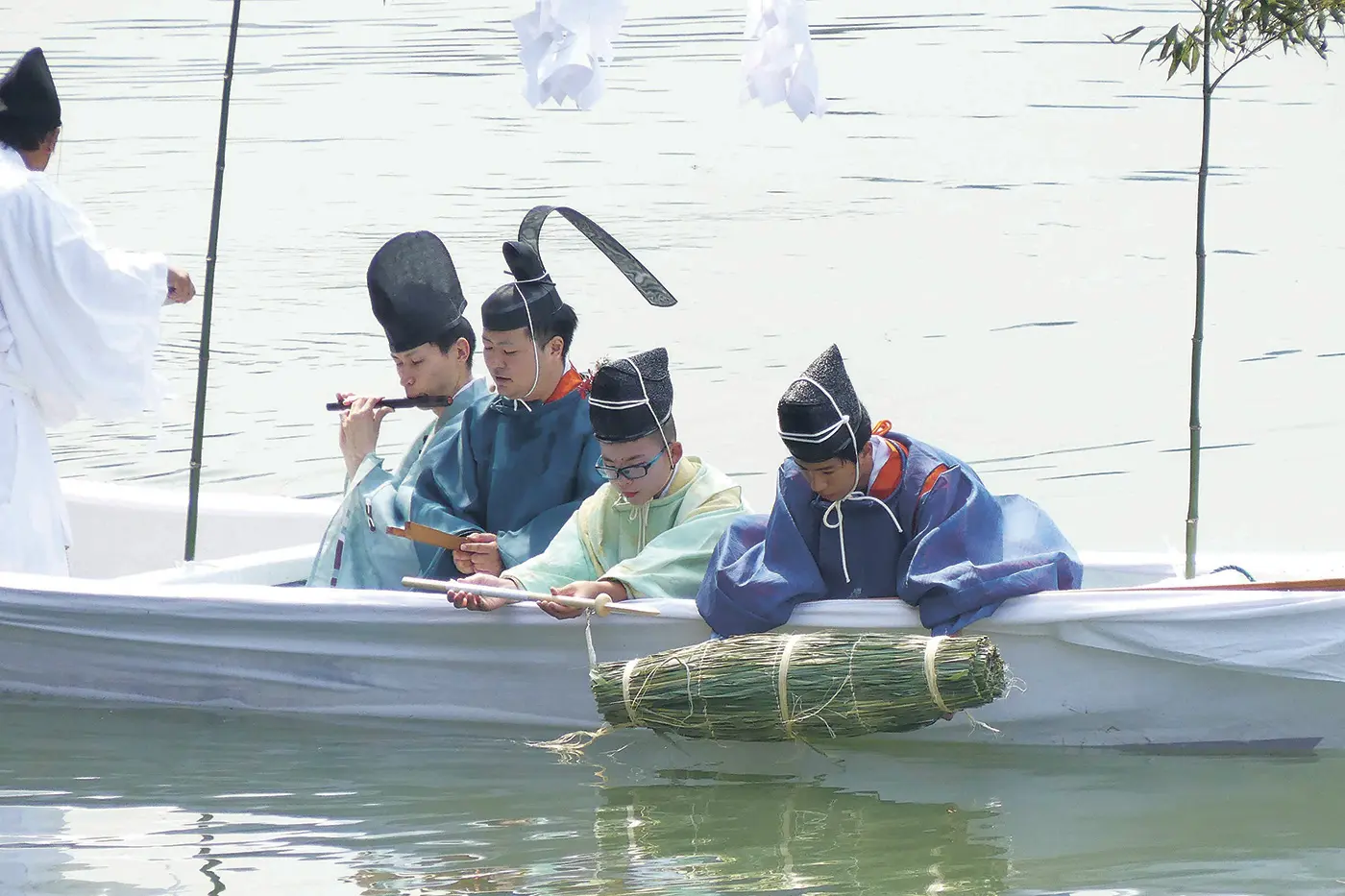
The evening of July 24th is an important day that signals the official start of the Tenjin Festival. The town is transformed into a festive atmosphere, and the energy spreads all at once. In the morning, the Hoko-nagare Shinto ritual is held on the Dojima River. Afterwards, a variety of events continue within the temple grounds and on the clan grounds.
The Tenjinkoshi lion dance parades through the city, warding off plague and entertaining spectators along the way. In the afternoon, the Otori Mikoshi and Tama Mikoshi, two of Osaka Tenmangu's most famous shrines, parade through the shrine grounds. The impressive sight of the mikoshi, carried to the sound of drums and flutes, is a highlight of the Yoimiya festival.
Recommended viewing spots for tourists are the grounds of Osaka Tenmangu Shrine and its surrounding area. Within the shrine grounds, you can get a close-up look at the lion dances and mikoshi preparations, as well as witness the moment when the shrine makes its exit. Near Tenjinbashisuji Shopping Street, you can enjoy the lively sight of the procession and lion dances passing by. If you head along the Okawa River, you can enjoy the evening atmosphere along with the numerous food stalls, and experience the city's atmosphere as it changes from day to night.
As these traditional rituals and performing arts unfold one after the other, the festival atmosphere builds up with each passing day, and by evening the entire town is enveloped in excitement. The excitement generated at Yoimiya carries over to the Honmiya festival the following day, leading to the climax of the Tenjin Matsuri.
The magnificent main shrine unfolds on land, water, and air
The main festival on July 25th begins in the morning at Osaka Tenmangu Shrine, with a Shinto ritual to transfer the spirit of Sugawara no Michizane to a sacred palanquin. From noon, the "Rikutogyo" procession begins, with a procession of around 3,000 people parading through the city. In the evening, the stage shifts to the river, where the "Funatogyo" procession unfolds, with over 100 boats, centered around the Hoansen, traveling down the Okawa River. Religious rituals intertwine with the excitement of the city, and the two-day festival reaches its magnificent climax here.
See the beginning of the Rikutogyo procession from Tenmangu Shrine
At Osaka Tenmangu Shrine, the starting point of the Rikutogyo, once the Shinreigyo (transfer of the divine spirits) is completed in the morning, preparations for departure are made within the shrine grounds. Priests, musicians, young children, shrine maidens, and carriers line up in an orderly fashion, and as the sounds of drums and flutes reverberate, a tense atmosphere hangs in the air in front of the Imperial Pavilion, and spectators quietly await the moment.
Eventually, a command is given, and the people gathered in the temple grounds erupt in loud applause as the procession departs from the Romon gate and begins its long journey around the clan's territory. Witnessing this moment of the procession up close is a rare experience that can only be had at the Tenjin Festival.
Sarutahiko acts as a guide, followed by colorful samurai swords and guards protecting the procession. Young boys and shrine maidens appear with pure appearances, and the melodies of gagaku musicians ring out. And in the center, the Imperial Pavilion carrying the divine spirit moves solemnly forward.
The beat of flutes and drums continues without interruption, and the bearers maintain control despite the weight. Large crowds of spectators line the streets, and waves of applause and cheers spread across the land. The procession, which moves leisurely through modern buildings and under bridges, is a magnificent sight that blends over a thousand years of tradition with the cityscape.
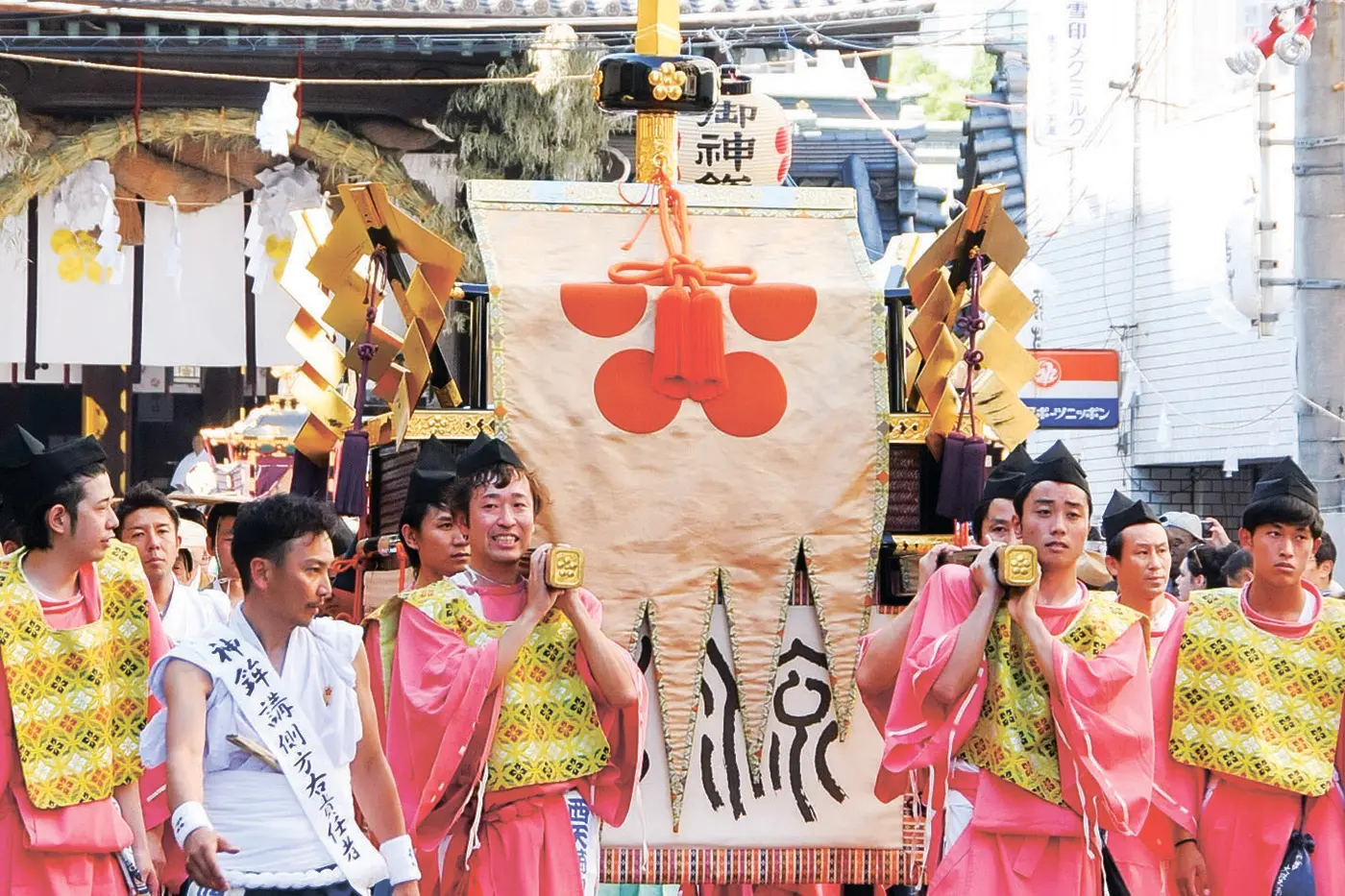
After touring the city, the land procession reaches the banks of the Okawa River. In the evening, the Imperial palanquin is transferred to the Hoansen (hoansen) boat, and the stage moves onto the water. This is where the "Funatogyo" begins.
The boats that make up the Funatogyo are extremely diverse. The boat that moves in the center is the Hoan boat, which carries the divine spirit, and surrounding boats are lined up to protect it, such as attendant boats and worship boats. In addition, outside boats such as Dondoko boats, which play drums and bells, keep up the rhythm of the festival, and the votive boats add a touch of color to the procession.
Houseboats and sightseeing boats carrying spectators also float on the river. Boats decorated by sponsoring companies also appear, and the excitement, enveloped in light and sound, is a powerful sight unique to Osaka, the city of water. The boats do not just move in a line, but also move back and forth across the river, mooring and turning around, and shouts ring out every time they pass under a bridge. The light of lanterns and bonfires sways on the water, drawing spectators into a fantastical world.
As night falls, the Funatogyo moves on to its next highlight: the fireworks.

It was like stepping back in time - the energy, the music, the costumes, everything was amazing!
Walking along Tenjinbashisuji Shopping Street
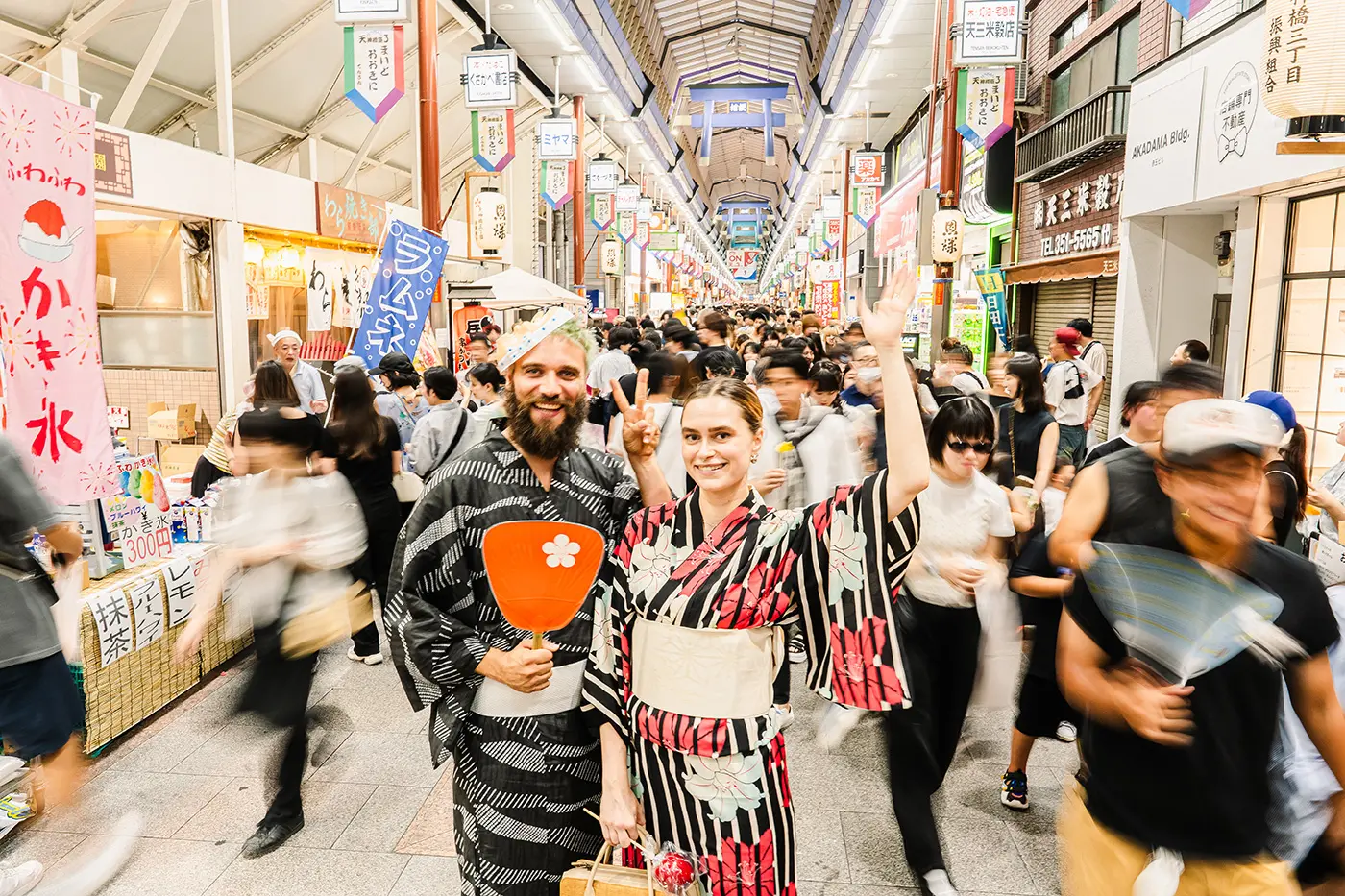
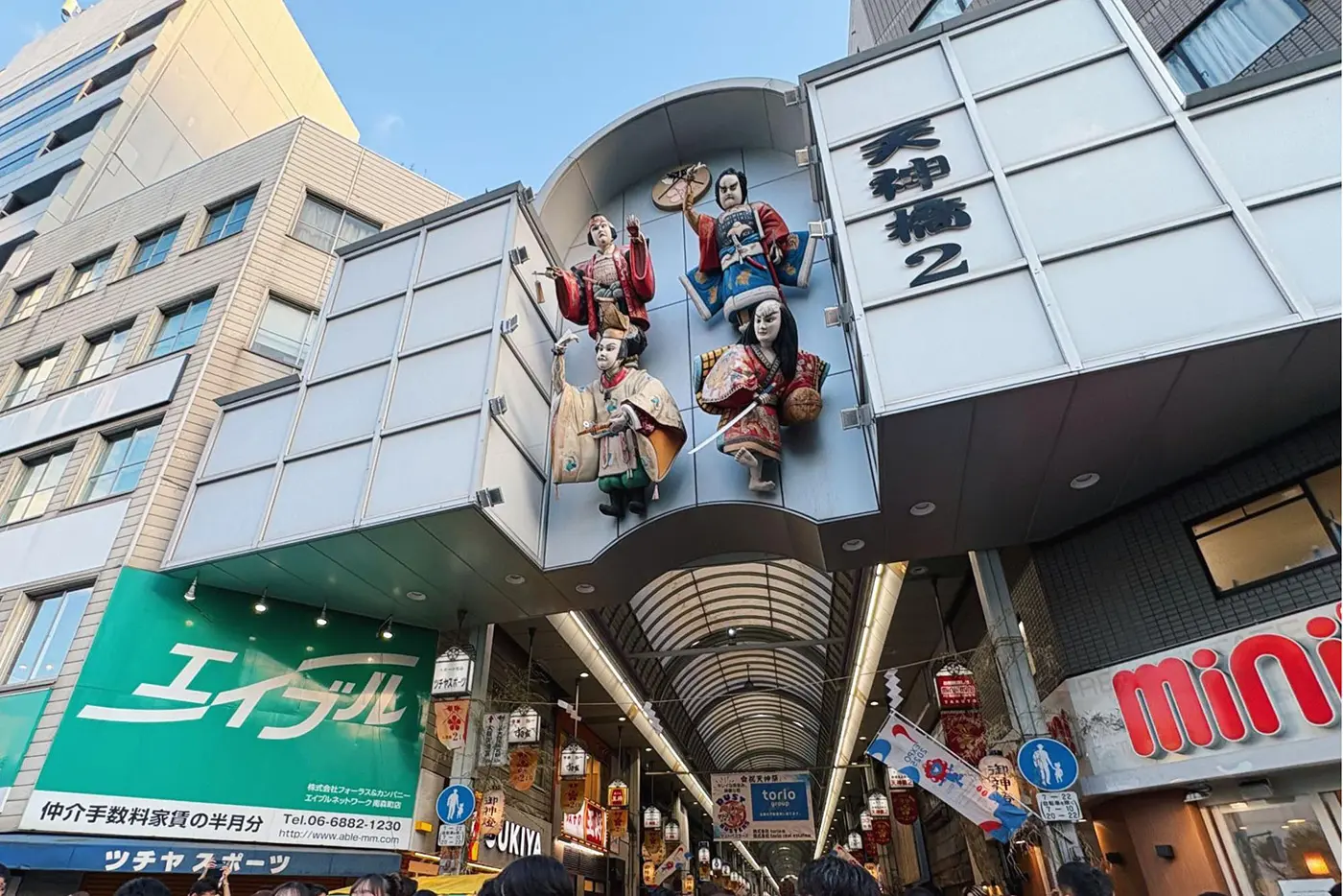
Before we get into the fireworks, we'll introduce some spots that are essential to the Tenjin Festival. One of these is Tenjinbashisuji Shopping Street. At approximately 2.6 kilometers long, this arcade is one of the longest in Japan. It's usually lined with restaurants, general stores, clothing stores, and more. Over the two days of the Tenjin Festival, this becomes the de facto route of traffic, with worshippers, spectators, and processions all intersecting.
The arcade is easy to walk through even on rainy days, and is dotted with cafe, restaurants, and stand-up eateries. From the evening of the festival, street stalls, decorations, and lanterns are added, and the number of tourists increases, making the area feel lively at its peak.
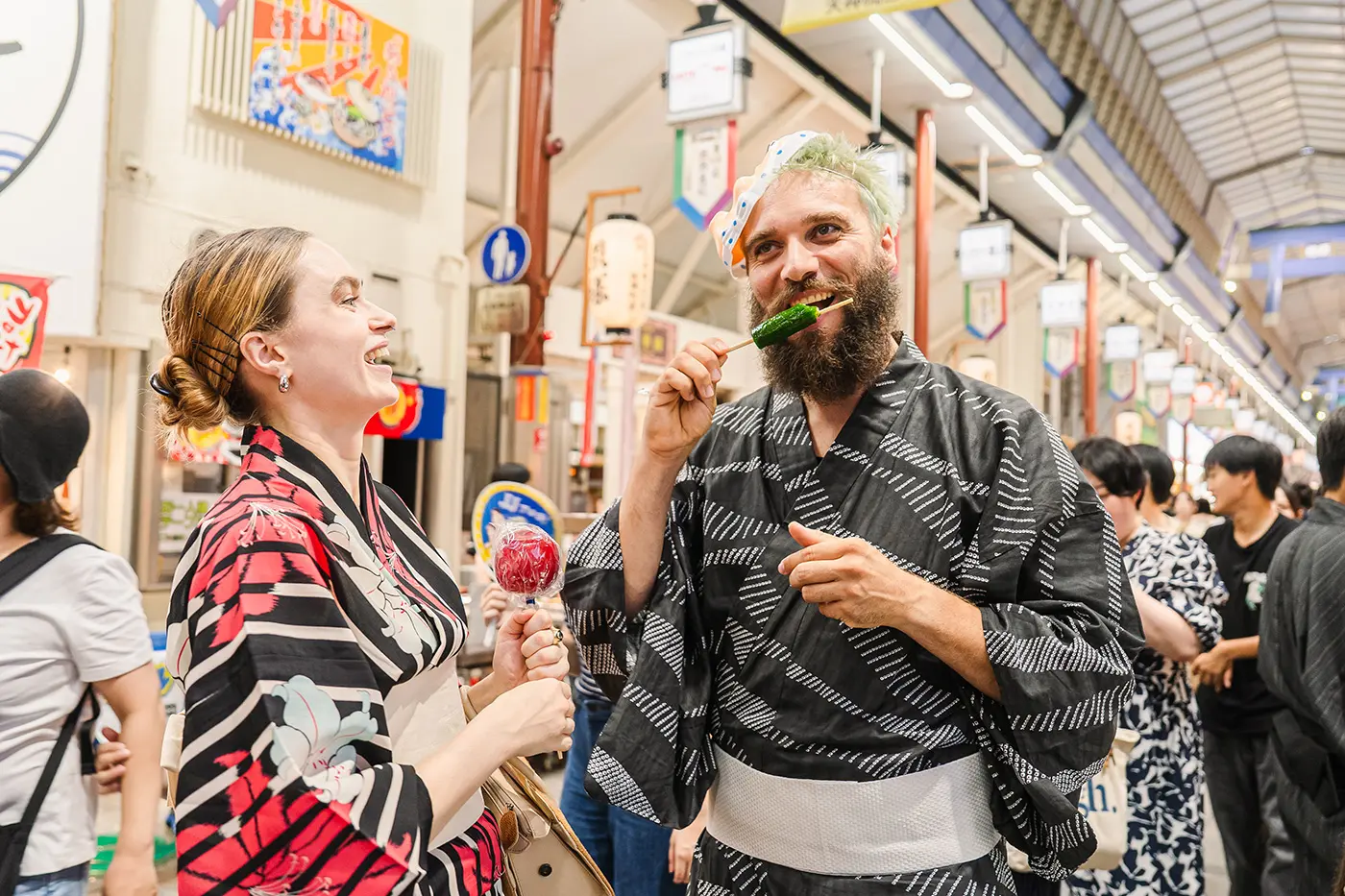
Tenjinbashisuji Shopping Street also has many specialty shops selling costumes, fans, and tenugui hand towels, offering a wide selection of items from souvenirs to everyday items. Limited edition sweets and elaborately designed Japanese sweets are also available during the festival period, making them popular with tourists. There are also long-established shops where you can see the artisans at work through the glass, creating a typical Osaka scene where tradition and everyday life blend together.
Furthermore, the sounds of drums and flutes reverberate through the arcade, creating a unique sense of envelopment. Just walking through the arcade makes you feel like you're surrounded by the festival.
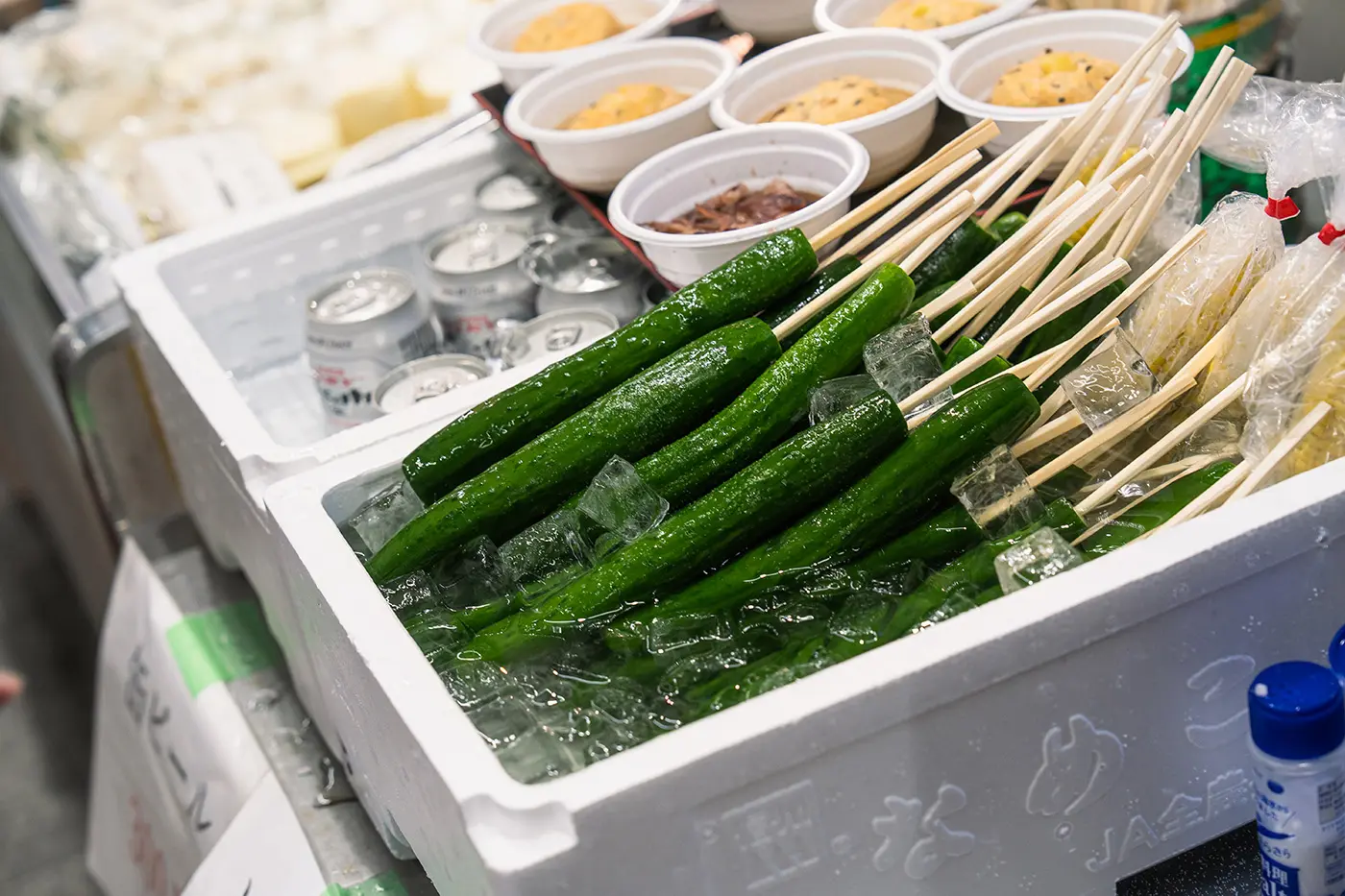
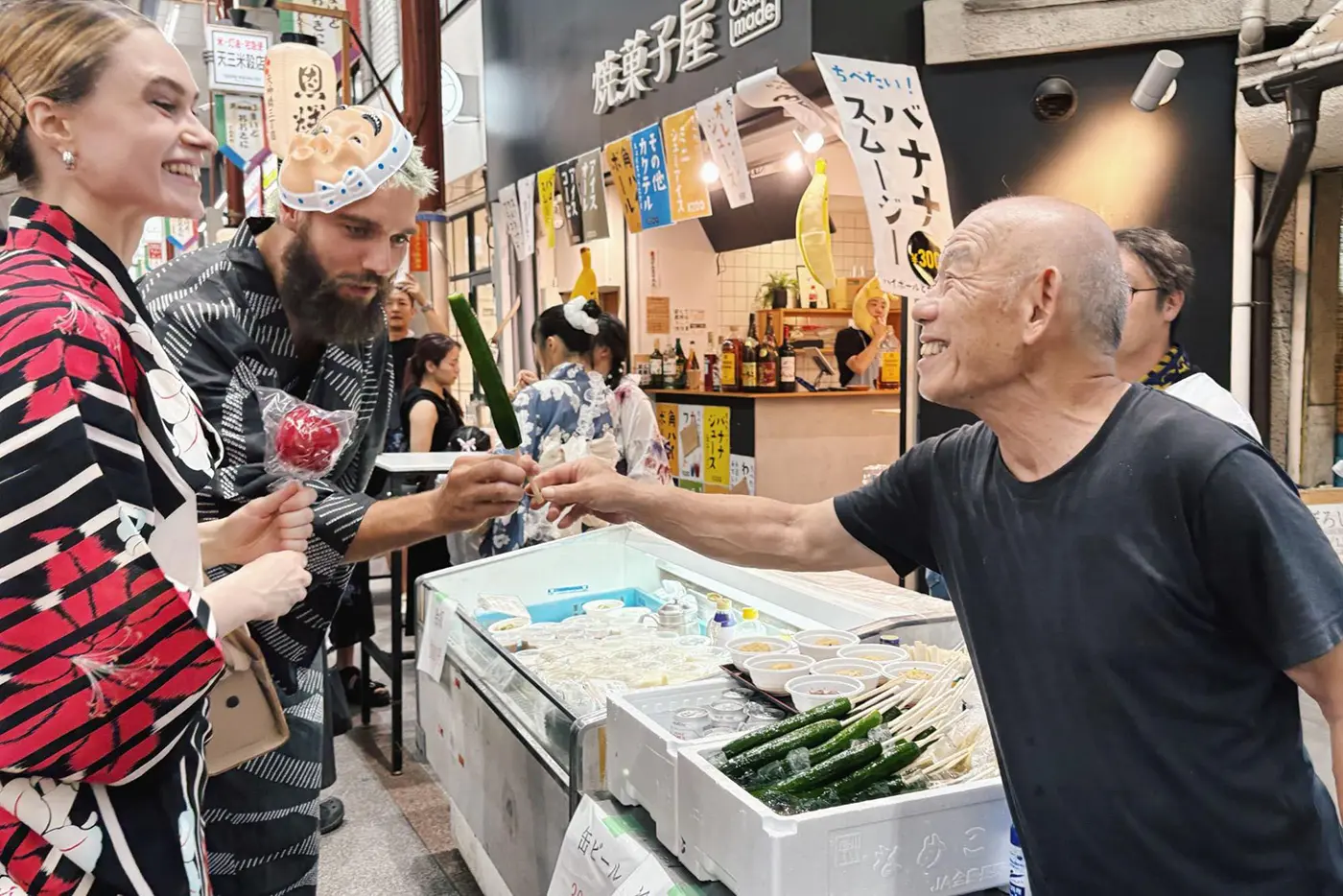

This is where you really get that "Osaka vibe" - lively, fun, and full of energy! Even just buying a pickled cucumber or shaved ice is a fun experience!
Enjoy the food stalls at Kema Sakuranomiya Park
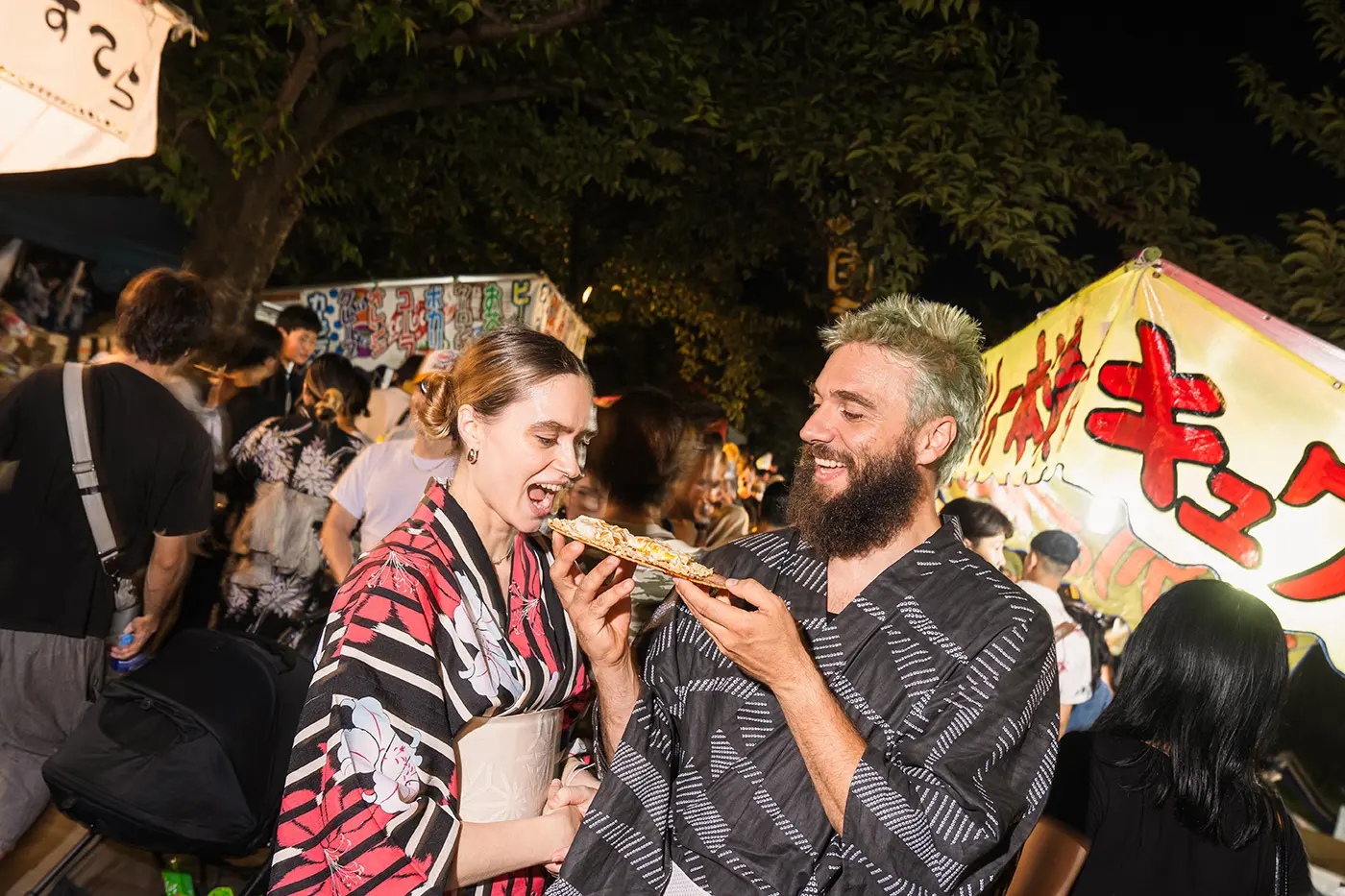
Another must-see spot for the Tenjin Festival is Kema Sakuranomiya Park. This green space stretches along the east bank of the Okawa River, and countless food stalls line the area, transforming it into a food corridor.
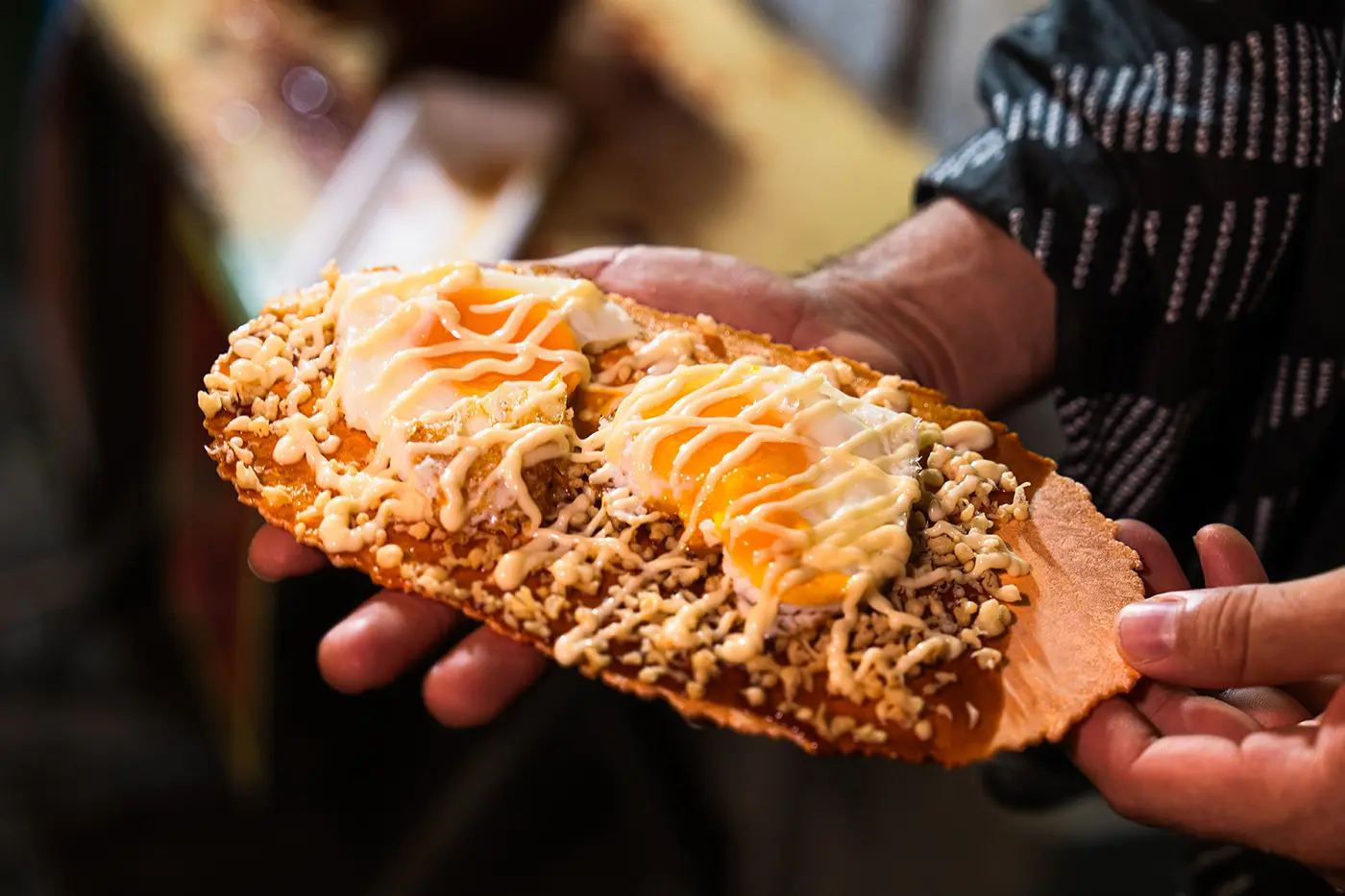
In addition to the classic takoyaki, yakisoba, grilled squid, and shaved ice, unique dishes such as salt-grilled sweetfish are also popular. Recently, the number of internationally-flavored menu items has increased, and food stalls from various countries have become part of the festival scenery. Another attraction is being able to sit down and eat on the grass or on the bank with few steps, and the river breeze blowing through lowers the perceived temperature, making it a comfortable place to spend the hot summer.
After finishing your meal, sit down on the grass by the river and take a break. While watching the setting sky, the procession of boats beginning to light up, and the illuminated bridge, you wait for the start of the boat procession and the fireworks. The food from the food stalls and the evening twilight while being blown by the river breeze will be moments that will color your memories of the festival.
The climax of the festival is the combination of the boat procession and the votive fireworks
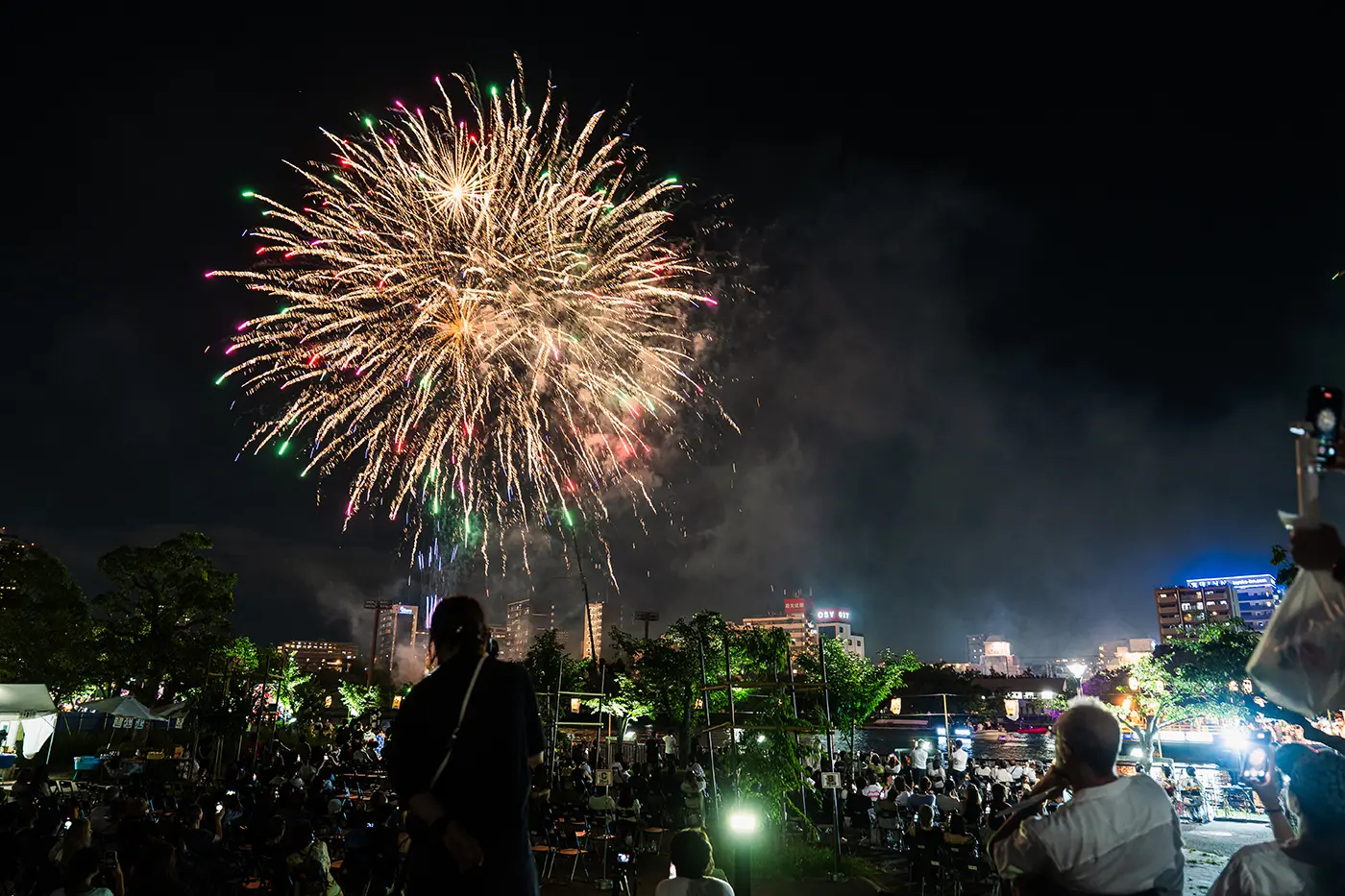
The climax of the Tenjin Festival is the joint performance of the boat procession and fireworks. Spectators fill both banks of the Okawa River, and approximately 3,000 fireworks are launched one after another into the night sky. The lights reflect off the river's surface, overlapping with the lights of the boats, creating a fantastical scene that is hard to believe is in the middle of the city.
One of the most captivating displays of all is the Tenjin Festival's original fireworks, the "Kobai" (Red Plum Blossoms). These fireworks are named after the plum blossom, a symbol of Sugawara no Michizane, the god of learning, and erupt in cheers the moment the large crimson blossoms bloom in the night sky. This is truly a firework that symbolizes the Tenjin Festival.
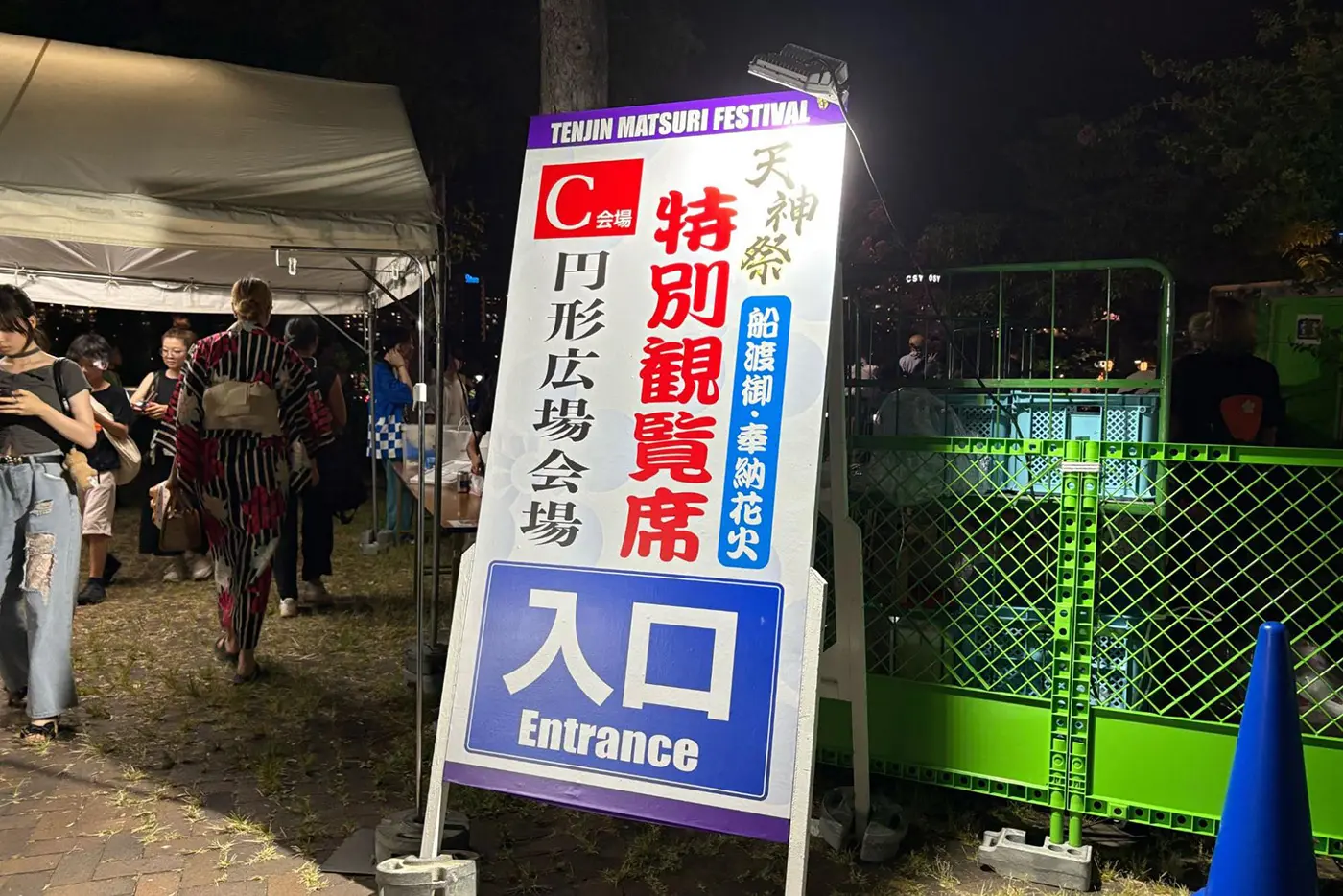
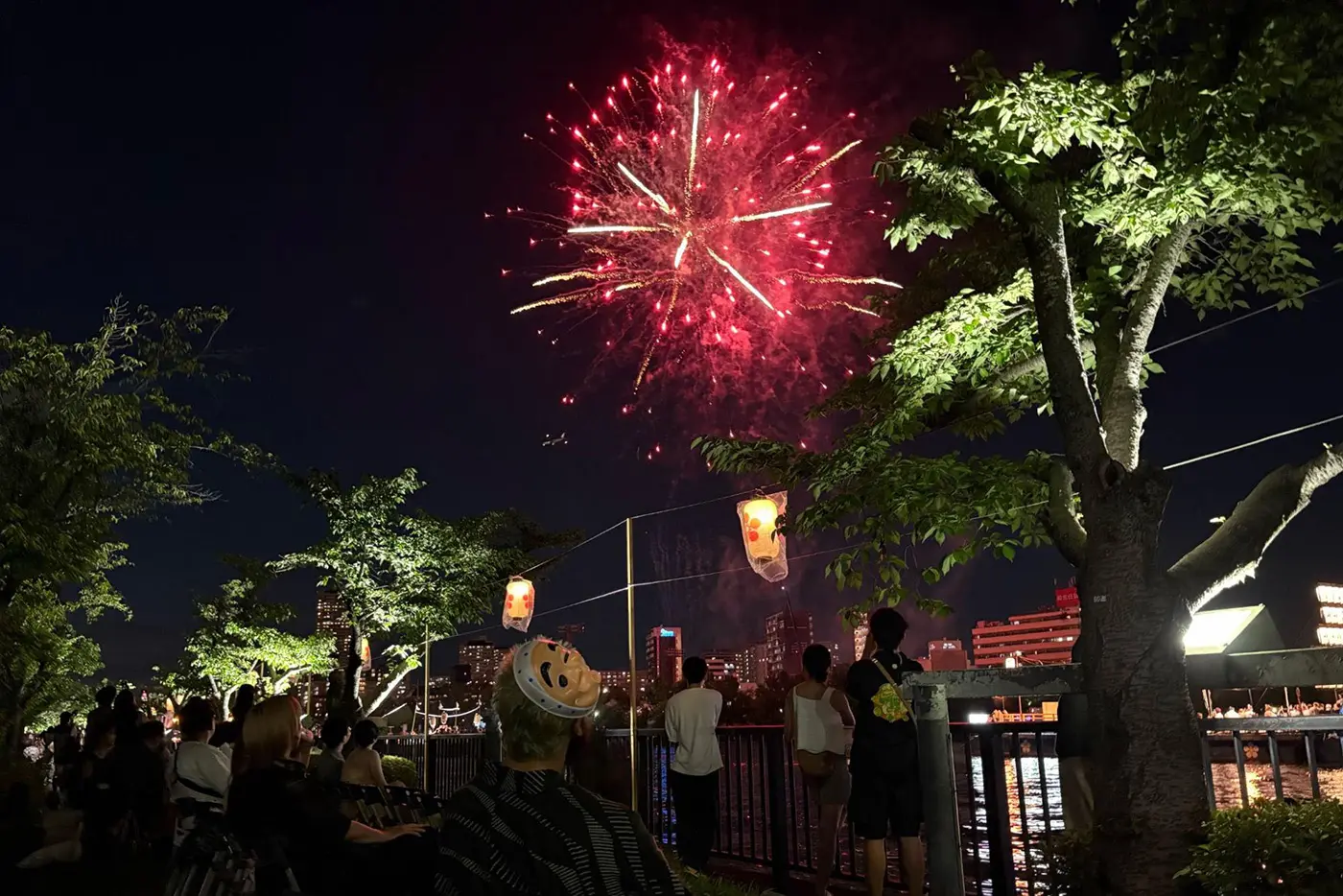
If you want to enjoy the fireworks at your own pace, we recommend the special viewing seats along the Okawa River, which require a fee. The appeal is that you can enjoy the impressive fireworks in a relaxed atmosphere and avoid the crowds. The view from the observation boats on the river is also special. The fireworks and the rippling water combine to create a mystical experience, as if time has stopped. This viewing method is also popular with foreign tourists, and is well-received for its safety.

The night river is lined with boats carrying the lion dancers, worship boats from local communities and organizations, sightseeing boats decorated with lanterns, and houseboats from sponsoring companies, creating a spectacular spectacle in the water city of Osaka. At the center of the river is the sacred boat carrying the Imperial Pavilion carrying the spirit of Sugawara no Michizane, and spectators can be seen joining their hands in prayer.
Furthermore, in between the fireworks, a unique clapping rhythm known as "Osaka-jime" resounds from the audience and the boats. The Osaka-jime begins with a call of "Let's do it!" and people clap their hands twice. Then, they call out "One more!" and clap their hands twice more. Then, they call out "Let's celebrate three times!" and people clap their hands together again.
This rhythm, which envelops the entire venue in a sense of unity, is a rare opportunity to experience the festival culture unique to Osaka.
In this way, fire, water, and sound come together as the two-day Tenjin Festival finally reaches its climax. The spectacle of the night sky and river surface coloring the water is an unforgettable moment that symbolizes summer in Osaka.
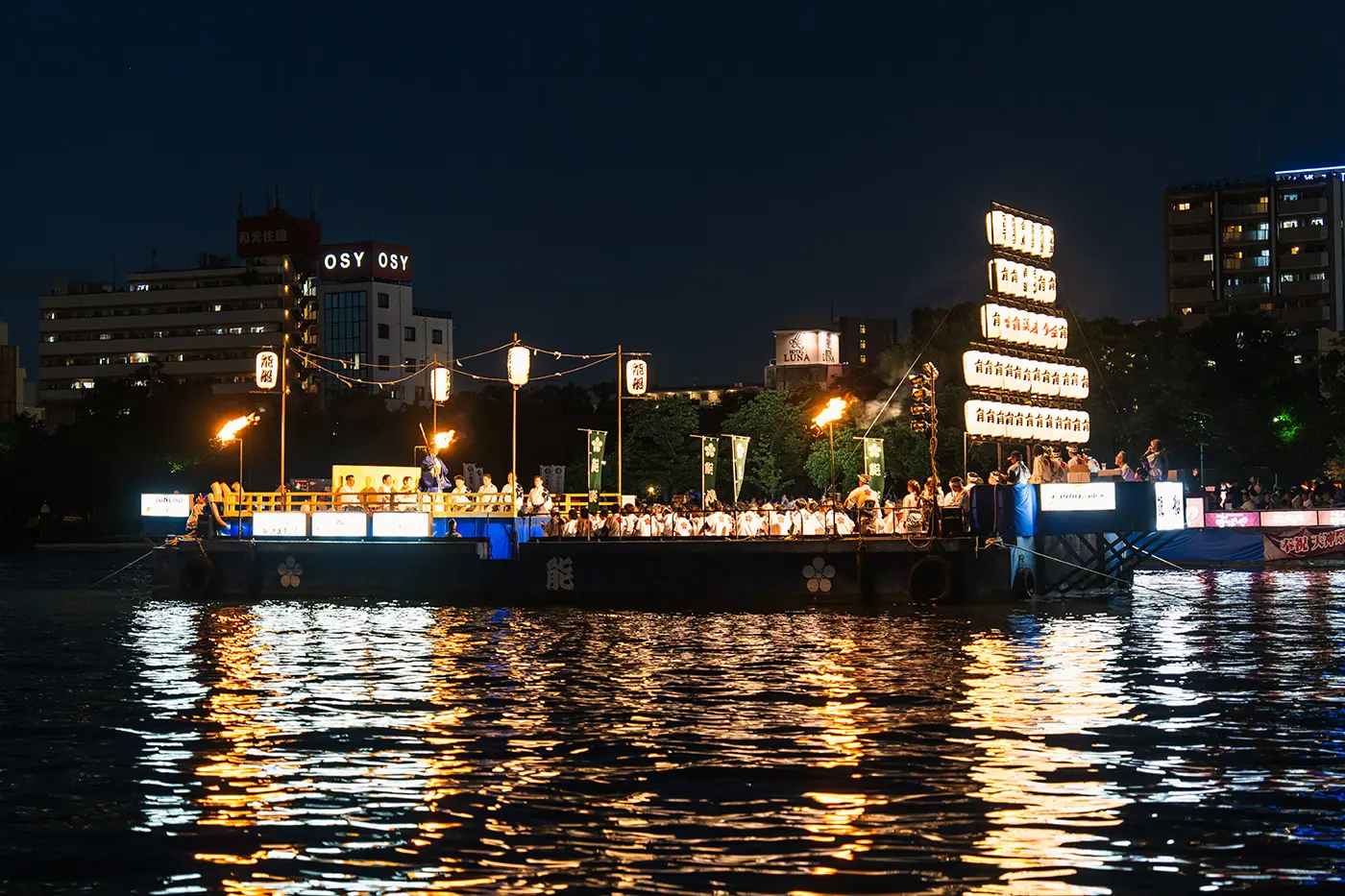
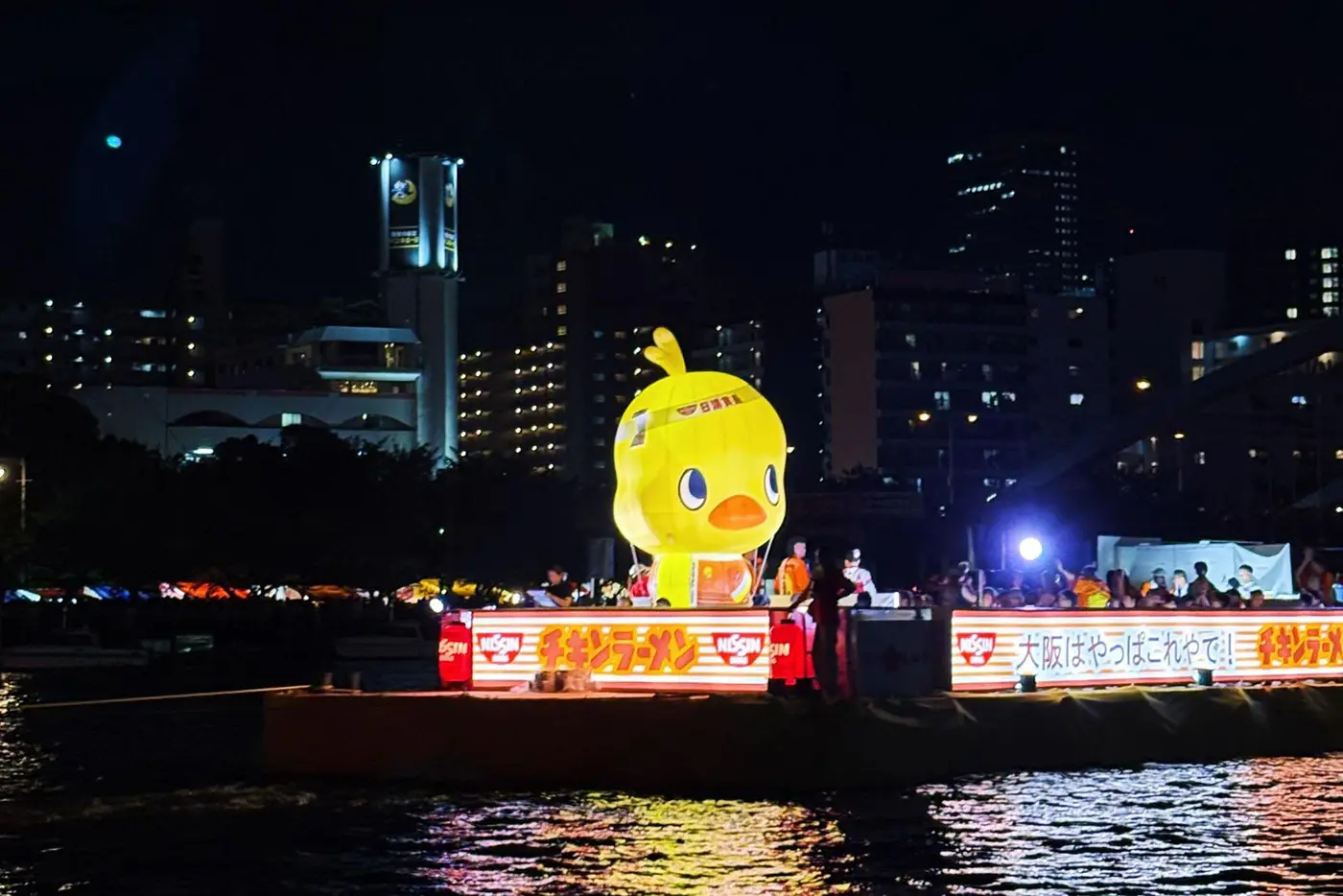
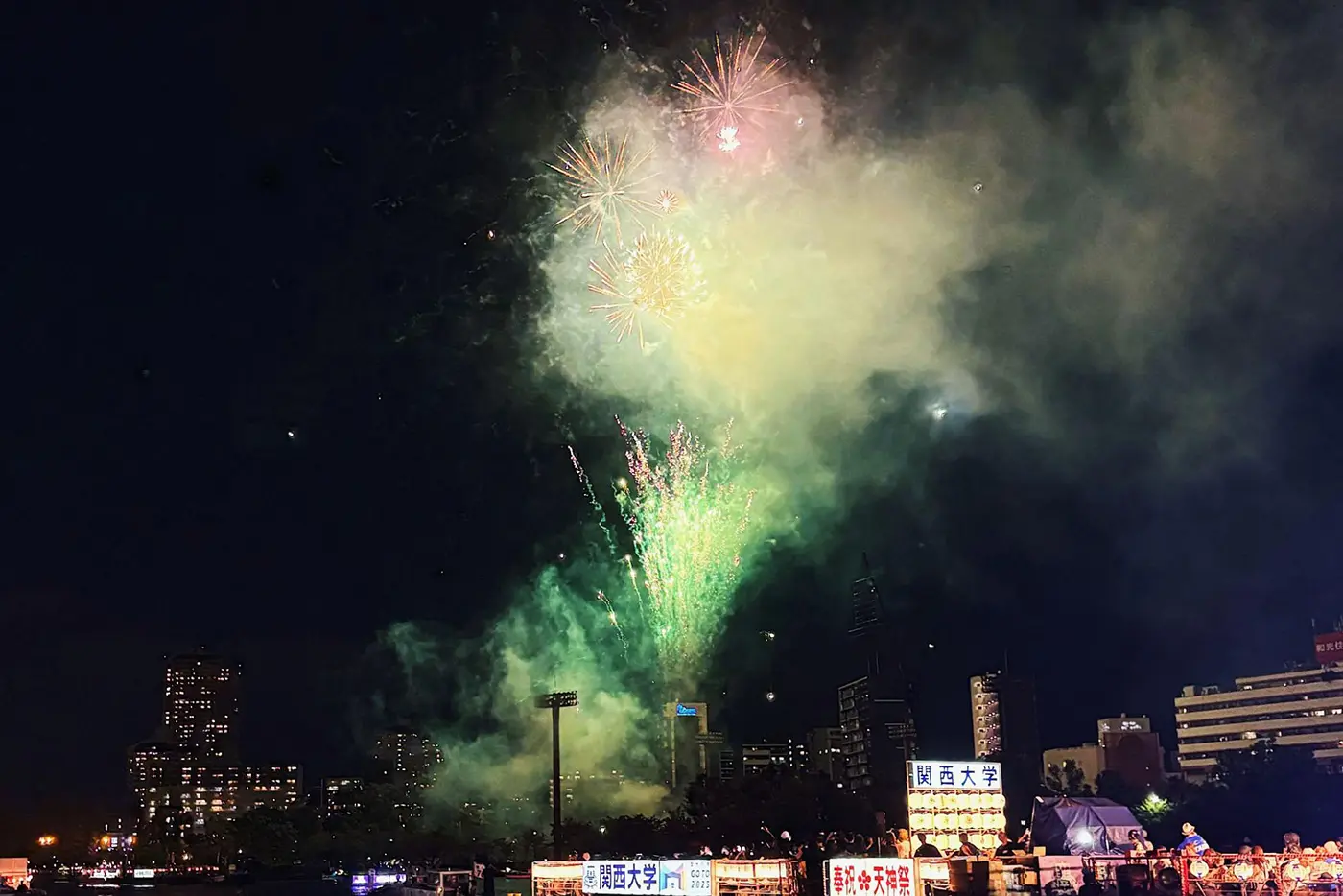
With the fireworks in the background, the audience on the boat and on land clapped together during the "Osaka Shime" performance, which gave me goosebumps. It was the first time I had ever felt such a sense of unity!
Tenjin Festival: Enjoy Osaka's summer to the fullest
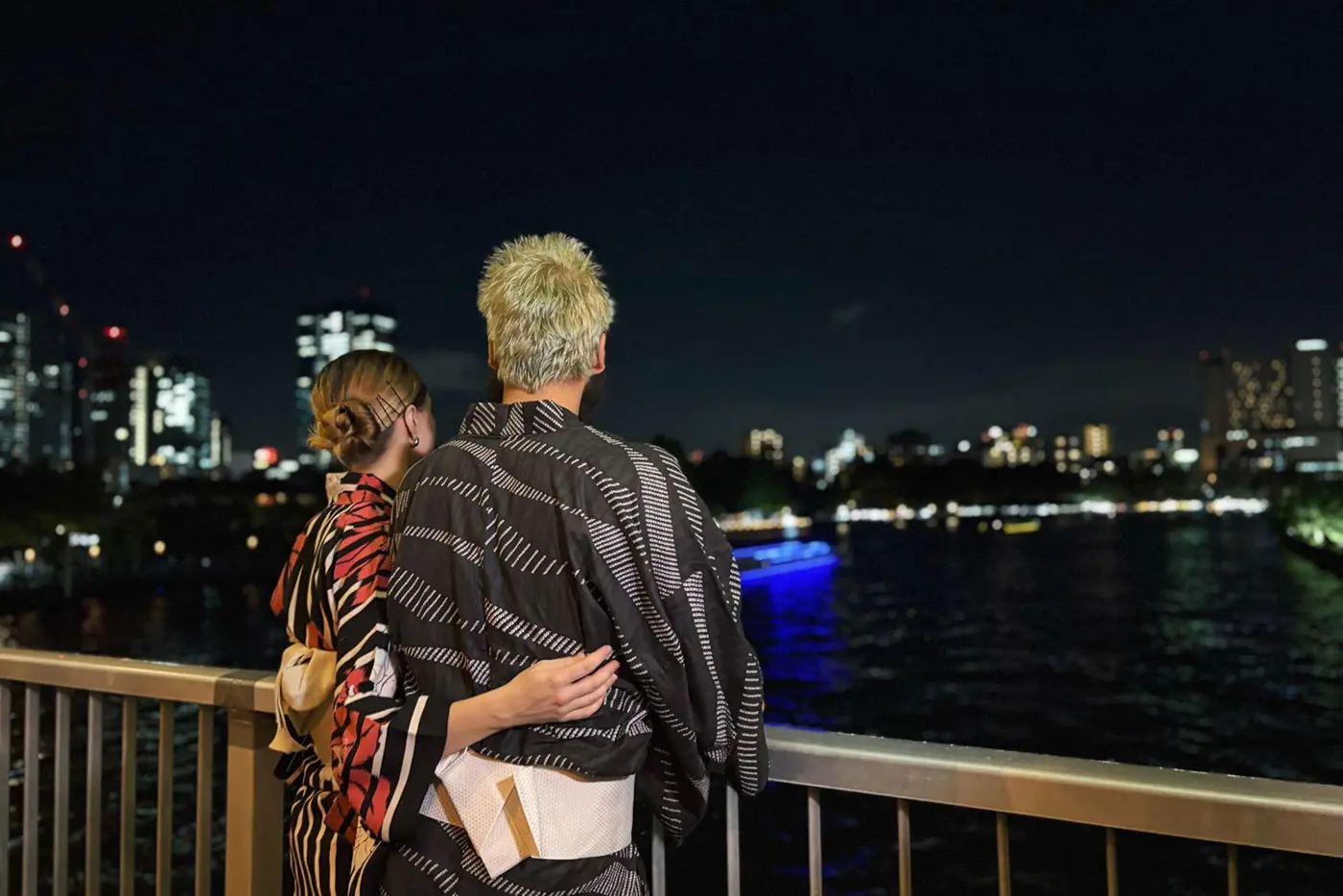
Tenjin Matsuri is a major summer event that combines over a thousand years of tradition with the vitality of Osaka. You can see the mikoshi and processions up close, enjoy shopping along Tenjinbashisuji Shopping Street, stop by the food stalls at Kema Sakuranomiya Park, and watch the boat procession and fireworks at night... The experiences you can enjoy at Tenjin Matsuri allow you to fully experience the history and charm of Osaka.
A major feature of the Tenjin Festival is that, while it is a historic Shinto ritual, it is also open to tourists. Even foreign visitors who are visiting for the first time can easily participate and fully enjoy the unique atmosphere where the city and the river become one. It can truly be said that "If you want to fully enjoy the summer in Osaka, then the Tenjin Festival is the place to go."
There are other festivals in Osaka!
Sumiyoshi Festival
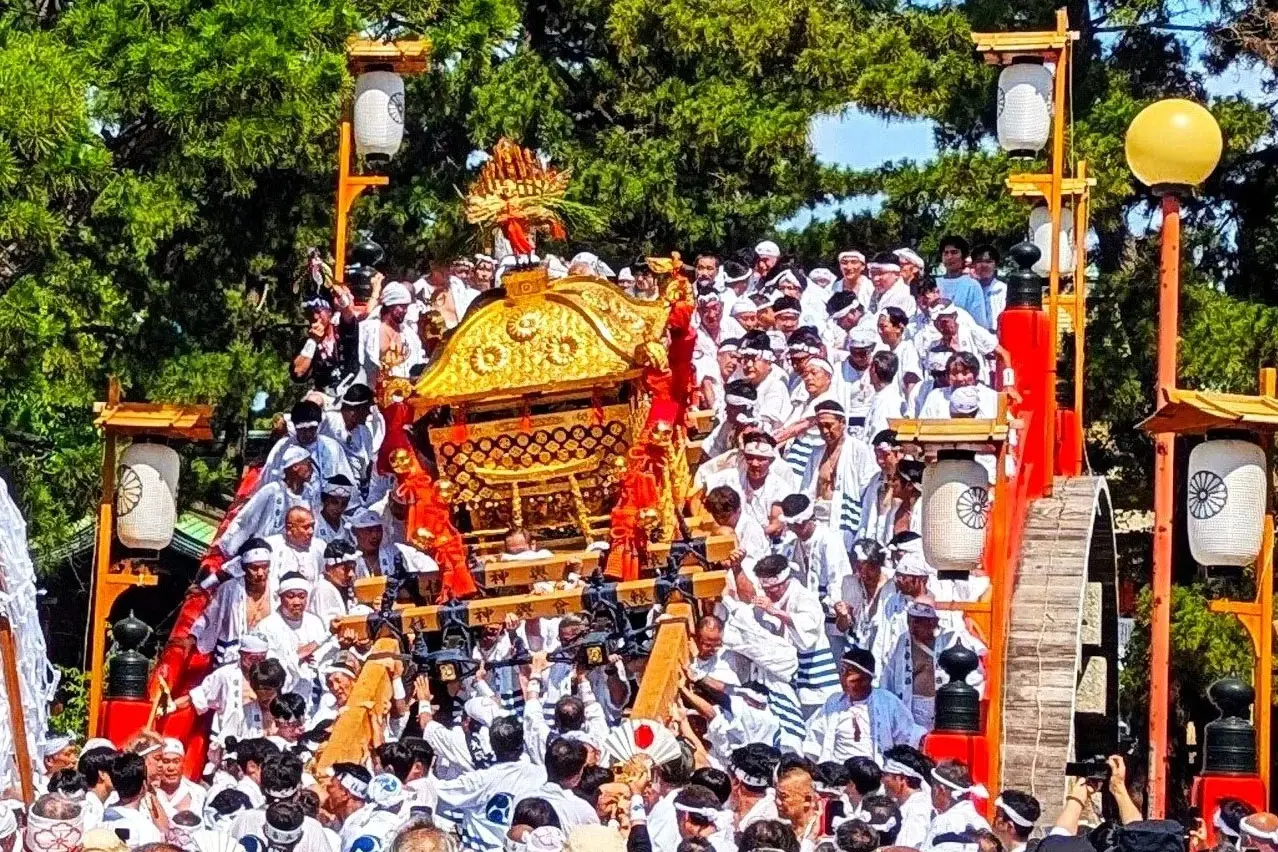
This summer festival is held every year from July 30th to August 1st at Sumiyoshi Taisha Shrine in Sumiyoshi Ward, Osaka City. The highlight is the Mikoshi Togyo, a grand procession of a huge portable shrine weighing about 2 tons, which parades to Shukuin Tongu Shrine in Sakai, and is considered the "final day of Osaka's summer festivals."
Aizen Festival
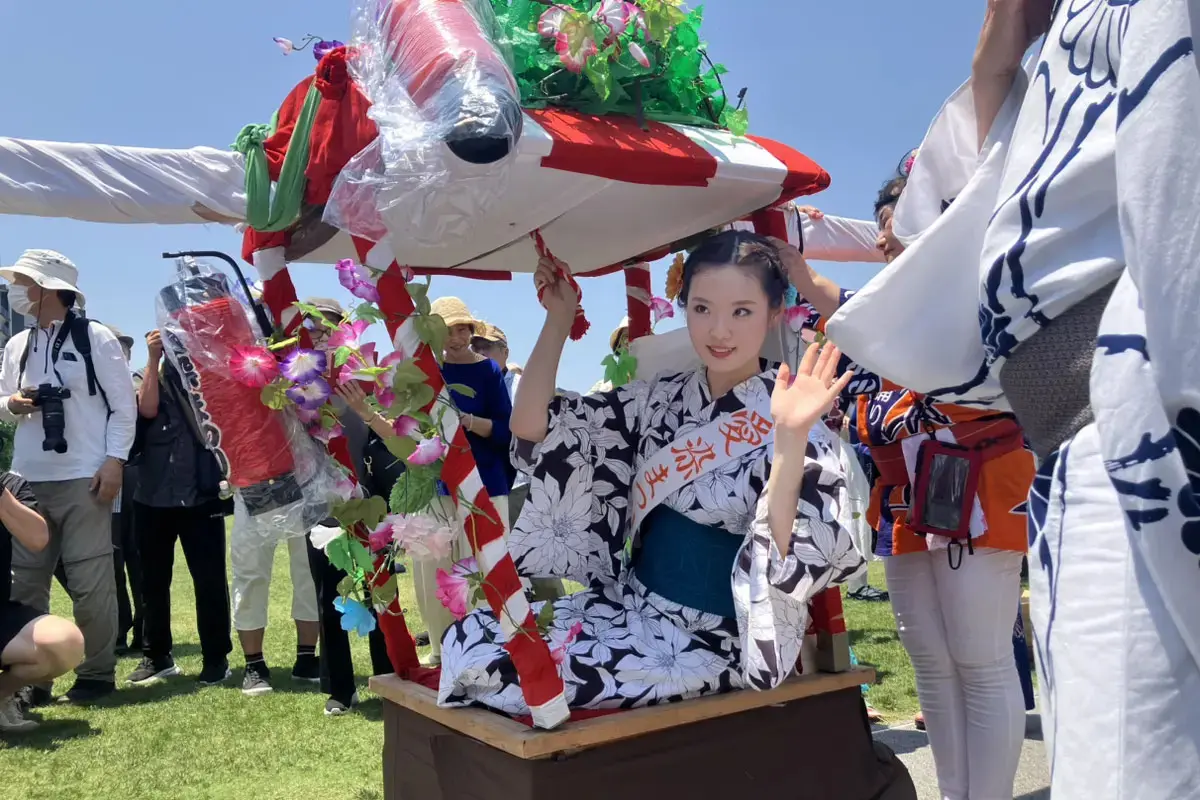
This summer festival is held from June 30th to July 2nd at Aizendo Shoman-in Temple in Tennoji Ward, Osaka City. It is also known as the "Yukata Festival" due to the colorful procession featuring Aizen Musume and the large number of people dressed in yukata.
Kishiwada Danjiri Festival
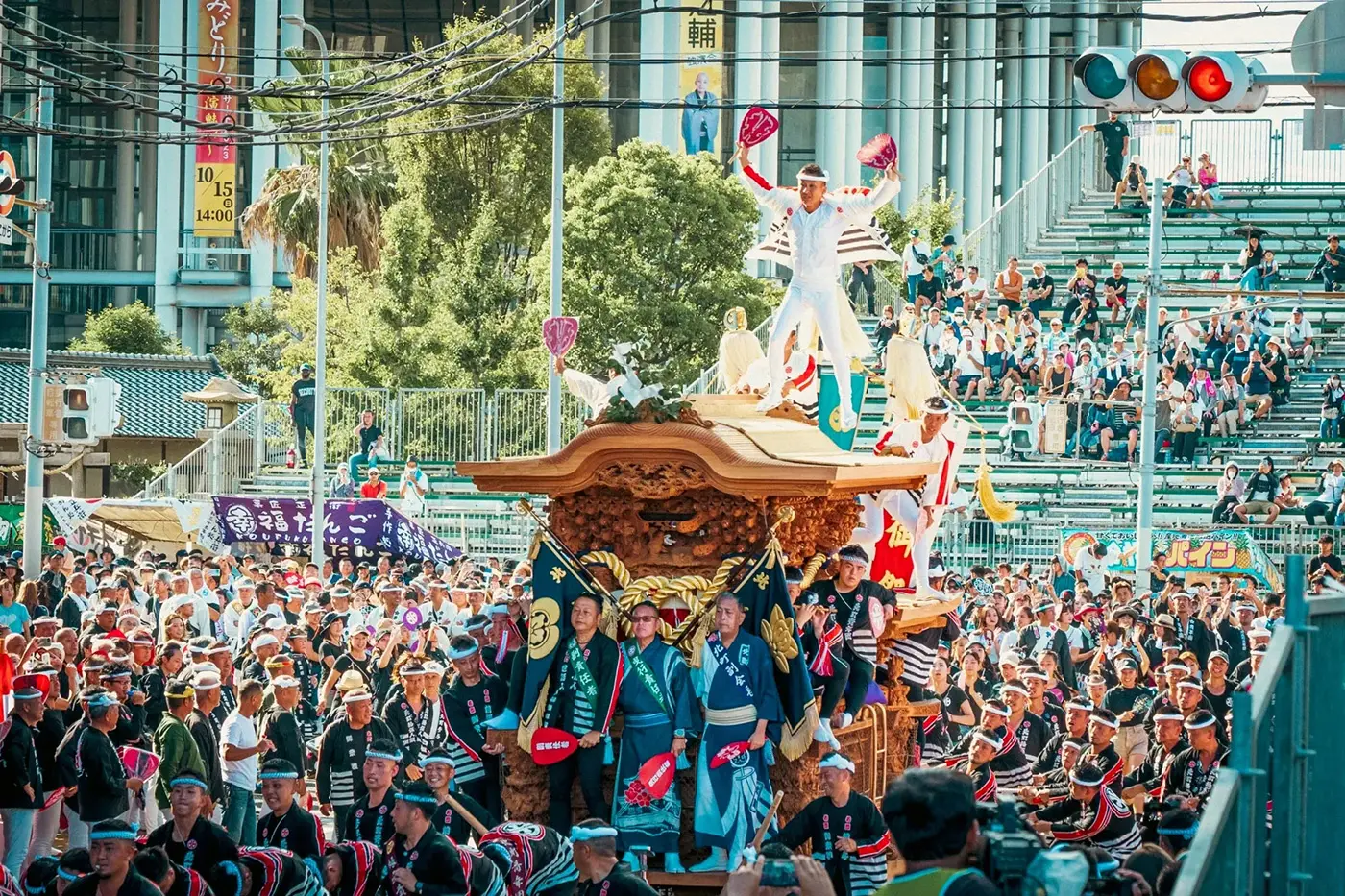
This festival is held every September and October in Kishiwada City, Osaka Prefecture. The highlight is the "Yarimawashi" performance, in which a huge danjiri (float) weighing 4 tons is pulled through the town at full speed and turns at a right angle. This festival is famous nationwide for its grandeur and power.
Sakai Festival
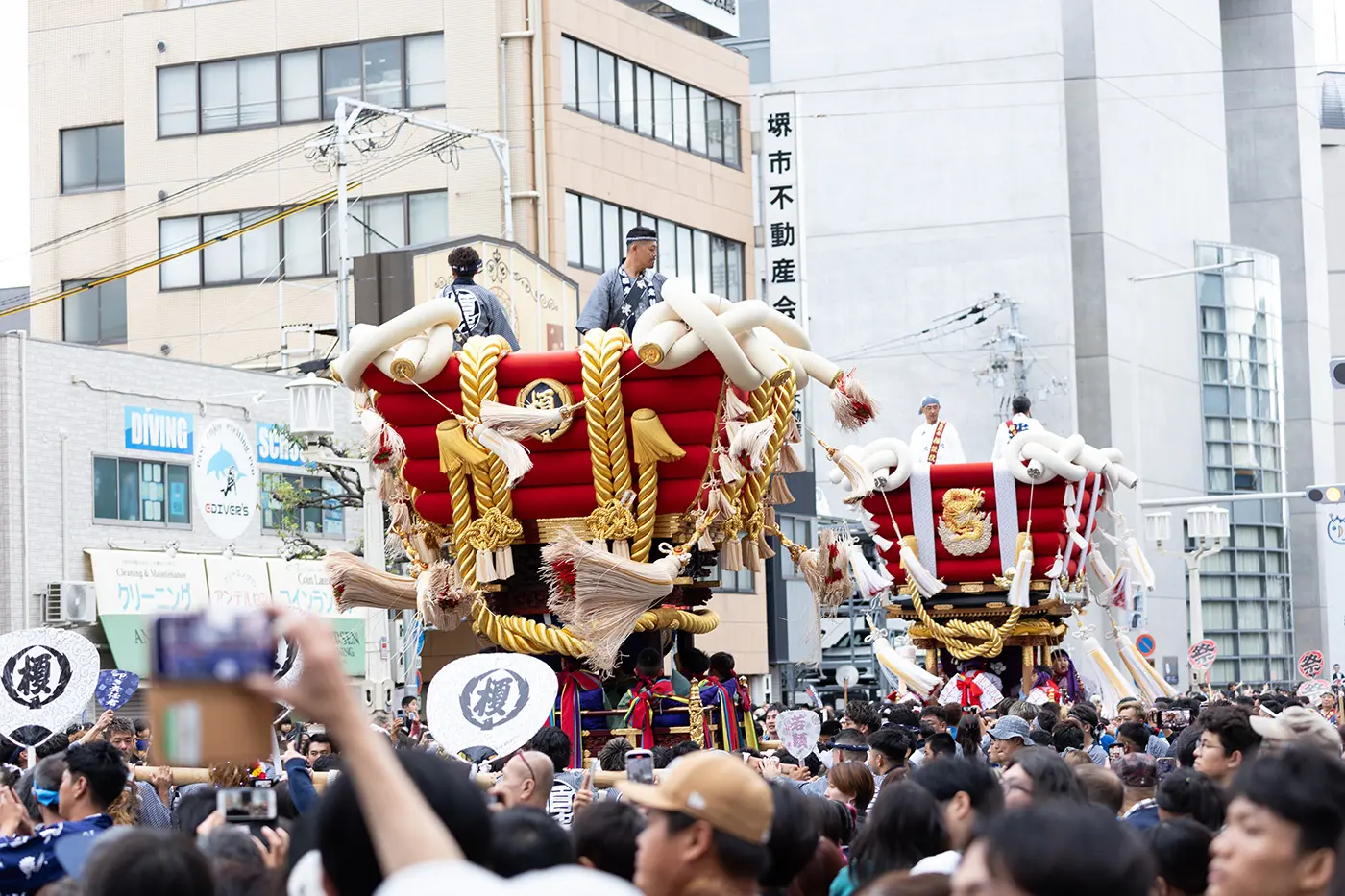
This is a citizen-participation festival held every year on the third Sunday of October and the day before in Sakai City, Osaka Prefecture. The highlight is the grand parade featuring approximately 7,000 people, including floats on Nanban boats, matchlock gun corpsmen, and people in ethnic costumes from around the world. You can also enjoy the Sakai Tea Ceremony, Rikyu's hometown, and a local specialty market.
Toka Ebisu Festival
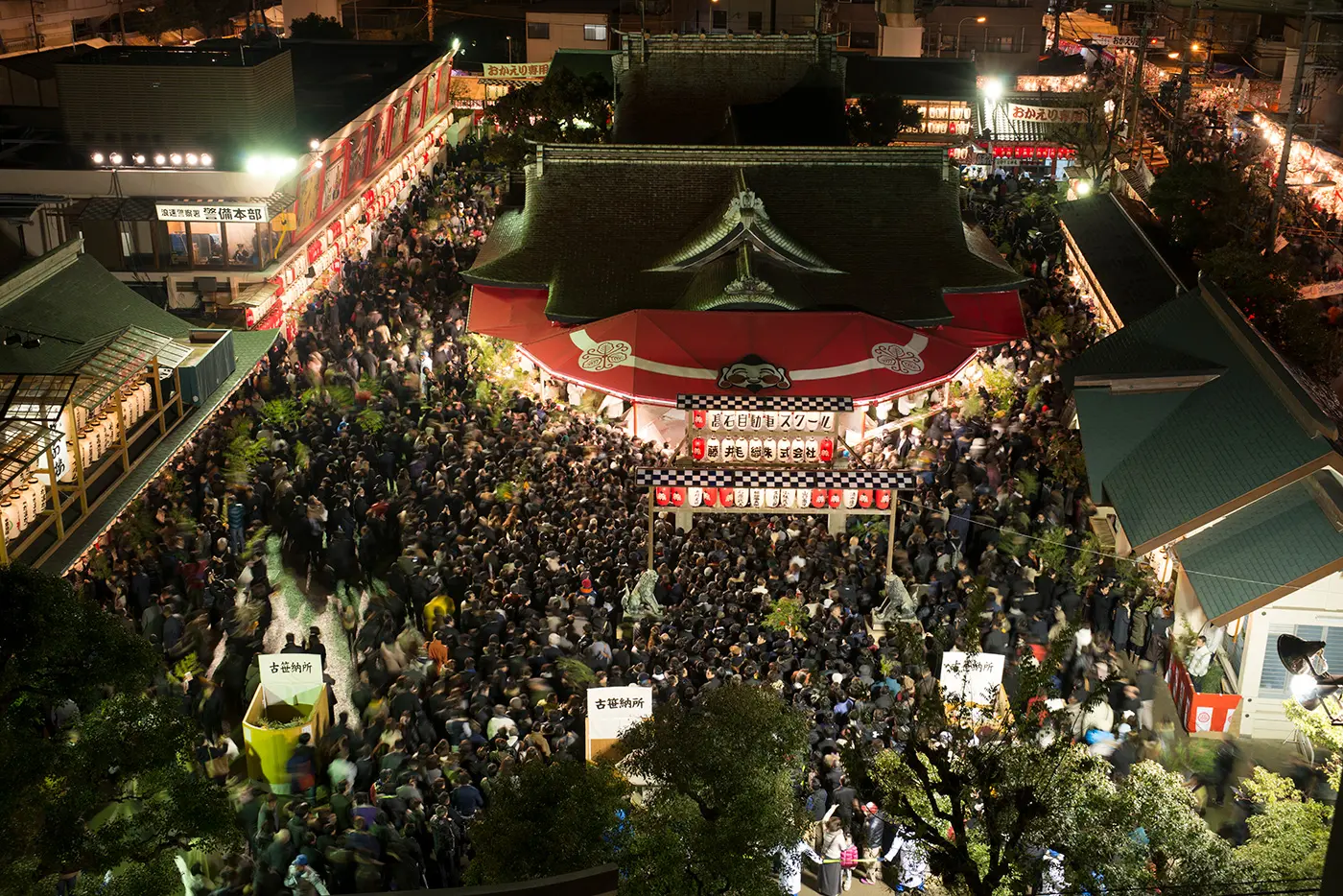
It is held every year from January 9th to 11th at Imamiya Ebisu Shrine (Naniwa Ward, Osaka City), which enshrines Ebisu, the god of prosperous business. In particular, on the 10th, "Hon Ebisu," many worshippers come to pray for prosperous business by decorating lucky bamboo with auspicious symbols. It is a New Year's event that symbolizes Osaka as a city of merchants.
Yao Kawachi Ondo Festival
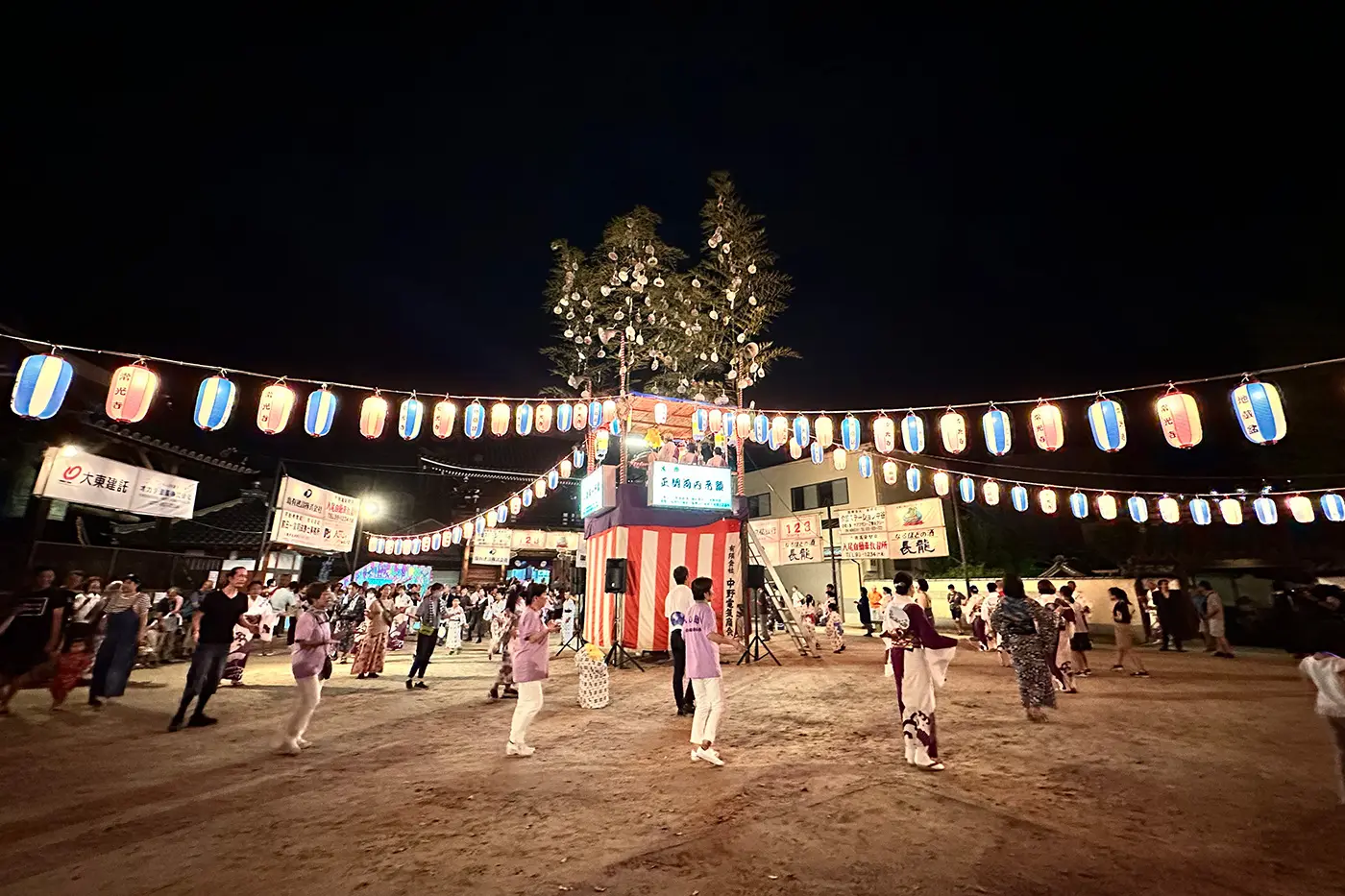
The Kawachi Ondo Festival, Osaka's representative Bon Odori dance, is held every September to October in Yao City, Osaka Prefecture. Local residents and tourists gather around a tower and dance in a large circle. Professional Kawachi Ondo dancers also perform live songs and music on stage, making it an exciting summer tradition.
Related article: Improvised groove! What is the appeal of Yao's uniquely evolving local performing art, "Kawachi Ondo"? A Bon Odori enthusiast explains how to enjoy it
*The information in this article is current as of February, 2026. As details may have changed, please check the official websites of the facilities and stores for the latest information.
Photo: Satoru Kitagawa
Edited by: Osaka Nichi Nichi Weekly Newspaper Company
Direction: Ningen Henshusha
