 Copy Link
 X
X
 Facebook
 LINE
LINE
 LinkedIn
 Pinterest
 WhatsApp
 KakaoTalk
 NAVER
NAVER
 Weibo
Weibo
 WeChat
 Mail
Mail
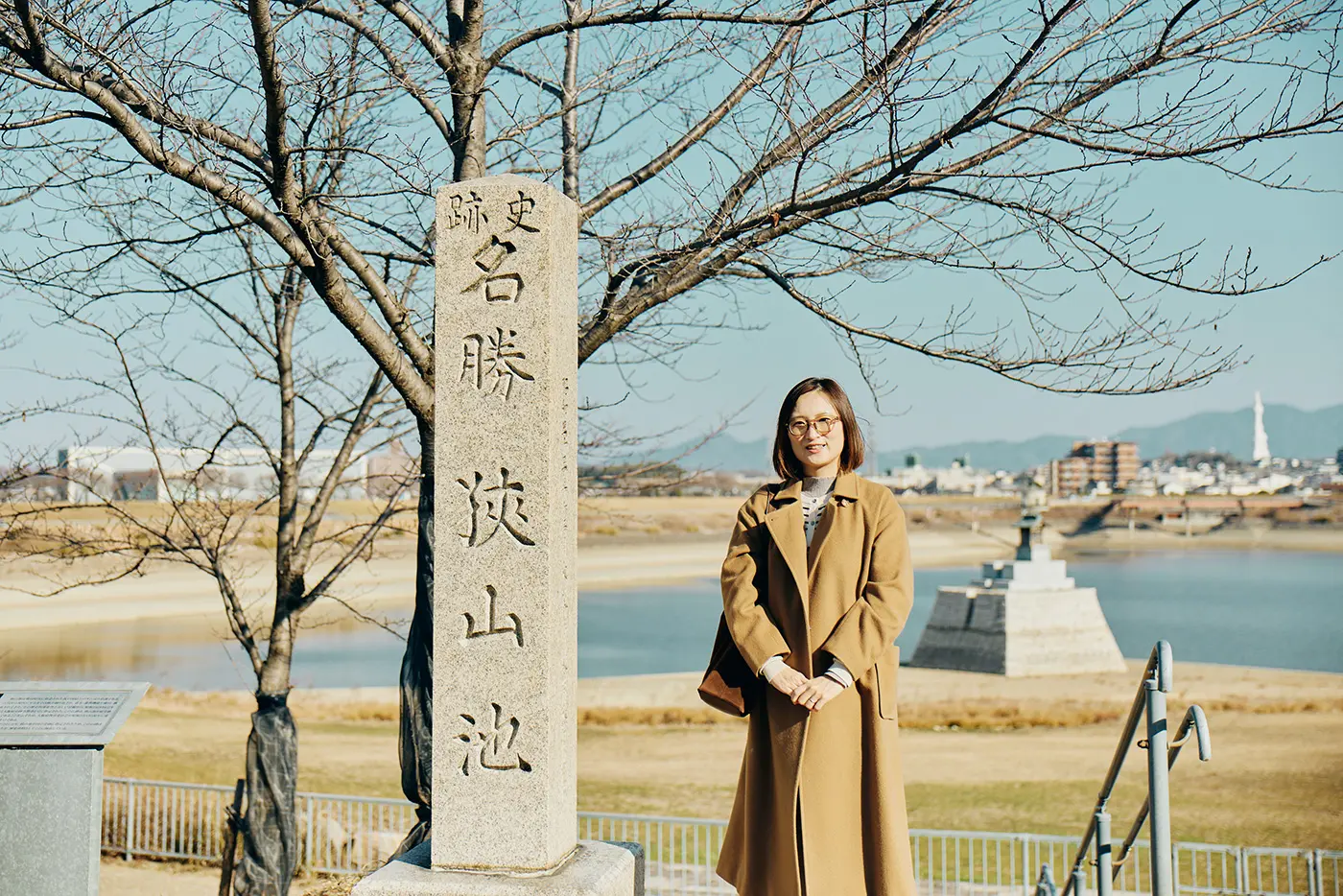

Sayamaike-pond, located in southern Osaka, is the oldest dam-type reservoir in Japan, dating back 1,400 years. The approximately 2.8 km circular path that surrounds the vast water surface is a walking spot where history and the four seasons intersect. It is easily accessible from the airport and is dotted with famous spots known only to those in the know. In this article, Hwang, who lives in Osaka and is originally from Busan, South Korea, will visit the Tadao Ando Architecture Museum and local gourmet food.
Related Tours
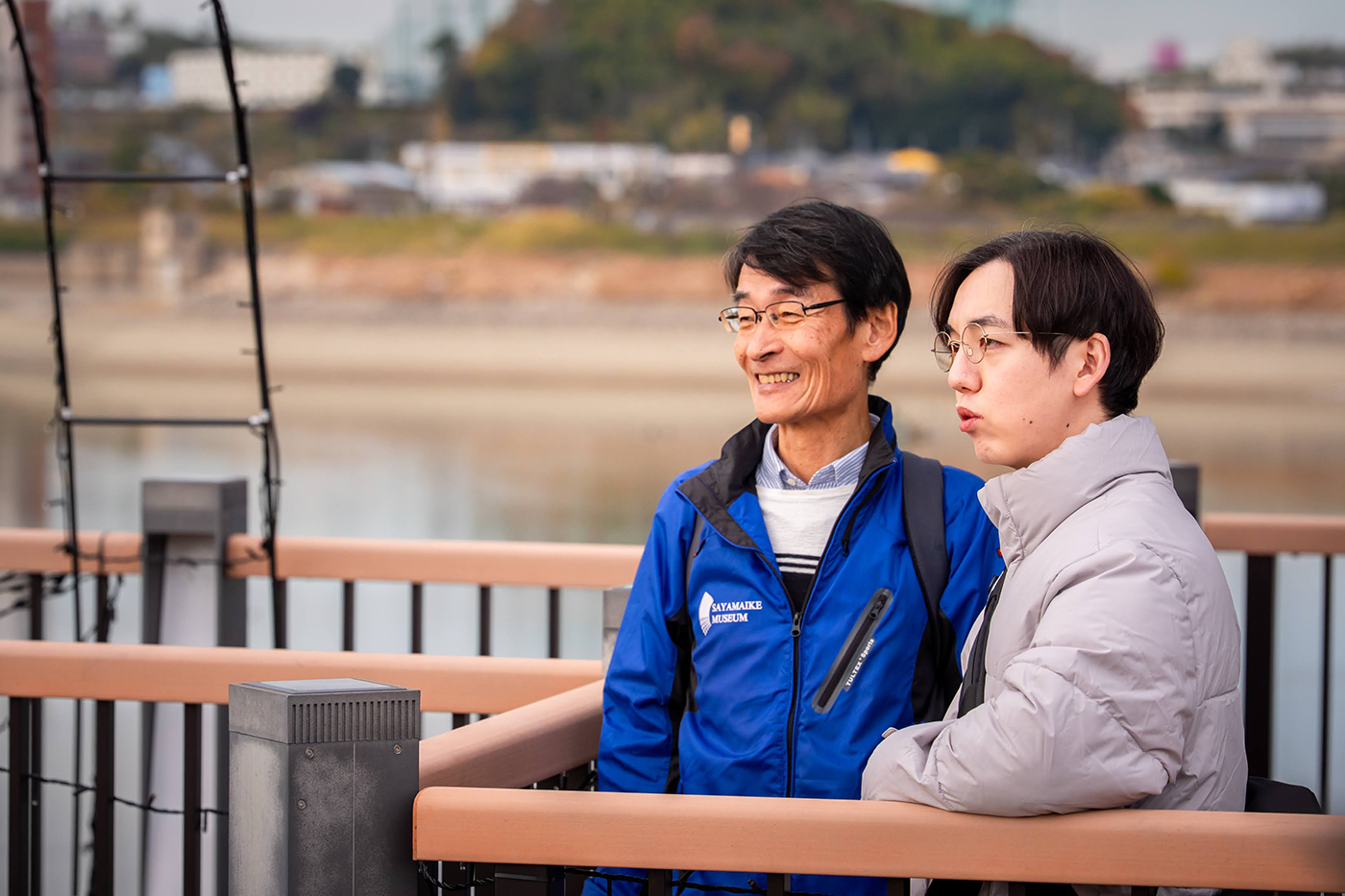
Osaka: Experience 1,400 years of history! Guided tour of Sayamaike-pond, Japan's oldest reservoir
- Experience the oldest reservoir in Japan, which has been in operation for 1,400 years
- Learn from a museum guide about the academic value of the site, which has been designated a national historic site
- We will give you a free Sayamaike tenugui towel that you can only get here!
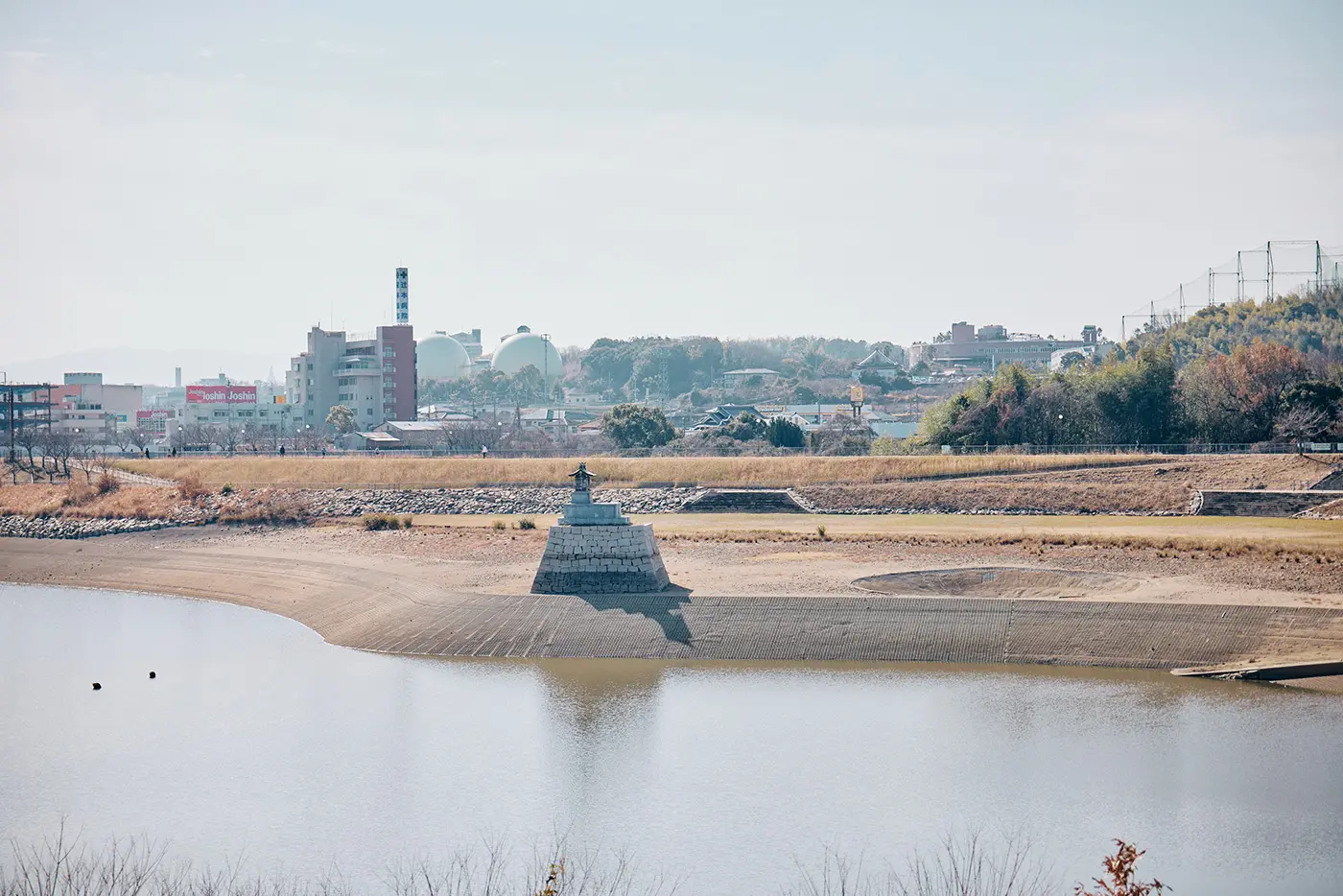
Located in southern Osaka, Osakasayama City is a peaceful and lively town known for its comprehensive child-rearing support. At the center of the town is Sayamaike Park, home to Sayamaike-pond, Japan's oldest dam-type reservoir, constructed around 616 AD during the Asuka period. This park has been selected as one of Japan's Top 100 Historical Parks, and is a famous spot where history and nature coexist. The pond, still filled with abundant water, has been a symbol of the town for approximately 1,400 years.
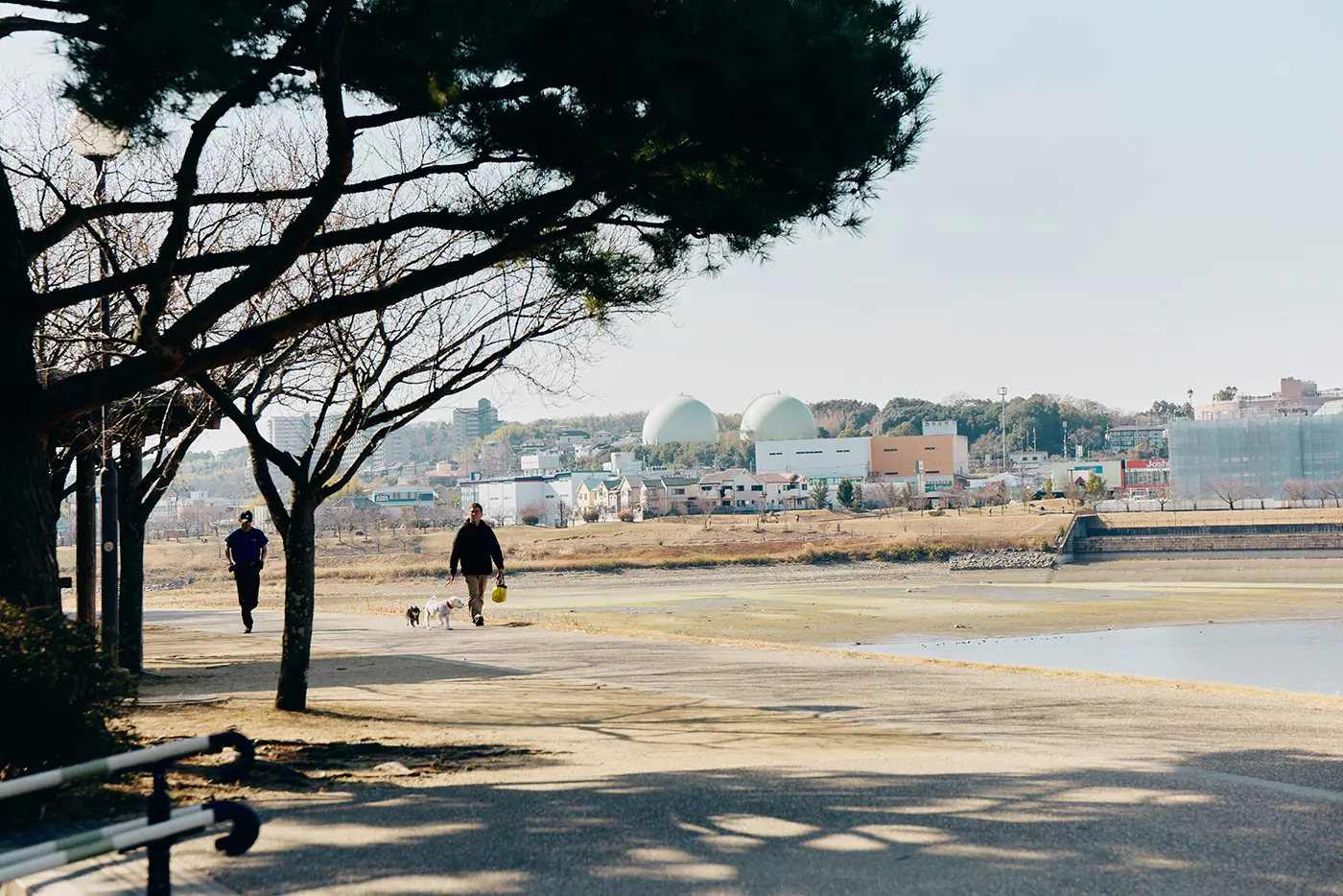
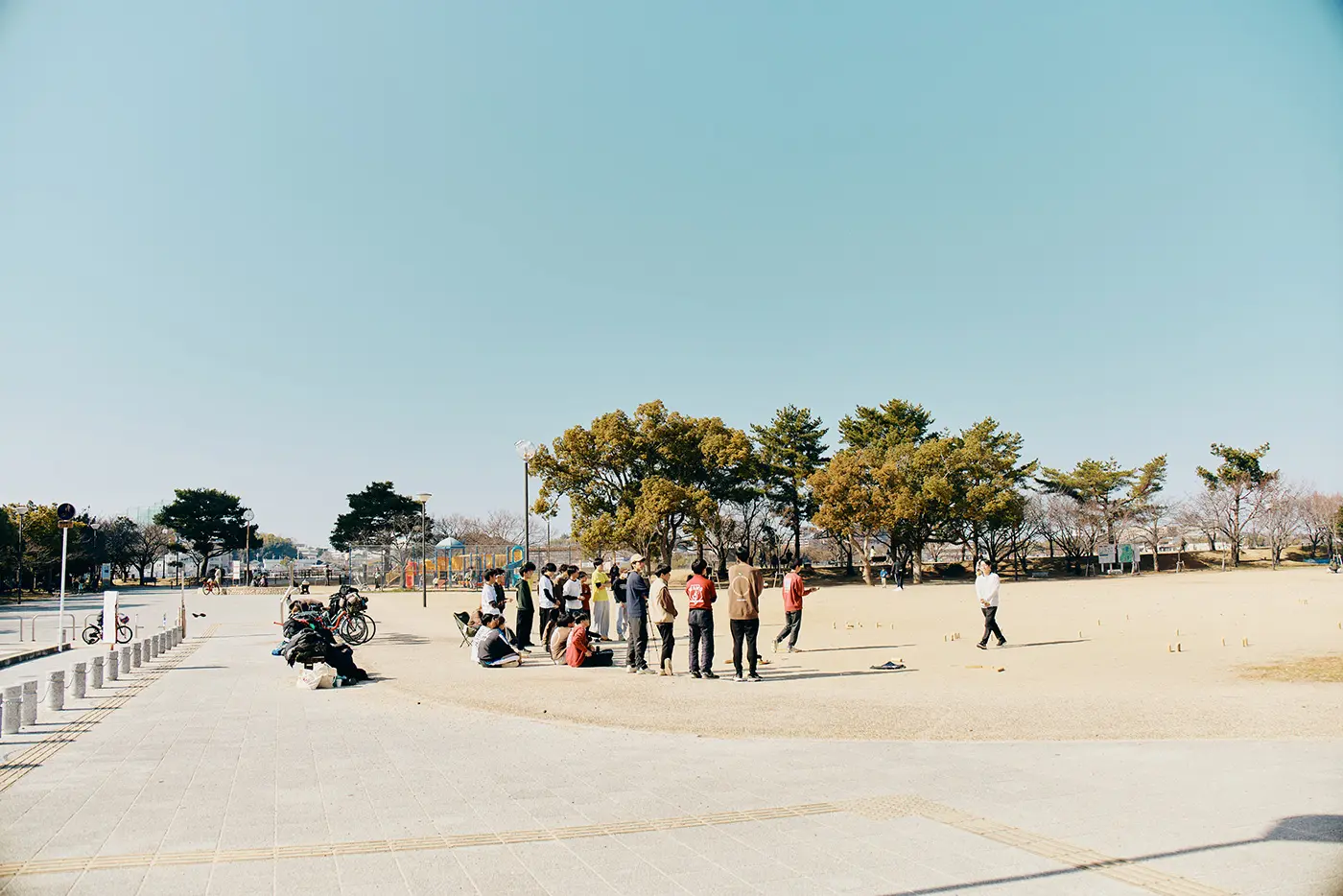
Once you step inside, you'll find yourself in a relaxed atmosphere that will make you forget the hustle and bustle of the city. The approximately 2.8km circular path is a place of relaxation where locals come to enjoy running, mölkky and kite flying, as well as families out for walks. It's a place where you can spend your time however you like, feeling the breeze blowing across the water.
This time, we took a tour of Sayamaike-pond with Ms. HWANG, a native of Busan, Korea, who lives in Osaka. We'll report on all the charms of Sayamaike-pond, from the experience of experiencing its eternal history to the lush green scenery and the delicious gourmet food we found in the area.

Originally from Busan, South Korea, she came to Japan on an exchange program and worked for a confectionery manufacturer after graduating from university. She is now married to a Japanese man and is also a mother raising three children. On her Instagram, she shares her real-life life in Japan and her everyday life with her family. Her unpretentious lifestyle has resonated with readers and she has garnered a lot of support, especially from her Korean followers.
A symbol that stands out against the blue sky! A panorama of water overlooked from the wooden bridge
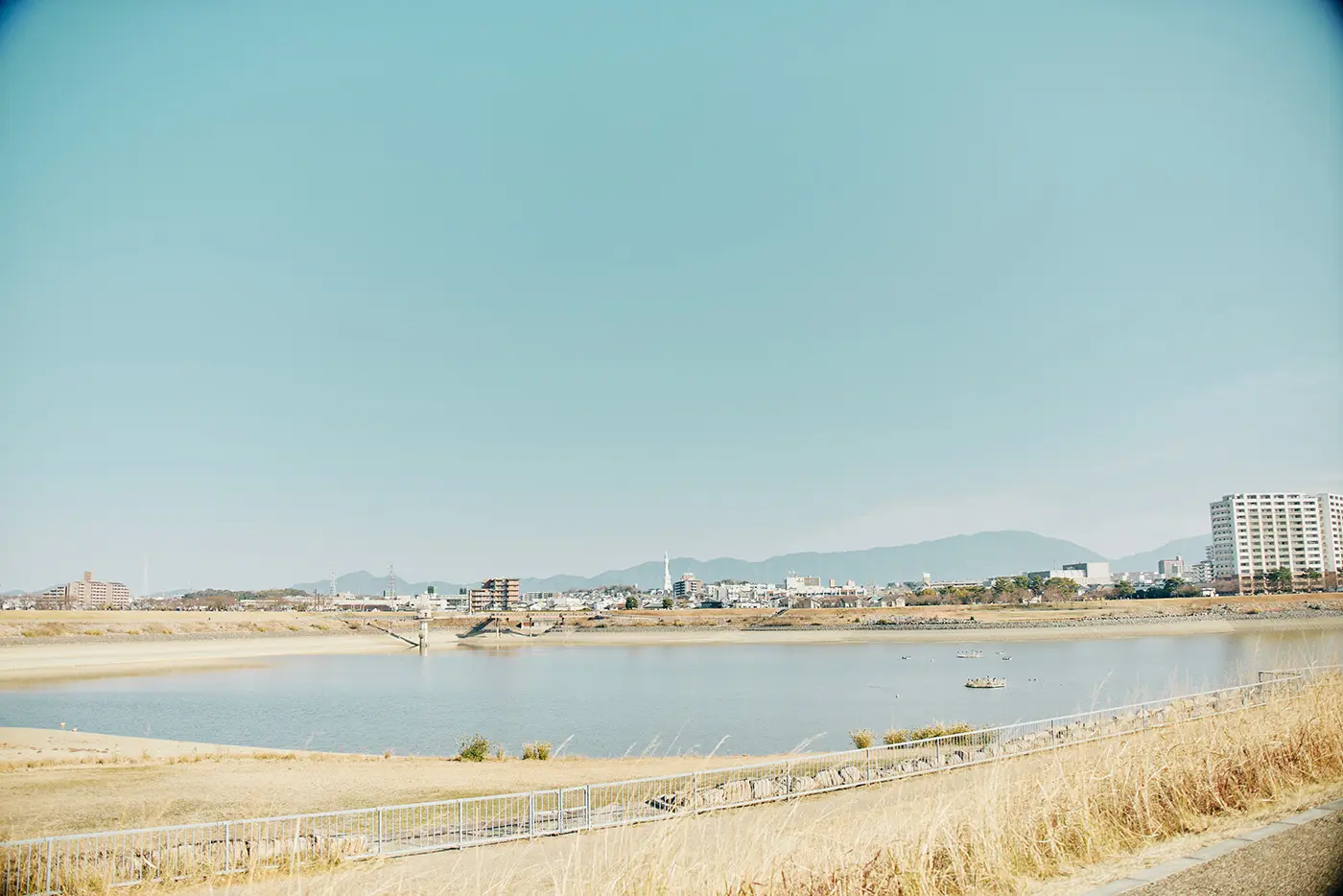
The first thing that strikes you when you arrive at Sayamaike-pond is the overwhelming sense of openness. The path that circles the pond offers an unobstructed view, and the sky feels surprisingly vast.
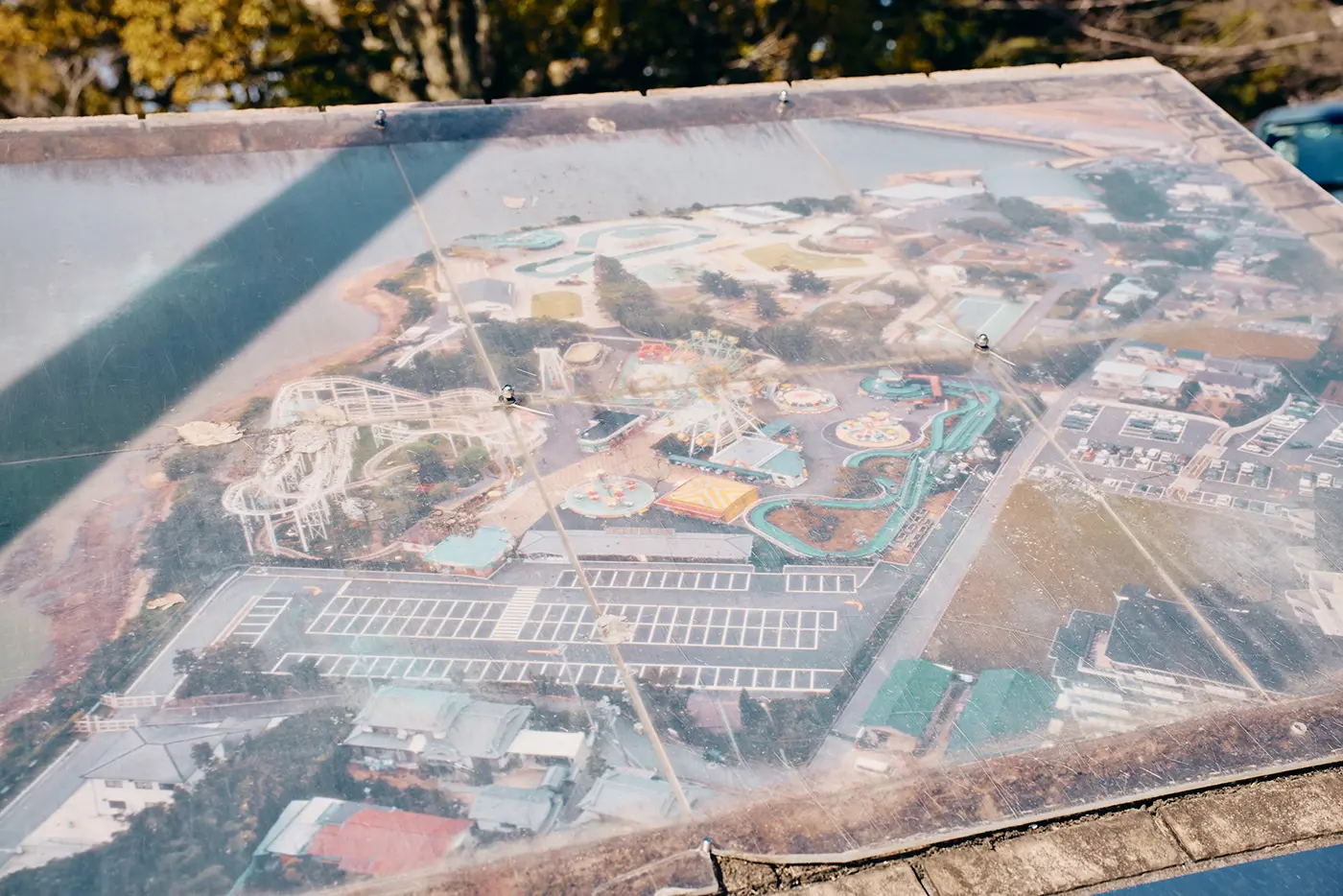
Along the banks of Sayamaike-pond, there used to be an amusement park called "Sayama Amusement Park" that was loved by many families. The park had numerous rides and a mini zoo, and was a place of relaxation where flowers bloomed beautifully throughout the seasons, such as rows of cherry blossom trees in the spring and a rose garden. It was a popular spot where you could enjoy swimming in the pool in the summer and ice skating, a rarity in southern Osaka, in the winter, and at its peak it was visited by 540,000 people a year. It closed in 2000, much to everyone's regret, and the site is now part of a residential area and beautiful scenery.
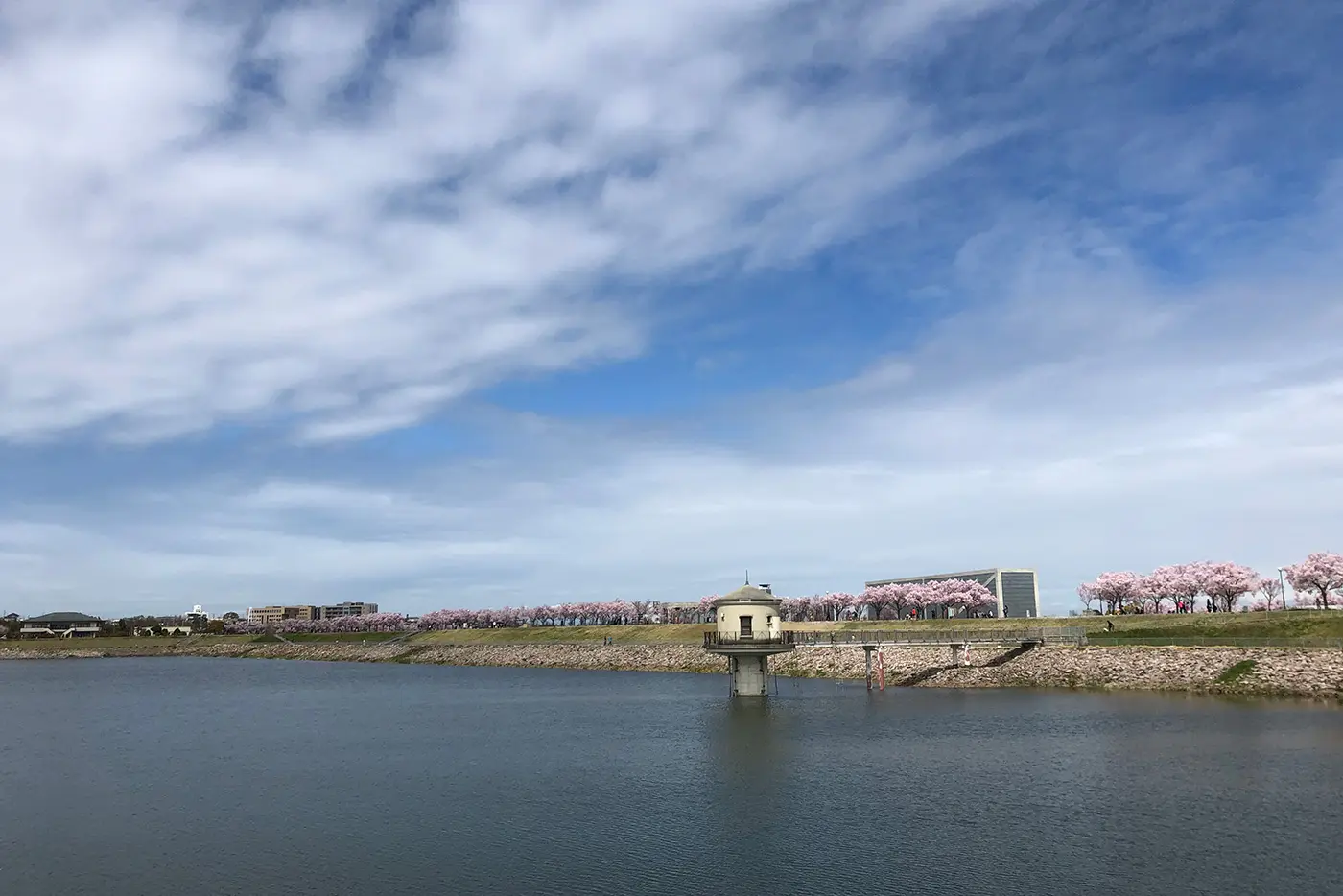
Our first stop was the wooden bridge, which offers a panoramic view of the entire pond. From the bridge on the east side near Osakasayamashi Station, we could get a close-up look at the retro water intake tower standing in the pond, with the museum and greenery in the background.
This water intake tower is an important facility for regulating the pond's water level, but its classic design has made it an iconic view spot for Sayamaike-pond that attracts many photographers. The combination of this symbol, which has continued to watch over this area since its days as an amusement park, and the vast surface of the water reflecting the blue sky is definitely worth seeing.
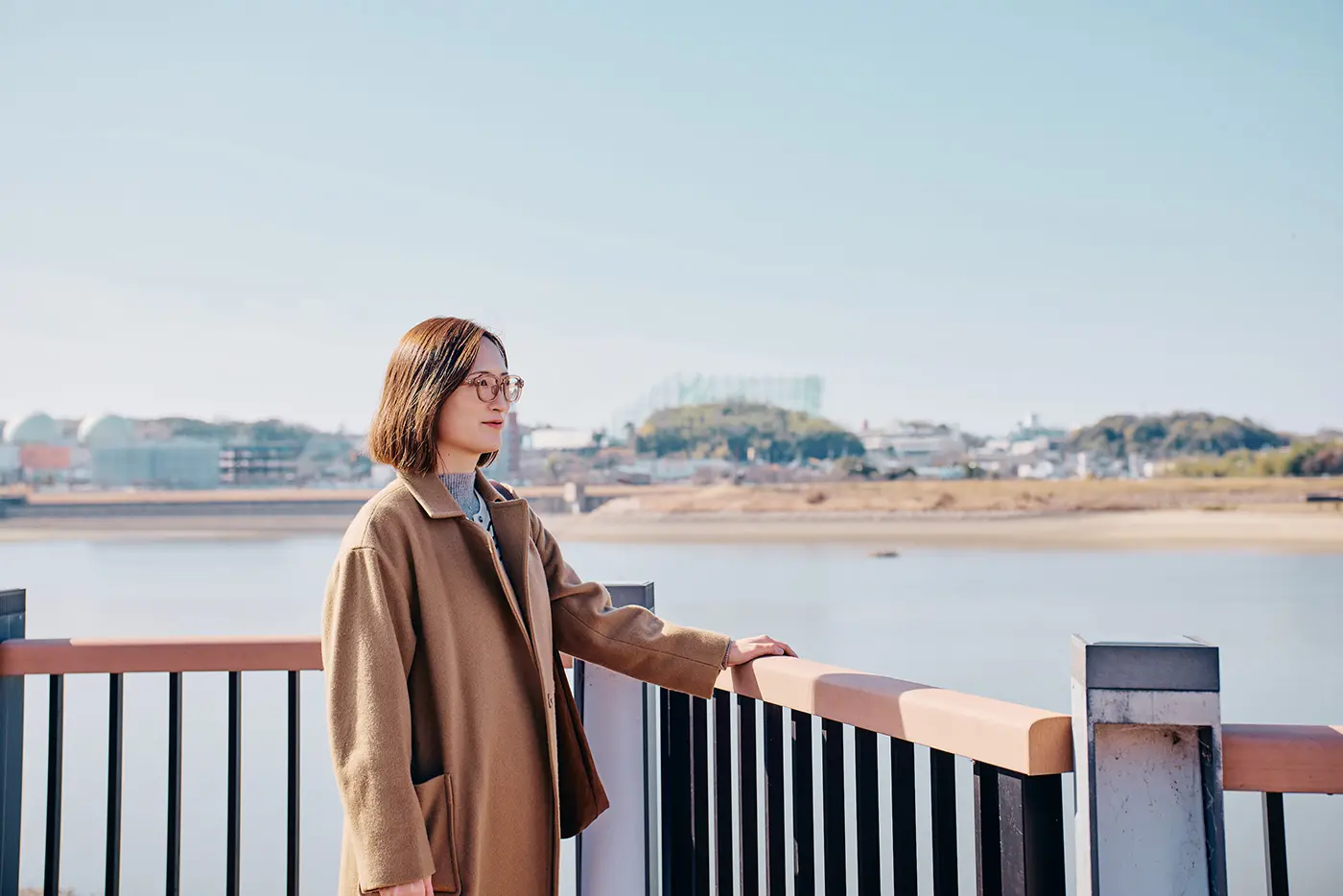
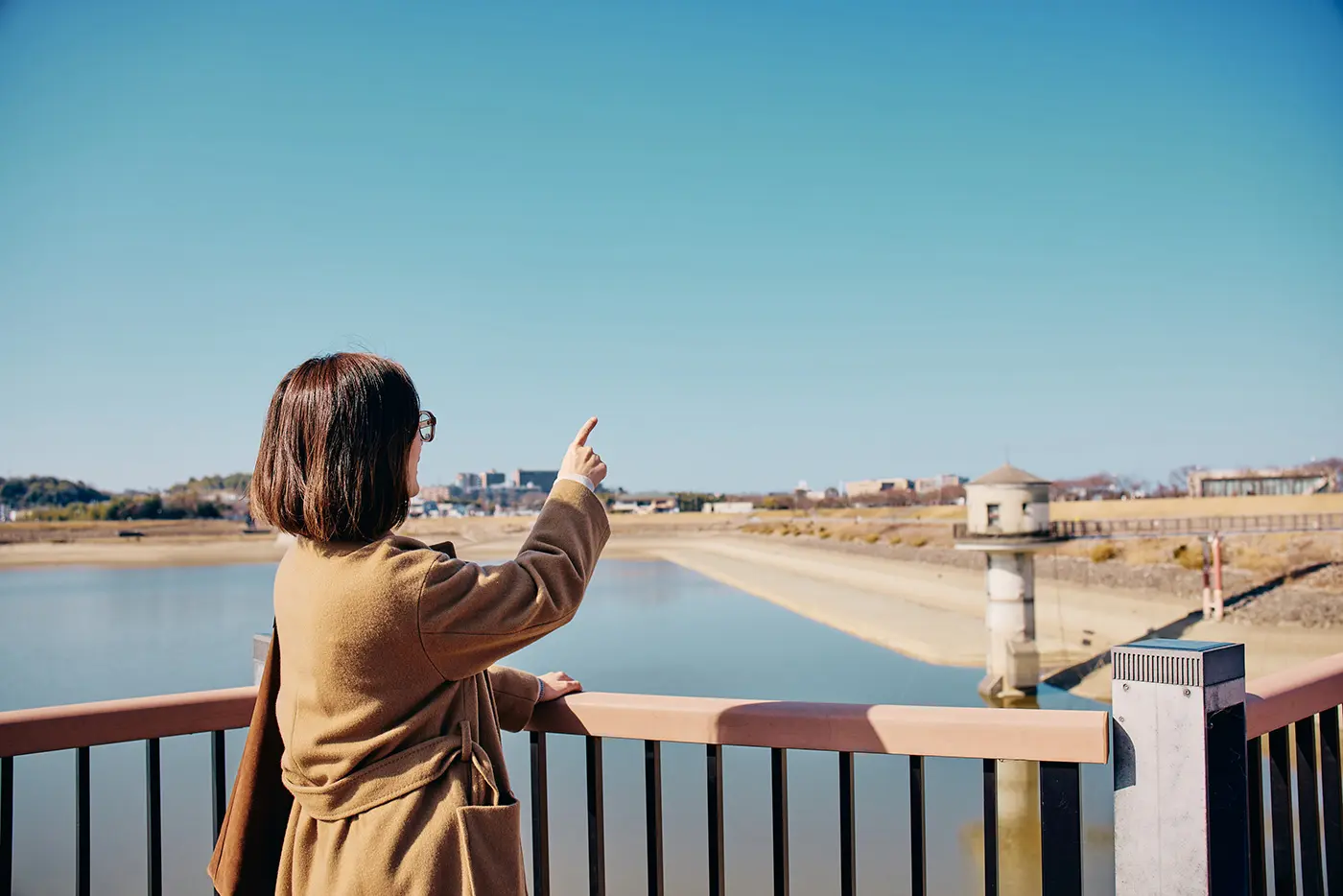
This is also a valuable stopover point for migratory birds, and many waterfowl arrive here in winter. In recent years, storks, a special natural monument, have also been spotted here, making it a famous birdwatching mecca. The historic water intake tower and the gracefully dancing birds performing together create a mystical sight that can only be seen at Sayamaike-pond.
It's amazing that such a spacious pond has been around for 1,400 years. I wonder if people back then had the same view...? It's a magnificent view that gives you a sense of history and is deeply moving.
A street lined with cherry blossoms! The stage for the colorful "Cherry Blossom Festival - Spring"
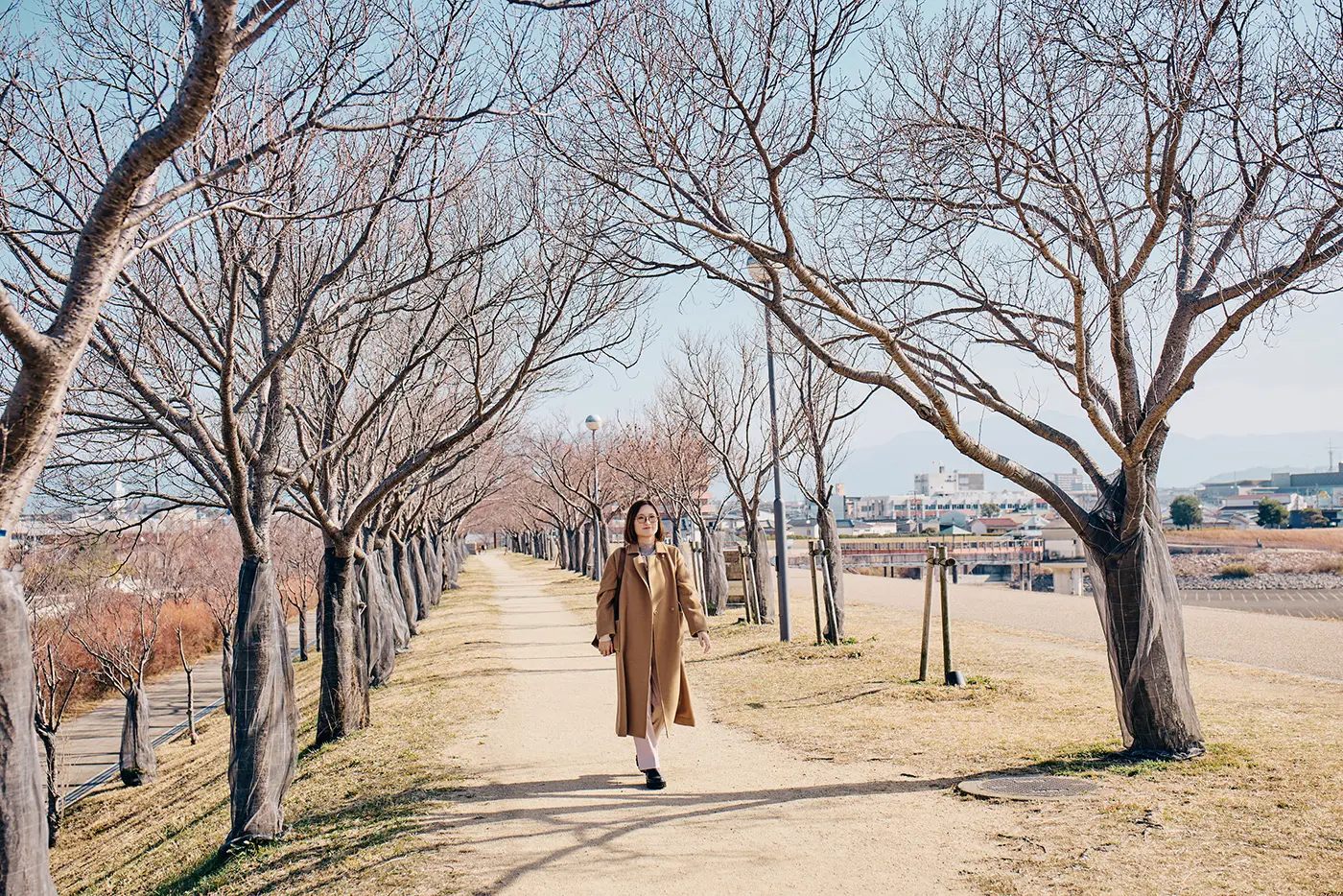
As we headed towards the museum, our eyes were immediately drawn to the magnificent cherry blossom trees that lined the edge of the pond. Sayamaike-pond is known as one of Osaka's "famous cherry blossom spots," heralding the early arrival of spring.
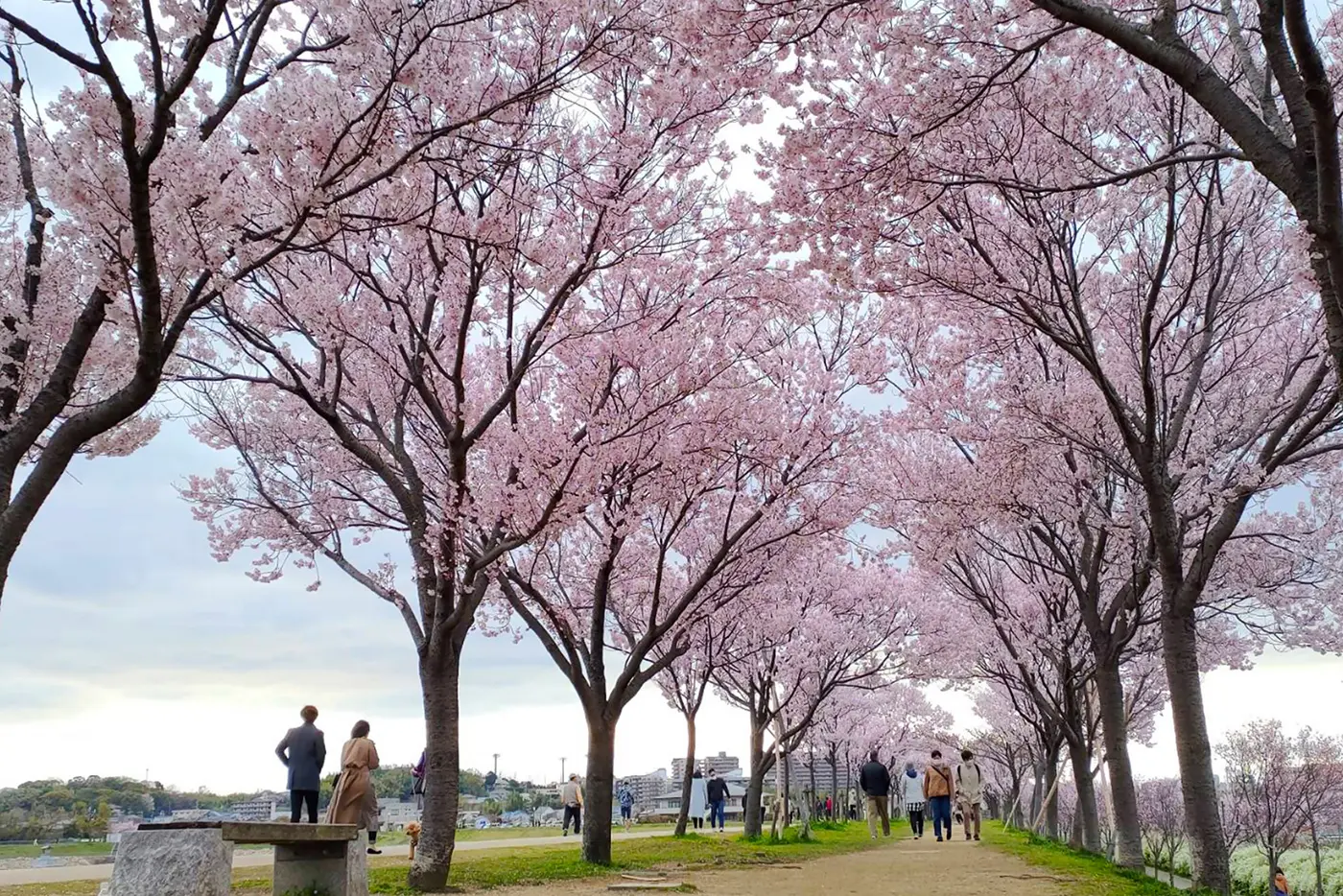
Approximately 1,300 cherry trees are planted here, and during the "Spring Cherry Blossom Festival" held from late March to April, the northern bank of the pond is enveloped in a pale pink belt. In particular, there are many "Koshino Higan" varieties, which bloom earlier than the common Somei Yoshino. In addition, several other varieties of cherry blossoms, such as Ukon and Kanzan, bloom one after another, making this a popular spot for cherry blossom viewing, attracting many visitors as a place to get a head start on spring.
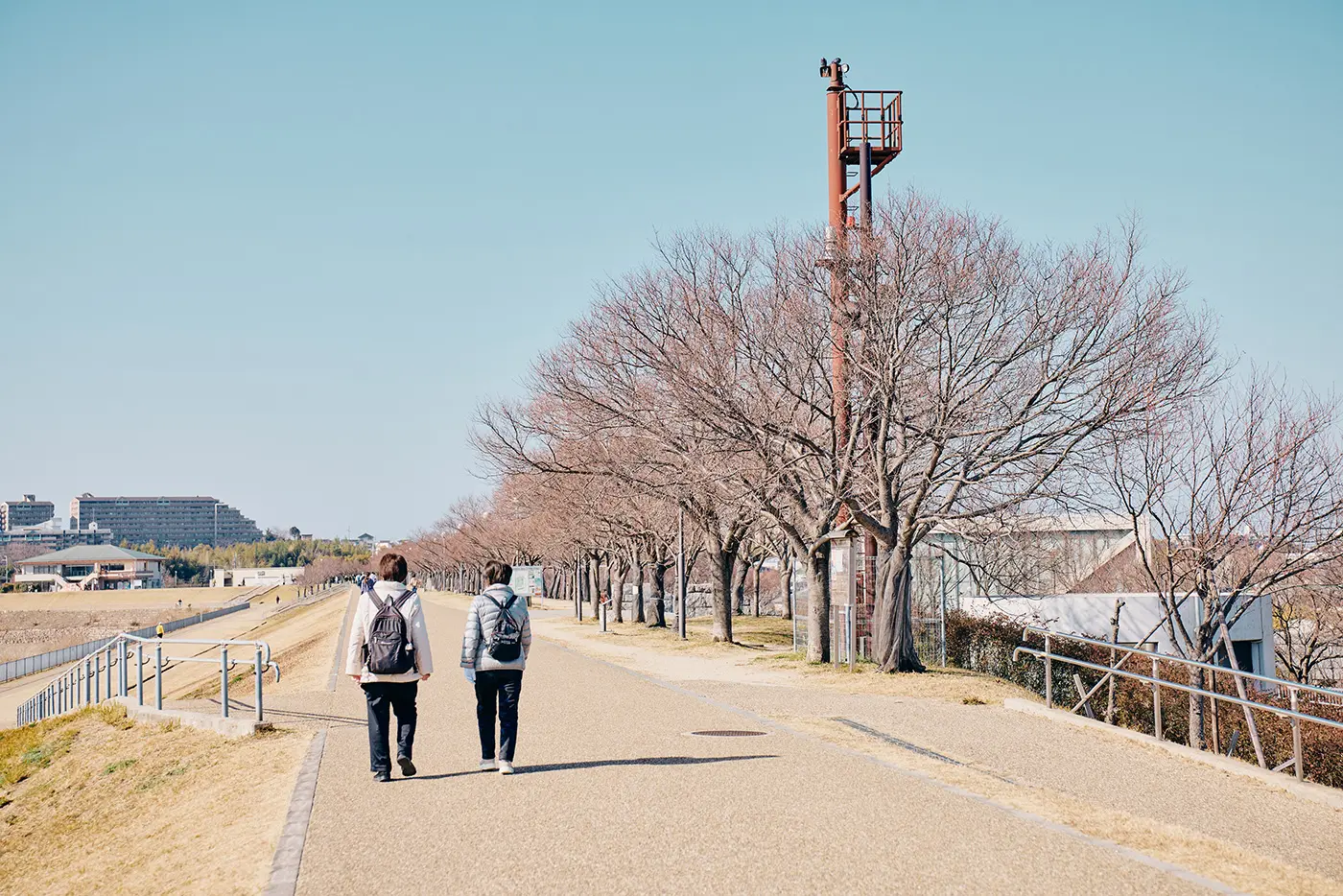
Currently, the area is lined with magnificent trees, and the majestic branches make it easy to imagine the overwhelming beauty of spring. There are also many benches along the path, so you can find your favorite spot and relax while enjoying the cherry blossoms - this is the kind of luxurious time you can enjoy here.
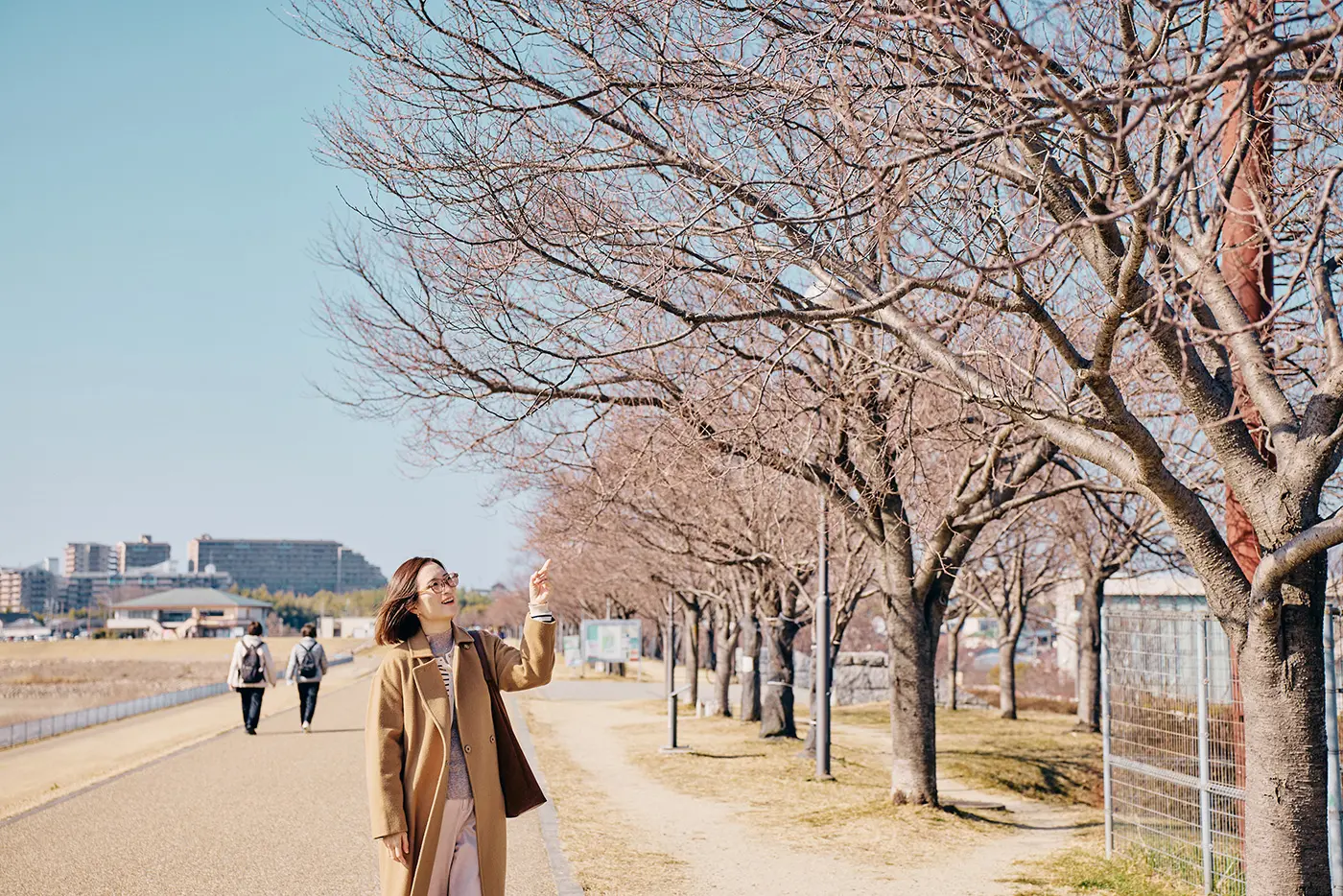
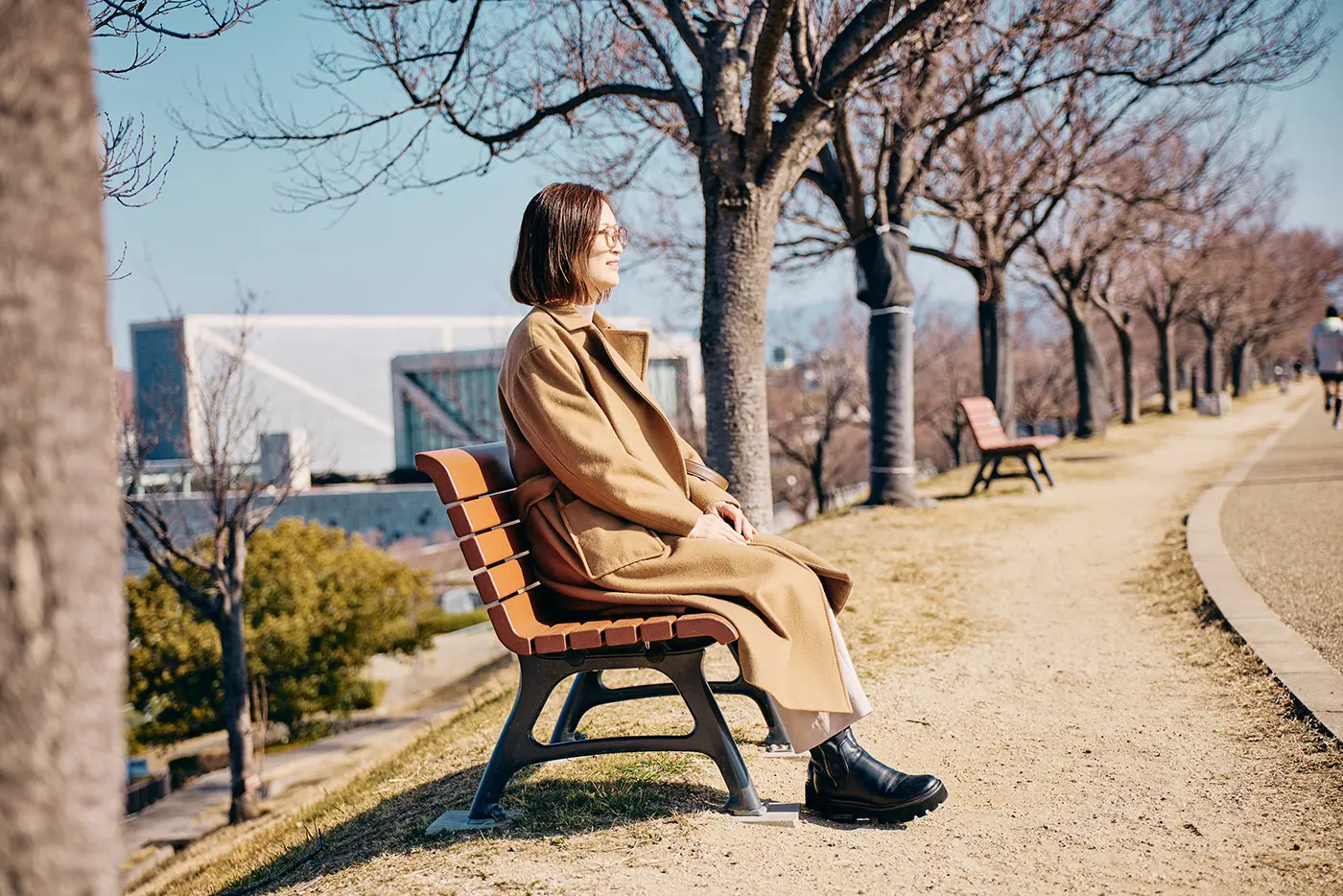
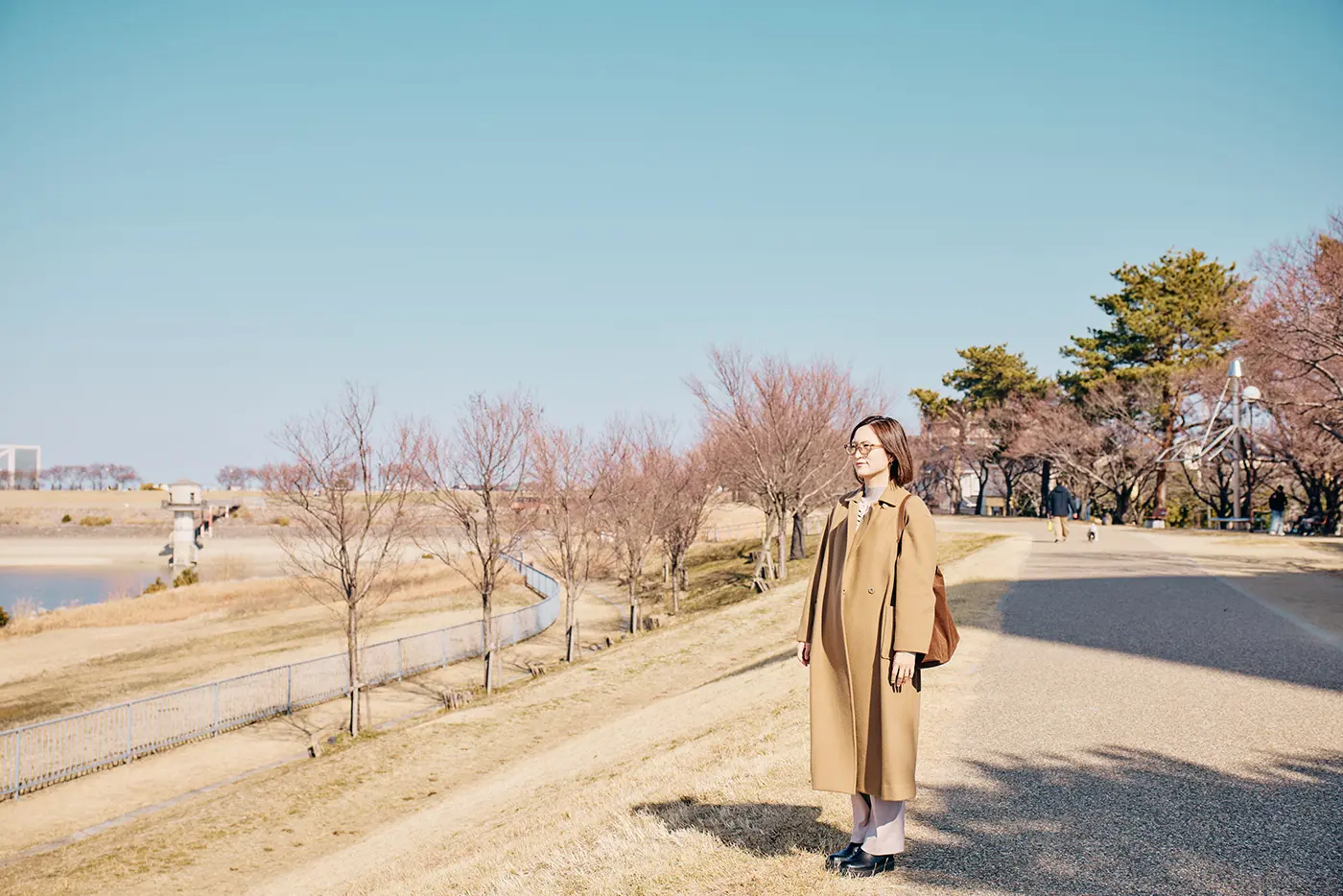
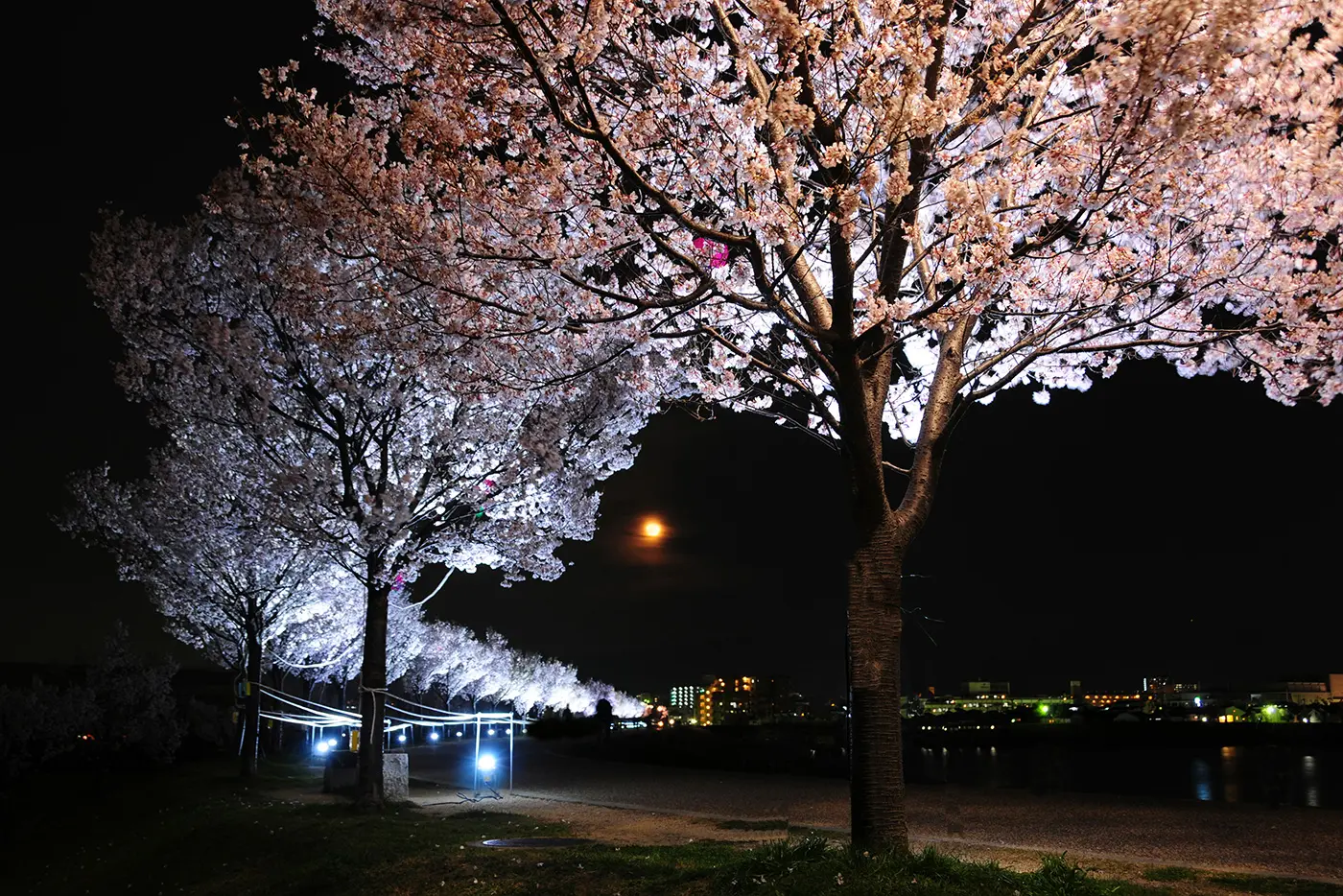
During the Spring Cherry Blossom Festival, the area is lit up brilliantly after sunset. The fantastical night cherry blossoms blooming beautifully in the quiet of the night create a romantic atmosphere that is completely different from the daytime. This special view, available only on spring nights, will make you want to take a leisurely stroll with your loved one.
Cherry blossoms are very popular in Korea, but there aren't that many cherry blossom spots. Viewing the cherry blossoms with such a vast pond and sky as a backdrop must have a completely different feeling of freedom. Next time, I'd love to take a walk with my family when they're in full bloom!
Tadao Ando's architecture transcends time and space and communicates with water. Osaka Prefectural Sayamaike Museum
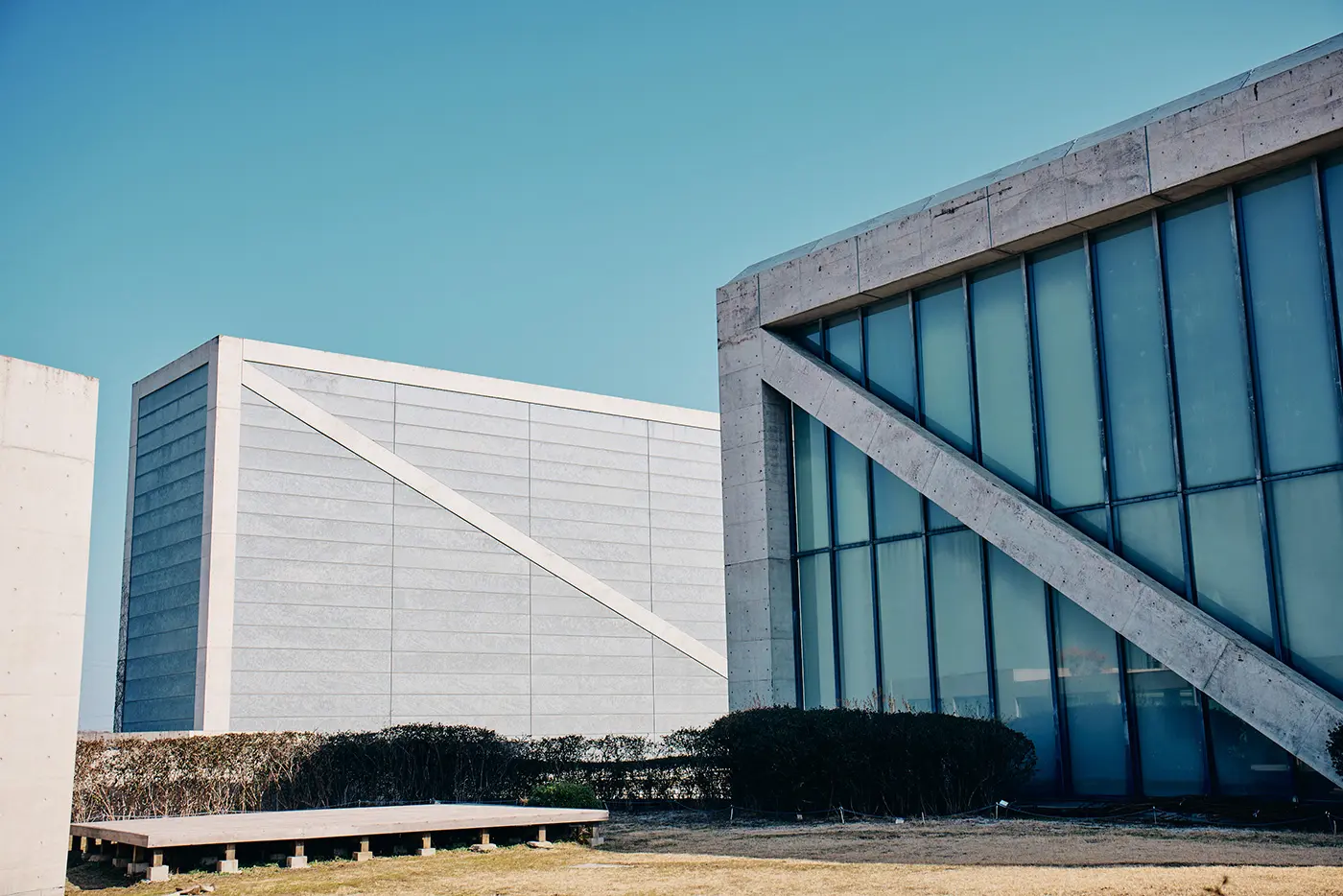
A modern building towering over the banks of Sayamaike-pond. Designed by world-renowned architect Tadao Ando, Osaka Prefectural Sayamaike Museum is a gigantic work of art in itself.
The greatest appeal of Sayamaike Museum is the overwhelming contrast between the "memory of the soil," one of Japan's oldest historical structures, and Tadao Ando's "contemporary beauty of concrete." As soon as you step inside the premises, the smooth, inorganic exposed concrete walls that are synonymous with Ando's architecture spread out before your eyes. While their linear, refined forms may seem the polar opposite of historical heritage, they also bring to light the long history of flood control that has been built up around Sayamaike-pond.
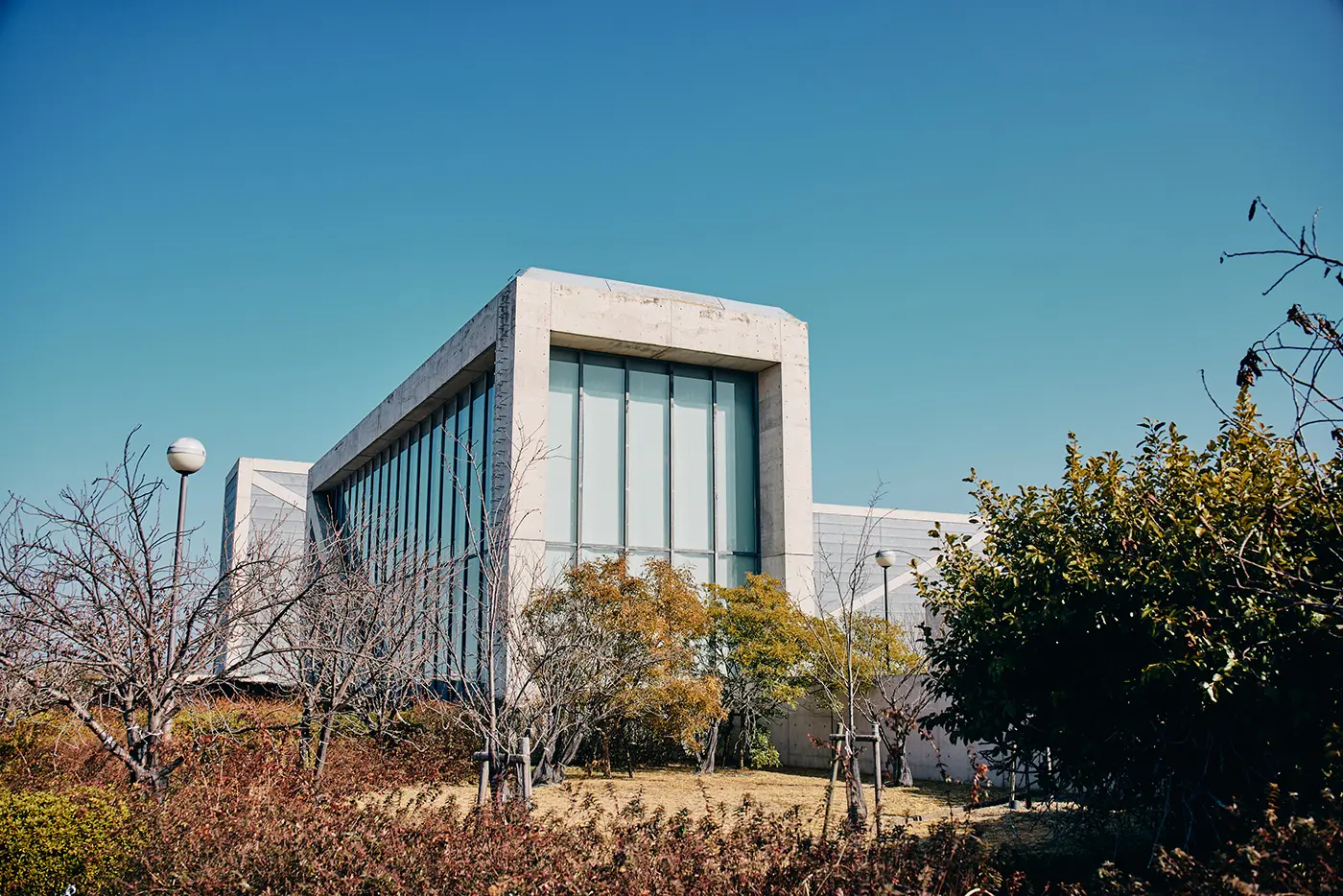
On the day of our visit, the temple was in the midst of large-scale renovation work, scheduled to run until the end of August 2026. Unfortunately, we were unable to enter the huge earthen walls, the Water Garden (Waterfall Wall), a symbol of Ando's architecture, or the exhibit of the former Sayamaike-pond water intake tower, but it was well worth visiting just to be able to appreciate the architectural beauty.
During the construction period, the reception at the entrance leading to the local history museum and the Osaka Sayama City Local History Museum will remain open as usual. Here, you can learn about the history of civil engineering and flood control that has supported Japan, focusing on the valuable cultural assets excavated from Sayamaike-pond.
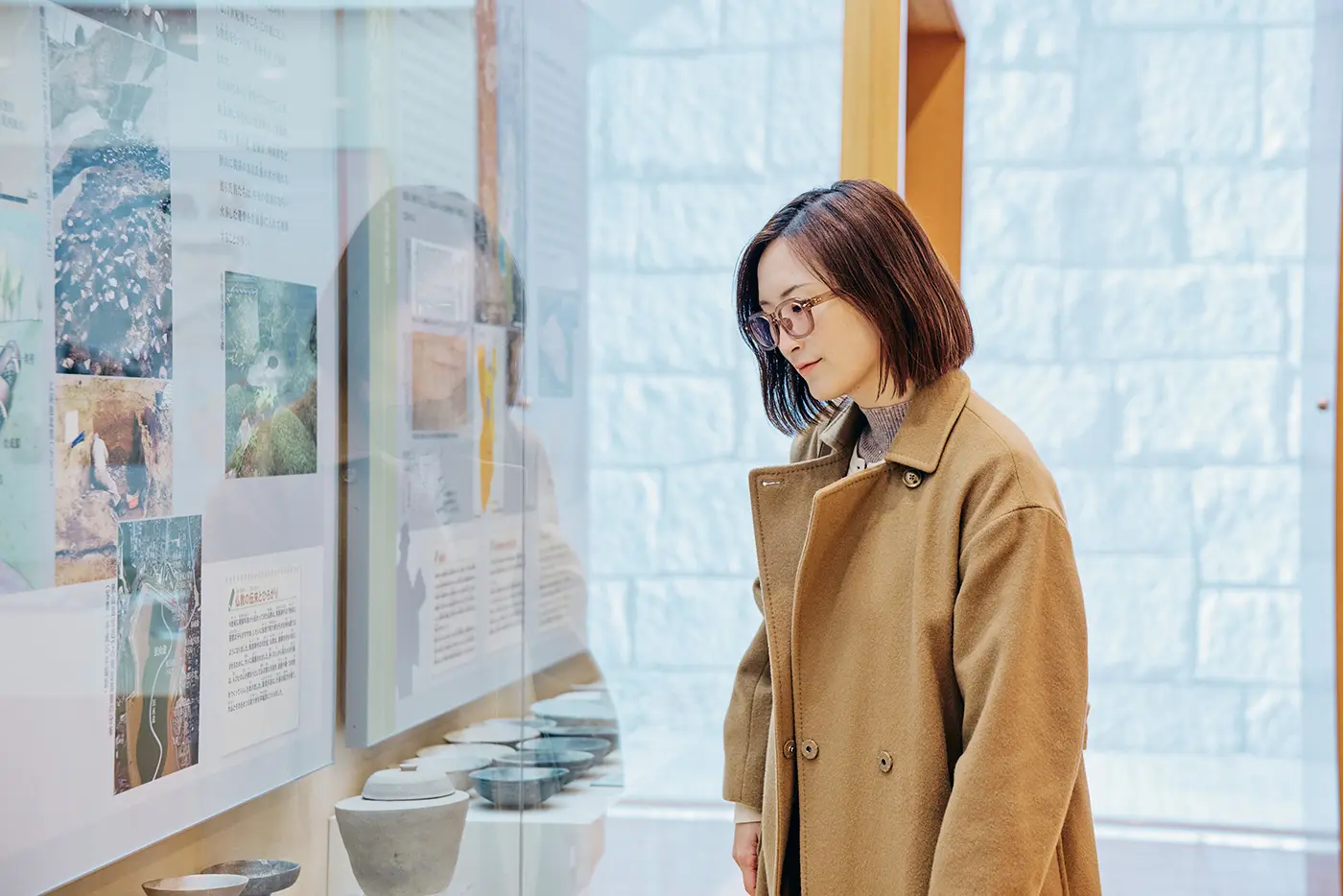
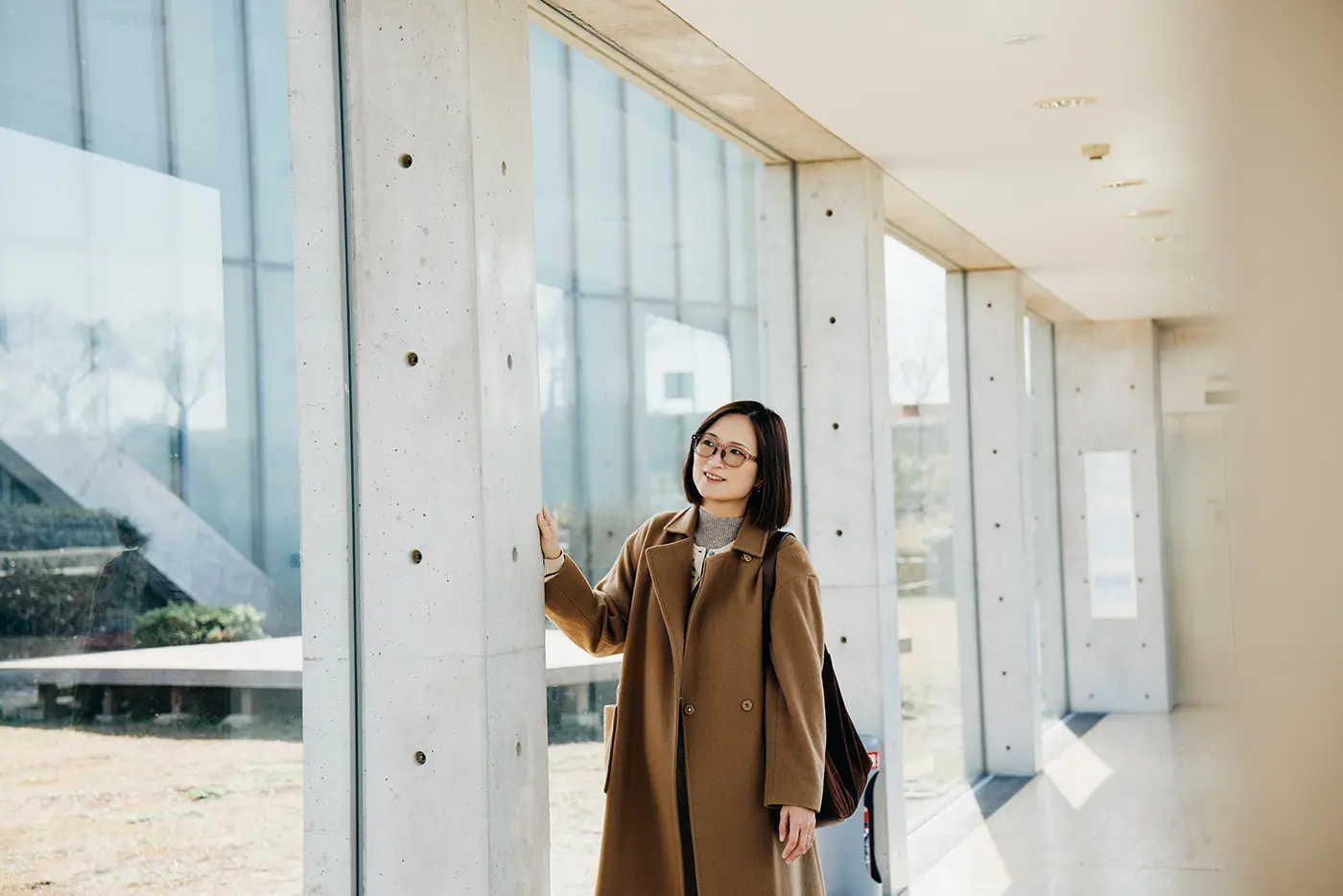
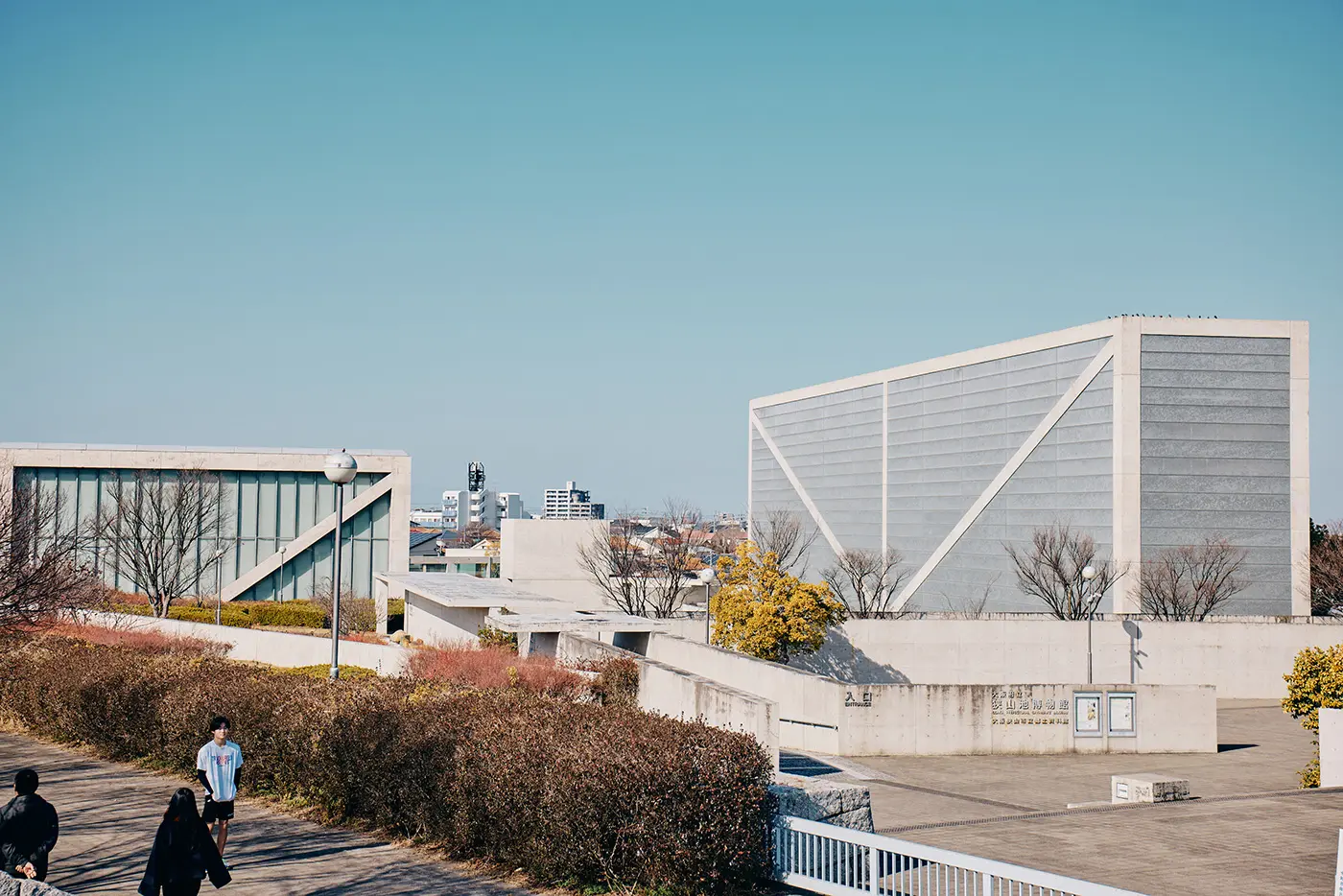
Even though you can't go inside, the texture of the concrete and the geometric lines are still beautiful to look at from the outside! At the local history museum, I learned more about Sayamaike-pond by learning about the story of how carefully the pond has been protected.
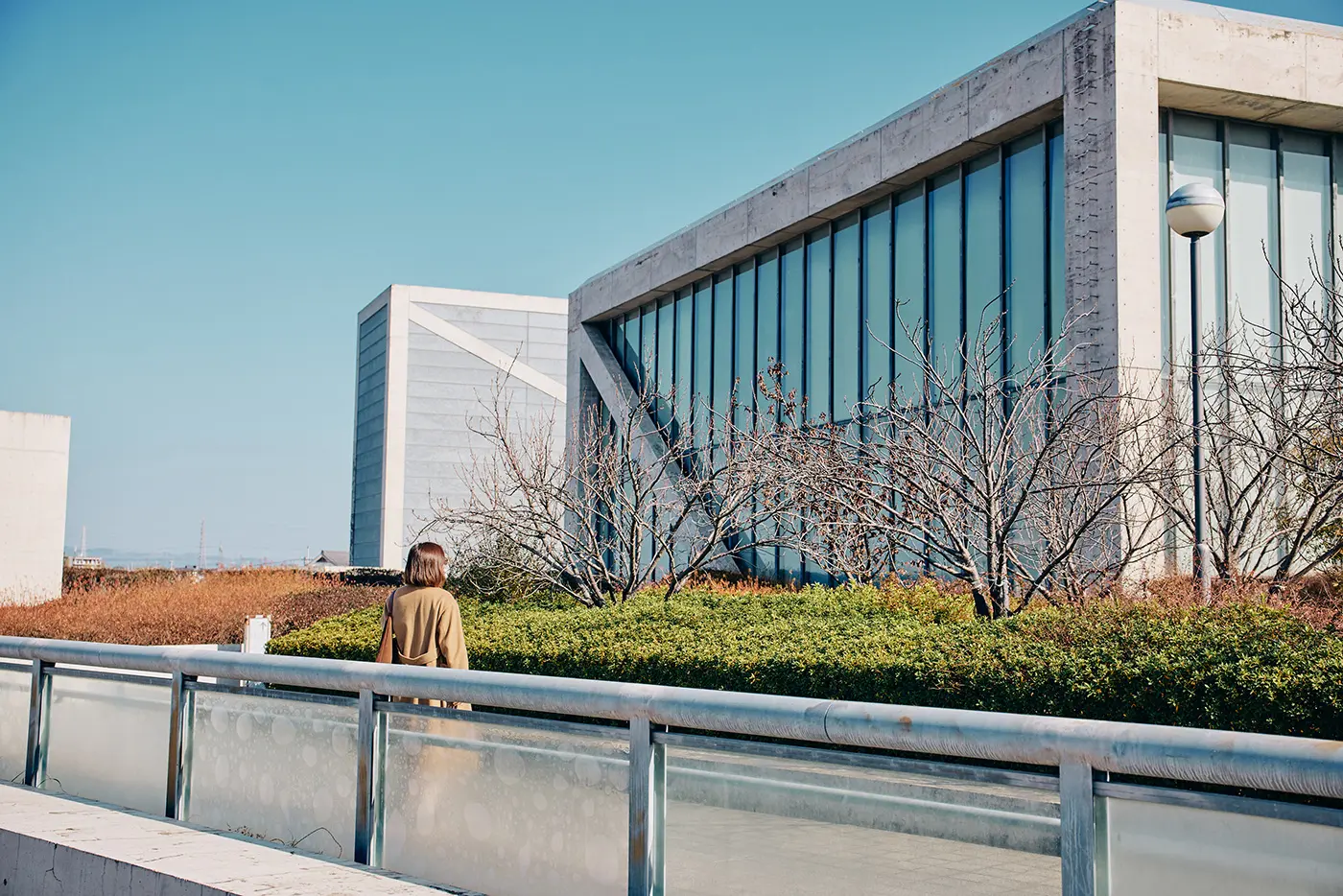
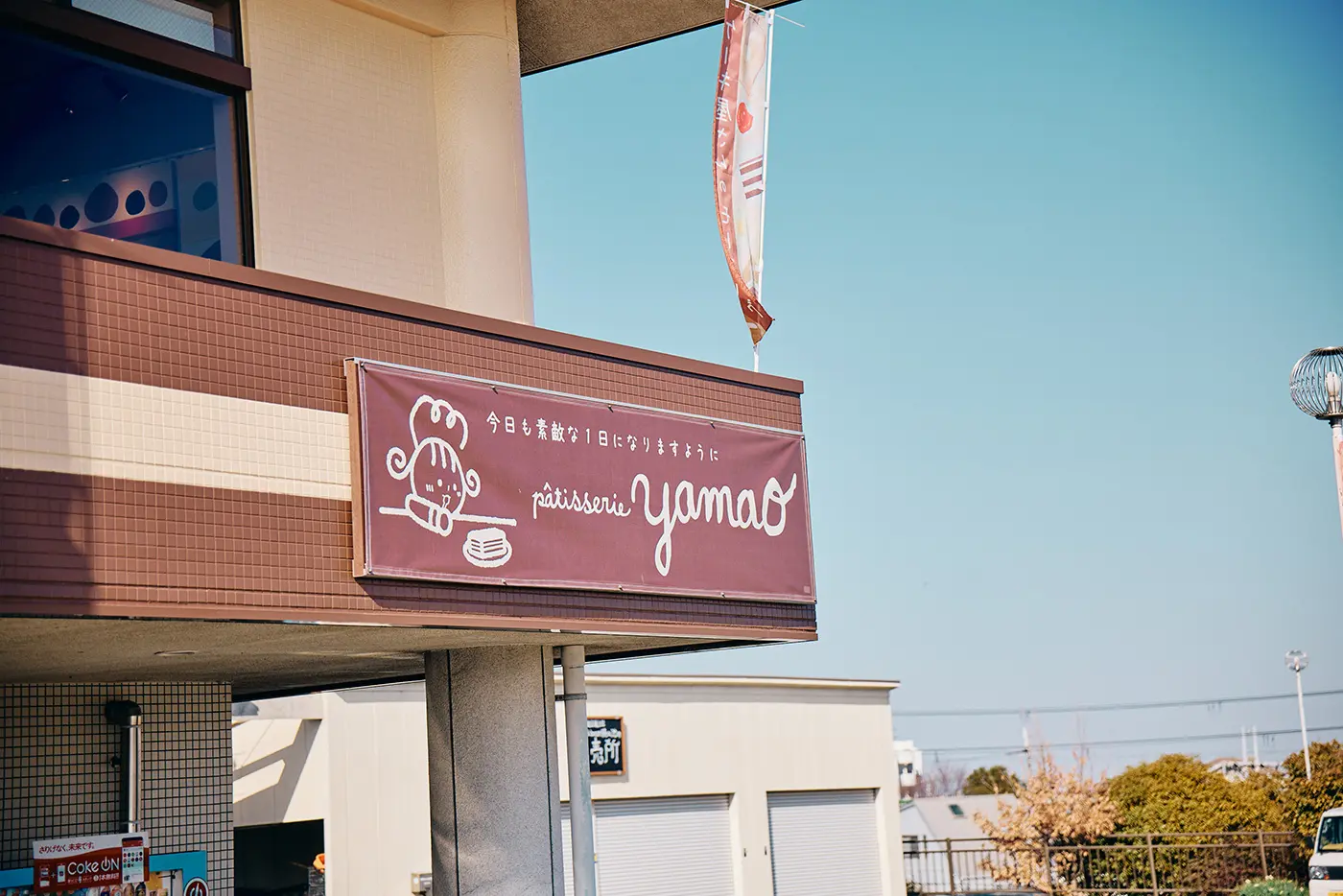
Take a break after a pleasant stroll. Relax your body and mind with a snack at the Patisseri-yamao sayamaike-ten.
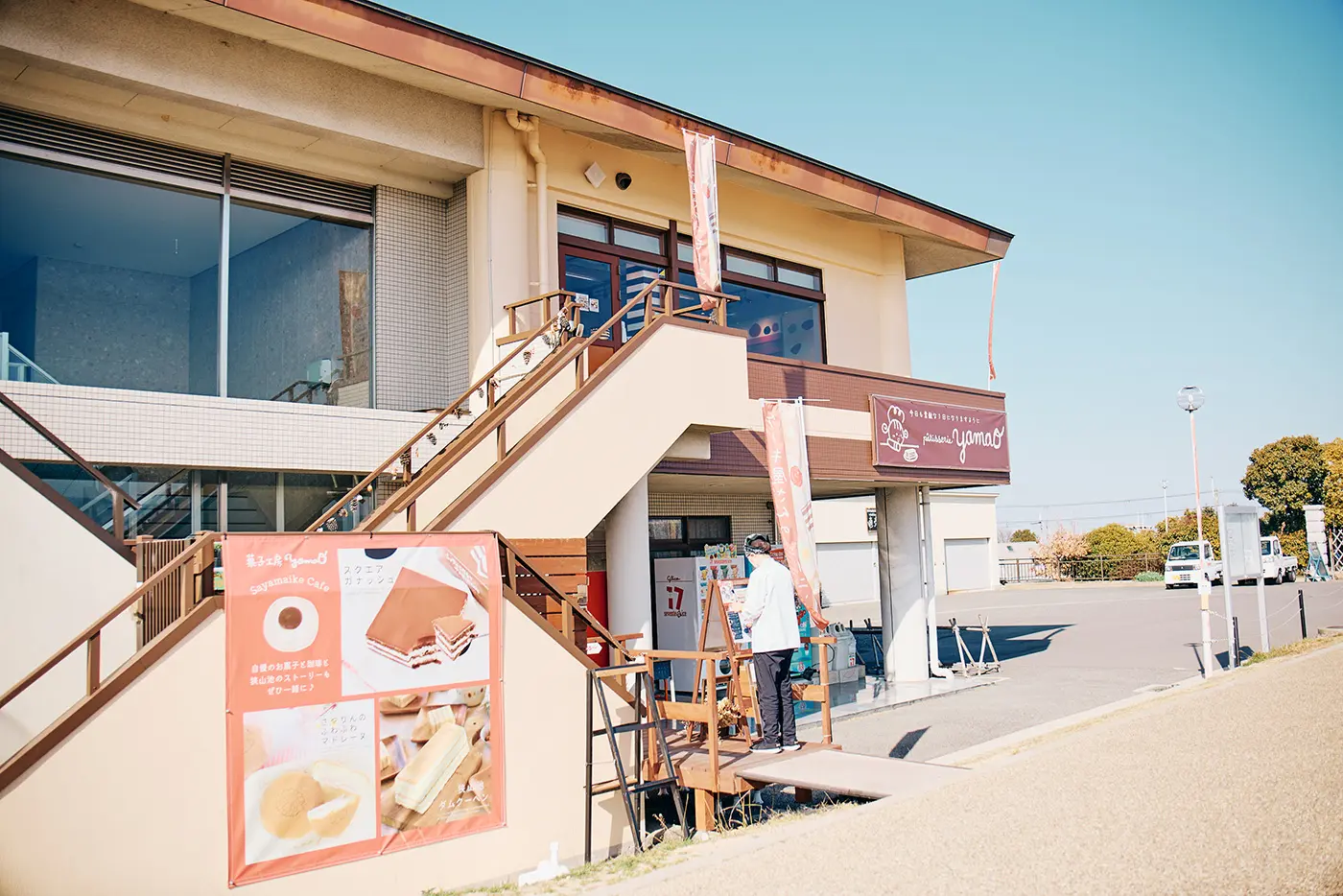
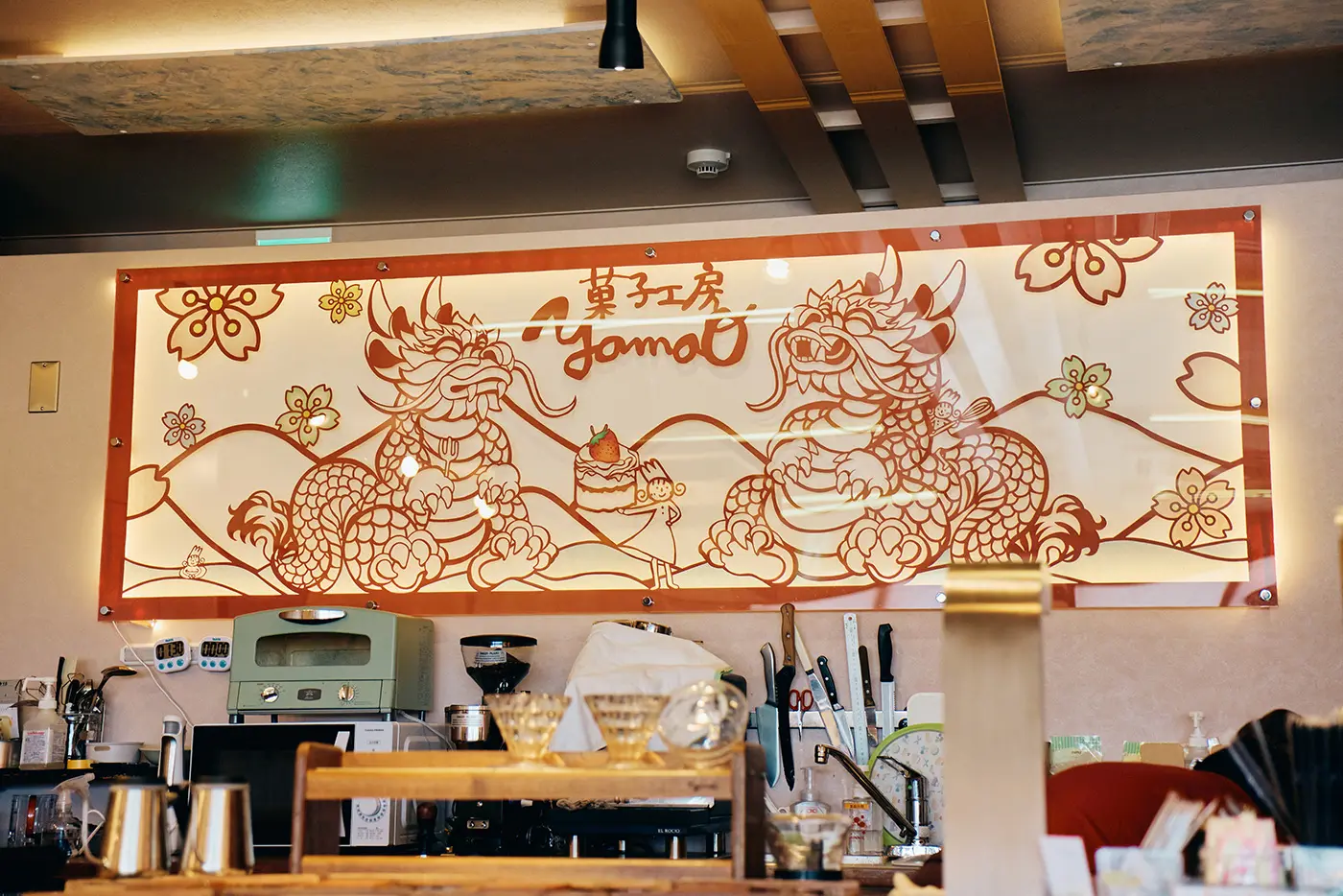
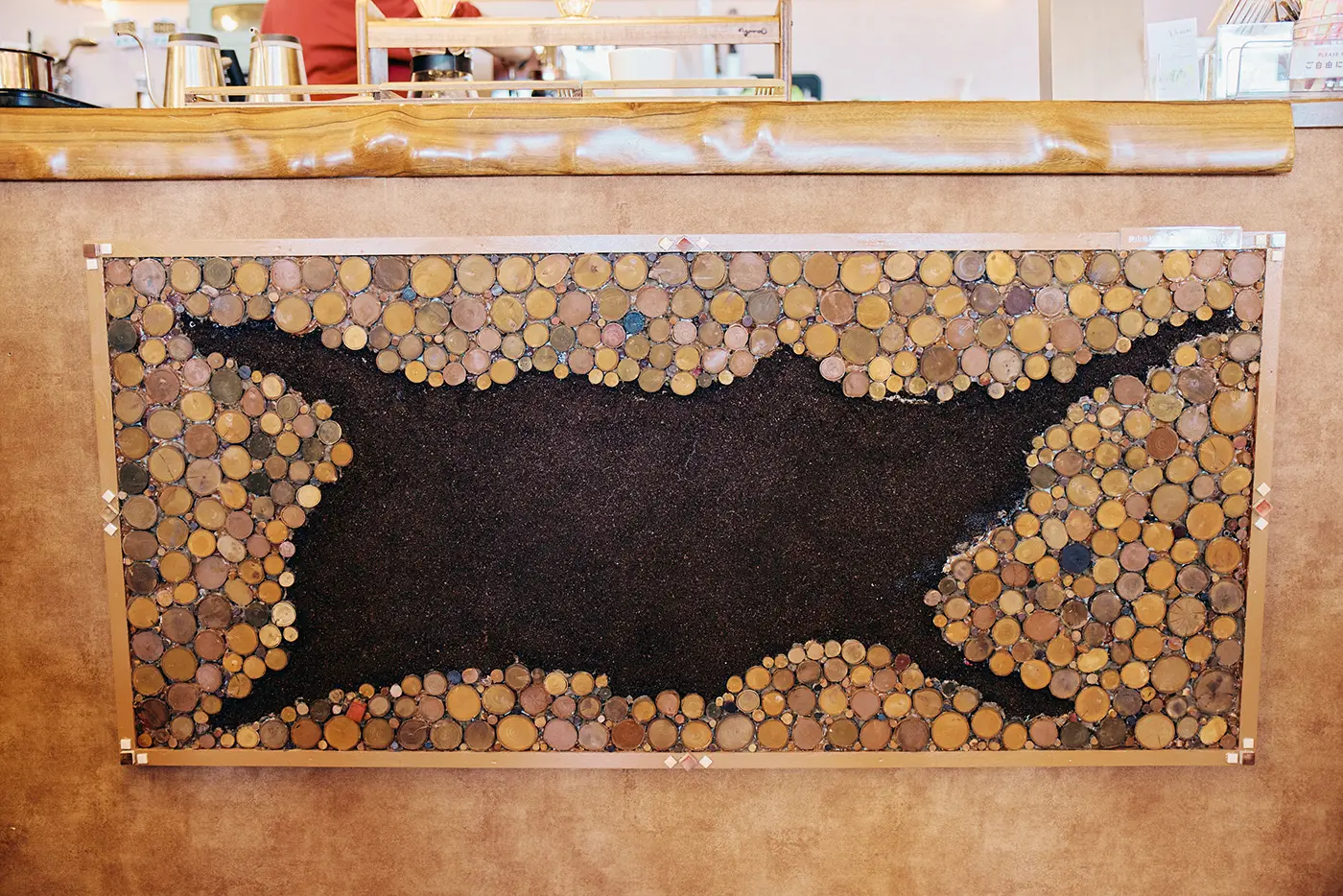
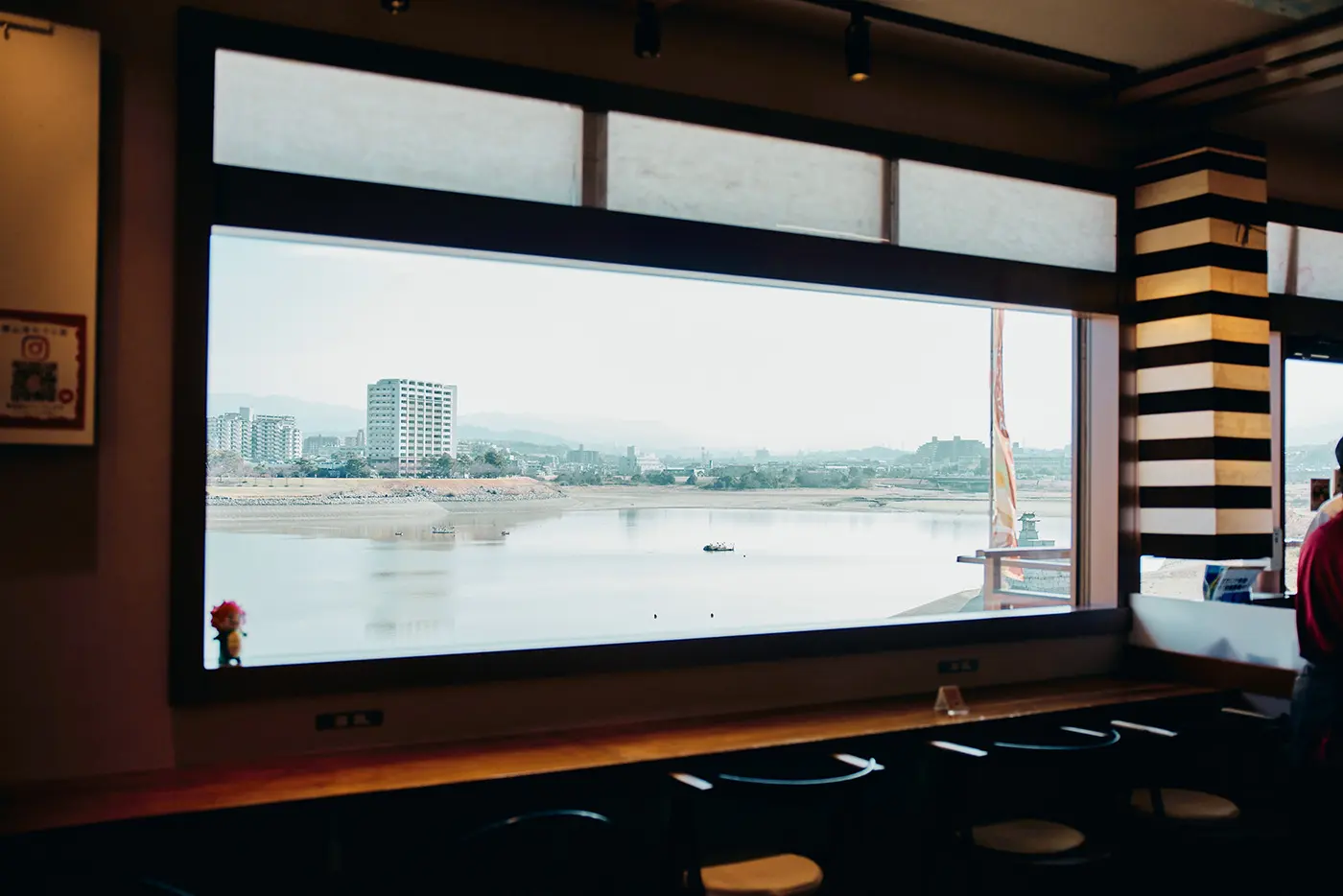
As we walked along the circular route, we were drawn in by photos of sweet treats and arrived at the immensely popular local confectionery shop, Yamao. Entering the shop, we were immediately greeted by an impressive sign featuring the legendary pair of dragons of Sayamaike-pond. Other decorations include a painting of a cross-section of a cake, charming lighting in the shape of a whole cake, and an intricately crafted "Sayamaike-pond Picture" made from wood and coffee grounds, creating a space overflowing with love for the local area.

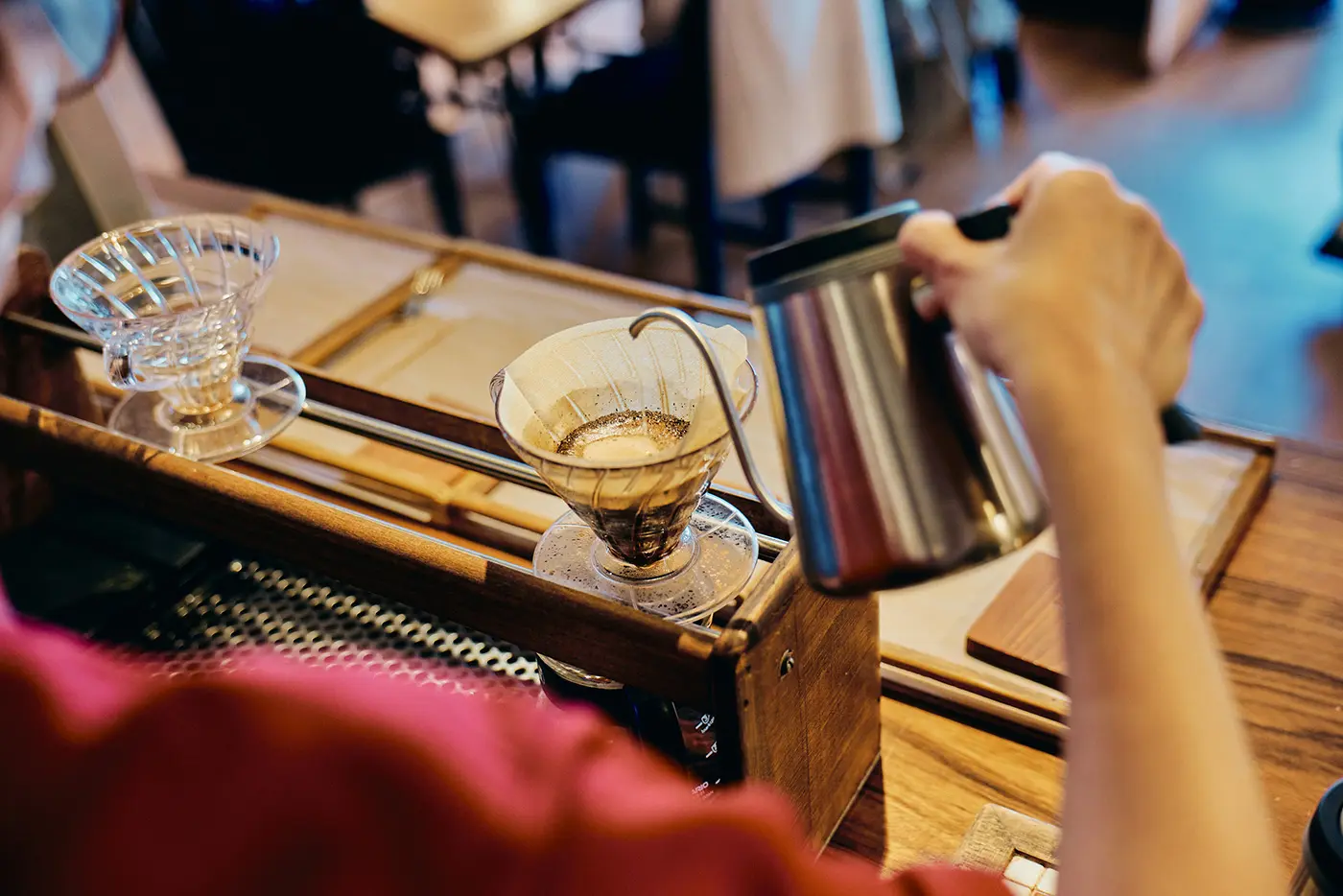
Sitting in a special seat with a panoramic view of Sayamaike-pond through the large windows, I enjoyed the shop's highly popular "Cut Ganache" (500 yen). The delightful sweetness of the smooth chocolate blended beautifully with the mellow aroma of drip coffee, which is carefully brewed one cup at a time for each order. It was a blissful moment, as the gentle flavor permeated my body after a pleasant walk.

In this age of rising prices, the fact that you can enjoy authentic sweets at an affordable price is one of the reasons why this shop has so many fans. The warm atmosphere, which is not too formal and makes it easy to drop in, will satisfy both your heart and your stomach.
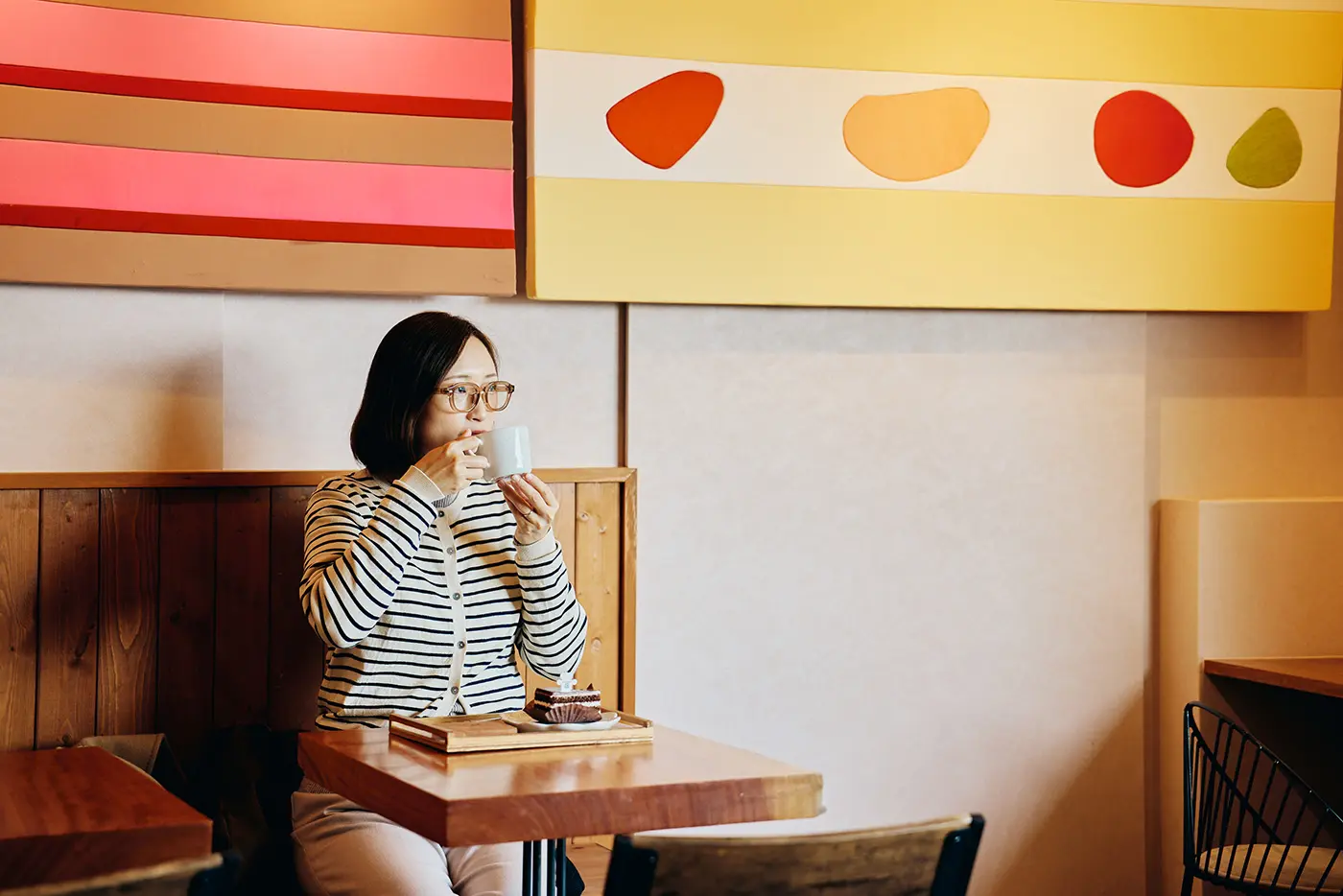
The ganache was filled with plenty of fresh cream and melted perfectly in my mouth with the moist chocolate. It was also slightly sweet, so I ate it all in one go. It was absolutely delicious!
Tracing the legend of Sayamaike-pond: The story of the couple dragons still lives on
There are many legends about the dragon god who protects Sayamaike-pond that have been passed down since ancient times. One of them says that a female dragon once lived in Sayamaike-pond and fell in love with a male dragon who lived in Awagaike Pond (Tondabayashi City), about 10km away. The female dragon would visit the male every night, but the fields along her path were left devastated, and the villagers were troubled by the enormous damage.
So the villagers decided to welcome the male dragon into Sayamaike-pond and build a shrine in the pond to enshrine the two of them so that they could live together. This is the story of the couple dragons that is still told today.
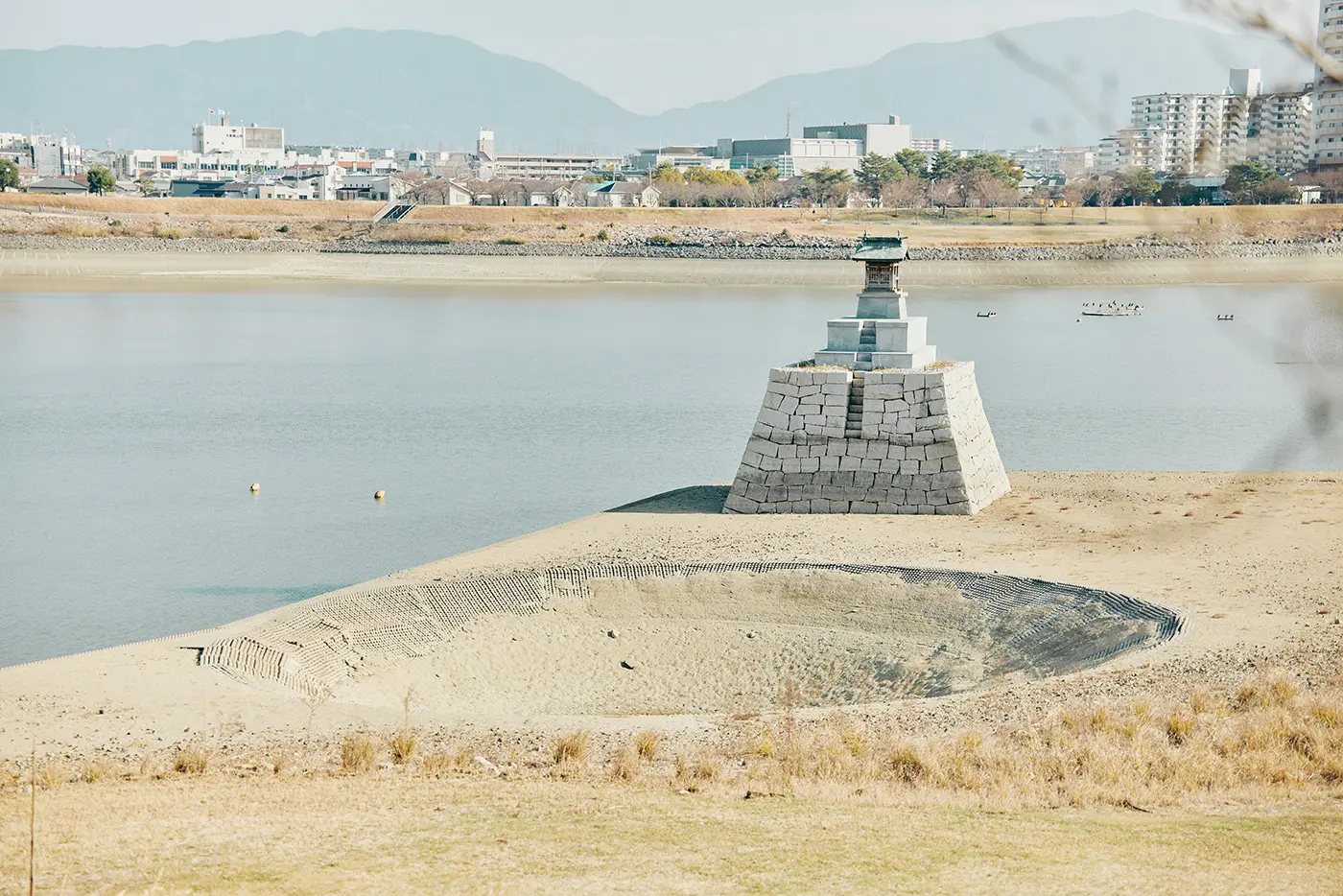
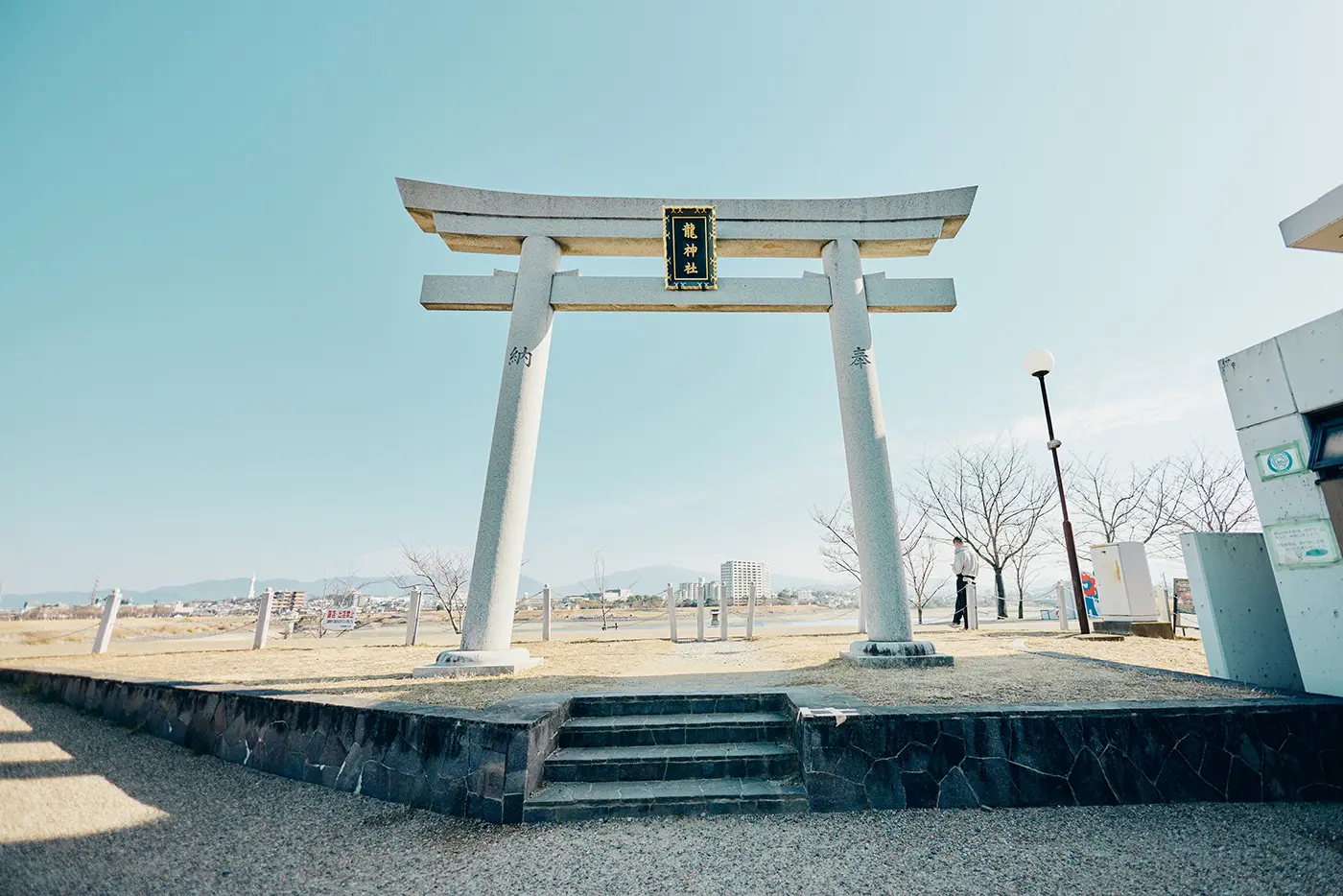
The Ryu Shrine Shrine sits quietly on the north side of the pond. This place has been carefully protected even during previous embankment repairs, and is a power spot with a dignified atmosphere. Just before it is the deep and mysterious Ryujin Pool, where it is said that a dragon once lived. This is a rare sight that can only be seen in winter when the water has receded.
This "legend of the dragon" is not actually recorded in any early modern documents, but is said to have been nurtured by the rich imagination of local people as they cherished and protected the shrine.
Also, during construction to turn Ryujinbuchi into a dam in the Heisei era, a "jar" was discovered at the bottom of the pool. There was talk of checking the contents, but due to strong requests from local people, it was never opened and was returned to the bottom.
Even now, the jar continues to sleep peacefully at the bottom of Ryujin-fuchi.
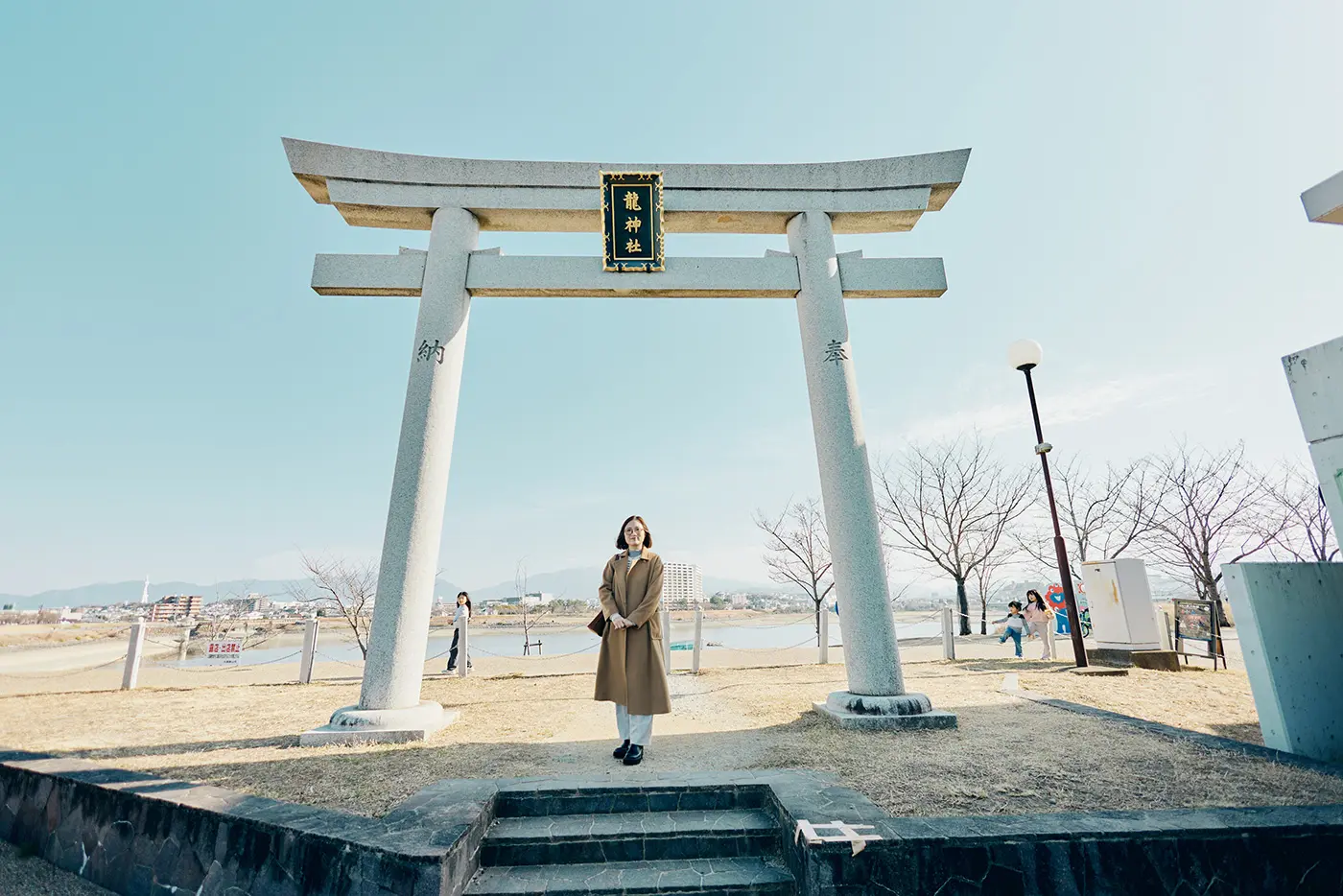
Nearby is the torii gate of Ryu Shrine. This place, dedicated to a pair of dragons, is now also popular as a shrine where blessings such as safety for the home and bountiful harvests can be expected. Since its construction 1,400 years ago, people have likely been offering their gratitude and prayers to the water in this way. Spending time touring the three spots while thinking about the legendary dragons added a deeper meaning to my stroll around Sayamaike-pond.
It's funny how the female dragon's power is so incredible that she destroys a village for love (lol)! Still, it's heartwarming to see the warmth of the villagers who build a shrine for her and let her live with them.
A place of relaxation loved by the local community! Sayarin Base and Butterfly Garden
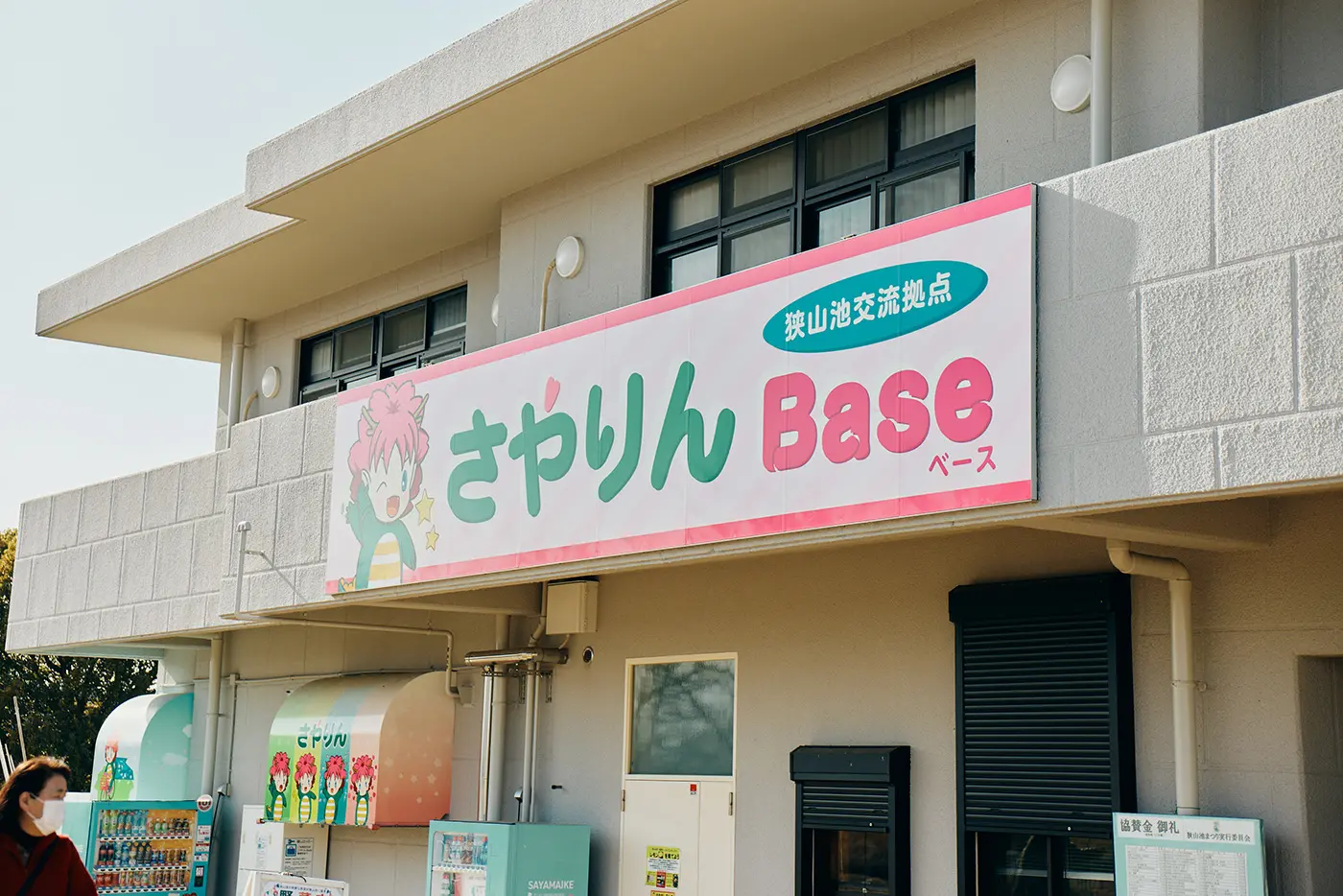
Right next to Ryu Shrine is Sayarin Base, a community exchange hub. You will be greeted here by Sayarin, the mascot character of Osaka Sayama City. With its adorable design based on the dragon god of Sayamaike-pond and a cherry blossom fairy, Sayarin is truly the symbol of the city.
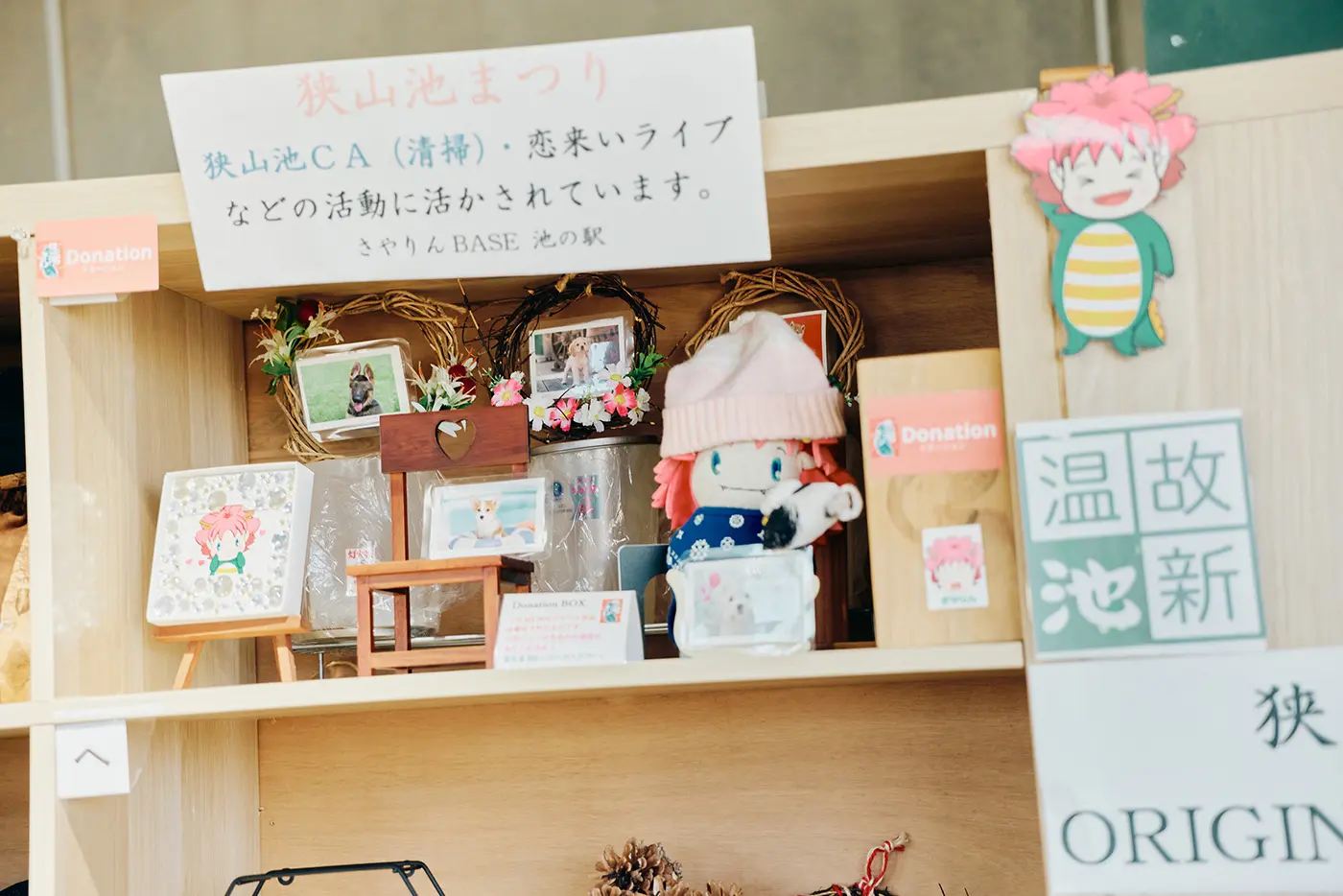
The museum displays Sayarin merchandise, materials introducing the dragon legend, media clippings, and is also full of information about local events. It is used daily by local people as a place to interact.
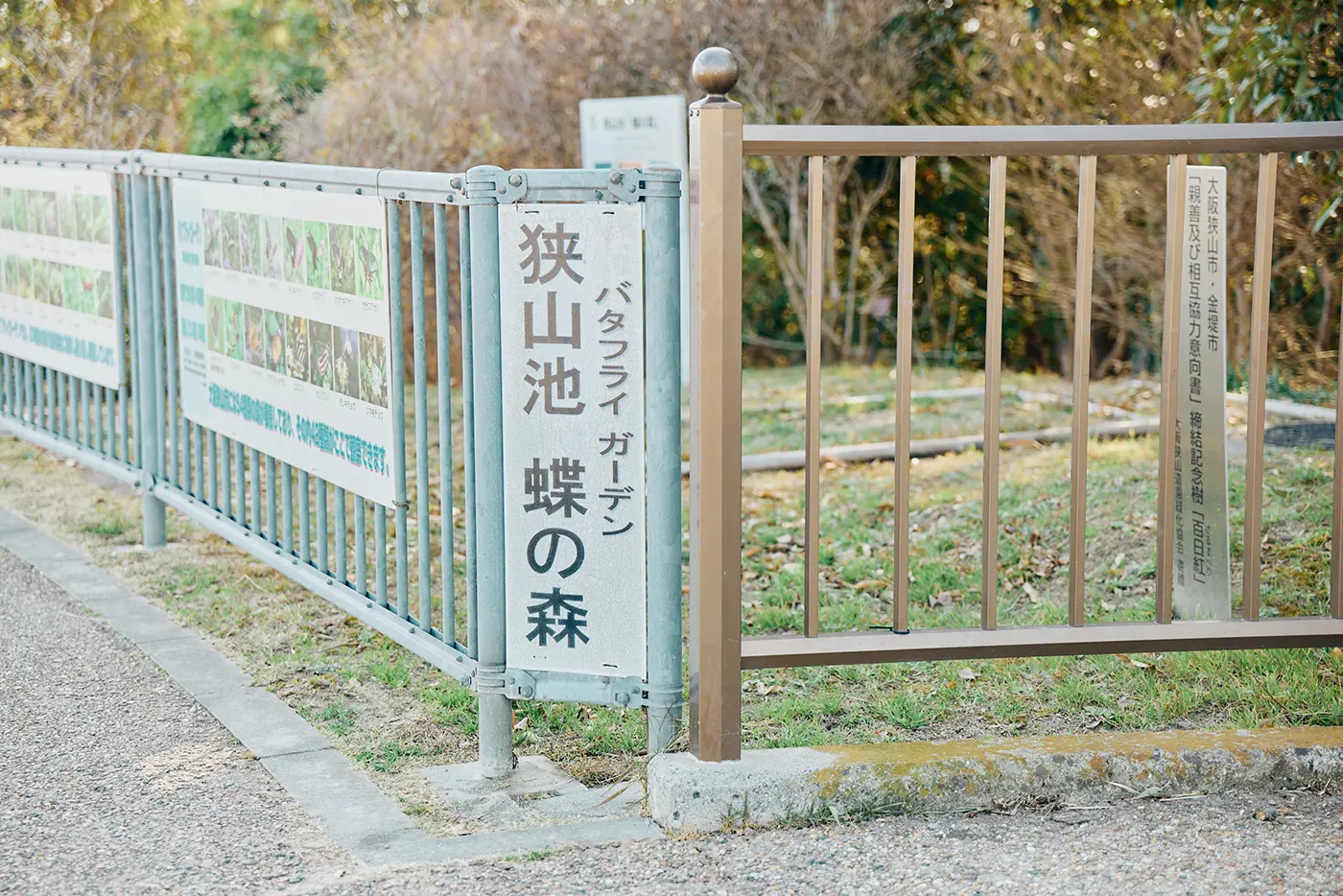
The Butterfly Garden is a natural paradise that was created in 2006 by planting flowers that butterflies love and plants necessary for laying eggs. Although the garden was closed at the time of our visit, it is actually a place where around 40 species of butterflies, including swallowtails and colias, fly about all year round. Surrounded by flowers of all seasons, the garden is one of Sayamaike's treasures, soothing the souls of those who stroll through it.
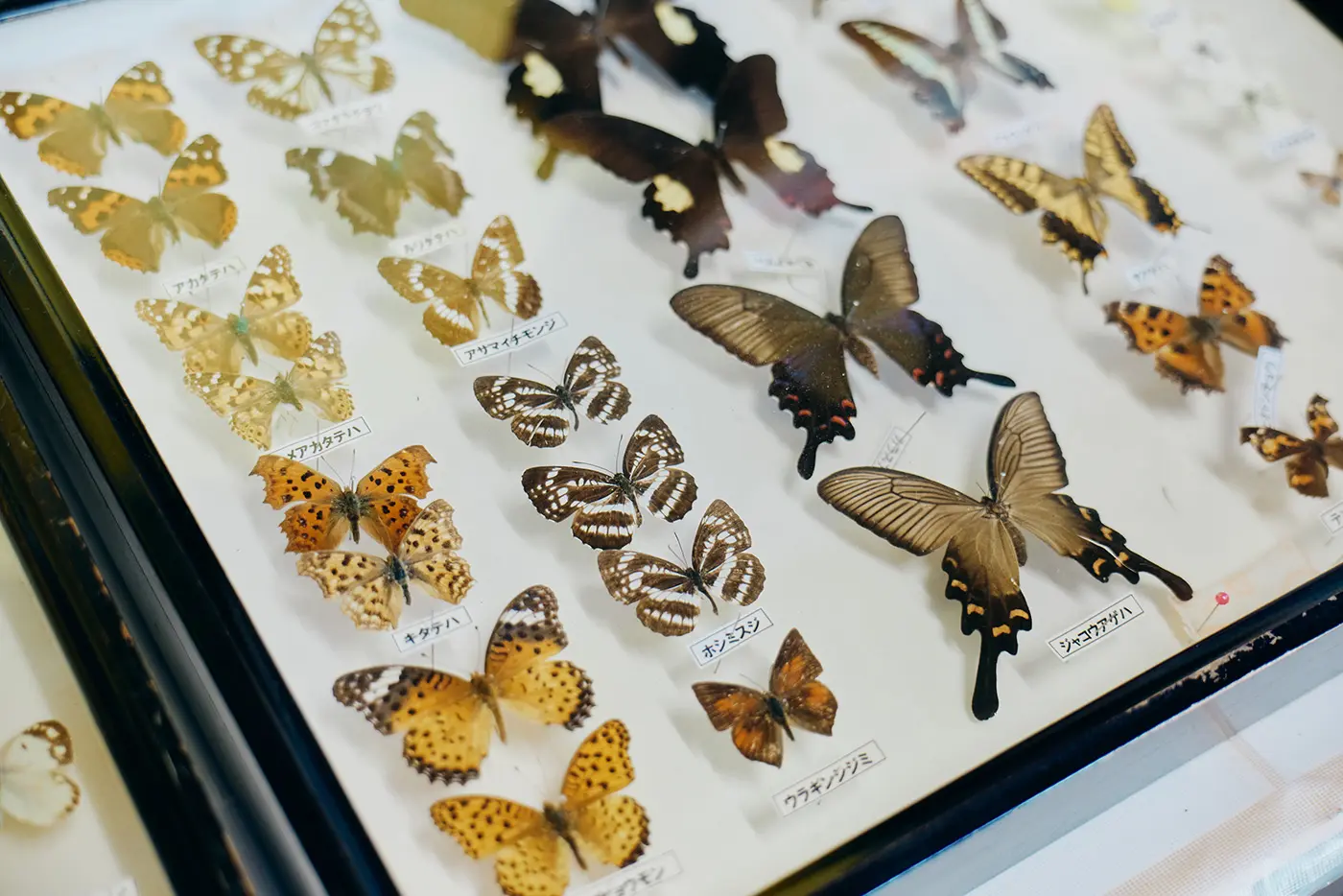
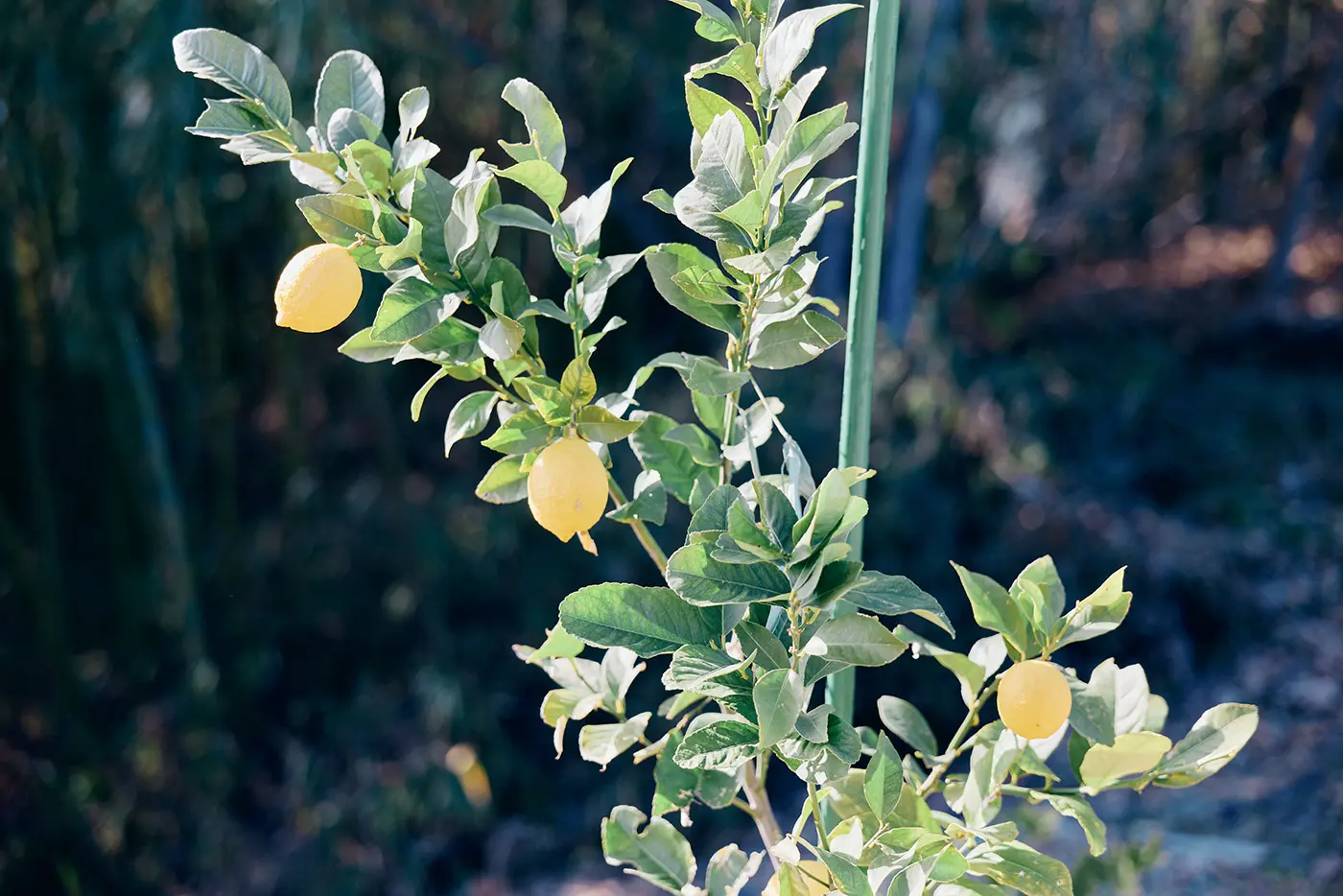
Being able to see the growth of butterflies up close seems like a good educational opportunity for children! Also, when I learned that Sayarin is a dragon and cherry blossom fairy, it all made sense to me that the legends and tree-lined path we had just visited were all connected.
Immerse yourself in the afterglow of your stroll in an old house that exudes the romance of the Taisho era.
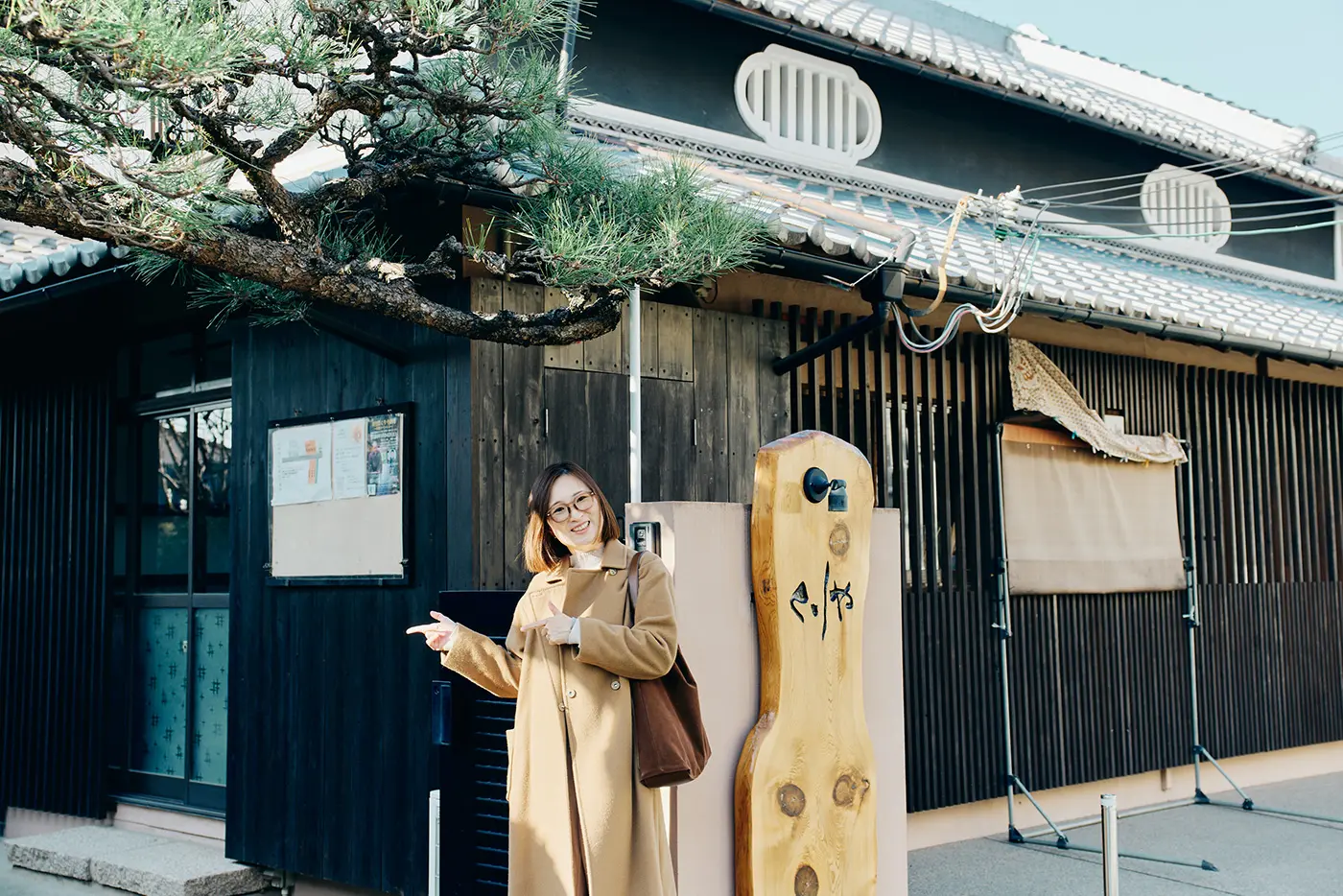
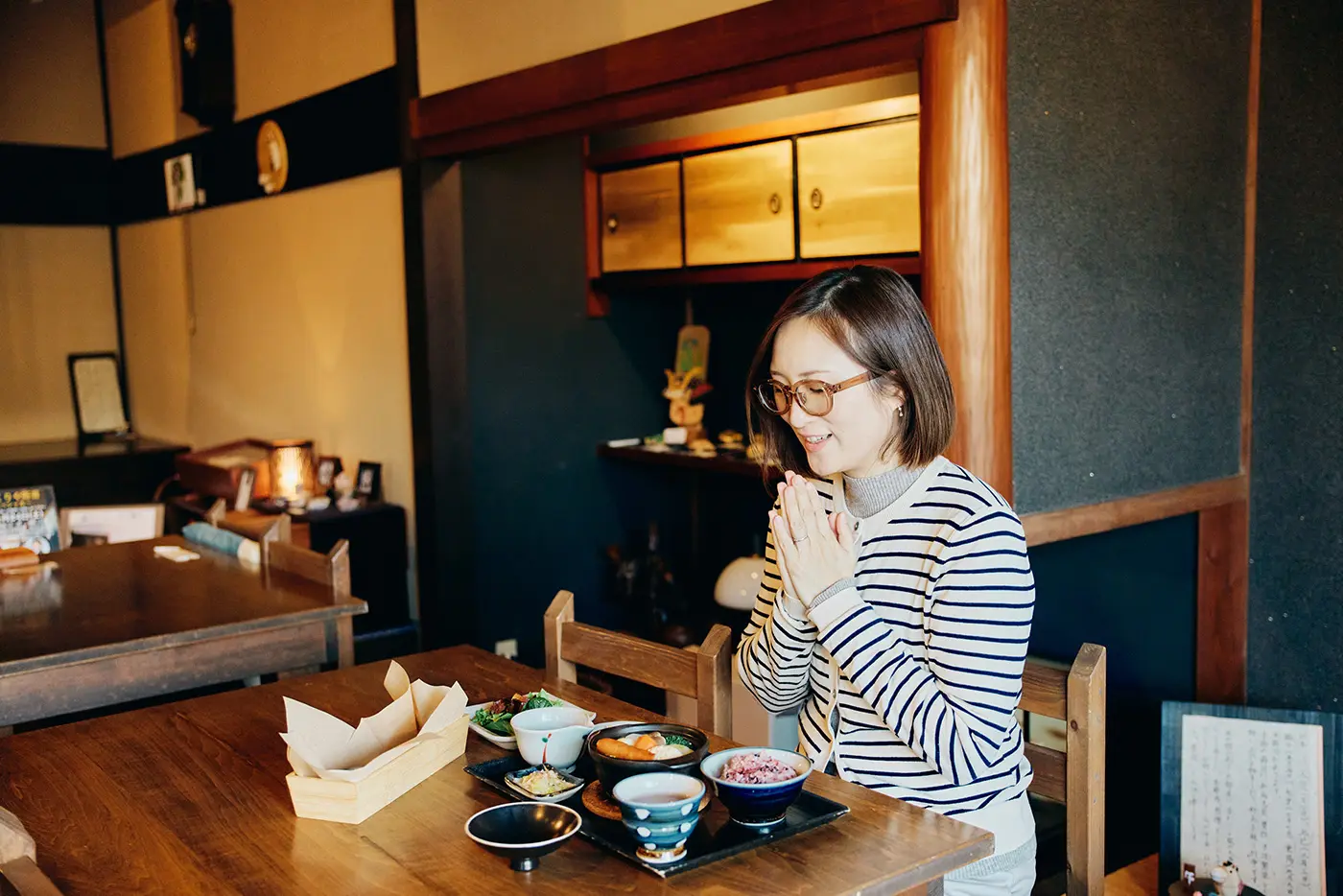
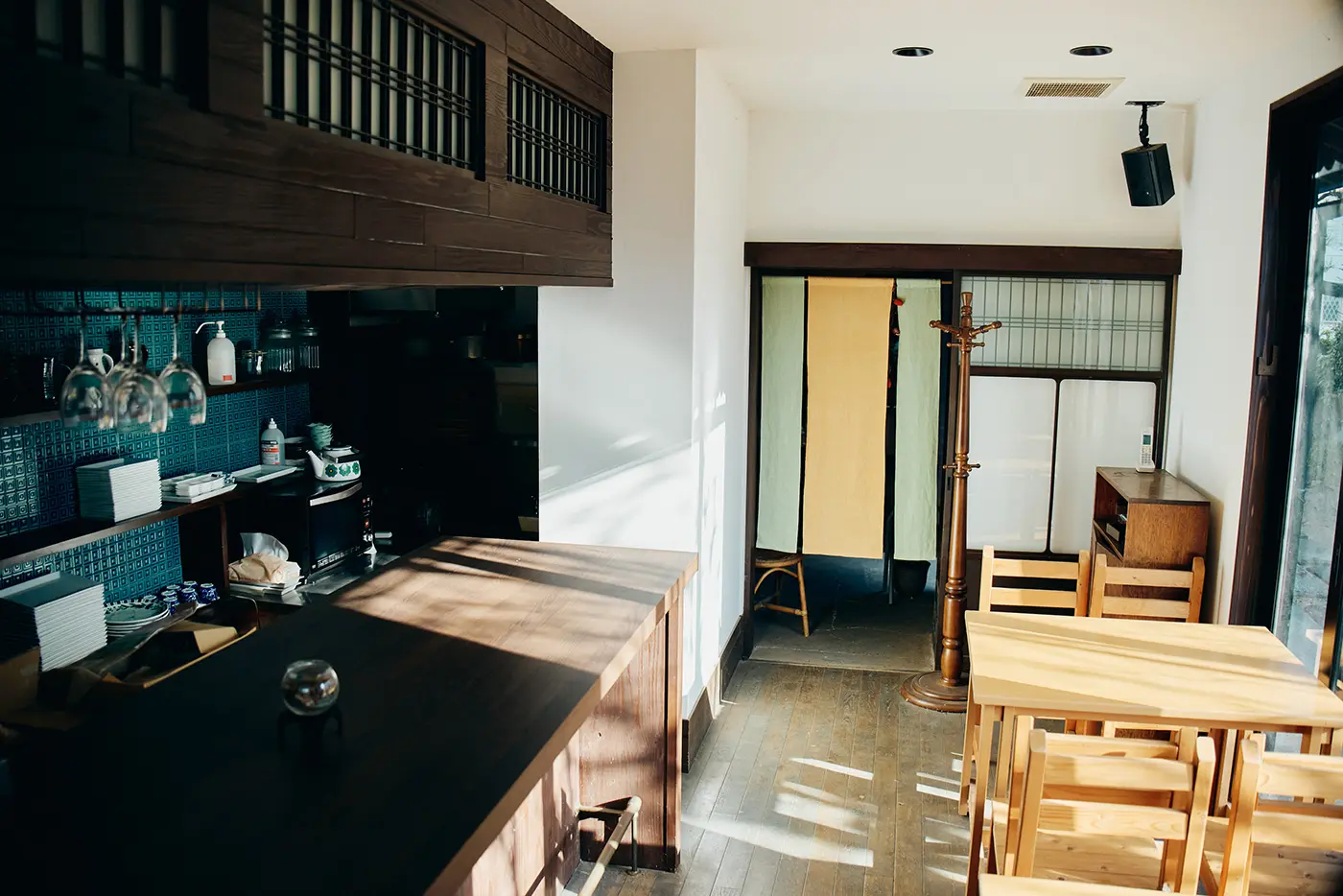
After walking around Sayamaike-pond, we head to Jikukan Kuriya to relax and unwind. This is a hideaway-like cafe and gallery that has been renovated from a charming old house built in 1926.
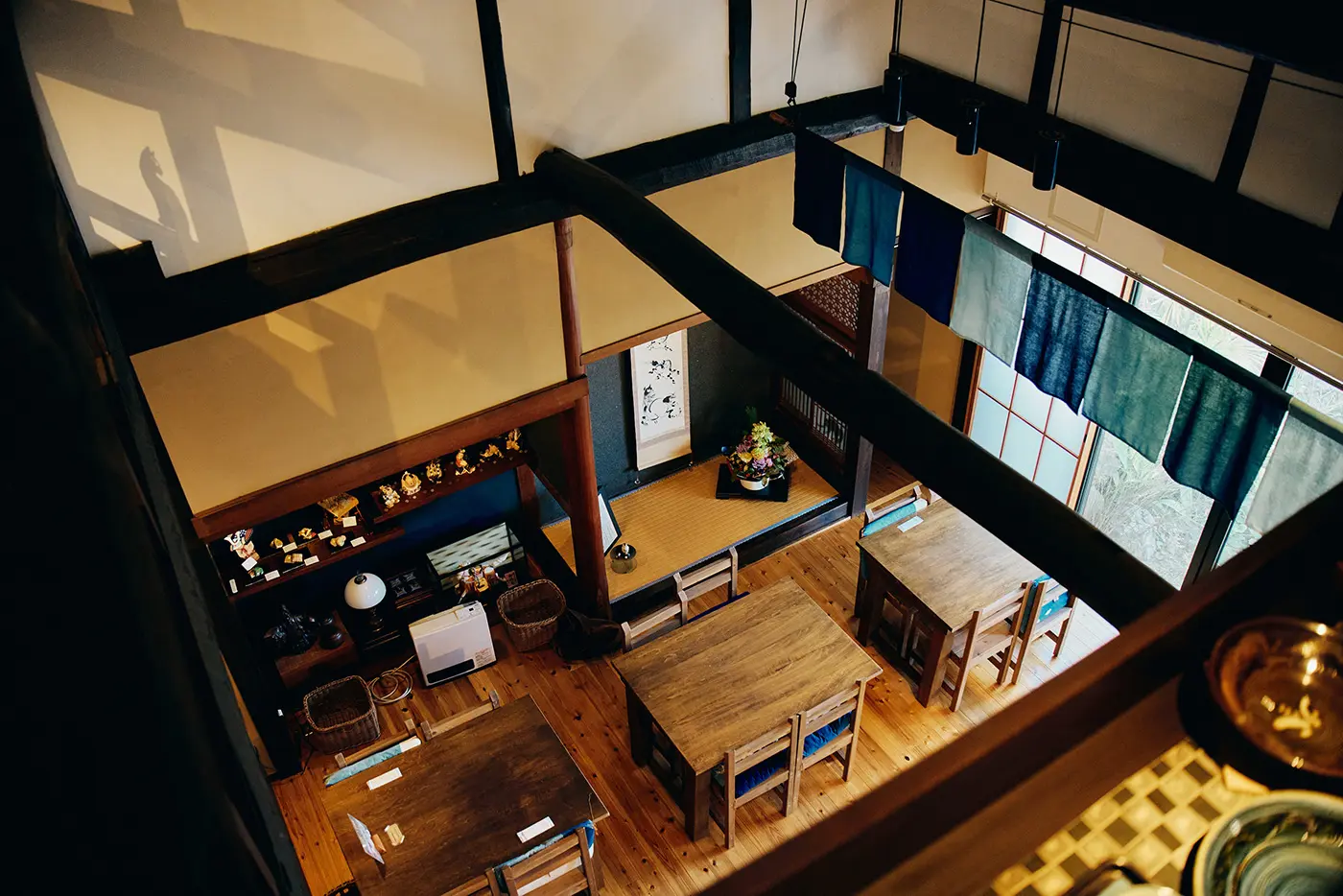
As soon as you step inside, you will be enveloped in a sense of peace as if time has stopped, as you see the beautiful swaying indigo-dyed noren curtains handcrafted by the owner himself.
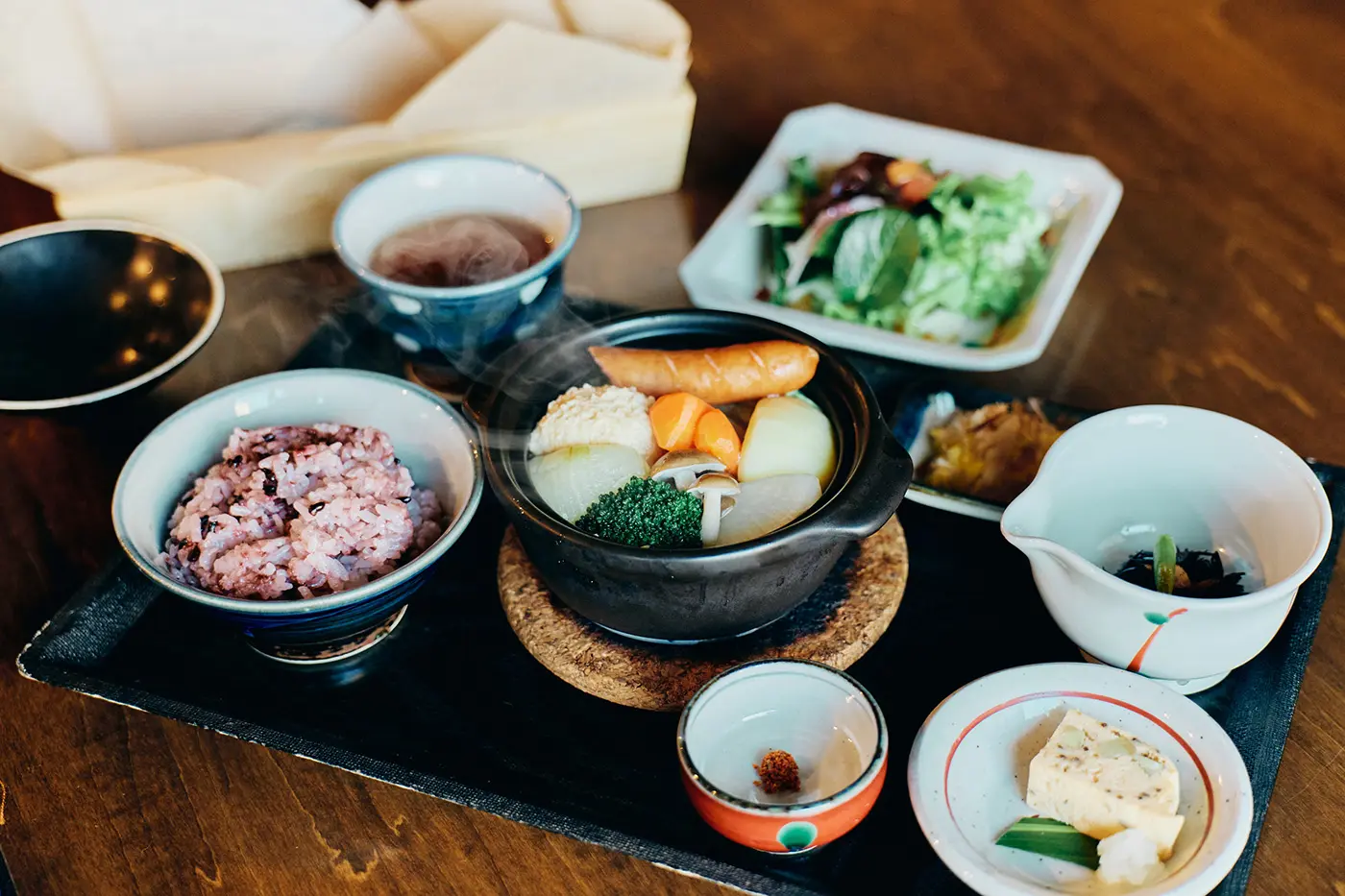
Here we had the famous "Japanese-style Pot-au-feu Set Meal" (1,450 yen including tax). It is filled with vegetables thoroughly infused with Japanese dashi stock and is the restaurant's signature dish. The gentle flavors enjoyed in a space that retains the atmosphere of the Taisho era are the perfect way to end a day of walking.
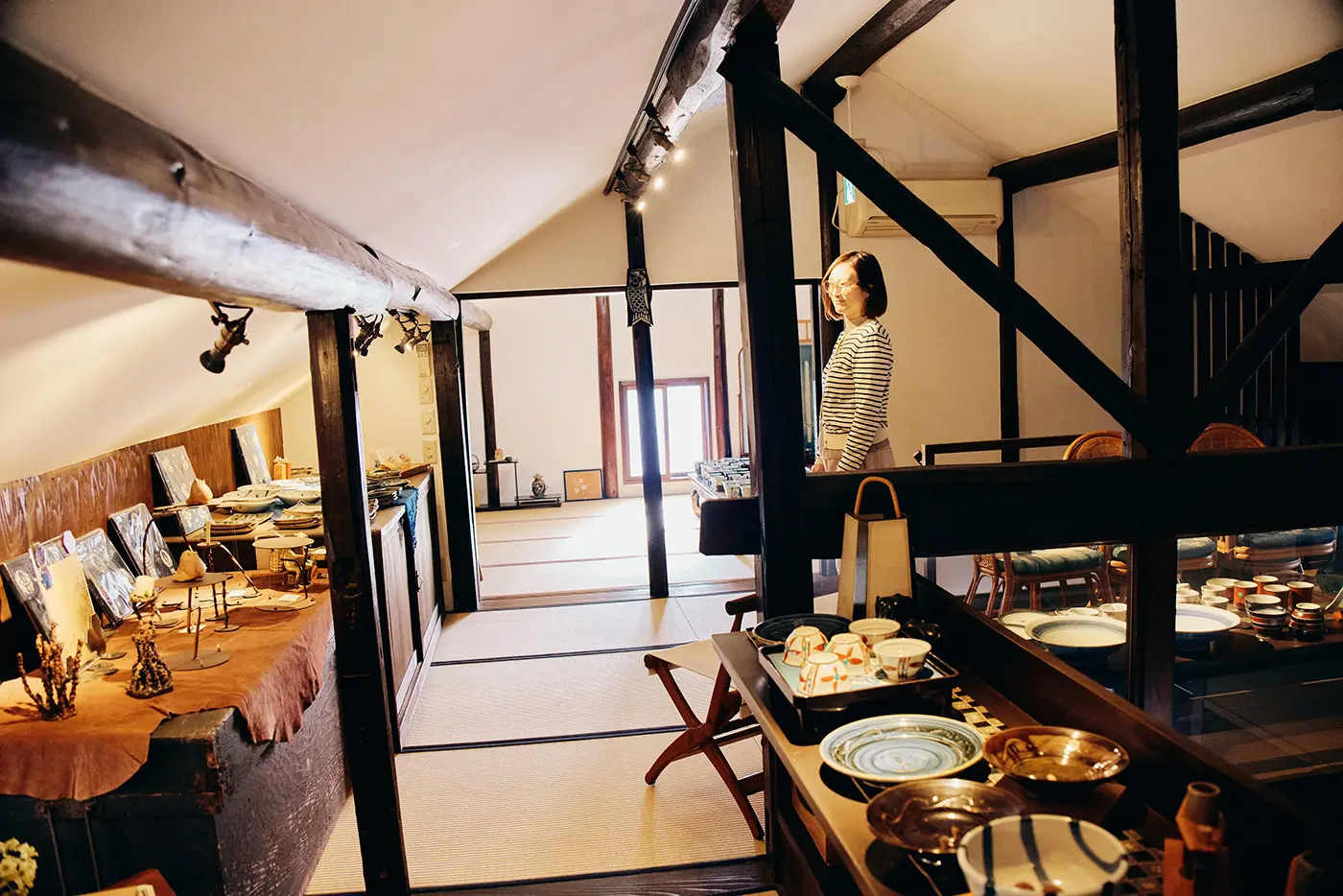
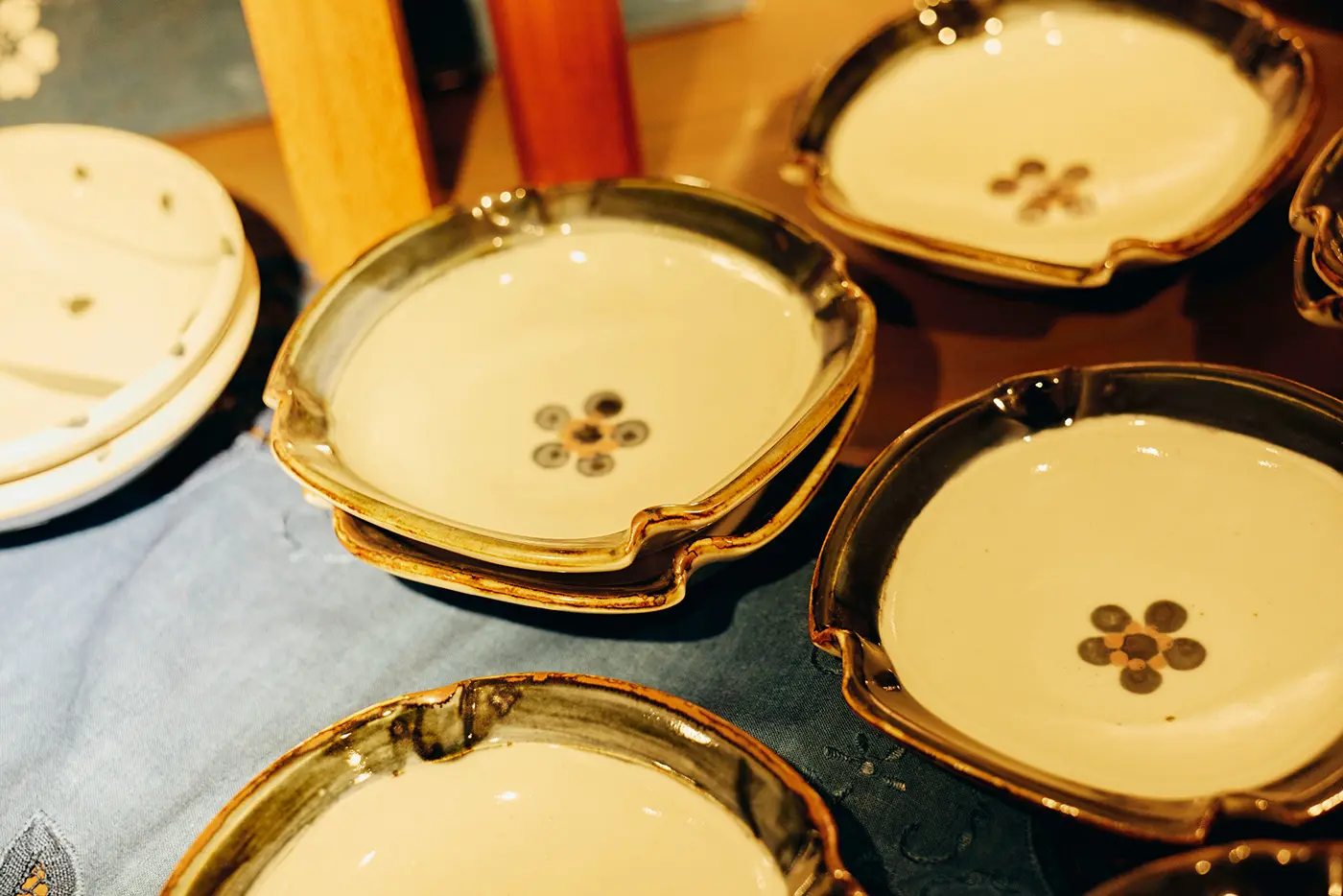
The second floor is an artist's gallery, where carefully selected tableware and props are also for sale. It is not just a restaurant, but also serves as a "local community hub" where rakugo performances and workshops are held regularly.
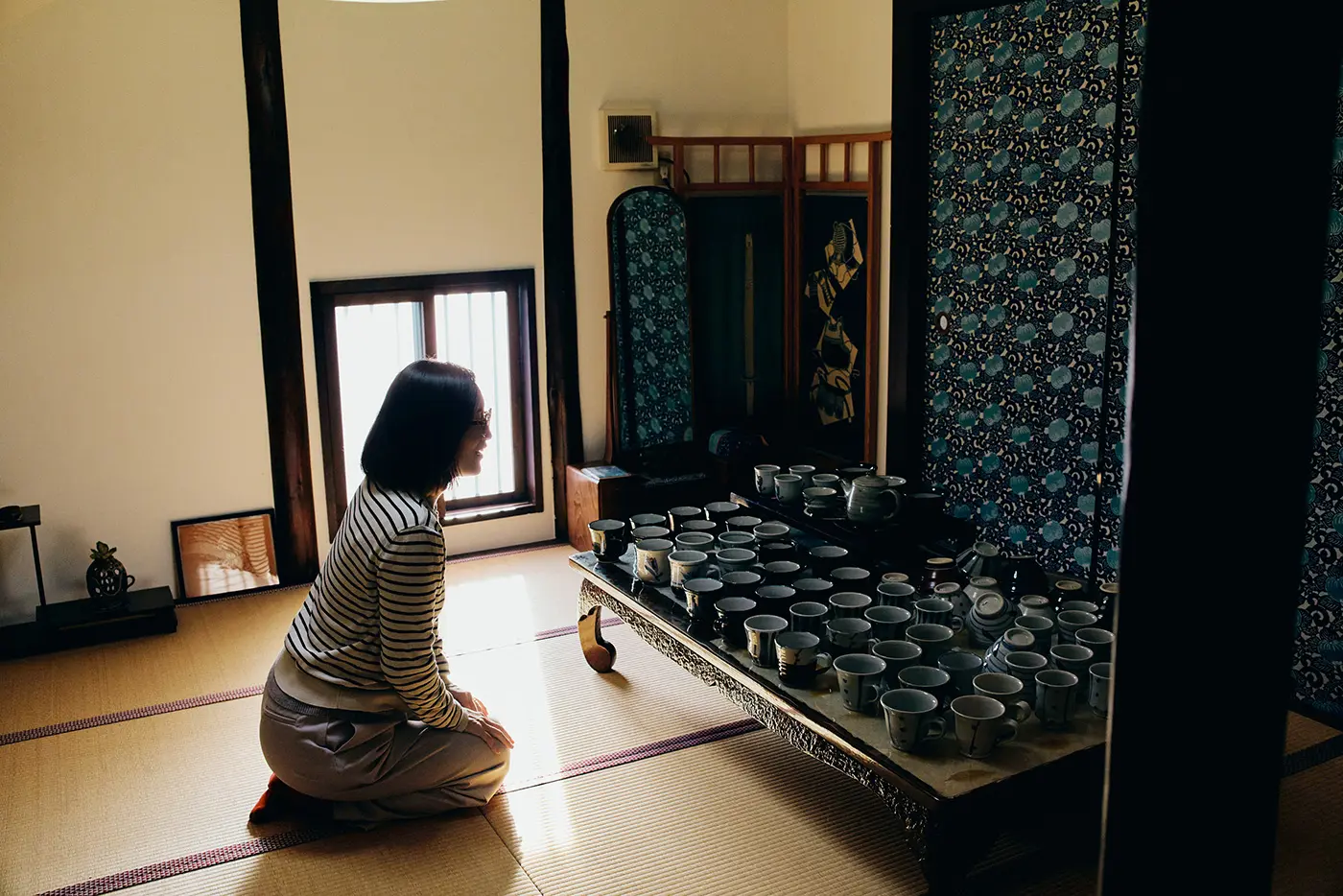
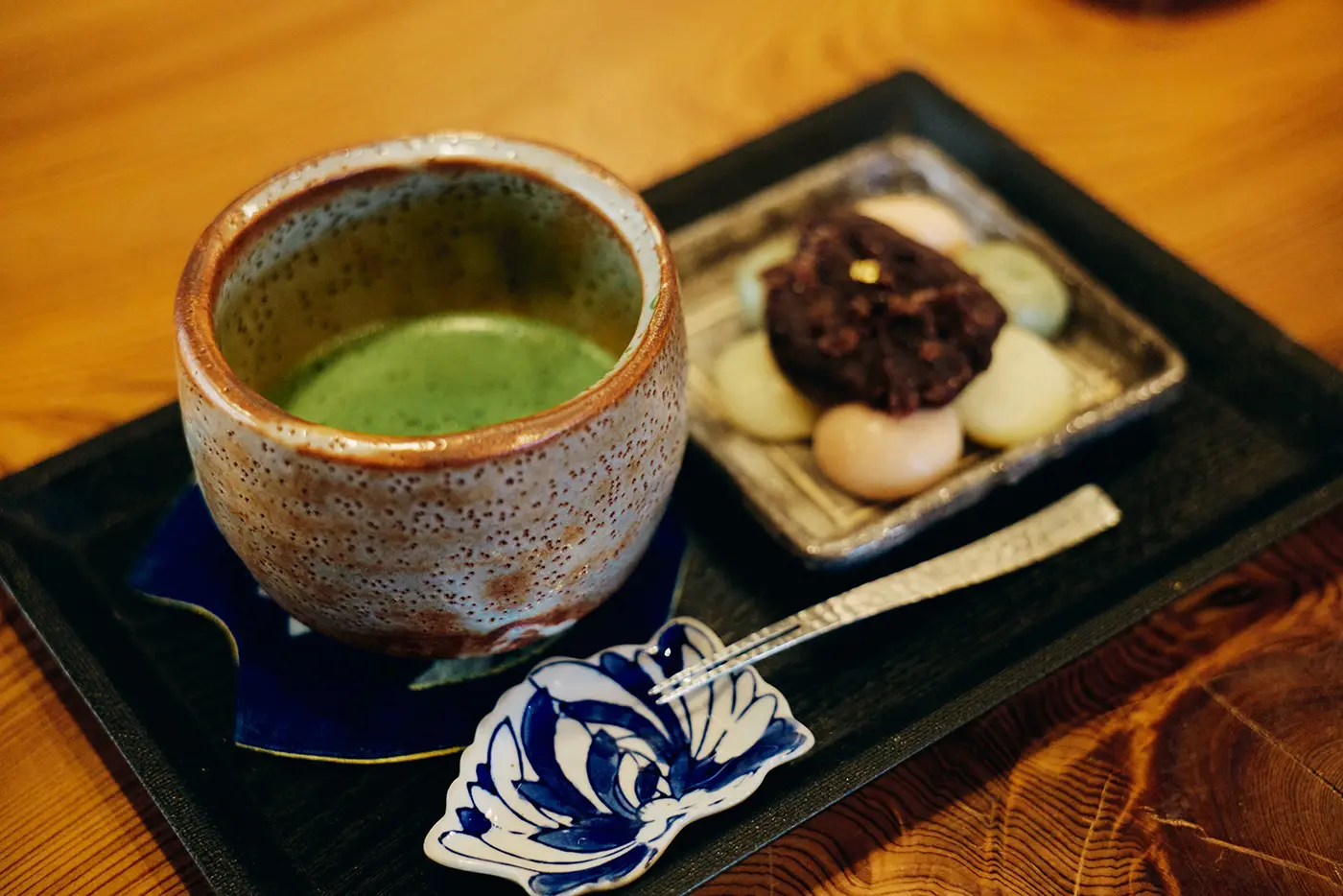
The Japanese-style pot-au-feu had a deep dashi flavor that was different from Korean soup dishes, and it was delicious! It was a luxurious experience to enjoy carefully prepared food in a historic building.
A blissful day at Sayamaike-pond, where history, nature, and gourmet food come together
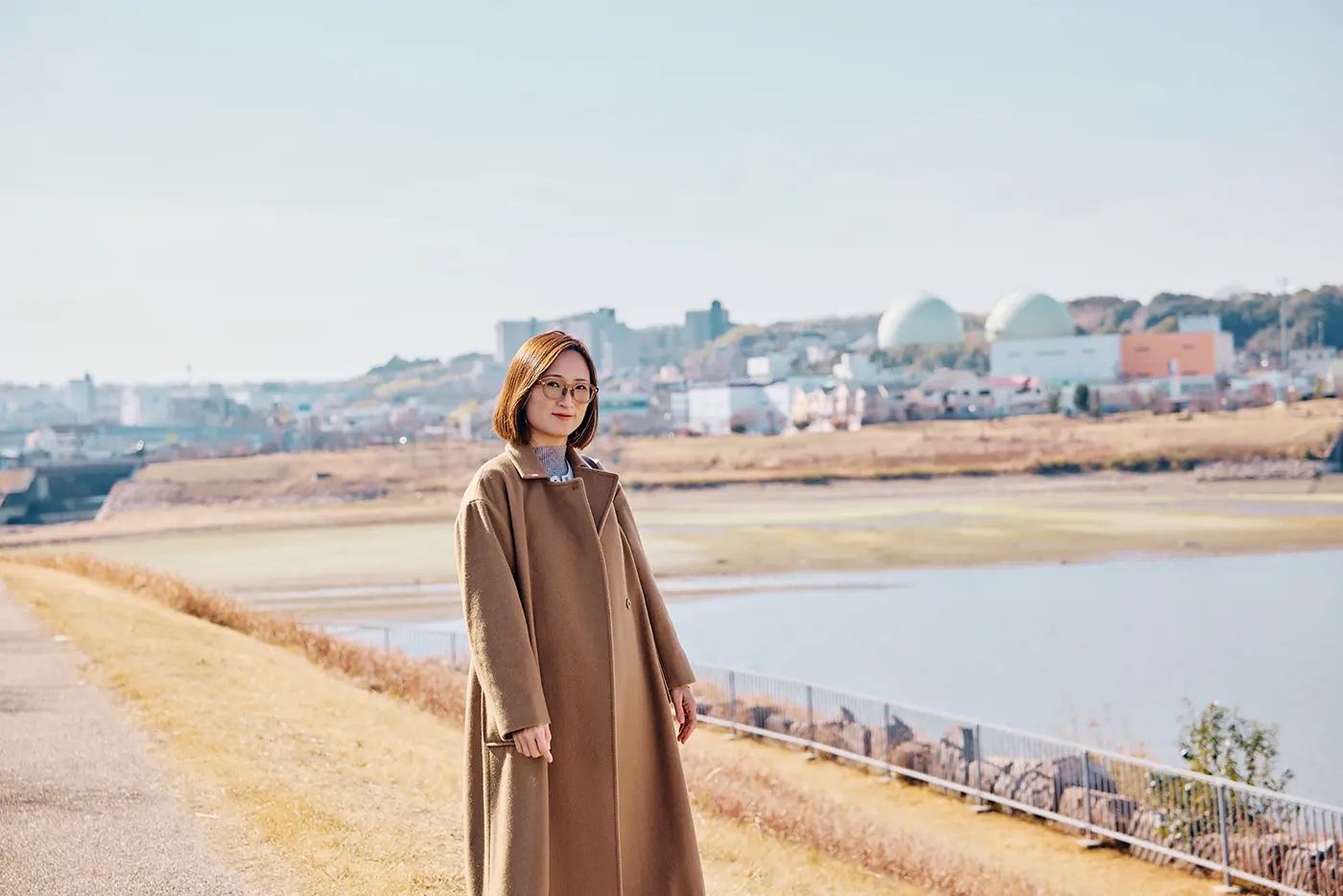
What did you think of your trip around Sayamaike-pond, which has been around for 1,400 years?
Experience the overwhelming weight of history at the Sayamaike Museum, designed by Tadao Ando, walk along the rows of cherry blossom trees and the spot where the legendary dragon rests, and finish off by satisfying your soul with gourmet food packed with local warmth. Sayamaike is more than just a large pond; it's like a treasure chest of the town, offering new discoveries and healing with every visit.
Sayamaike-pond is easily accessible from Kansai International Airport (KIX) and is just 30 minutes by train from Namba, yet it offers a "luxurious view surrounded by water and sky." It's truly a hidden gem in Osaka.
If you want to escape the hustle and bustle of Osaka and feel the time pass more slowly, be sure to visit Sayamaike-pond. You will be warmly welcomed by seasonal flowers and migratory birds.
*The information in this article is current as of March, 2026. As details may have changed, please check the official websites of the facilities and stores for the latest information.
Photo: Mei Hirano
Edit: Hiroto Terauchi
Direction: Ningen Henshusha
Related Tours
Osaka: Experience 1,400 years of history! Guided tour of Sayamaike, Japan's oldest reservoir
- Experience the oldest reservoir in Japan, which has been in operation for 1,400 years
- Learn about the academic value of the museum, designated as a national historic site, from a museum guide
- We will give you a free Sayamaike tenugui towel that you can only get here!
