 Copy Link
 X
X
 Facebook
 LINE
LINE
 LinkedIn
 Pinterest
 WhatsApp
 KakaoTalk
 NAVER
NAVER
 Weibo
Weibo
 WeChat
 Mail
Mail
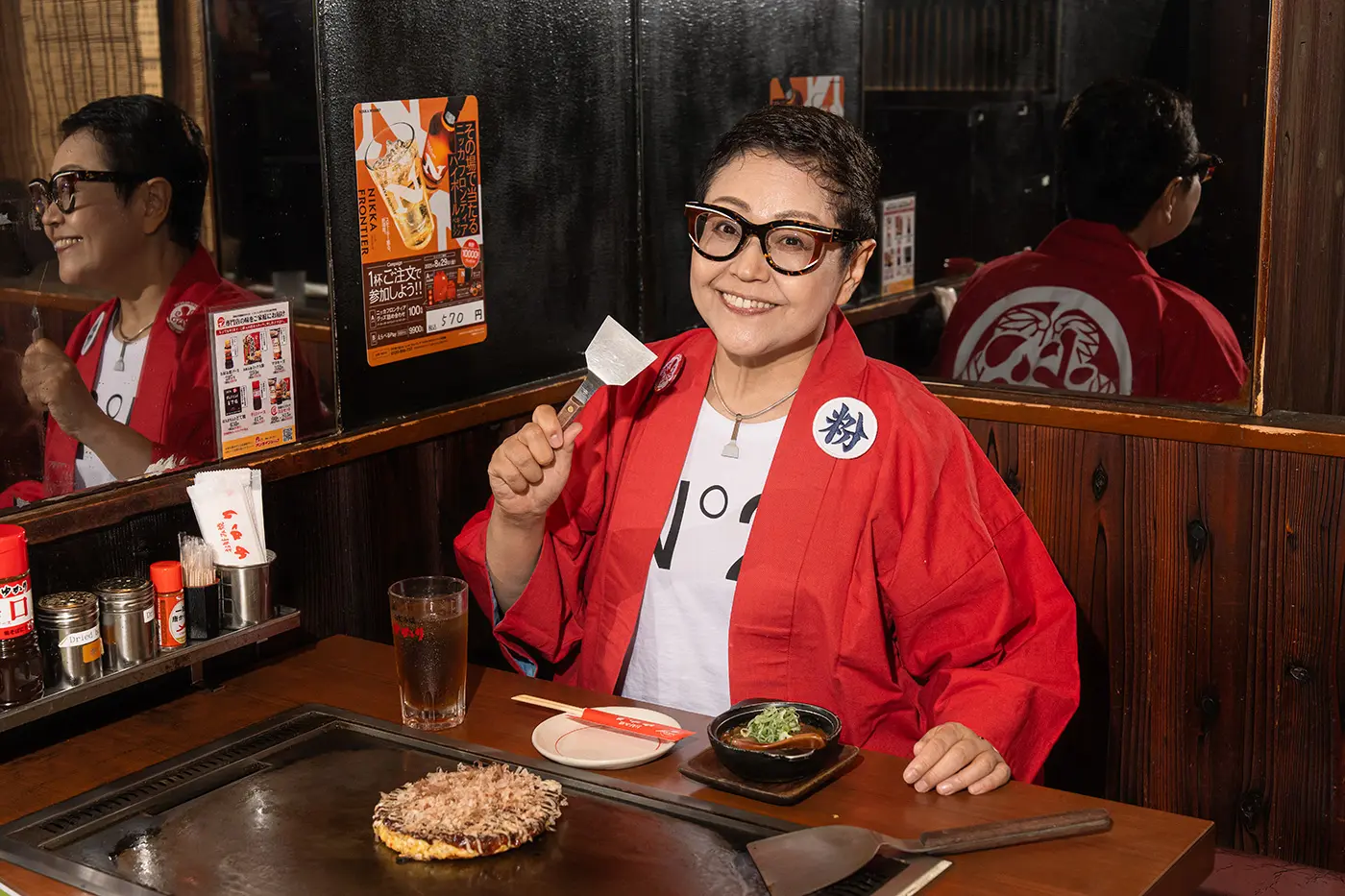
Konamon (flour-based dishes) are a staple of Osaka cuisine. Many of these dishes have been refined by customers who have nurtured the restaurants and honed their skills. Mana Kumagai, president of the Japan Konamon Association, has been fascinated by kanamon since her student days, and will introduce us to the unique world of food that goes beyond takoyaki and okonomiyaki.
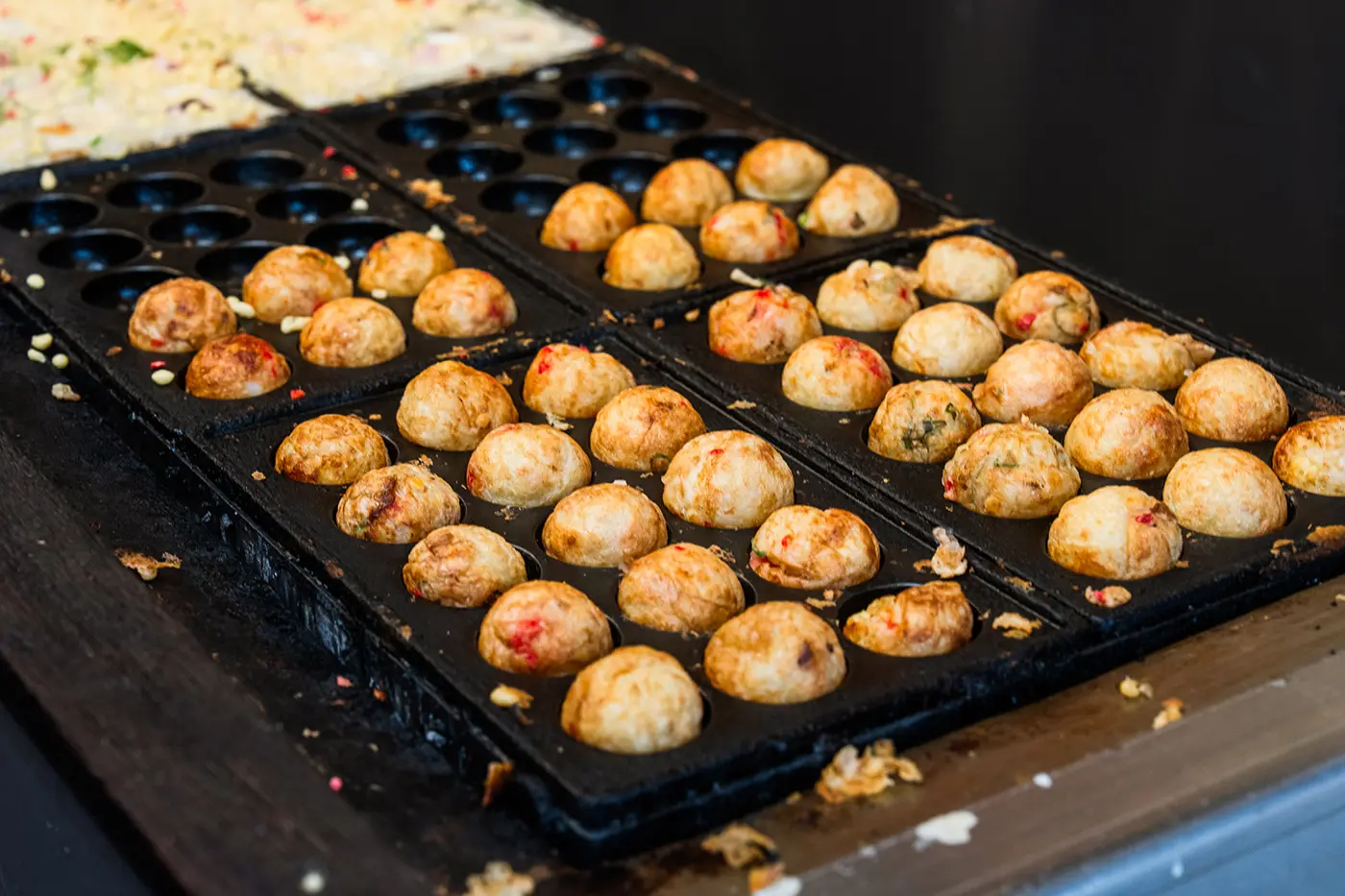
When talking about Osaka's food culture, one cannot leave out the soul food "konamon." Takoyaki and okonomiyaki restaurants have long been loved by the general public and attract many customers from both Japan and overseas as representative Osaka cuisine. However, the definition of konamon does not end with takoyaki and okonomiyaki.
Mana Kumagai, president of the Japan Konamon Association, says that the roots of flour-based foods lie in the culture of dashi stock that has continued in Osaka since the Edo period. Osaka udon, characterized by its soft, chewy noodles and flavorful dashi stock, shares similarities with takoyaki and okonomiyaki, which also use a generous amount of dashi stock.
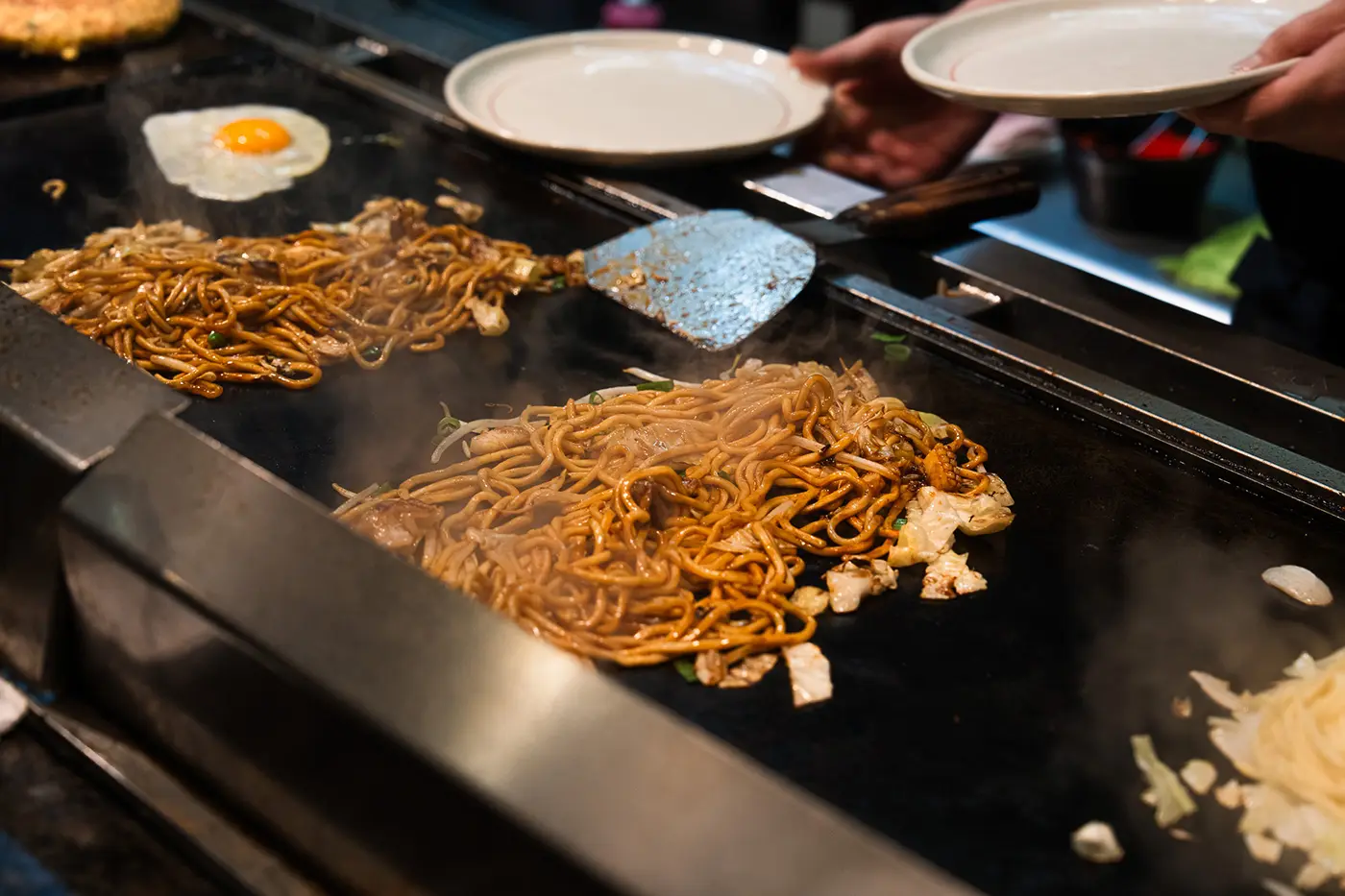
Just like udon, any food made with flour derived from grains such as wheat flour or beans can be called konamon. The finished product comes in a variety of forms, but if you broaden your perspective a little, you'll see that Osaka's konamon is incredibly diverse, including yakisoba and tonpeiyaki. In this article, we'll explore the rich flavors and appeal of konamon together with Kumagai, who has been researching and promoting konamon for over 40 years.
Guide
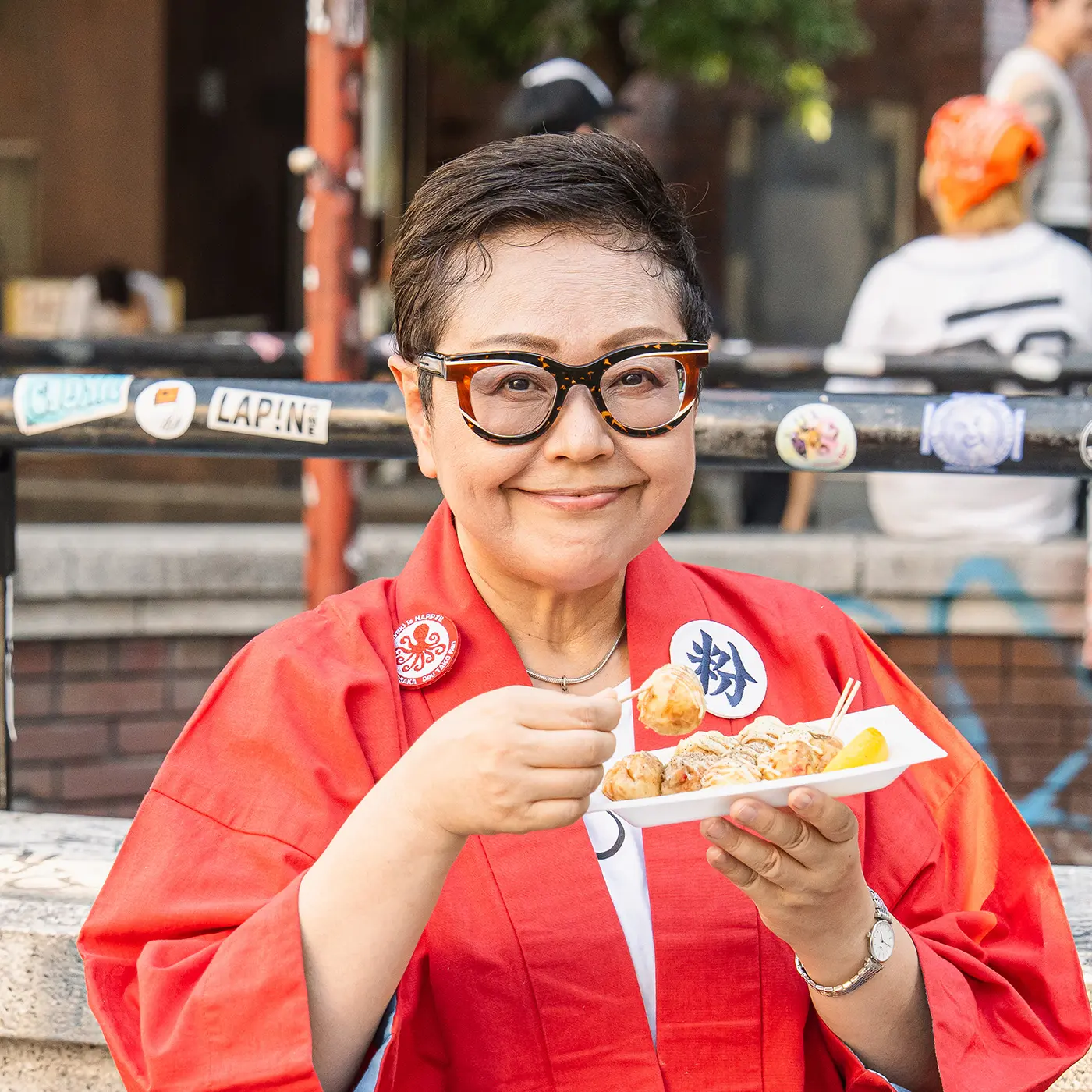
He is a food culture researcher, president of the Japan Konamon Association, and recipient of the 57th Food Industry Achievement Award in the International Food Culture category. He is the representative of the Executive Committee for the 100-Year Inheritance of Food Culture and the Teppan Conference, the president of the Dotonbori Takoyaki Association, and a director of the All Japan Food Studies Association. He introduced Dotonbori Yakisoba at the NY Konamon Festival. He has visited 20 countries around the world and held exchange events to spread food culture. He has taught over 20,000 people how to cook takoyaki and okonomiyaki. He also researches over 750 restaurants a year, working himself to the bone.
Japan Konamon Association Official Website
Don't miss this place! Savor the power of flour-based dishes at this classic, famous restaurant
01. Koga-ryu Takoyaki (Chuo-ku, Osaka)
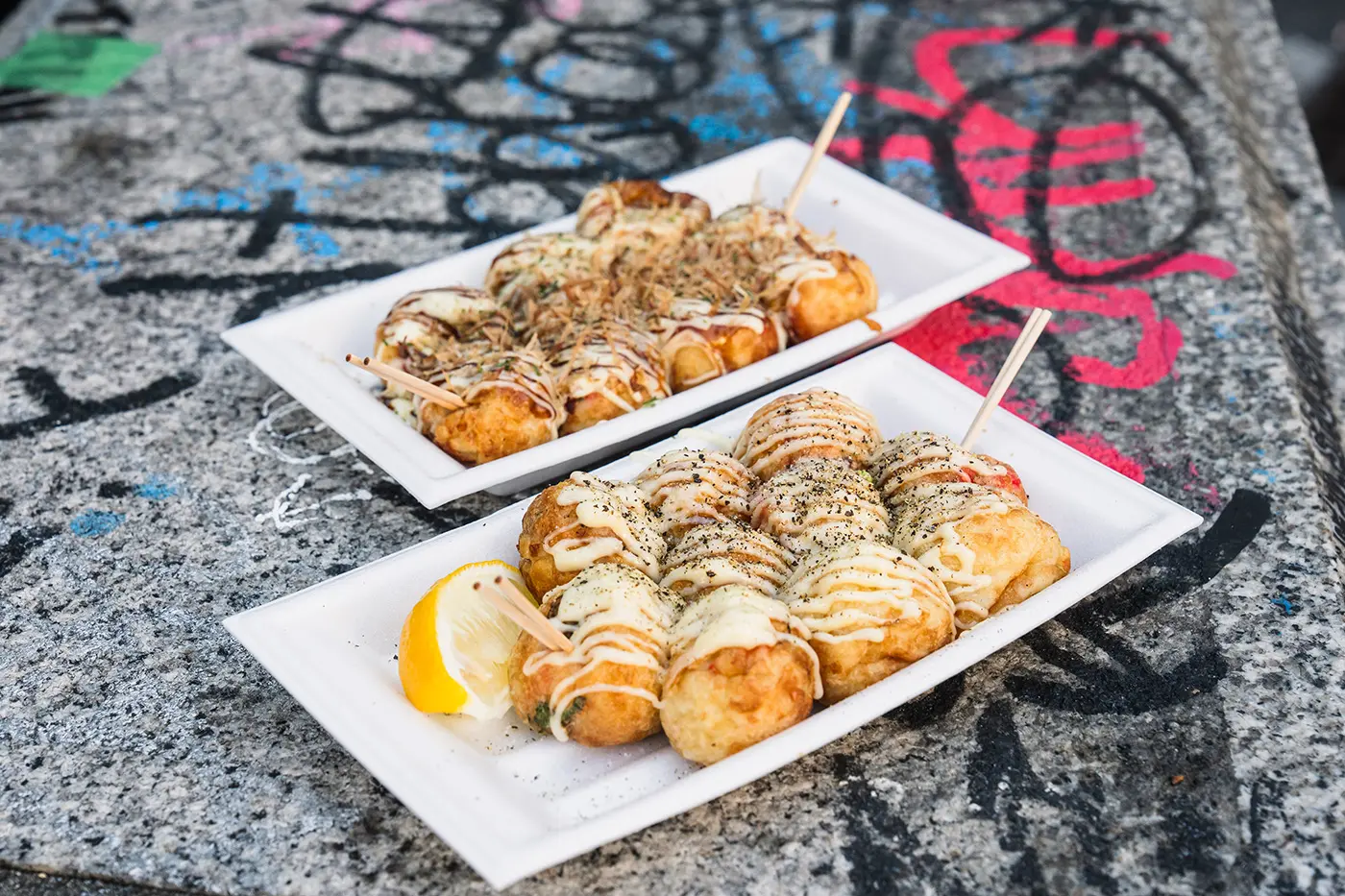
The takoyaki, made with carefully selected ingredients, is the result of half a century of research
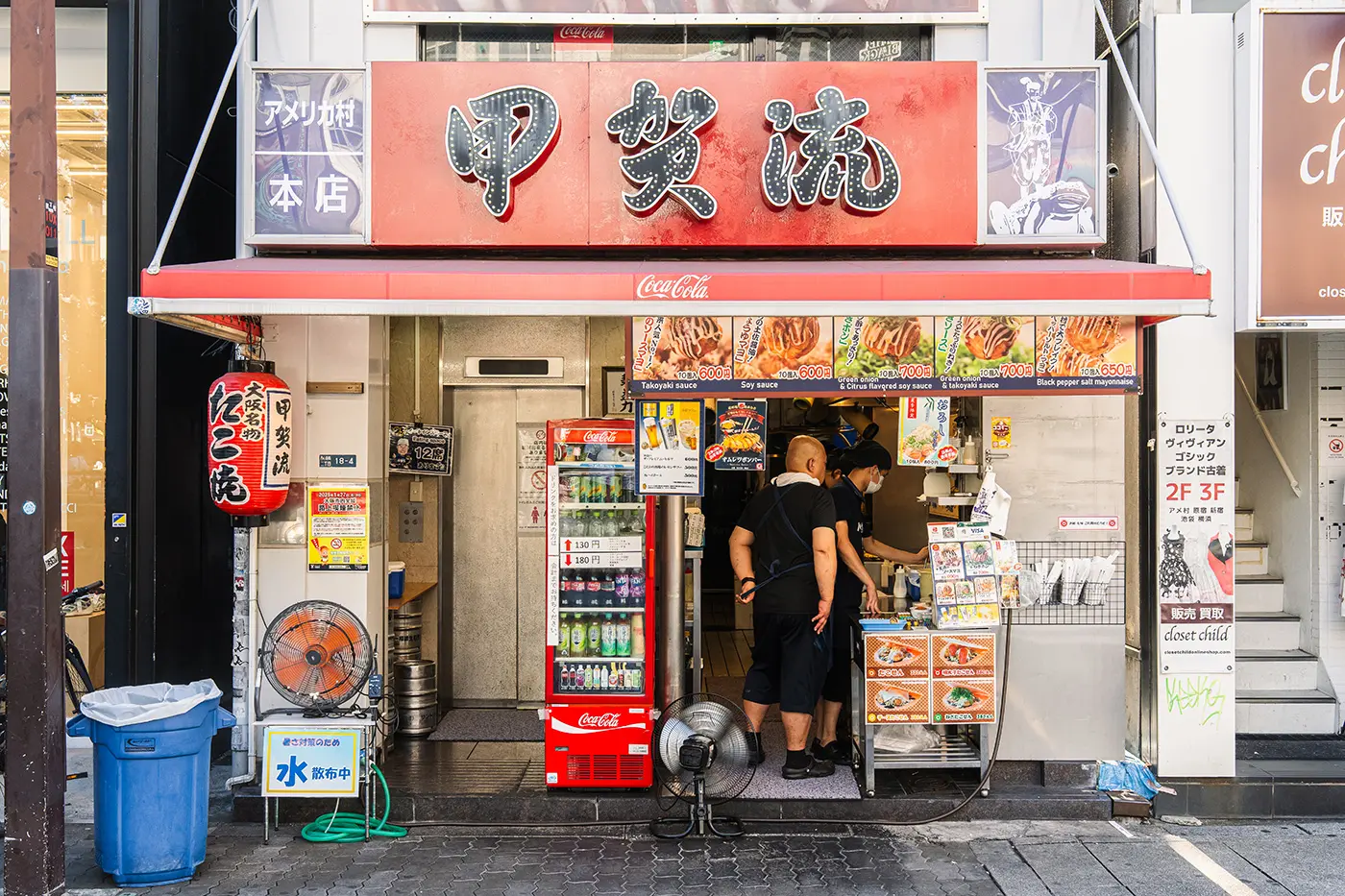
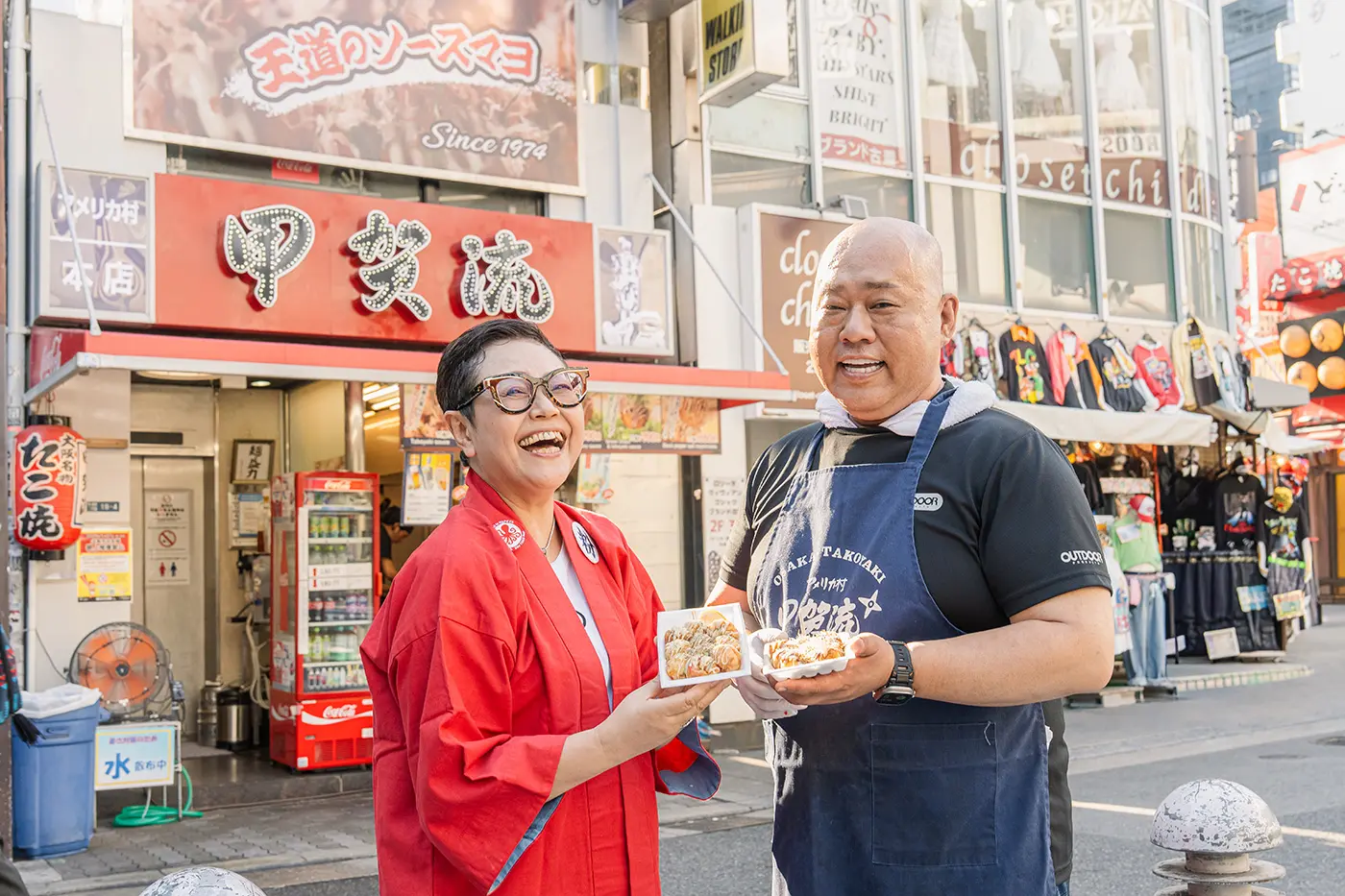
Founded in 1974 in front of Sankaku Park in Americamura, this renowned takoyaki restaurant is the pride of Osaka. Enjoy takoyaki made with the utmost care using only the finest ingredients, including a dough made with dashi stock from kelp and dried sardines, a specially blended sauce, and a rich mayonnaise made only with egg yolks. Its popularity has spread overseas, and it has even been featured in a famous French gourmet guide. The beautiful brown color and adorable, plump, "this is takoyaki" visual will whet your appetite. The result of over half a century of tireless research, it truly is the standard for Osaka takoyaki.
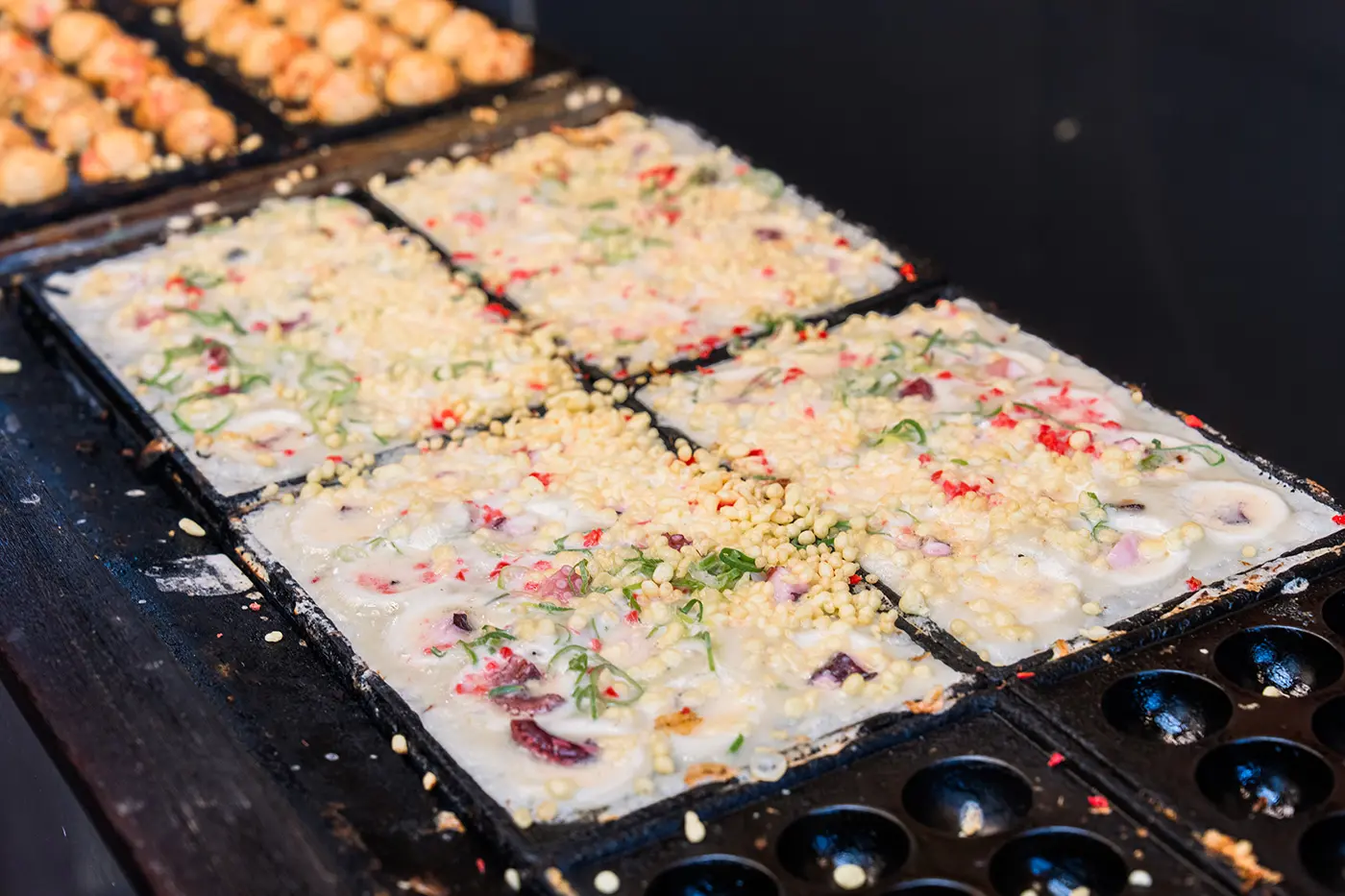
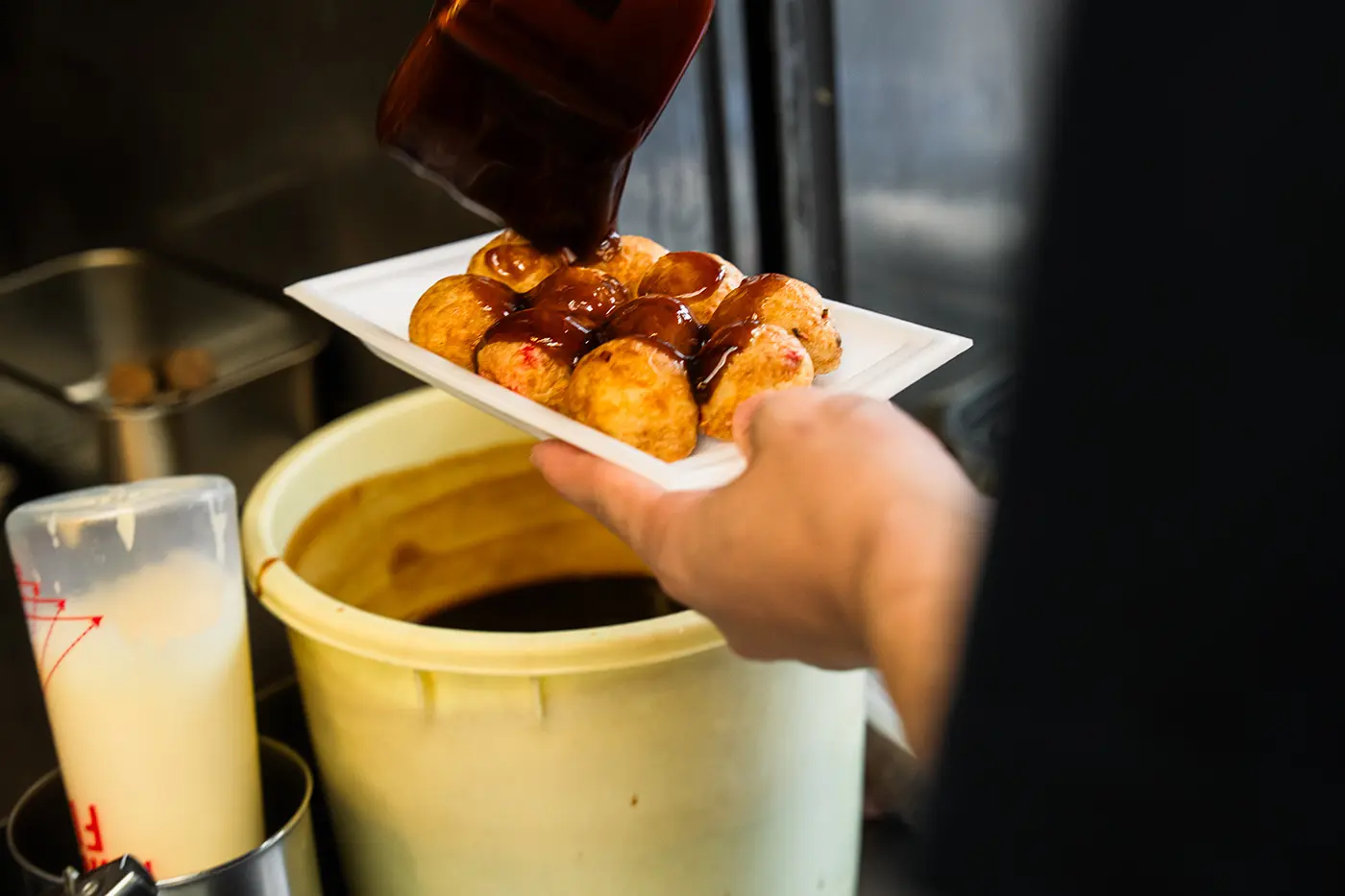
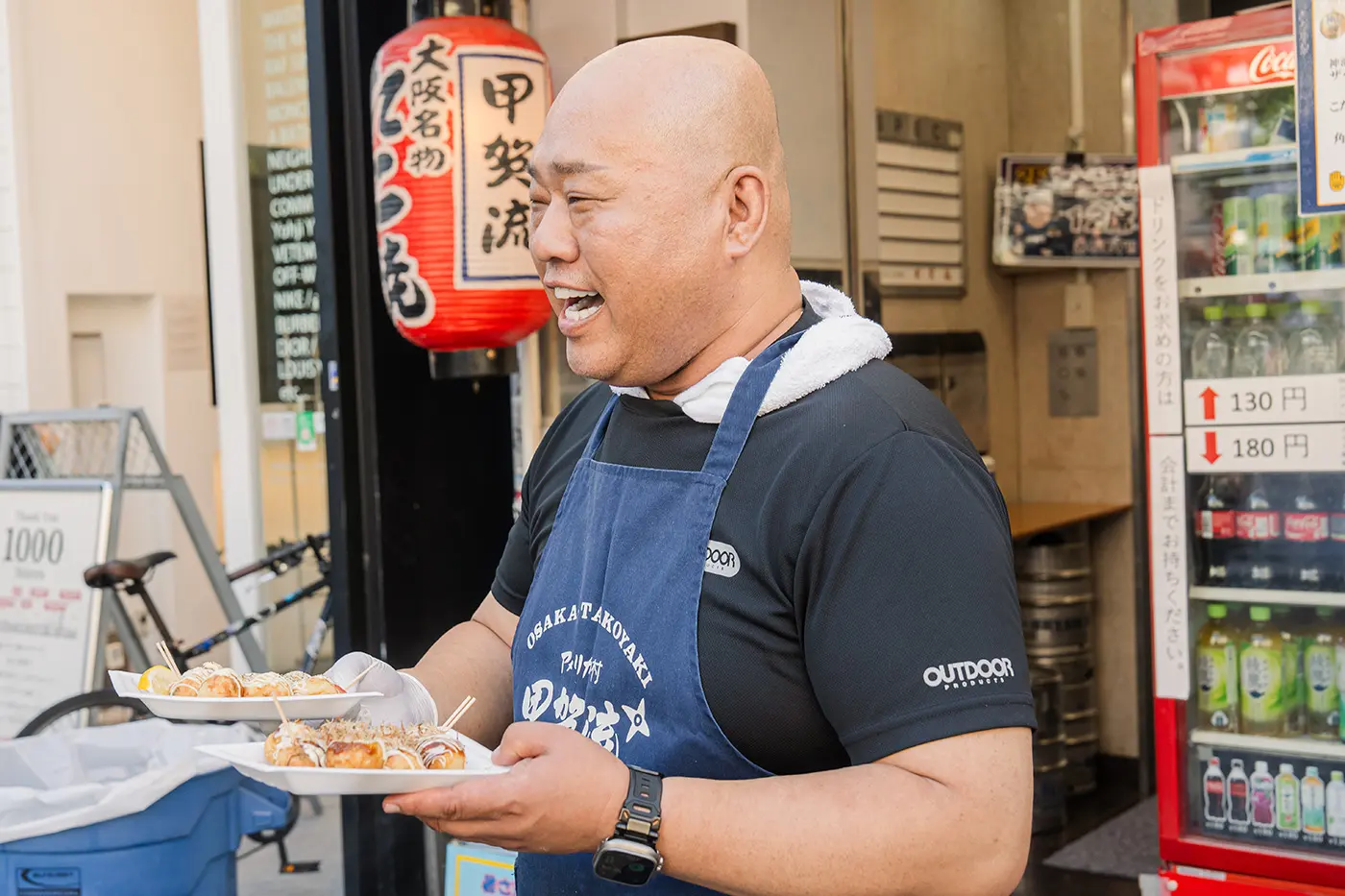
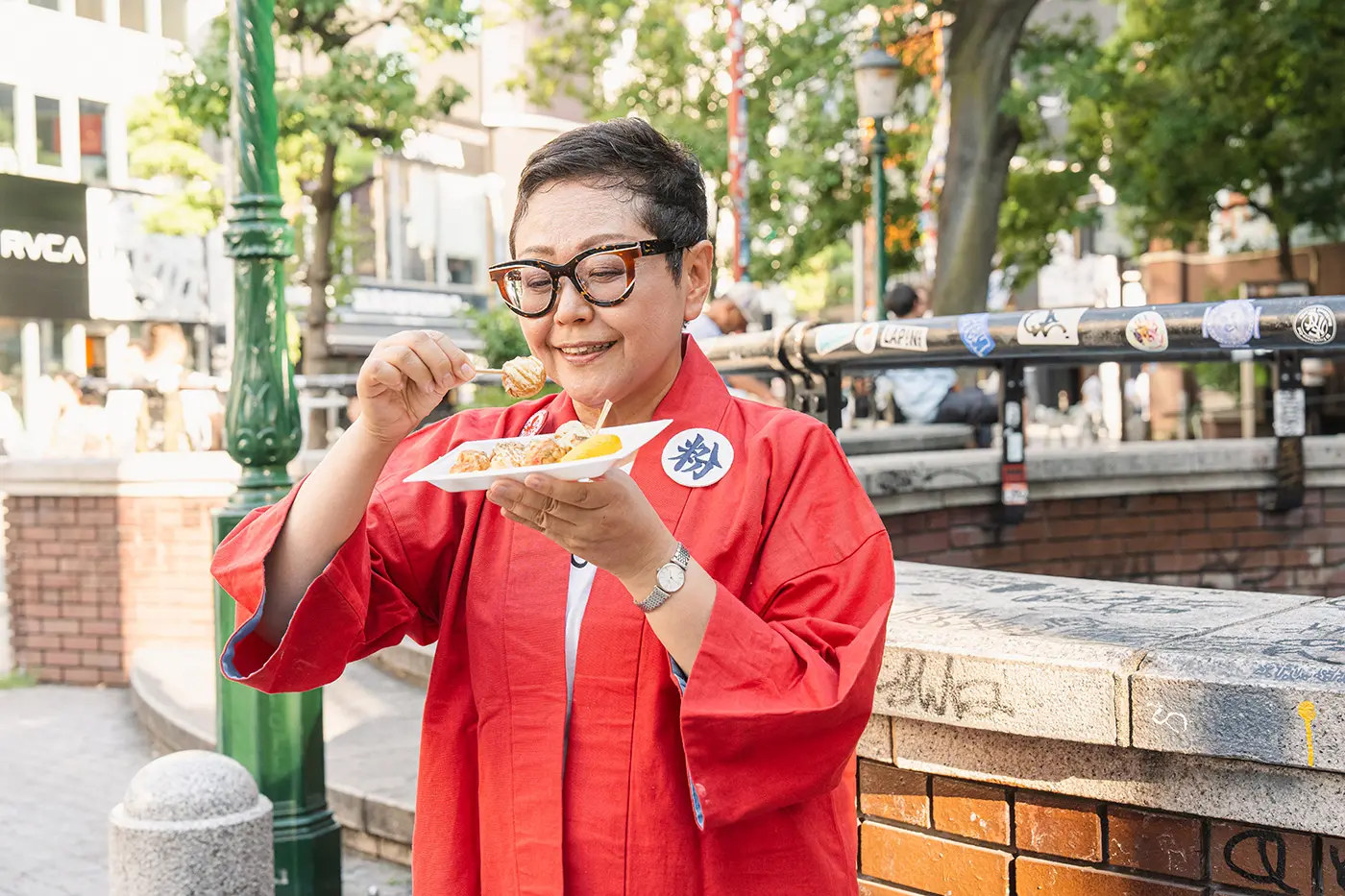
From the time when it was said that "mayonnaise on takoyaki is heresy," they established the classic mesh style for okonomiyaki. They took the world by storm with their new classic sauce mayonnaise. Even after succession to the second and third generations, the skills of the artisans manipulating the cast iron plate remain strong. The combination of the highest quality octopus and batter is exquisite!
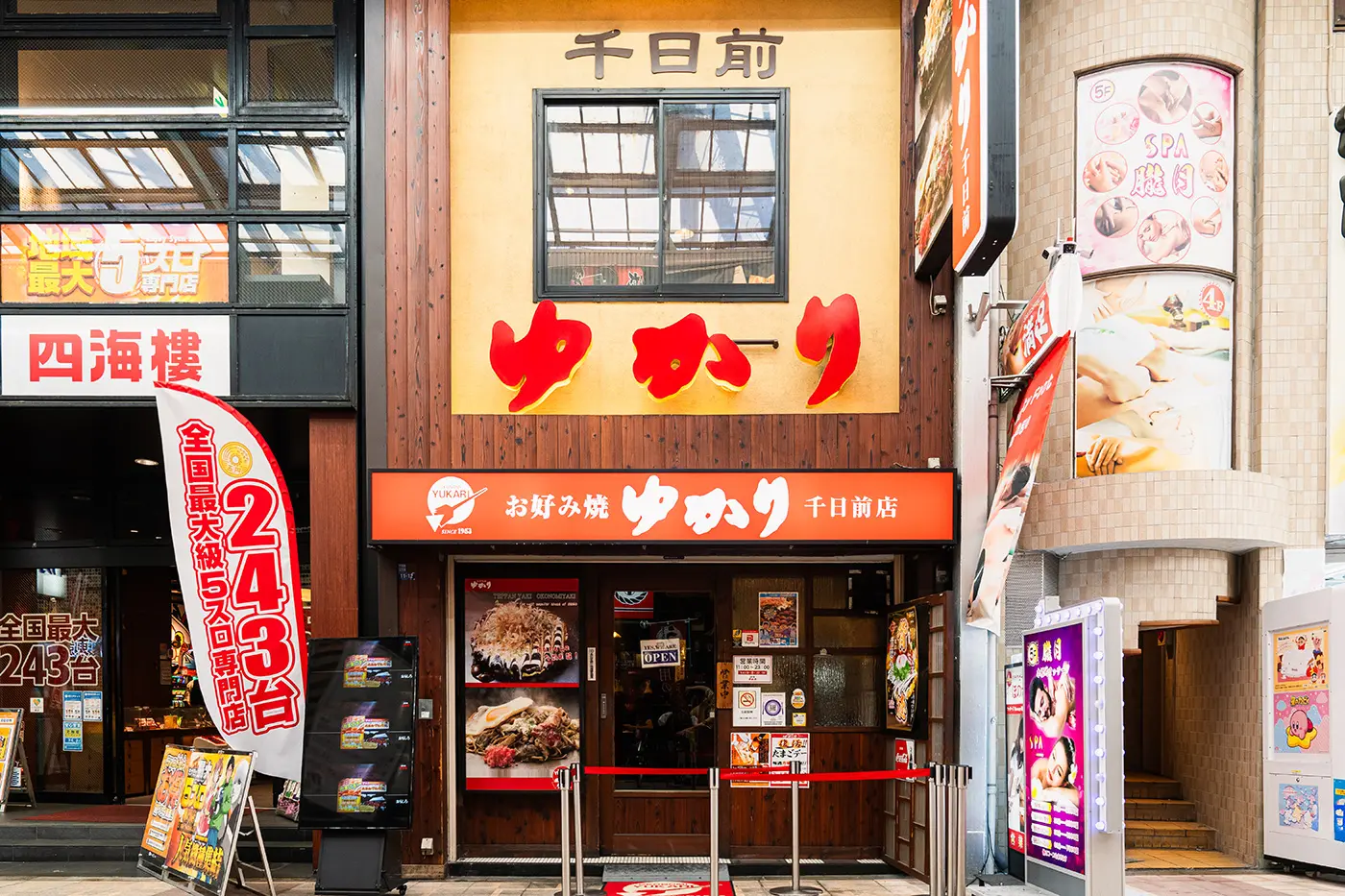
02. Okonomiyaki Yukari Sennichimae Branch's "Special Mixed Yaki" (Chuo Ward, Osaka City)
The star of the Osaka okonomiyaki chain, where the secret of "mixed grilling" shines through
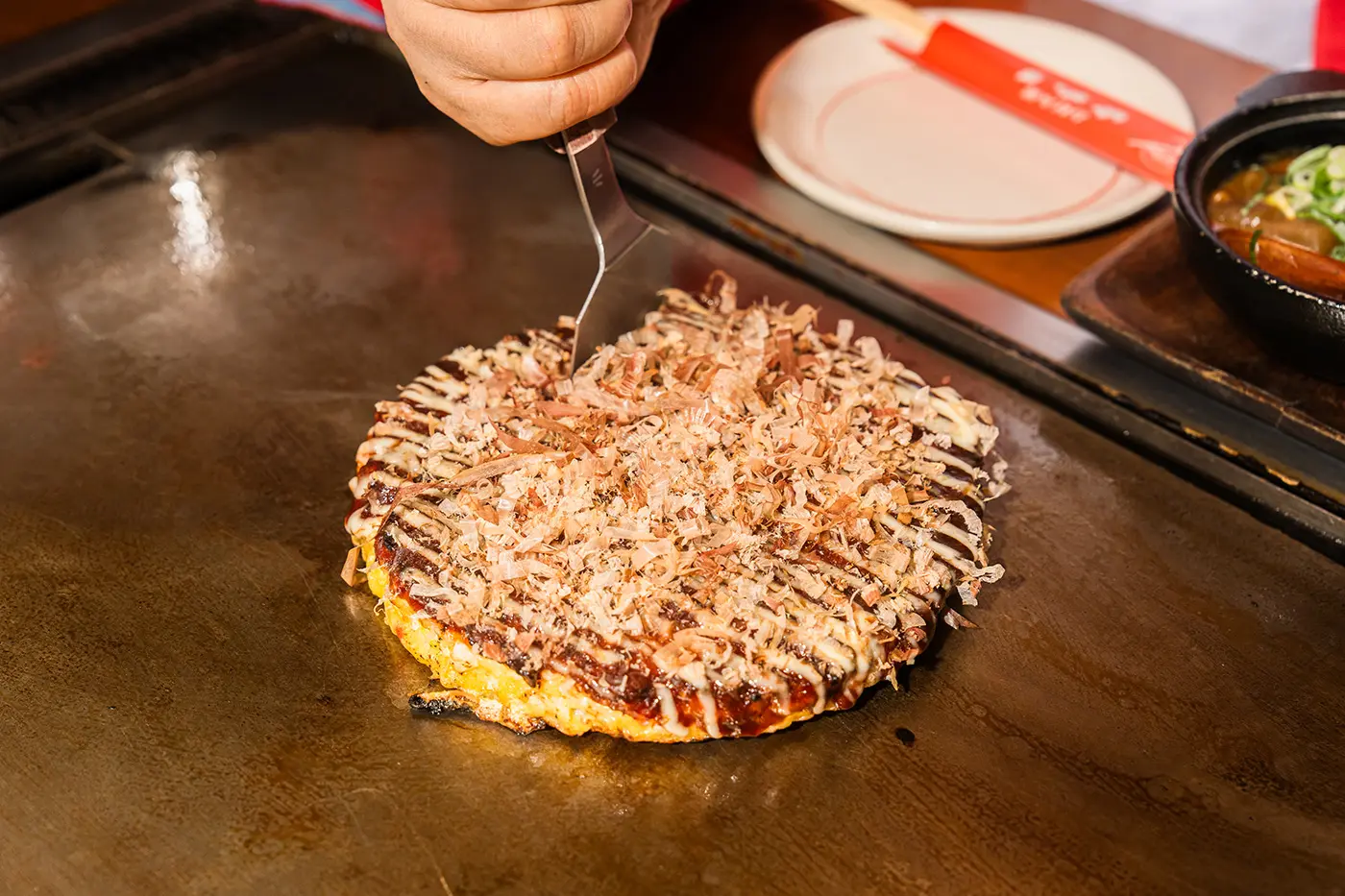
This long-established chain has been in business for over 70 years and enjoys strong local support. Don't underestimate it just because it's a chain; every store serves the high-quality Osaka-style "mixed okonomiyaki," in which ingredients and batter are mixed together and grilled. You can enjoy okonomiyaki that's crispy on the outside and fluffy on the inside. The crispy domestic cabbage adds an extra touch. The original sauce, rich in aroma and flavor, is supported by a broth made by carefully simmering chicken bones and aromatic vegetables. The fun selection of dishes, such as the special mixed okonomiyaki with pork belly, squid, and peeled shrimp, and the generous Osaka Castle okonomiyaki, which weighs 1 kilogram, attracts repeat customers.
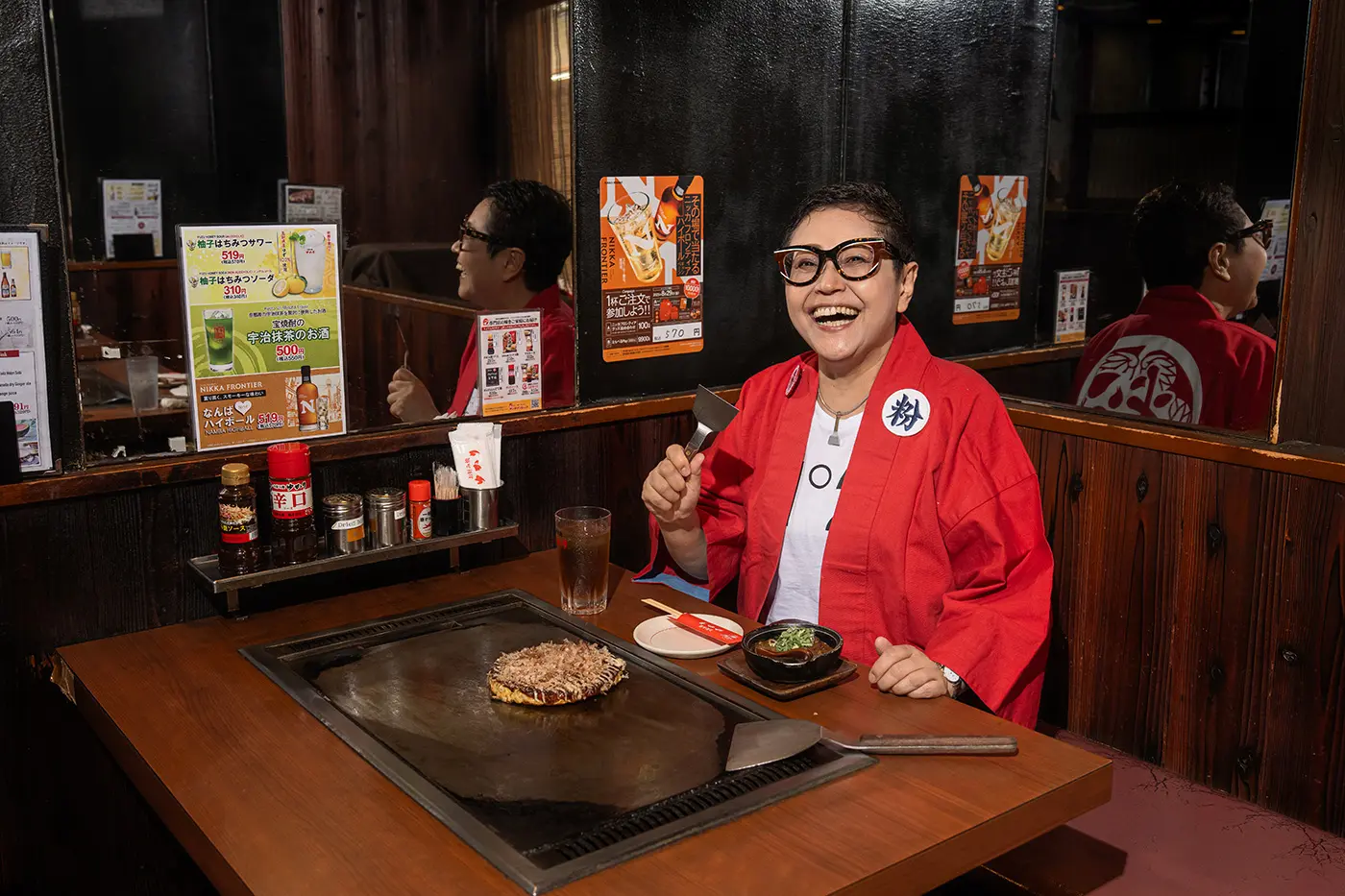
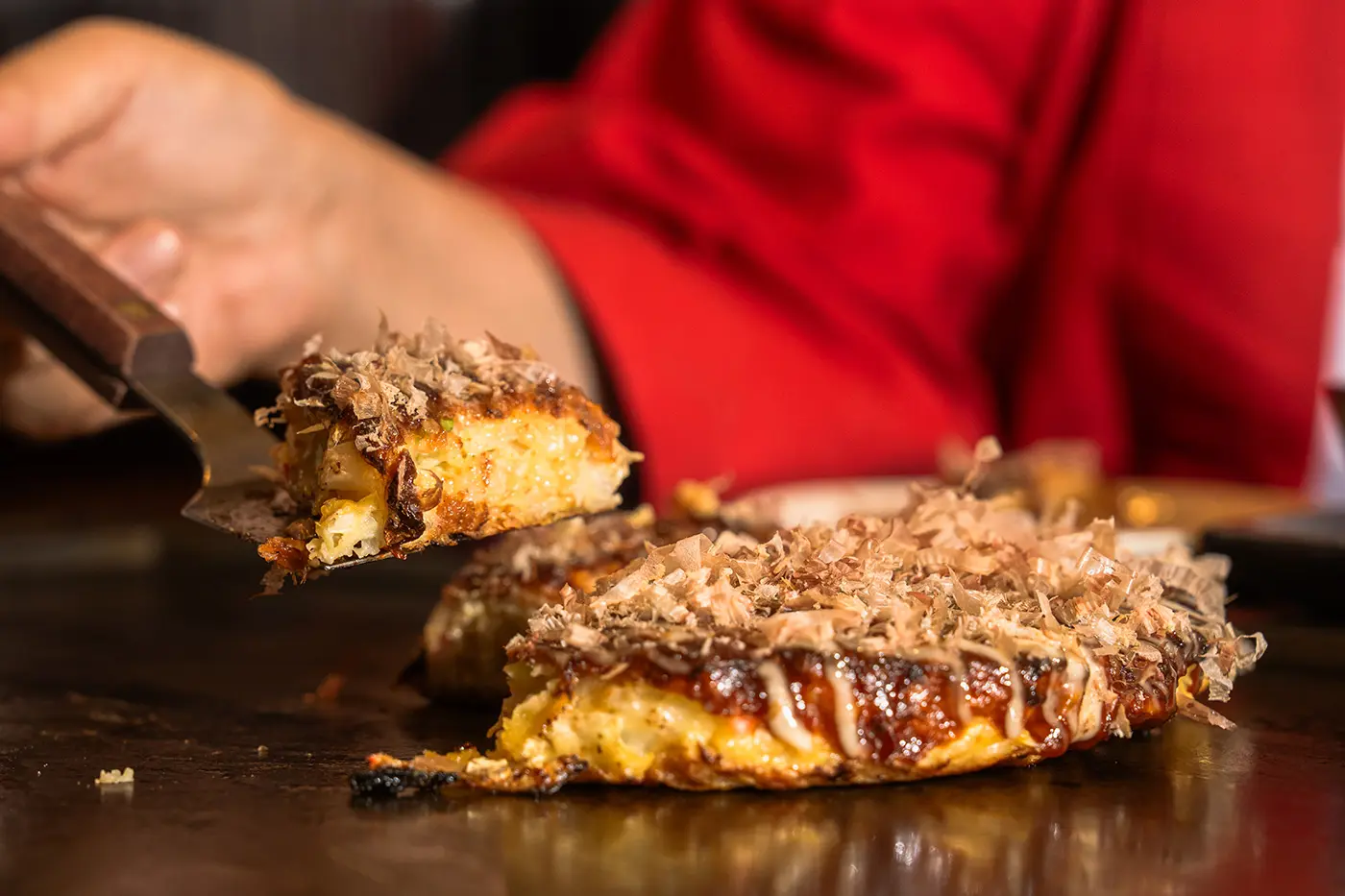
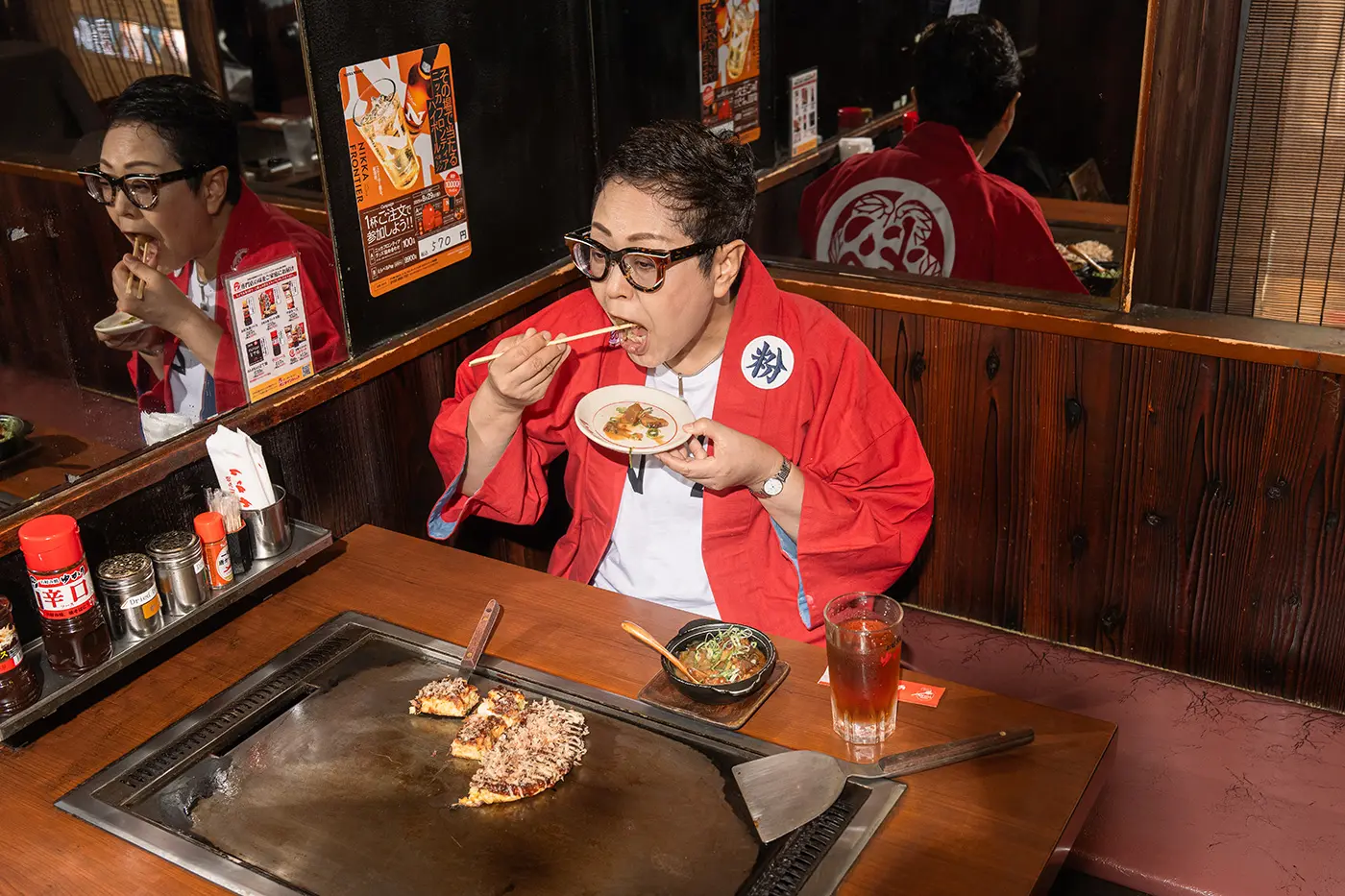
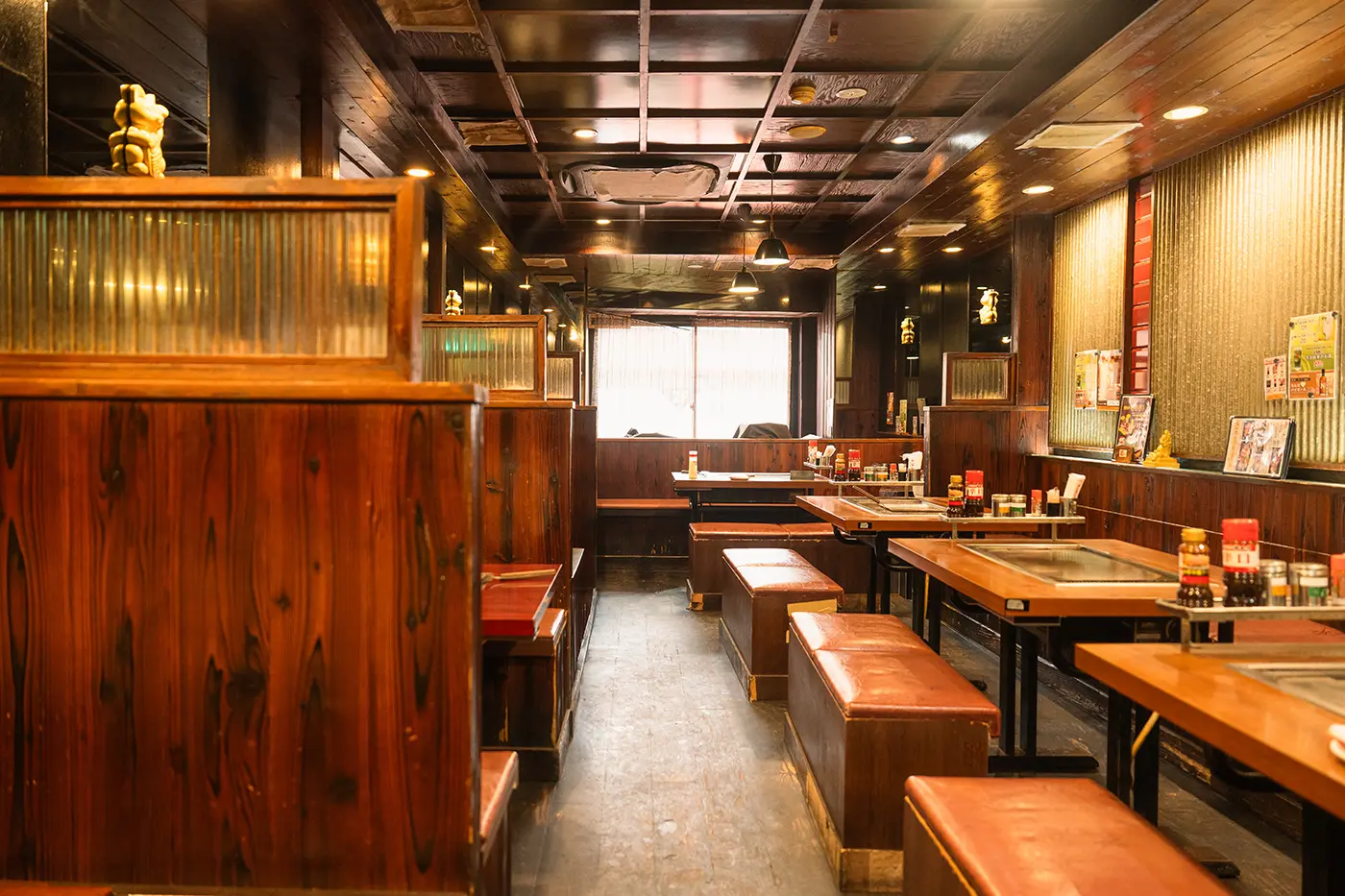
Okonomiyaki was born in the "layered" style, where ingredients and batter are layered and cooked, as in Hiroshima, but in Osaka, the "mixed" style has taken root. In fact, considerable technique is required to cook mixed-style okonomiyaki deliciously. In that sense, Yukari has done a great job of passing on the techniques. Another attraction is that they have a variety of unique and creative products in addition to pork and egg. The atmosphere is also fun, as it is "the Osaka okonomiyaki restaurant"!
03. Hontonpei's "Tonpeiyaki" (Kita-ku, Osaka)
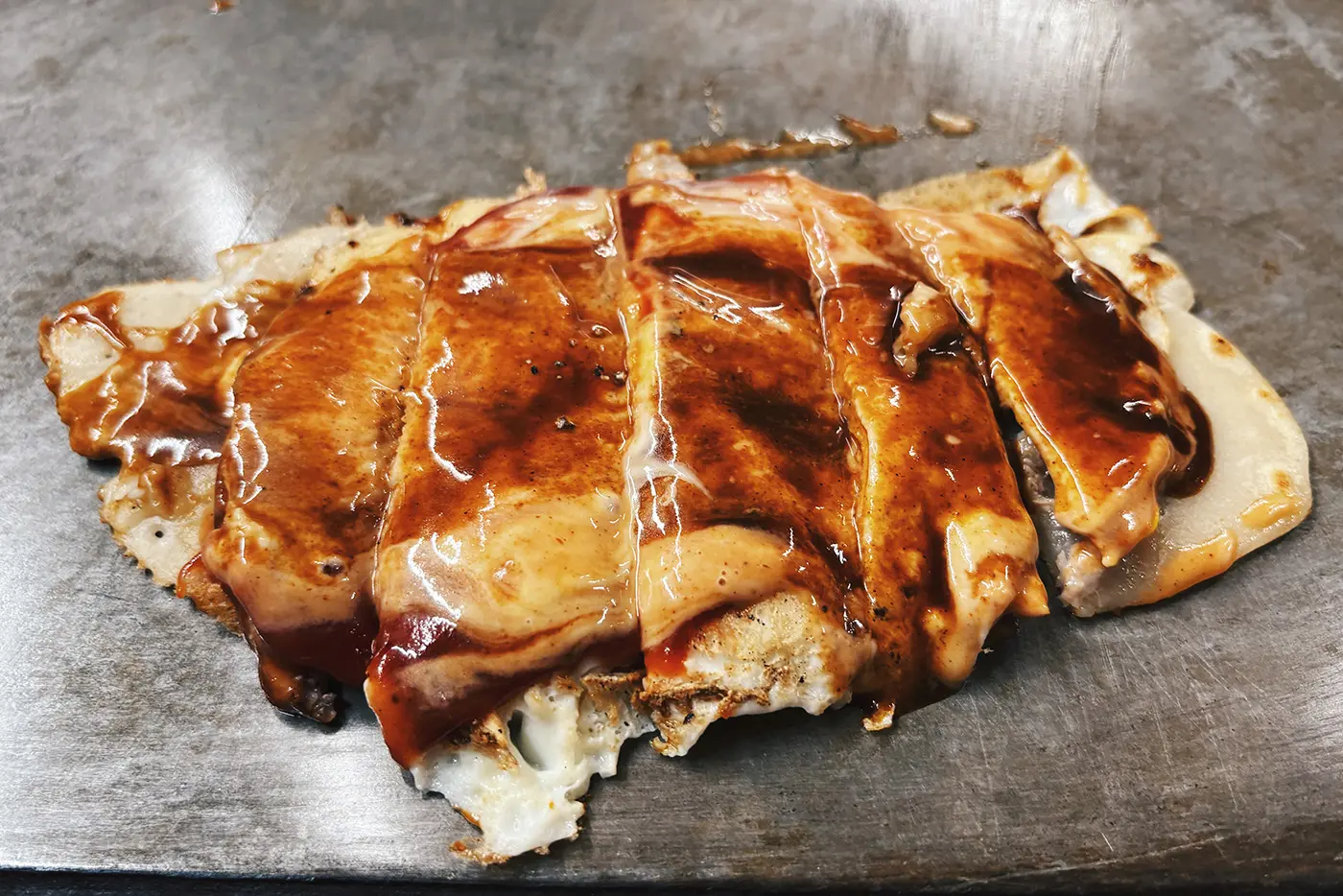
This is the "original" Tonpeiyaki!
Experience the roots of Showa-era retro shops
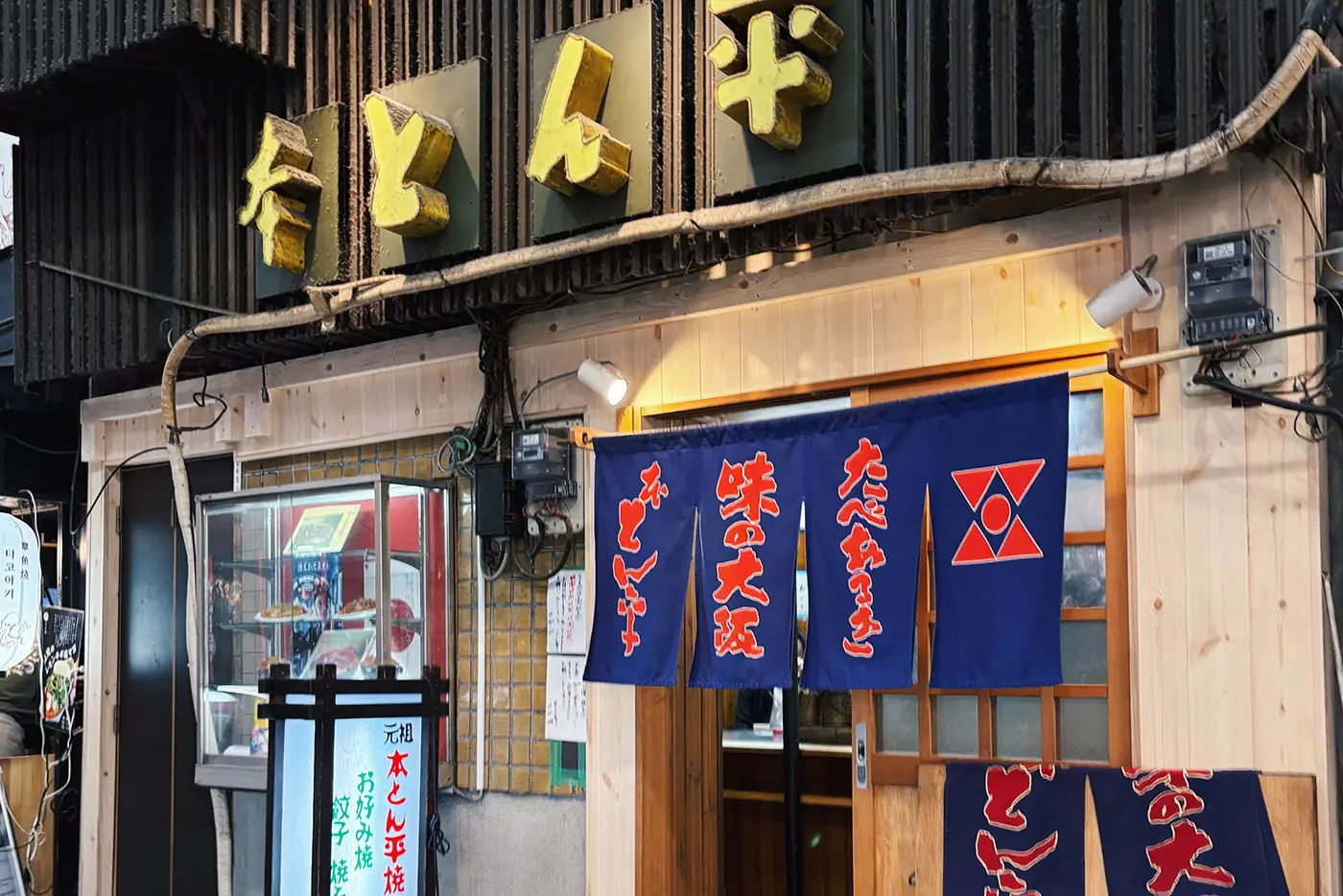
Tonpeiyaki is a familiar dish not only at okonomiyaki restaurants but also at izakayas. It is a Japanese-style crepe-like dish influenced by Russian cuisine. And here is its original: Hontonpei, which has been in business since just after the end of the war in the Sonezaki Ohatsutenjin-dori shopping arcade. The interior of the restaurant, with only a U-shaped counter lined with well-used iron plates, feels like a time travel to the Showa era. After watching the efficient work for a while, the tonpeiyaki presented in front of you is a satisfying masterpiece, with pork loin wrapped in a generous amount of batter and egg. The fluffy and gentle texture is complemented by the homemade sauce and mayonnaise that bring out the original flavor of the batter, and it's sure to go down a treat with a beer!
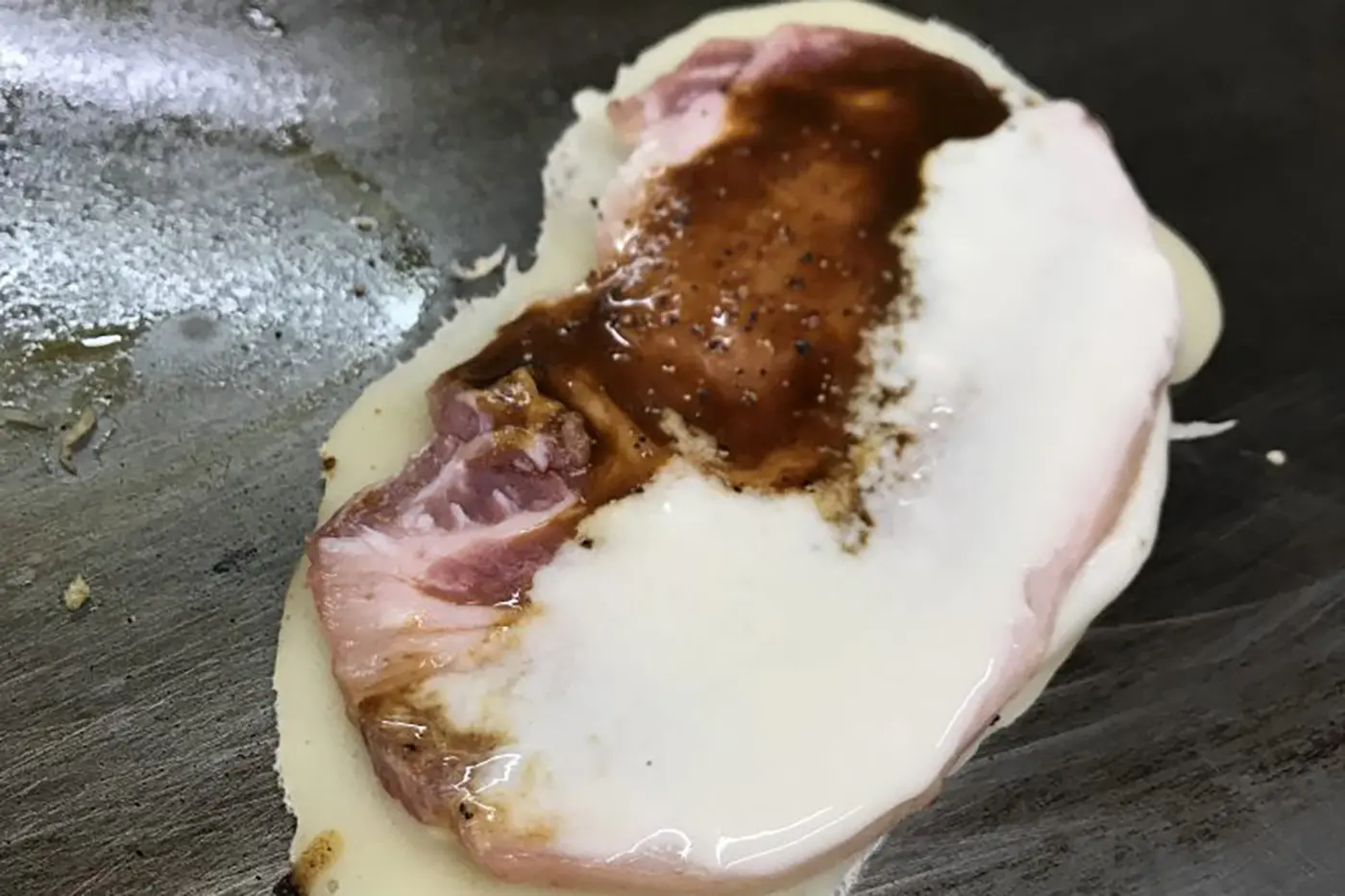
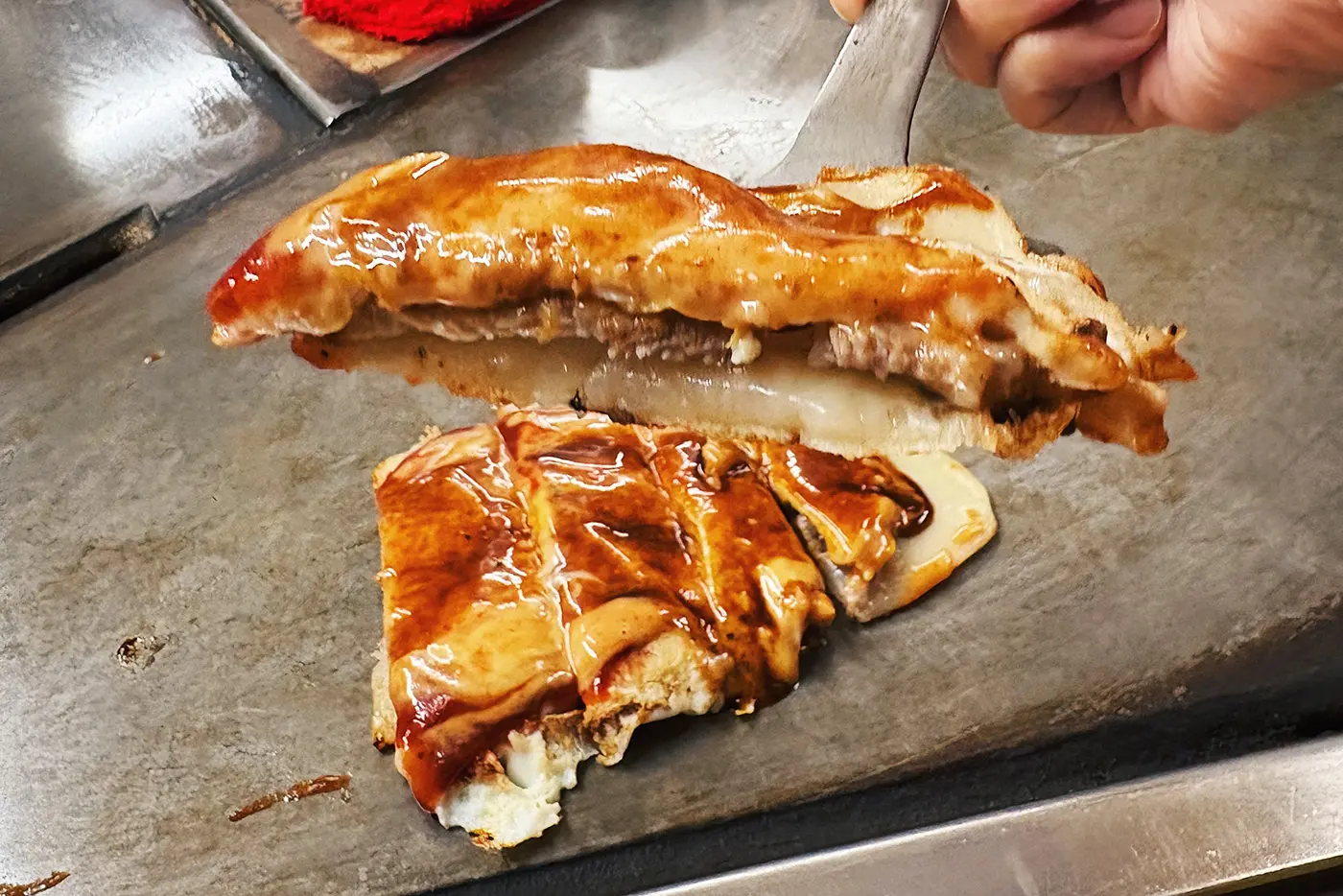
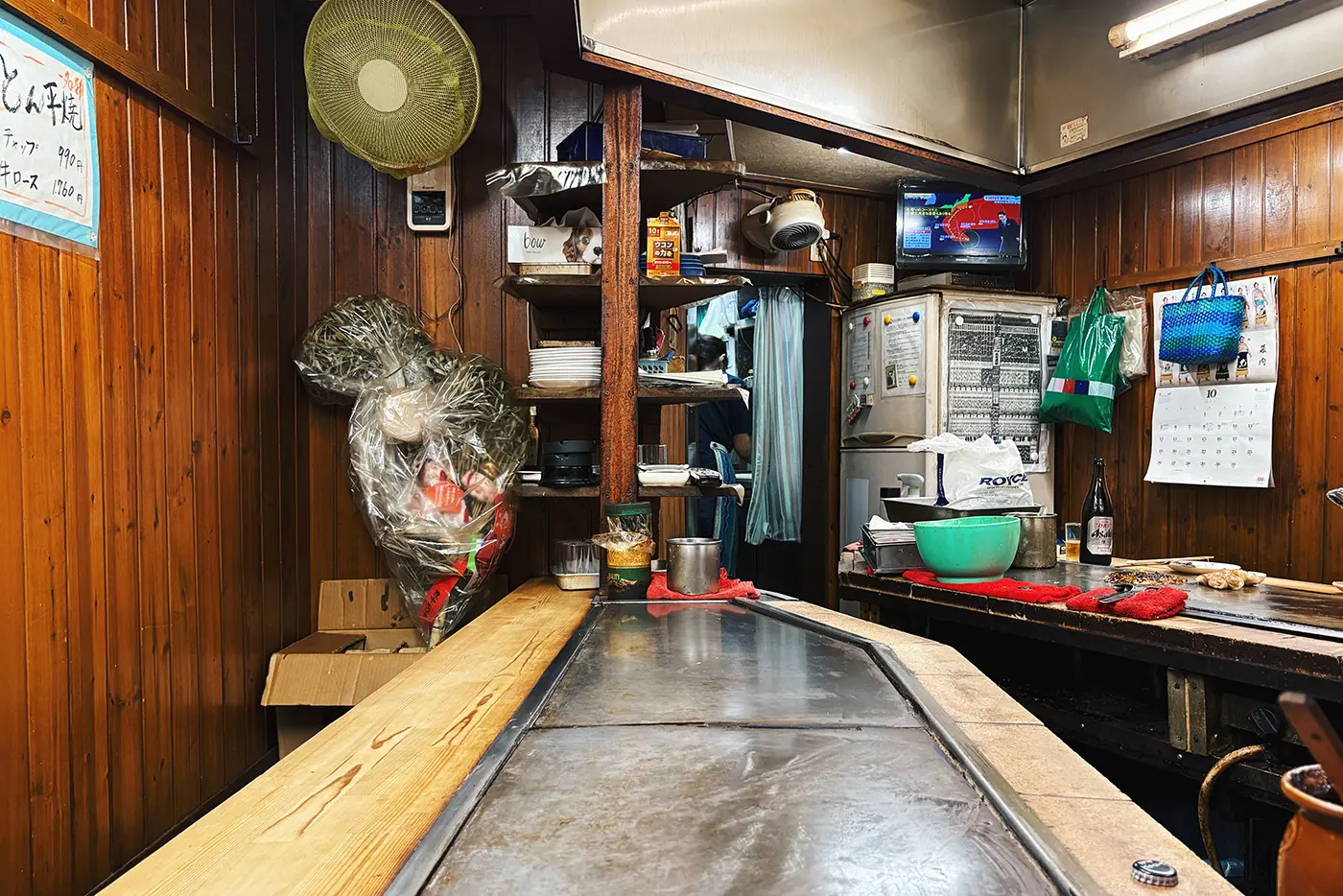
While many tonpeiyaki don't use flour, the original tonpeiyaki is the best! The texture of the batter, thick-sliced pork loin, and egg are added to create a delicious dish, and the balance of the sauce, mayonnaise, mustard, and ketchup is irresistible. My grandfather was a fan of Hontonpeiyaki, and my mother would often recreate it at home, bringing back fond memories of the dish.
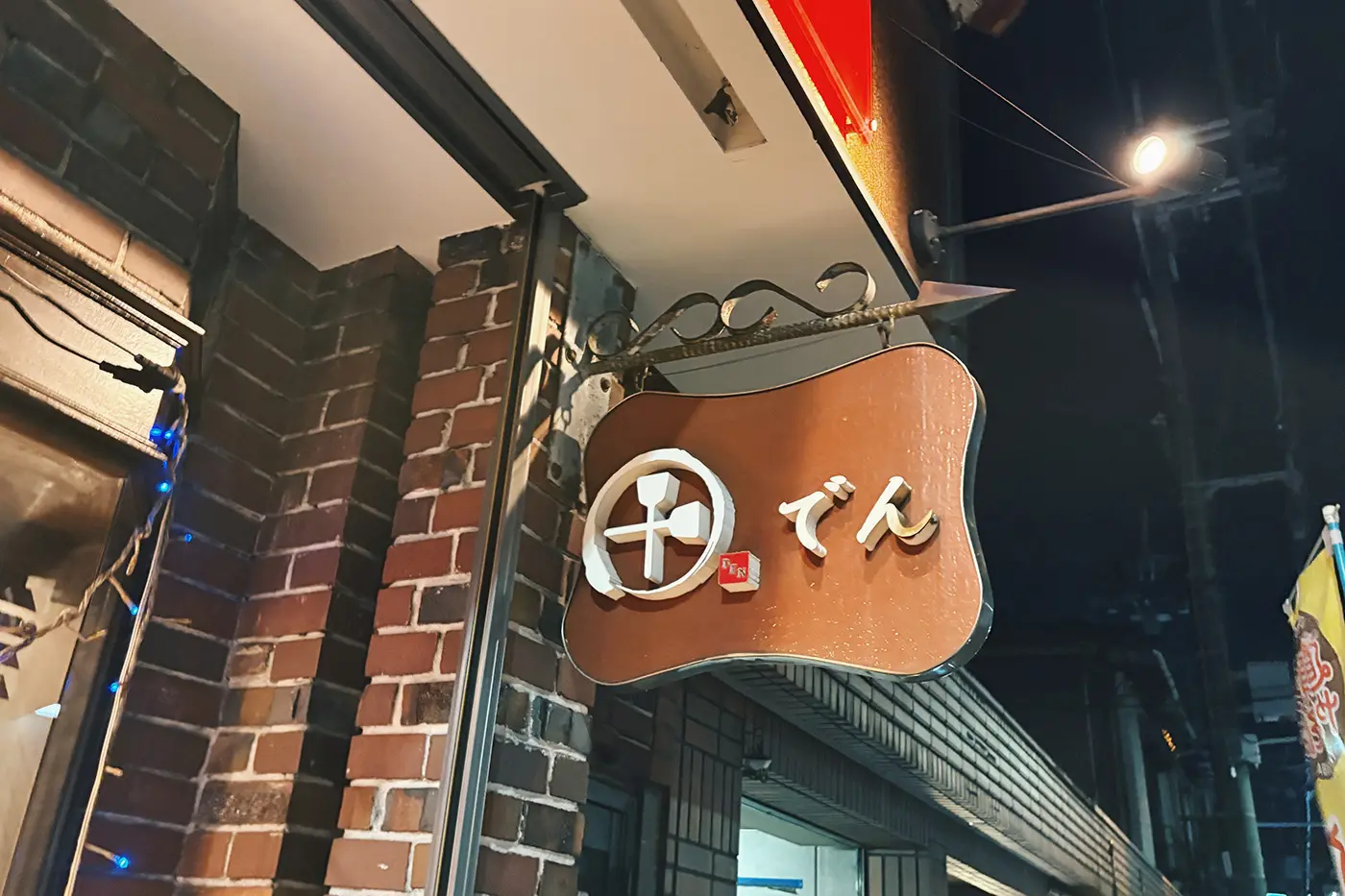
04. Okonomiyaki Den's "Dotonbori Yakisoba" (Nishinari Ward, Osaka City)
Enjoy yakisoba made with carefully selected ingredients right next to where Osaka residents live
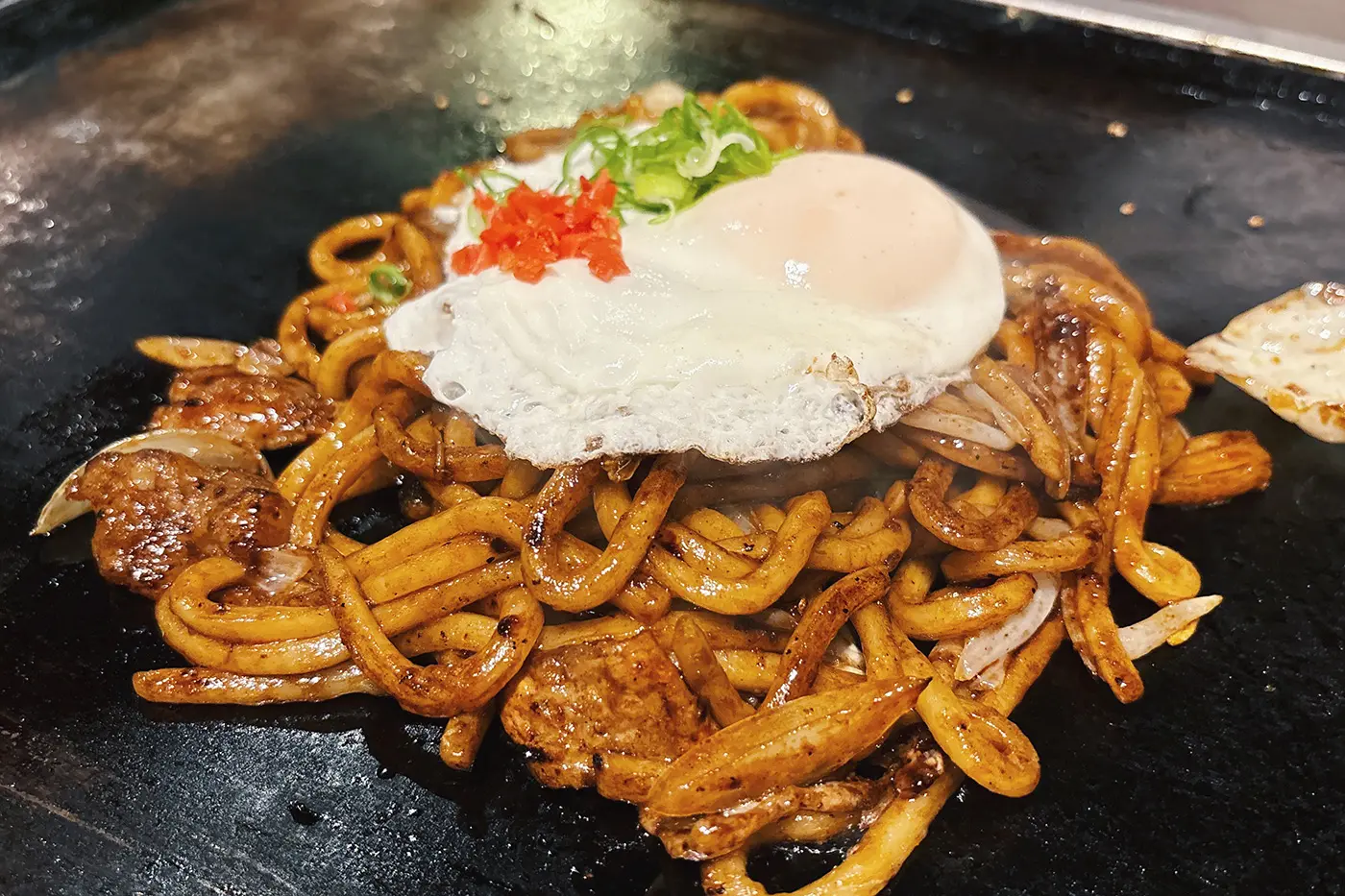
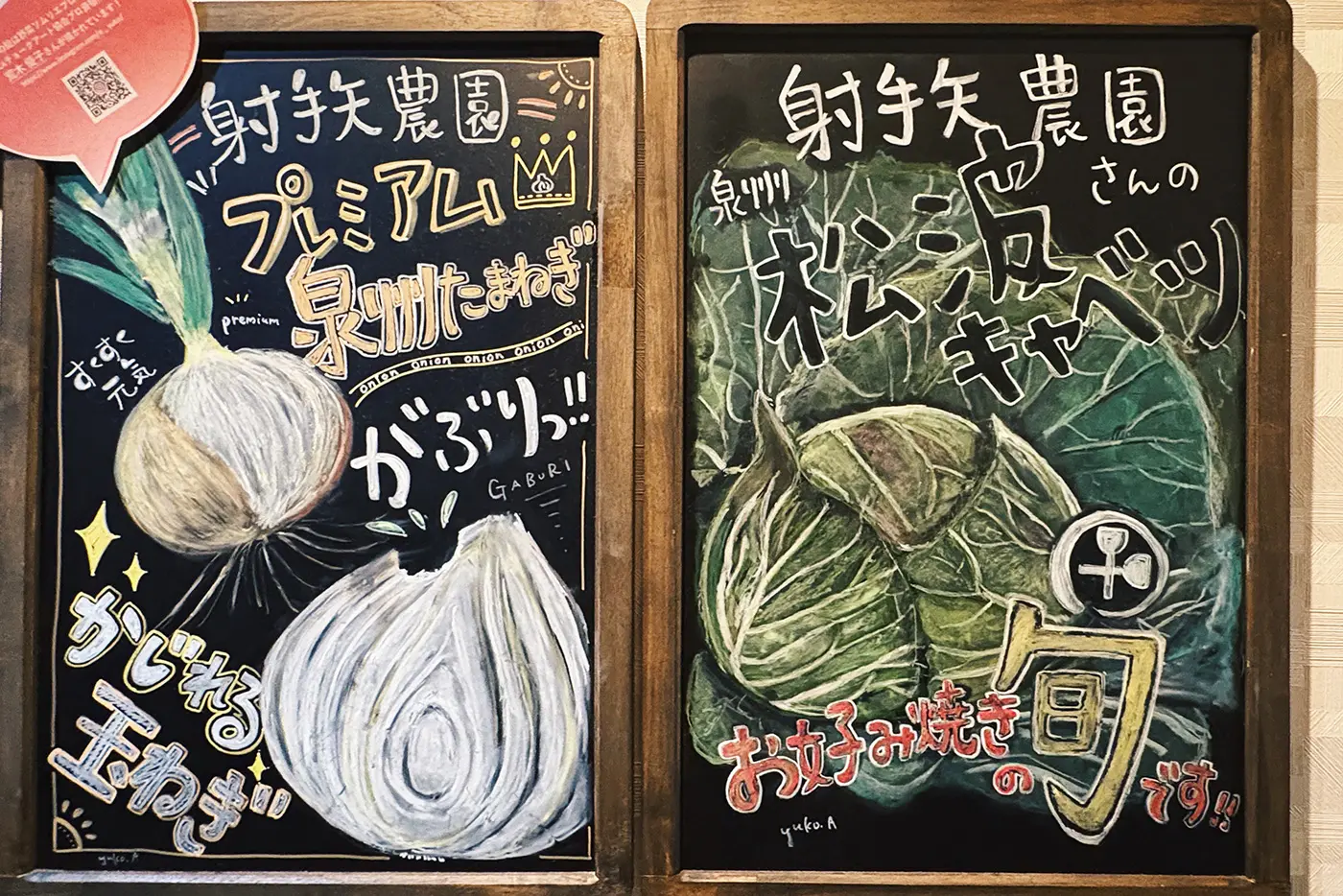
This restaurant values its connections with producers, offering a wide variety of menu items and attentive hospitality, using carefully selected ingredients such as Matsunami cabbage from Iteya Farm in Senshu. While the okonomiyaki, made with plenty of cabbage, is not to be missed, the yakisoba made with fresh noodles is also popular. To bring out the texture, the egg noodles are boiled fresh to order, resulting in a chewy and elastic texture. They blend perfectly with the sauce and salt sauce, and you won't be able to stop eating after just one bite. The location, a little away from the tourist areas and where the local people of Osaka are still alive and well, is sure to enhance your mood as you enjoy soul food.
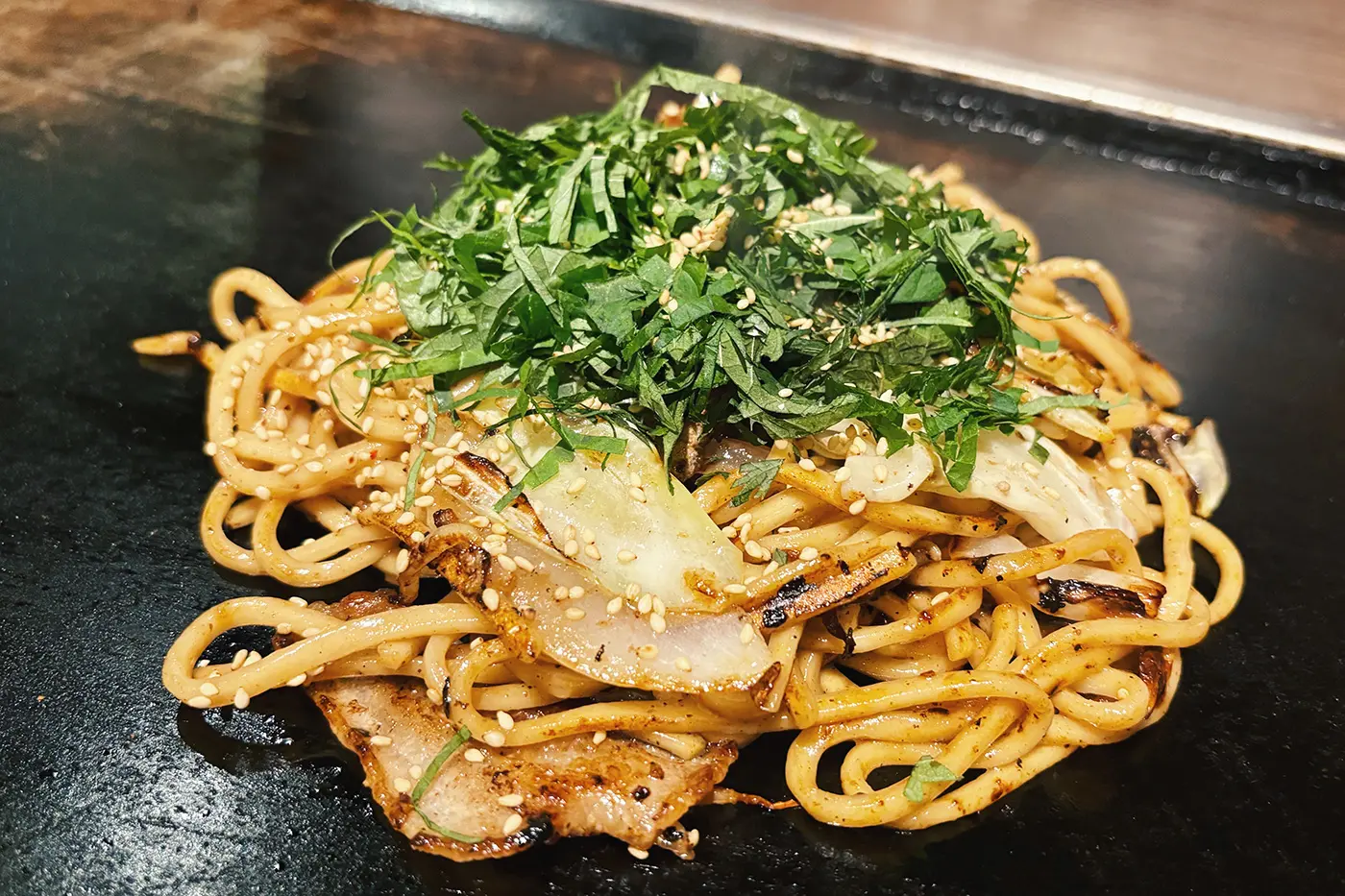
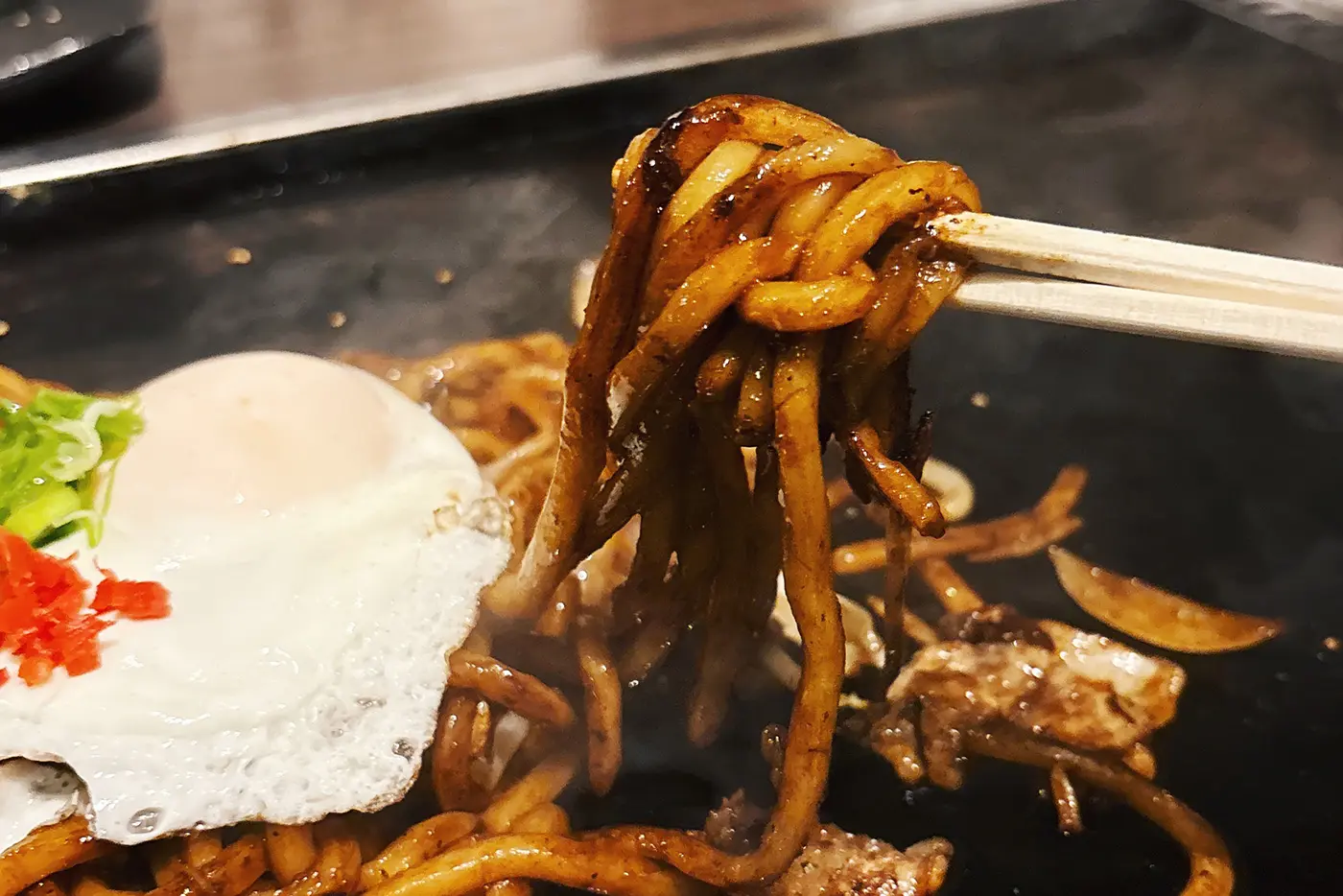
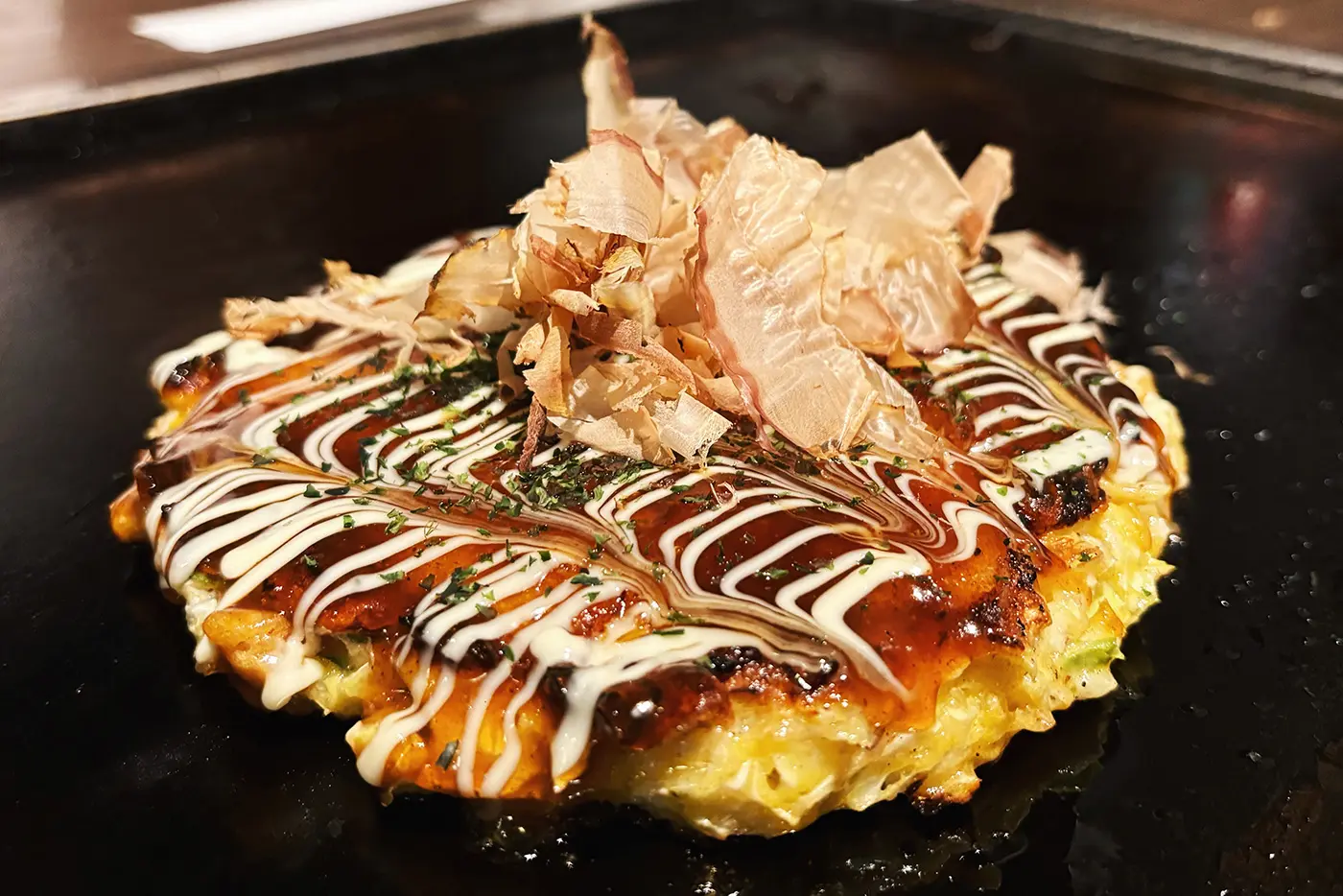
The highlight of this okonomiyaki restaurant representing the Nishinari area is the teppan skills of the young women's team. The style of eating yakisoba while waiting for the okonomiyaki to be cooked is unique to Osaka. Recommended dishes are the "Shio Soba" with its beautiful shredded shiso leaves, and the "Dotonbori Yakisoba," which was developed at the Osaka Teppan Conference to commemorate the 400th anniversary of the opening of Dotonbori Canal. The "Dotonbori Yakisoba" in particular is the perfect match of extra-thick noodles and rich Dotonbori sauce!
05. Azuma's "Sasame Udon" (Ikeda City)
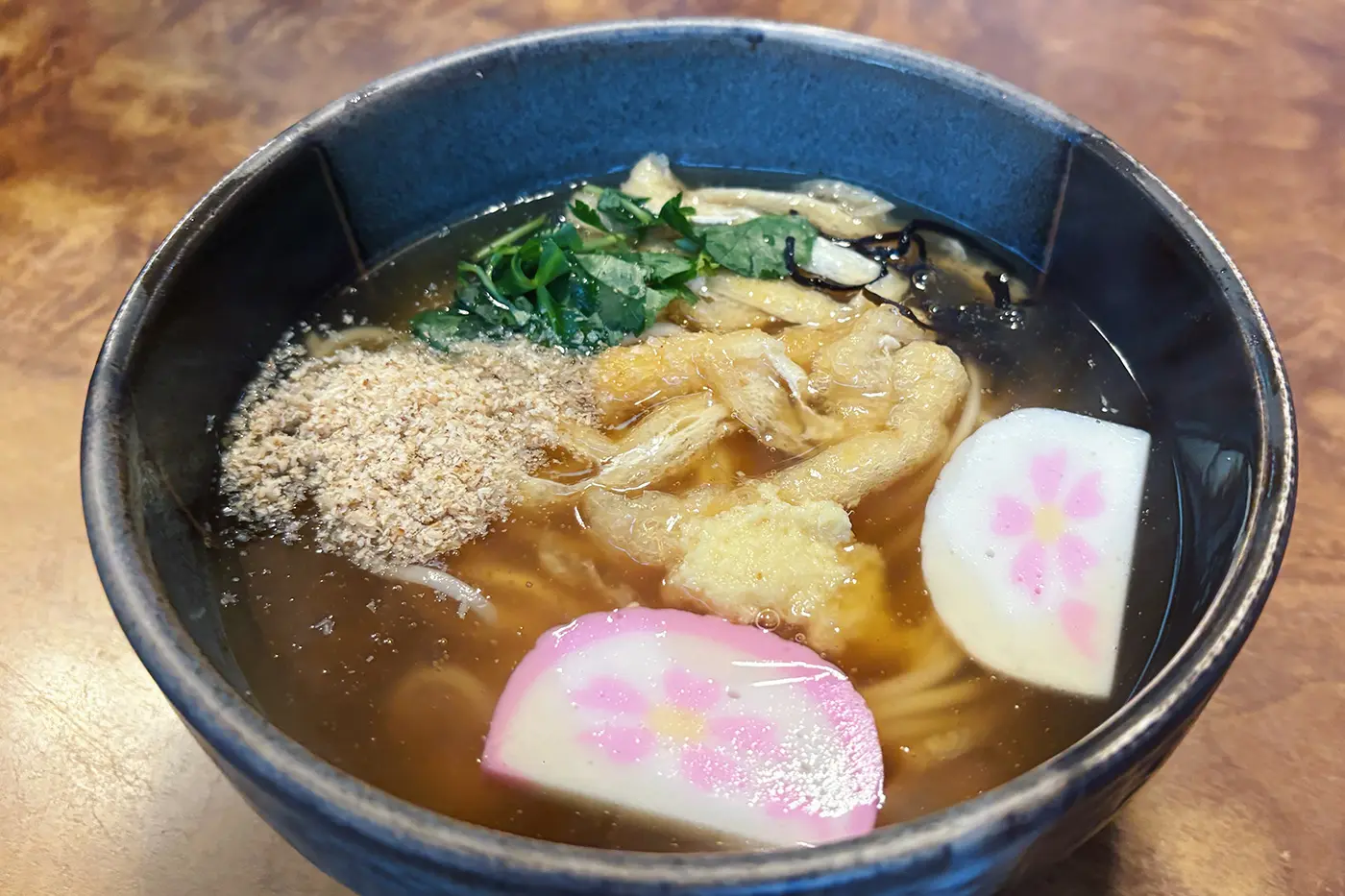
Enjoy a bowl of udon at this famous Osaka udon restaurant that has been in business since the end of the Edo period and is associated with a famous writer.
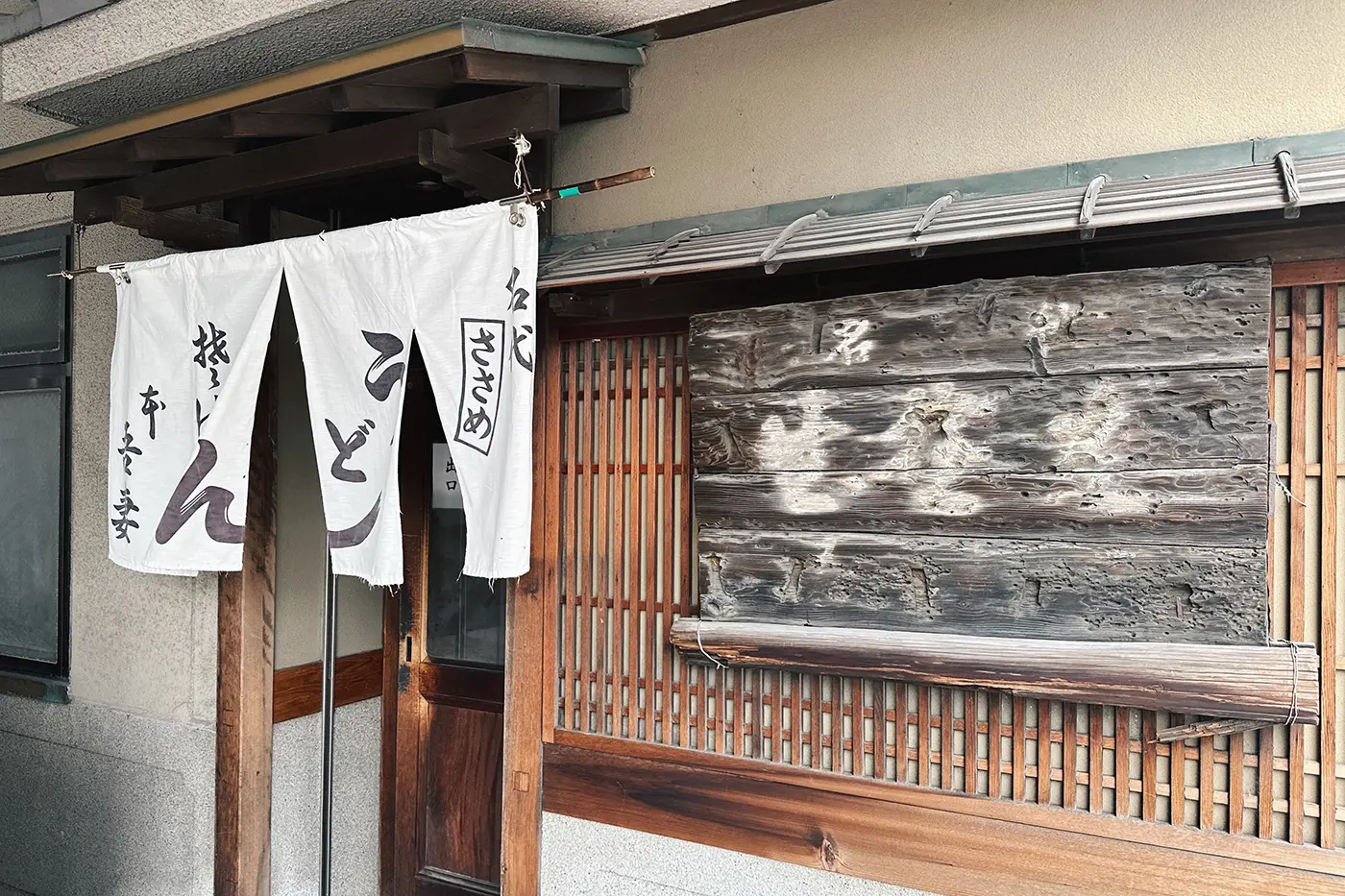
Founded in 1864, during the final days of the Edo period, this restaurant is said to be the oldest surviving udon restaurant in Osaka. Its specialty is undoubtedly its sasame udon. The bowl, named after the title of the novel "The Makioka Sisters" when the wife of the literary giant Junichiro Tanizaki visited the restaurant, was chosen. The thin noodles are perfectly matched with the thick sauce, making it easy to eat. The broth, made from ingredients such as kelp, bonito, and round herring, is also rich in flavor. The broth is served in a narrow-mouthed jug to prevent the aroma from escaping, and is reheated each time an order is placed, a style unique to Osaka, where broth is highly valued. Why not step inside the noren curtain of this long-established restaurant in search of a uniquely Osaka-style udon that is different from Sanuki udon?
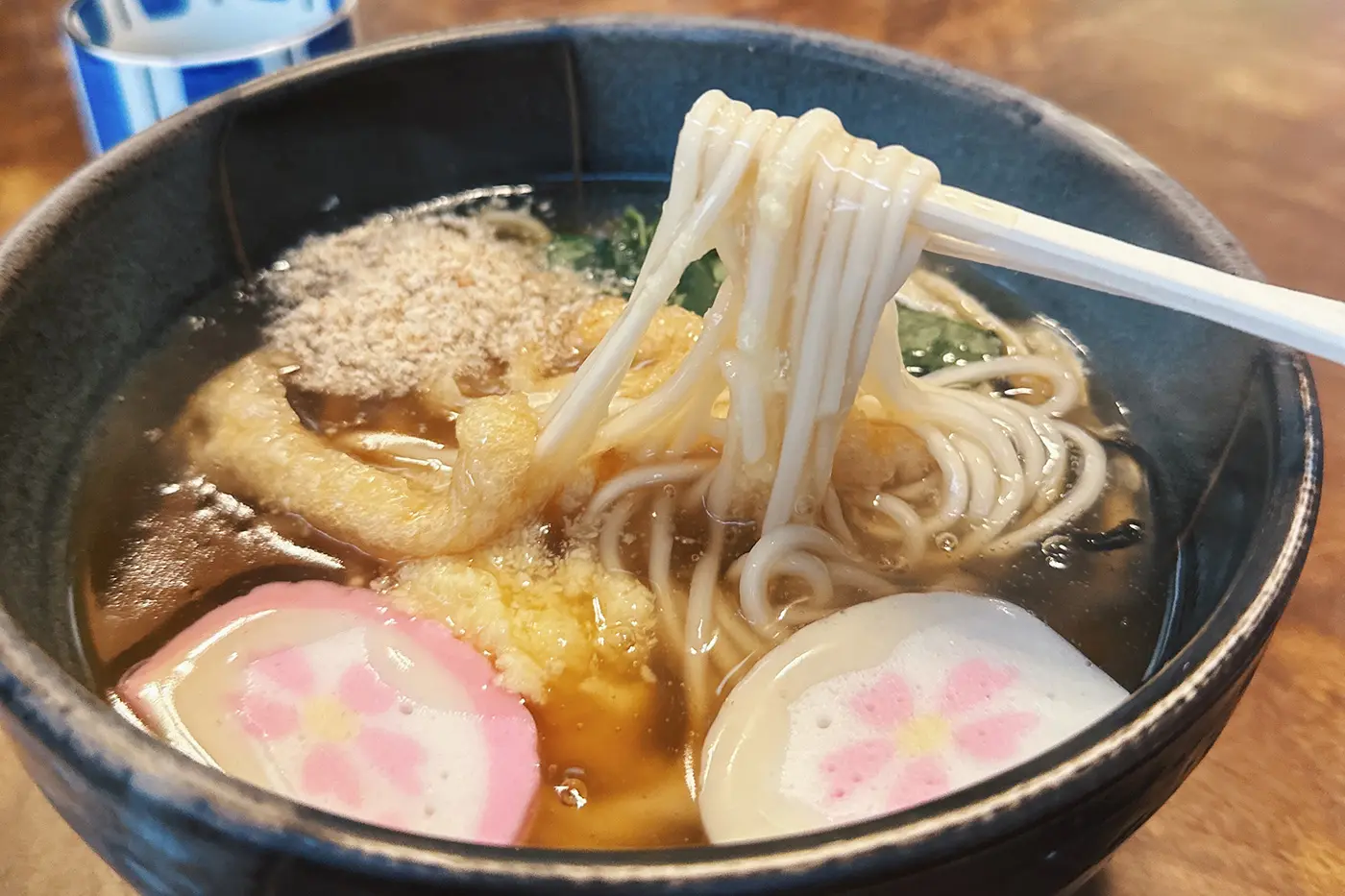
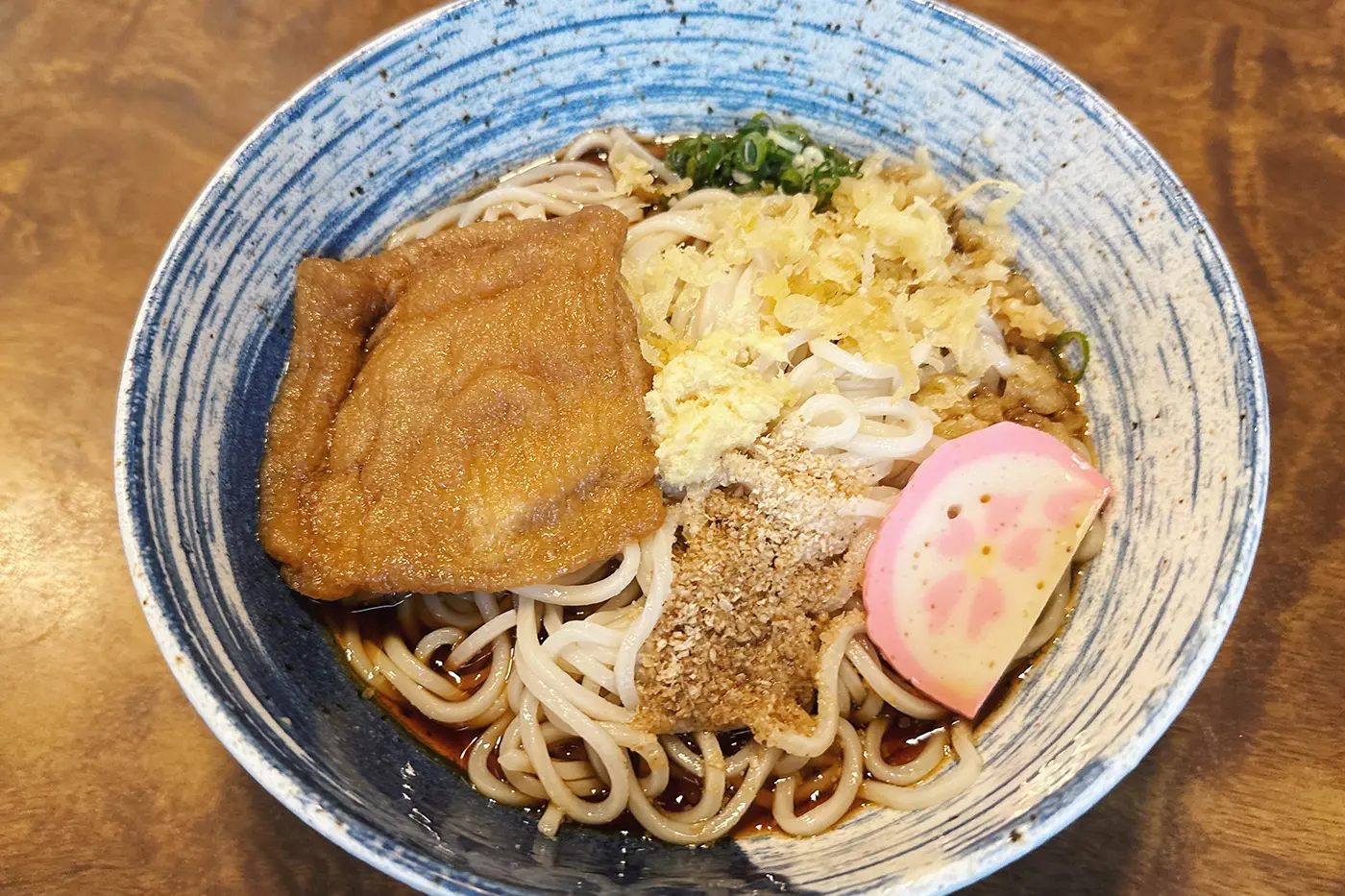
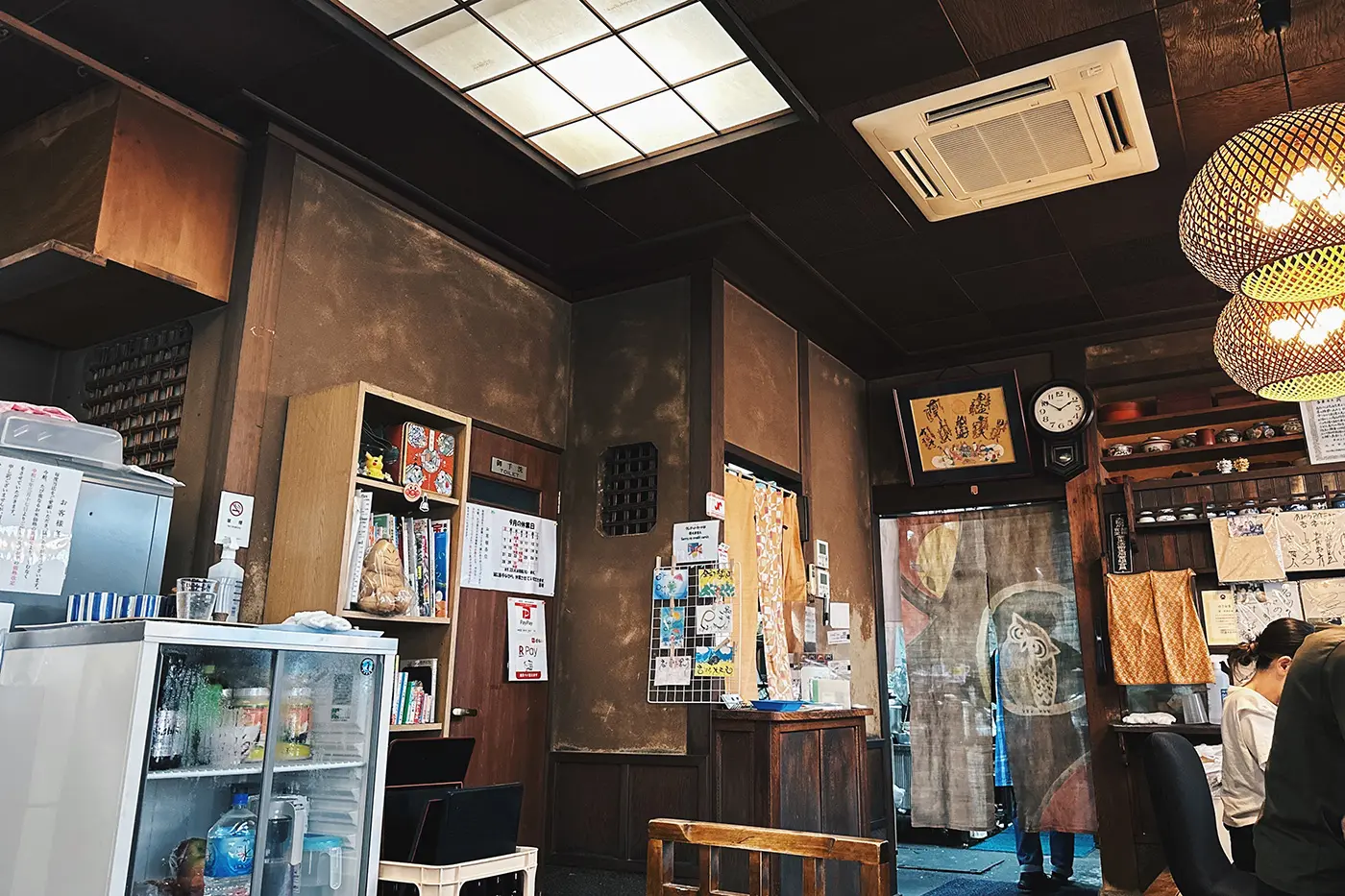
The shop, with its noren curtain hanging along the Nose Kaido, has a stately appearance that evokes the former post town. In this wonderful space filled with history, you can experience the essence of Osaka udon, unchanged since the Edo period, enjoyed with the trinity of kelp broth, sweet fried tofu, and noodles. The "Sasame, Kitsune, and Shrimp Mochi" is extremely popular among women!
Evolved and Curvy! Discover the Potential of Flour-Based Foods
06. AT THE 21's "Modern Yaki" (Toyonaka City)
Sprinkling originality
An "evolved original" that anticipated the 21st century
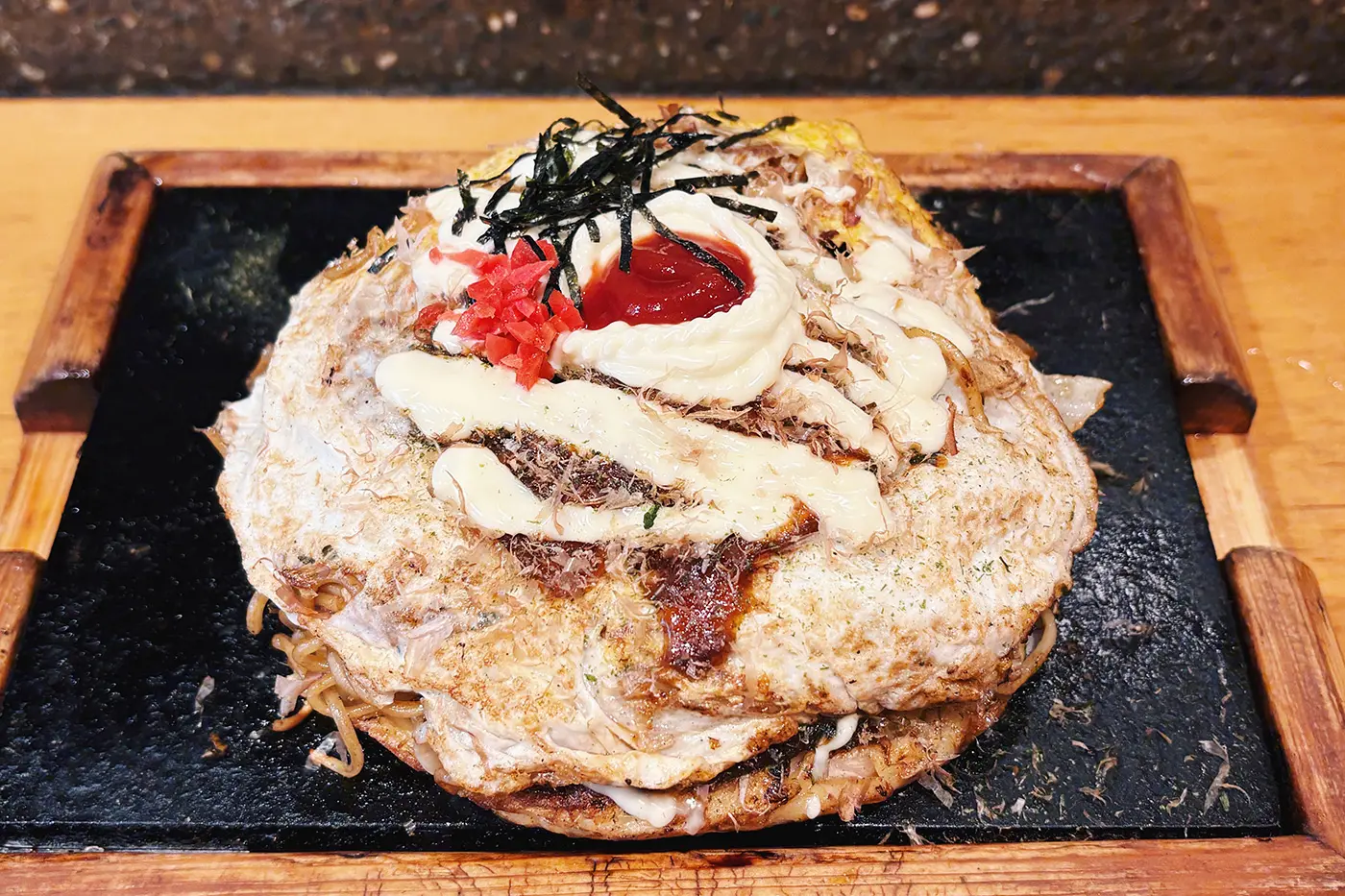
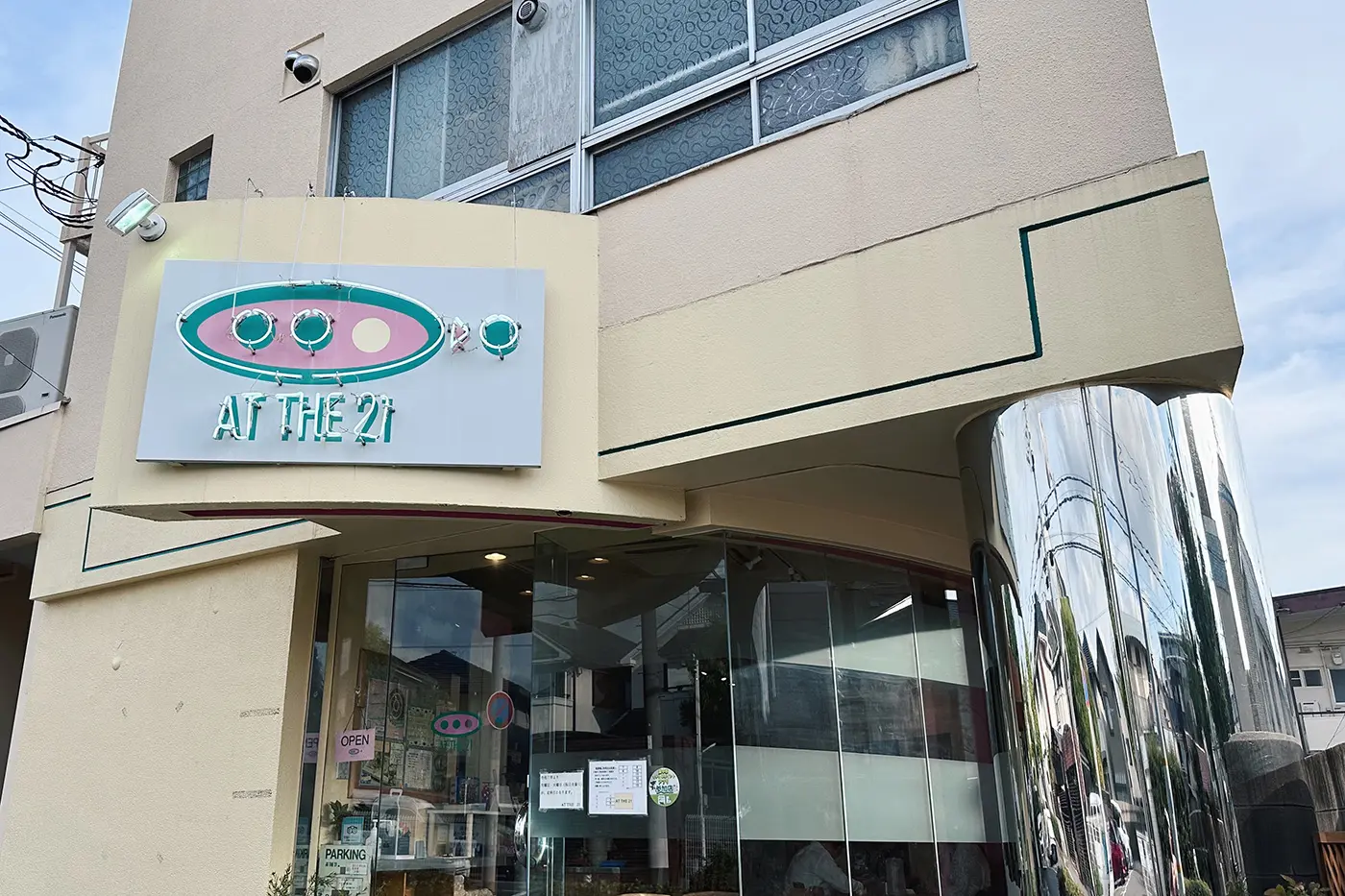
This "new standard" in the okonomiyaki world suddenly appeared in a quiet residential area of Toyonaka City in 1984. The restaurant's unusual name is a nod to the 21st century, and its glass exterior evokes a cafe-like atmosphere, but the okonomiyaki it serves is made with great care. The batter is made with high-quality wheat flour and a broth blended with chicken bones and kelp, and is full of originality, adding chikuwa fish cakes and green onions in addition to cabbage. The impressive modern okonomiyaki topped with an omelet-like egg is sure to look great in photos. We also recommend creating your own personalized okonomiyaki with a wide variety of toppings.
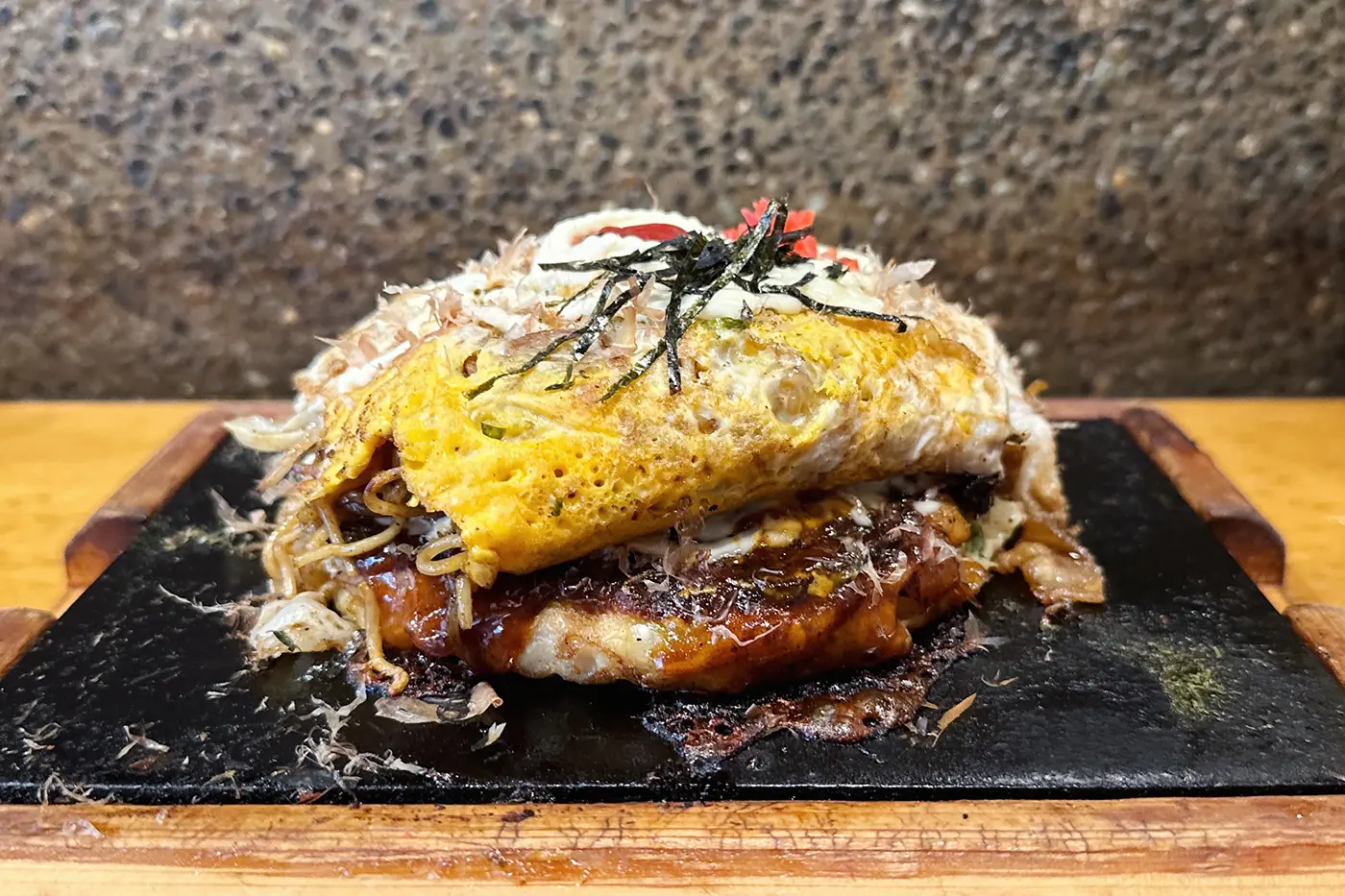
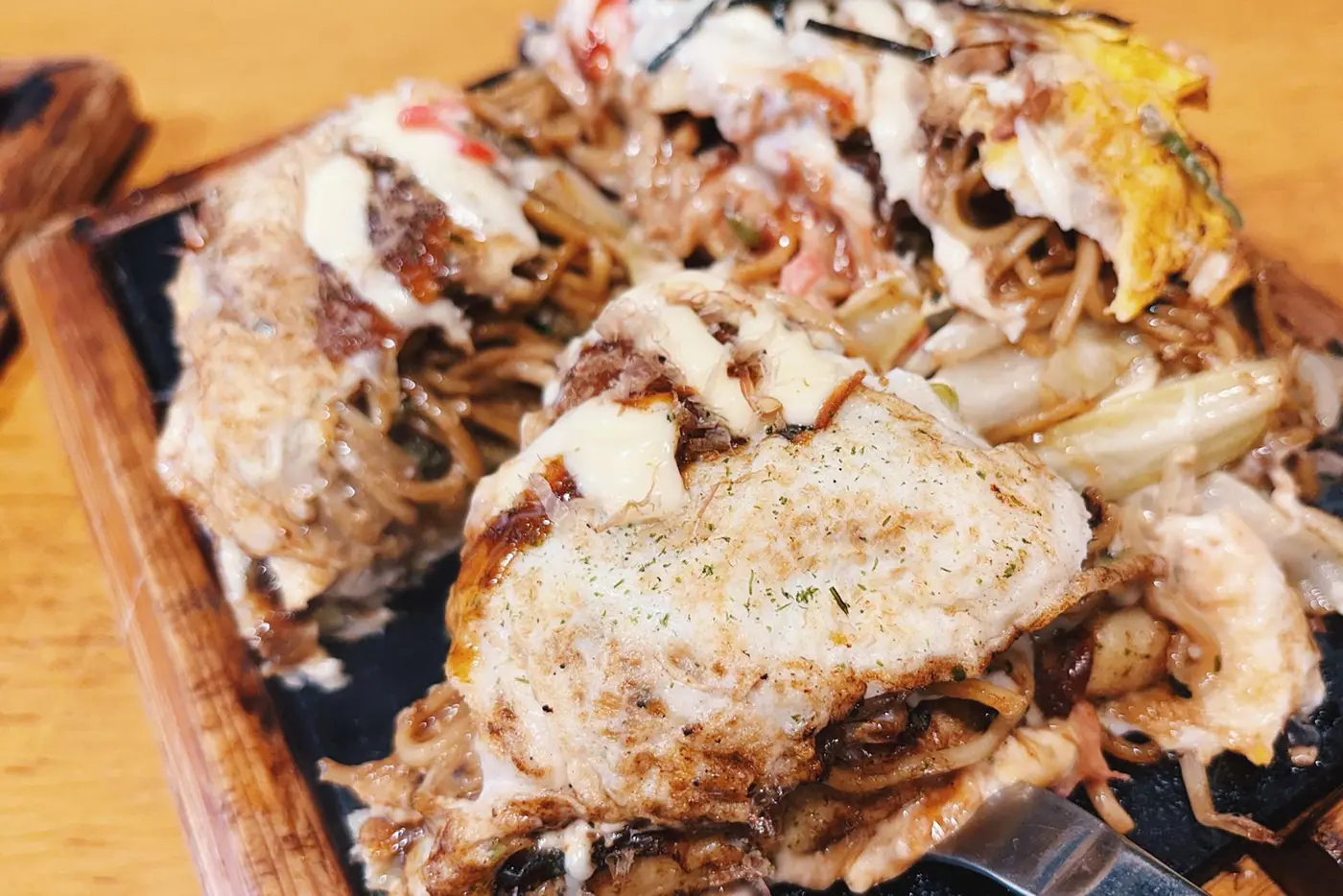
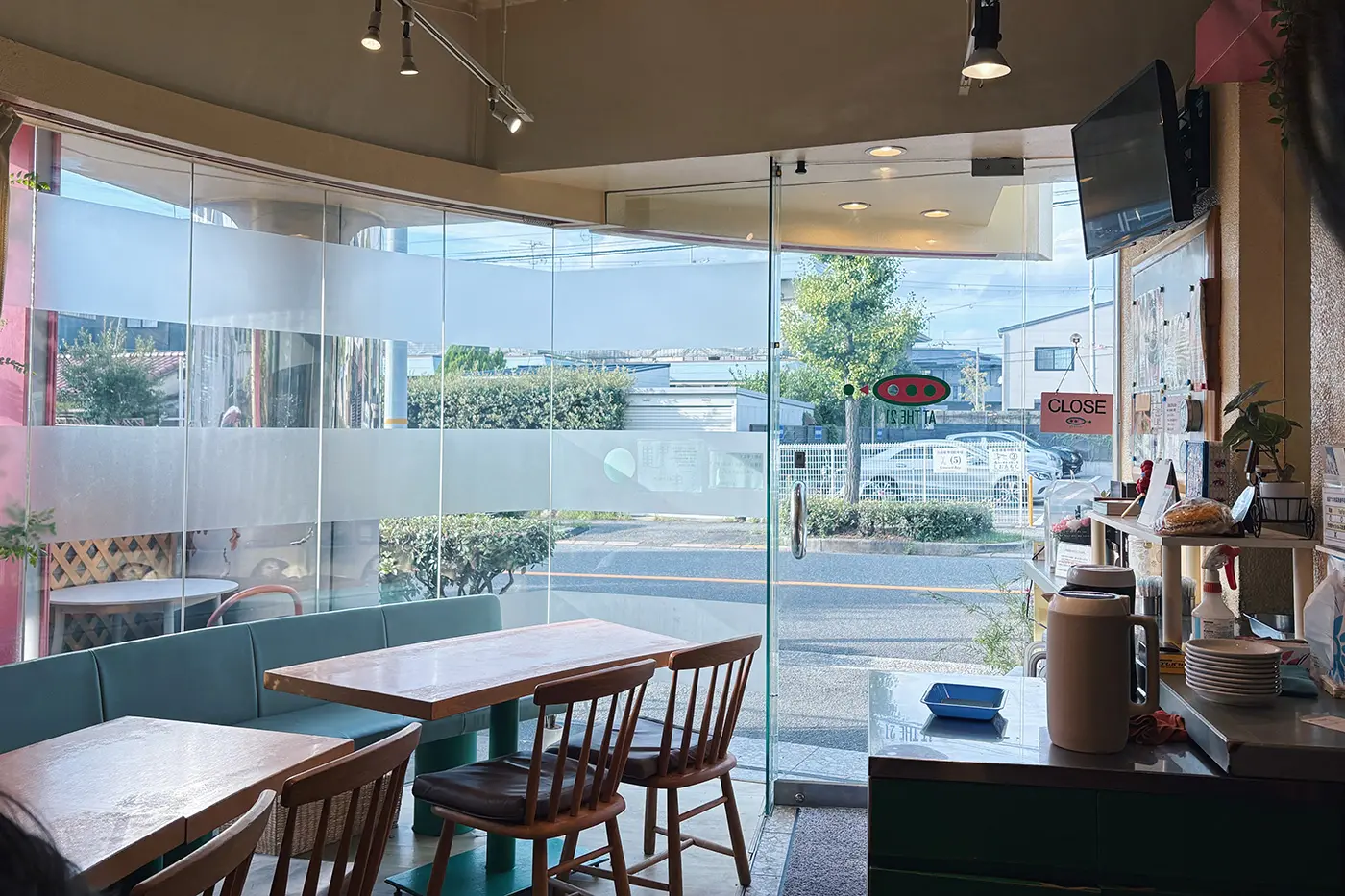
When it first opened, the name and appearance were unusual for an okonomiyaki restaurant, and even locals say it took courage to enter, making it an evolved pioneer. However, the deliciousness of the original mixed-grilled dish and the owner's personality proved popular, and now a second store has opened in Namba, with a constant stream of fans who have been coming for generations. The texture of the dough that falls apart in your mouth, and the balance of the sauce and mayonnaise are just right, making you want to order several different types and share.
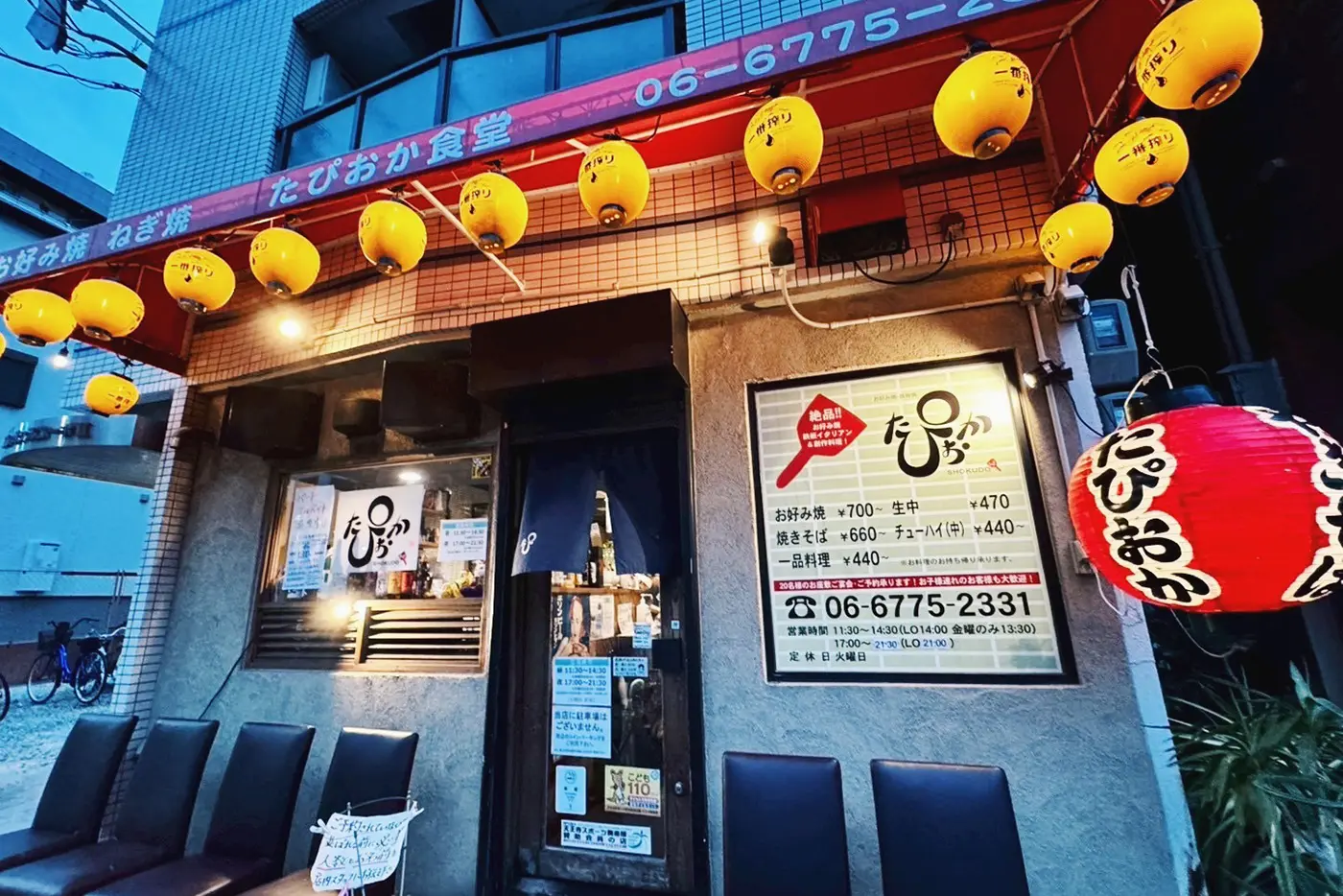
07. Tapioka Shokudo's "Sujinegi Yaki" (Tennoji Ward, Osaka City)
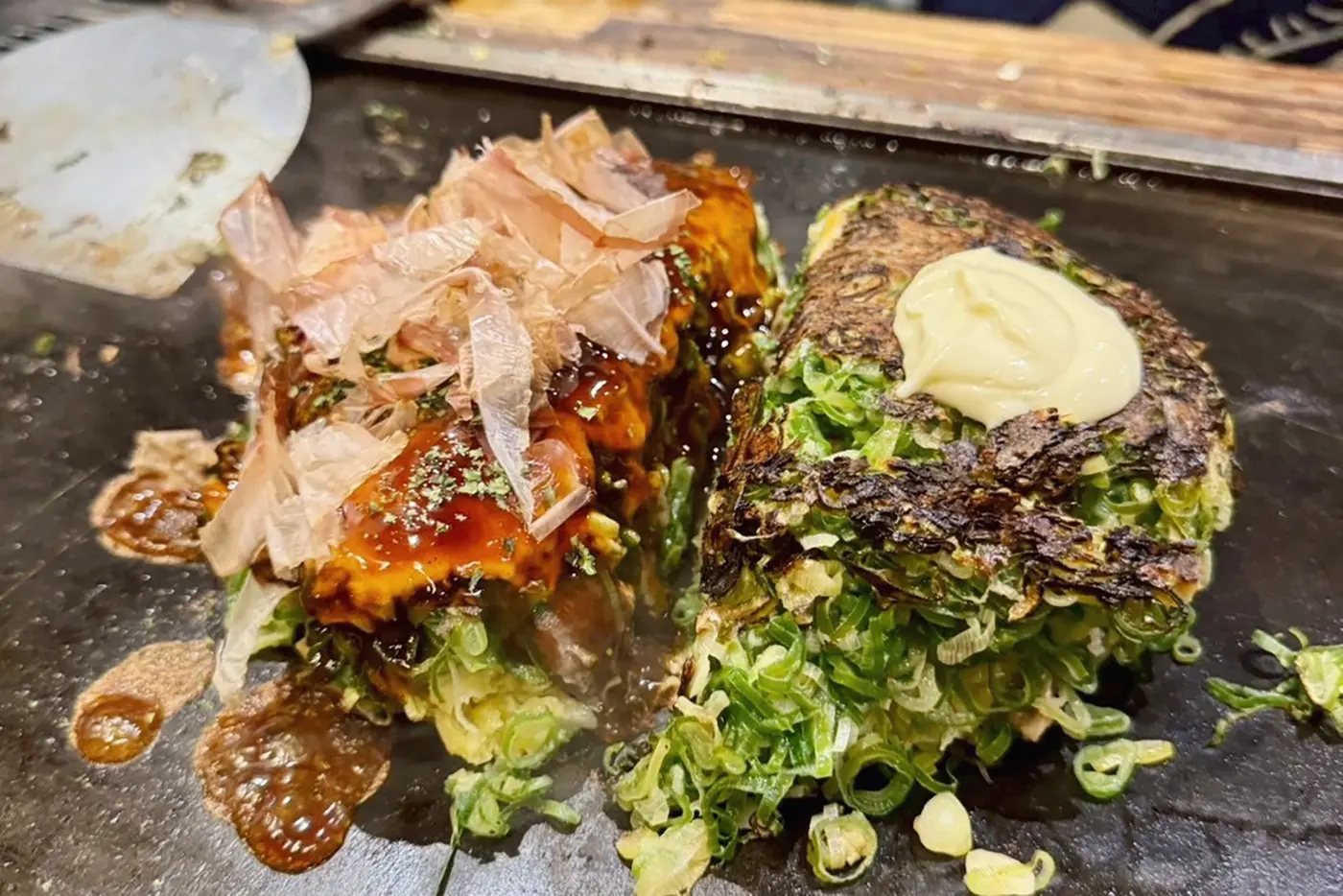
A hearty mountain of green onions that overturns the notion that "green onion yaki = thin"
The owner, who has an Italian background, trained at a long-established restaurant in Abeno and opened this restaurant in the residential area of Teradacho. By the way, negiyaki is a dish in which the cabbage in okonomiyaki is replaced with green onions. Their specialty, suji negiyaki, is sure to impress with its mountain of green onions piled so high that the batter is no longer visible. The batter itself is thick yet fluffy, setting it apart from other negiyaki that can only be found here. Not only is it visually impressive, but the skilled craftsmanship of the chef is also evident, so it's inevitable that there will be a line. In addition to negiyaki, they also have a wide variety of other teppan menu items, such as stir-fried suji salted cabbage and grilled manganji peppers, which is another great place to enjoy.
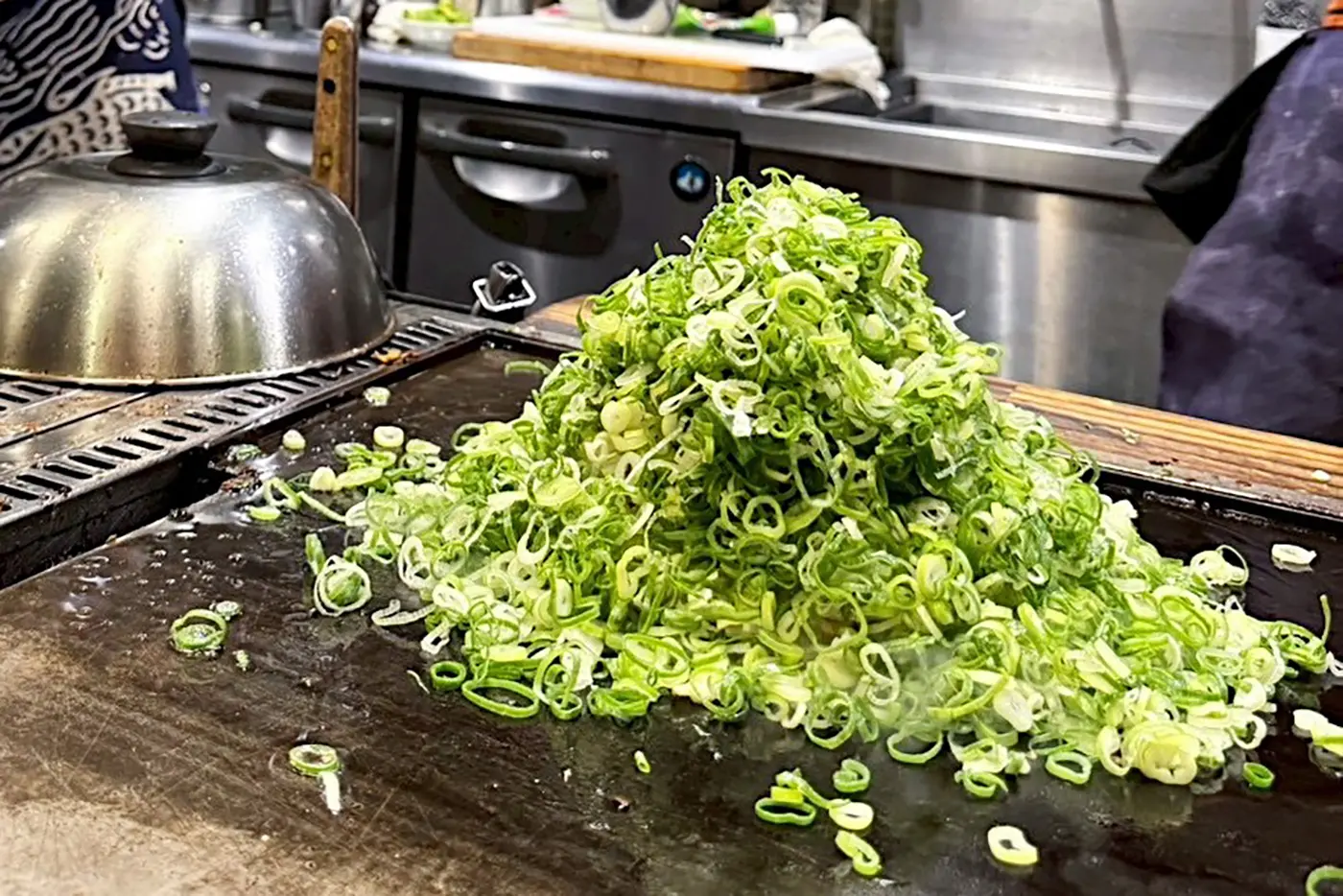
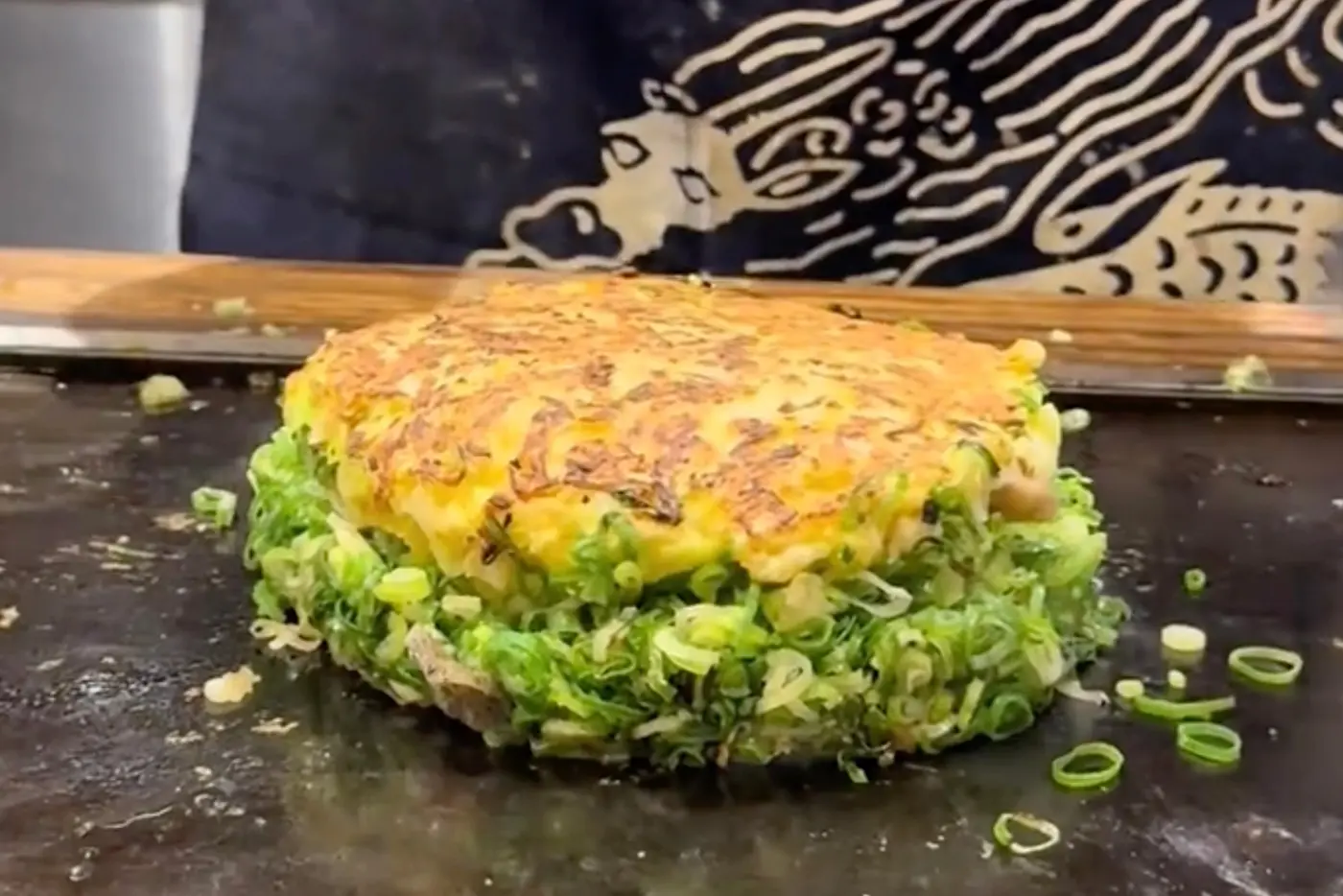
The negiyaki is topped with a generous amount of sujikon konnyaku, and on top of that is a mountain of green onions, and the amount of sujinegi increases as customers encourage it. It has a "full" feel, yet is beautifully put together, showing the skill of the restaurant. The thick negiyaki will have you cheering!
08. Grilled squid at Hanshin Department Store (Kita-ku, Osaka)
They also have bento boxes that fans of Tansui, a snack bar beloved by Osakans, will drool over.
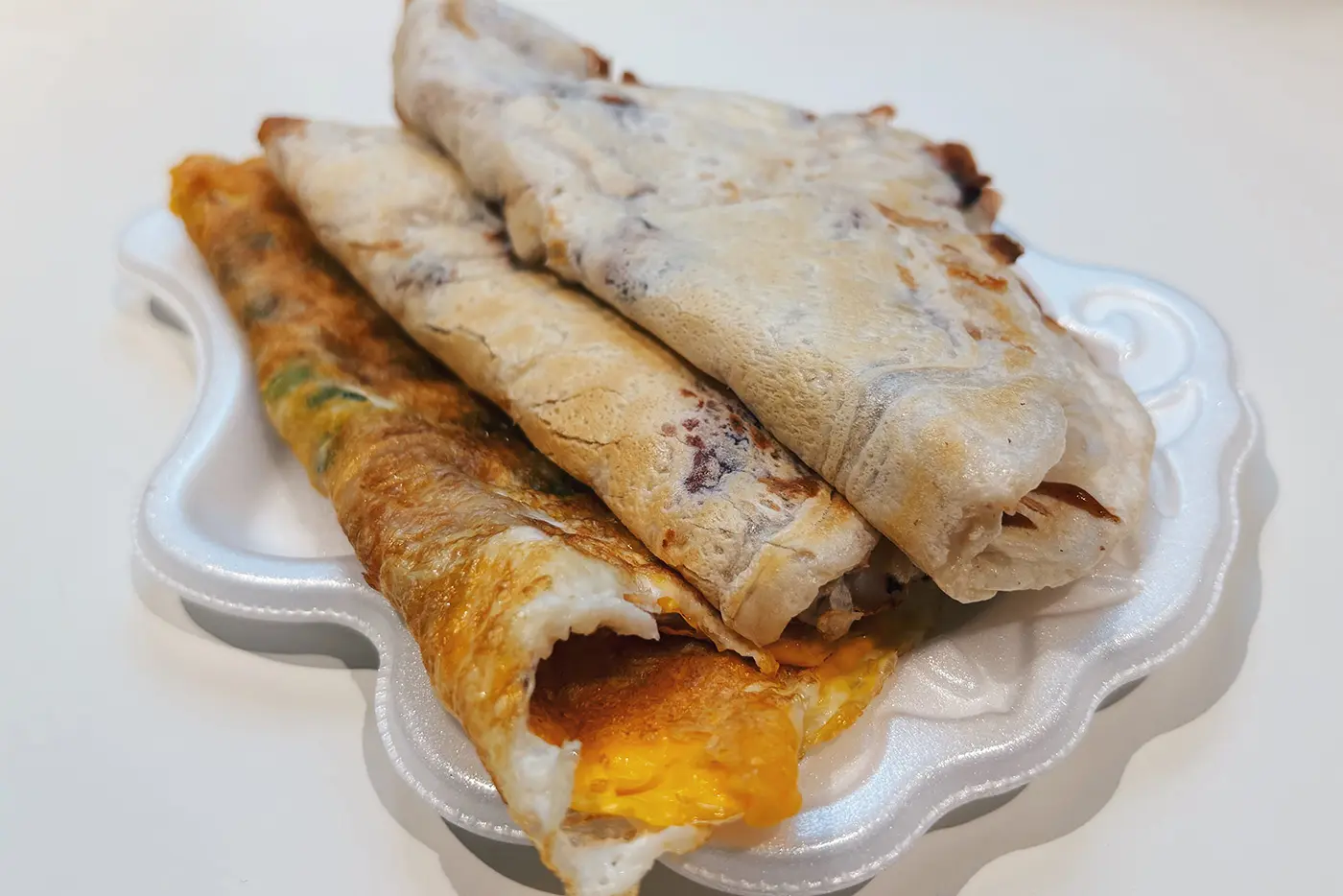
Located on the basement floor of the Hanshin Umeda Main Store, Snack Park is a casual snack spot where you can enjoy a light meal, and one of its most popular dishes is Hanshin's famous grilled squid. It's a gourmet specialty that every Osaka local knows about. Grilled on a high-temperature iron plate, the grilled squid is made from a batter made from dashi stock, wheat flour, and squid kneaded into a batter, the fragrant squid and plump texture complement the sauce perfectly. After mastering the basic grilled squid, try other dishes like the Delavan with egg and the grilled squid with green onions. The grilled squid bento, featuring five different types of grilled squid atop rice seasoned with hijiki seaweed, is also a secret favorite. Why not give yourself over to a parade of carbohydrates?
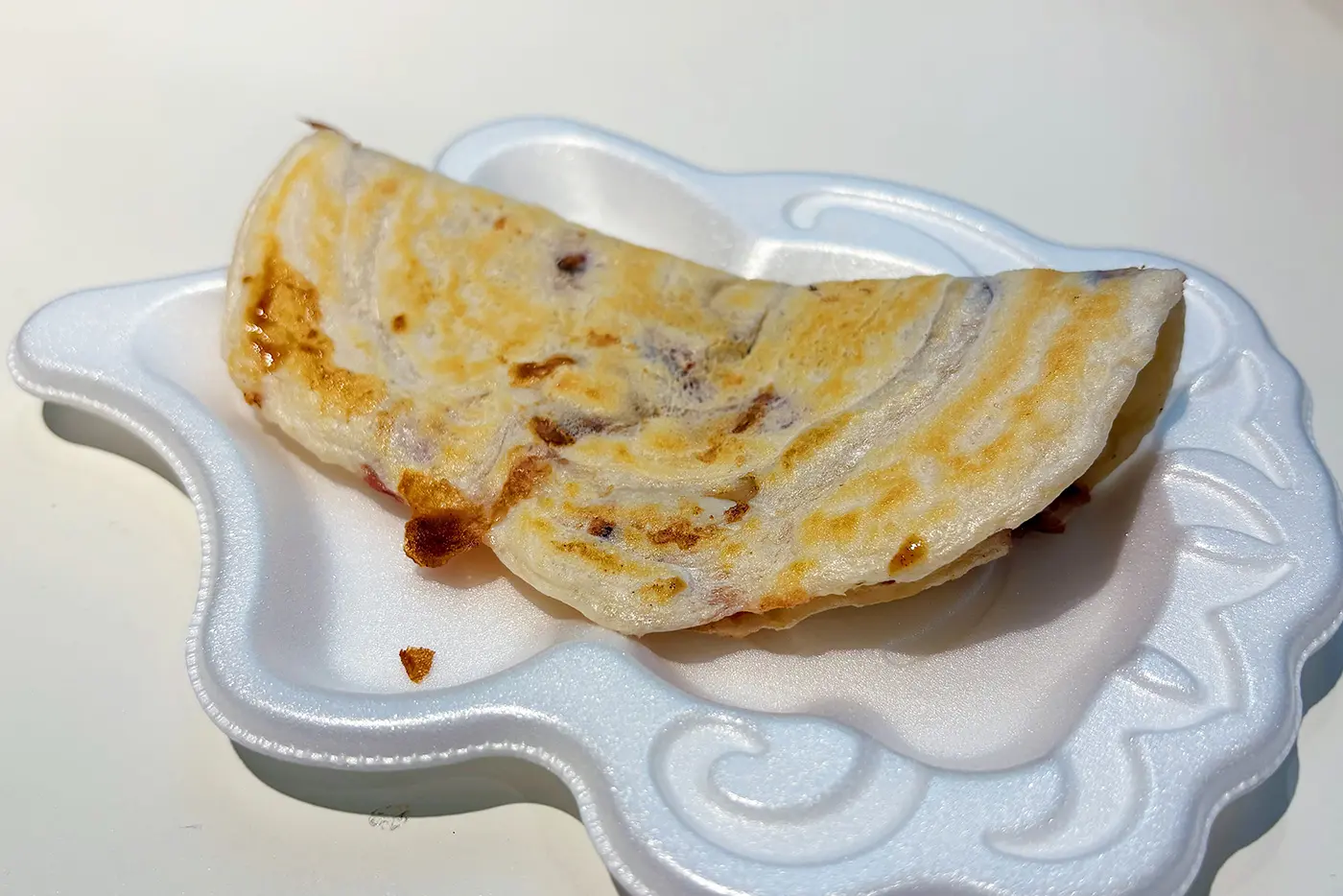
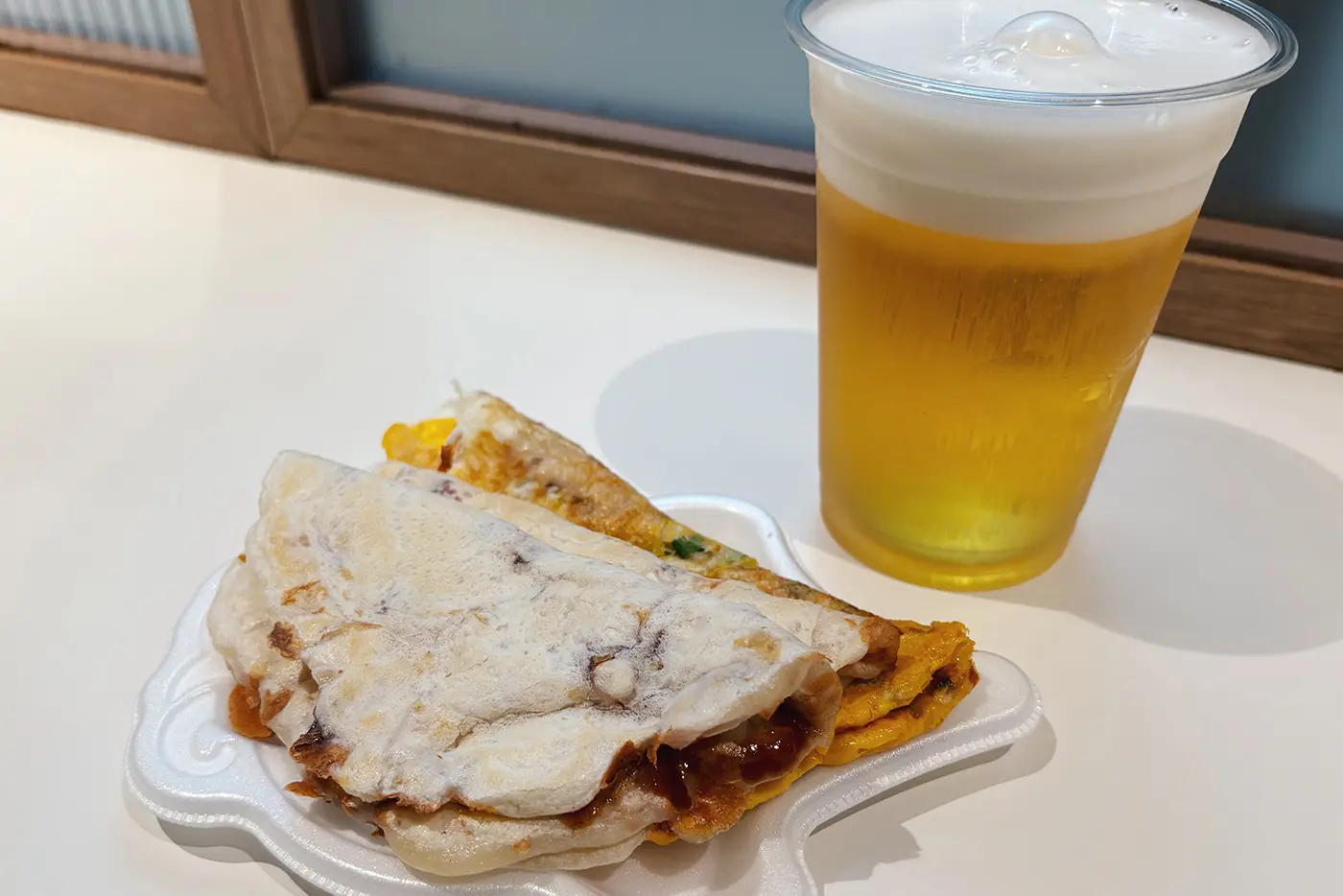
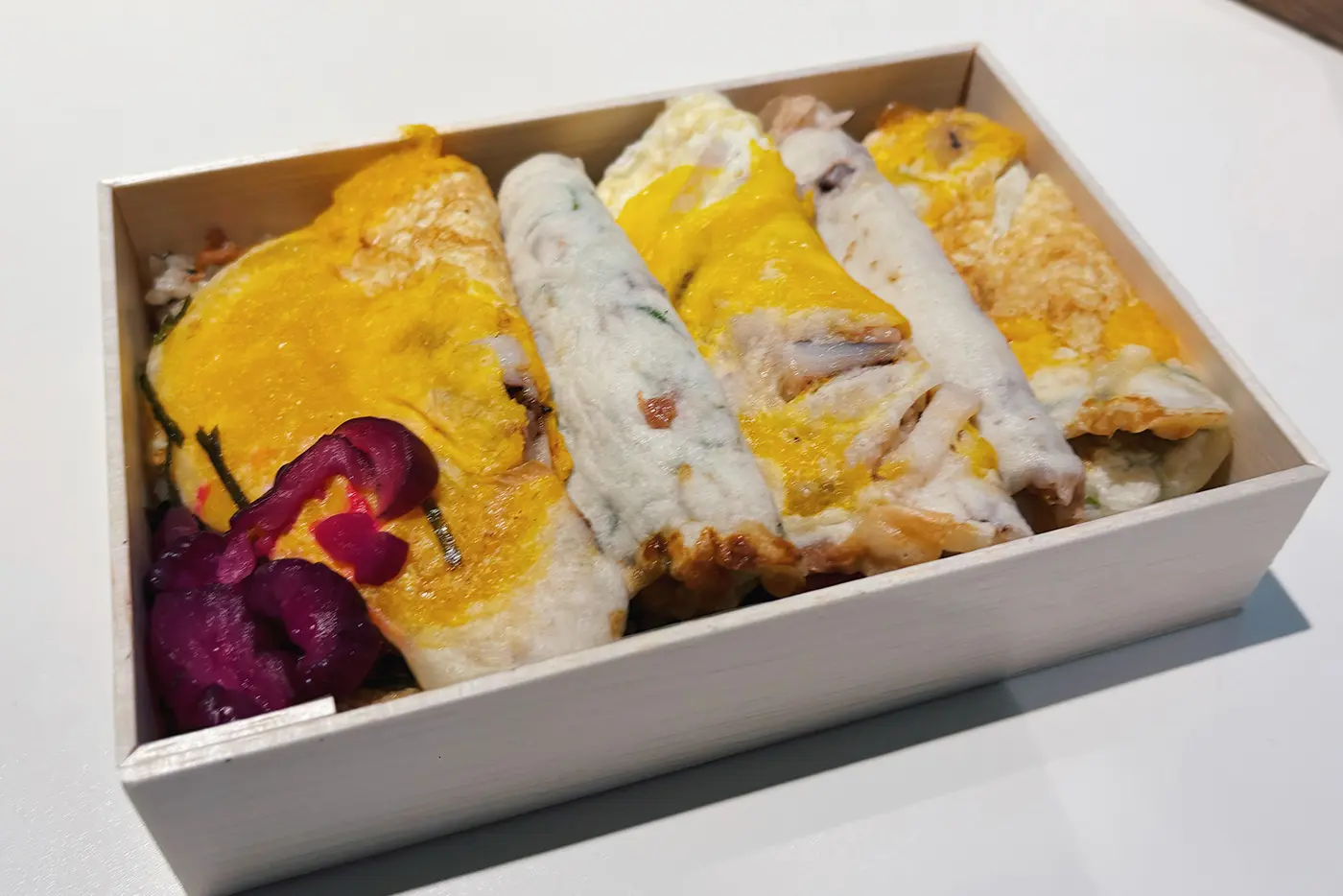
The Hanshin Tigers' specialty grilled squid is a classic among classics. People buy it for a variety of reasons, from snacks to souvenirs, showing how beloved it is. The sight of people buying dozens of pieces at once is a sight unique to Hanshin, unchanged since ancient times. Of course, many people also bring it to Hanshin Tigers official games at Koshien Stadium.
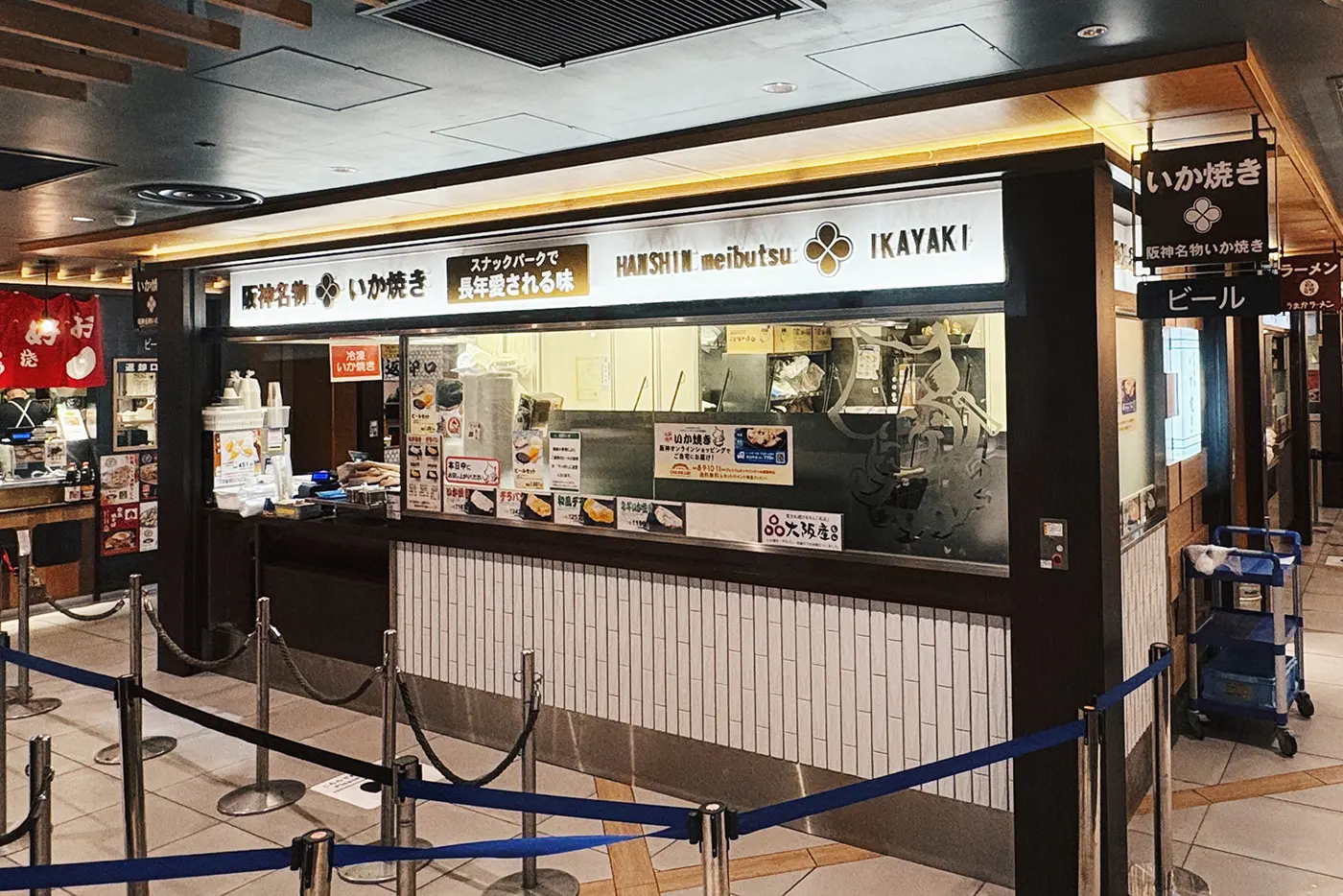
09. Senshu Kashimin Yaki is this "Kashimin Yaki" (Kita-ku, Osaka)
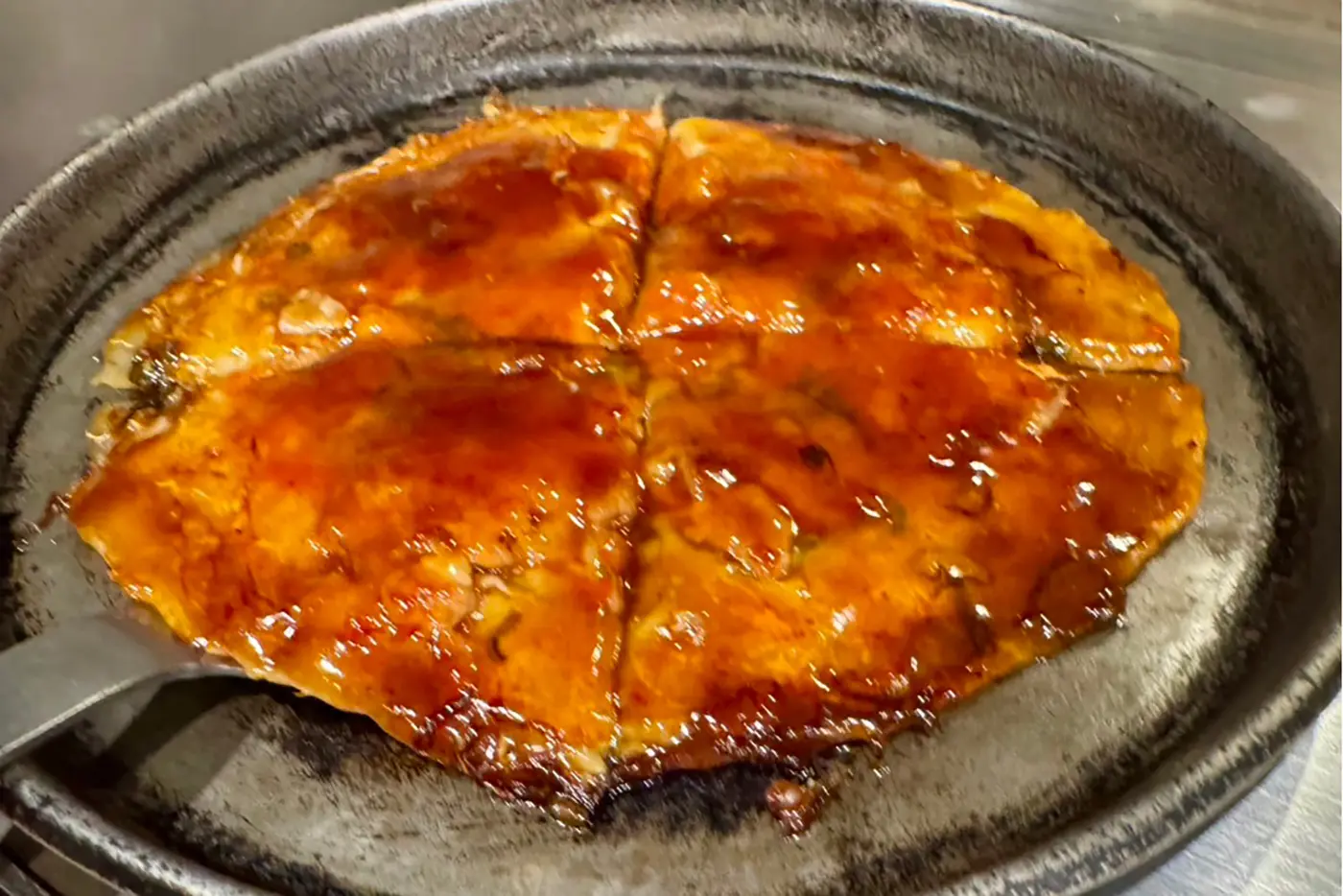
Enjoy the crispy texture of Kishiwada's specialty in Osaka's most famous nightlife district
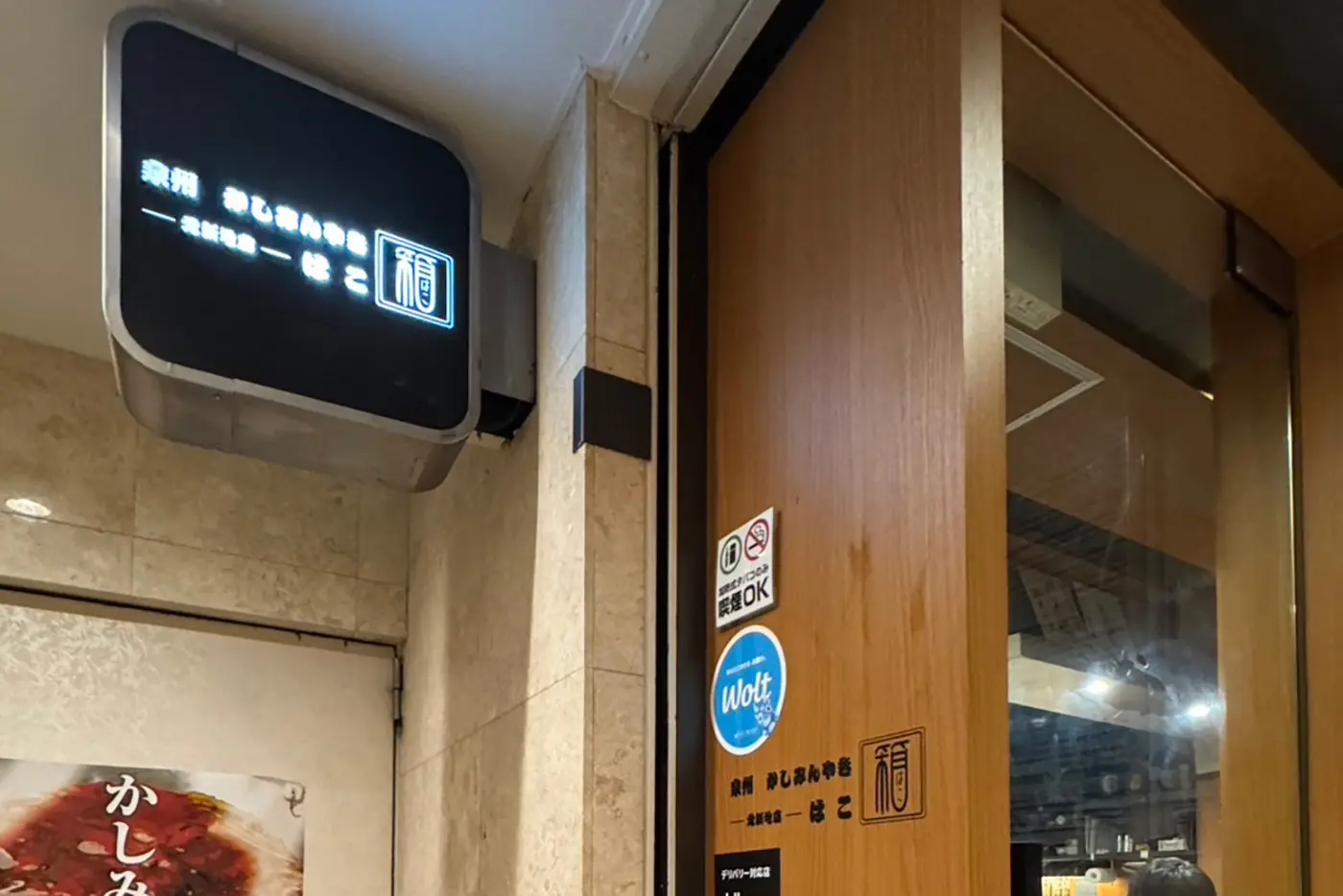
Kashimin-yaki is a local specialty of Kishiwada City in southern Osaka Prefecture. It's a flour-based dish similar to issen-yaki, known only to those in the know, made by thinly spreading wheat flour dissolved in water and topping it with minced cabbage, chicken, and beef fat. Incidentally, "kashimin" is an abbreviation of "kashiwa" (chicken) and "minced meat" in Kansai. Crispier and lighter than okonomiyaki, it's the perfect snack to accompany your drinks. Hako in Kitashinchi also offers a variety of menus, including the popular Tomato Cheese Kashimin and Tsukimi Kashimindo. With a solid lineup of side dishes including teppanyaki, a la carte dishes, and tsukemen, it's the perfect place for a meal of flour-based dishes.
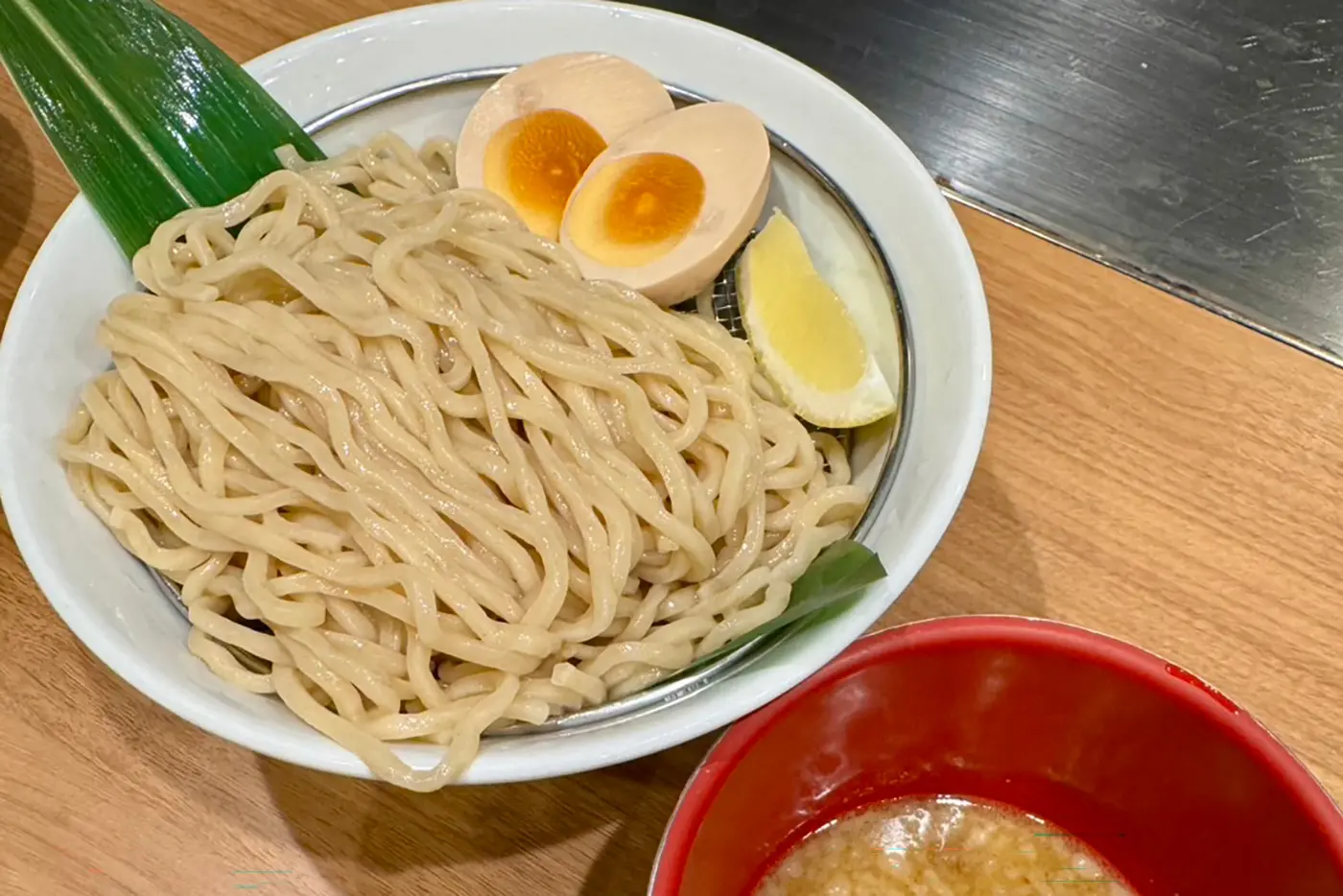
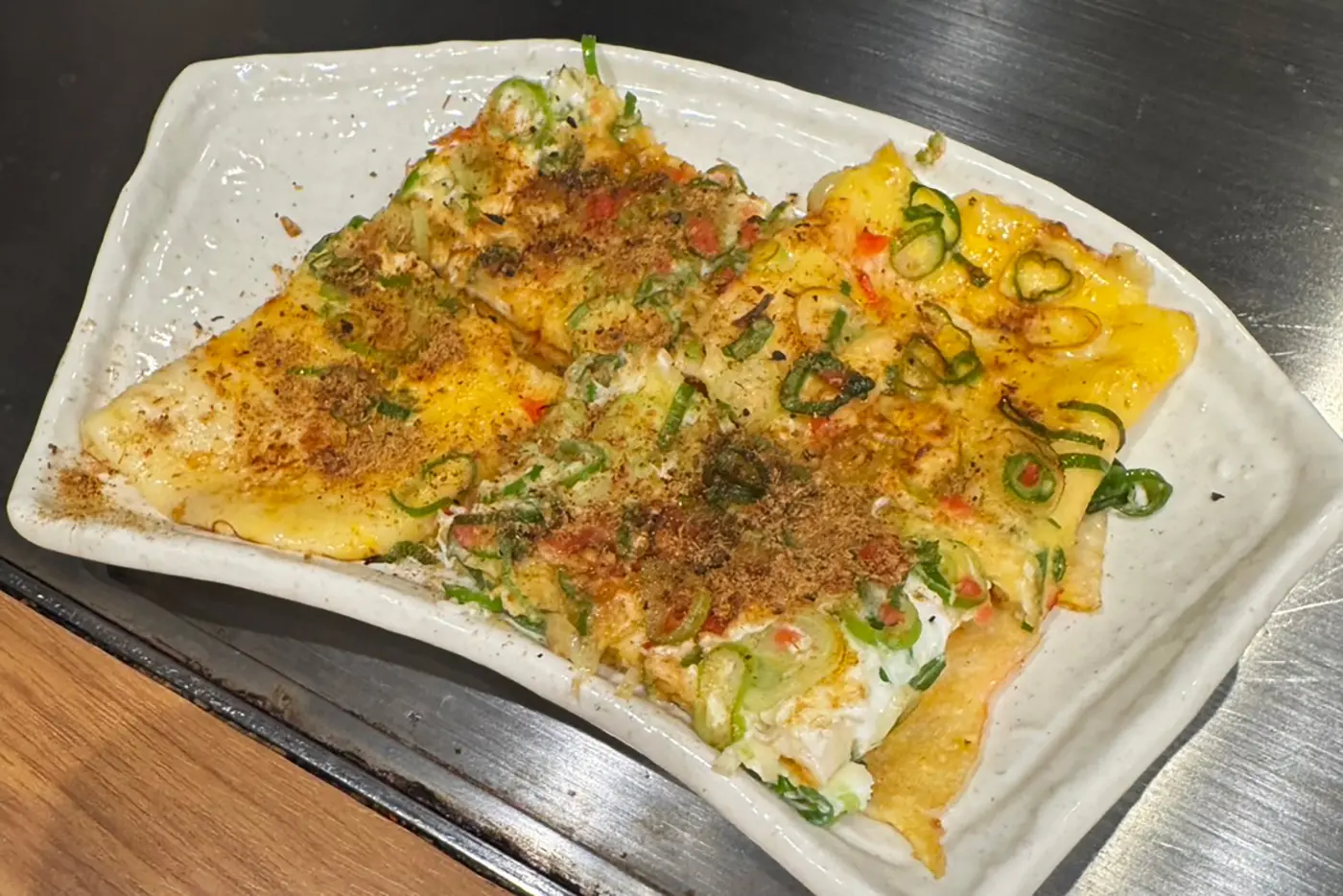
The crispy texture really brings out the delicious flavors of the chicken and beef fat, making it one of a kind. As a Kashimin fan, I'm truly grateful that we're now in an era where we can enjoy this rare taste of Senshu in Kitashinchi and Ura-Namba!
10. Kushikatsu Daruma Dotonbori Branch
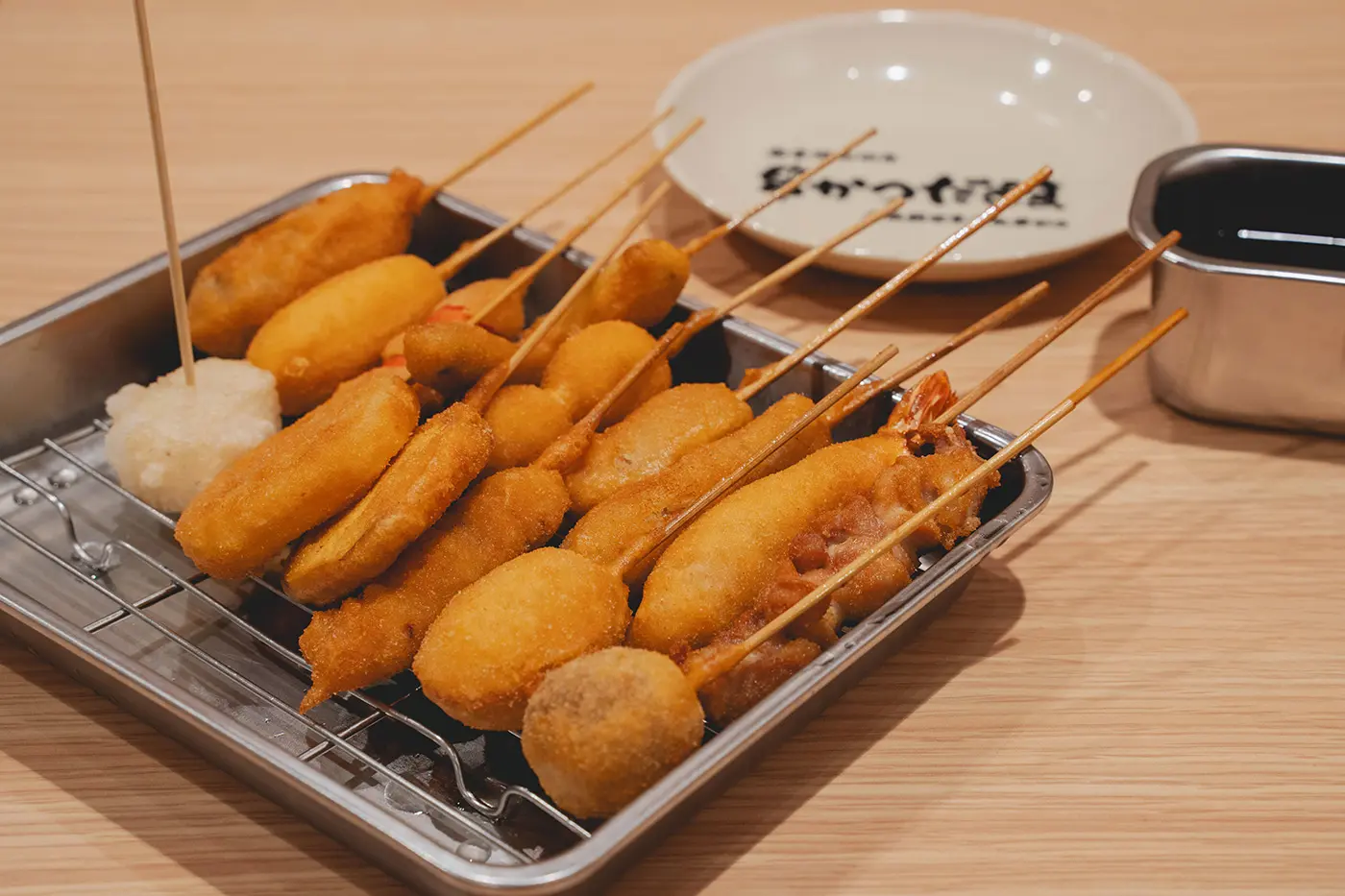
The origin of the "no double dipping" rule?
A famous kushikatsu restaurant approaching its 100th anniversary
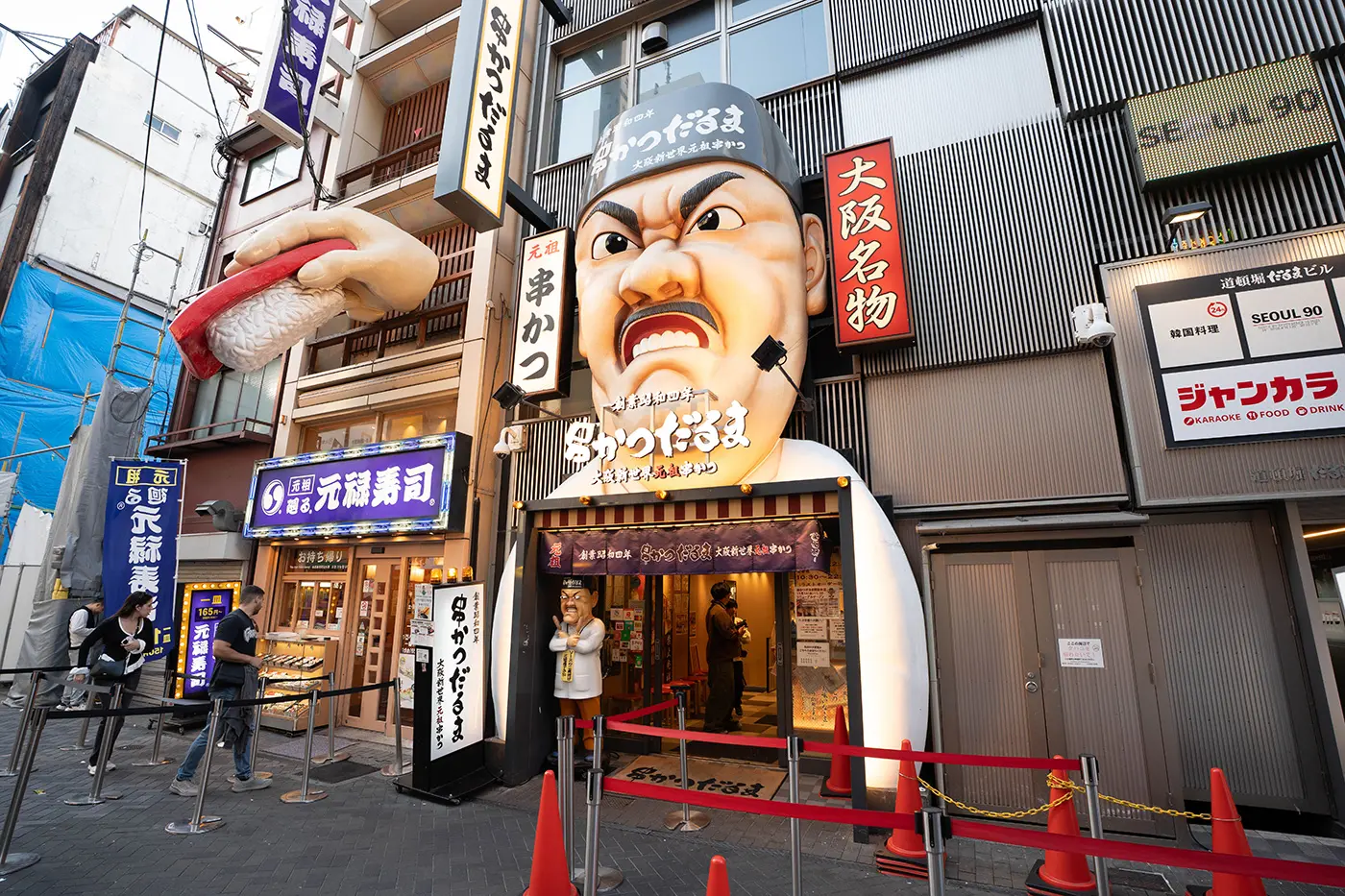
Founded in 1929, this restaurant is an undisputed representative of Osaka's kushikatsu culture. The kushikatsu, with its finely-coated batter, is deliciously smooth, with a crispy texture followed by a chewy texture. They also use carefully selected frying oil, allowing you to eat one after another without feeling bloated. The flavor of the kushikatsu is supported by the presence of "ageshi" (deep-frying masters) who meet strict requirements. The mascot, modeled after president and chairman Katsuya Ueyama, is also well-known. According to one theory, it was Daruma who popularized the "no double-dipping" rule for kushikatsu. Soon to celebrate its 100th anniversary, why not savor the Osaka flavor cultivated by this long-established restaurant?
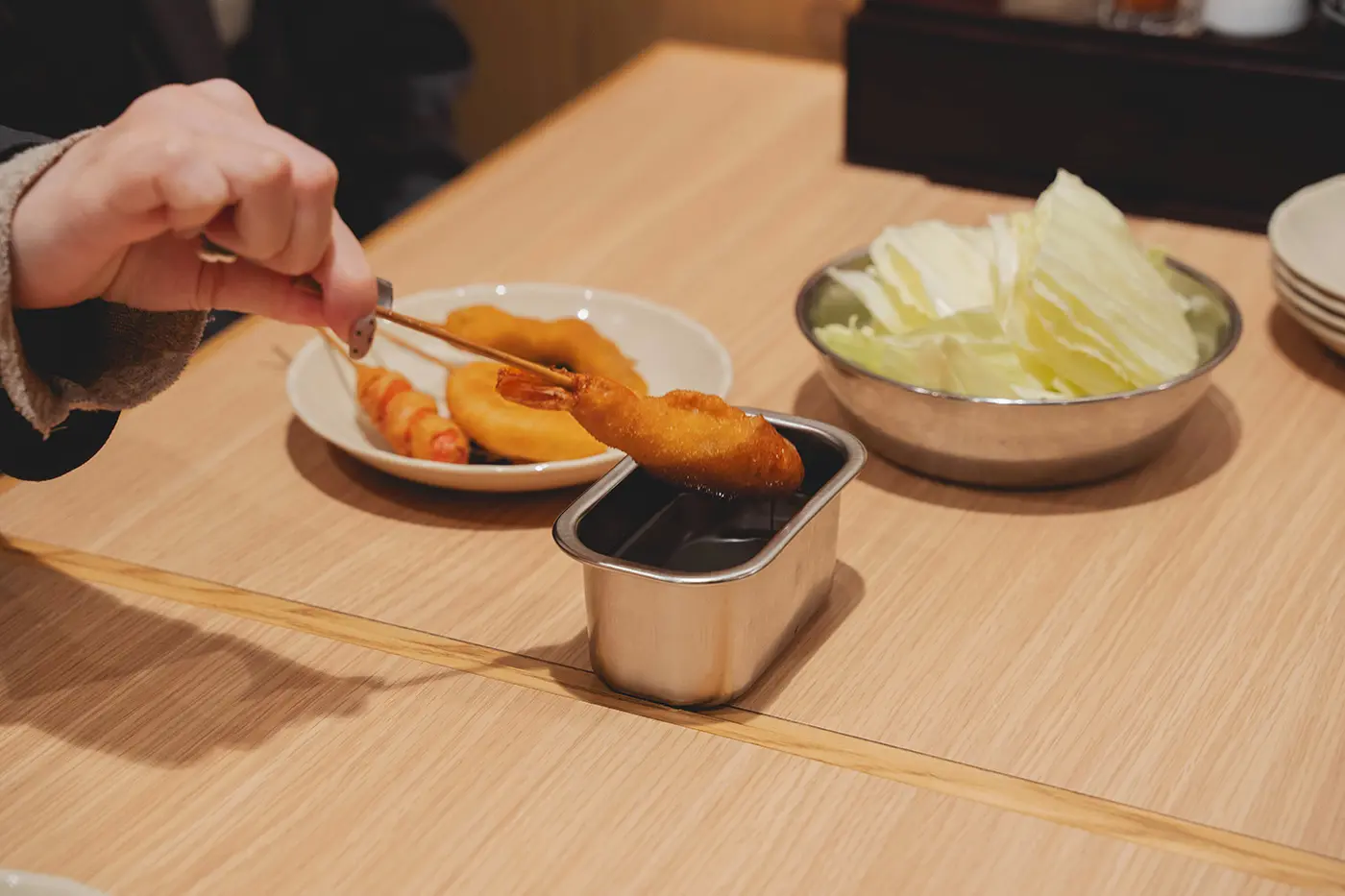
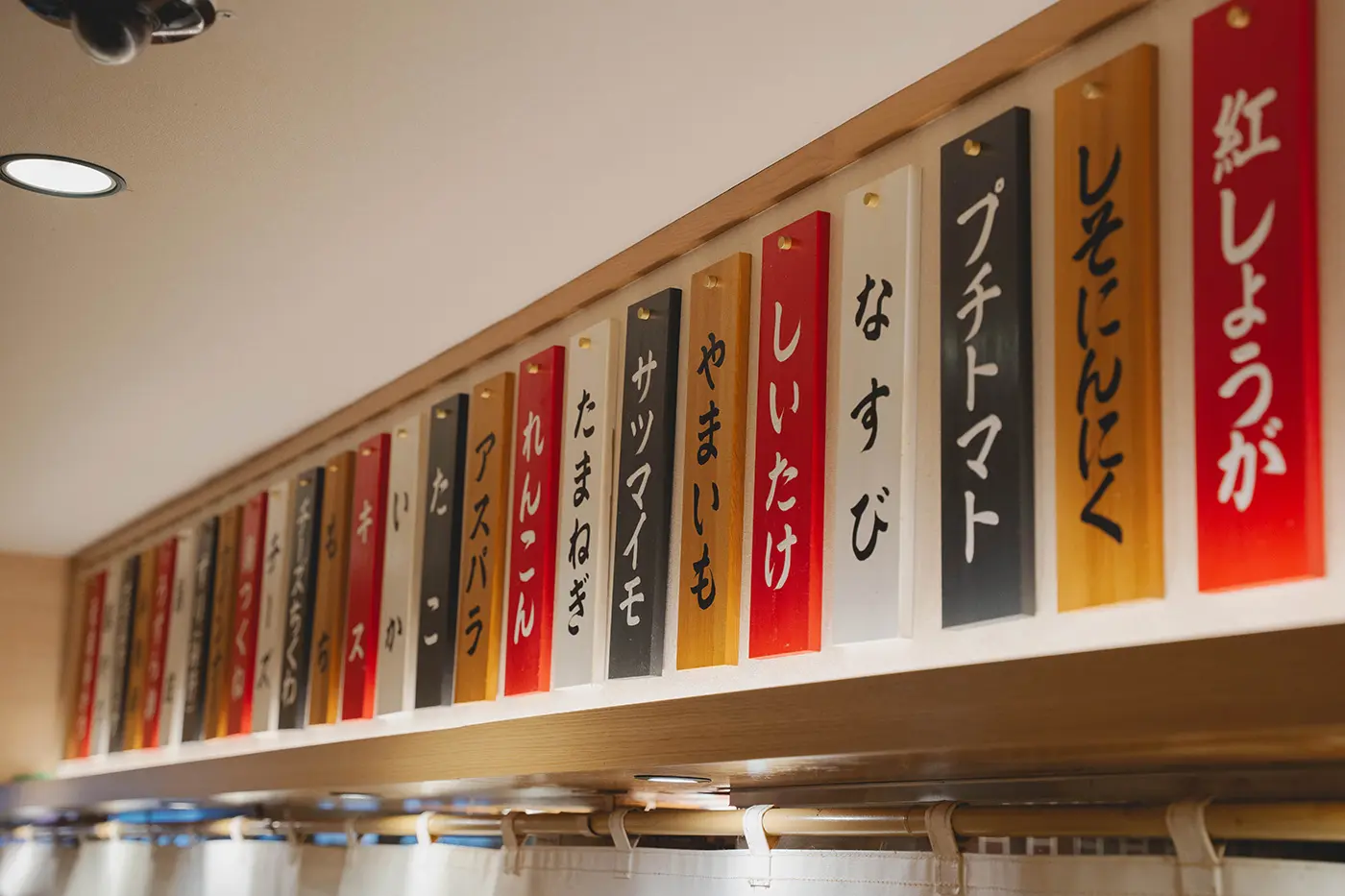
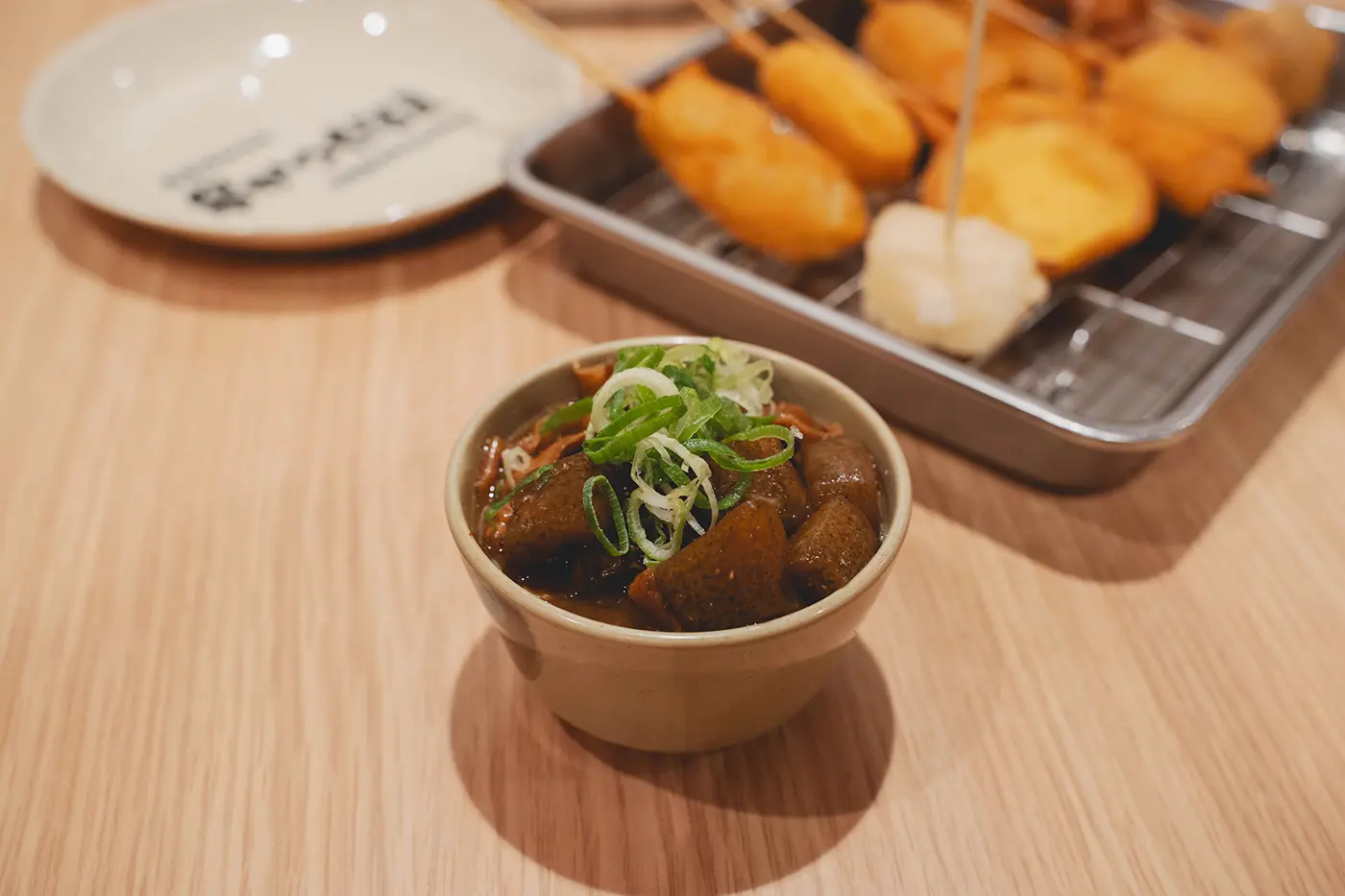
Kushikatsu was originally a Shinsekai specialty, but over the past decade it has become established as Osaka's signature fried food. The ingredients are carefully skewered, covered in batter, then quickly coated in fine breadcrumbs and dropped into the oil. The deliciousness begins as you watch the entire process while eating the cabbage, and before you know it you've had about 20 different types! Please note that you are not allowed to dip into the sauce twice.
Enjoy the diverse flour-based foods of Osaka
Osaka's flour-based food culture is extremely diverse, ranging from the mainstays like takoyaki and okonomiyaki to local delicacies and even evolved forms. As we visited numerous restaurants, we came to understand that the background to this "ecosystem" is the history of the Kamigata region's cuisine, which makes heavy use of dashi. To borrow Kumagai's words, "restaurants have been nurtured by their customers and have honed their skills," which could also be said to be a major reason why flour-based food has developed to this extent. Why not take another look at the food culture that was born from Osaka's unique two-way communication and continues to change even today?
*The information in this article is current as of February, 2026. As details may have changed, please check the official websites of the facilities and stores for the latest information.
Photo: Satori Kitagawa
Edit: Rie Tomimoto
Direction: Ningen Henshusha
