 Copy Link
 X
X
 Facebook
 LINE
LINE
 LinkedIn
 Pinterest
 WhatsApp
 KakaoTalk
 NAVER
NAVER
 Weibo
Weibo
 WeChat
 Mail
Mail
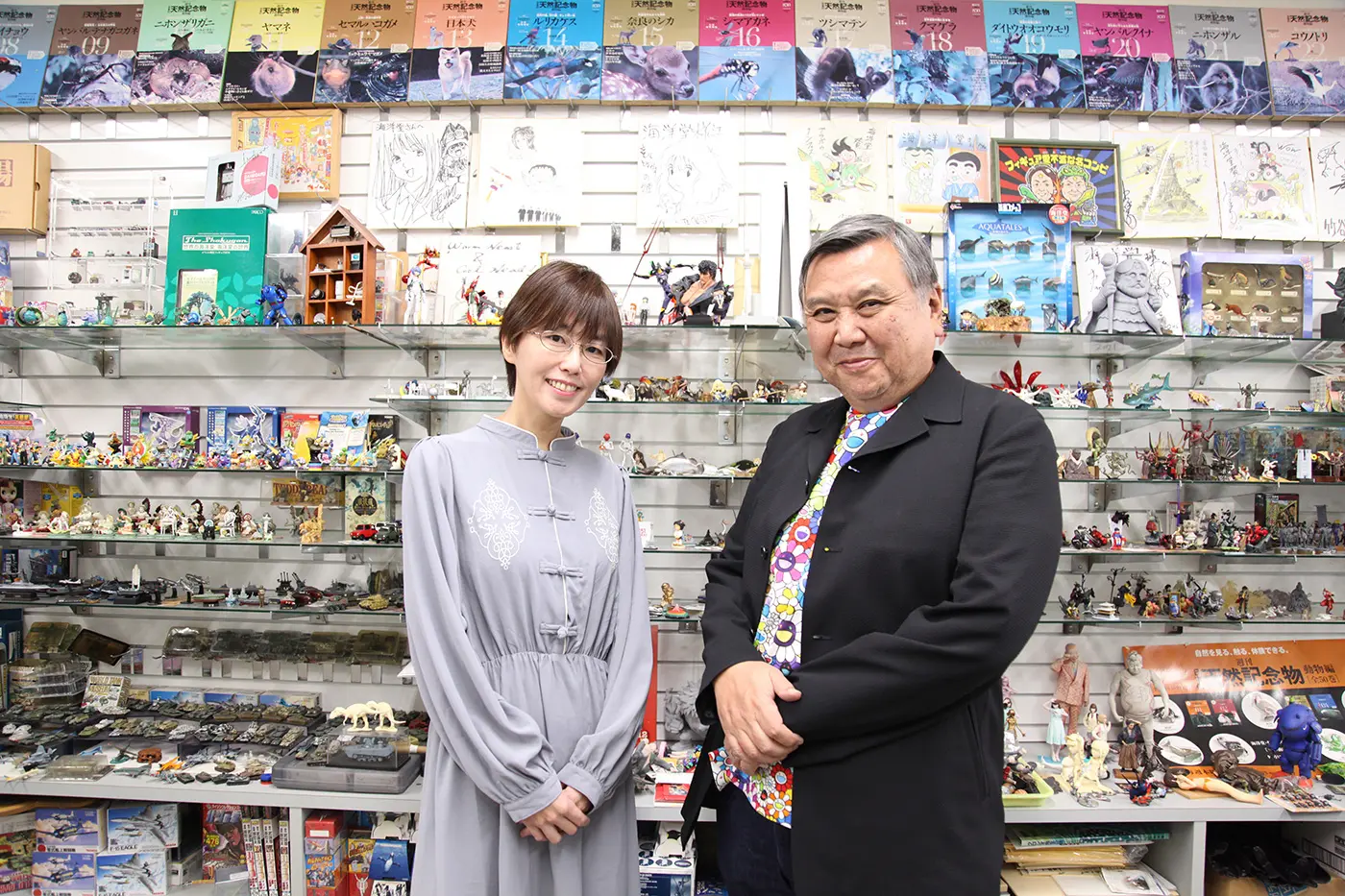
Based in Kadoma City, Kaiyodo is a figure manufacturer that promotes Japanese anime and hobby culture both domestically and internationally with its unparalleled sculpting capabilities. Professional modeler Tomoe Ogoshi delves into the company's history, from its humble beginnings as a small model shop to the present day, and the unique appeal cultivated in Osaka, through interviews with Kaiyodo advisor Shuichi Miyawaki and employees exploring its international strategy.
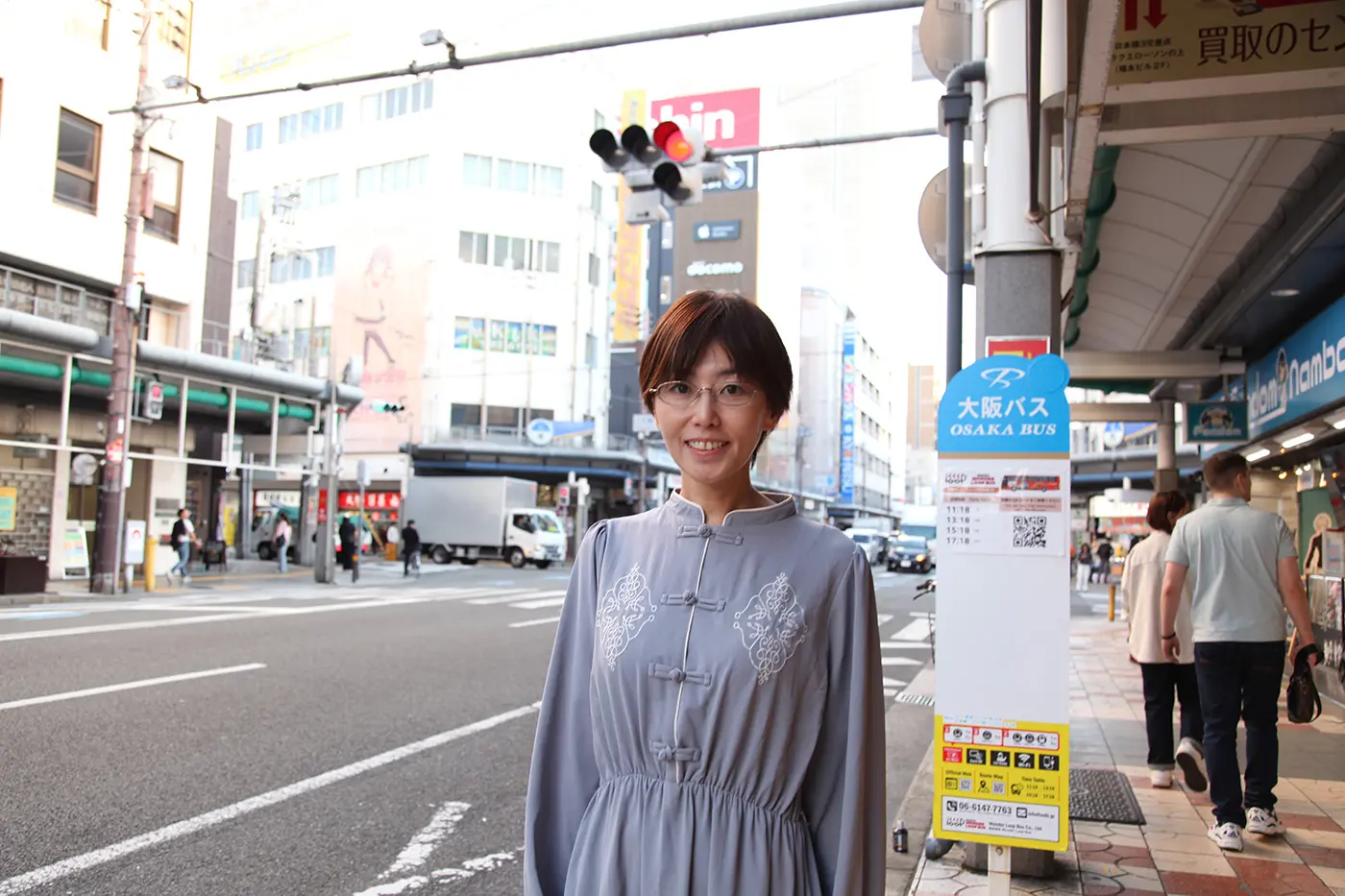
Nice to meet you! My name is Oogoshi Tomoe.
I usually work as a professional modeler, creating plastic model kits, writing columns, and holding plastic model classes around the country. I also became a lecturer at Osaka University of Arts in 2018, and I often visit Osaka to teach at the university.
As a professional modeler, when I think of Osaka, the first thing that comes to mind is the world-famous Kaiyodo.
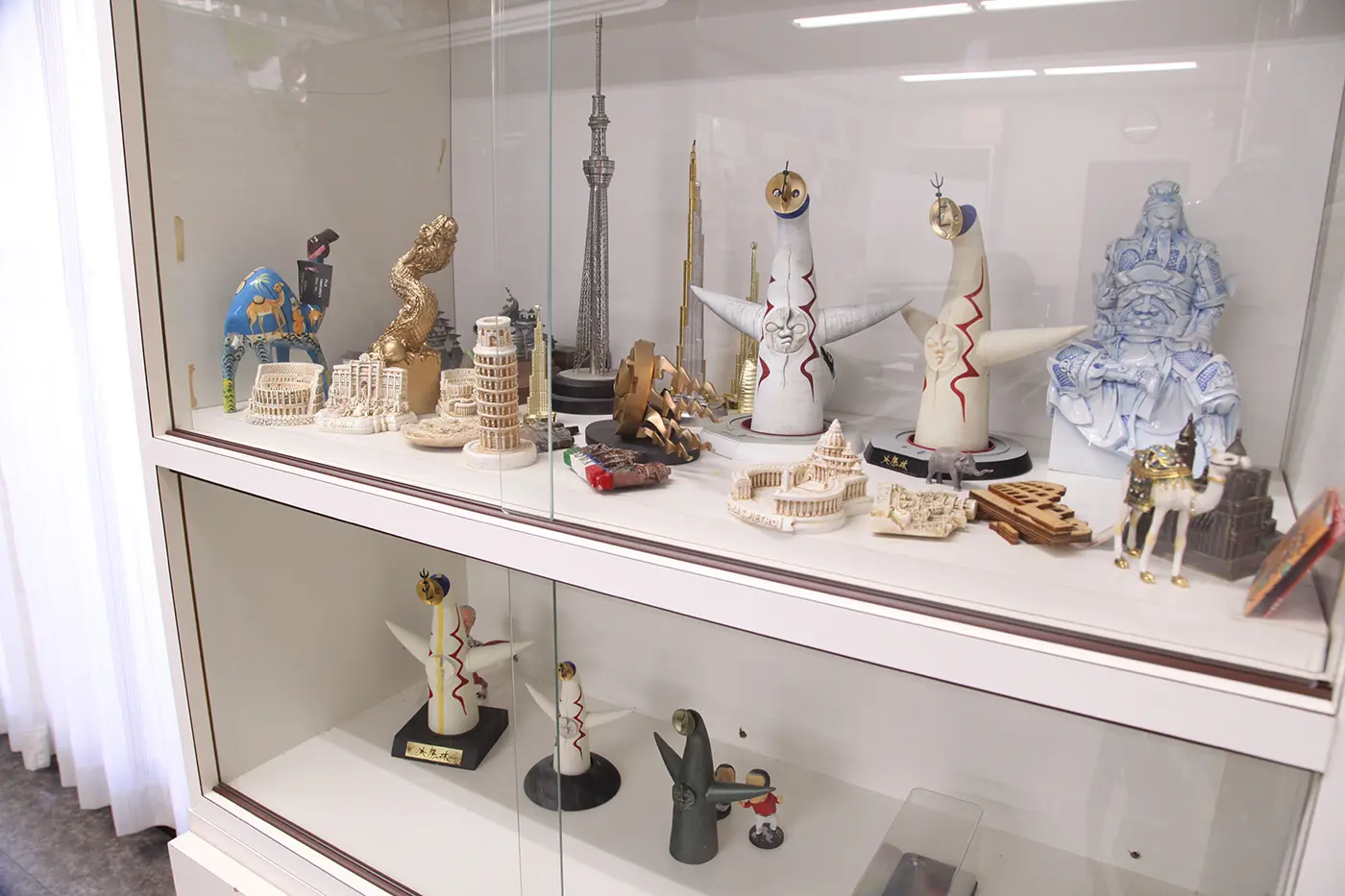
Kaiyodo Co., Ltd. was founded in Moriguchi City, Osaka Prefecture in 1964. It is a model and figure manufacturer that designs, produces, and sells figures and plastic models. Kaiyodo's highly accurate and artistic works are popular both in Japan and overseas, and are recognized for their artistic value, leading to collaborations with art museums. The company is also famous for making a significant contribution to the development of figure culture as the organizer of Wonder Festival, Japan's largest modeling event.
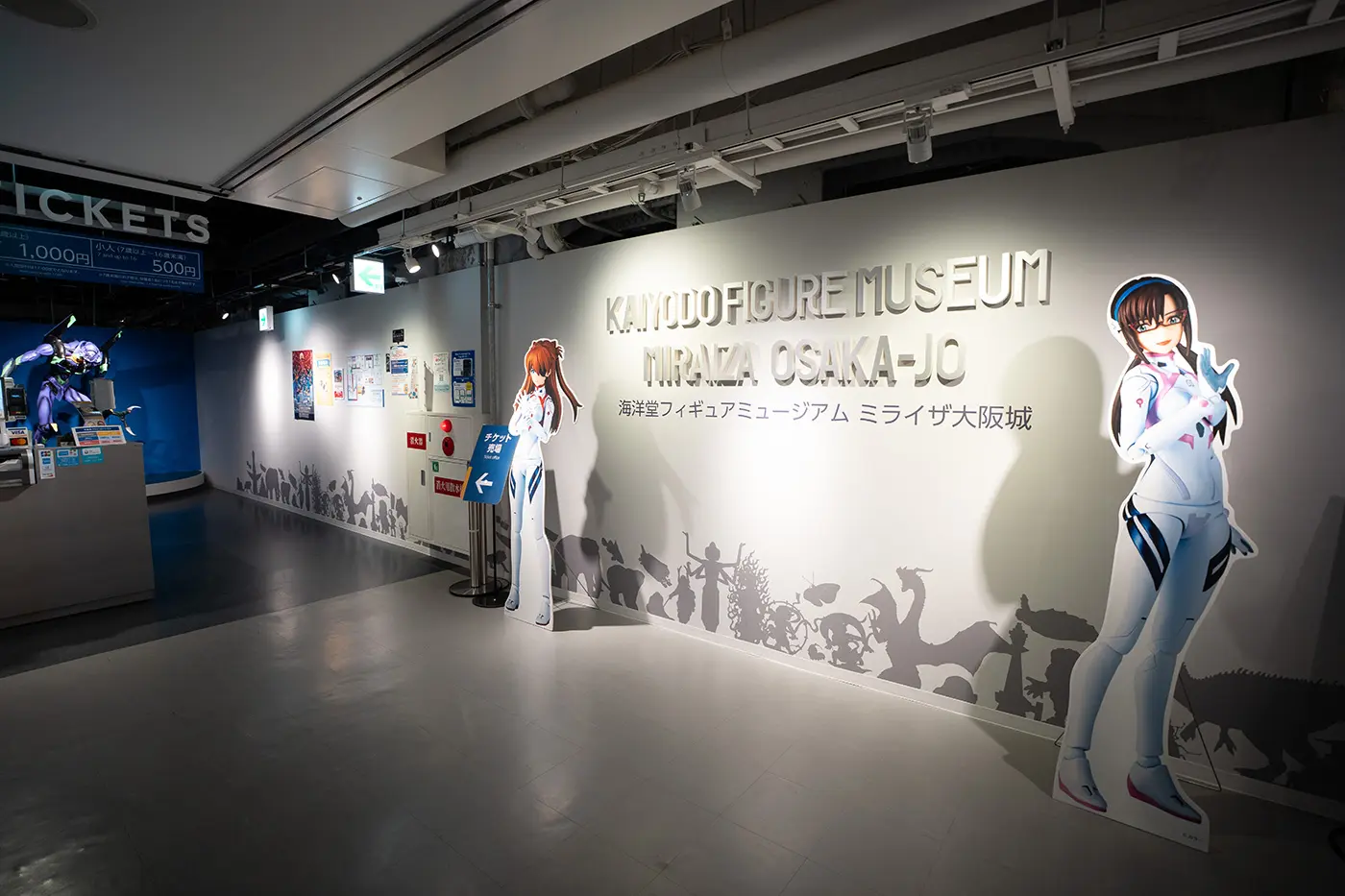
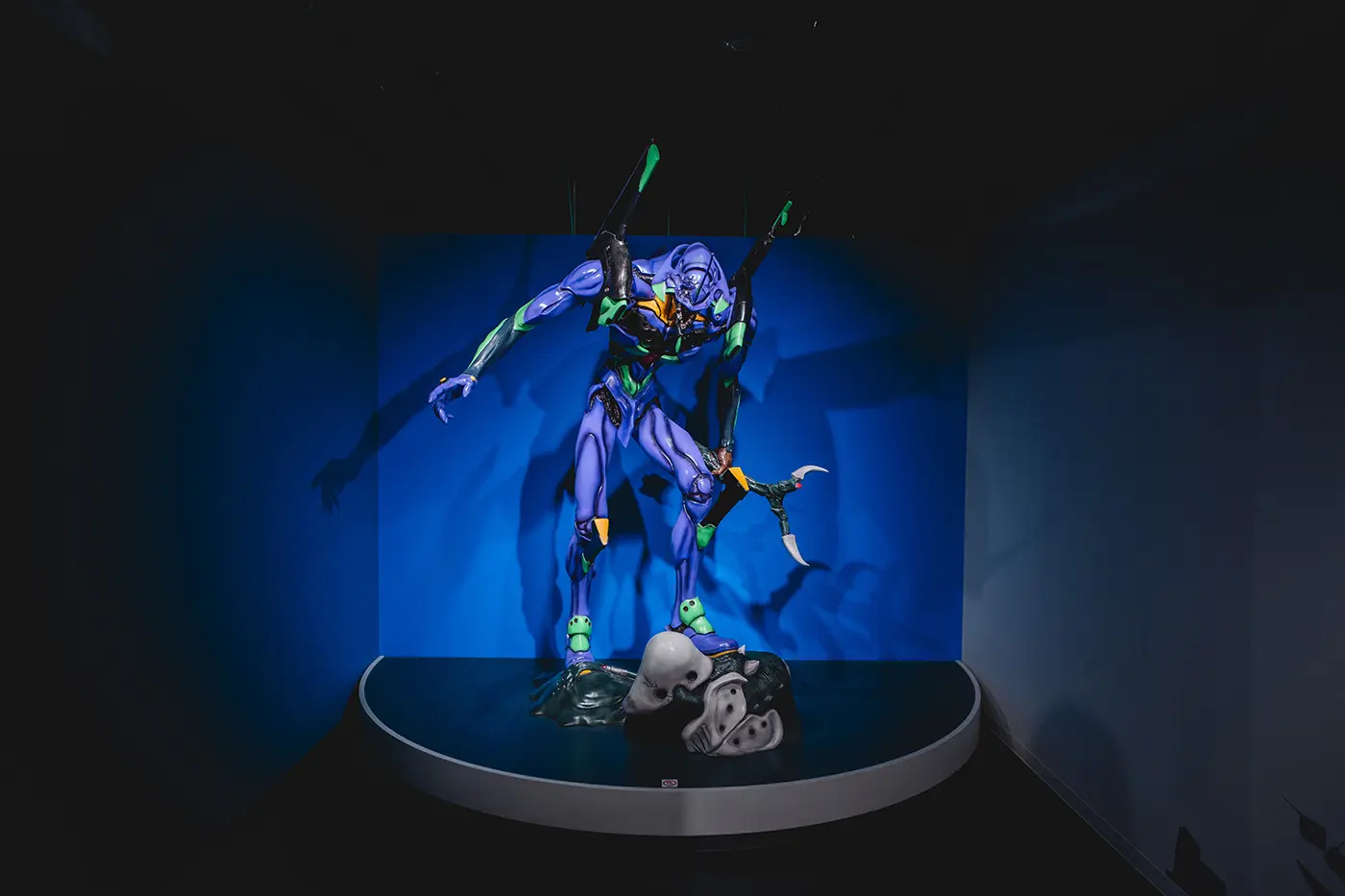
The Kaiyodo Figure Museum Miraiza Osaka Castle, which opened in 2022, is a popular spot for tourists from overseas. Kaiyodo also has museums in several other locations around Japan, including Shimanto and Nankoku in Kochi Prefecture, and Nagahama in Shiga Prefecture.
Kaiyodo has gained a huge following both in Japan and overseas, and recently events have been held not only in Japan but all over the world. As a professional modeler, I'm very interested in the overseas figure scene...
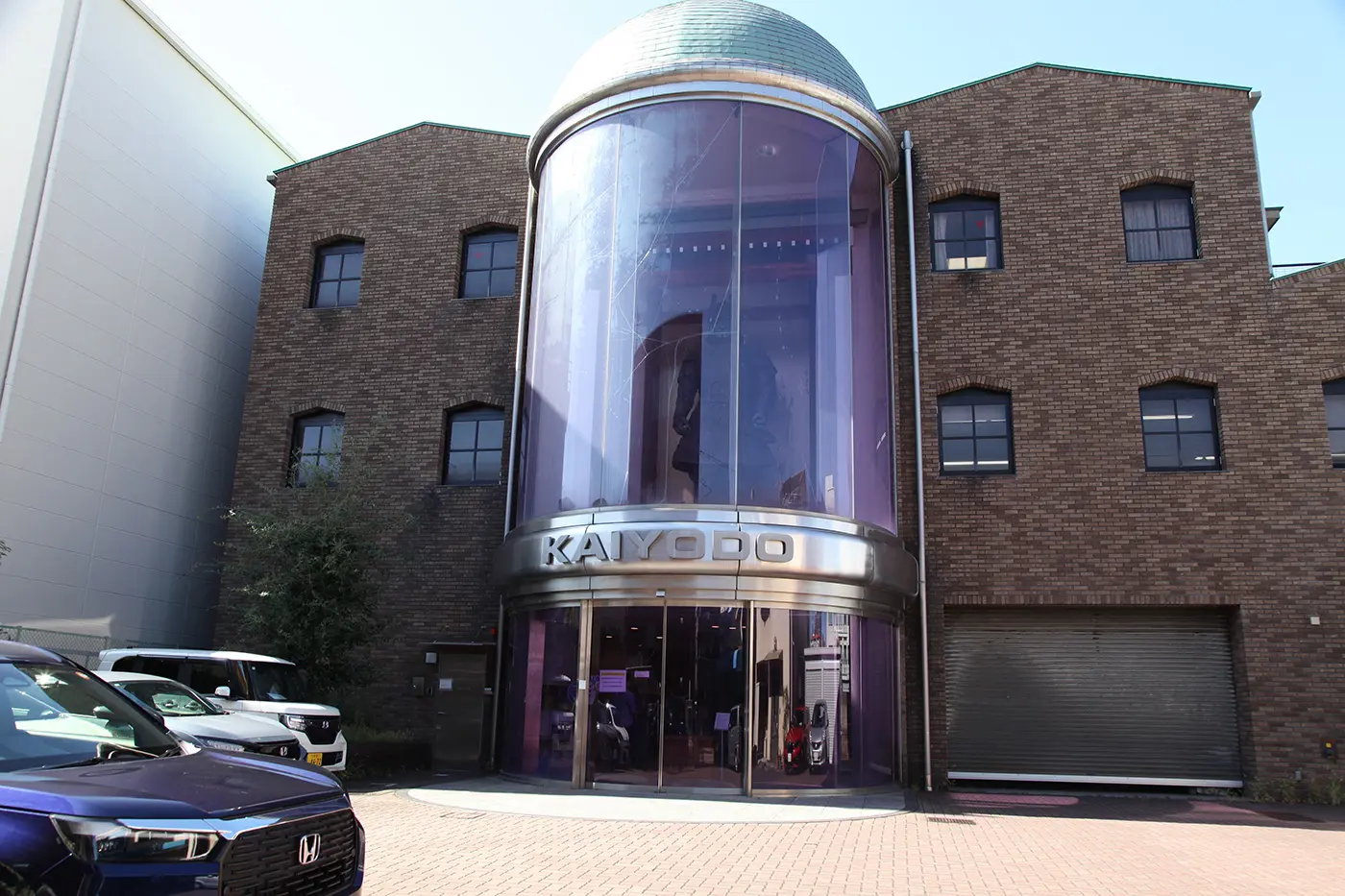
So, this time we visited Kaiyodo headquarters to speak with the company's renowned advisor, Shuichi Miyawaki (commonly known as Miyawaki Senmu), and the staff in charge of promotion. We learned in detail about how Kaiyodo became a major model manufacturer that has taken the world by storm, and the secret behind its popularity not only in Japan but also overseas.
Guide
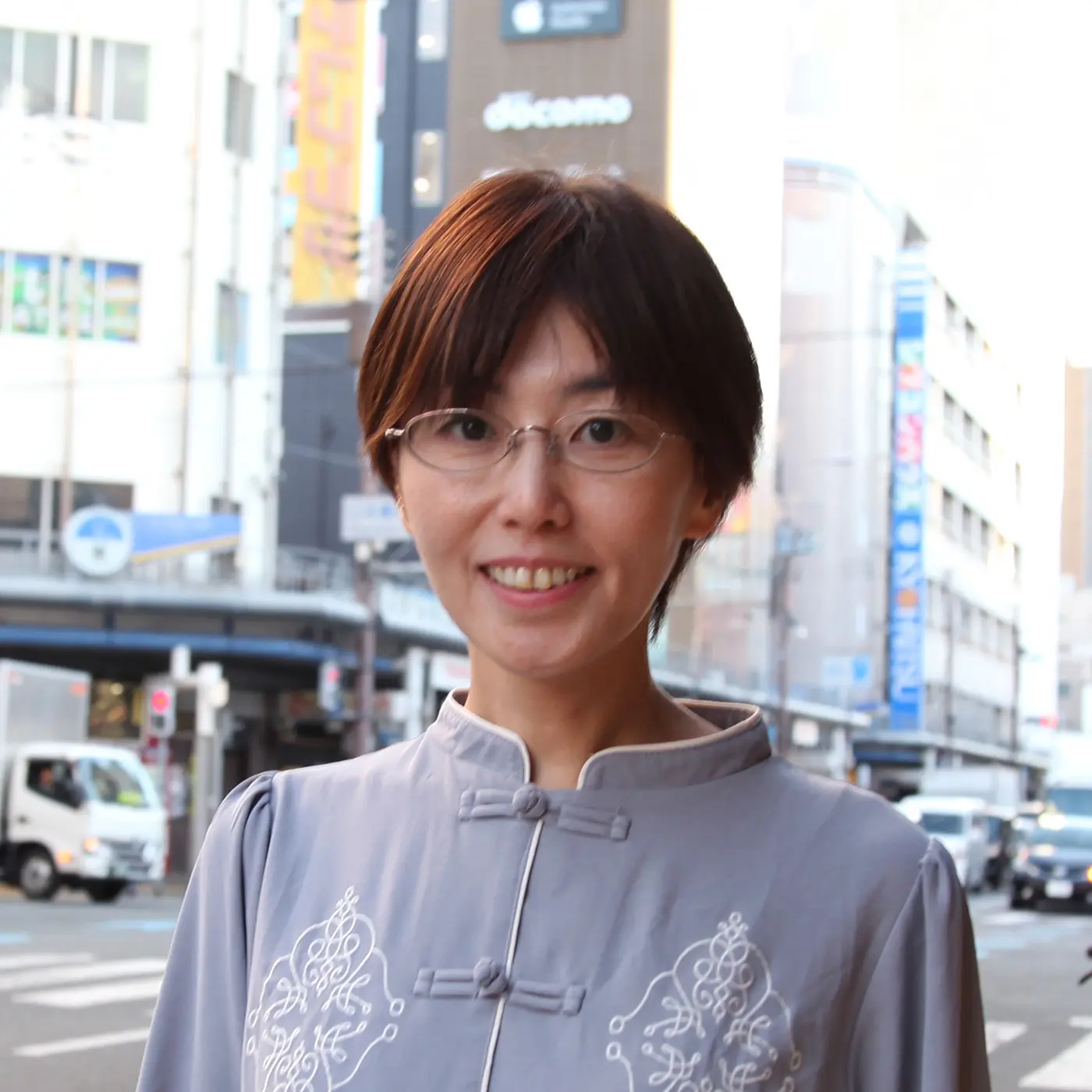
Born in Hiroshima Prefecture in 1978. After working on serial planning for a model magazine, he began his career as a modeler. In addition to creating model examples and writing books, he also teaches model classes held nationwide. He also actively promotes the "joy of making things" as a plastic model navigator. He is a lecturer in the Character Design Department at Osaka University of Arts and in the Figure Course at the Design Fine Arts Department of Osaka University of Arts Junior College.
His books include "Gunpla Textbook: It Works Even If You're a Beginner" and "Fun Even If You're a Beginner! Frame Arms Girl Textbook."
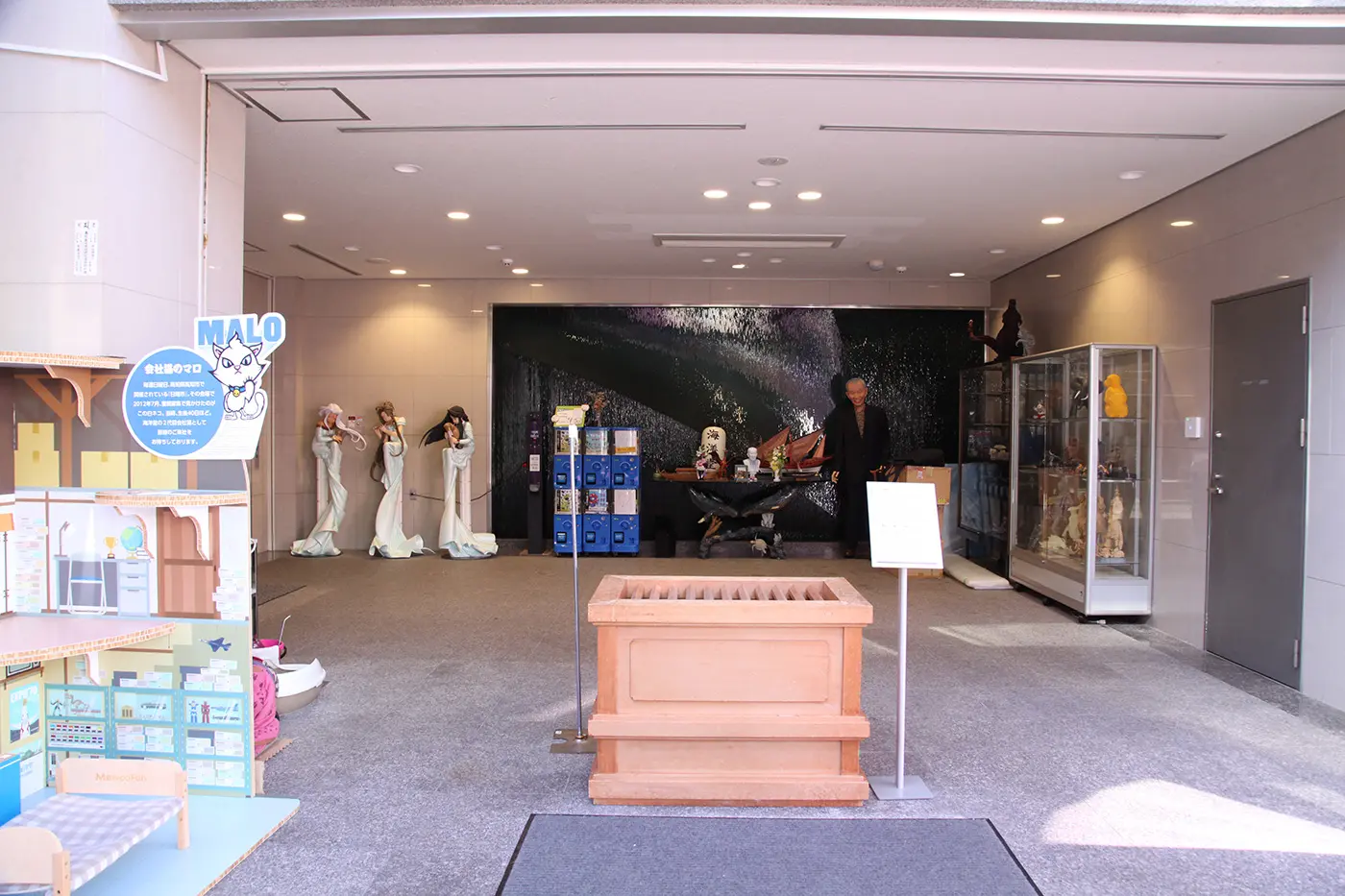
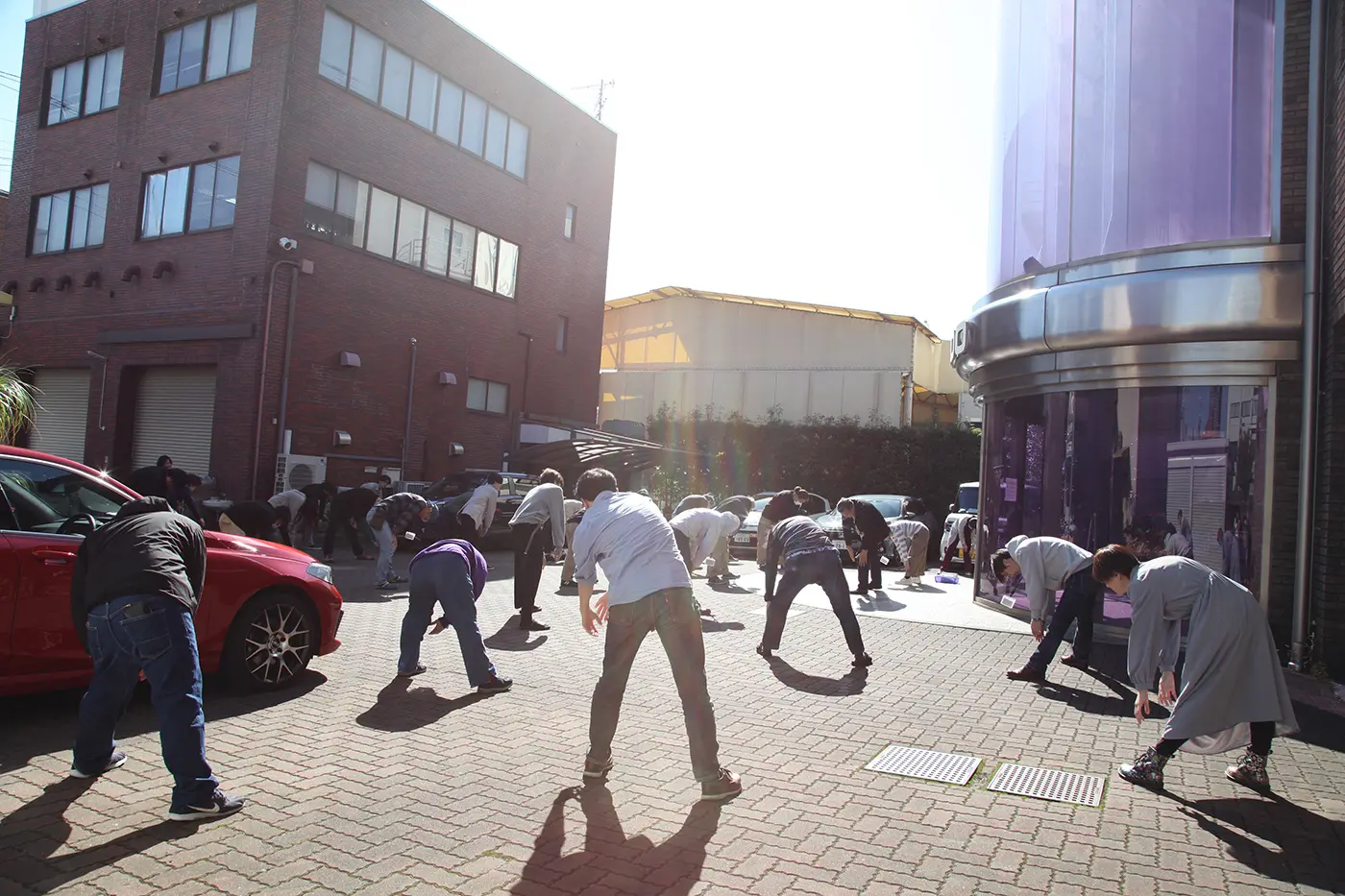
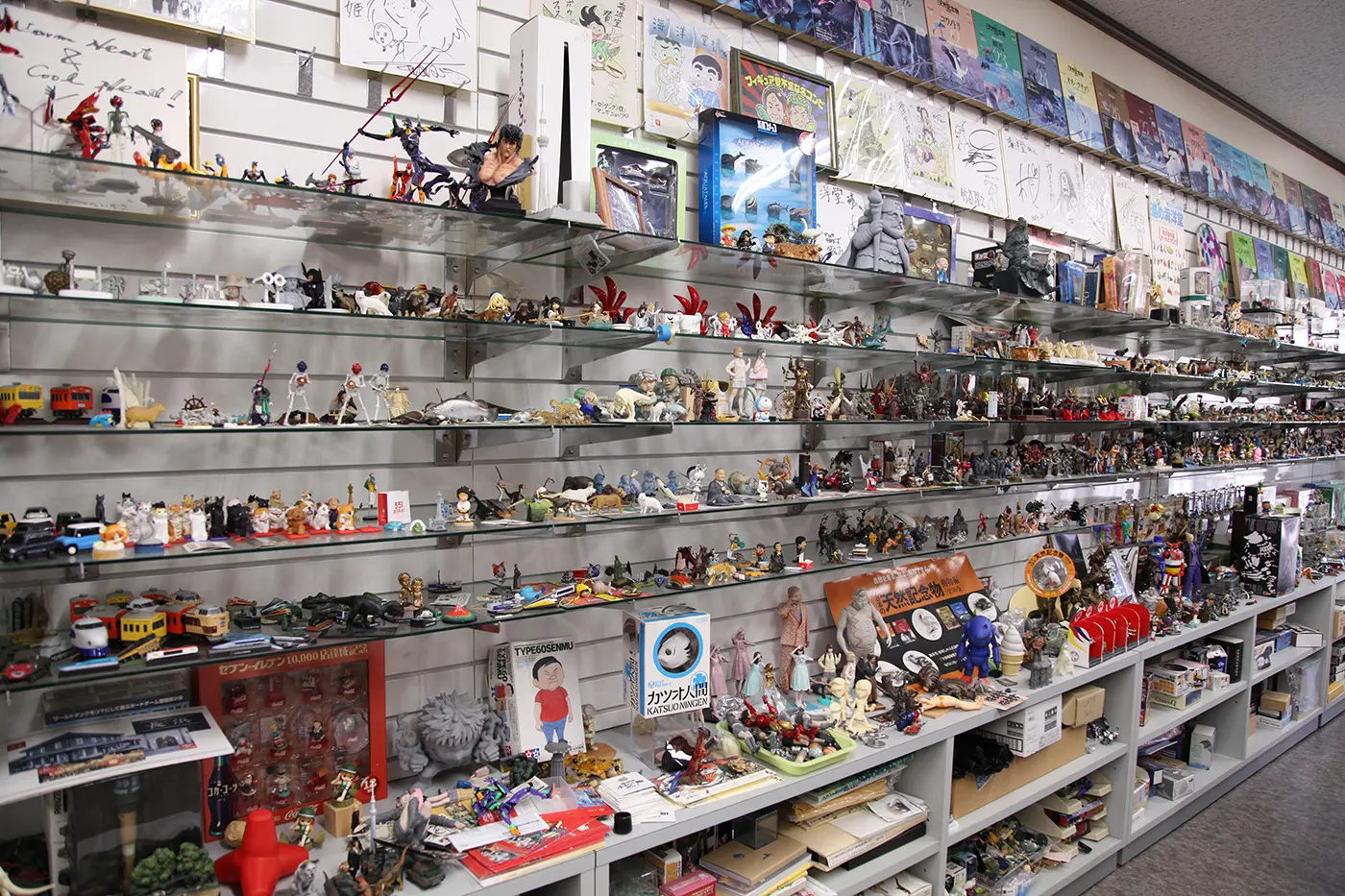
How a 3.5 square meter model shop in Moriguchi City, Osaka Prefecture, became a figure manufacturer
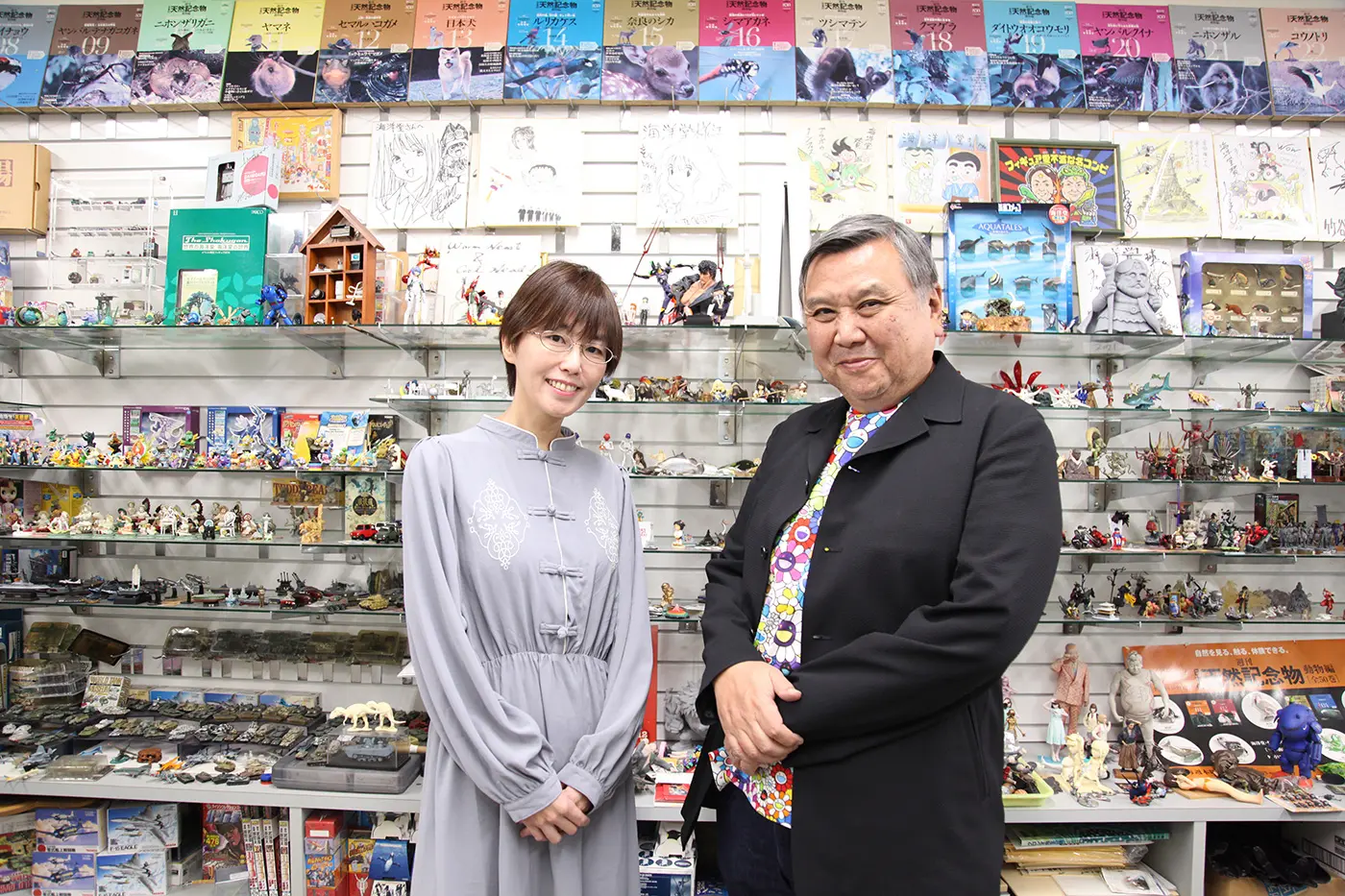
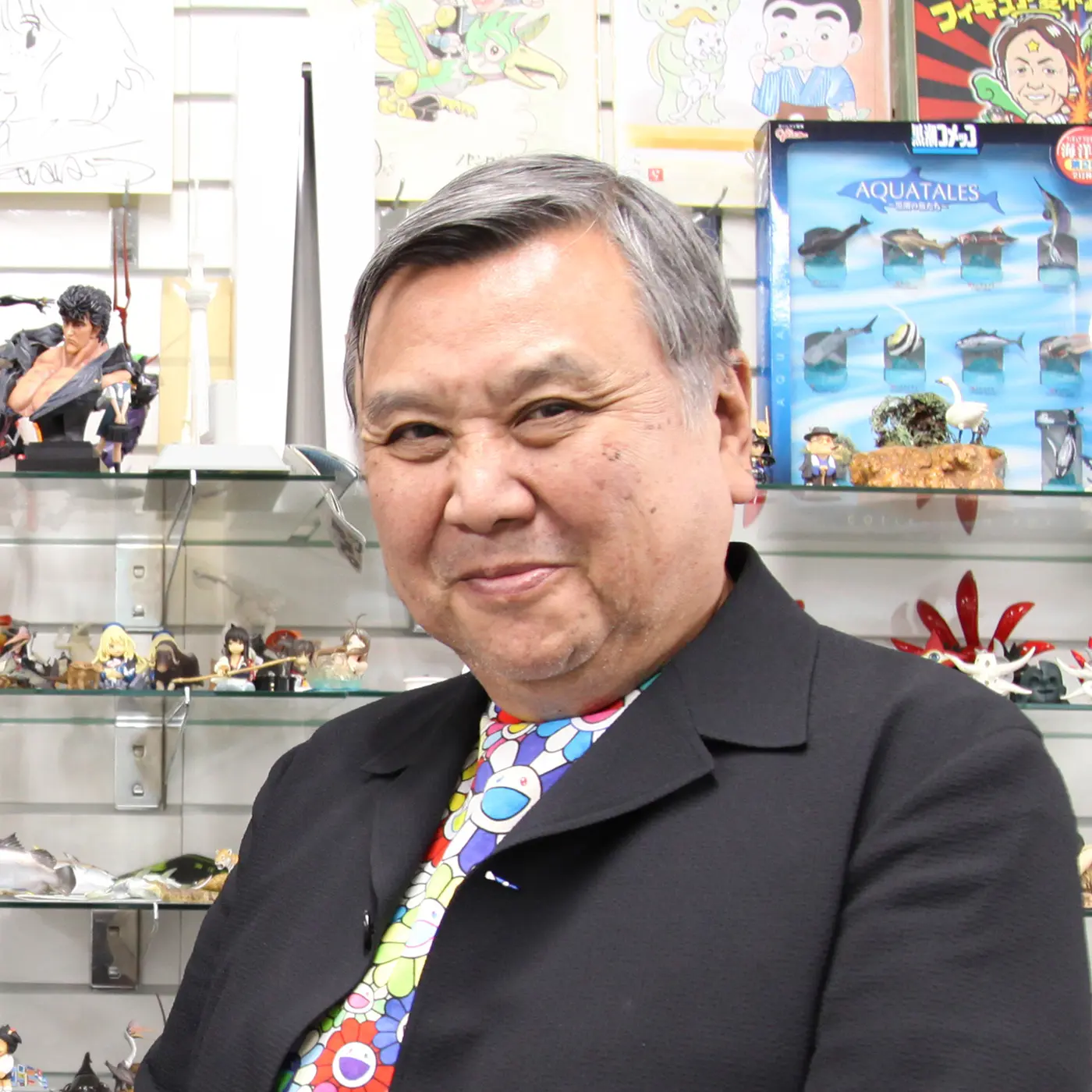
His nickname is "Senmu." He is a great lover of models and toys, and he hosts the world's largest modeling festival, "Wonder Festival," twice a year (as executive committee chairman). He is one of the world's leading collectors of plastic models, with a collection of over 40,000 items, and is the son of Kaiyodo founder Osamu Miyawaki. He embodies the Kaiyodo organization beyond his position.
Kaiyodo started as a model shop in Moriguchi City, Osaka Prefecture in 1964. Miyawaki Senmu's father, the previous owner, Osamu Miyawaki, was struggling to decide whether to open an udon shop or a model shop, and so Kaiyodo was the model shop he started.
Ogoshi Tomoe (hereafter Ogoshi): Thank you for joining us today. Kaiyodo originally started out as a 3.5 sq. m model shop, but how did it become the figure manufacturer it is today?
Miyawaki Shuichi (hereinafter Senmu): In the early 1980s, there were soft vinyl figures of monsters like Godzilla and Ultraman, but there were no sculptures of a quality that satisfied us, so we decided to create our own great models and share them with the regular customers who gathered at Kaiyodo, and we started creating them together.
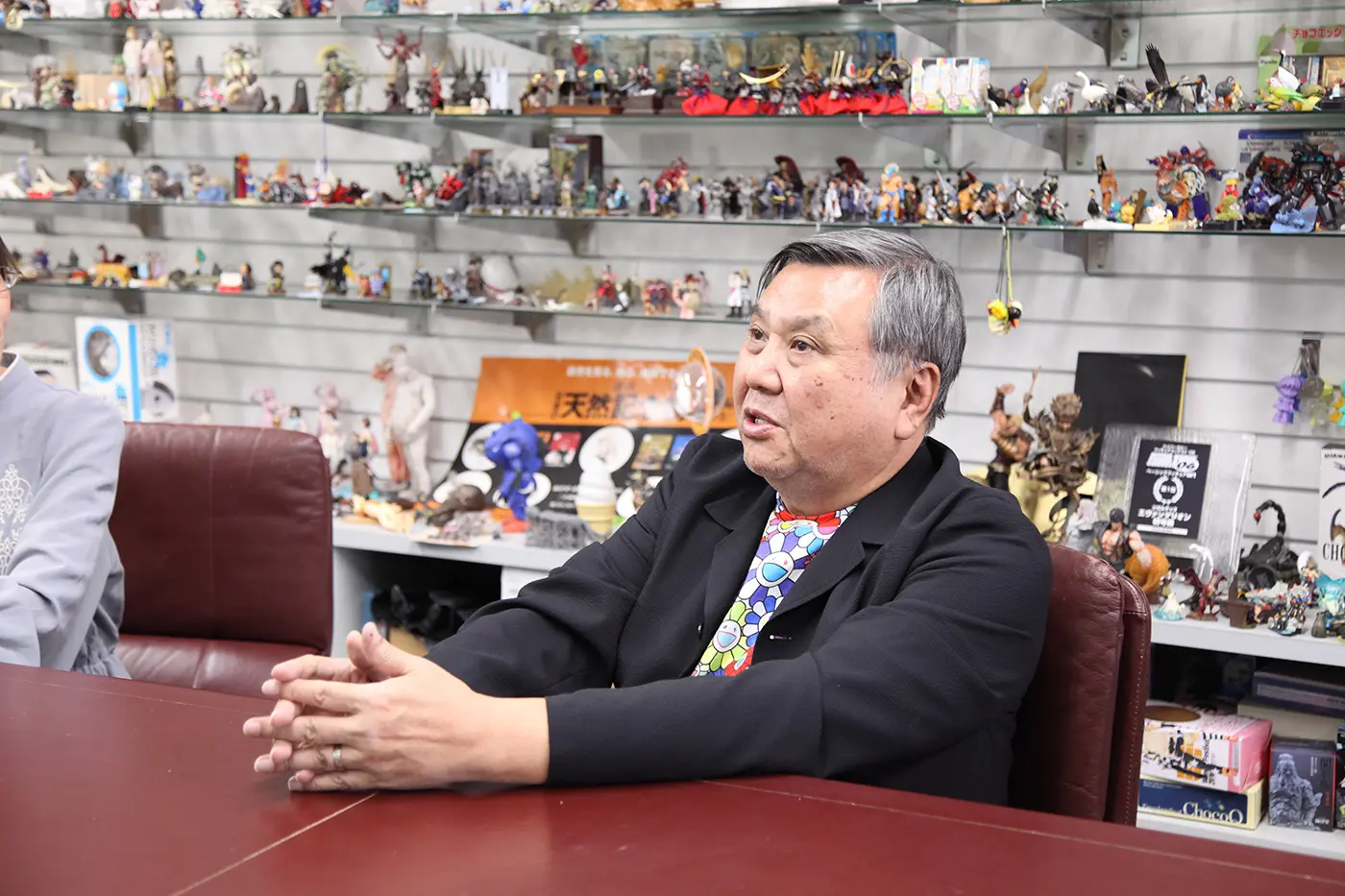
Oogoshi: It all started with the idea of "We want to create something that doesn't exist in the world yet, something that we ourselves want."
Senmu: At the time, our activities, from production to sales, were completely amateur. However, as we continued, we received offers from several copyright holders who held the rights to the characters, saying, "Why don't you get a proper license and start selling it?" We continued making the things we loved, and before we knew it, it had become a business.
Oogoshi: From the copyright holder! That's amazing... What was the trigger that brought all these fellow creators together at Kaiyodo in the first place?
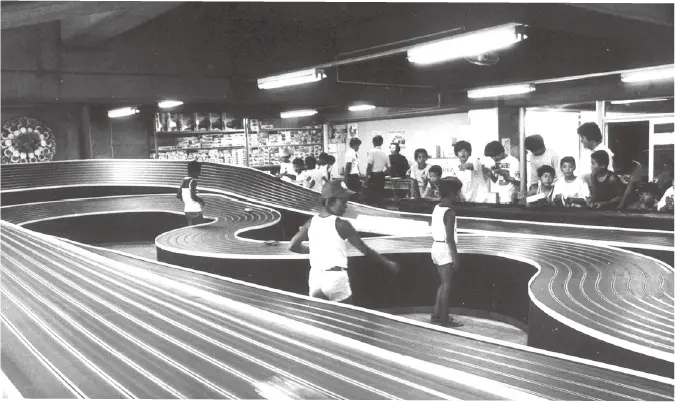
Senmu: It all started in 1977 when Director Miyawaki rented a 660-square-meter warehouse and built the Hobby Hall in Kadoma City to compete with the cram schools that were popular at the time. The Hobby Hall had slot racing, dioramas, exhibitions and a craft space, so young people started gathering there and bringing in their own creations.
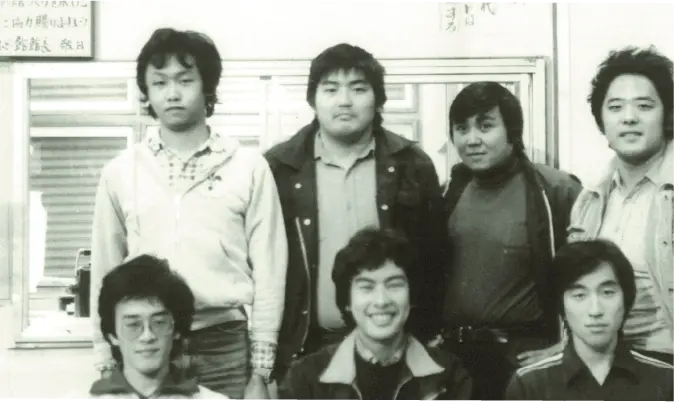
Senmu: BOME, a leading figure sculptor of "beautiful girl character figures" who received the Commissioner for Cultural Affairs' Award in 2022, was also one of our colleagues who was already working together at this time. A regular customer who loved making things started making fully scratch-built* works at the Hobby Museum, and from there the Garage Kid Creations team was born spontaneously.
*Full scratch build: A three-dimensional sculpture created from scratch using materials such as clay and putty.
From the smash hit "Chocolate Egg" to artworks, he has the overwhelming creative power to transform the universe into three-dimensional objects.
Ogoshi: I think Kaiyodo is a company that is widely known even among people other than anime and hobby fans. For example, many people know about "Chocolate Eggs," which was a huge hit during the candy toy boom.
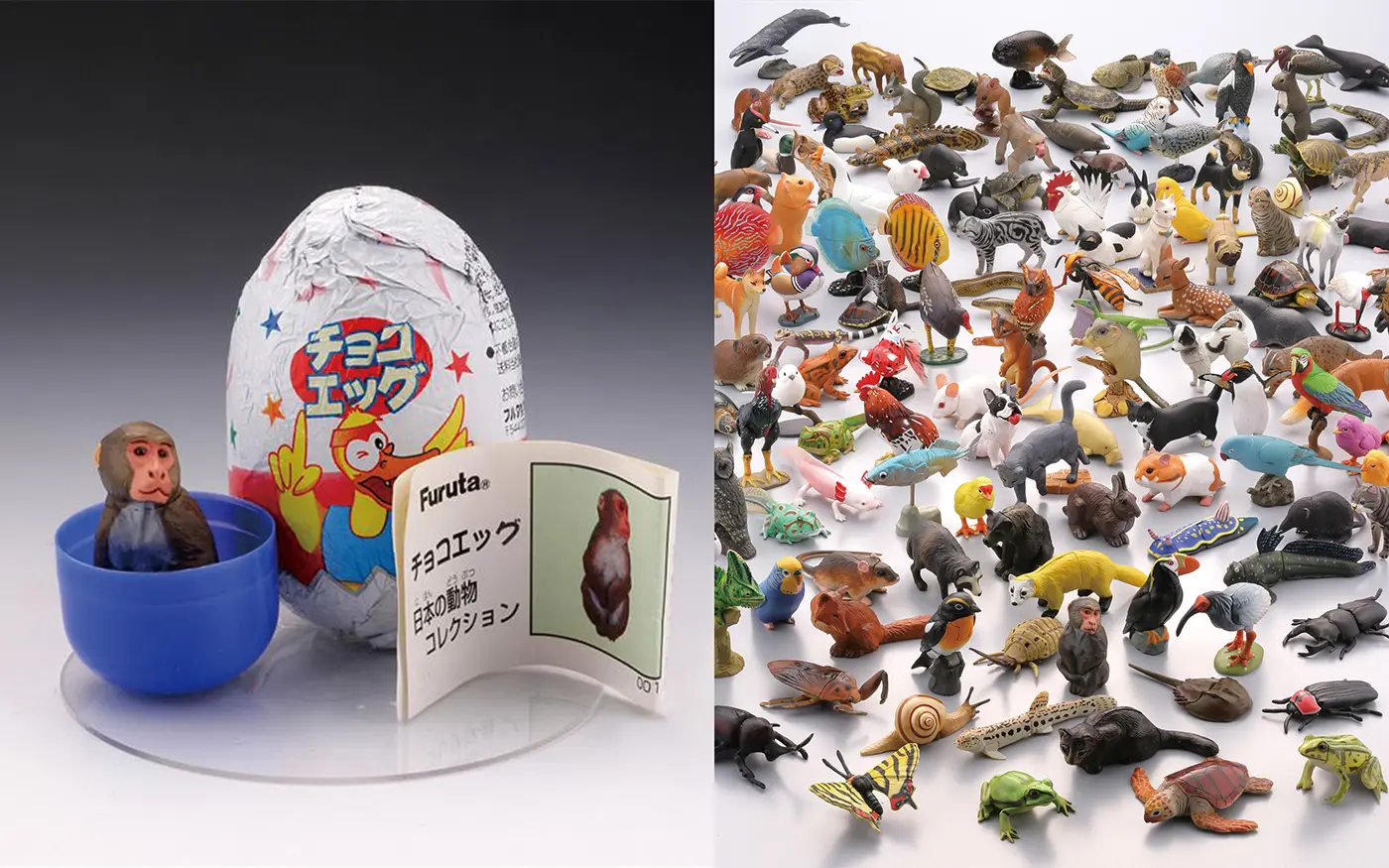
Senmu: The birth of the Choco Egg was revolutionary for us too. It was an unprecedented hit, selling 130 million units in three years.
Ogoshi: When I think of candy toys, I imagine a lot of them being character items. Why did Choco Egg have animal figures?
Senmu: Of course, I'm happy when products featuring popular characters become hits, but I think that's not the result of Kaiyodo's efforts, but more precisely, the result of relying on the power of the content. That's why I chose animals as the motif.
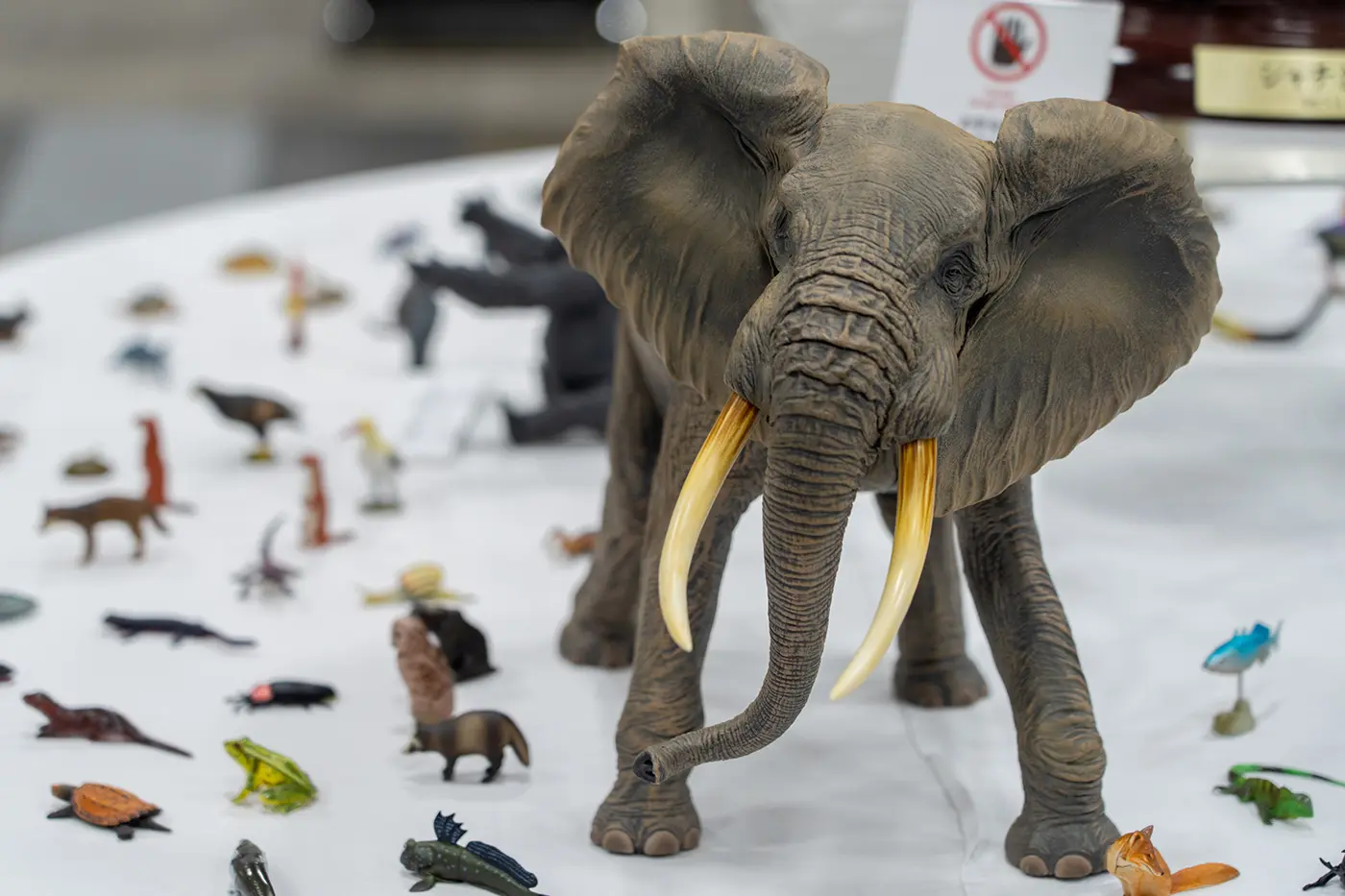
Ogoshi: I see. The Chocolate Eggs recorded explosive sales, which ultimately proved the incredible power of Kaiyodo's design skills. Did you have a premonition that they would become a hit?
Senmu: No, we're not aiming for a big hit at all. This isn't just limited to Choco Eggs, but Kaiyodo doesn't generally create products with the aim of becoming a hit.
Oogoshi: I see...!
Senmu: We have always continued to create with a "show off" spirit. Before we think about sales figures or other figures, our first priority is to show off to the world, saying, "We've created something amazing!" If we continue to have that "show off" spirit, the "God of Figures" will come down to us.
Ogoshi: Listening to you talk, I got the feeling that you just wanted to surprise everyone, and that's the spirit of "DOYA." And what about the "God of Figure Skating"?
Senmu: Even if you're not aiming for a popular item, sometimes a series of truly unexpected coincidences can result in an incredible hit. I call this phenomenon "the god of figurines descending upon us." The Choco Egg was a product that truly epitomized this.
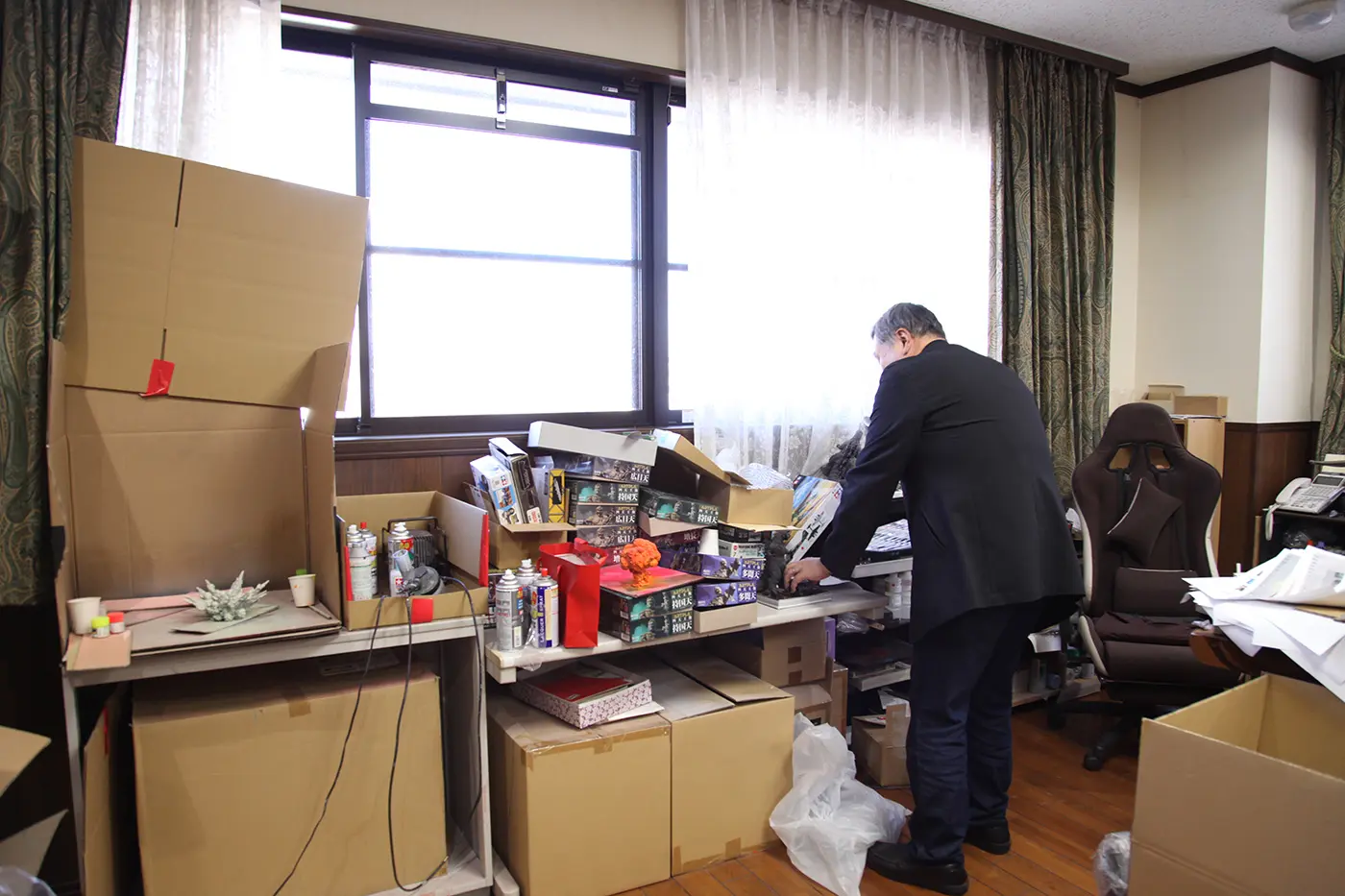
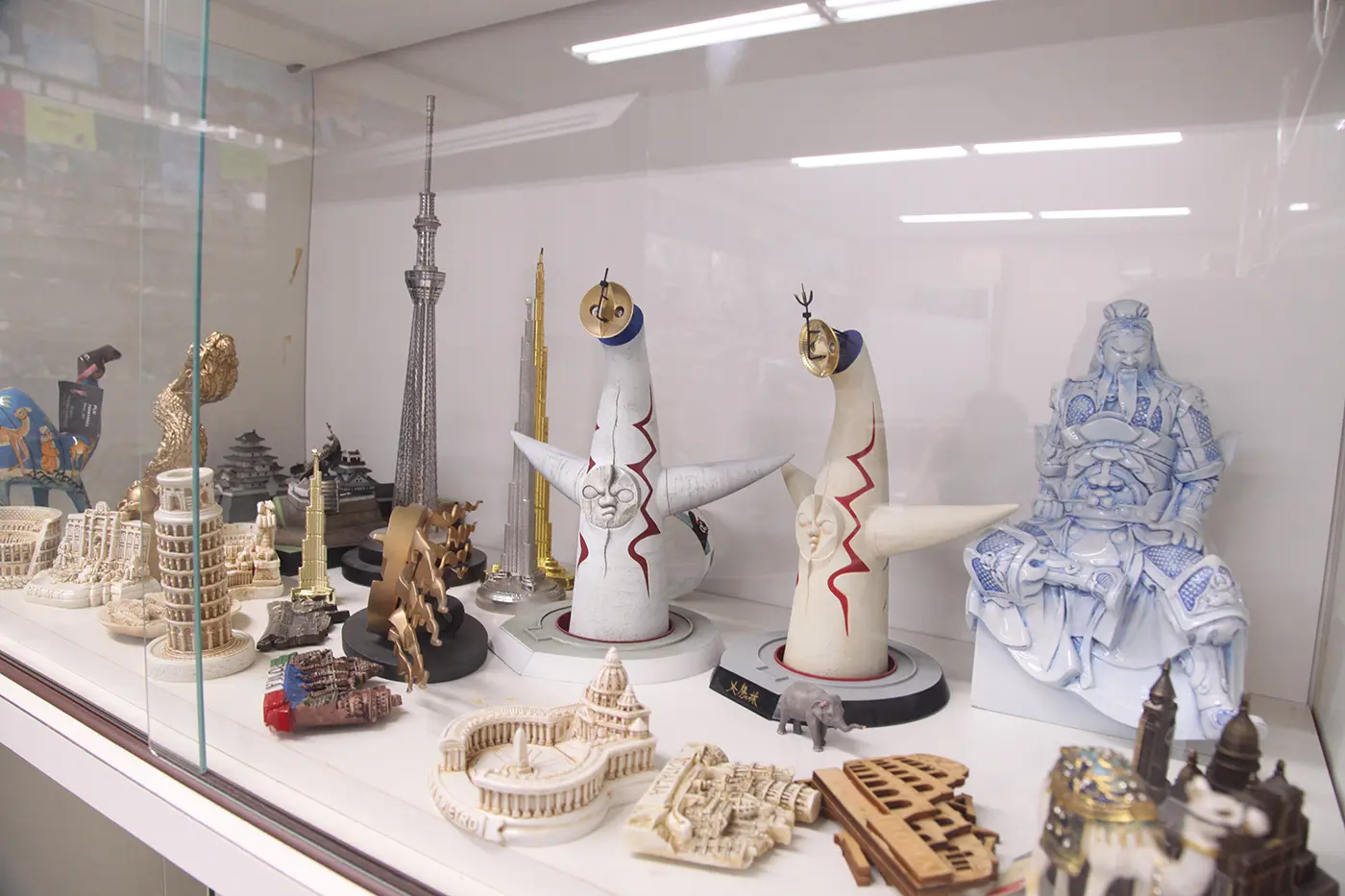
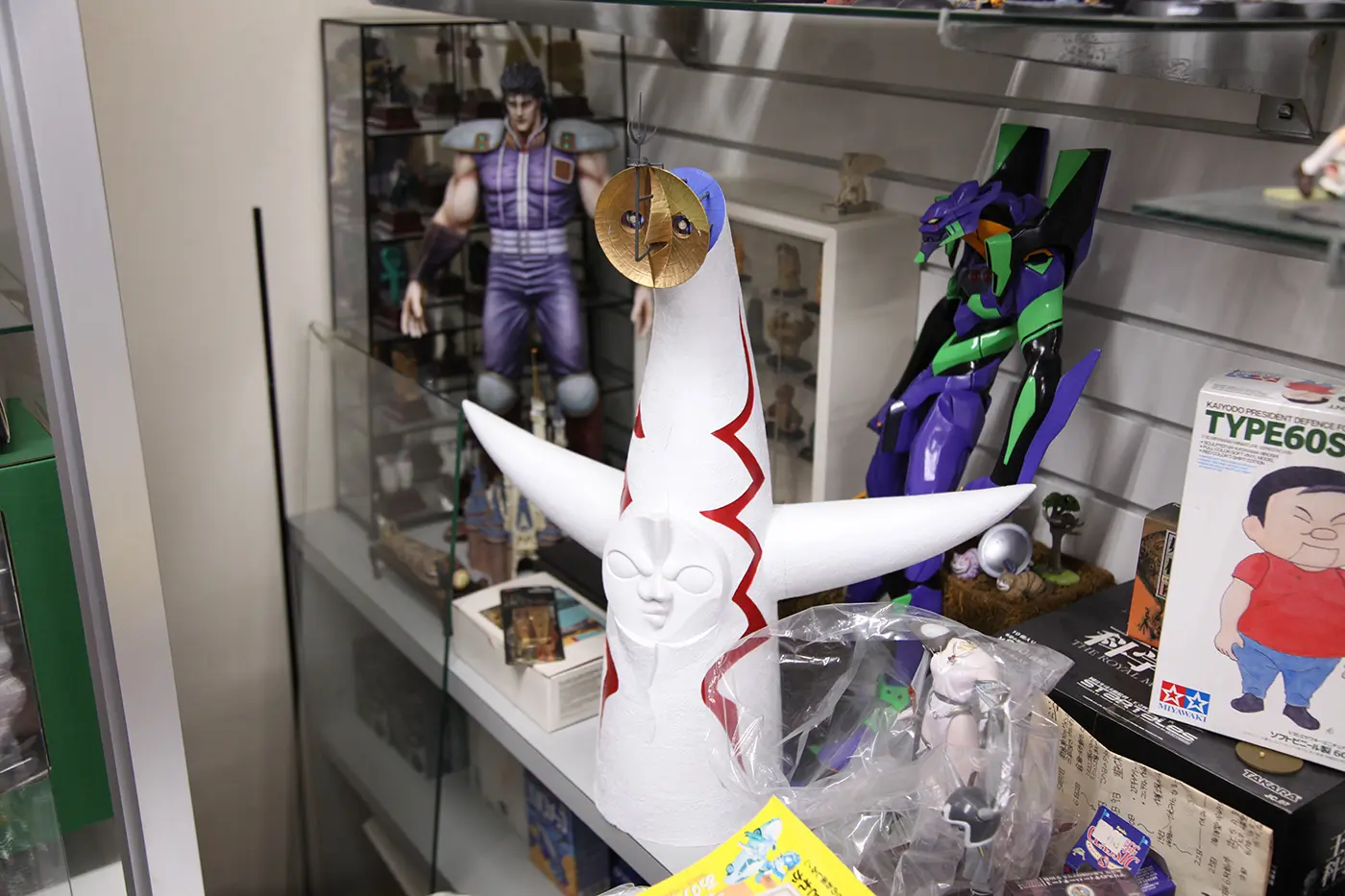
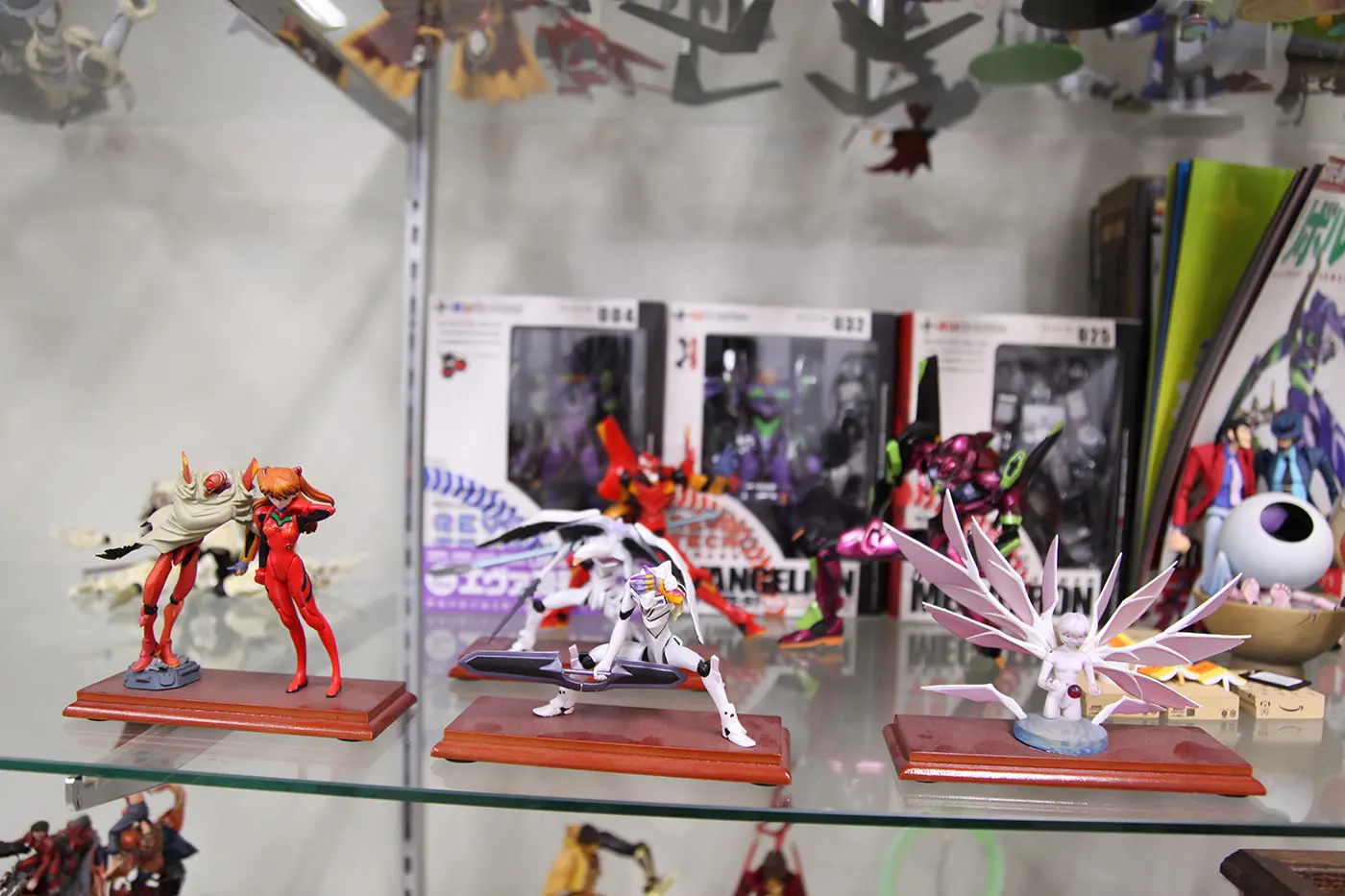
Ogoshi: Kaiyodo's products include animals, dinosaurs, and other creatures, as well as Buddhist statues. They are academic, historical, and so on. One of Kaiyodo's specialties is that they create universal themes that are not influenced by the popularity of their characters.
Senmu: At Kaiyodo, we use the "public domain," or what we call "all things in the universe" in Japanese, as our subject matter. As we continue to create things like this, we have collaborated with various museums and art galleries across Japan, including the Tokyo National Museum, to create many capsule toys, figurines, and other products. I think this is the result of Kaiyodo's creative skills being highly acclaimed.
Kaiyodo's major event for creators, Wonder Festival, is expanding globally. What future does Senmu Miyawaki envision?
Ogoshi: Speaking of Kaiyodo, the Wonder Festival* that began in 1984 has been a huge success every season.
*Wonder Festival: commonly known as "Wonfes." A figure exhibition and sale event hosted by Kaiyodo.
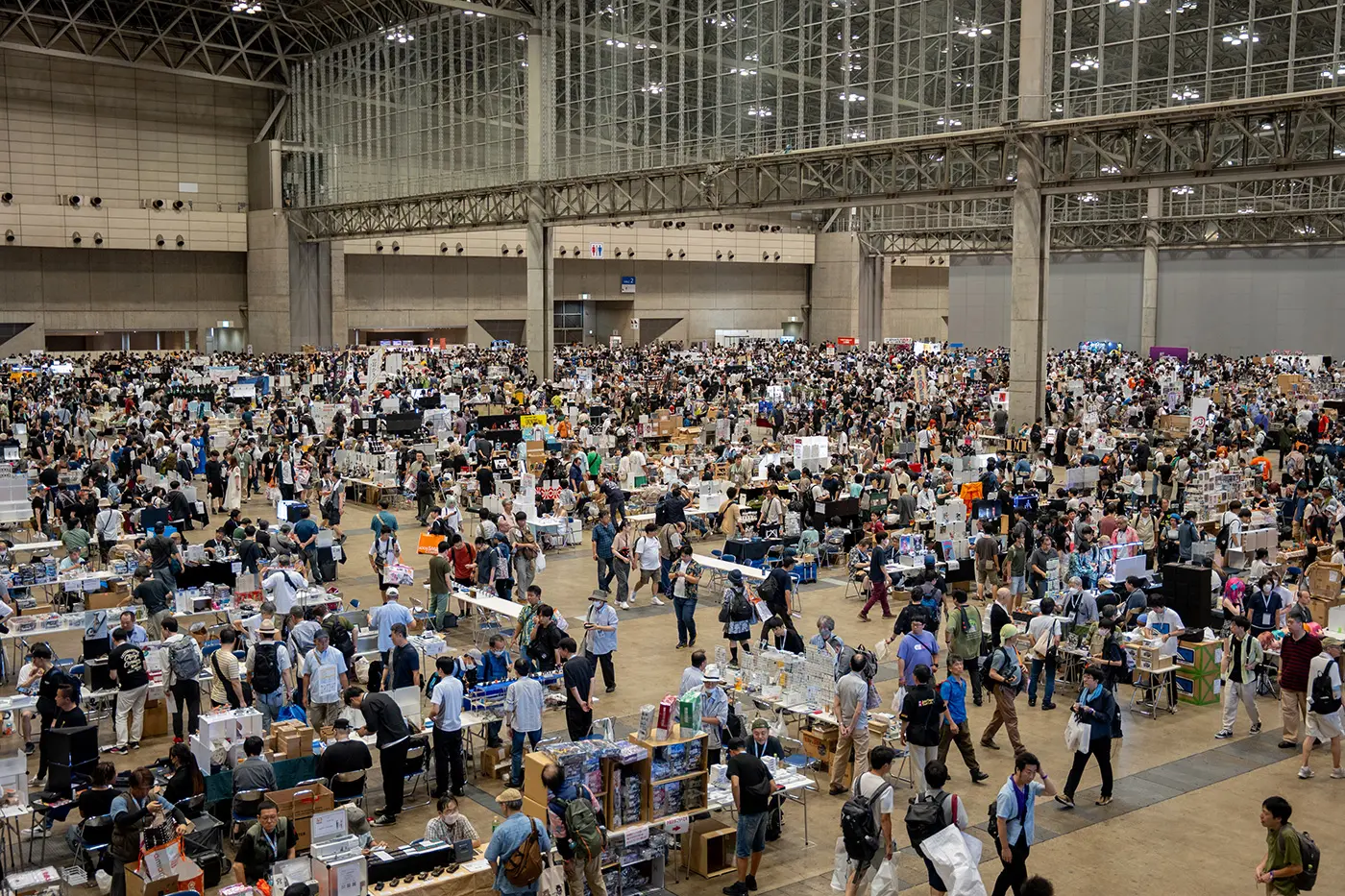
Senmu: Thanks to you, we are now holding the festival overseas as well. This year we are holding it in China and South Korea, and next year (2026) we are planning to hold it in the United States, where we are planning to collaborate with the hugely popular local event, MomoCon*, to hold "Wonder Festival at MomoCon*."
*MomoCon: A large-scale anime, game, and comic event held in Atlanta, USA.
Ogoshi: I've been attending this event for over 25 years, since before I started working in the hobby industry. What are the differences between Wonder Festivals in Japan and overseas?
Senmu: The amount of respect overseas for writers and artists is incredible! Thankfully, the name "Kaiyodo" and my face are widely known among people overseas, and people often ask for my autograph. I also get the impression that events such as autograph sessions with Japanese sculptors and creators are more popular overseas.
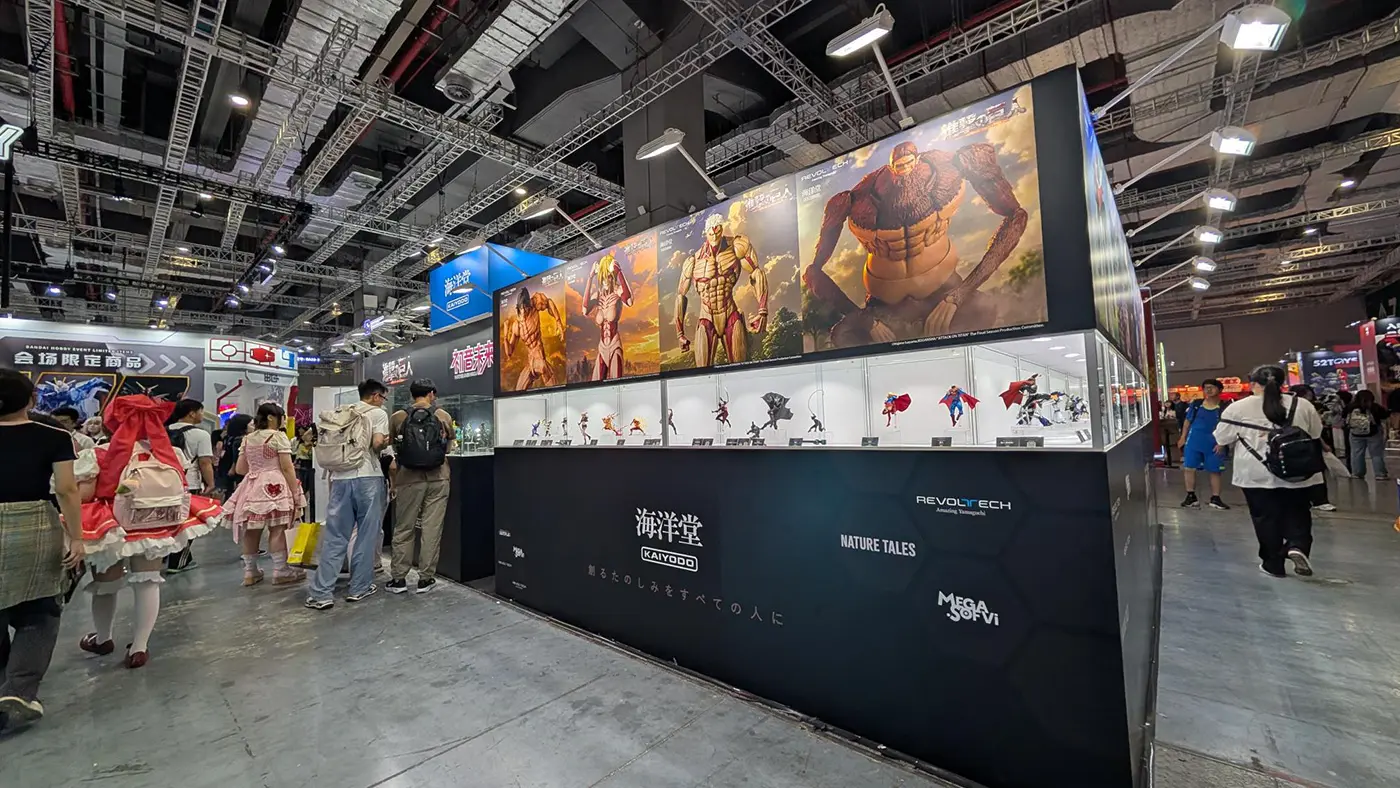
Ogoshi: The atmosphere is different from the Wonder Festival in Japan. I would love to go to a Wonder Festival overseas! But first, why has Kaiyodo been holding Wonder Festivals for so long?
Senmu: Kaiyodo sees Wonder Festival as "a symbol of figurine culture." Wonder Festival is an extremely unusual event that focuses not on companies but on dealers (artists). If other companies were to plan a large-scale event like Wonder Festival, I think it would end up being a very corporate event that fully promotes the content that the company has.
Ogoshi: That's true! Wonder Festival is an event unique to Kaiyodo for its creators. Kaiyodo is not only known as a "global figure manufacturer," but I think they are also highly regarded for their achievements in continuing to play a role in "uniting figure culture" through Wonder Festival. As someone who has been attending Wonder Festival for many years, I am deeply moved to see that Wonder Festival has spread throughout the world.
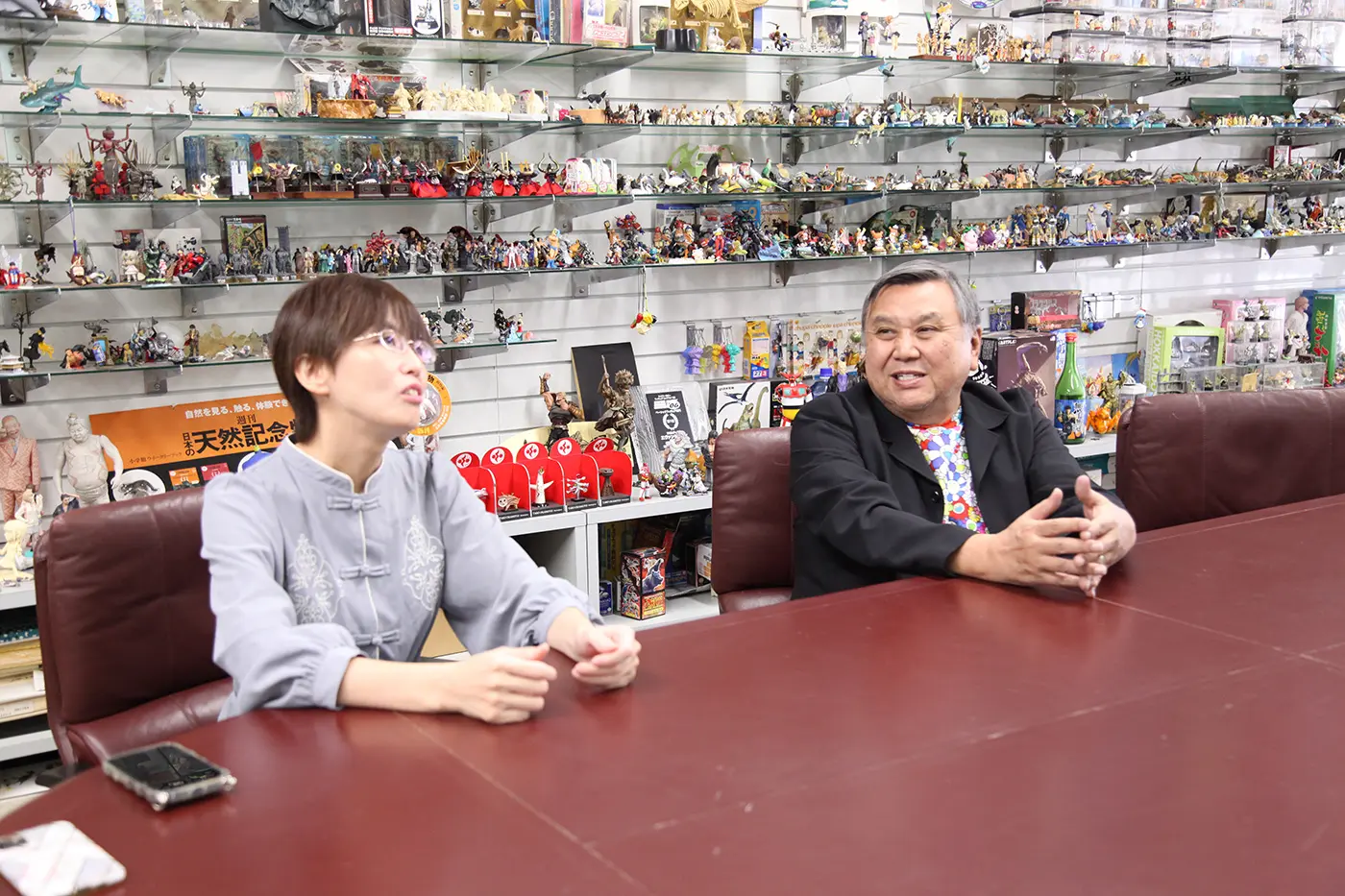
Ogoshi: By the way, why does Kaiyodo continue to be based in Osaka when many plastic model and figure manufacturers are based in Tokyo?
Senmu: I think Tokyo is a great place to do business. It's very important to go there frequently to gather information, participate in events, and spread the word about ourselves.
However, Kaiyodo has always valued "what we like" and "what we want to do," so we wanted to avoid losing focus due to an excessive amount of information. I think it was precisely because we were in Osaka that we were able to focus on creating something that we could be satisfied with.
Ogoshi: I see. So Kaiyodo, is there anything you would like to try next?
Senmu: To put it bluntly, to surprise everyone. Thankfully, Japanese figures are now a big hit all over the world, and I think if we continue to make character figures, the numbers will only increase. But, regardless of marketing, my desire to continue making things that make us want to show them off to others and say, "Look at this!" has not changed.
Oogoshi: So you're coming back to Doya after all! I'm looking forward to seeing many amazing works coming out of Kaiyodo. Thank you, Senmu!
Kaiyodo started out as a model shop of just 3.5 square meters over half a century ago. From Senmu's story, we were able to see the "Doya" spirit that has remained unchanged even now that Kaiyodo has become a global figure manufacturer.
"However, we also have them think about marketing and overseas strategies!" says Senmu, and we spoke to Zhang, who handles overseas expansion in the figure division, about promotions and overseas expansion.
First there is the author's belief, and then fans are born. What is Kaiyodo's "reverse marketing theory"?
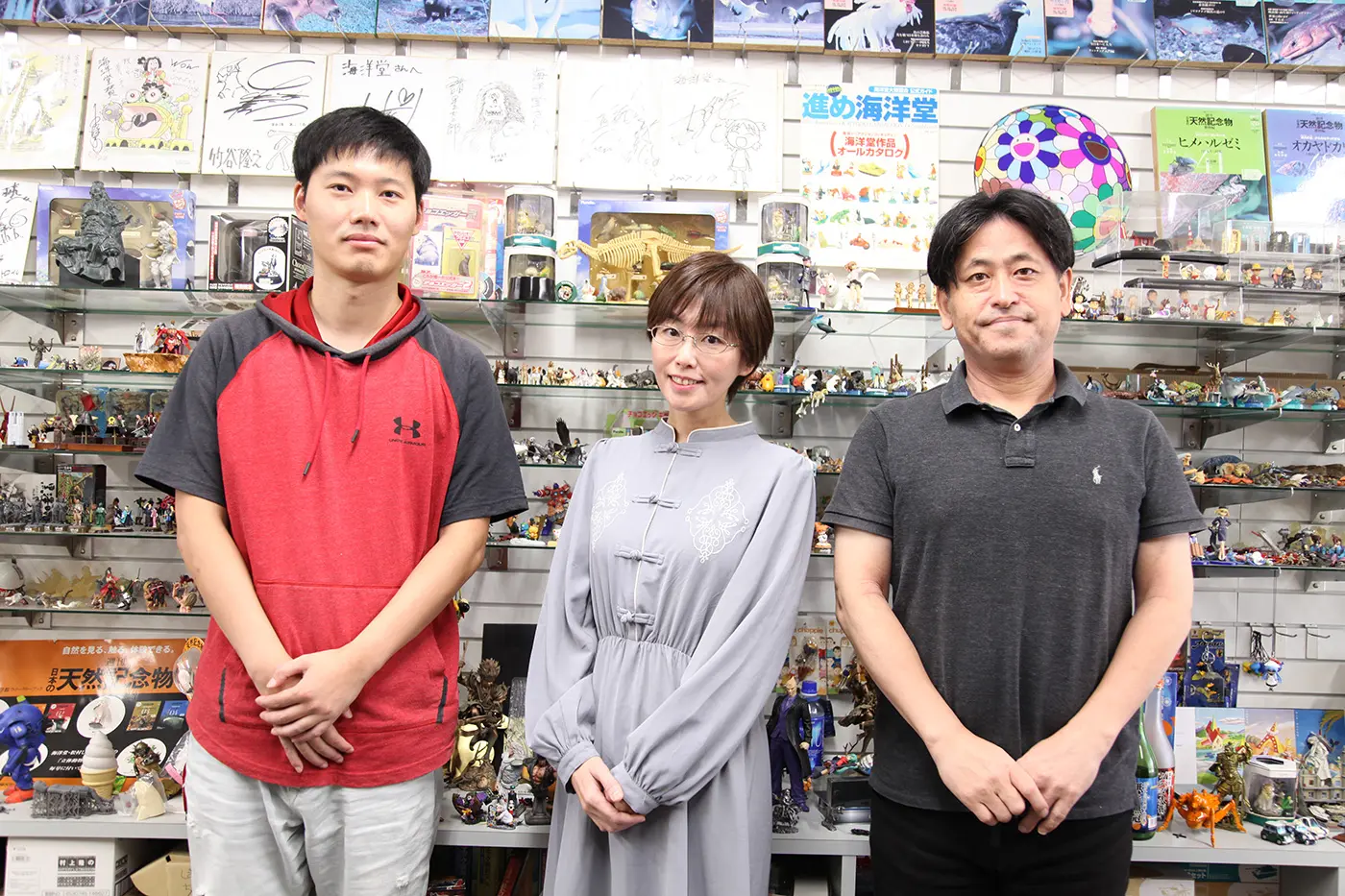
Ogoshi: Kaiyodo products are popular overseas as well, but what exactly is the secret to their popularity?
Zhang: The basic principle of running a company is to work backwards to determine the demand in the market and then create a product. However, Kaiyodo is a unique company that continues to make what they want to make, not based on marketing, but with a "doya" spirit. I think the reason for their popularity is that their charisma and high level of technical skill have naturally spread overseas.
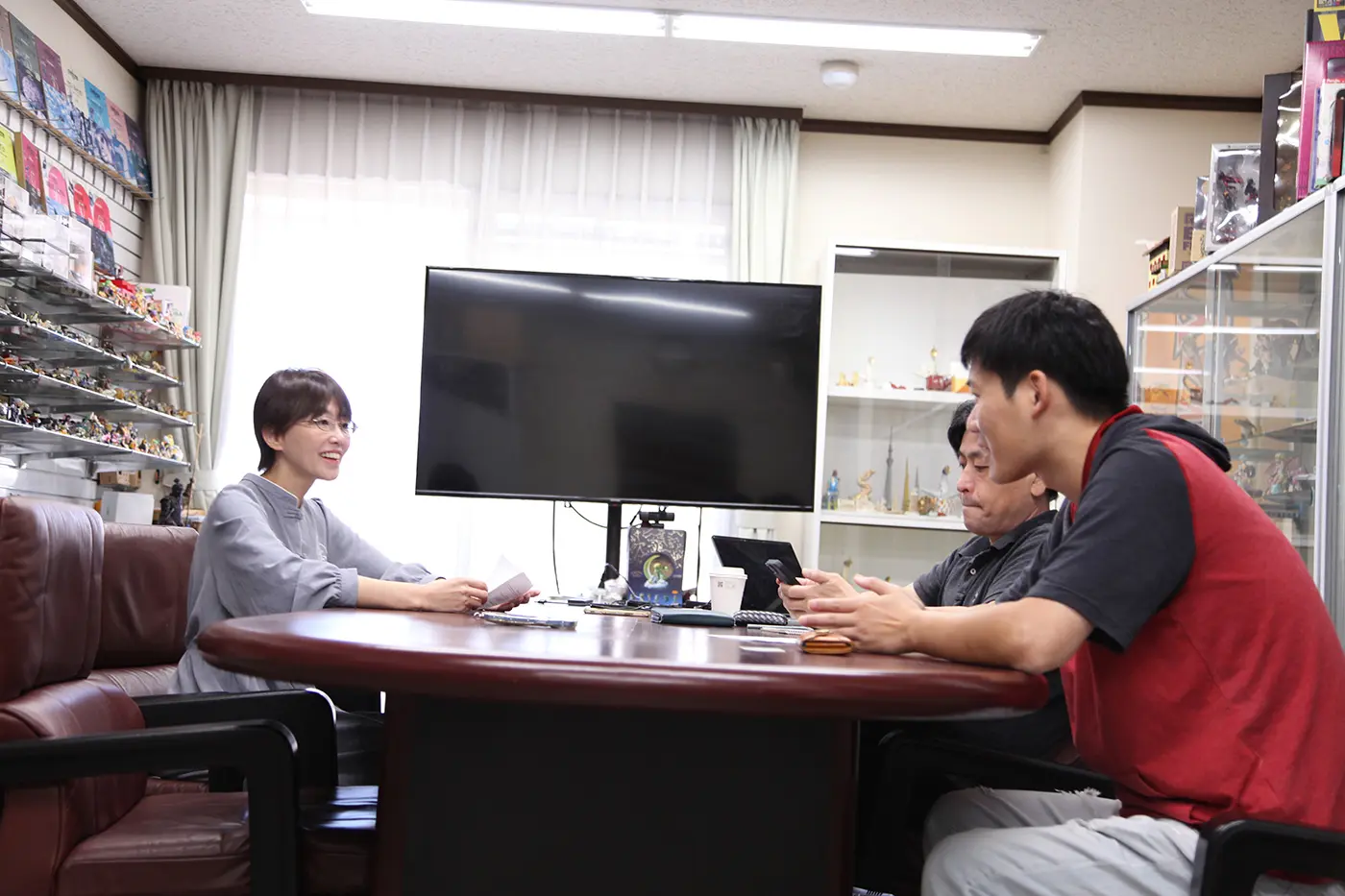
Zhang: Actually, it's only been in the last few years that Kaiyodo has begun to take steps to fully expand overseas. We currently do business with companies in China, the United States, Italy, Germany, Australia, Indonesia, South Korea, Taiwan, and Hong Kong. We are also currently working on making the official Kaiyodo and Wonder Festival websites multilingual.
Ogoshi: Kaiyodo has a strong image as a global figure manufacturer, but it's only been in the last few years that you've begun distributing your products overseas. What products are particularly popular overseas?
Zhang: Kaiyodo's popular "Revoltech*" series is also popular overseas. It has become a huge hit among hobby fans overseas, with the idea that "when you think of action figures, you think of Revoltech."
*Revoltech series: An action figure series released by Kaiyodo. Based on the "Yamaguchi-style articulation" devised by Kaiyodo sculptor Katsuhisa Yamaguchi, these revolutionary action figures incorporate a movement system called a "revolver joint" into the joints, allowing for dynamic poses.
The American comic-themed Amazing Yamaguchi* brand is also in high demand overseas, and offers products featuring characters that are popular overseas, such as Deadpool, the Joker, Batman, and Harley Quinn.
*Amazing Yamaguchi: A type of Revoltech series. This popular work features a variety of American comic book characters in attractive three-dimensional form, with sophisticated movement gimmicks and precise modeling using the "Yamaguchi-style movement."
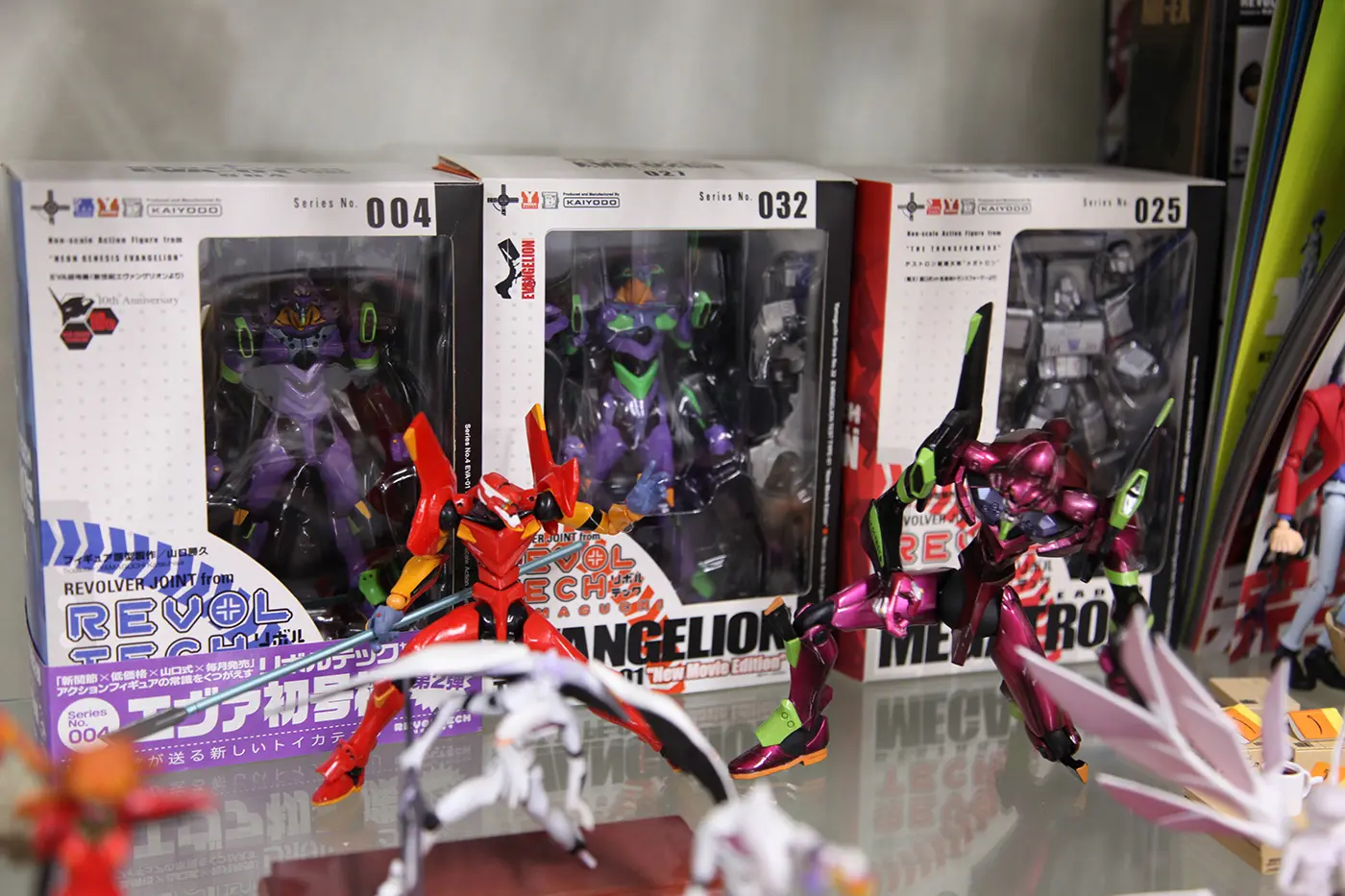
Ogoshi: Was "Amazing Yamaguchi" originally developed with overseas markets in mind?
Zhang: No, that's not the case. "Amazing Yamaguchi" is a product created with the needs of hobby fans who want to recreate scenes from anime and movies in mind. Also, sculptor Katsuhisa Yamaguchi is a personal American comic book fan, and he had a strong desire to "create a product with a focus on the range of motion, even for American comic book characters," which led to the product being made.
Oogoshi: This series was born as a result of Yamaguchi creating what he wanted to create.
Zhang: In a normal company, if the president and employees only make what they want to make, it's only natural that profits will suffer. However, Kaiyodo has continued to do things that other companies don't, and this is what has made it possible for it to become a figure manufacturer that stands out from the rest.
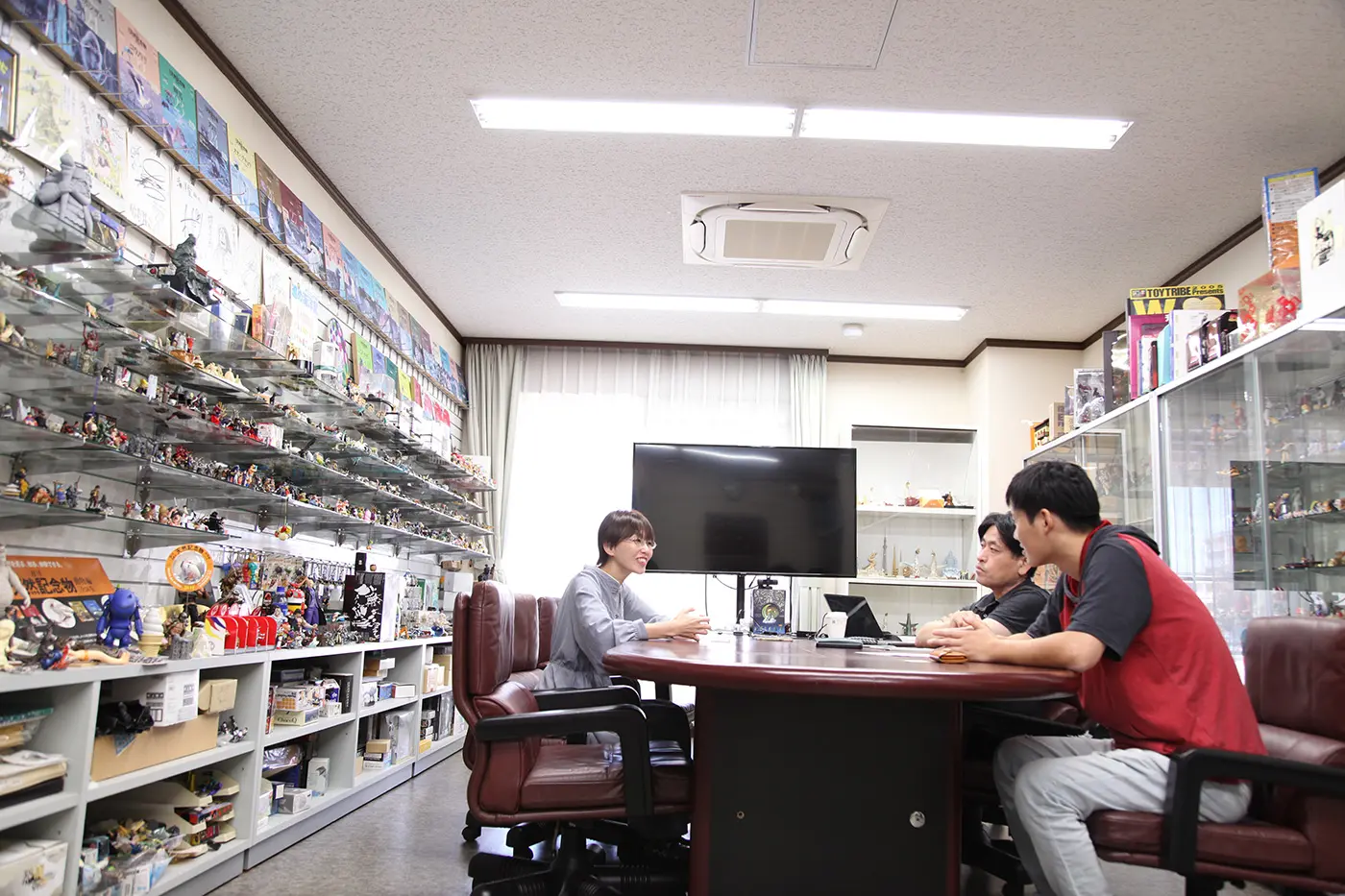
Ogoshi: But isn't it difficult from the perspective of sales and promotion? Especially in overseas markets...
Zhang: That's right. With the aim of making the most of the strengths and individuality that Kaiyodo has cultivated over the years, I study user opinions, the demands of overseas markets, and the products of our competitors, and I think every day about how to further popularize Kaiyodo's products both domestically and internationally.
Ogoshi: "My Hero Academia," which has a similar story structure to other superhero works overseas, is popular overseas, and "Attack on Titan" is popular in China. Japanese manga and games continue to be popular overseas.
Zhang: American comics such as the DC Comics series, including Batman, and the Marvel series, including Spider-Man, are popular in China and the United States. The Evangelion series, which has been in the product development since it first aired on TV in 1995, is also a standard Kaiyodo title. Popular works vary by country, so we are always conscious of this when making sales.
The technology leaps forward precisely because artists from different generations come together. Kaiyodo's future as it transitions to a completely digital world
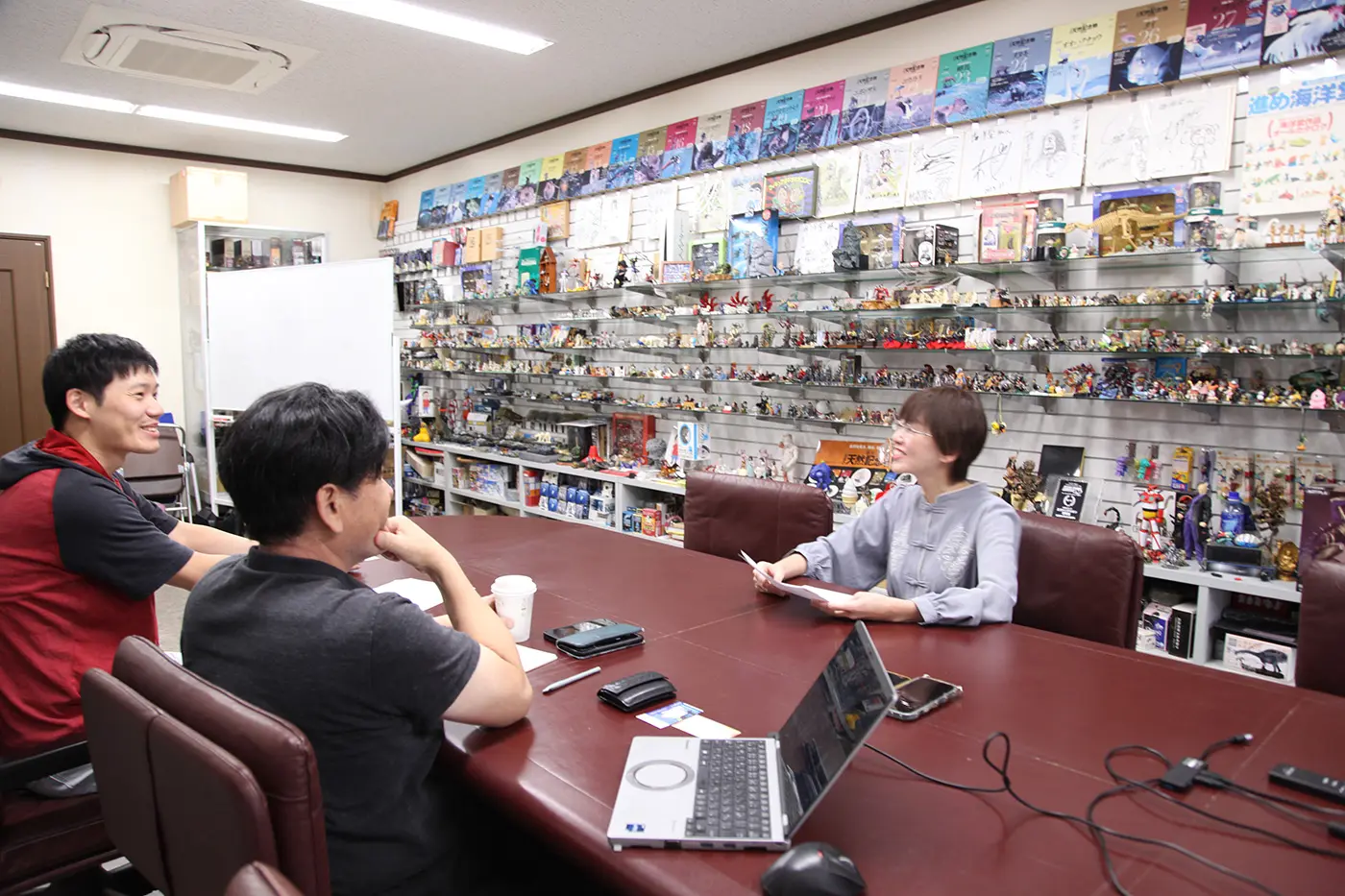
Ogoshi: Until about 10 years ago, the mainstream method of creating prototypes using clay or putty was still "hand sculpting," but has Kaiyodo adopted digital methods as well?
Zhang: In recent years, we have welcomed many young employees, including those in their 20s, into our company, and we have been conducting research into digitalization and mass-producing realistic models. Currently, all of our employees are transitioning to digital modeling.
Ogoshi: What? Everyone? Even the veteran employees?
Zhang: Yes, that's right. By moving to digital, we can digitize and share know-how, which makes it easier for younger employees to learn from veteran techniques. Also, veteran prototype makers can learn the latest techniques from younger employees, so we have an environment where employees can improve each other's skills regardless of their background.
Ogoshi: Listening to everyone, including Senmu, I really feel that the driving force behind Kaiyodo is the "doya" spirit. I'm excited to think that the Kaiyodo spirit will be passed on to the younger generation of sculptors, and that many more amazing things will be born in the future.
Zhang: After all, if the artist doesn't enjoy making it, it's no fun for us who promote it. We want to spread the excitement of our creations to hobby fans all over the world through the works we create, cherishing our own excitement.
Ogoshi: I look forward to seeing more of Kaiyodo's work in the future!
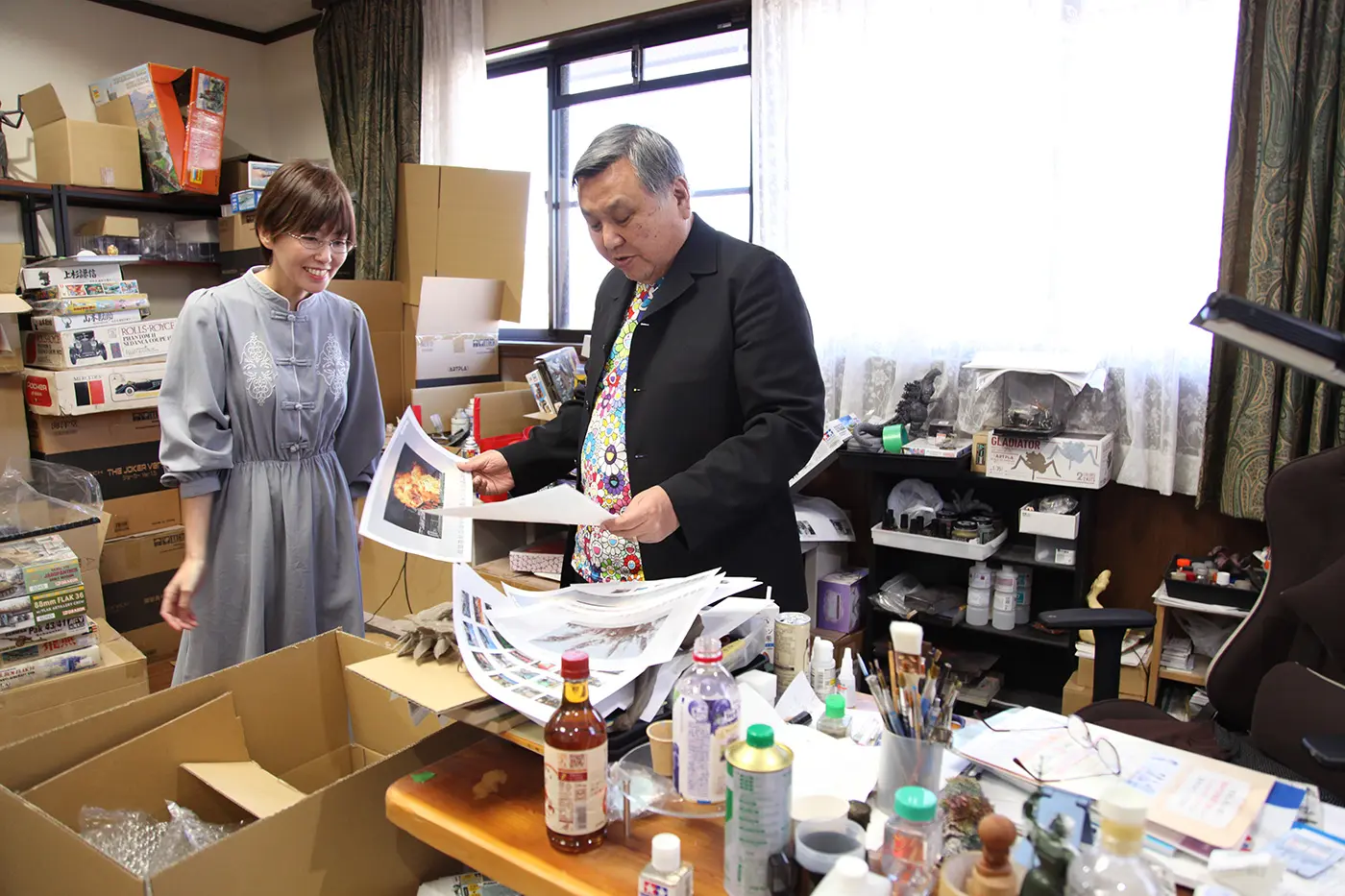
Kaiyodo's modeling techniques fascinate not only hobby enthusiasts, but people of all ages and genders, from small children to adults. In addition to Kaiyodo's philosophy of "making what we think is good and what we want to make," we also heard about their company-wide drive to promote technological innovation and their unique marketing practices. This interview left us convinced that Kaiyodo will become an even more sought-after manufacturer around the world in the future.
Kaiyodo is currently in the process of preparing an online shopping site for overseas customers. However, some IP figures* are only available in Japan, so overseas fans should definitely visit Kaiyodo's base in Osaka and search for the figure of their dreams in store!
*IP figures: Works based on characters from existing works such as manga and anime.
Get your hands on Kaiyodo products! 3 stores with a wide selection of figures
1. Kaiyodo Figure Museum Miraiza Osaka Castle
The museum displays over 3,000 Kaiyodo works, divided into 10 areas according to their motif. In the attached shop, you can purchase the latest Kaiyodo figures and museum-exclusive goods.
As a gift for visitors, you can receive can badges of popular works such as Evangelion and Godzilla, or Fairy Tales figures!
2. Joshin Super Kids Land Main Store
Located in Nihonbashi, Nipponbashi, this is one of Japan's largest specialty model shops. From the first to fifth floors, you'll find a wide selection of Gundam plastic models, figures, trains, dollhouses, and other models that are popular both in Japan and overseas. Of course, they also have a wide variety of Kaiyodo products.
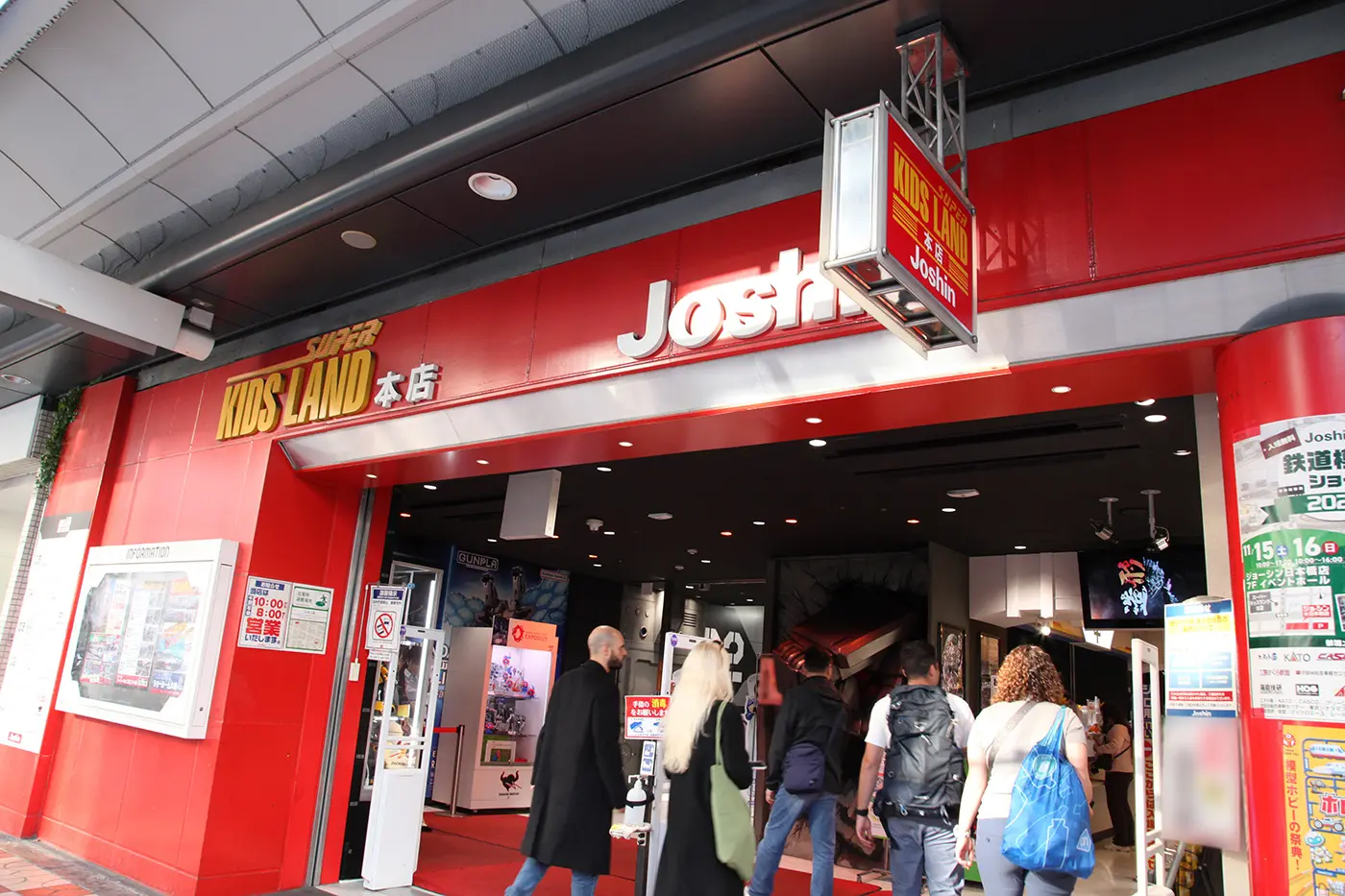
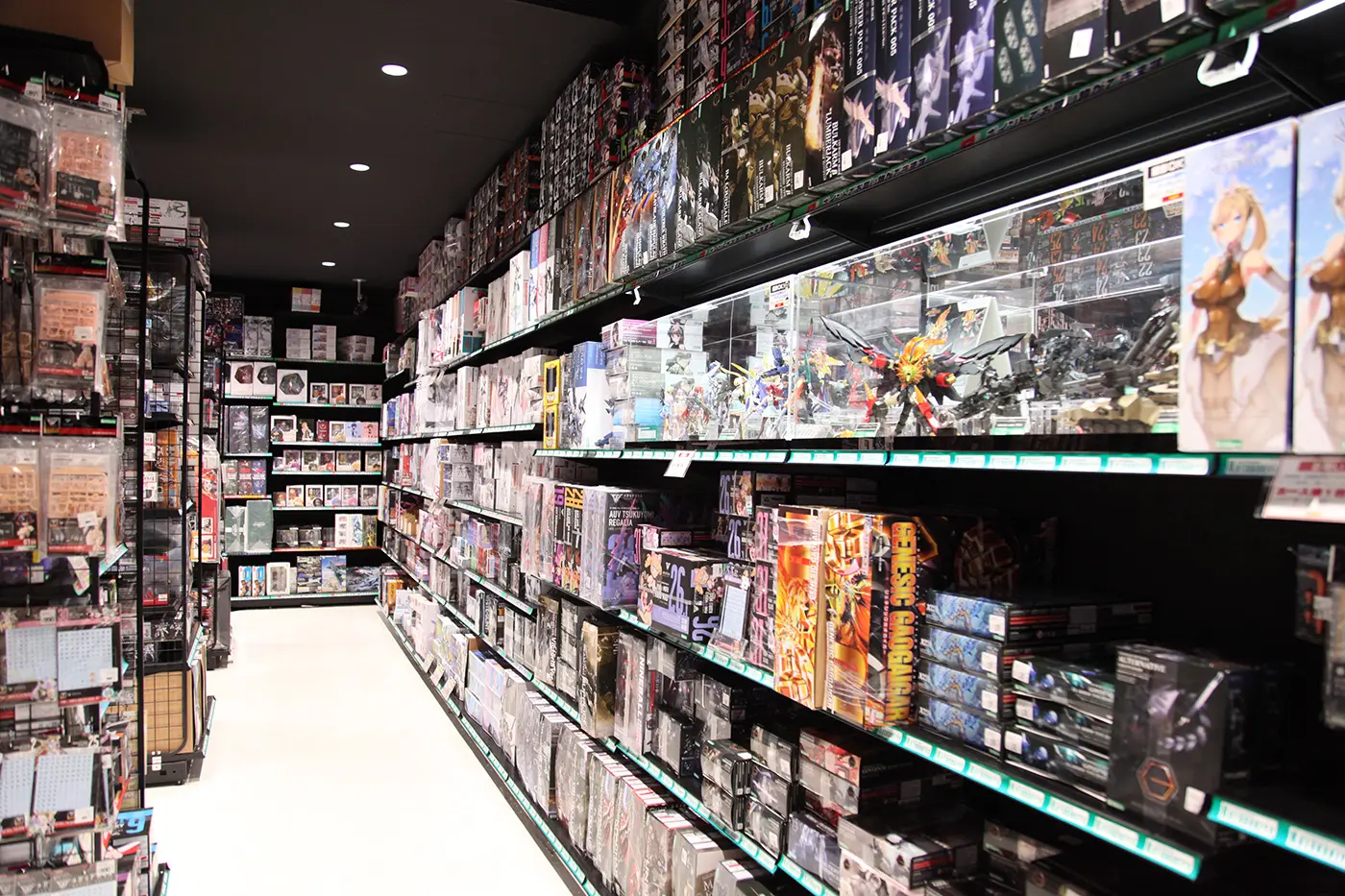
This is a memorable store for me, as I also had the opportunity to hold a book signing event there. The entire building is dedicated to models, so you could have fun there all day!
3. Yodobashi Camera Multimedia Umeda
Conveniently located just a short walk from JR Osaka Station and Umeda Station, it's a landmark in the Osaka Kita area. In the hobby section on the fifth floor, there's a showcase where Kaiyodo employees gave advice on display! Enjoy some shopping while you're sightseeing.
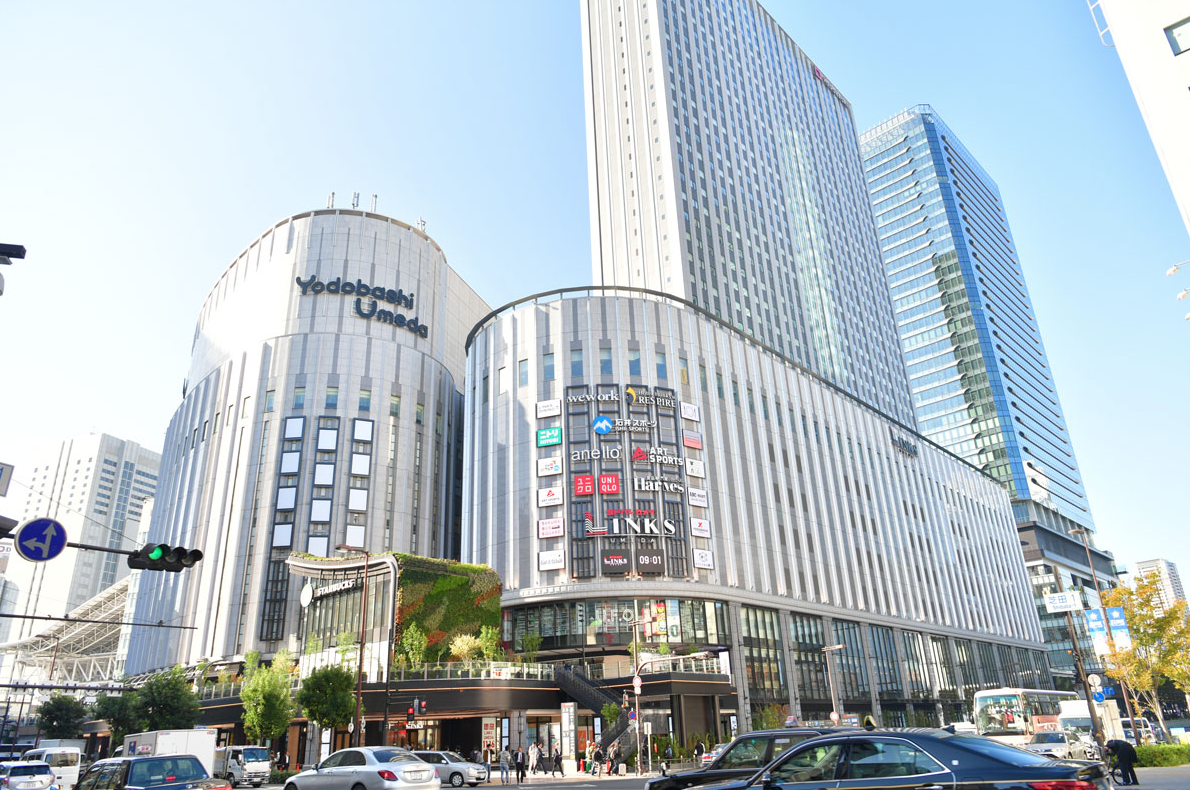
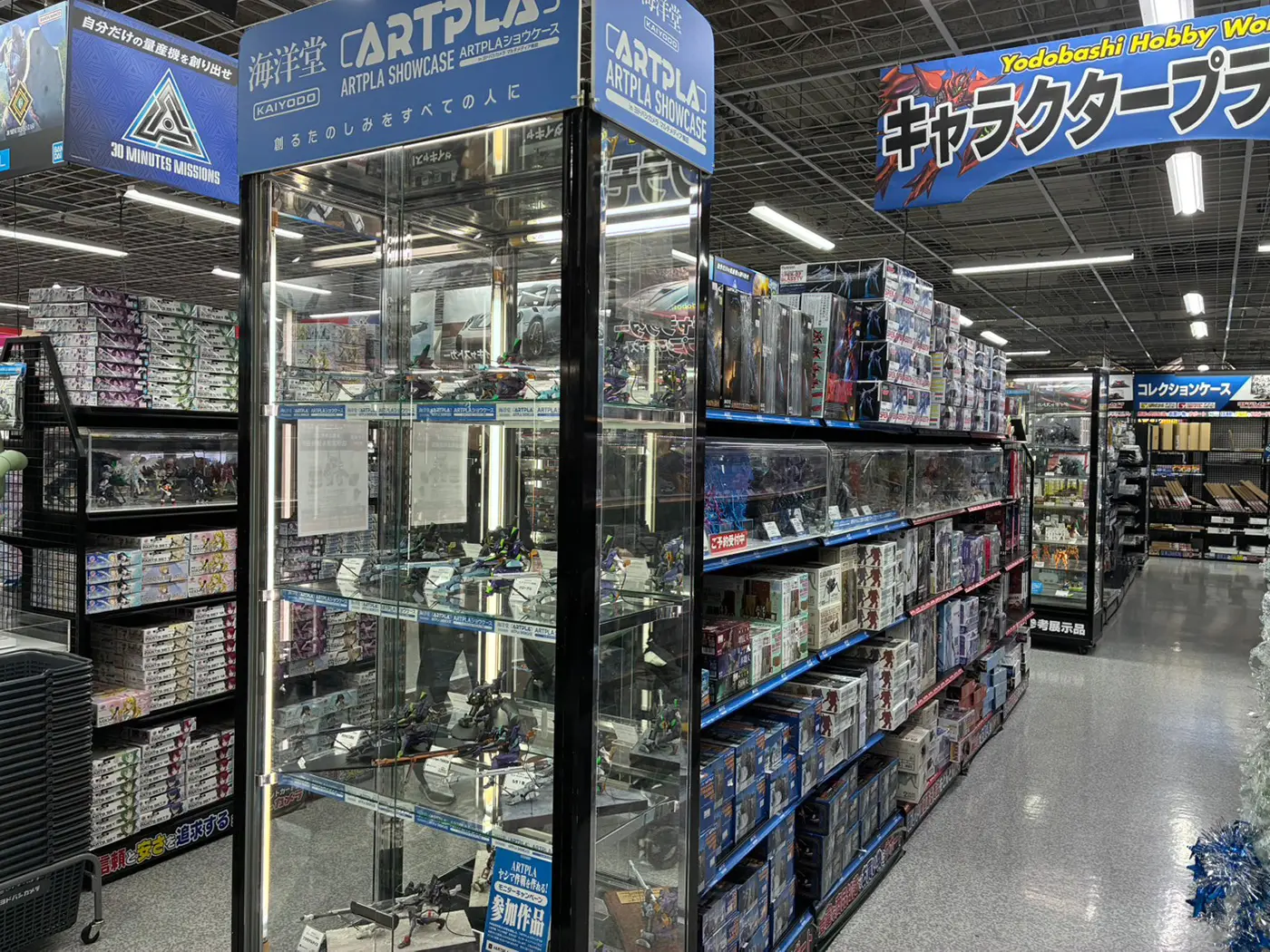
This shop has held many events, including a "Diorama Making Workshop." It's conveniently located right next to Osaka Station!
*The information in this article is current as of February, 2026. As details may have changed, please check the official websites of the facilities and stores for the latest information.
Photo: Julie Watai
Edit: Aya Watanabe
Direction: Ningen Henshusha
