 Copy Link
 X
X
 Facebook
 LINE
LINE
 LinkedIn
 Pinterest
 WhatsApp
 KakaoTalk
 NAVER
NAVER
 Weibo
Weibo
 WeChat
 Mail
Mail
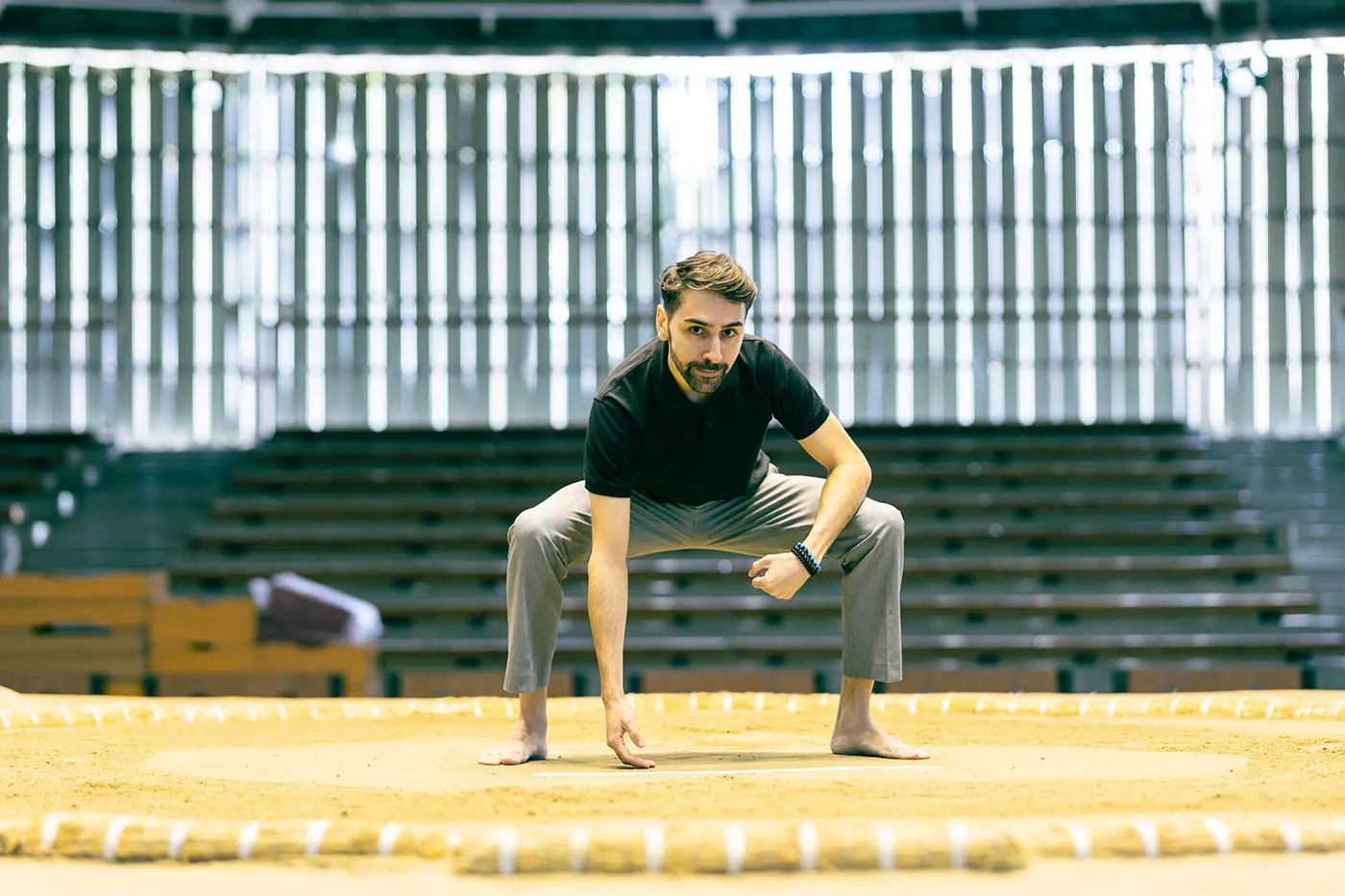

Ohama Park Sumo Stadium in Sakai City, Osaka, is a mecca for amateur sumo, known only to those in the know. Experience the ring-entering ritual and salt-throwing rituals for yourself, and feel the weight of the historic ring. Nearby, you'll also find Ohama Park, where traces of the facility once known as "the best in the Orient," the Mizuno Training Center, associated with student sumo, and a chanko restaurant run by a former sumo wrestler. Enjoy a day of sumo culture from every angle.
Related Tours
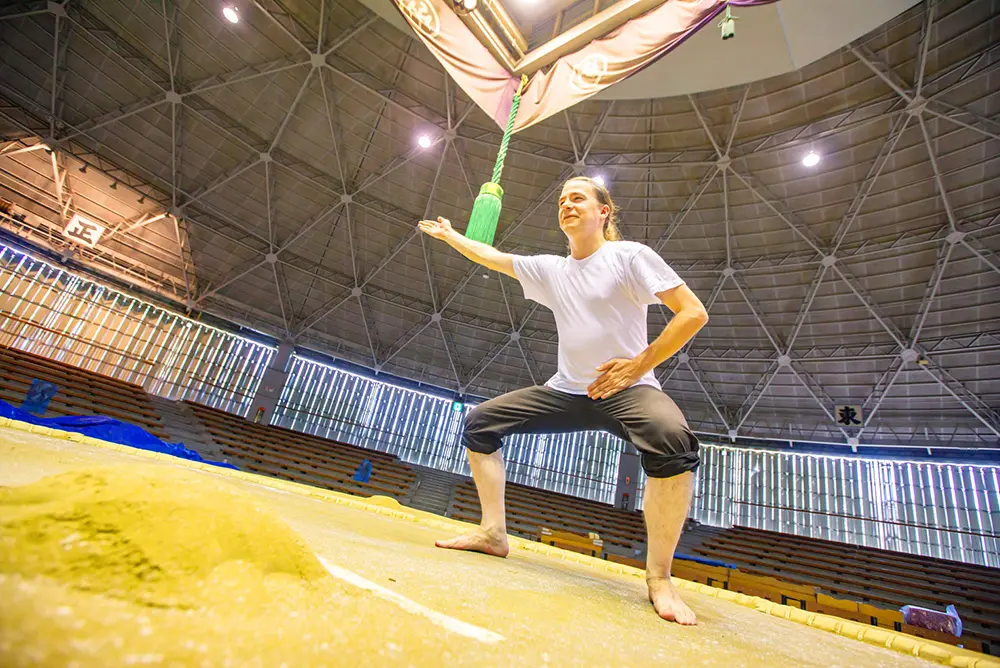
Osaka: Experience sumo training and movements on a real sumo ring, and tour the training hall
- Visit the Ohama Park Sumo Arena, which is off-limits to the public, and see the facilities used for preparation and training for the wrestlers.
- Step onto the real sumo ring at Ohama Park Sumo Arena and experience throwing salt and clapping before the match.
- As a memento of the tour, where you can experience the traditional Japanese culture of sumo, you will receive a free sumo towel.
Sakai City, located about 15 minutes by train from Osaka city, is a thriving historic port town with a diverse cultural scene, and is a city full of attractions, including the tea ceremony culture associated with Sen no Rikyu, the swordsmith tradition, and the World Heritage Site, the Mozu-Furuichi Kofun Group.
One of the more surprising aspects of the area is the historical fact that the 1st National Student Sumo Championship was held in 1919. The venue for this event was the sumo arena in Ohama Park, which faces the sea. Student wrestlers from all over the country gathered here to compete in heated matches, and the history of many famous matches is still quietly etched in this place.
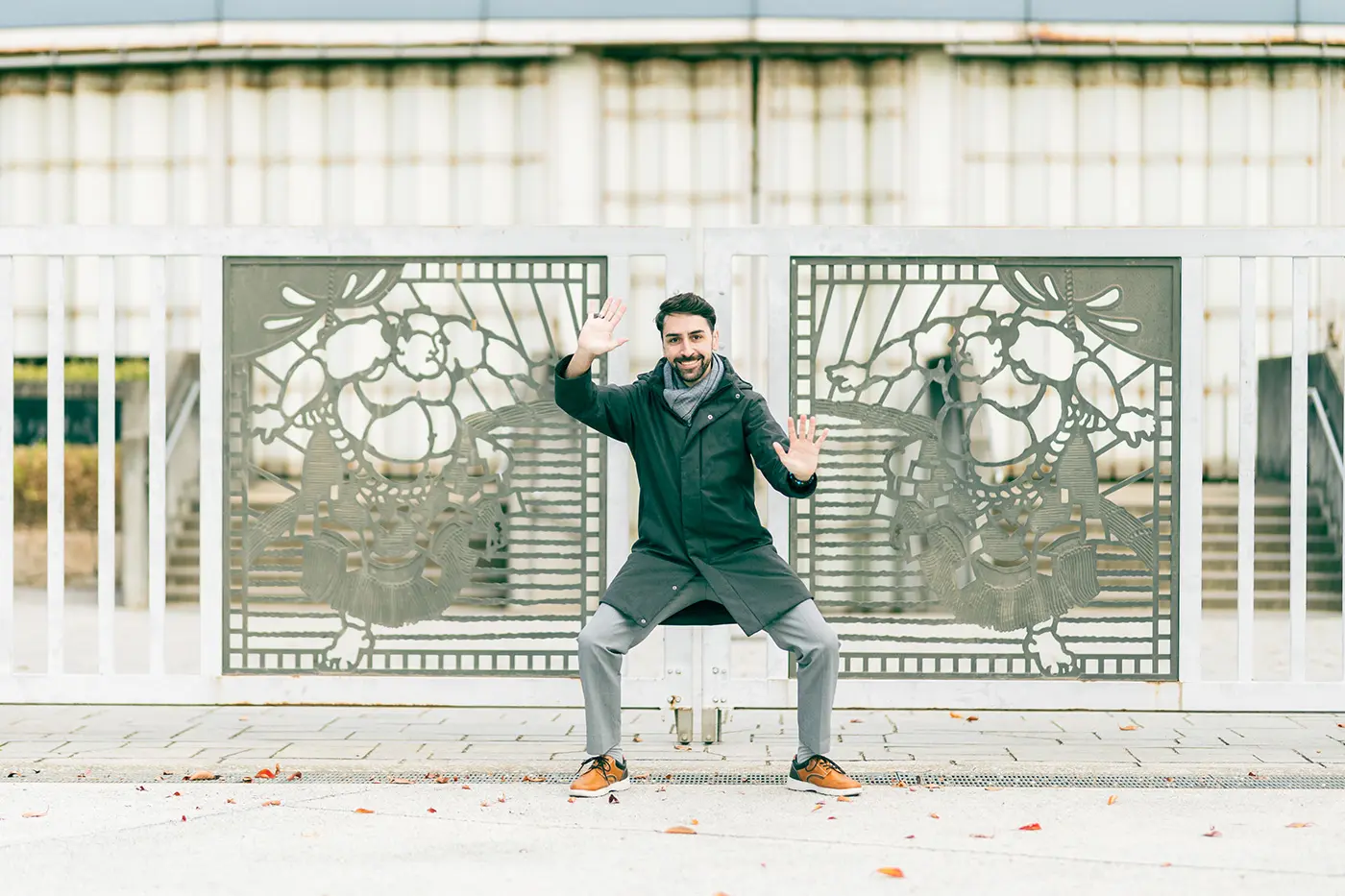
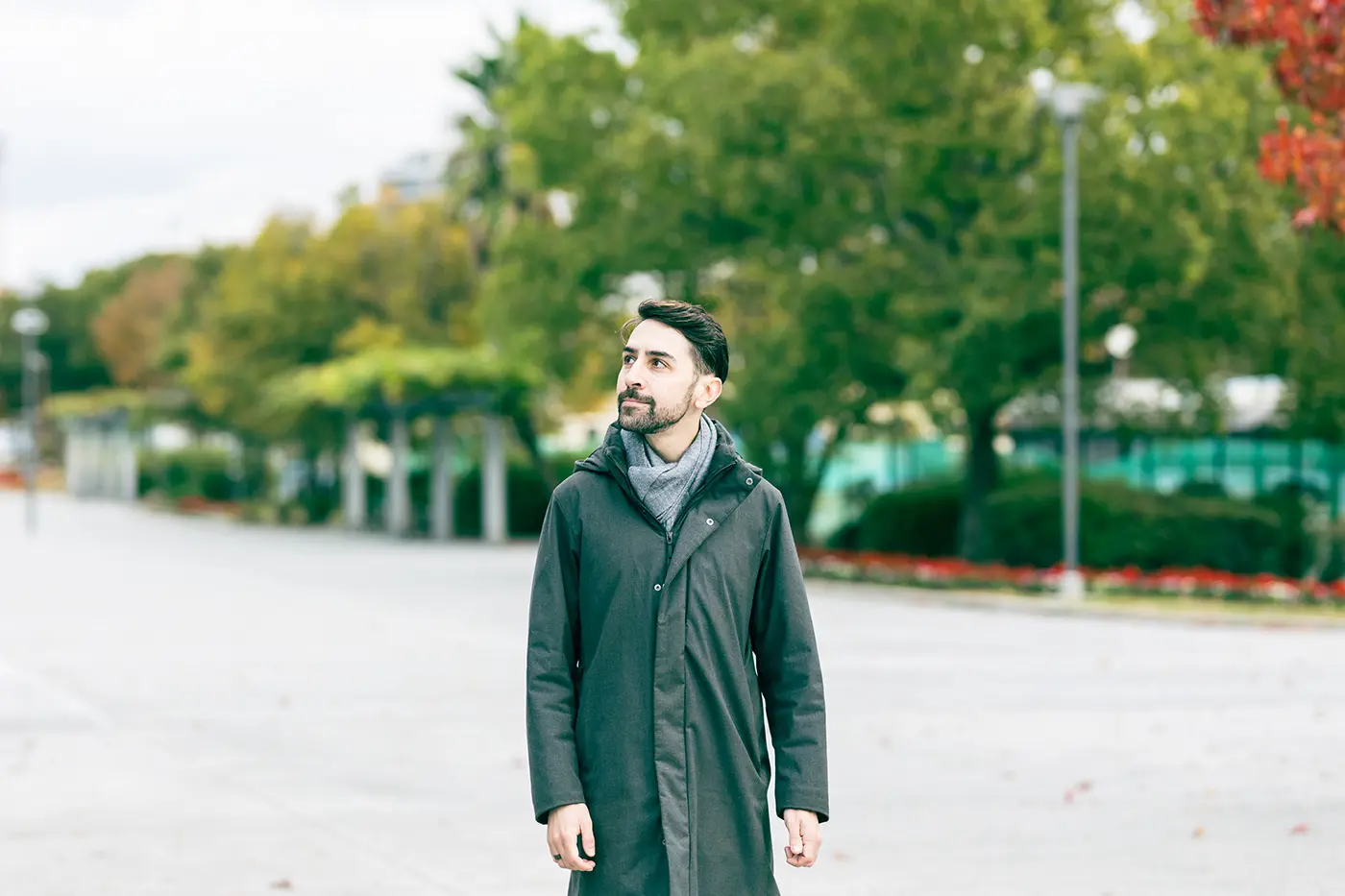
The visitor to the site this time was French model Thibault, who has an interest in sumo. He actually stepped onto the main ring and experienced the "salt-throwing" and "ring-enter" rituals, which are symbols of sumo. After experiencing what it was like to be a sumo wrestler, he also visited gourmet restaurants and facilities with deep ties to sumo, spending a day that satisfied both his heart and his stomach.
Guide
Ohama Park, which retains the image of being one of the leading leisure facilities in the Kansai region
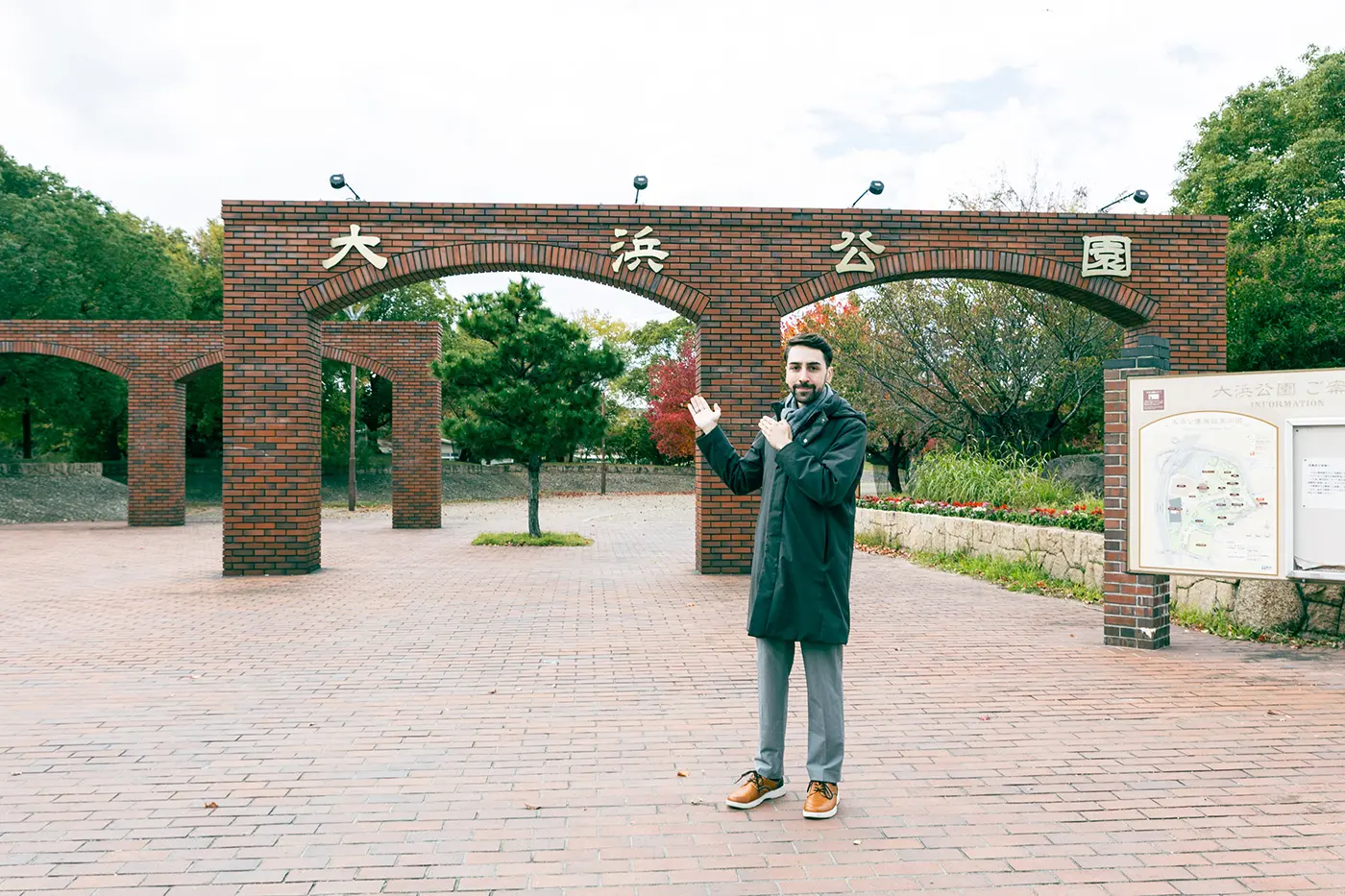
Ohama Park, which houses the sumo ring, is the oldest park run by Sakai City, having opened in 1879 (Meiji 12), and has a history of over 140 years. The park once boasted a beautiful coastline of white sand and green pines, and traces of its prosperity as one of the leading leisure destinations in the Kansai region can still be seen here and there.
Standing at the park entrance, the first thing that catches your eye is the Ohama Park Main Gate, towering majestically like an Arc de Triomphe. Its stately design symbolizes the prosperity of the past, conveying the splendor of that time to the present day. Looking up at the majestic arch, Thibault exclaims in admiration, "What a magnificent entrance." It was as if he had traveled back in time.
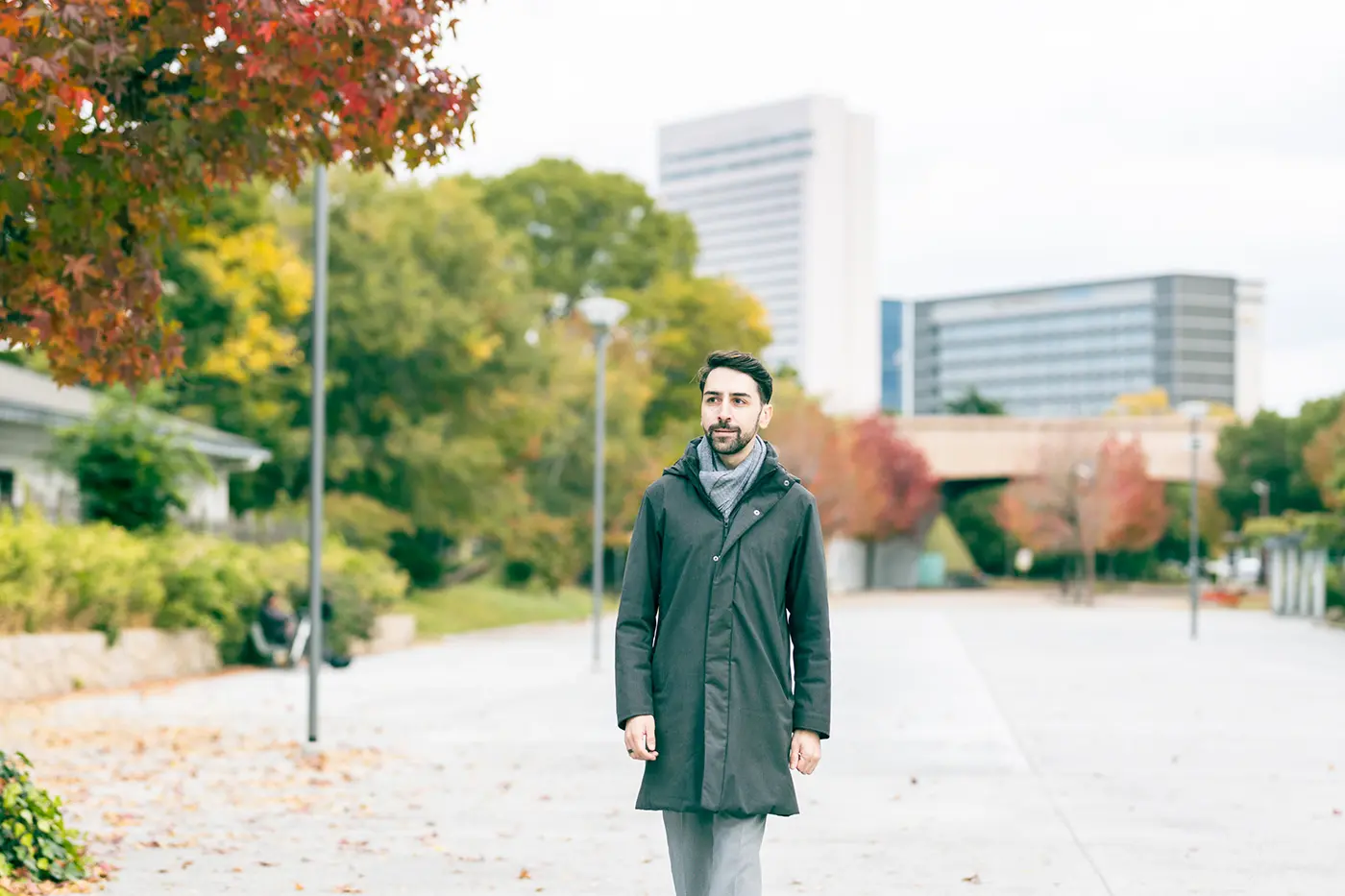
What made Ohama Park famous was the 5th Domestic Industrial Exposition held in Osaka in 1903. Having been selected as the venue for this global exposition, the park was home to the Sakai Aquarium, which was hailed as the best in the Orient, as well as a public hall, a tidal bath, a swimming beach, souvenir shops and other attractions, all of which drew a great deal of attention.
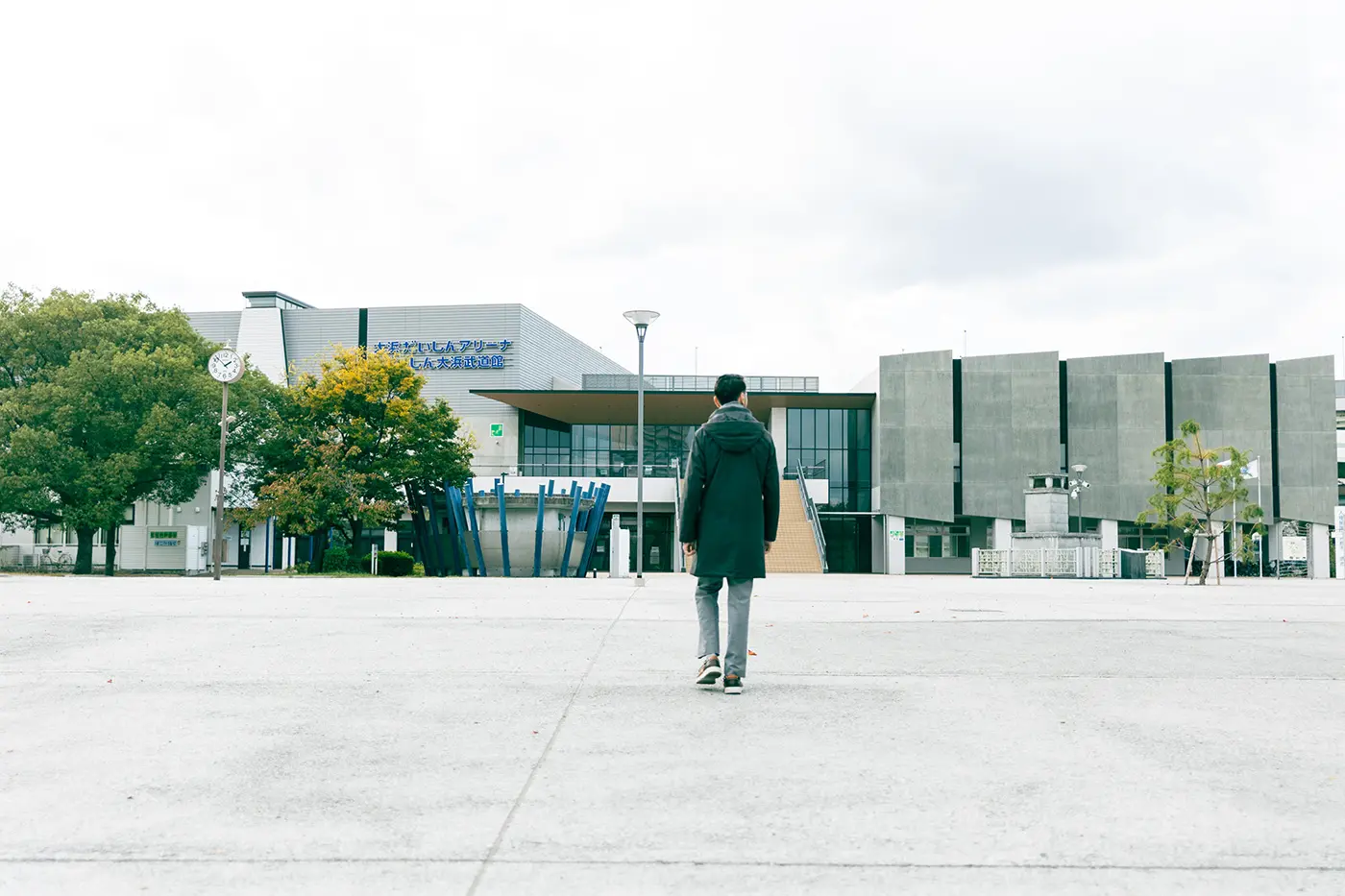

The main gate of Ohama Park was very impressive and impressive. I had heard that it was a historic park, but I never imagined that such a stately entrance would remain. I learned that there used to be an aquarium and a saltwater bath, and I imagined how lively the park must have been back then as I strolled around the park. It was also nice that I was able to enjoy the autumn leaves on my way to and from the sumo ring.
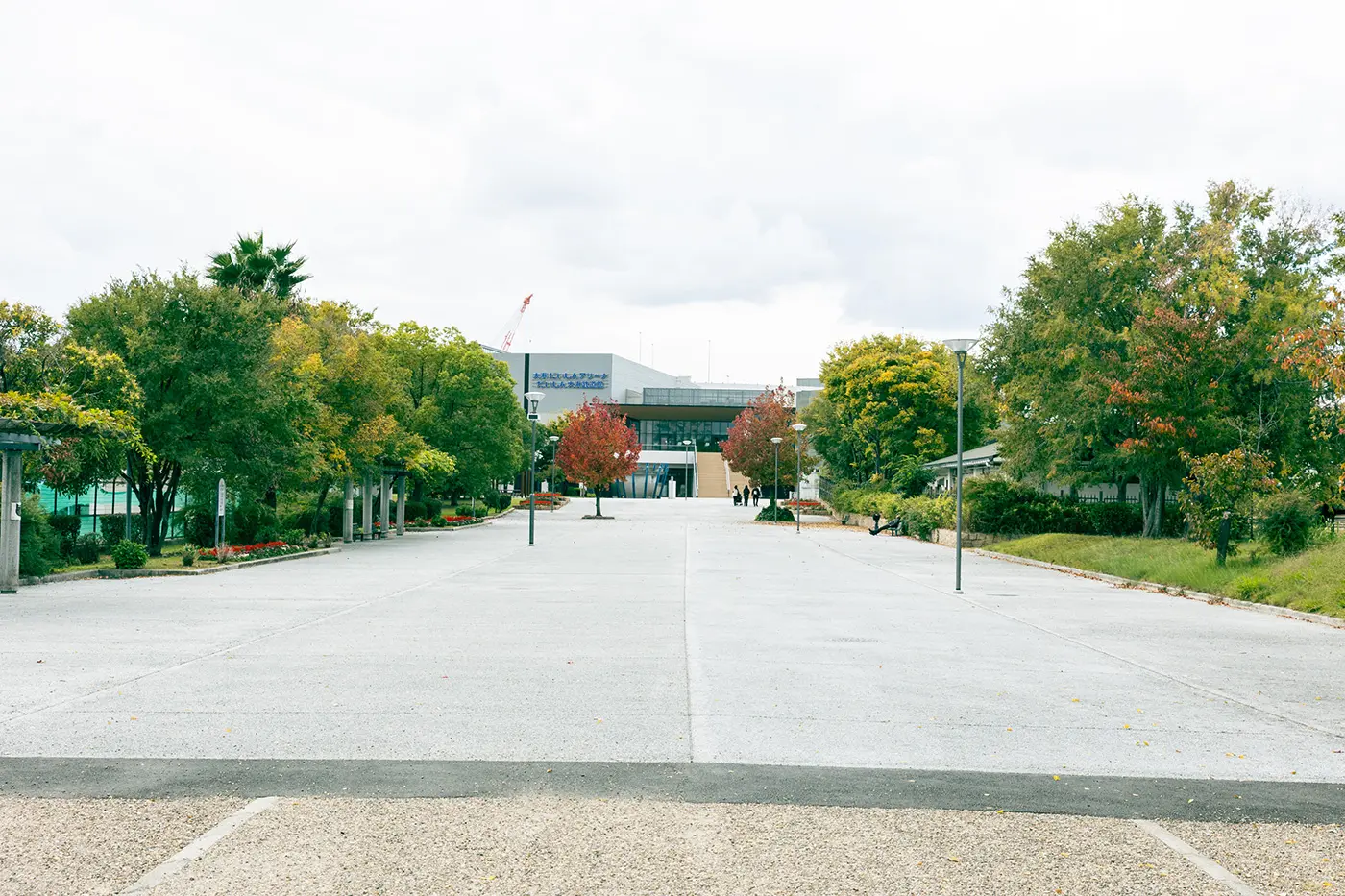
Ohama Park Sumo Stadium: A Mecca for Amateur Sumo
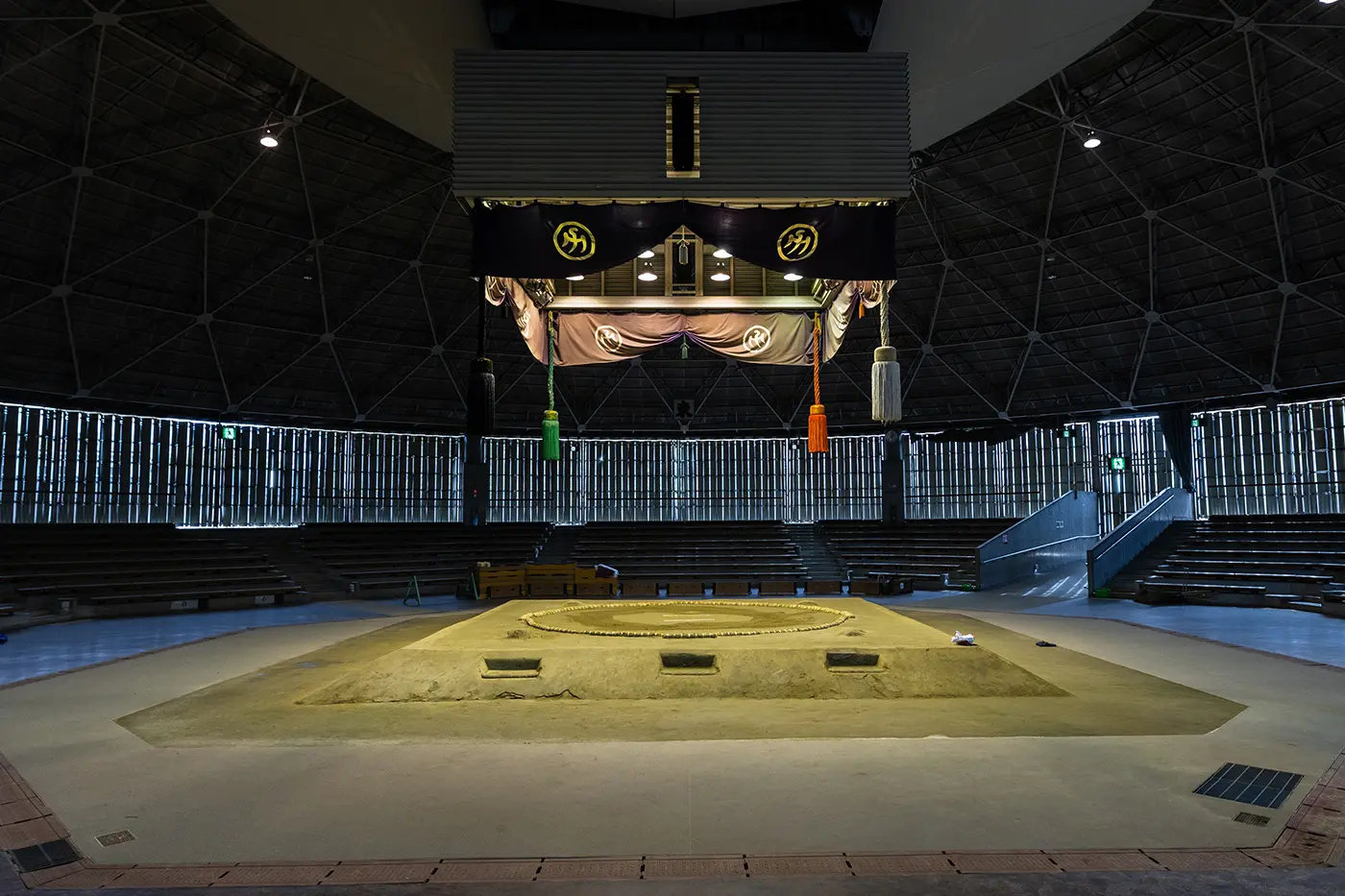
Learn about the behavior and spirit of sumo wrestlers and experience the profound depths of sumo culture
Ohama is known for hosting the first National Student Sumo Championship in 1919. The Ohama Park Sumo Stadium was established here, and is known to those in the know as a mecca for amateur sumo. Since the 64th tournament, the tournament has been held alternately here and at the Ryogoku Kokugikan in Tokyo, attracting young wrestlers from all over the country and continuing to produce many memorable matches and famous athletes.
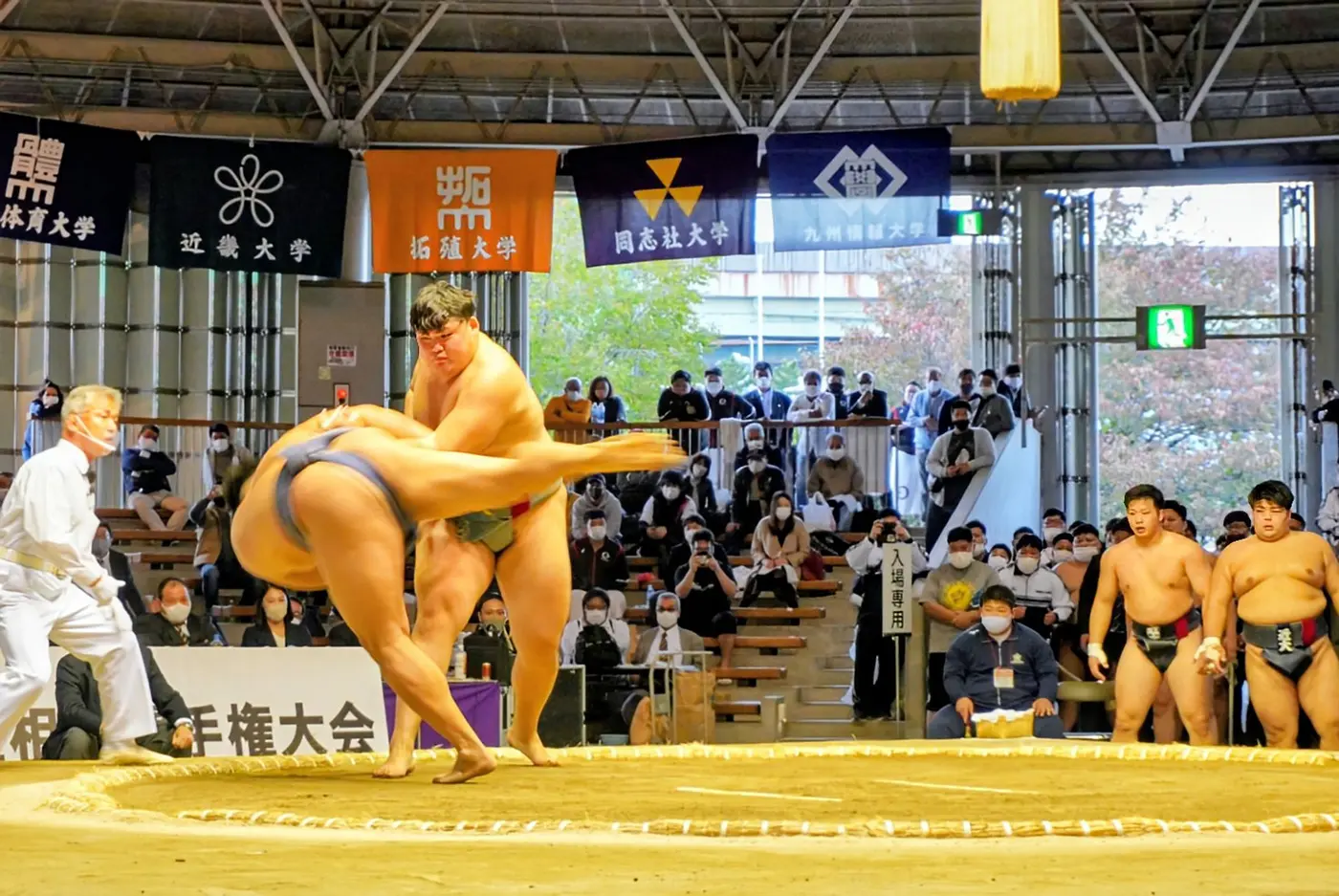
The formal indoor "main ring" is always maintained in the best condition, regardless of whether there is a tournament or not. In addition to the main ring, there is also a training ring, which is used as a practice area for sumo wrestlers and also serves as a venue for children's sumo.
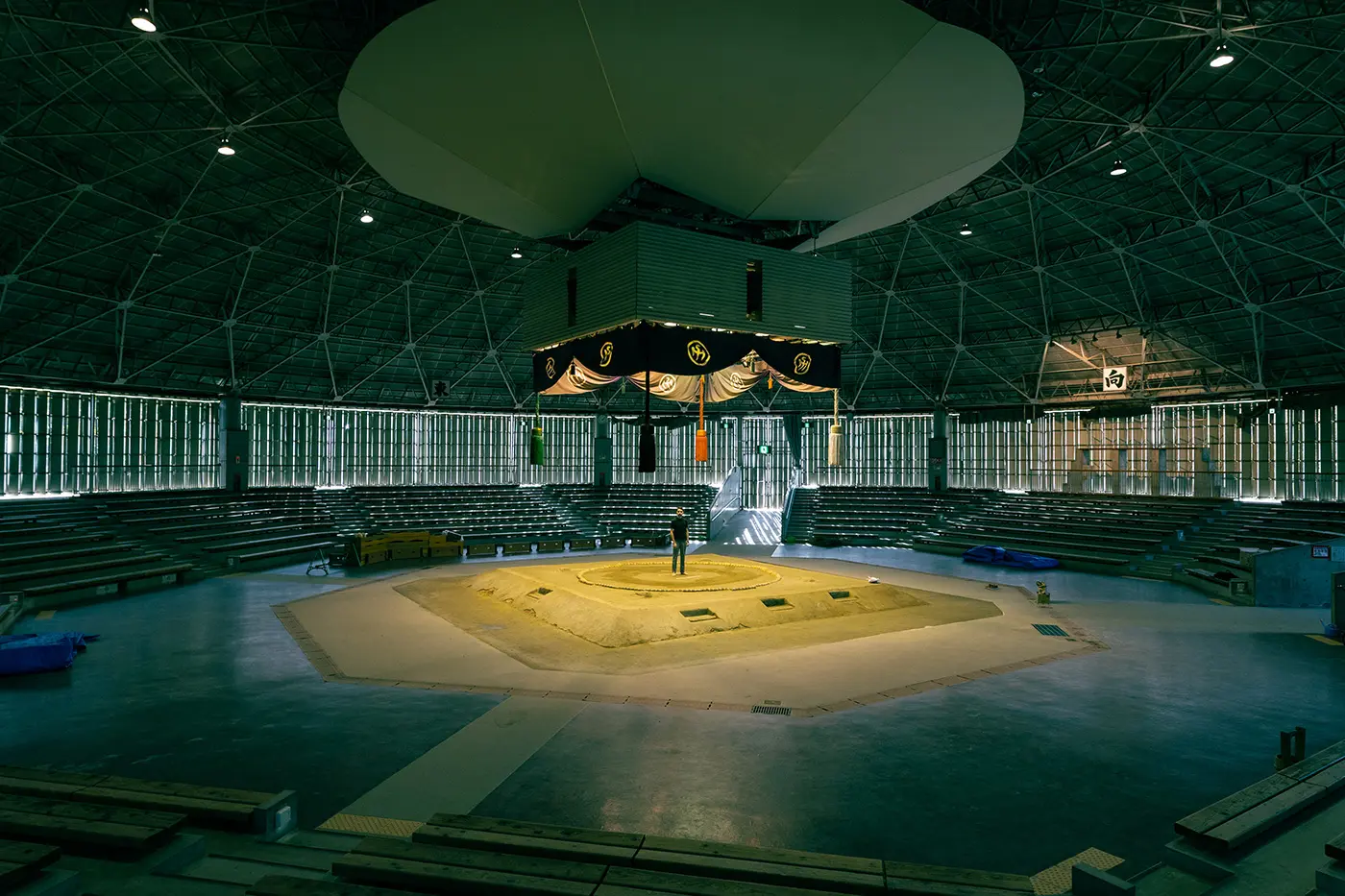
Standing in front of the sumo arena, shrouded in silence, one can faintly recall the spirit, cheers, and sounds of the student wrestlers who once clashed here, as they stomped across the ring. It is not known as a glamorous tourist destination, but it is precisely for this reason that the proud history and atmosphere that remain make this place so special.
On this day, Thibault was guided by the director of the Ohama Sumo Stadium. The moment he stepped gently onto the circular ring, Thibault said he naturally straightened his back. Perhaps it was the tense silence and the unique weight of the place that told him that this was "more than just a facility."
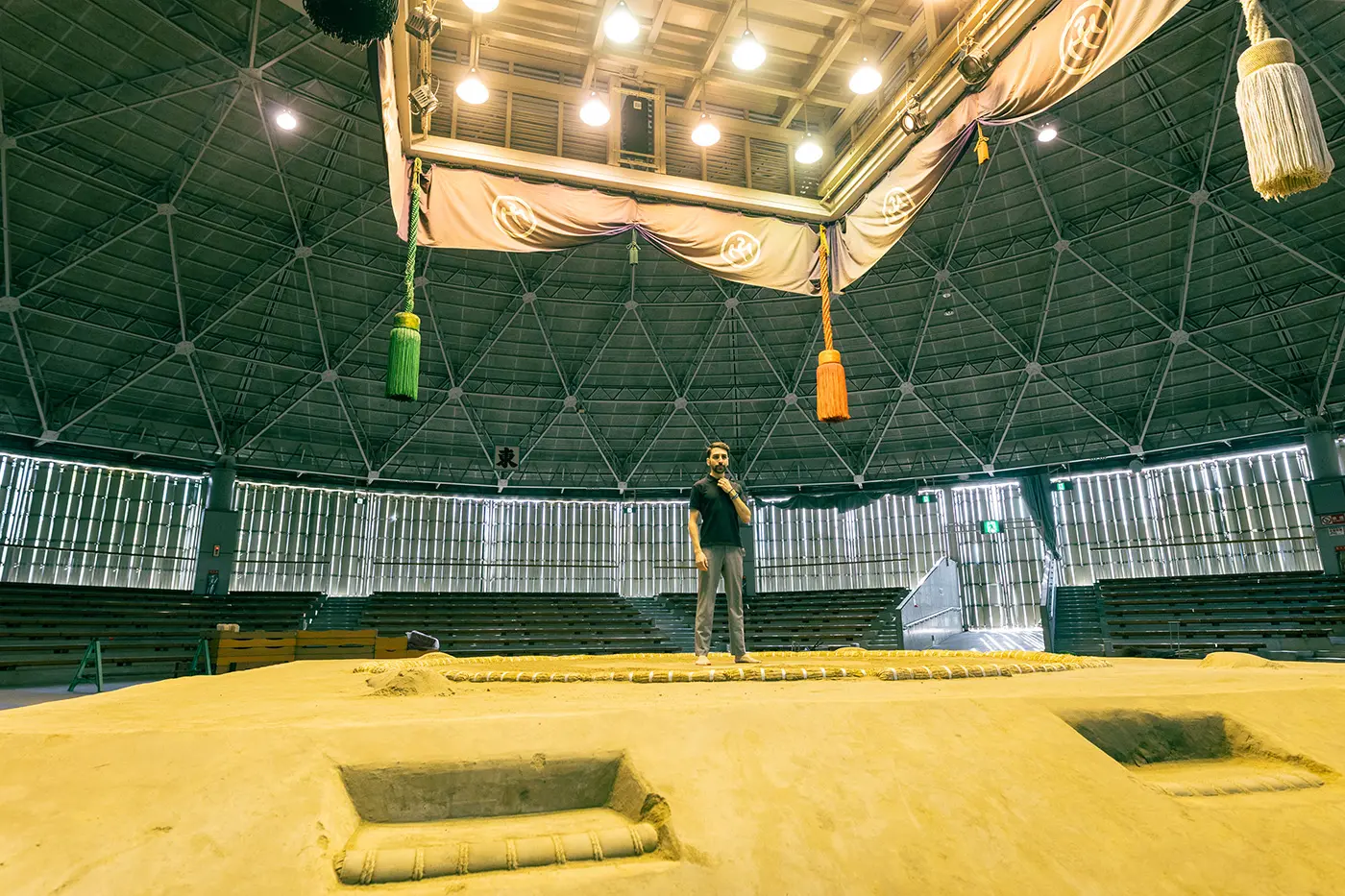
On this special day, we were given the opportunity to try out the ring-entering ceremony and salt-throwing ceremony. When the director struck a wooden clapper during the ring-entering ceremony, the dry sound reverberated throughout the arena, instantly making the atmosphere tense up like that of a real sumo tournament. As the director explained, "The act of throwing salt has the purpose of purifying the ring," and "Some wrestlers throw salt vertically, while others throw it horizontally. There are no rules for how to throw it, so it all comes down to individuality," Thibault took on the challenge with a serious look on his face.
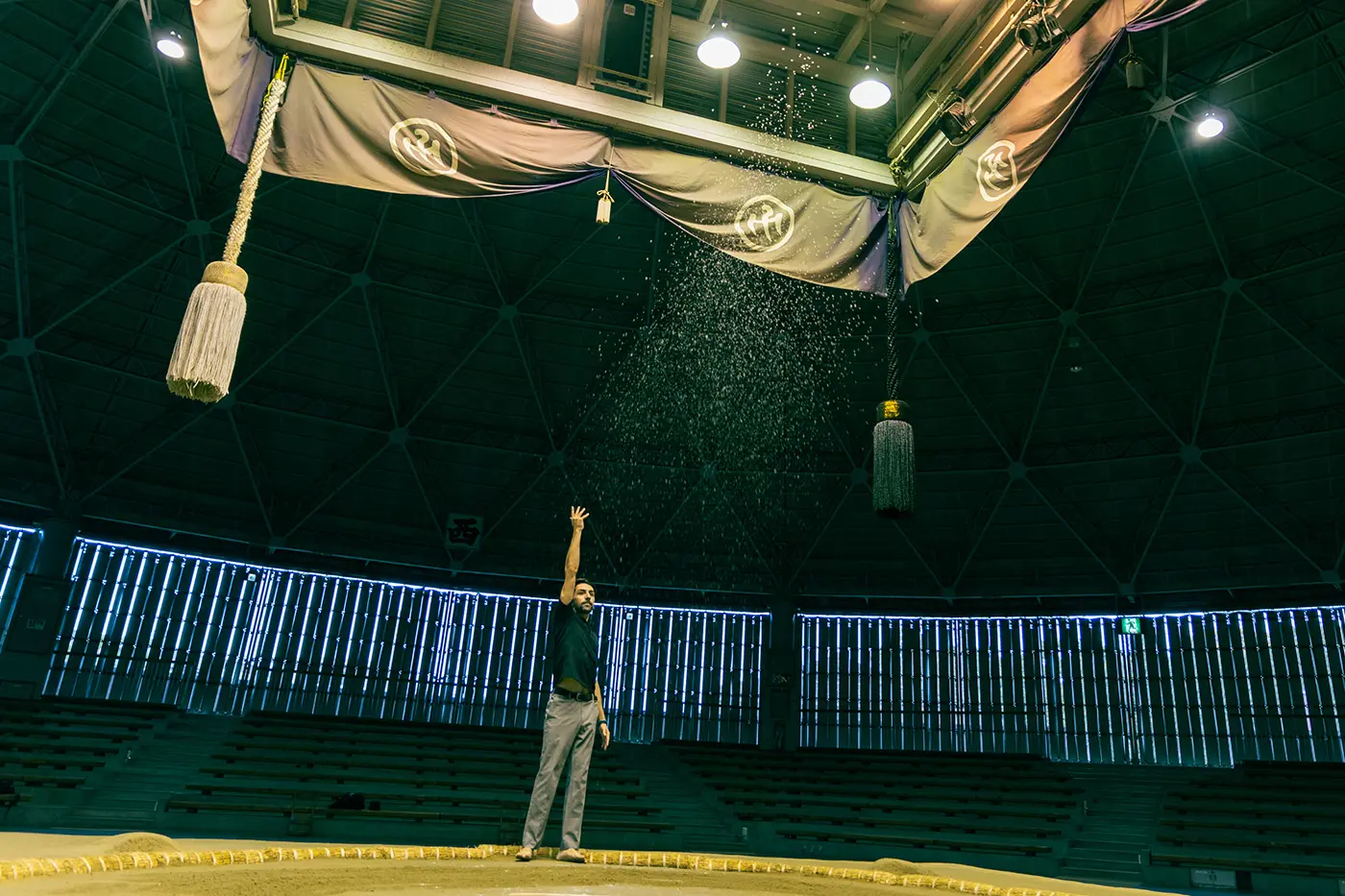
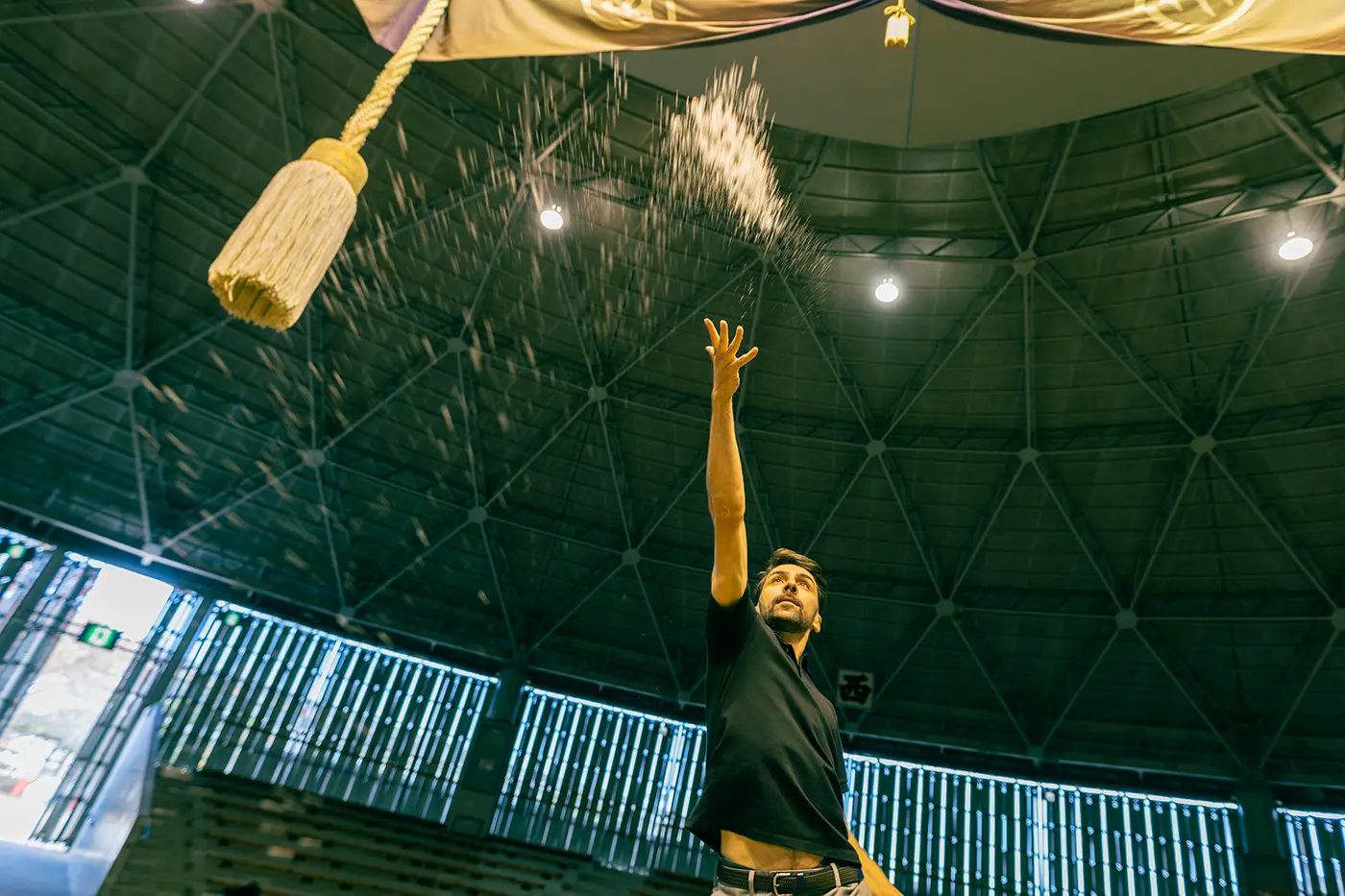
What was particularly impressive in the director's words was the mindset of "endurance" that sumo wrestlers value.
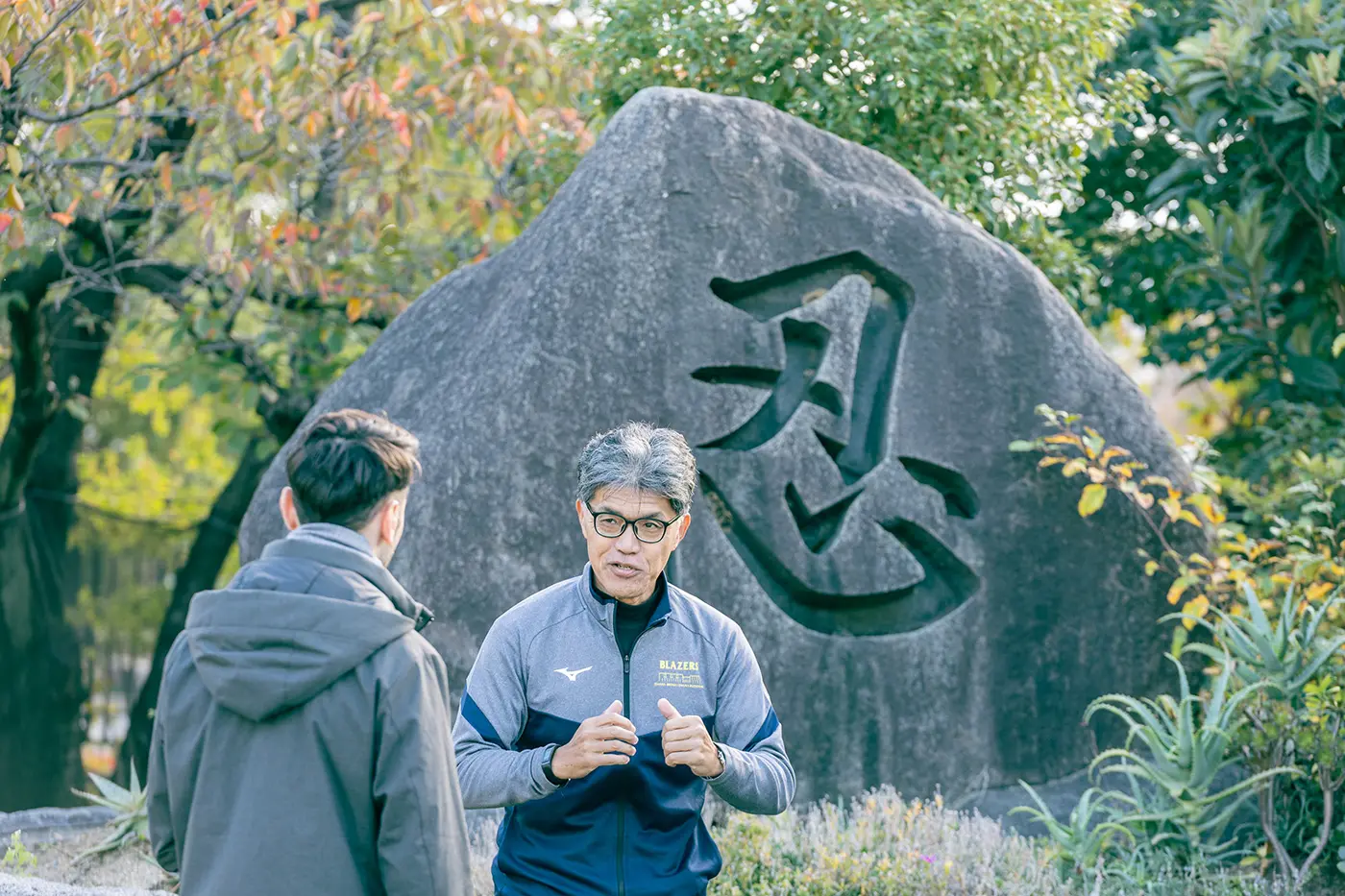
The word "nin" is engraved on a stone monument inside the arena, and it also means "to endure" or "to quietly suppress one's feelings." Whether winning or losing, wrestlers do not immediately show their excitement or frustration, but instead remain calm. This aesthetic sense may be one of the reasons why sumo, Japan's national sport, is respected around the world.
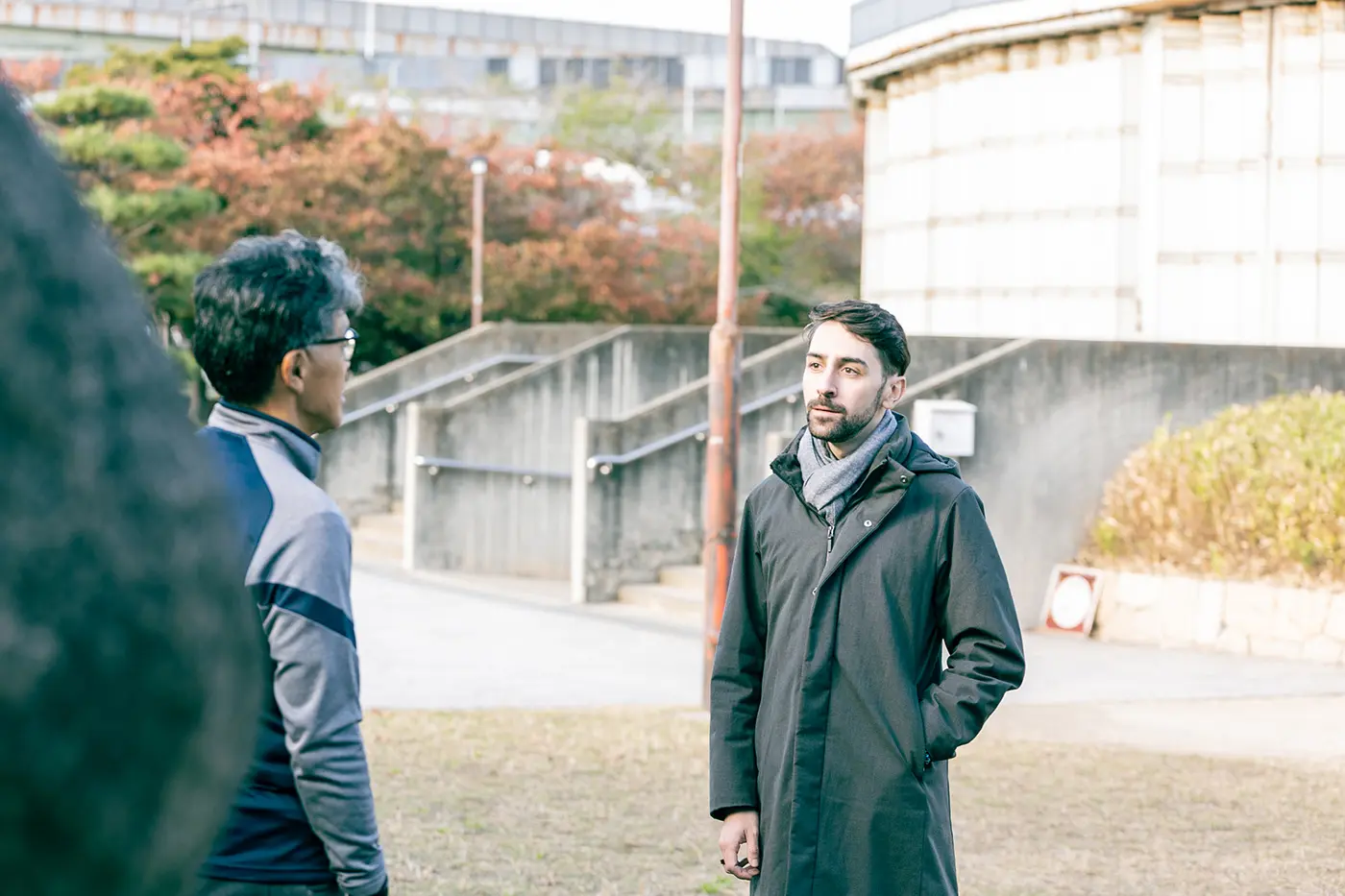
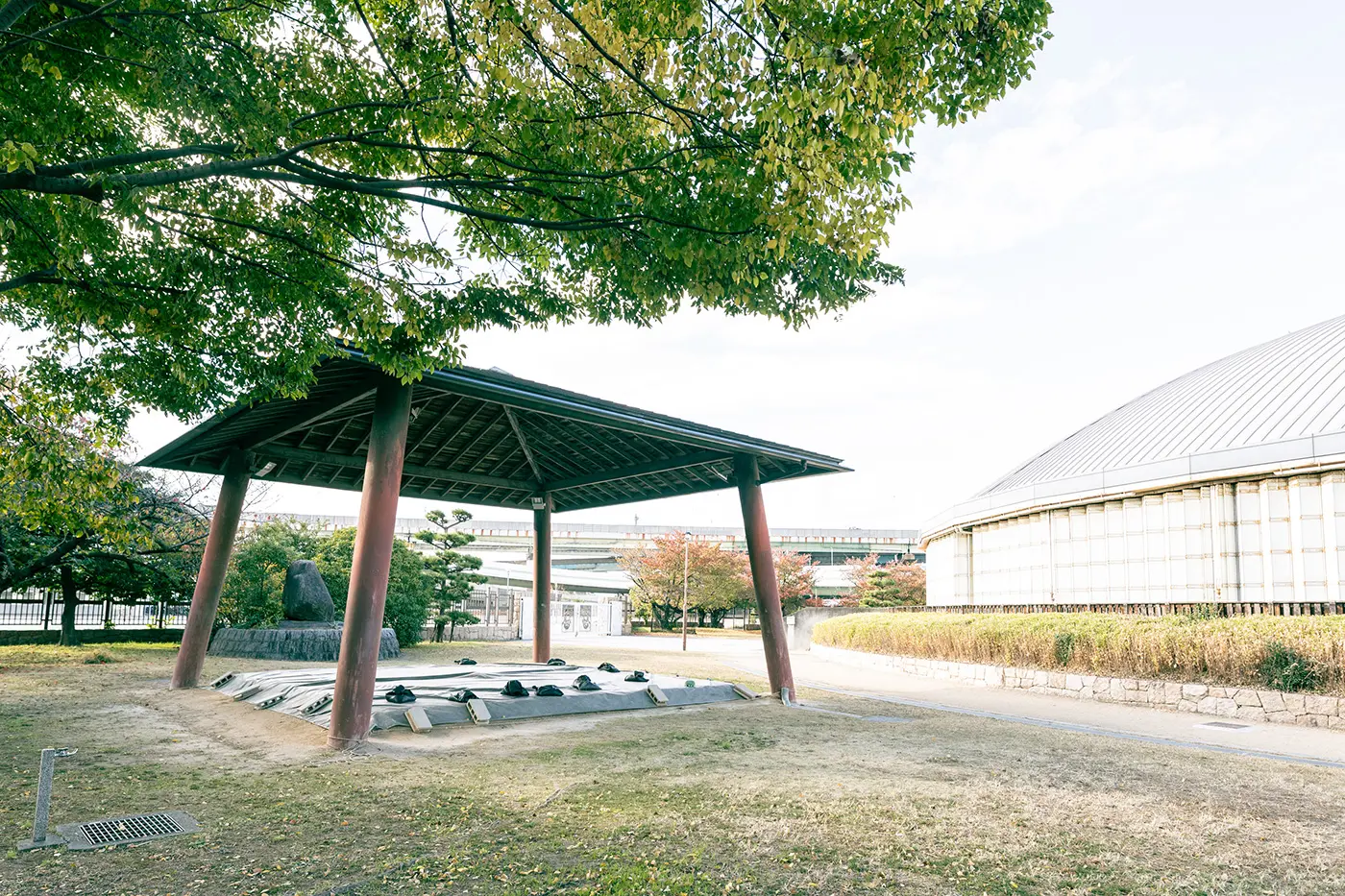
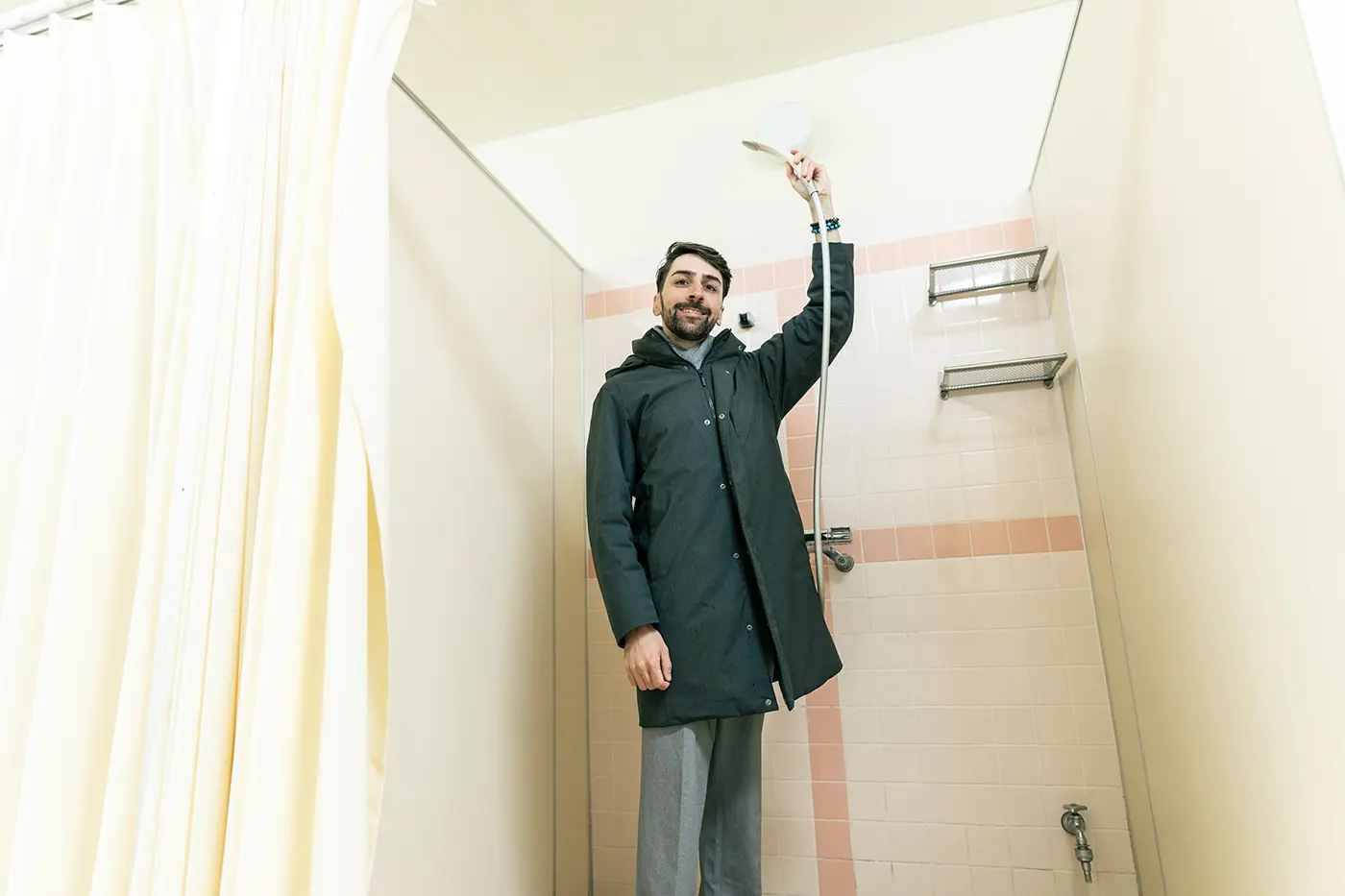
The moment I stepped onto the ring, I felt a sense of tension. The well-maintained soil was soft and felt wonderful under my feet. The director's explanation was very thorough, and learning the meaning behind the ring-entering and salt-throwing made me realize that sumo is not just a sport, but a "culture that harmonizes the mind." The weight of the word "nin" also stayed with me, and I was moved by being exposed to the Japanese aesthetic sense.
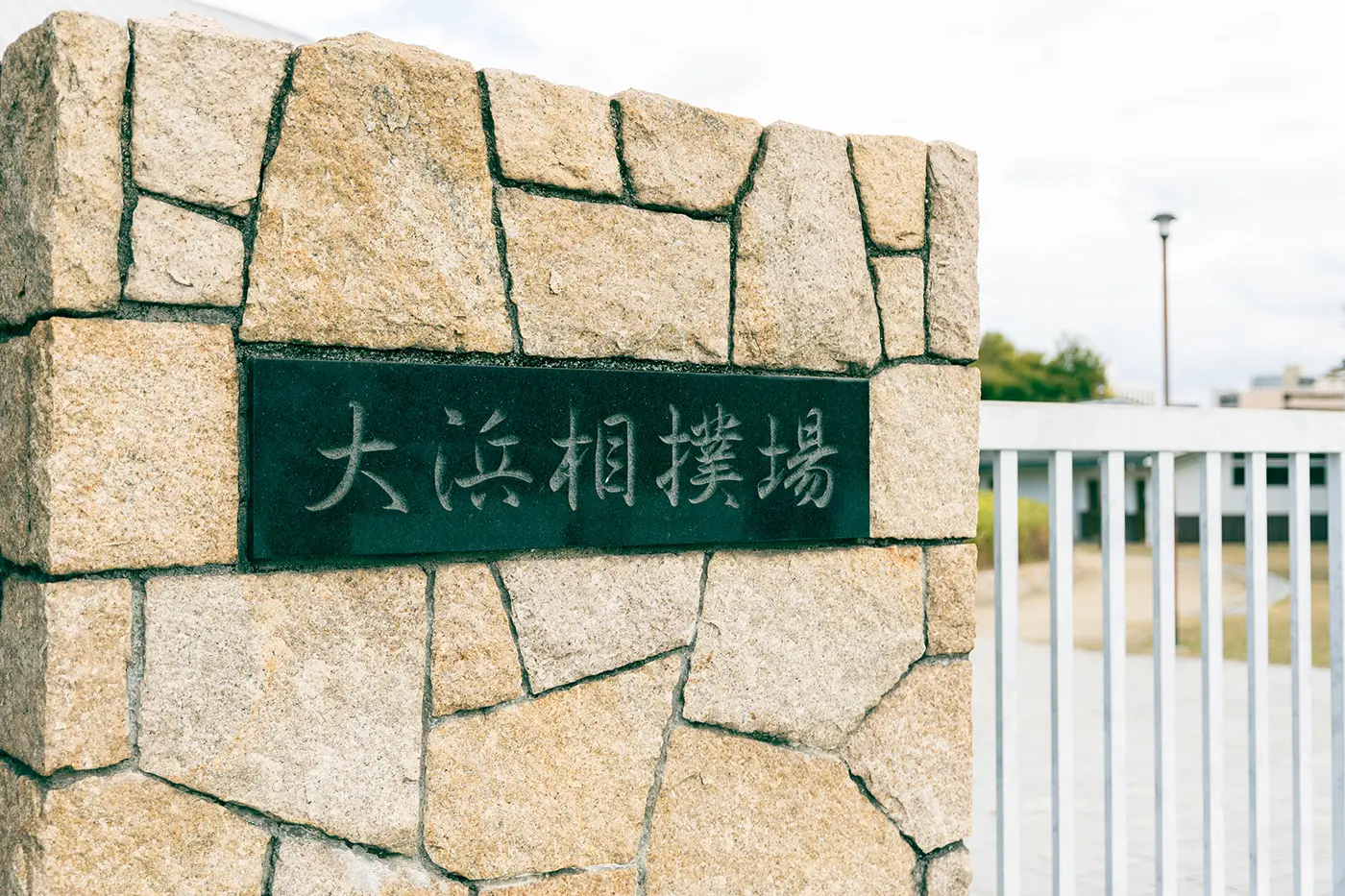
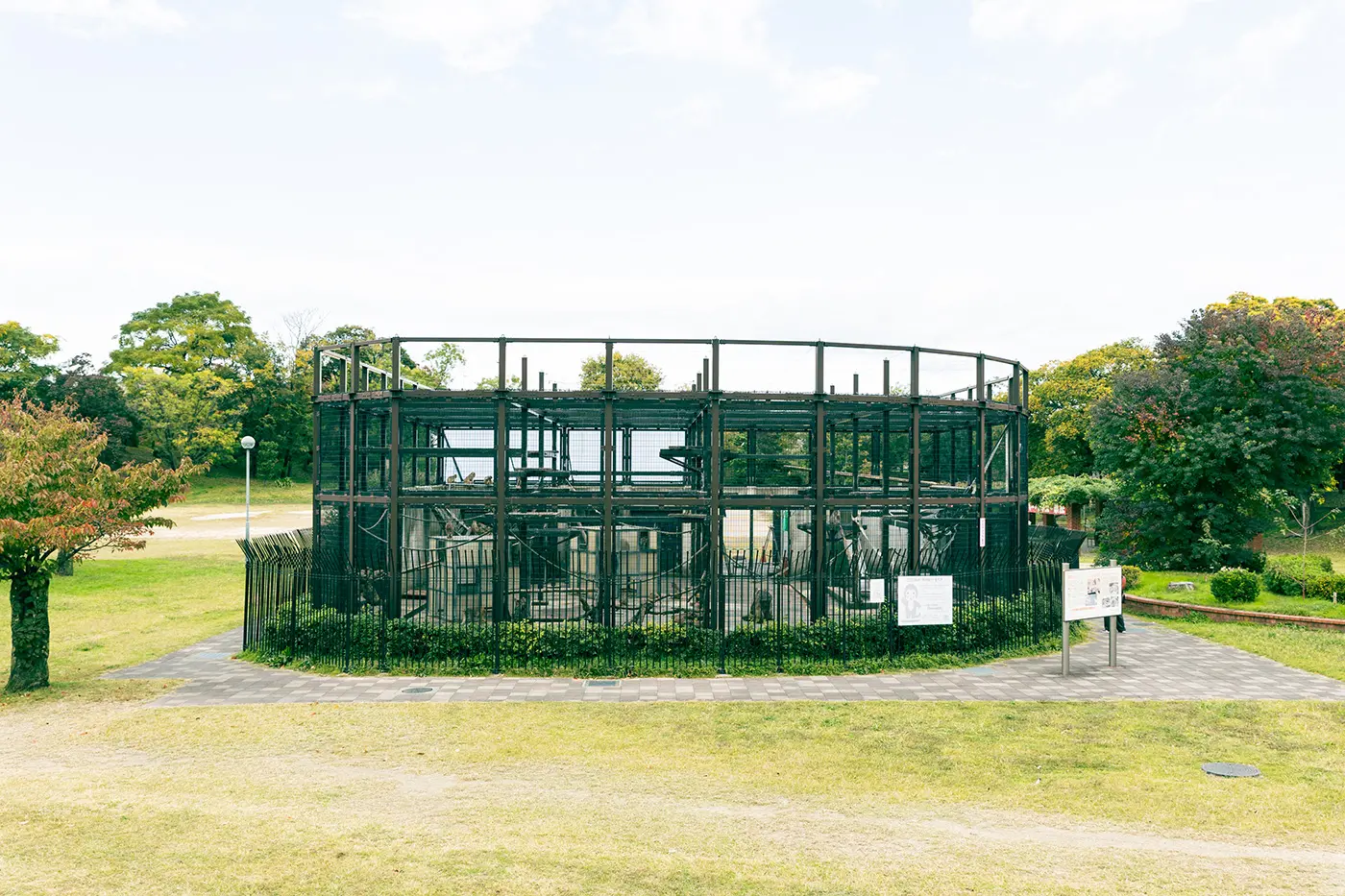
The "Monkey Breeding House" was formerly known as Sarushima after the war.

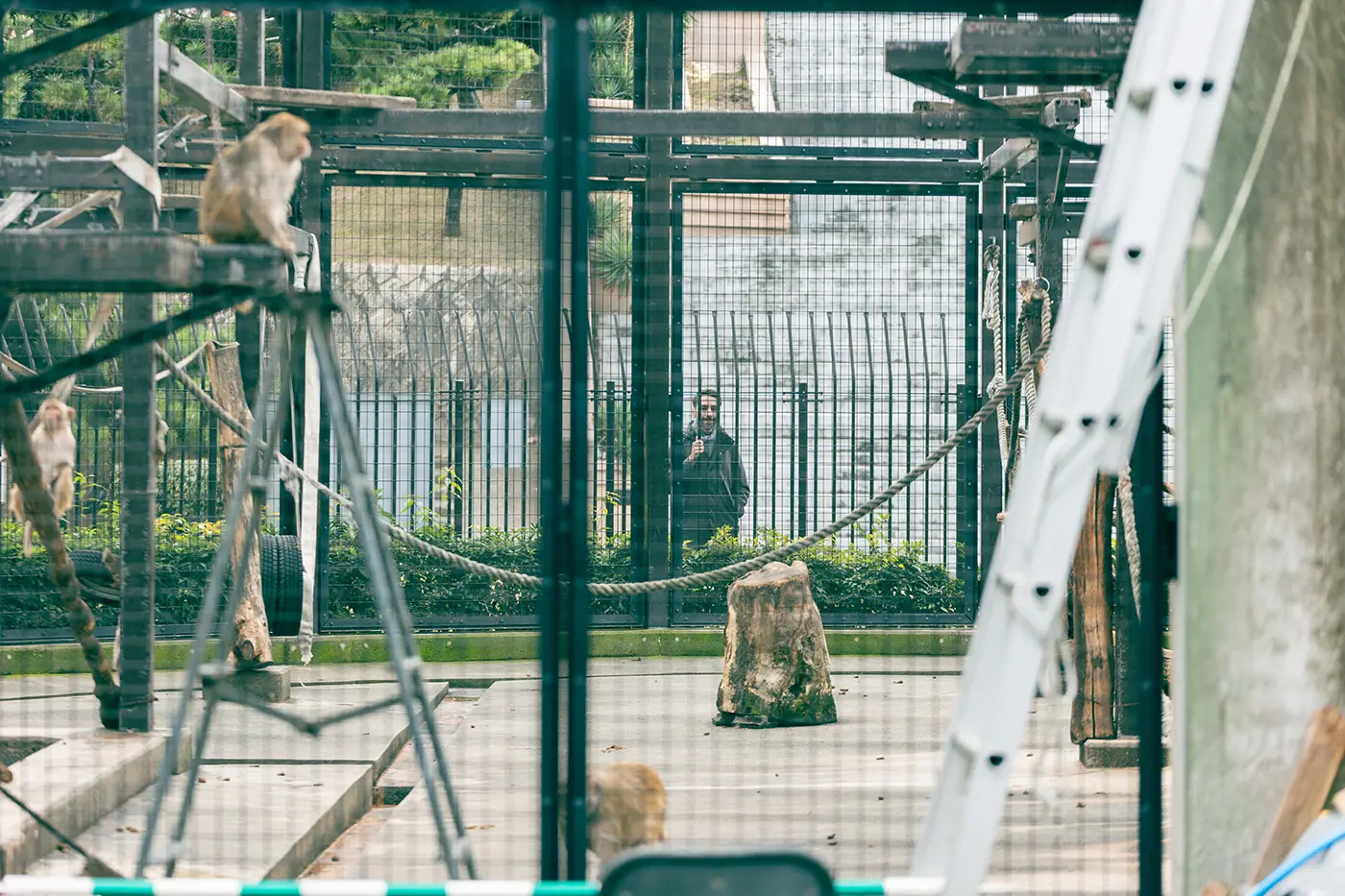
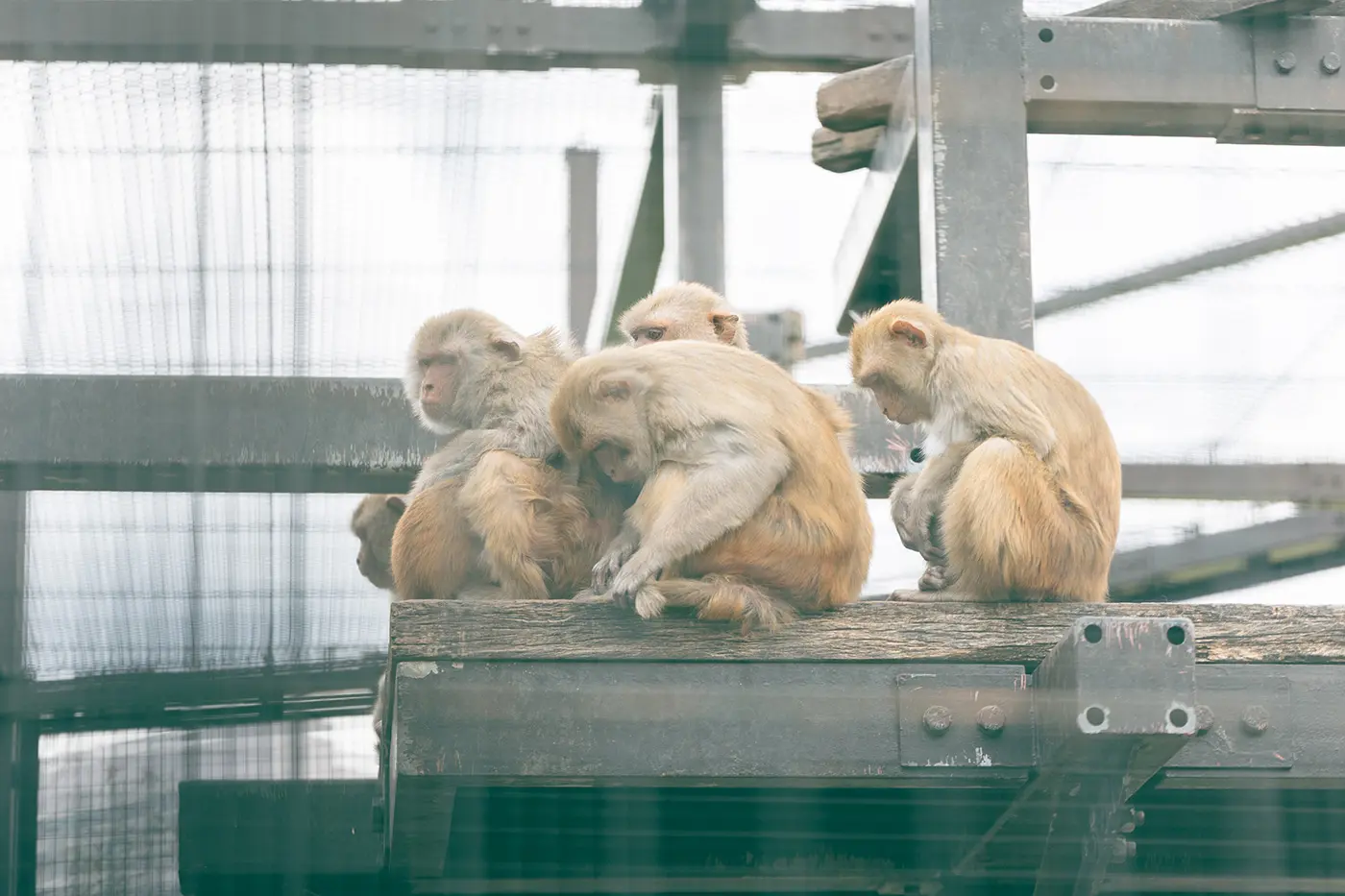
Next up was the Monkey House in Ohama Park. It began as an affiliated facility of Sakai Aquarium during the Meiji period, and was affectionately known as "Sarushima" after the war. It was demolished due to deterioration, and the current monkey house was renovated in 2009. Seeing the Japanese macaques living together in harmony, Thibault couldn't help but smile. "I can't believe I found a place like this so close to the city!" he exclaimed, looking at it with amusement.
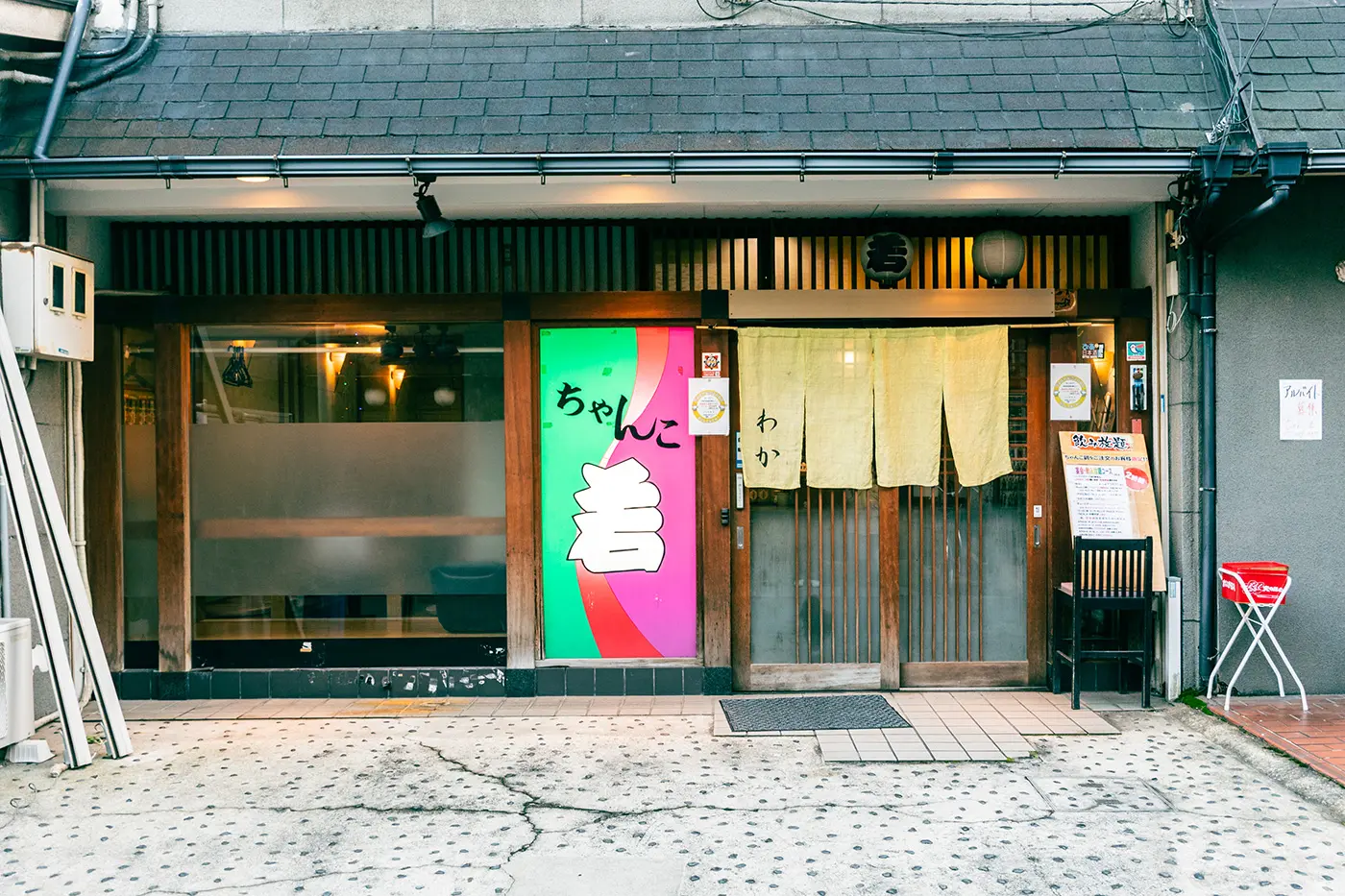
Chankowaka hosted by former Futagoyama stable wrestlers
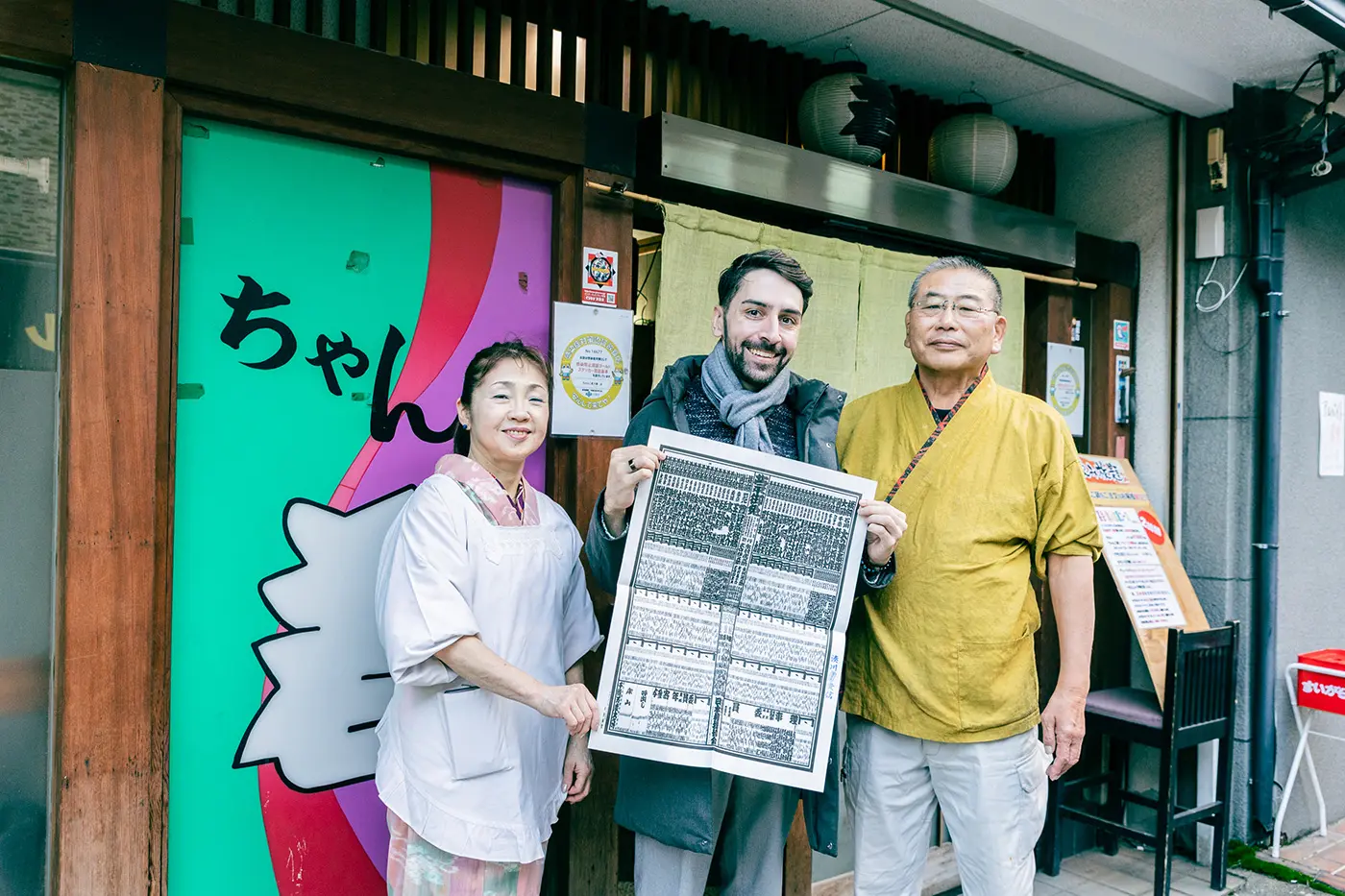
The authentic chanko flavor can only be achieved by a former sumo wrestler.
We drove from Ohama Park to Chanko Waka in search of gourmet food associated with sumo wrestlers.
The owner is a former sumo wrestler who competed in the sumo ring at Futagoyama stable. The restaurant's name comes from a single character that symbolizes the name of the first Wakanohana (master), with whom he once had a master-disciple relationship. The restaurant serves authentic chanko, utilizing the traditional flavors and ingredients passed down at the stable, as well as the taste buds and strong preferences of sumo wrestlers.
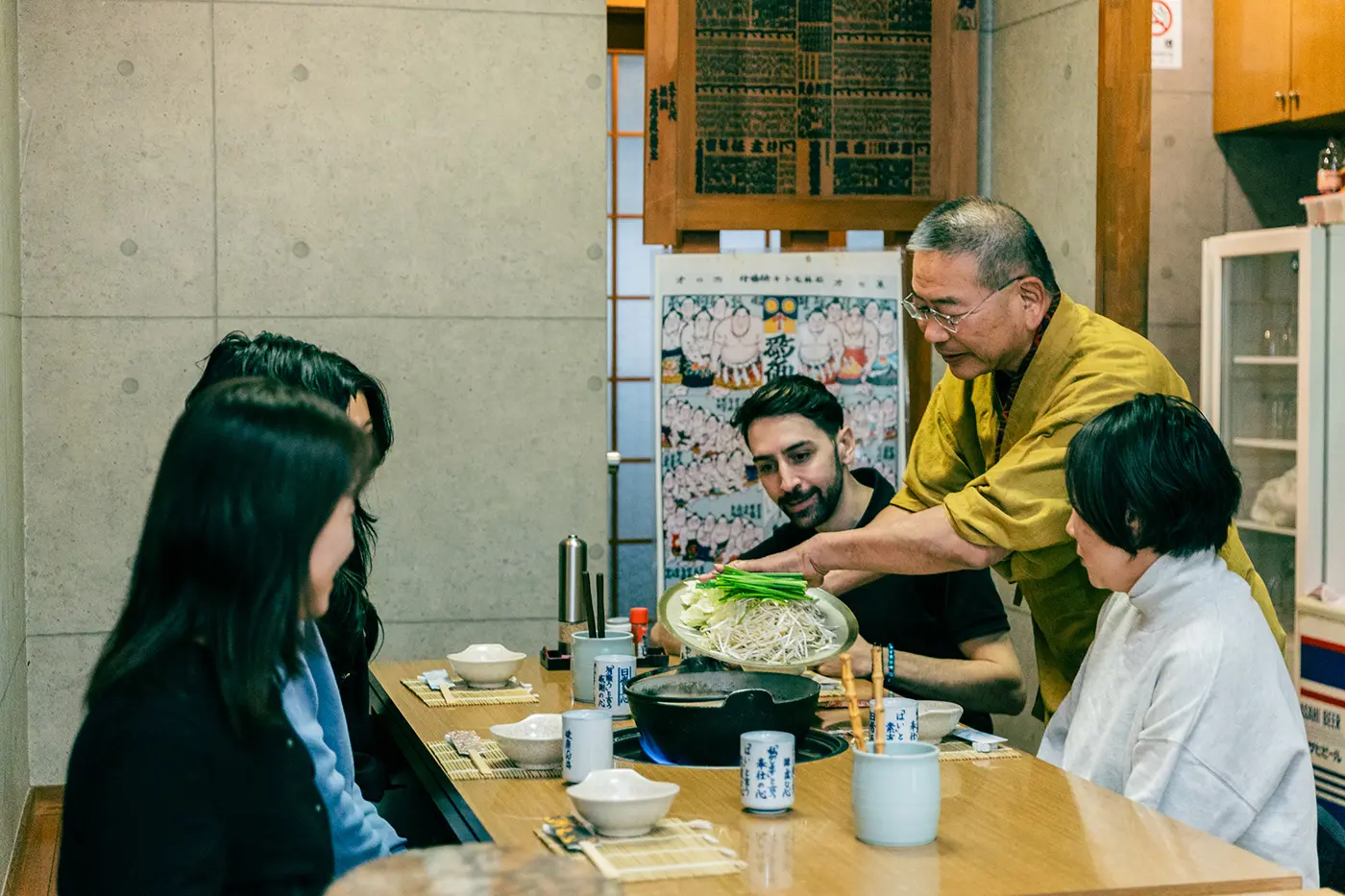
The signature dish is authentic chanko, a flavorful soup made from carefully cooked chicken bones, combined with seasonal vegetables, seafood, and meatballs. You can choose your favorite seasoning, such as soy sauce, miso, or salt, but if you want to enjoy the "Futagoyama stable flavor," the restaurant's standard dish is miso chanko, made with Tsugaru miso from the master's hometown, Aomori.
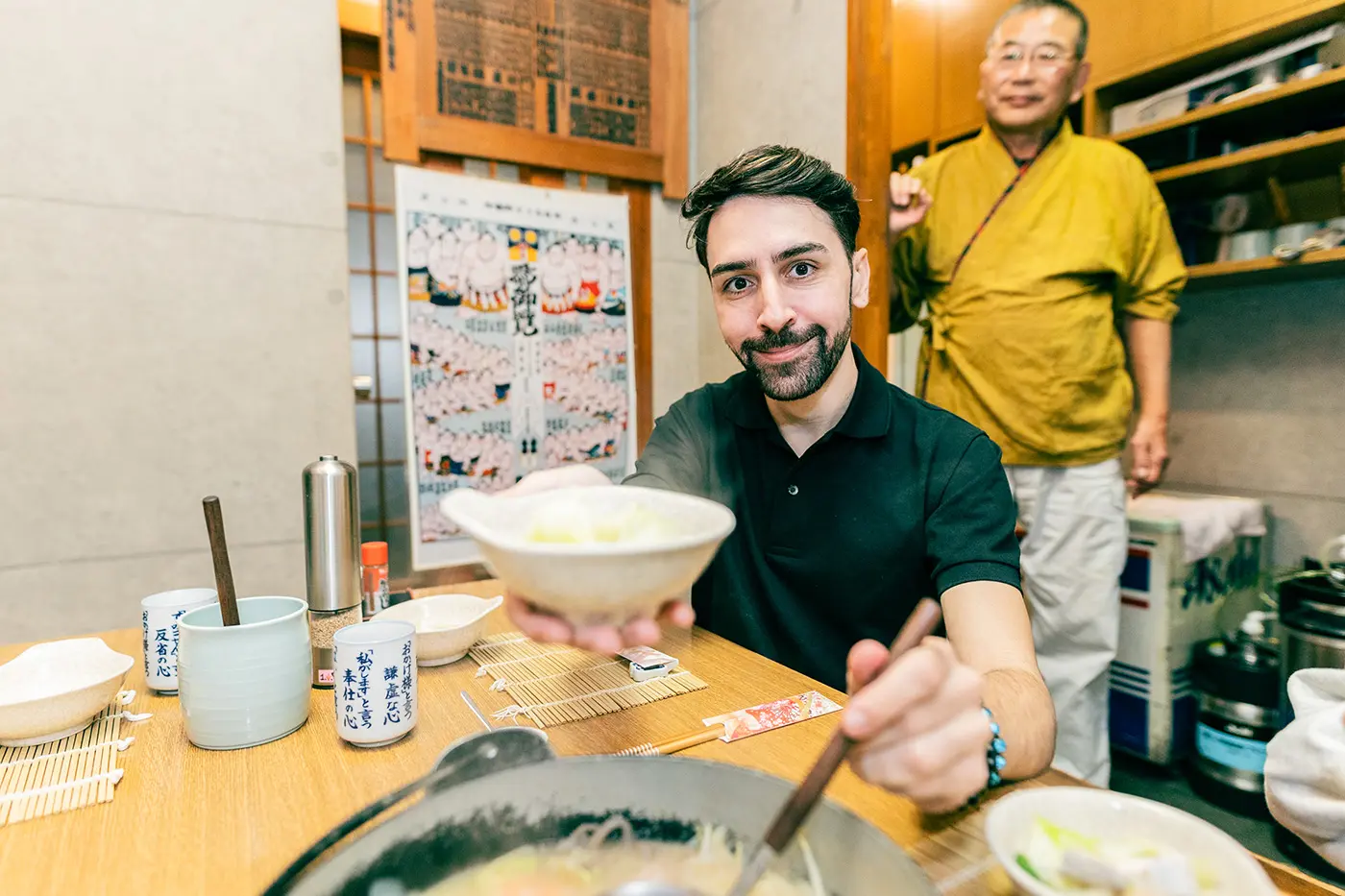
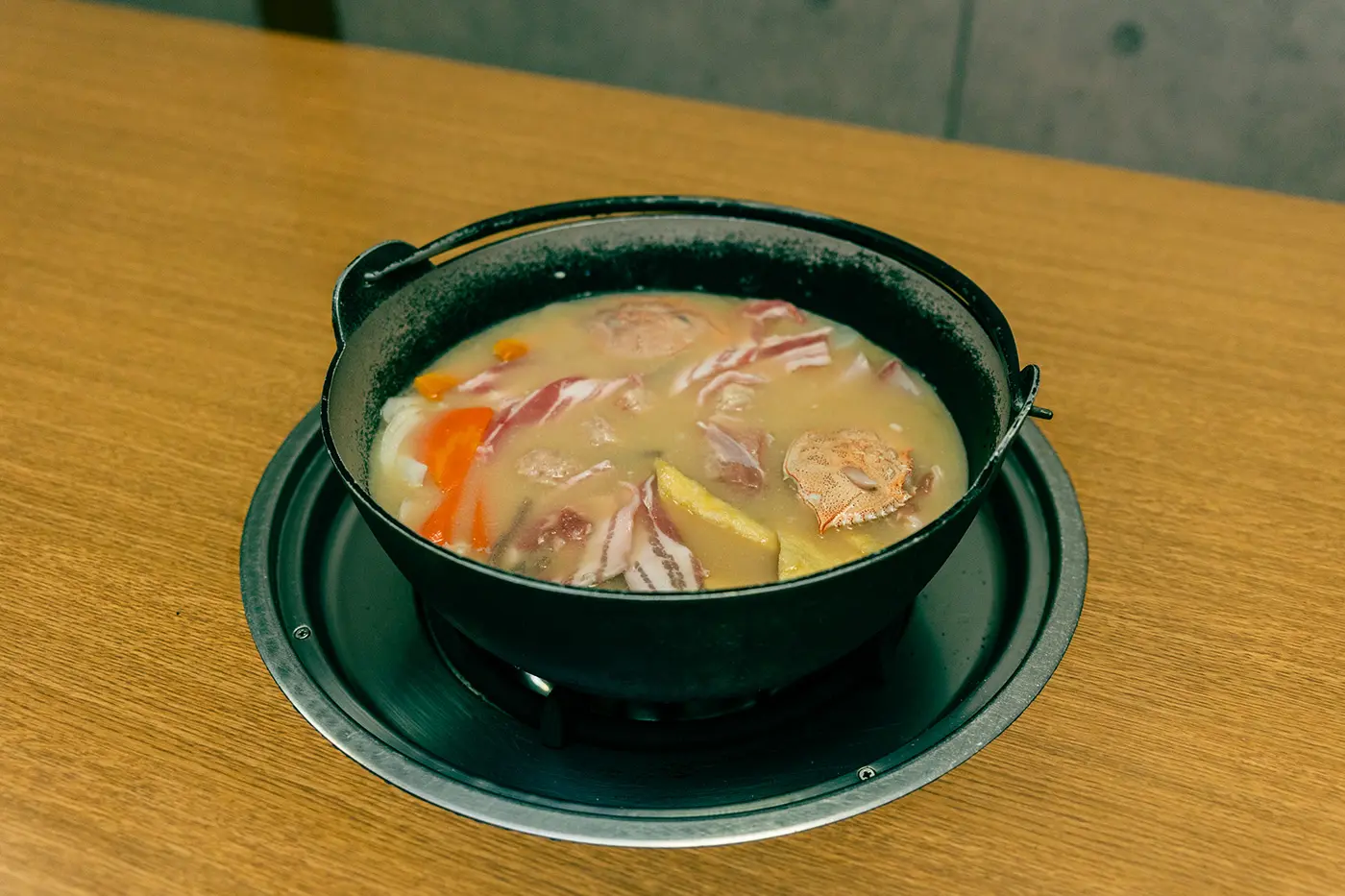
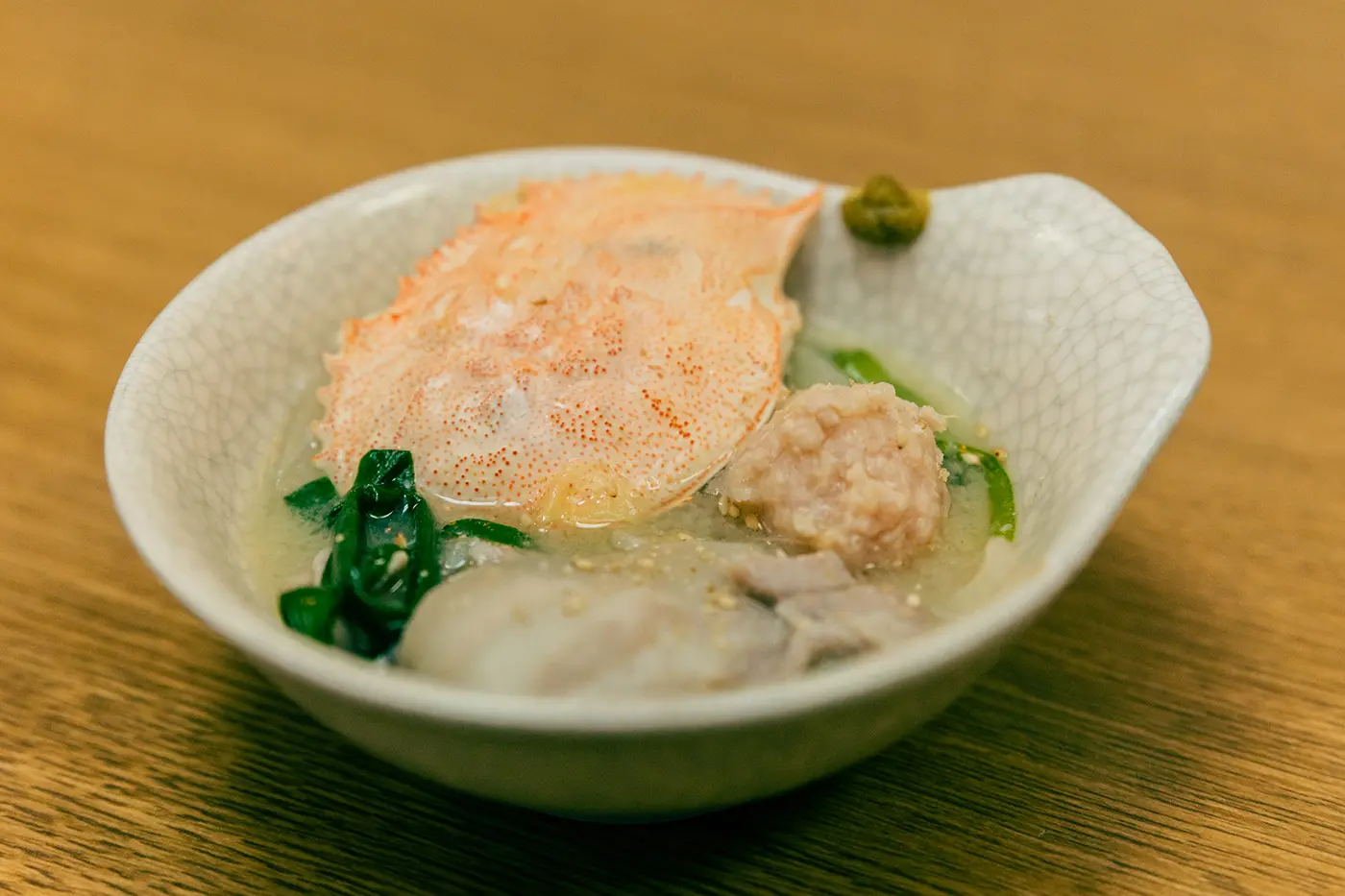
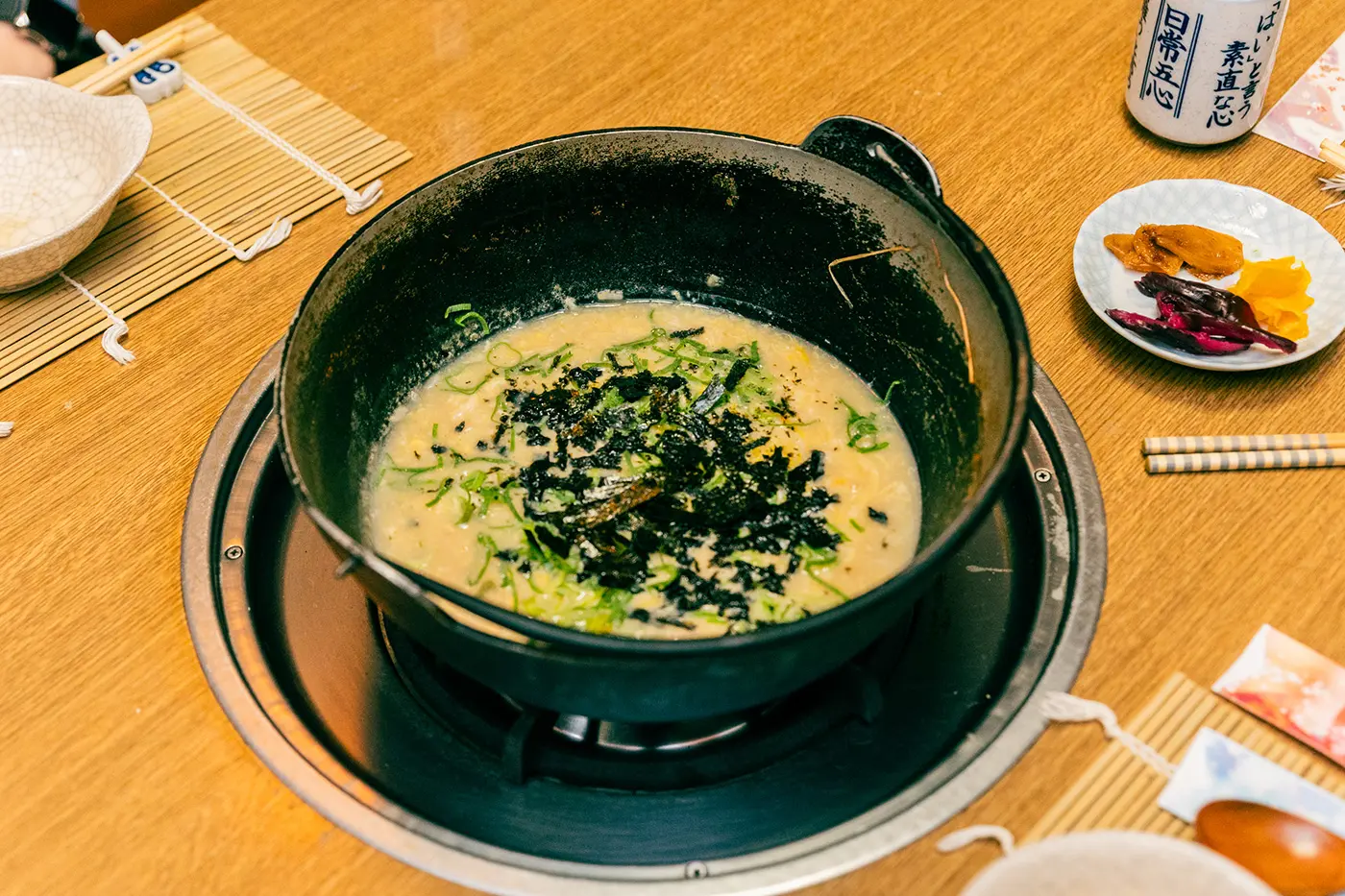
The restaurant exudes the kind of spirit you'd expect from a sumo wrestler and the warmth of a family-run business, making it a comfortable space even for first-time visitors. It's the perfect place to end a tour of sumo-related spots. This is a place where you can experience the "taste" of sumo culture that is deeply rooted in Sakai.
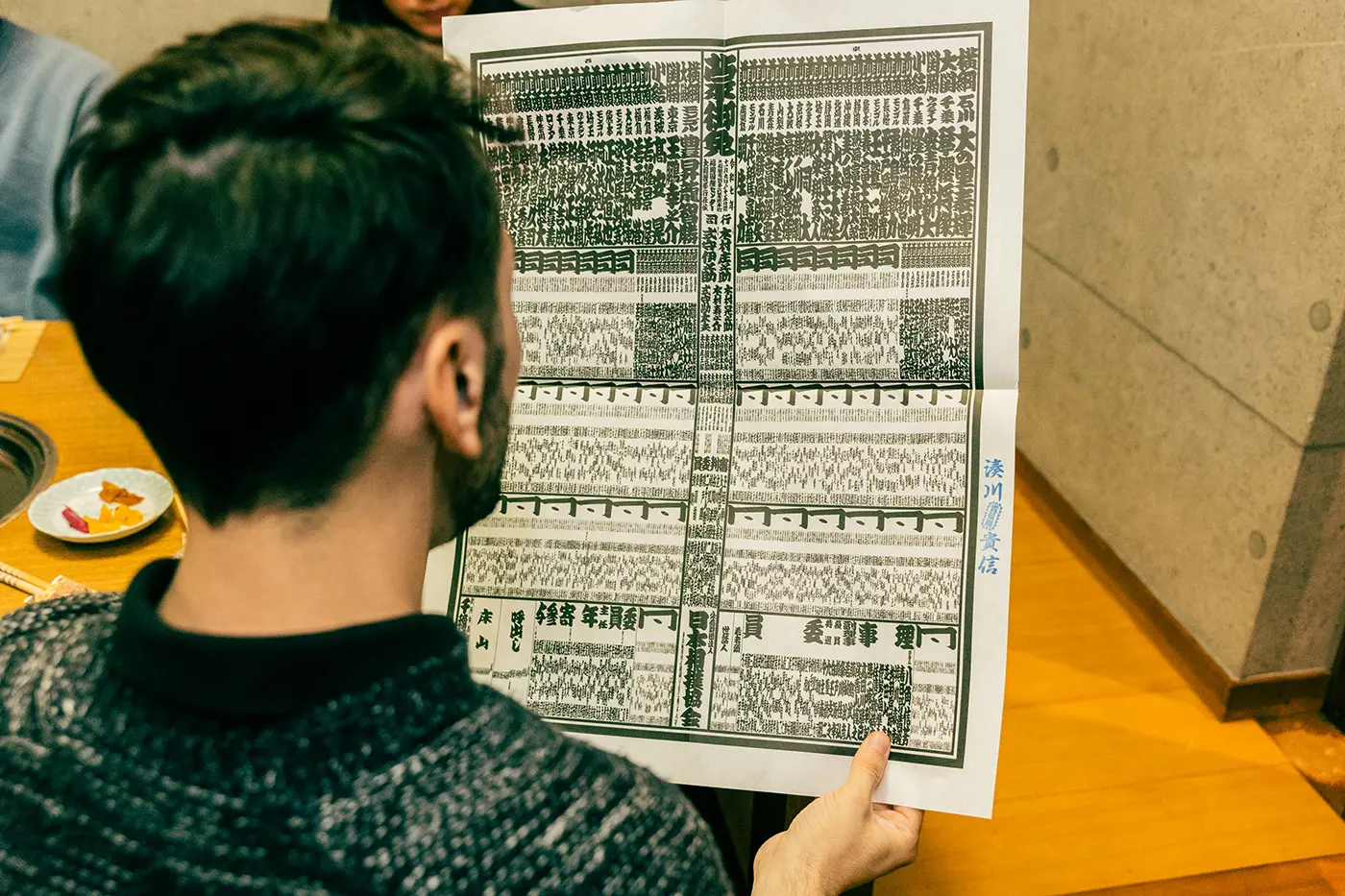
It was incredibly delicious! I ate my fill and was very satisfied. Eating the chanko nabe with its many ingredients warmed me from the inside out and gave me energy, and I thought it was a food that combined strength and gentleness, just like a sumo wrestler. The owner shared his memories and behind-the-scenes stories from his time at the sumo stable, and explained the ranking list to me, so I was able to spend a luxurious time even during the meal. It was a very fond memory.
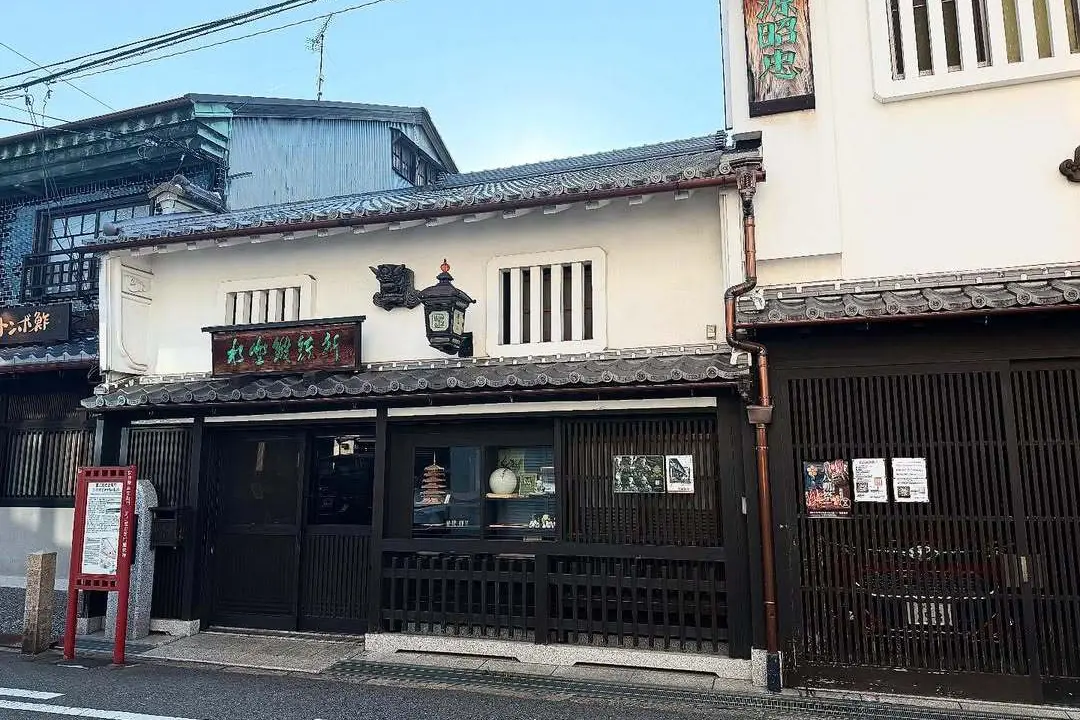
We also recommend the Mizuno Training Center, which has ties to student sumo.
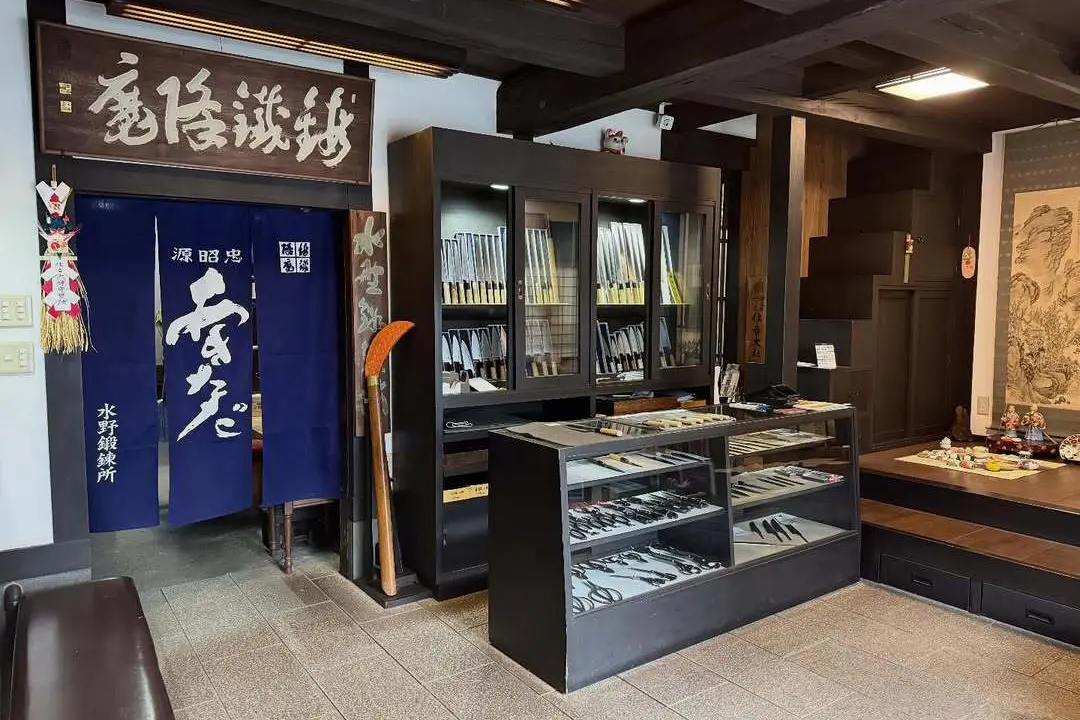
Mizuno Forge is also responsible for forging the Japanese swords that are presented to the winners of the National Student Sumo Championships.
Founded in 1872, this is a representative Sakai blacksmith's workshop for forging Japanese swords and knives. Bellows are still in use today, and the traditional scene of sparks flying during the forging process remains.
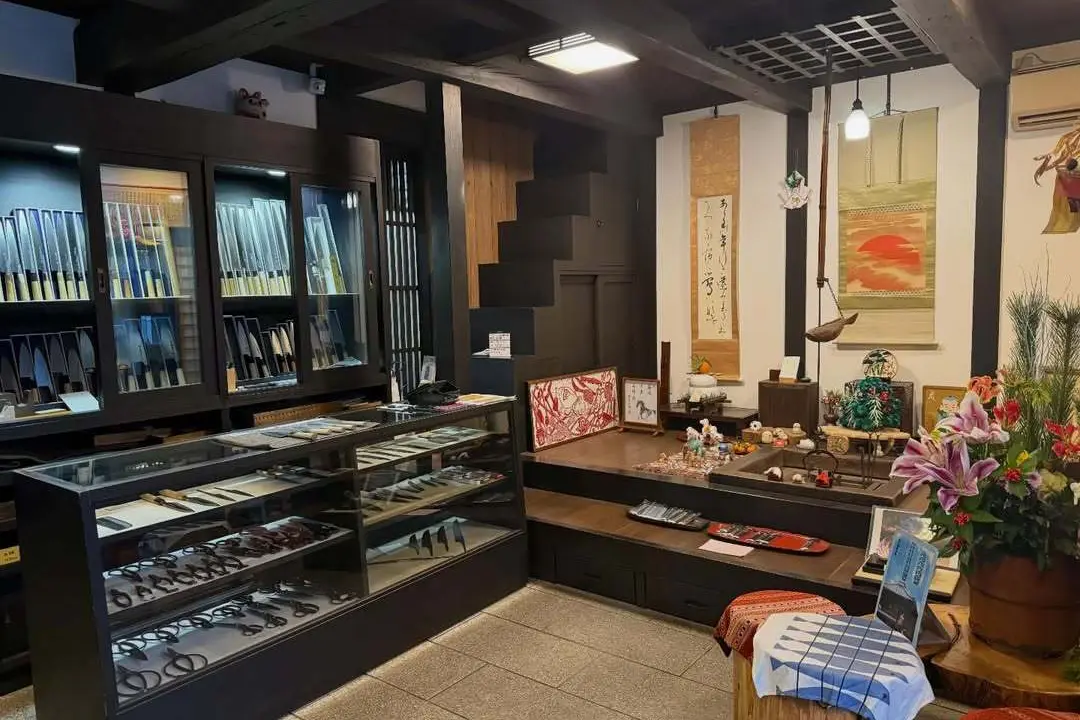
During the major renovation of the National Treasure Five-Story Pagoda at Horyuji Temple after the war, the company is known for forging the "talismanic sickles" that hang from the four corners and donating them in 1952. These sickles were forged using old nails dating back 1,300 years, and are special items that can only be replaced once every 200 to 300 years. At the workshop, you can actually touch the "talismanic sickles" and the nails used in the central pillar, allowing you to feel the weight of their history.
A spiritually enriching experience, where you can feel the connection between people, culture, and history
Standing on the main ring at the sumo arena, sprinkling salt, listening to the sound of clappers.
Experiencing traditional Japanese culture will gently teach you the meaning of weight, serenity, and beautiful manners that you can never experience just by looking. By touring facilities related to sumo, long-established workshops, and even chanko cuisine prepared by sumo wrestlers, you will be able to get a more three-dimensional feel for the culture that has been passed down in this land for generations.
From Ohama Park, where the history of amateur sumo lives on, to the Mizuno Training School, where the fires of the blacksmiths still burn, to dining spots where you can experience the warm flavors of sumo wrestlers, Sakai is packed with sumo-centered experiences that allow you to "know, experience, and taste."
For Thibault, and for anyone who visits, this is a place that will surely make you fall in love with sumo even more. When you step onto the quiet ring, you feel a mysterious sense of elation, as if a switch inside you has been flipped.
If you come to Sakai, be sure to experience a part of the sumo culture that has been supported by history and people's passion.
*The information in this article is current as of February, 2026. As details may have changed, please check the official websites of the facilities and stores for the latest information.
Photo: Yuji Takatsu
Edited by: Osaka Nichi Nichi Weekly Newspaper Company
Direction: Ningen Henshusha
Related Tours
Osaka: Experience sumo training and movements on a real sumo ring, and tour the training hall
- Visit the Ohama Park Sumo Arena, which is off-limits to the public, and see the facilities used for preparation and training for the wrestlers.
- Step onto the real sumo ring at Ohama Park Sumo Arena and experience throwing salt and clapping before the match.
- As a memento of the tour, where you can experience the traditional Japanese culture of sumo, you will receive a free sumo towel.
