 Copy Link
 X
X
 Facebook
 LINE
LINE
 LinkedIn
 Pinterest
 WhatsApp
 KakaoTalk
 NAVER
NAVER
 Weibo
Weibo
 WeChat
 Mail
Mail
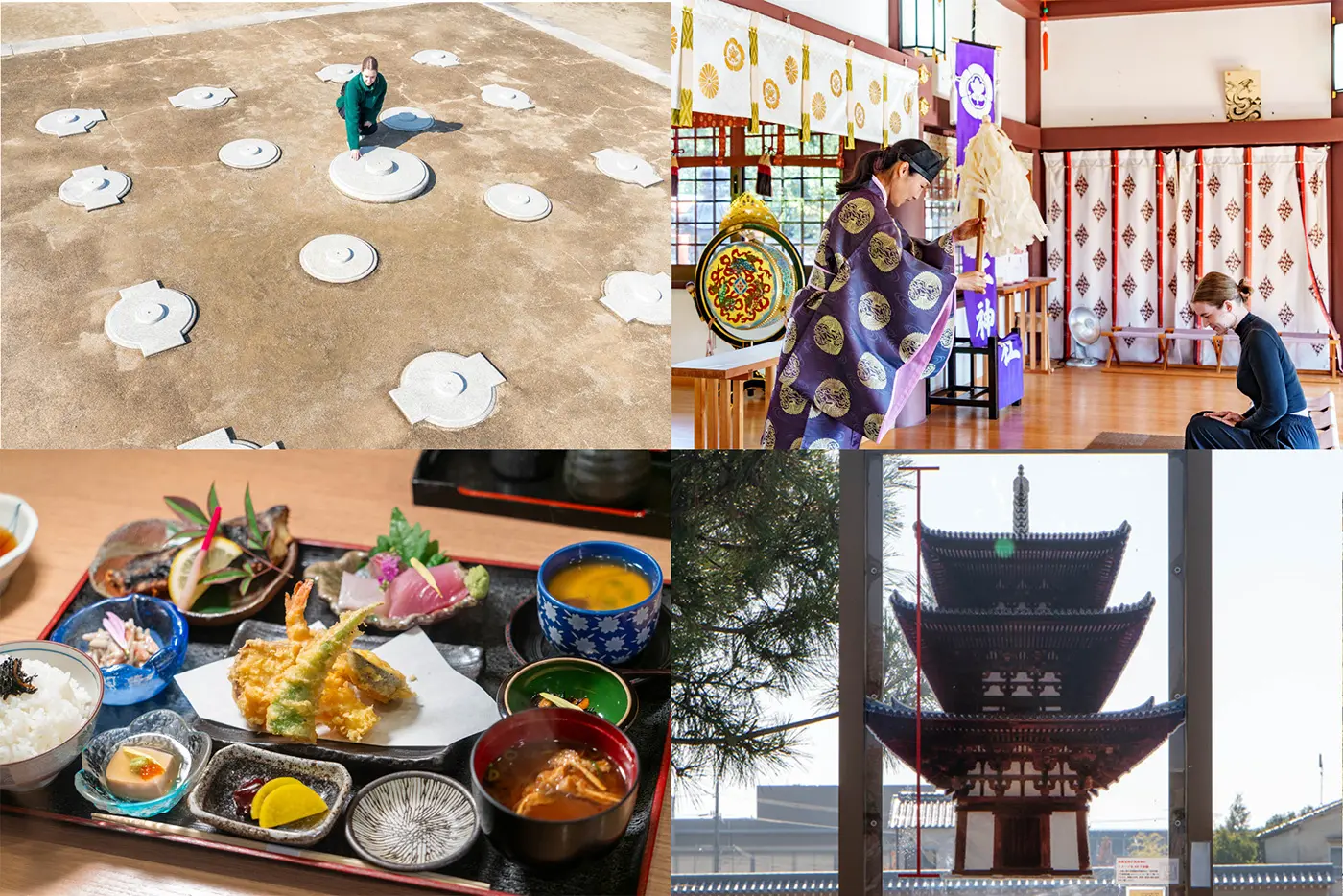

Osaka Prefecture is home to only two designated "special historic sites": the Osaka Castle Ruins and the Baekje Temple Ruins. While today it's a quiet historic park, approximately 1,250 years ago, it was home to a temple and a planned city built by the Baekje royal family, descendants of the Baekje king. We explore Hirakata's hidden historical sites.
Related Tours
Osaka: Experience a mystical prayer and a powerful performance up close at a falconry show, with a free red seal!
- A stroll around the ruins of Baekje Temple, a special historic site built approximately 1,250 years ago
- Experience a mystical prayer at Baekje King Shrine
- Get a free goshuin stamp book with goshuin stamps
Hirakata City, located in the Kitakawachi area, is conveniently located halfway between Osaka and Kyoto, and is a city where urban vibrancy and local tranquility blend together in a comfortable atmosphere.
One of the most noteworthy sites is the Kudara Temple Ruins, which has a deep connection to the ancient state of Kudara on the Korean Peninsula. It is a special historic site on a par with the ruins of Osaka Castle, and the remaining foundation stones give a sense of the scale of the temples of that time.
This time, we explore this historical site with Kira from Australia. We follow in the footsteps of the Baekje kings, while also enjoying the "Baekje Temple Ruins WebAR Experience Guide," which gives us an idea of what the temple was like at the time.
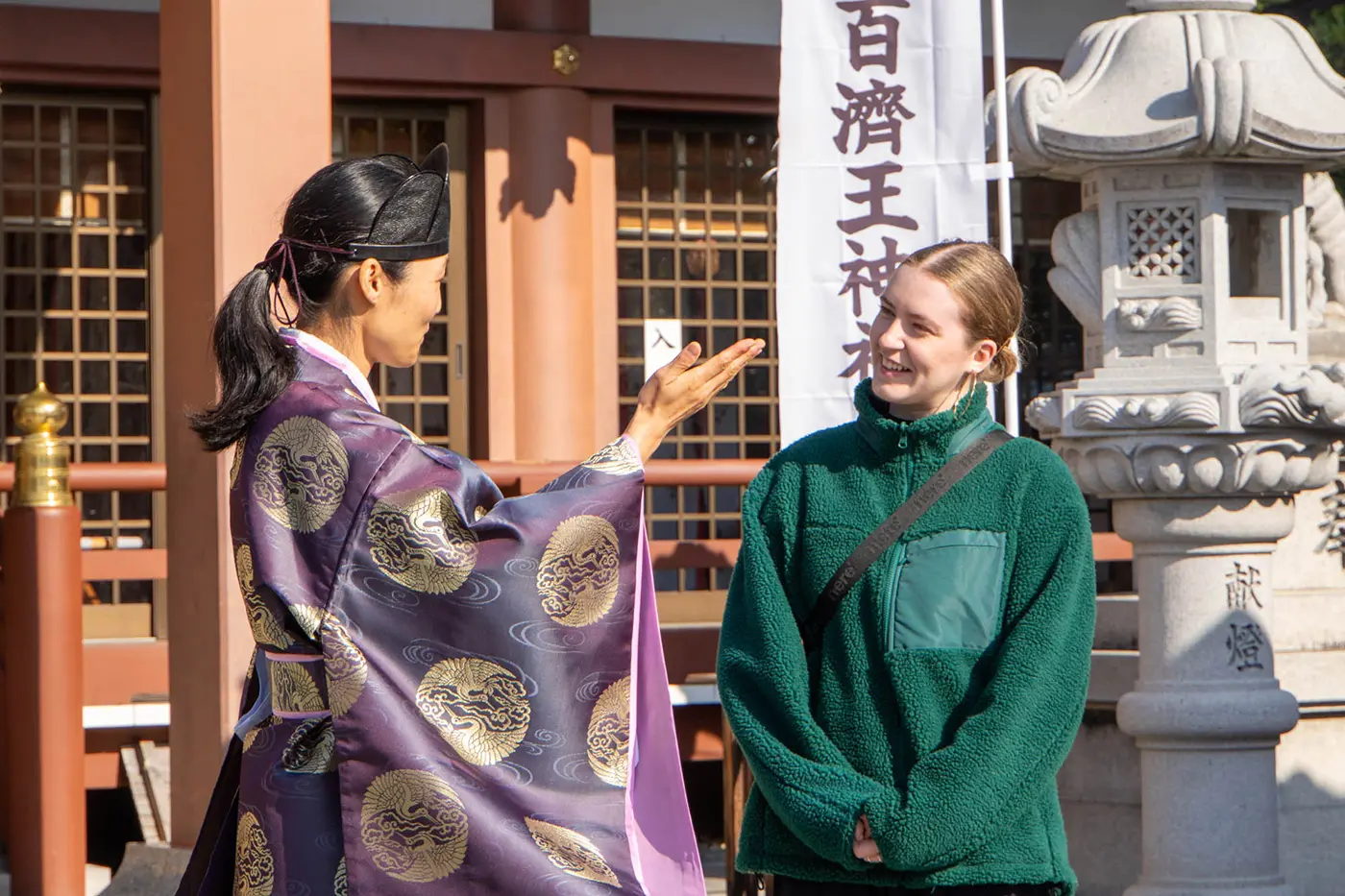
Guide
A park where local residents can relax, but it's actually a special historic site? Searching for the key to solving the mystery of the Baekje Temple ruins
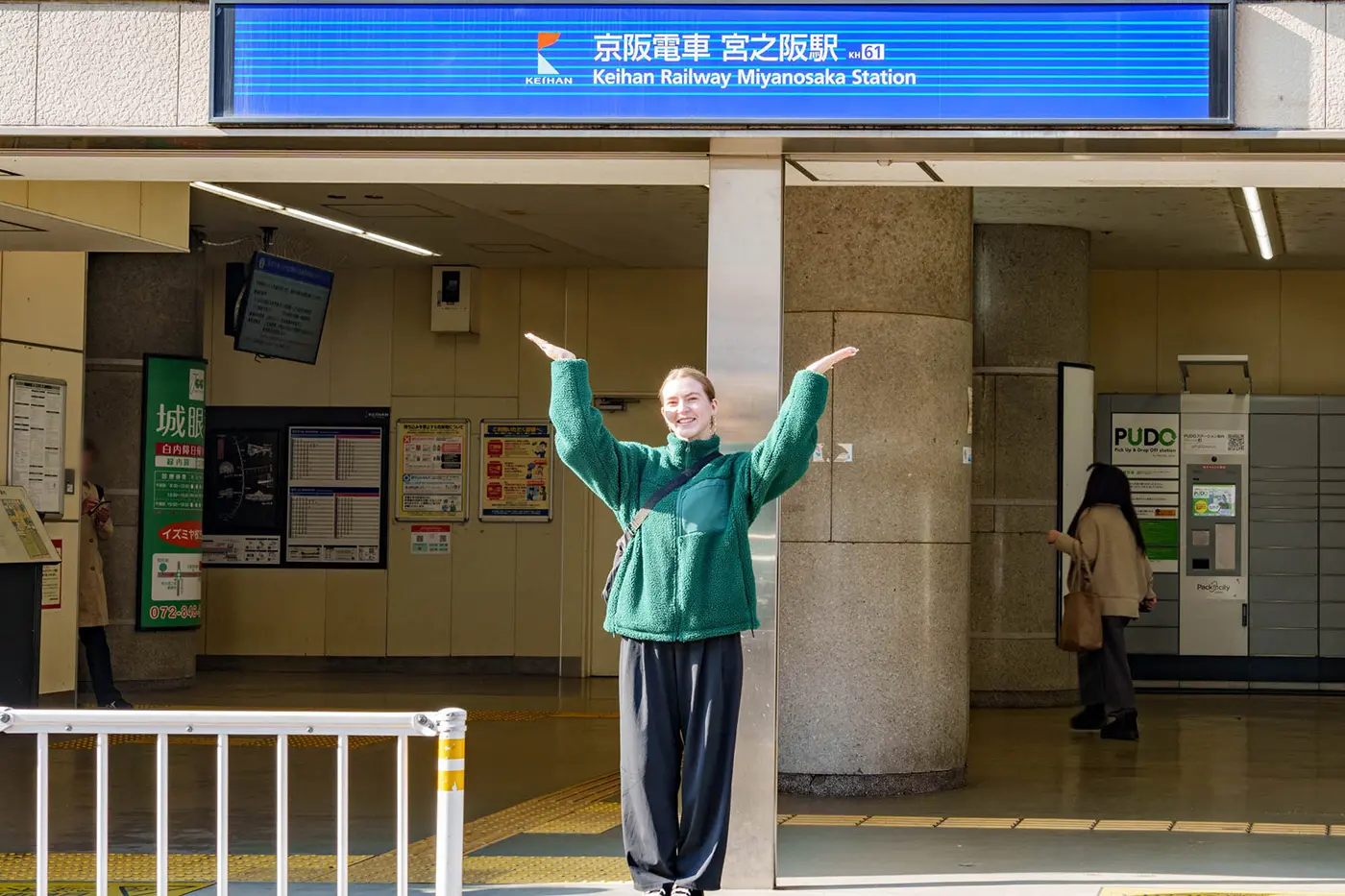
We start at Miyanosaka Station on the Keihan Katano Line. After getting off at this small station with a local atmosphere and walking for about eight minutes, we will see our destination, the ruins of Baekje Temple.
Before learning about the history of Baekje Temple ruins, there is something we would like you to see first.
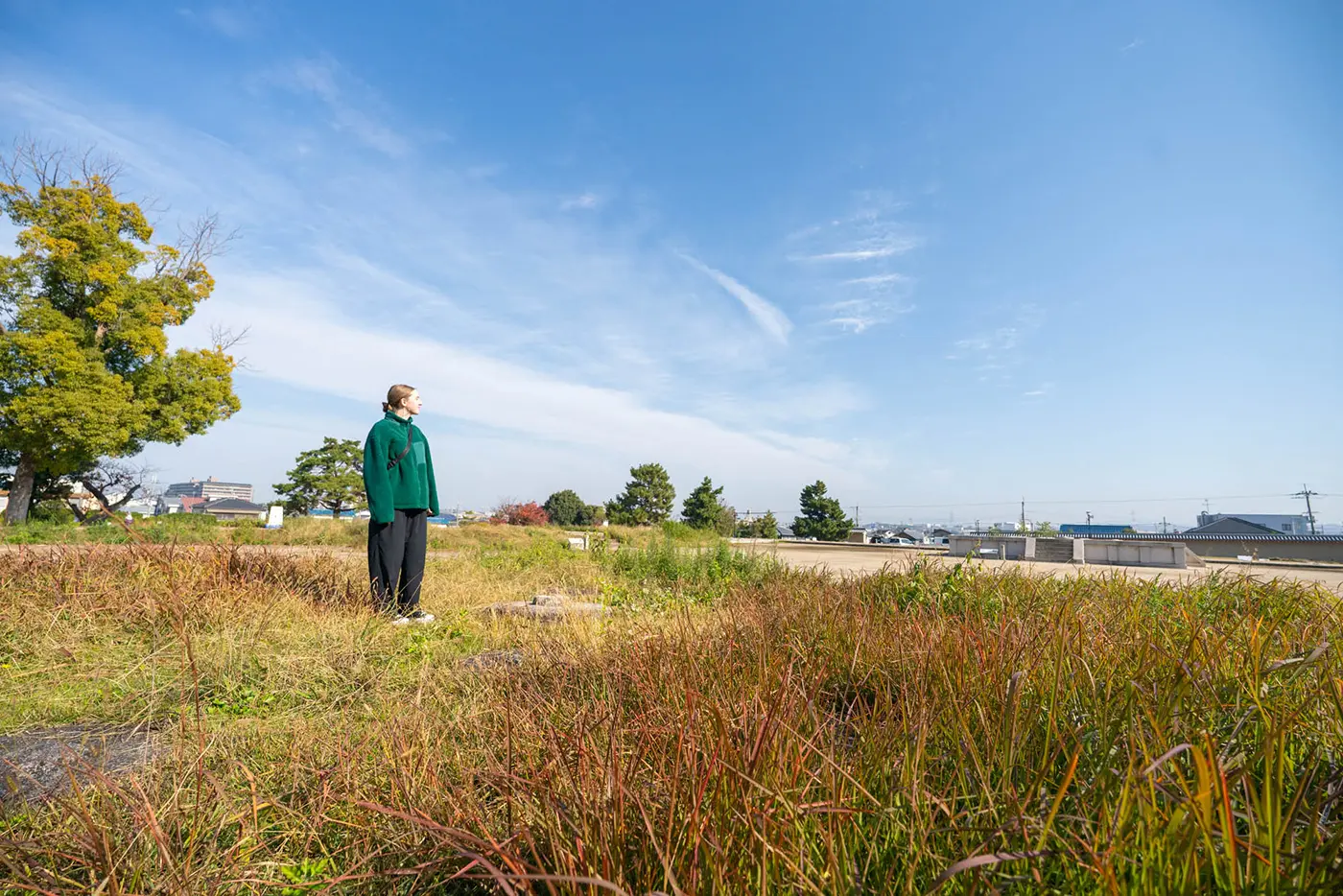
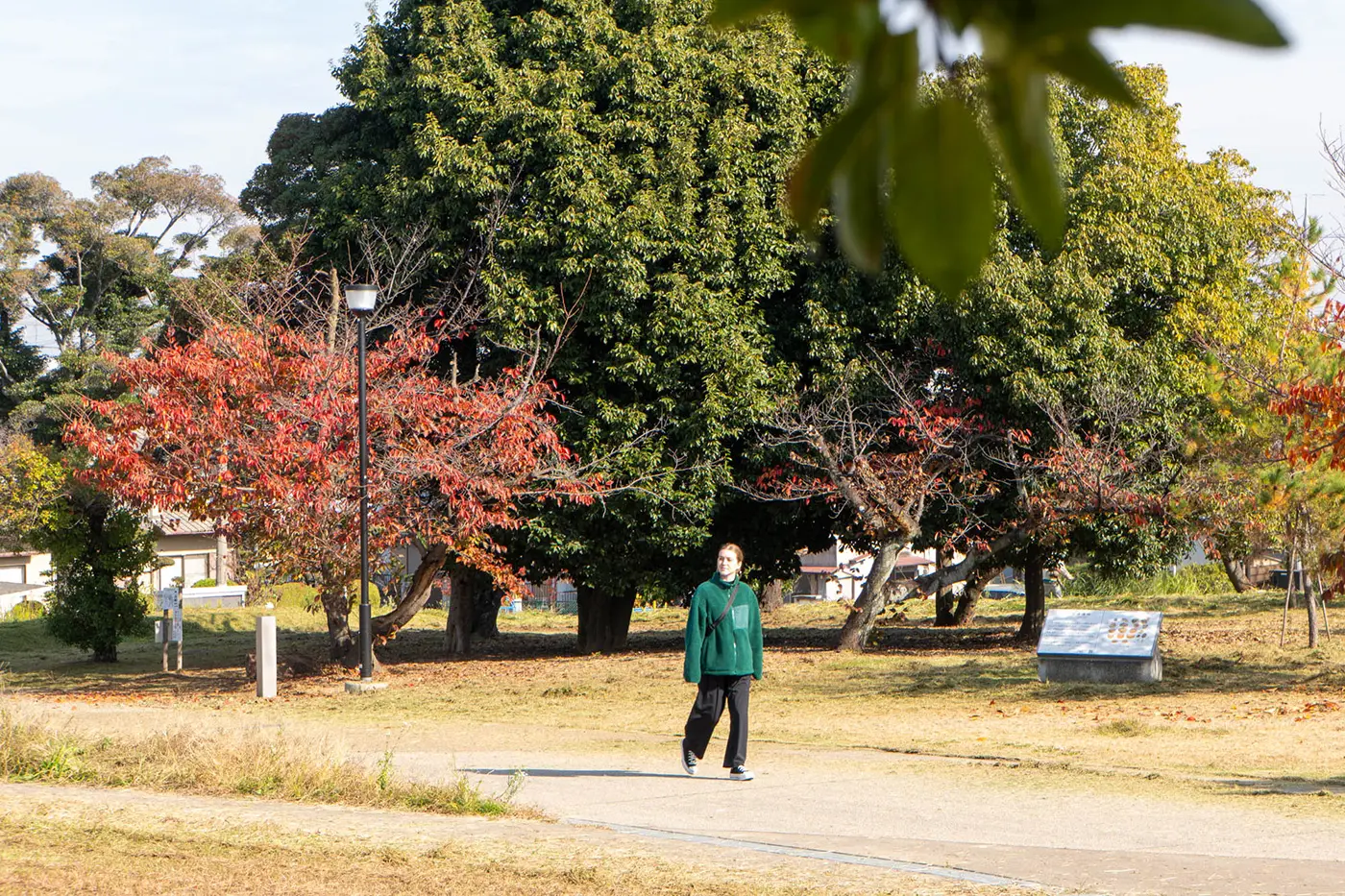
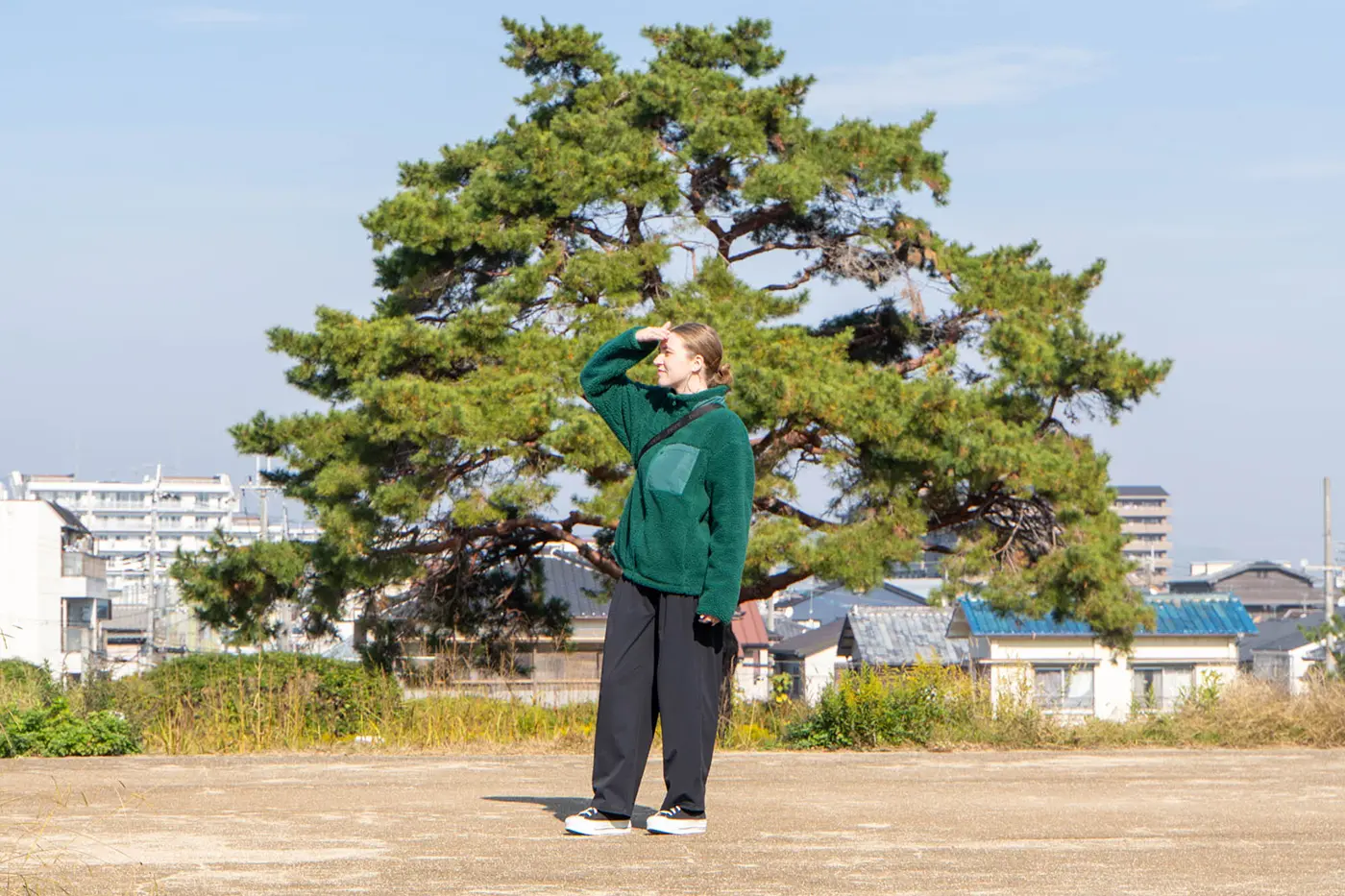
This is the photo below. It shows the current state of the Baekje Temple ruins, which we are about to see.
At first glance, all you see is a plaza and some foundation stones here and there. There are no towers or halls that would suggest a temple, so you might wonder, "What on earth was there here?"
Nevertheless, this place has been designated a "Special Historic Site" on a par with the magnificent ruins of Osaka Castle.
Why is this seemingly empty place so important? This question is the starting point for unraveling the history surrounding the Baekje Temple ruins.
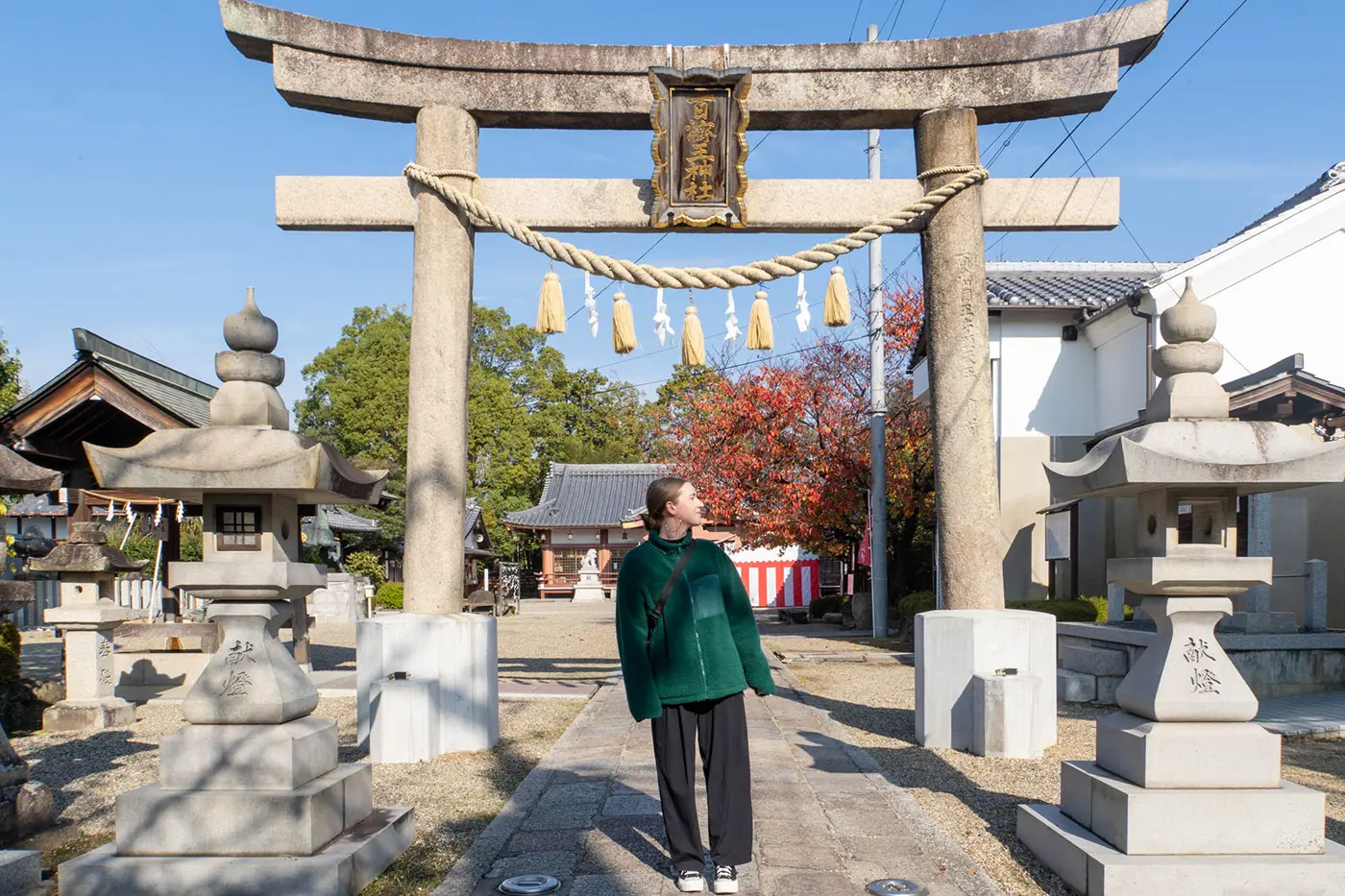
To find the answer, the first place we visited was Kudarao Shrine, adjacent to the ruins of Baekje Temple.
This shrine enshrines the Baekje royal family (Kudara no Konikishishi), who were active in the 8th and 9th centuries, and conveys the history of Baekje to the present day.
This time, with the help of a Shinto priest, we will explore what kind of people the Baekje royal family were.
The Baekje royal family, descendants of the royal family of the ruined country of Baekje, and the beginning of Hirakata
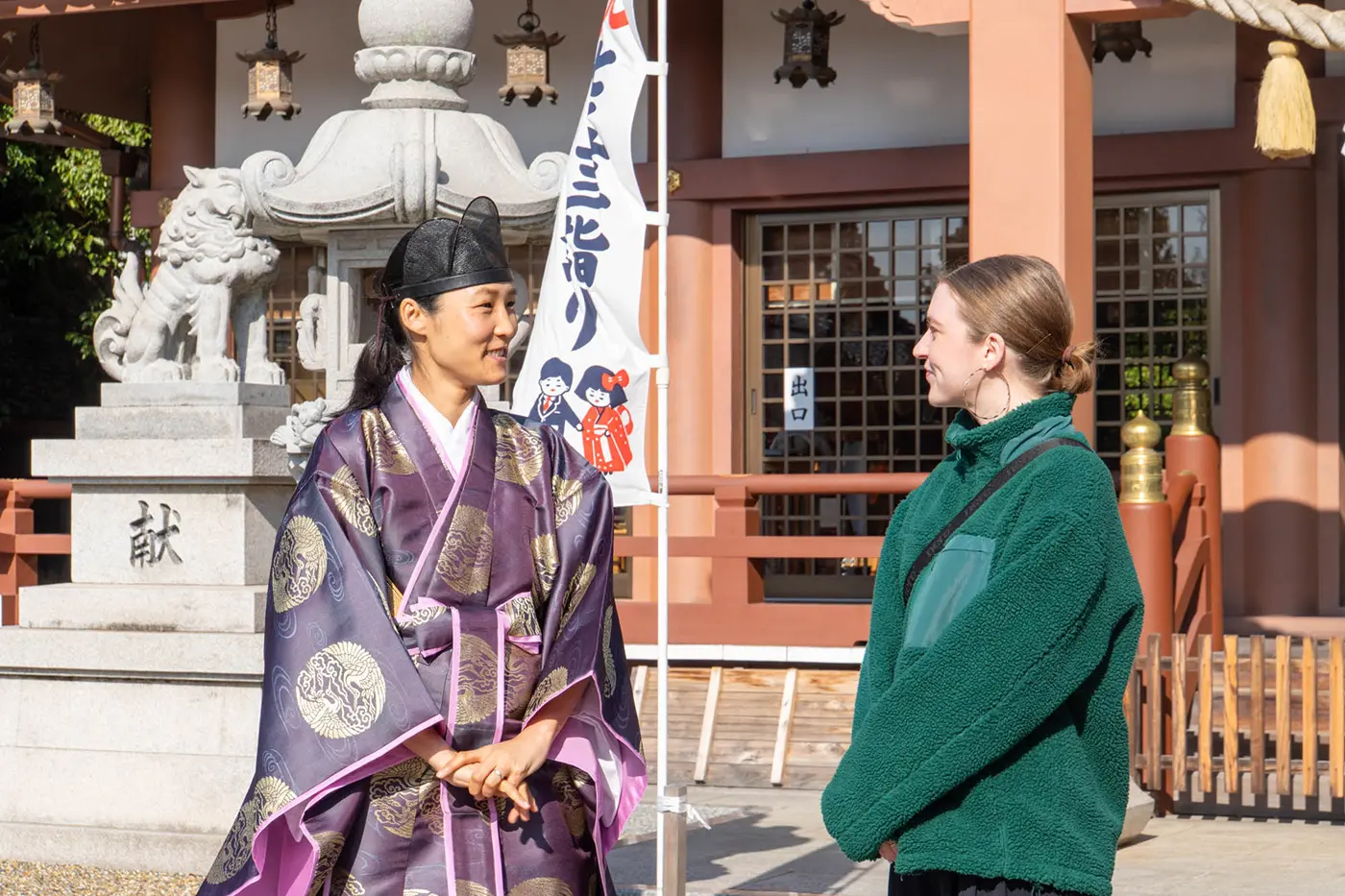
Going back in history, about 1,400 years ago, in the first half of the 6th century, the ancient nation of Baekje, located in the southwestern part of the Korean Peninsula, had deep ties with Japan at the time, bringing with it technology and culture such as Buddhism and architecture, and exerting a great influence on Japan.
However, in the second half of the 7th century, Baekje was defeated in a battle with the allied forces of the Tang Dynasty of China and Silla on the Korean Peninsula, and was destroyed. Many people were forced to leave their homeland and emigrate to the Japanese archipelago.
To unite these people, a clan called the Baekje Royal Clan was born, centered around Prince Zenhiro, who was in Naniwa at the time.
Eventually, a certain incident led to him becoming deeply involved in the core of Japanese politics, and he moved to Hirakata.
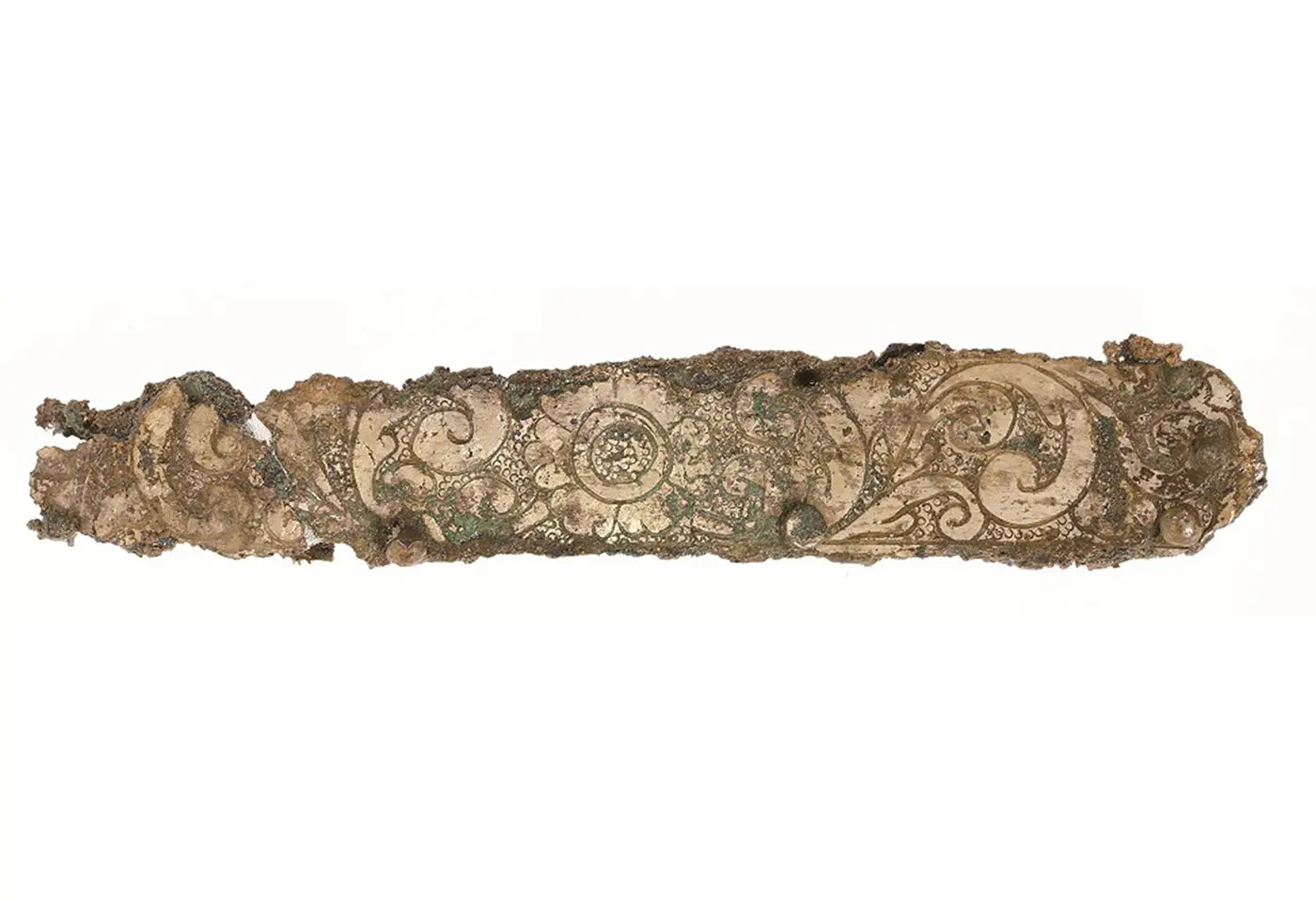
The background to this was the achievement of King Kyofuku of Baekje, who discovered that gold could be mined in Oda County, Mutsu Province (present-day Wakuya Town, Toda County, Miyagi Prefecture) and presented 900 ryo (approximately 13 kg) of gold to the Emperor.
King Keibok of Baekje was Zenko's great-grandson and was sent to the Tohoku region by order of the Imperial Court as Mutsu no Kami*.
*Mutsu no Kami: A provincial governor (chief) who ruled Mutsu, and played a role similar to that of a prefectural governor today.
The gold that Keifuku found there was used to finish the Great Buddha, which was being built in Nara at the time. This event was so important that Emperor Shomu was so pleased that he changed the era name.
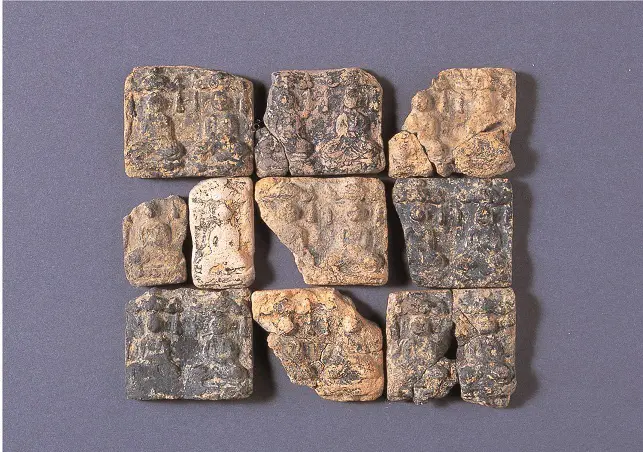
Due to his achievements, Keifuku was promoted to Junior Third Rank and appointed Kawachi no Kami, who governed Kawachi Province. It is said that this was the opportunity for the Baekje royal family to move their base to the area around present-day Hirakata.
*Kawachi Province: present-day eastern Osaka Prefecture.
Historical documents also show that the Baekje royal family was well-received by the Emperor and played an active role in Hirakata during the major changes in Japanese history when the capital was moved from Heijo-kyo in Nara to Heian-kyo in Kyoto.
The grandson of King Keibok of Baekje, King Myoshin of Baekje, was a favorite of Emperor Kanmu, who moved the capital to Heian-kyo, and it is recorded in the historical books of the time, Shoku Nihongi and Nihon Shoki, that the emperor frequently visited the area around Hirakata, where the Baekje royal family lived, to enjoy falconry.
*There is a place called "Kinno" in Hirakata City, and falconry is closely related to the origin of the name. This Kinno was a hunting ground reserved for the emperor, and it was so named because hunting by other people was prohibited.
The Emperor also granted the Baekje royal family various privileges and treated them as the highest-ranking clan, and Baekje Temple was treated in the same way as a temple built by the state.
As such, Baekje Temple was a place closely connected to the center of power at the time, and it is believed that the location of Hirakata was chosen because of this special position held by the people of the ancient capital.
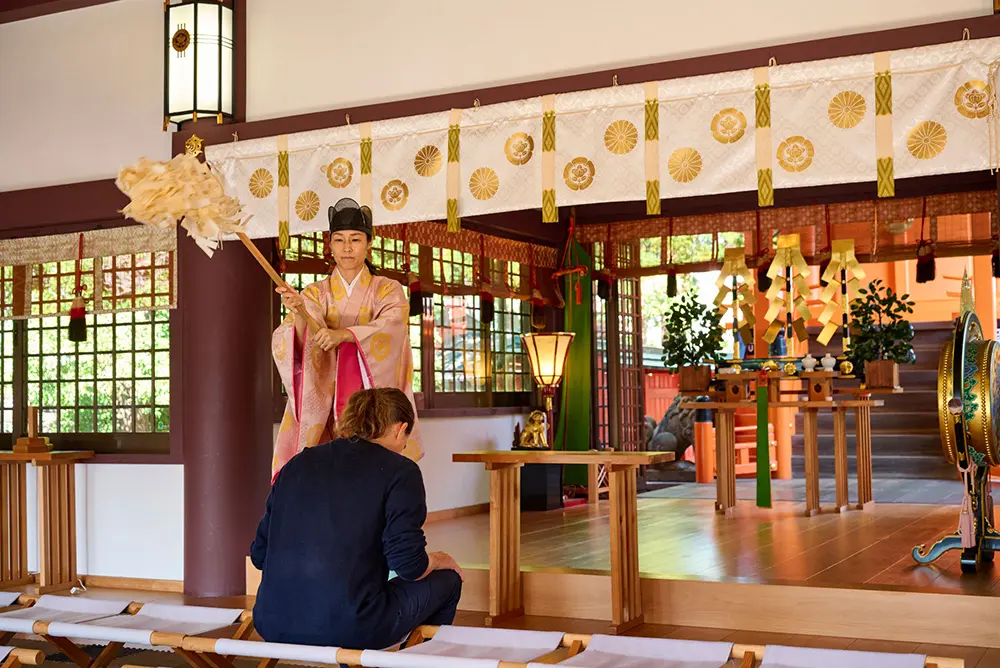
Before heading to the ruins of Baekje Temple, experience a prayer for a safe journey at Baekjeo Shrine.
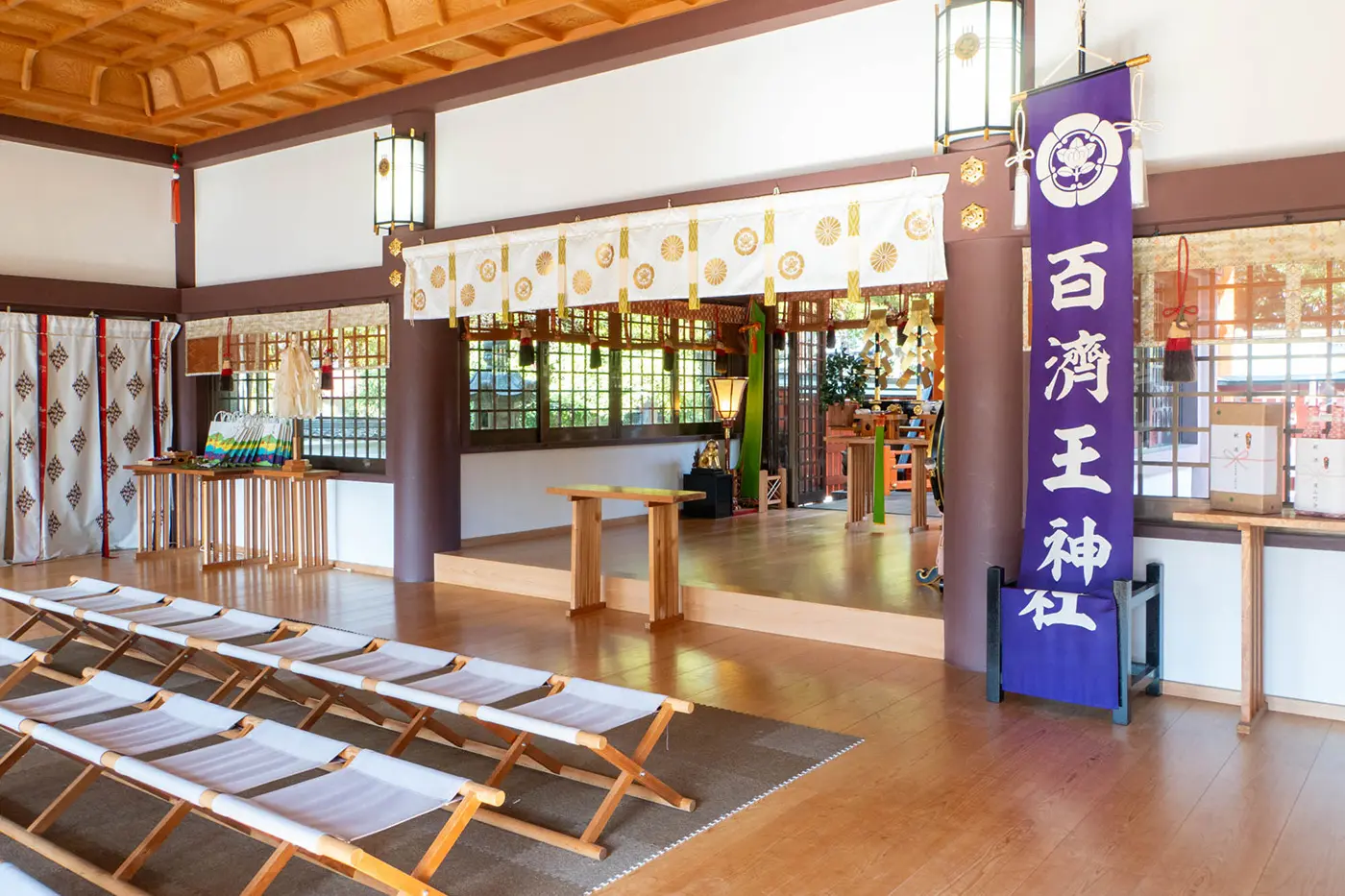
As the priest spoke to us about the Baekje royal family and the history of this area, we gradually began to understand why the Baekje Temple ruins are such a special place.
Before heading to the actual Baekje Temple ruins, we took this opportunity to pray for a safe journey.
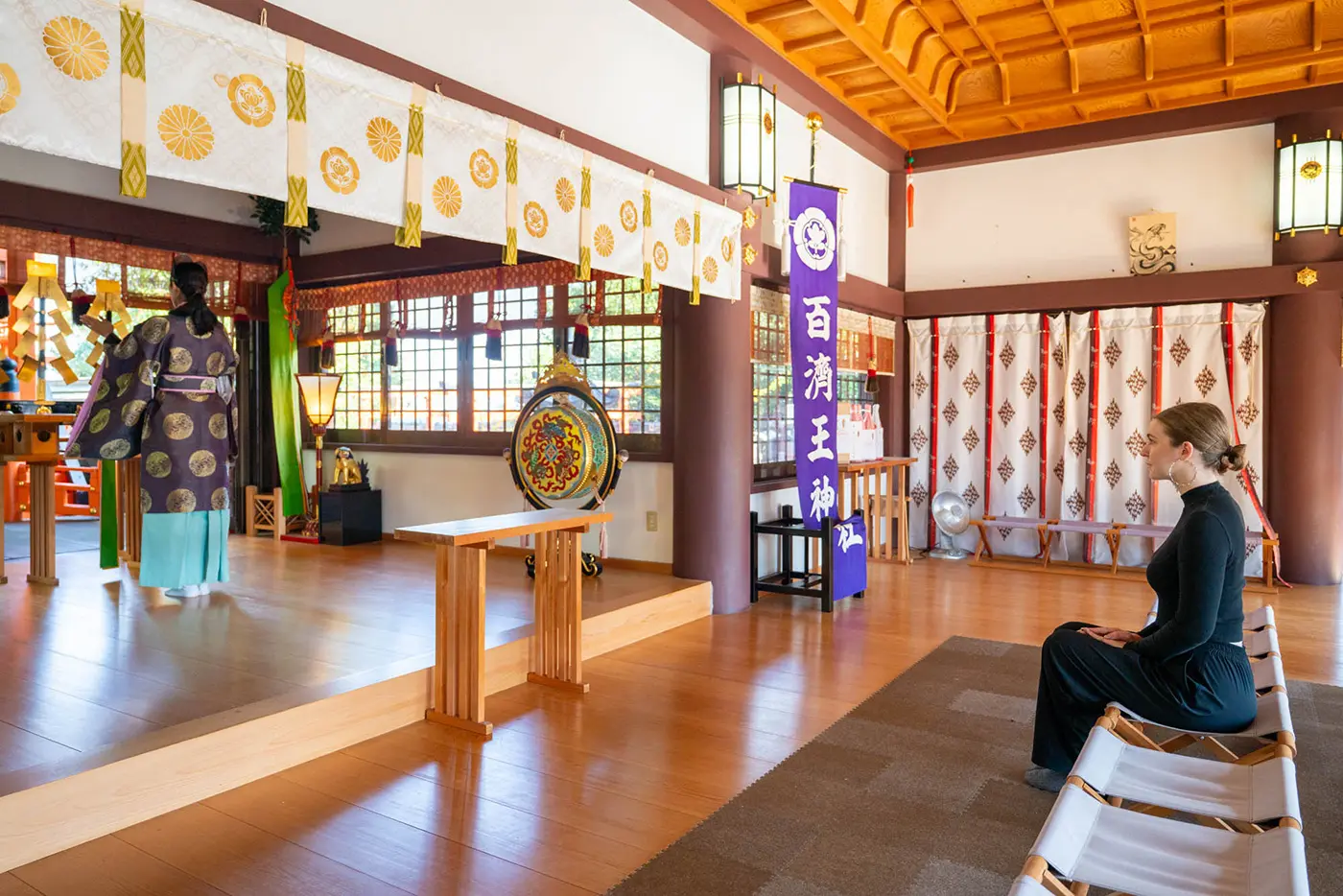
Baekje King Shrine is known as a shrine associated with the Baekje royal family, but its rituals are based on ancient Japanese Shinto, and it has long been worshipped by locals as a guardian deity watching over their lives.
This gives us a glimpse of the uniquely Japanese religious thought known as "Shinbutsu Shugo," which combines ancient Japanese gods with gods and Buddhas introduced from the continent.
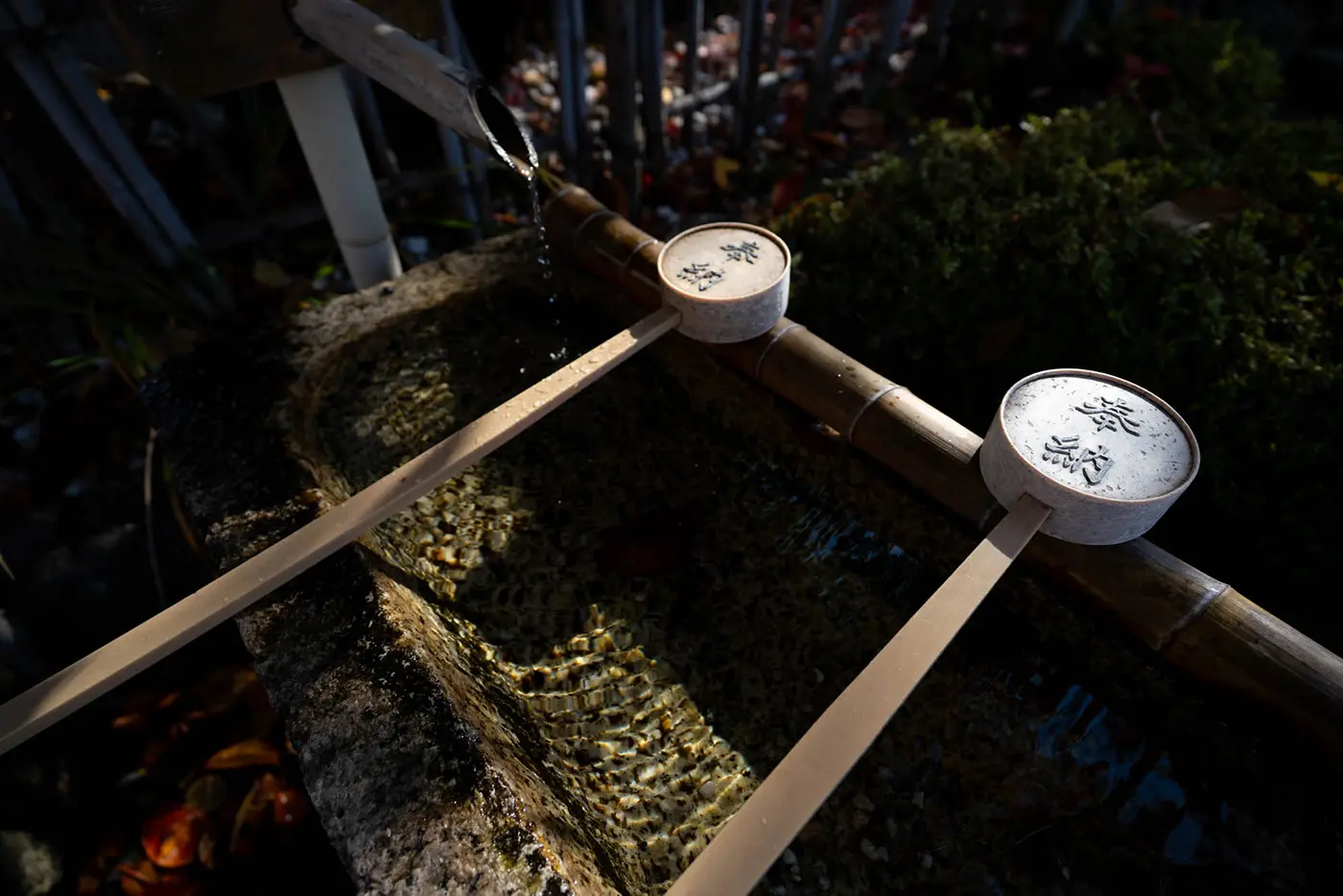
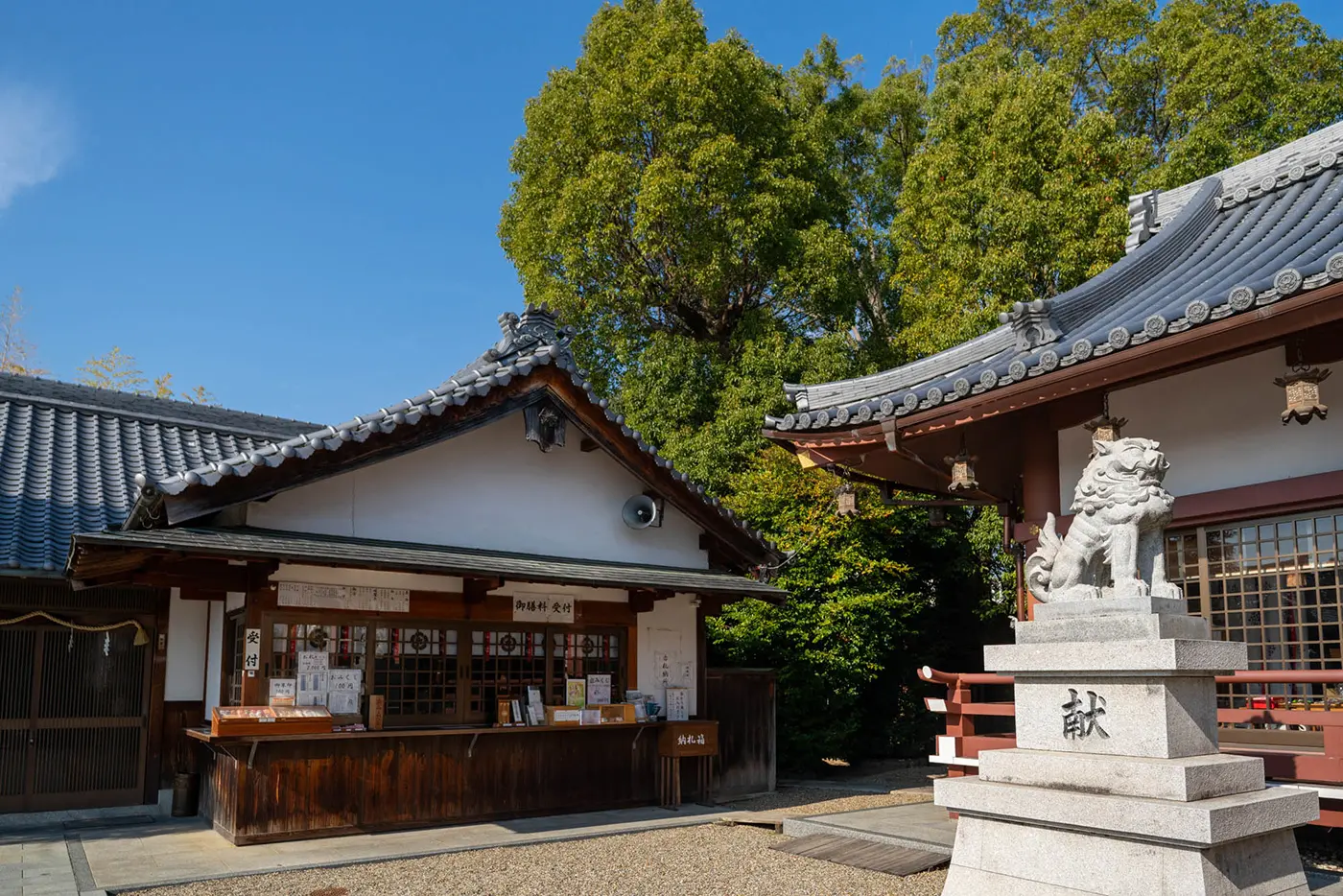
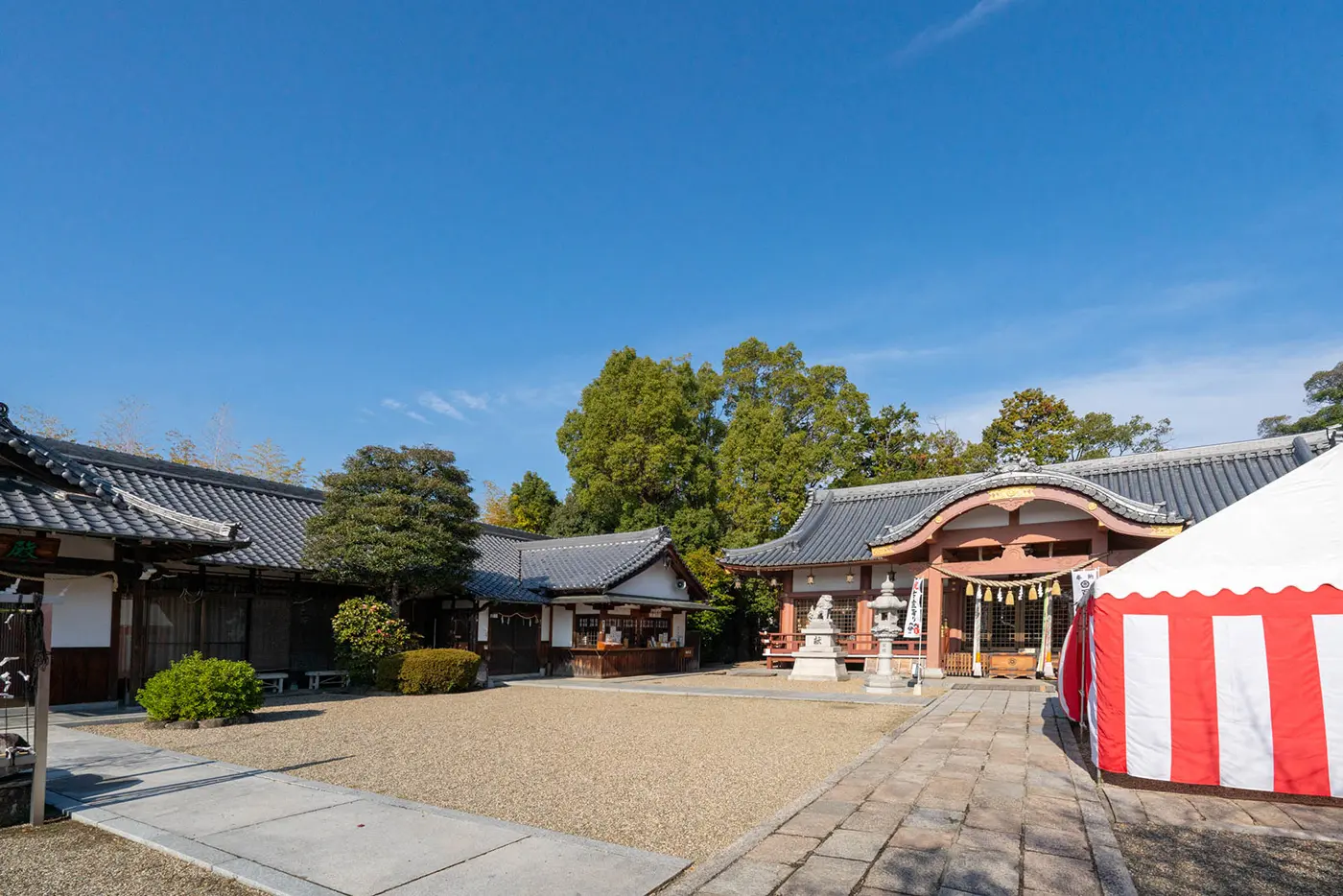
Due to the historical facts of the Baekje kings, who were associated with gold, it is said that the shrine brings good fortune in business prosperity, success in enterprise, and family prosperity. In addition, as the Baekje kings were also active as warriors, many people pray for victory and safe travels.
The shrine grounds also house Susanoo-no-Mikoto, who is known as the god of warding off evil and epidemics, and is said to answer a wide range of wishes.
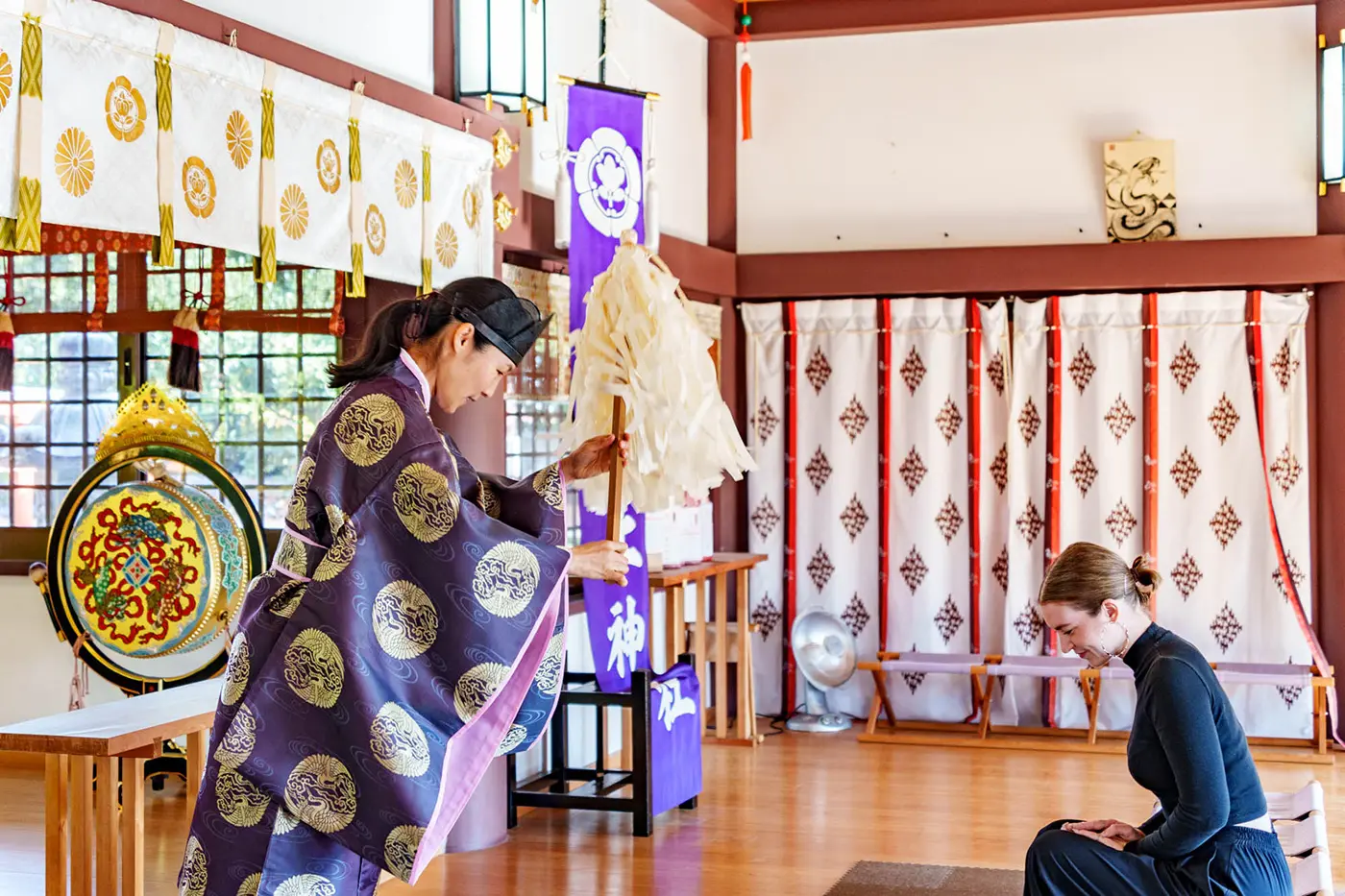
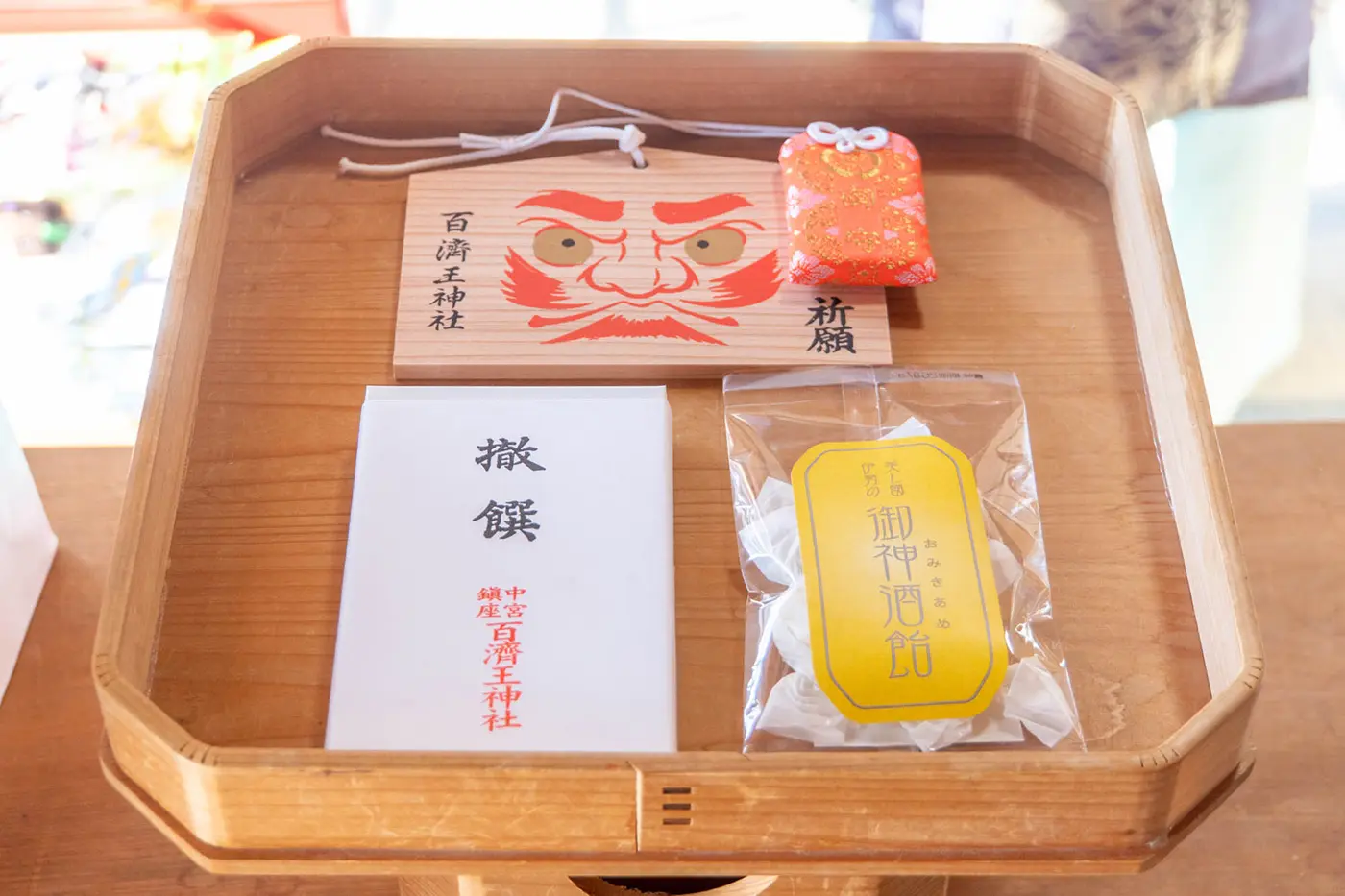

I was surprised to learn that the Baekje kings were not just people who came to Japan, but were deeply involved in Japanese history itself. During the prayer service, the sound of drums reverberated, and the prayers chanted by the priests were very mystical. Learning that this is how prayers are offered at Japanese shrines gave me an opportunity to understand the culture.
What became clear at Baekjeo Shrine was the deep connection between the Baekje royal family and Hirakata.
Recalling the story of the Baekje king we had heard earlier, we finally set off to see the ruins of Baekje Temple to confirm the history and significance of what appears to be a park where citizens can relax.
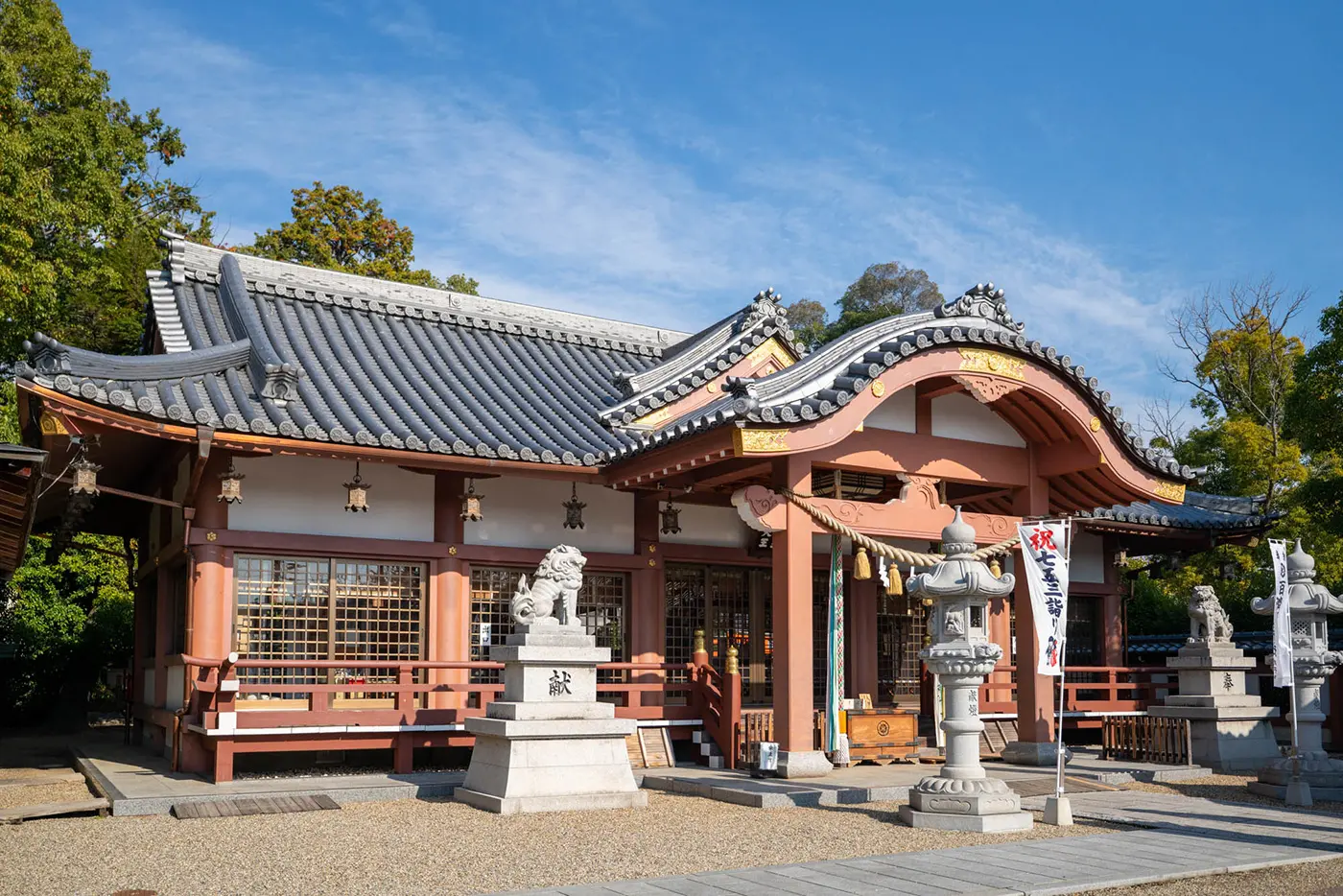
*Please make a reservation if possible as prayers may not be available depending on the date and time.
The reason it's on par with the Osaka Castle ruins: Walking around the special historic site, the Baekje Temple ruins
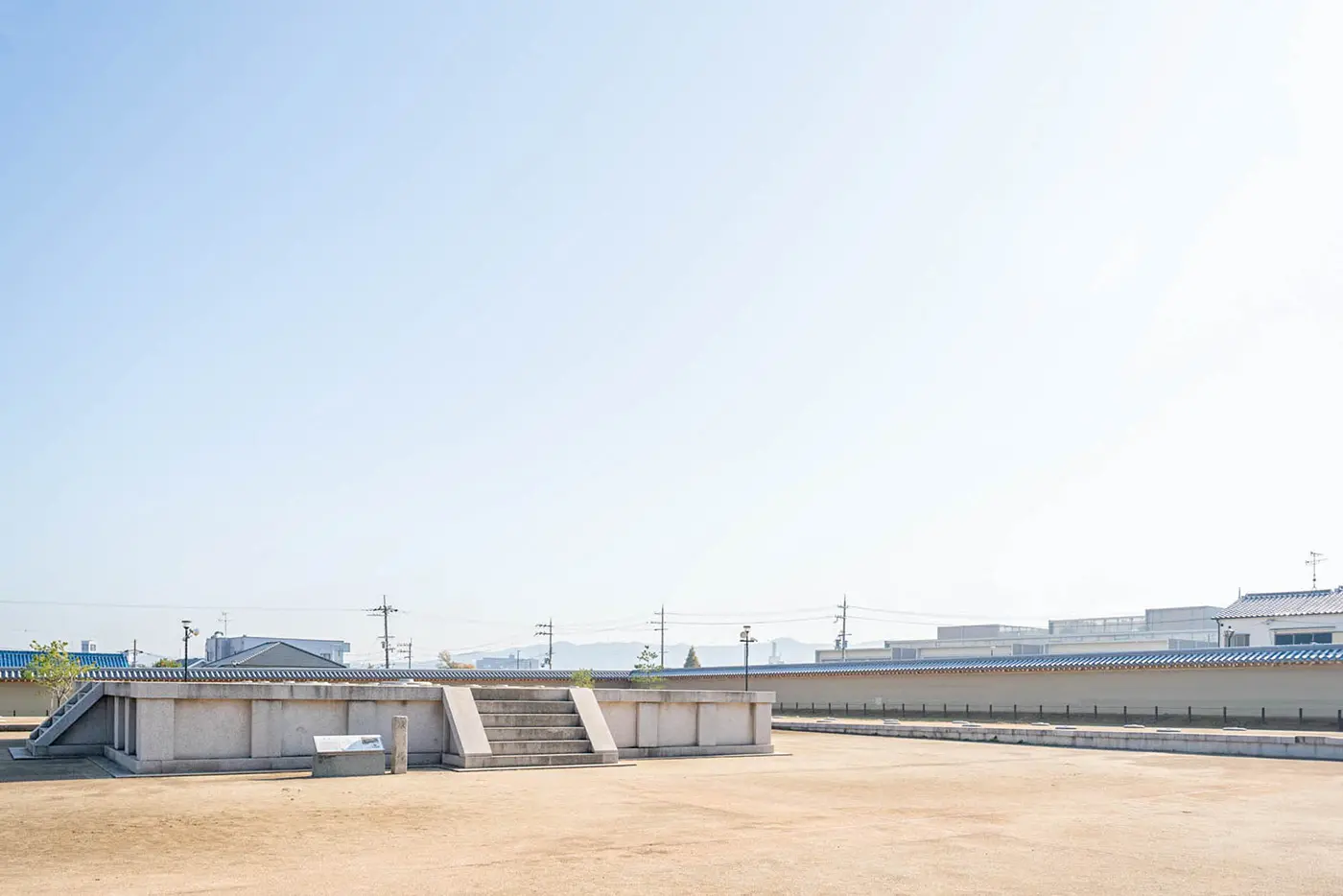
The ruins of Baekje Temple are located next to Baekje King Shrine.
Looking at this alone, all we can see are the foundations of a building and walls, so it may be difficult to imagine what Baekje Temple looked like at the time from its current appearance.
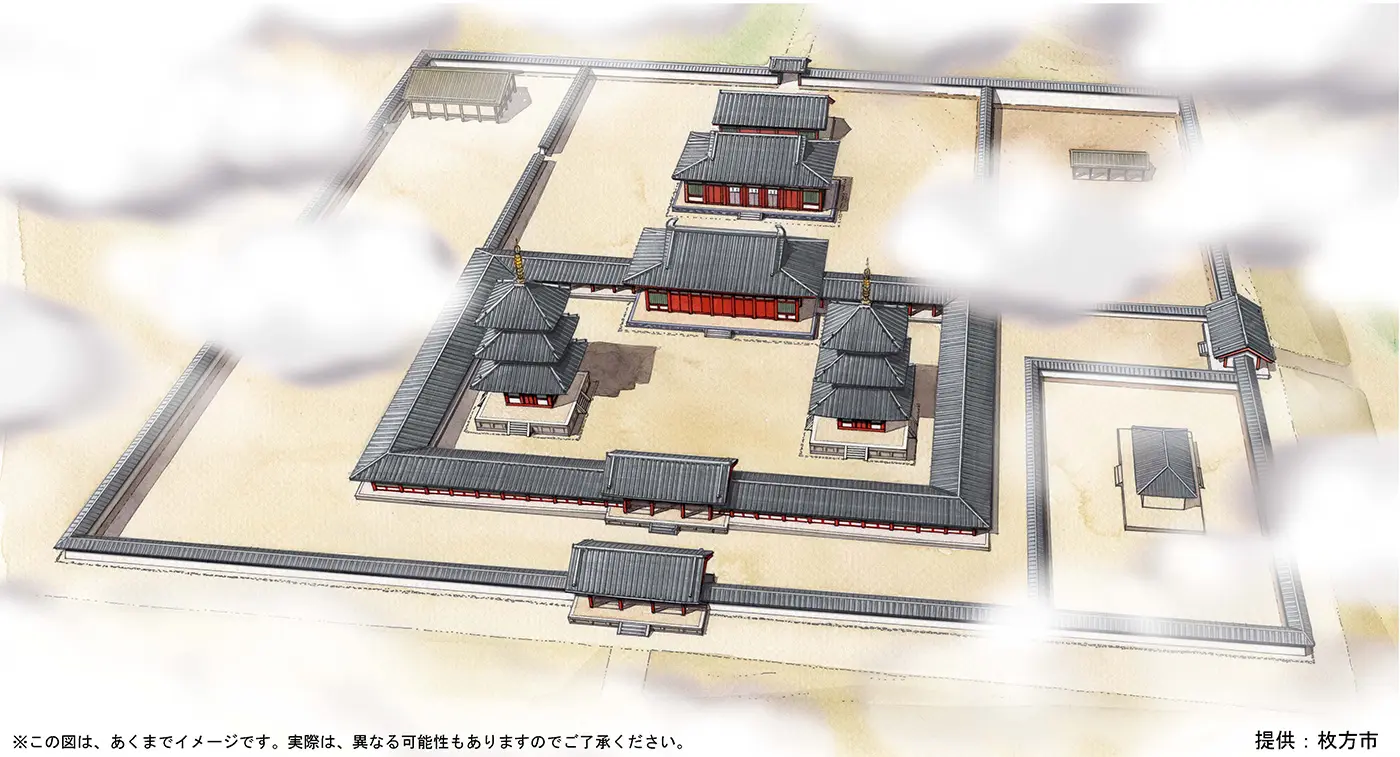
So, the first thing we would like you to see is a bird's-eye view that has been restored to give an impression of what it was like at the time.
The temple area was surrounded by a 140m square wall, and two towers, one on the east side and one on the west side, stood inside the corridor connecting the inner gate and the main hall.
This temple layout is known as the "twin tower" style, which can also be seen at Yakushiji Temple in Nara.
The fact that the building's foundations and structure were built using the latest technology of the time shows that Baekje Temple was a prestigious temple at the time.
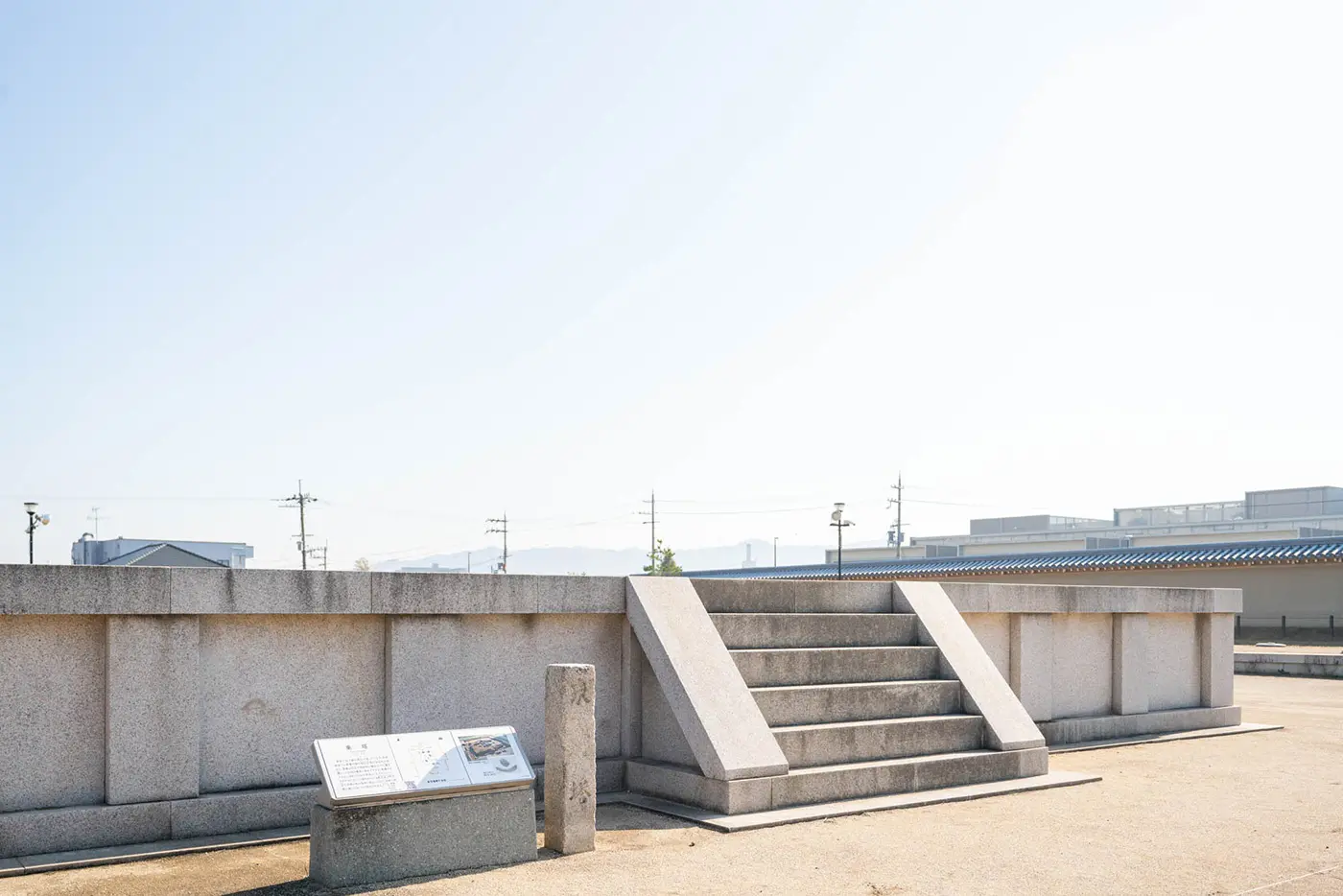
Now, with the image above in mind, let's take a tour of the actual Baekje Temple ruins. The first thing we saw appears to have been a raised platform for the base of a tower.
Currently, only the base of the tower, the platform, has been restored, but by comparing it with the layout seen in the image, we can get a glimpse of what the building looked like at the time.
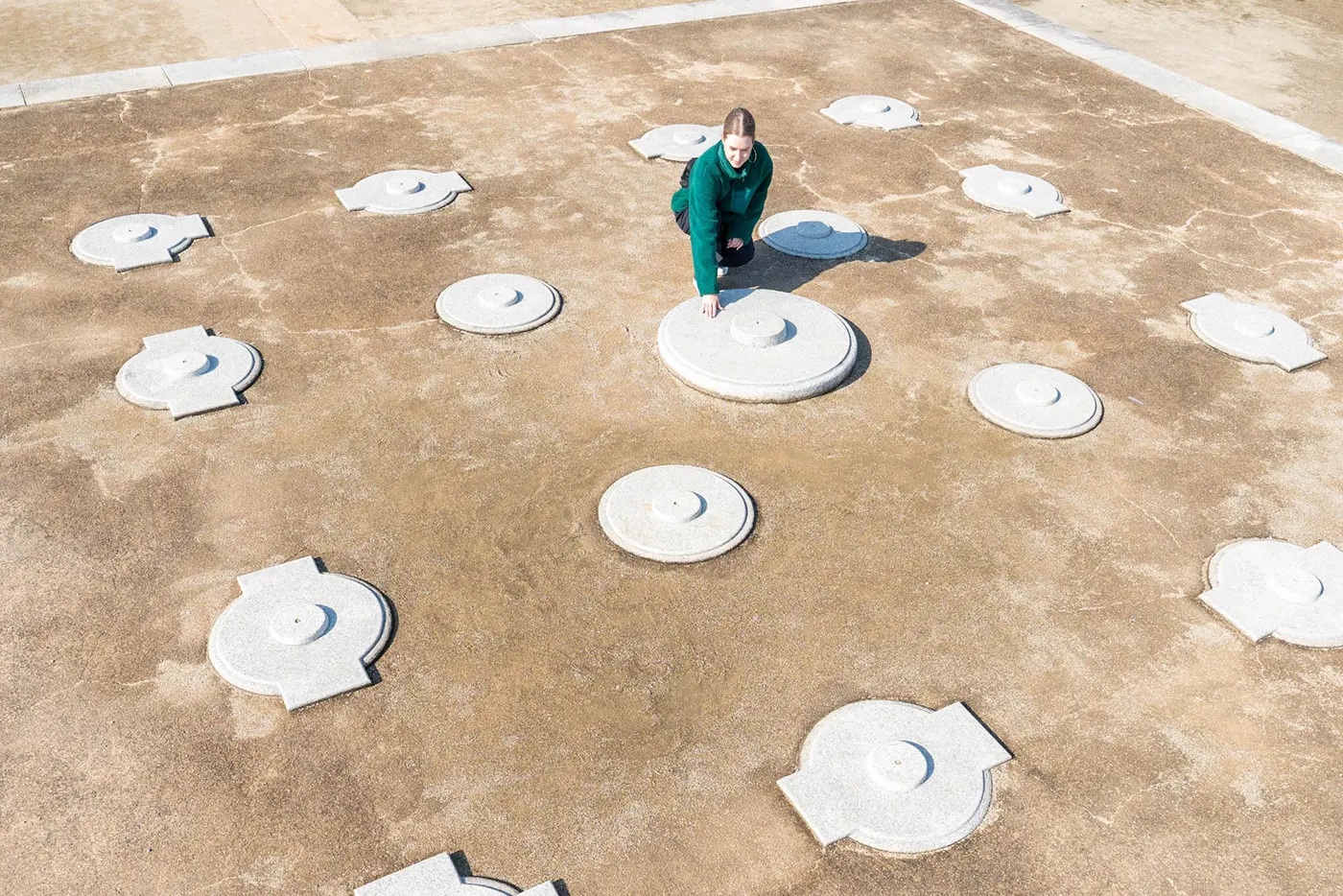
If you actually climb up to the top, you will notice that the circular foundation stones are spaced farther apart than you would expect.
At the time, a large, thick pillar stood on top of this foundation stone, and it is estimated that a three-story pagoda approximately 24 meters high was built there.
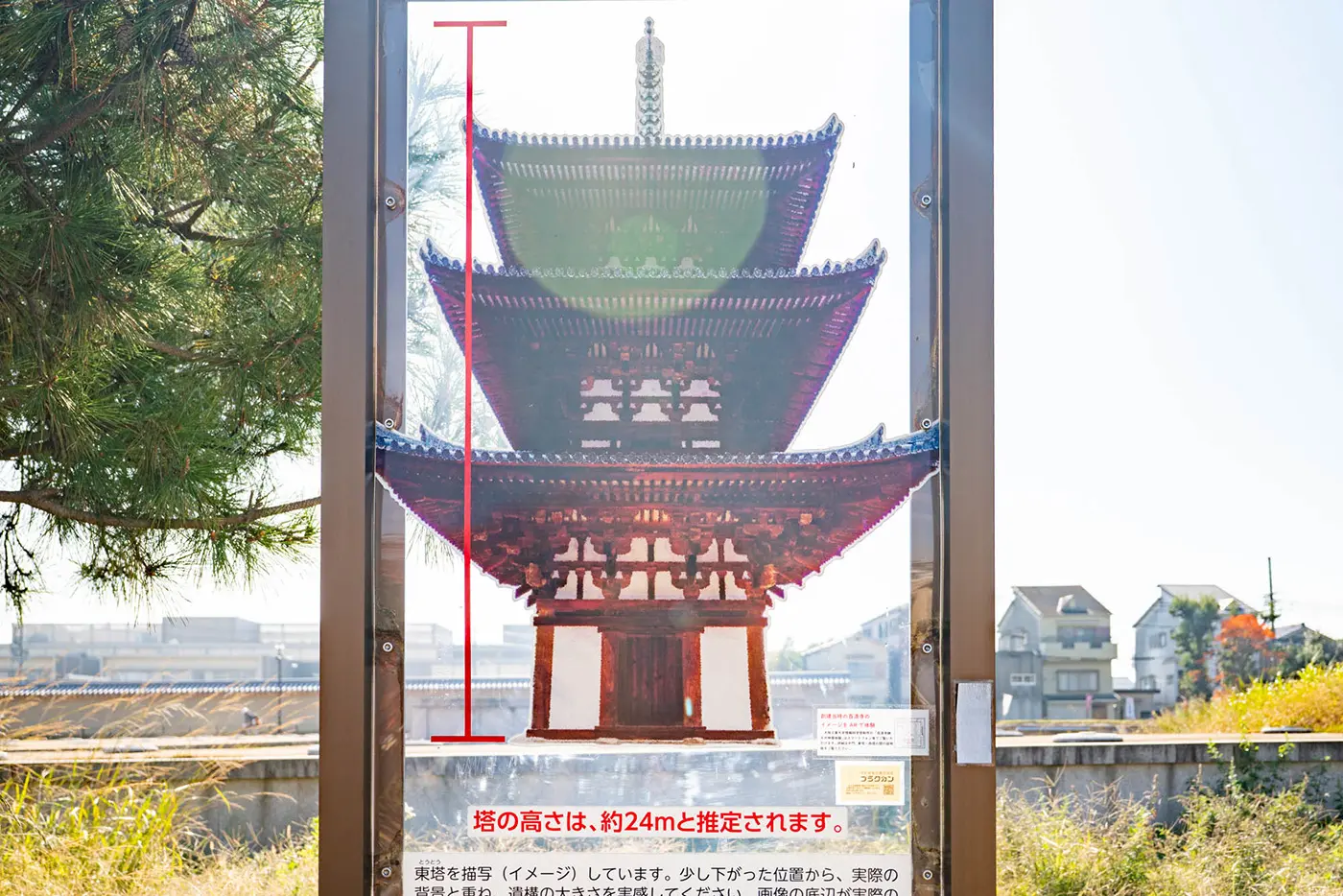
This is an image of the East Tower. The original appearance of the tower is depicted on a transparent acrylic panel, and if you adjust your position slightly, you can see it superimposed on the remains of the restored base of the East Tower.
The height and scale of the tower, which is difficult to imagine from just the foundation stones, can be seen in a three-dimensional way through this image.
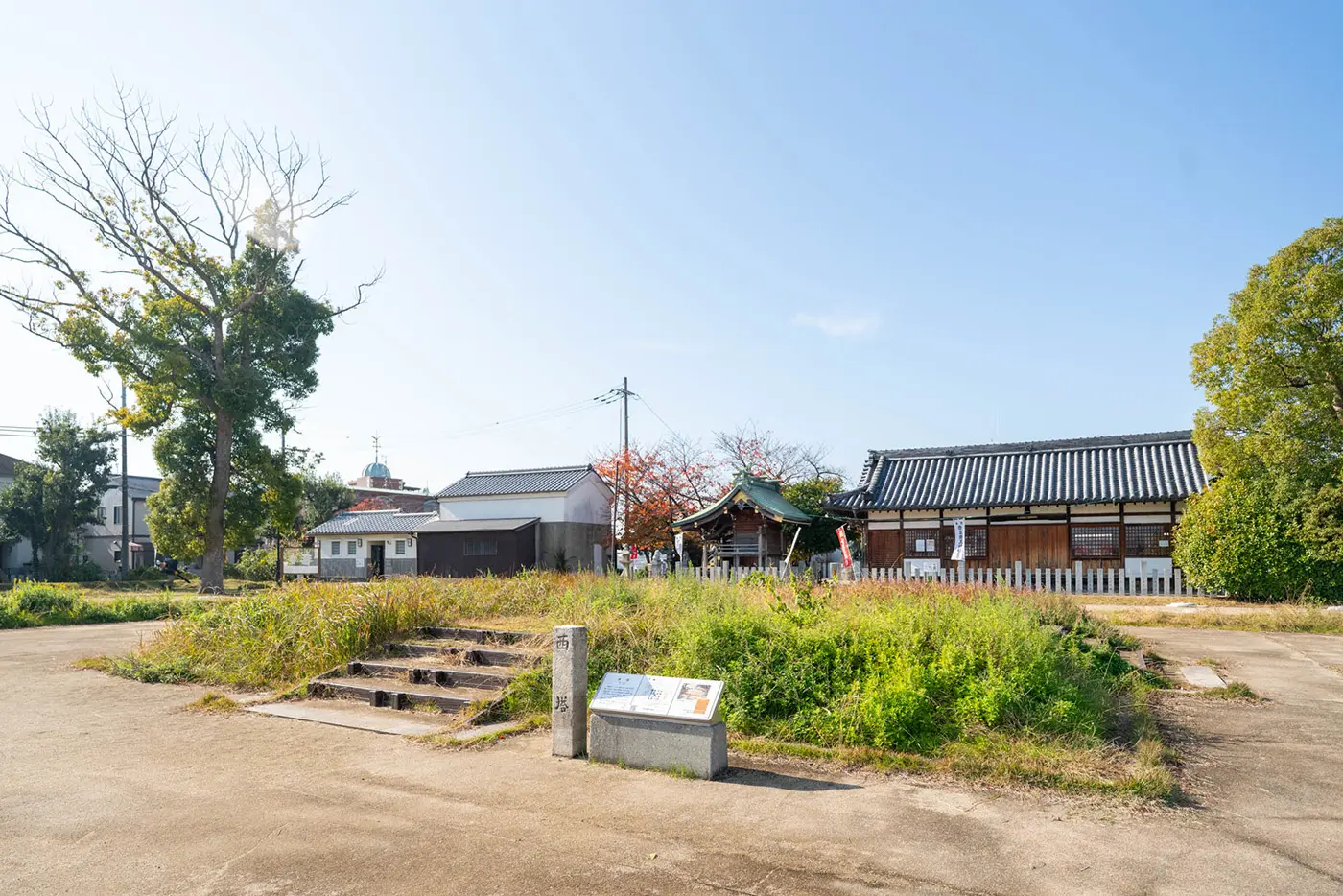
The most notable attraction at the Baekje Temple ruins is the remains of the west pagoda.
While the base of the east tower has been restored, the west tower may appear a little old at first glance, but it can be seen in the state that it has remained as a ruin.
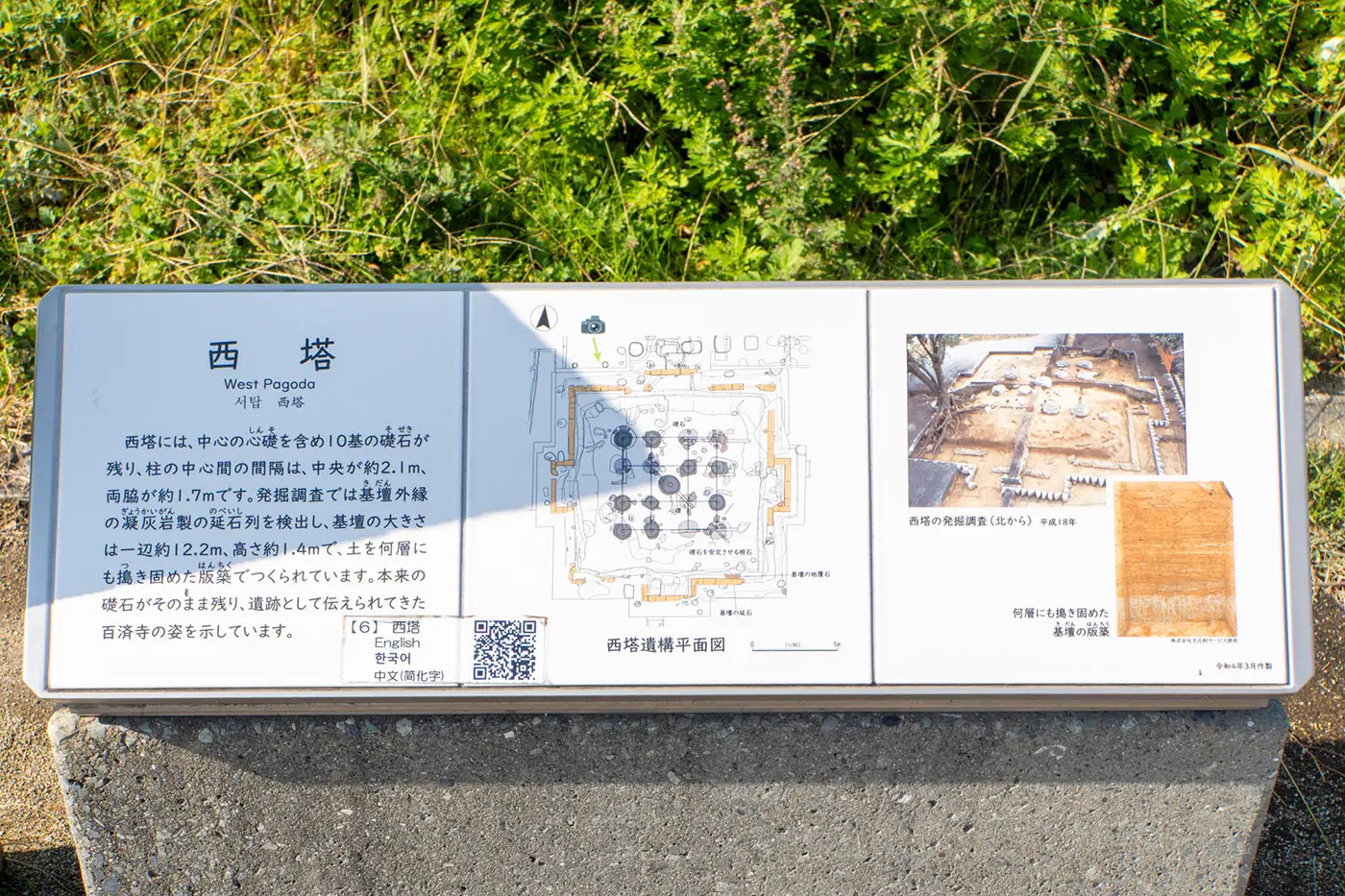
In fact, the West Pagoda is the only place among the Baekje Temple ruins where you can see the foundation stones from the Nara period in their original state. They are displayed as they are to make the most of the value they have left as ruins.
What's more, anyone can now enter the site and actually touch the foundation stones that are about 1,250 years old.
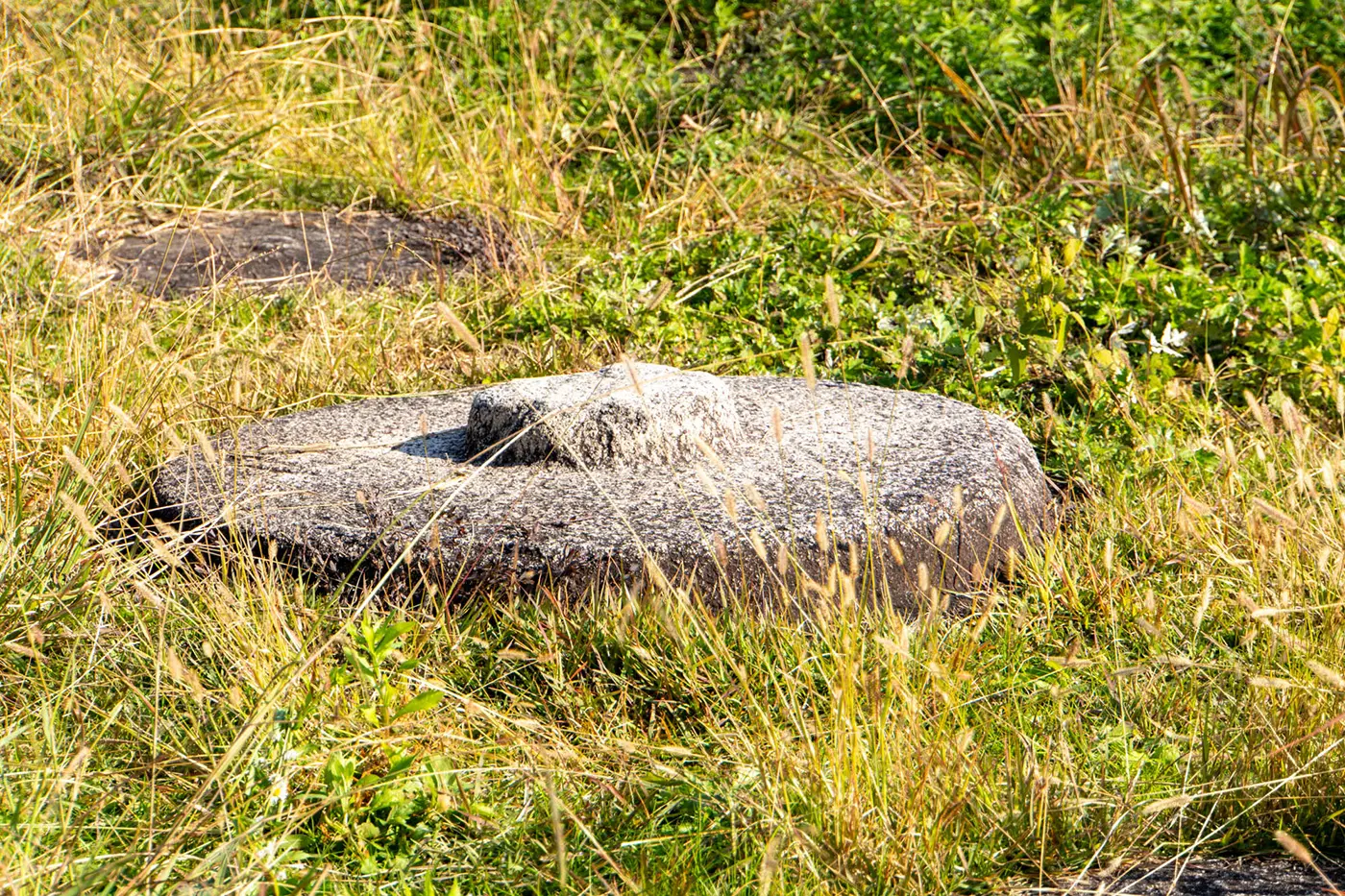
This is the actual foundation stone. It is extremely rare nationwide for such an ancient temple ruin to be preserved in such good condition in the middle of an urban area.
The fact that the remains of a Nara period temple remain intact in the modern cityscape of Hirakata, Osaka, is one of the main reasons why the Baekje Temple ruins were designated a special historic site.
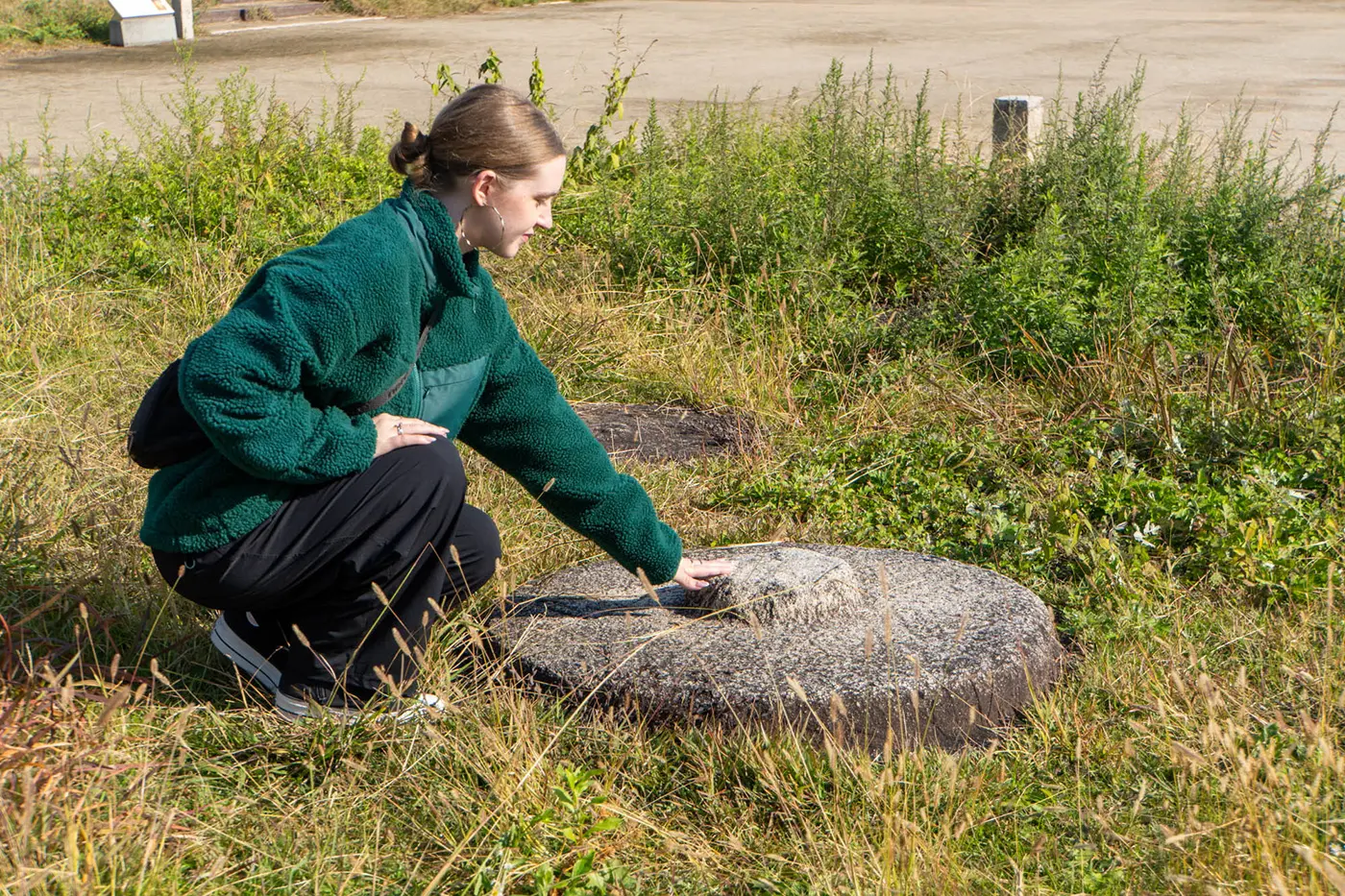
As mentioned at the beginning, there are only two special historic sites in Osaka Prefecture: the ruins of Osaka Castle and the ruins of Baekje Temple. In fact, the ruins of Baekje Temple were designated as special historic sites before the ruins of Osaka Castle.
Special historic sites are the highest level of nationally designated cultural properties among ruins and monuments. They are equivalent in value to national treasures, and only those with extremely high academic and historical value are selected, some of which have been designated as World Heritage Sites.
The fact that a place that appears to be empty has been so highly praised speaks to the scale and uniqueness of the Baekje Temple ruins.
Baekje Temple as it was when it was first built is brought back to life through AR
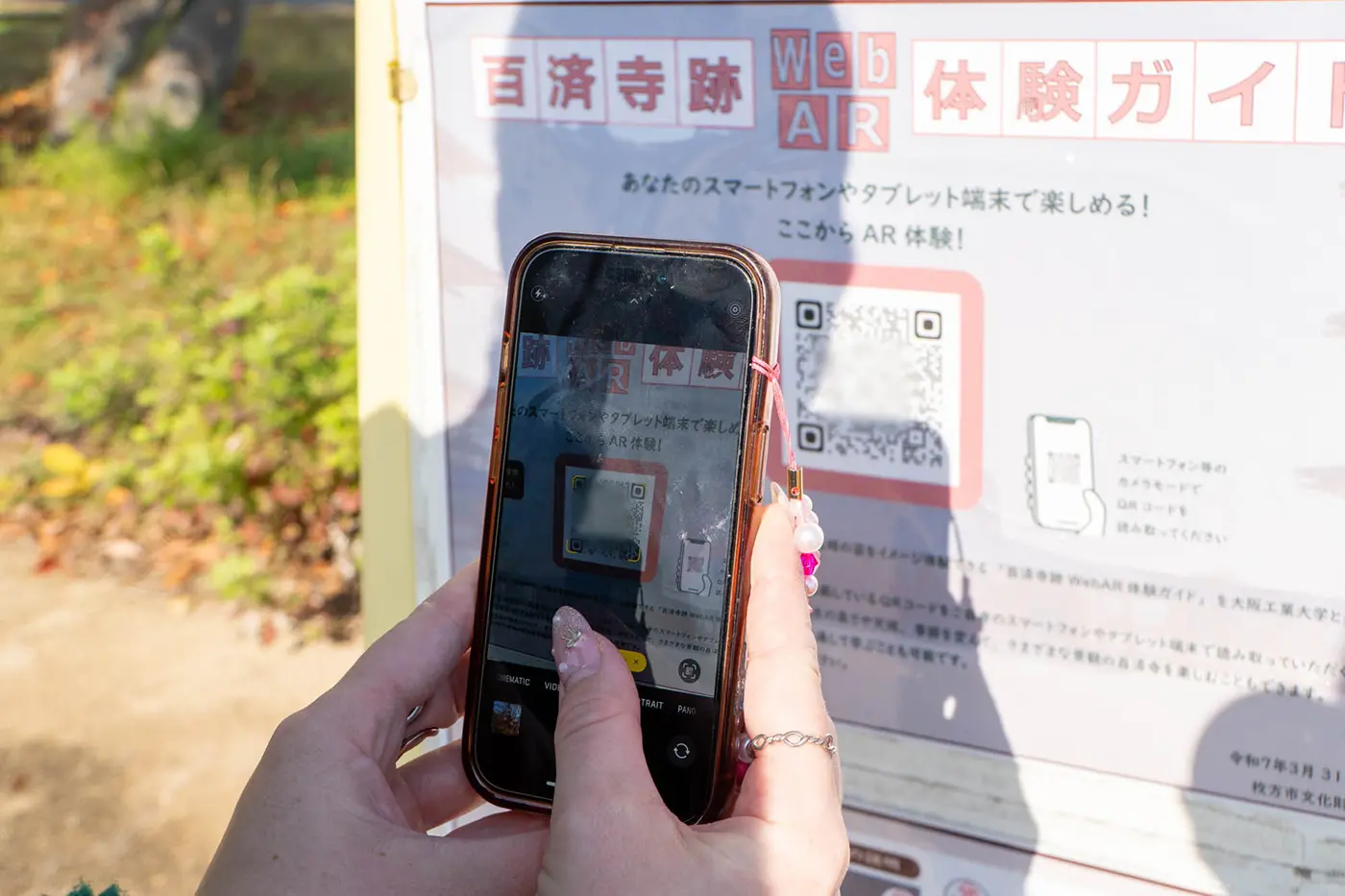
After touring the ruins, it's time for the AR experience.
At the Baekje Temple ruins, you can use your smartphone to enjoy AR content that gives a three-dimensional impression of what the temple looked like at the time of its founding.
This was created by students from the Osaka Institute of Technology, and can be experienced simply by scanning the QR code printed on a local sign.
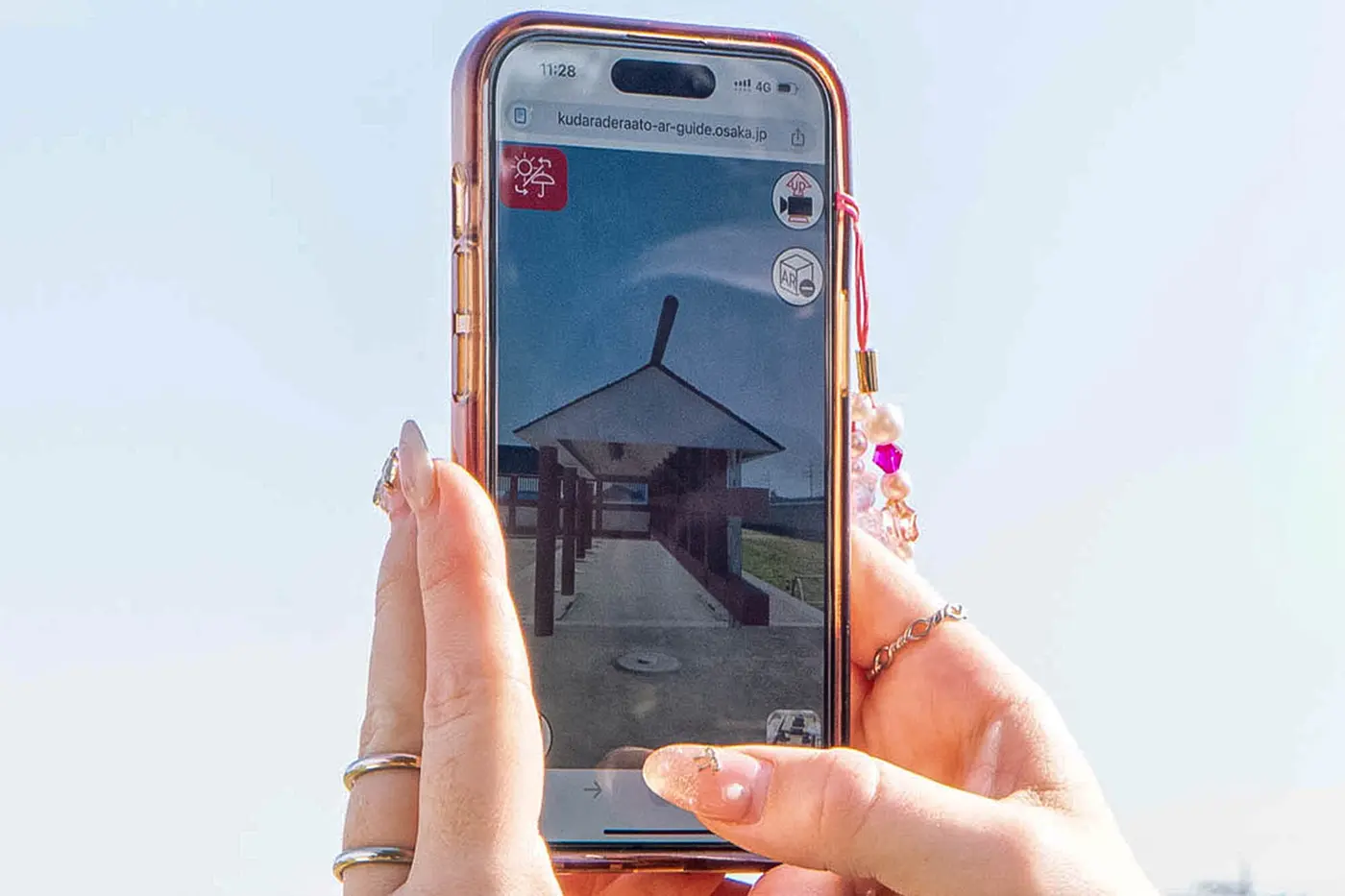
What appears on the screen is a scene reminiscent of Baekje Temple from approximately 1,250 years ago. The height and layout of the buildings overlap with the current remains, and what previously appeared to be an empty square is instantly transformed into a three-dimensional temple space.
In addition, the AR experience also comes with an audio guide, allowing you to learn about the history and background of the Baekje royal family who built Baekje Temple.
This experience will deepen your understanding of the Baekje Temple ruins by not only seeing the ruins but also learning about its history.
The efforts of the people who have connected the ruins of Baekje Temple to the present day
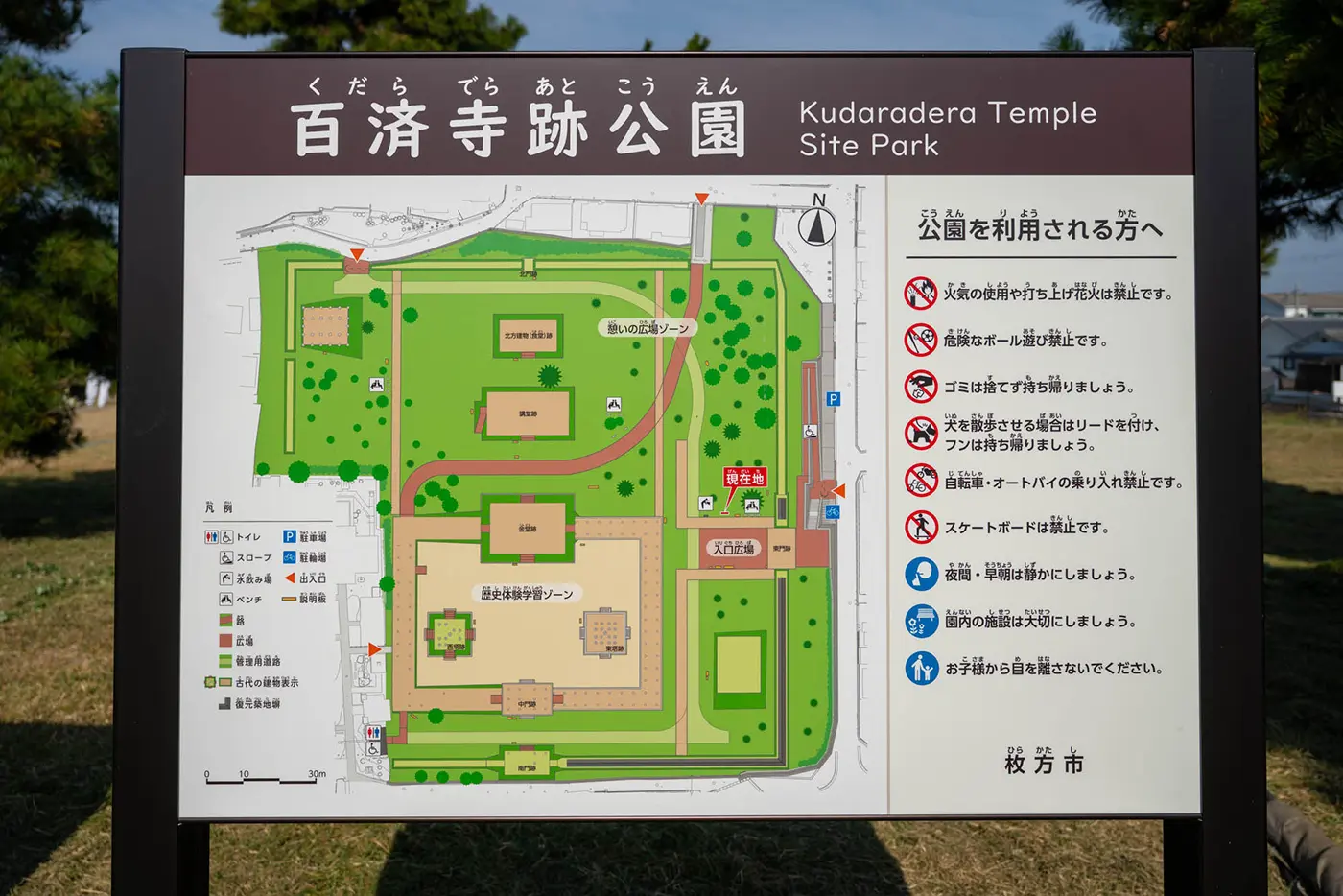
The ruins of Baekje Temple are now beautifully maintained, but it seems that it used to look completely different.
Although it is a special historic site on par with the ruins of Osaka Castle, for a long time it was overgrown with old pine trees and other shrubs, and had fallen into a state of disrepair with no one entering.
However, it underwent a major transformation when it was converted into a historic park in 1966. It was one of the first efforts in the country to "utilize a historic site as a park," and this historical and cultural heritage, which is essential for understanding Japanese history, was opened as a place for citizens to relax.
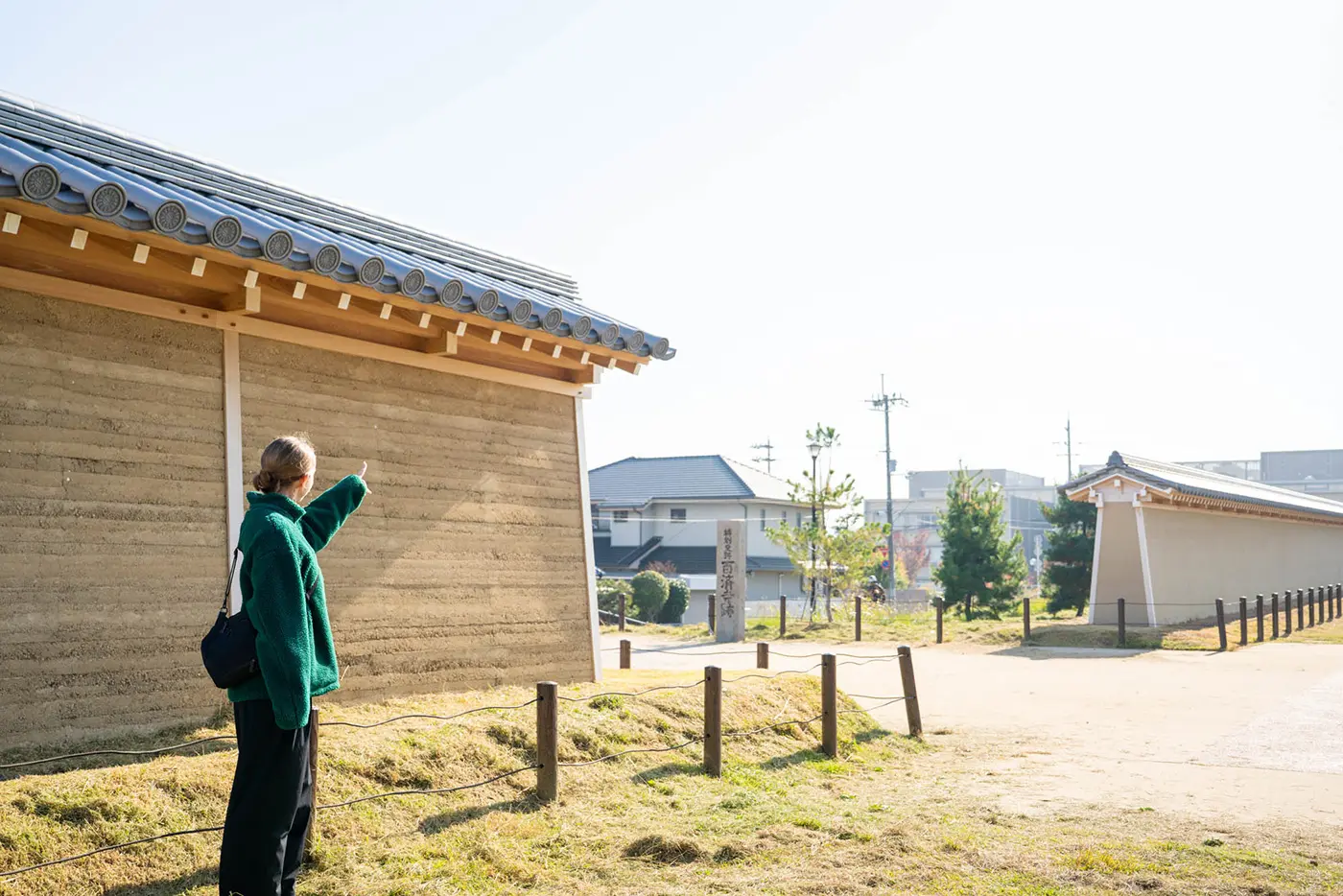
In recent years, further development work has been carried out at the Baekje Temple ruins, one of the symbols of which is the restoration of the "Tsukiji wall" that makes the perimeter of the temple visible.
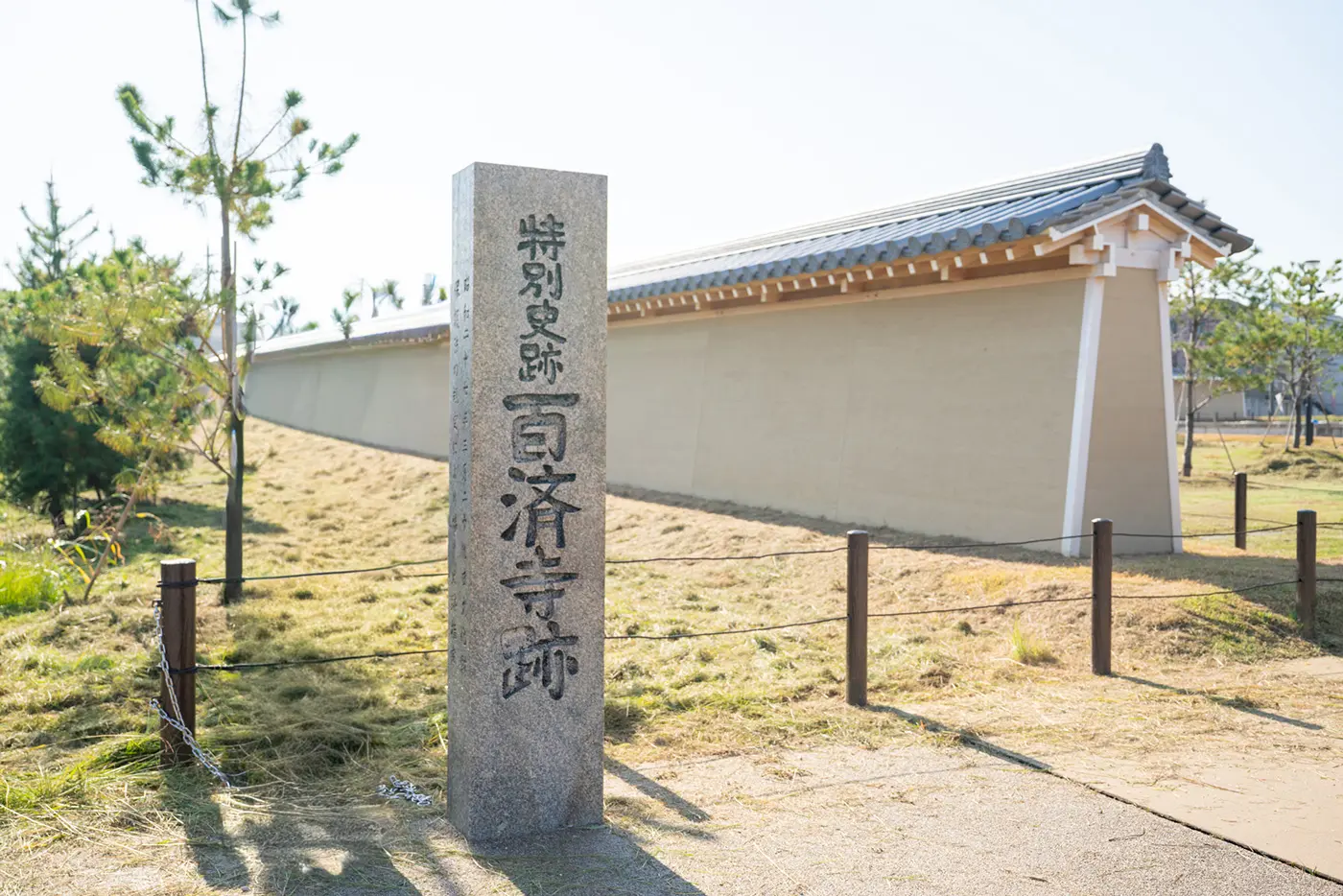
If you look at the photo, you will notice that there are slight differences in color and construction between the fence in the back and the fence in the front.
The wall in the back was built using modern construction methods that utilize current technology, but the wall in the front was built using traditional construction methods that utilize technology from the time the temple was first constructed.
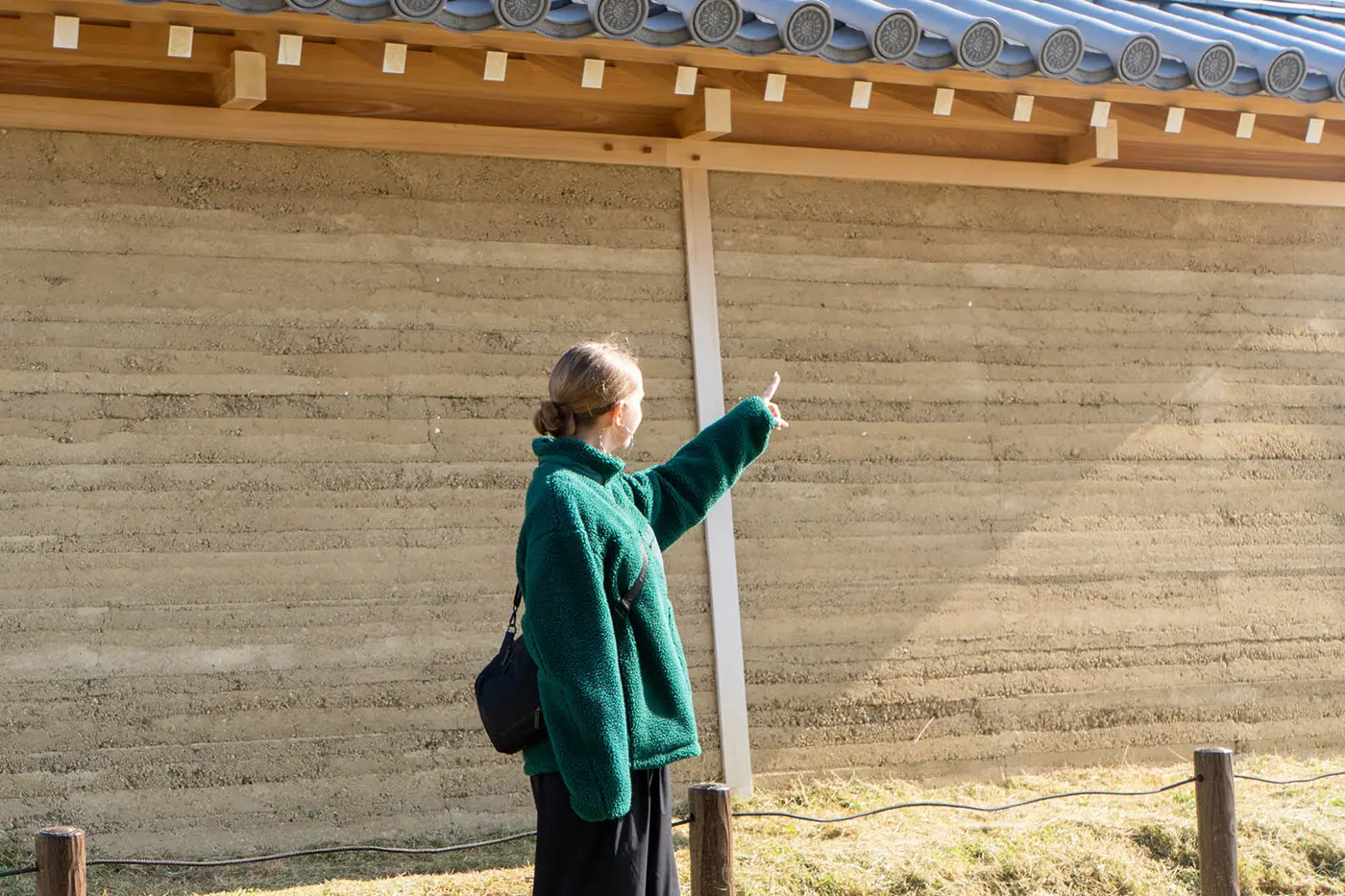
This is it. It is a section of about 6 meters north of the remains of the east gate. It was restored using an ancient construction method called "hanchiku," which involves gradually piling up multiple layers of earth and tamping them down.
Everything from the selection of soil to the patterns and roofing methods of the tiles was carefully examined based on excavation surveys and documents, and the completed Tsukiji wall is approximately 3 meters high.
If you look closely, you can clearly see the layers of earth on the traditionally constructed wall, and the difference between it and a modern-construction wall is immediately apparent.
Like the West Pagoda, this is a spot where you can get a glimpse of what it was like back then.
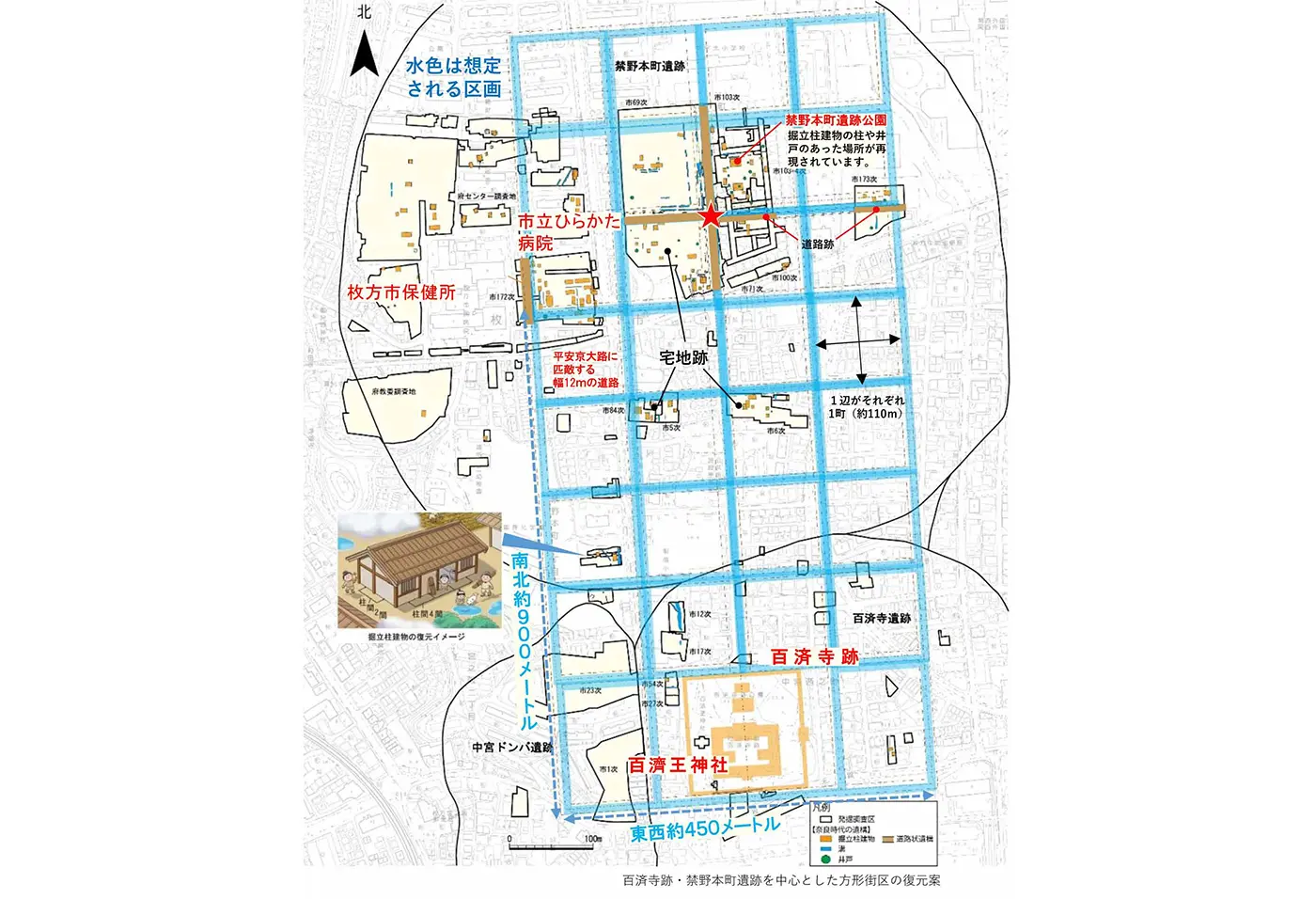
Recent excavations have revealed that beyond the north gate of the Baekje Temple ruins was an urban area where the Baekje royal family lived.
It is said that the city had a planned urban structure laid out in a grid pattern, a style of structure that was only seen in national government institutions in Japan at the time.
Baekje Temple was not just a temple, but is thought to have been the center of the city envisioned by the king of Baekje.
The history of the Baekje royal family, prestigious temples, and a planned ancient city - the Baekje Temple ruins are a place that tells us even now that Hirakata was an important stage in ancient history.
It was a very cool experience to actually touch ruins that are over 1,000 years old. The entire historic park had a calm and peaceful atmosphere, and the old-fashioned feel was charming, so it was fun just walking around. I was surprised to find such a valuable historical site remaining in the middle of Hirakata city.
After a historical stroll, enjoy a local Japanese lunch
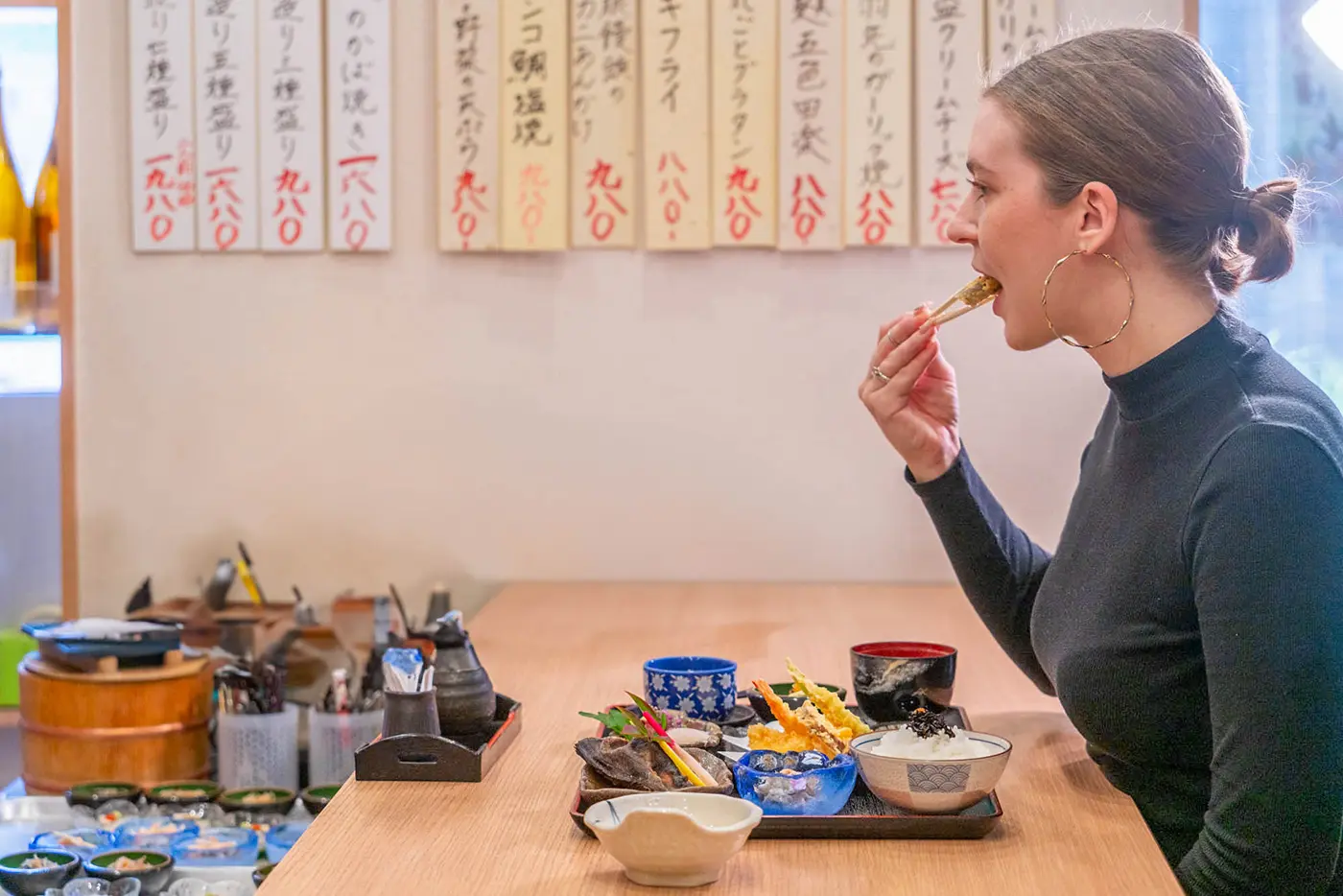
After exploring the ruins of Baekje Temple, take a short walk to a popular local restaurant.
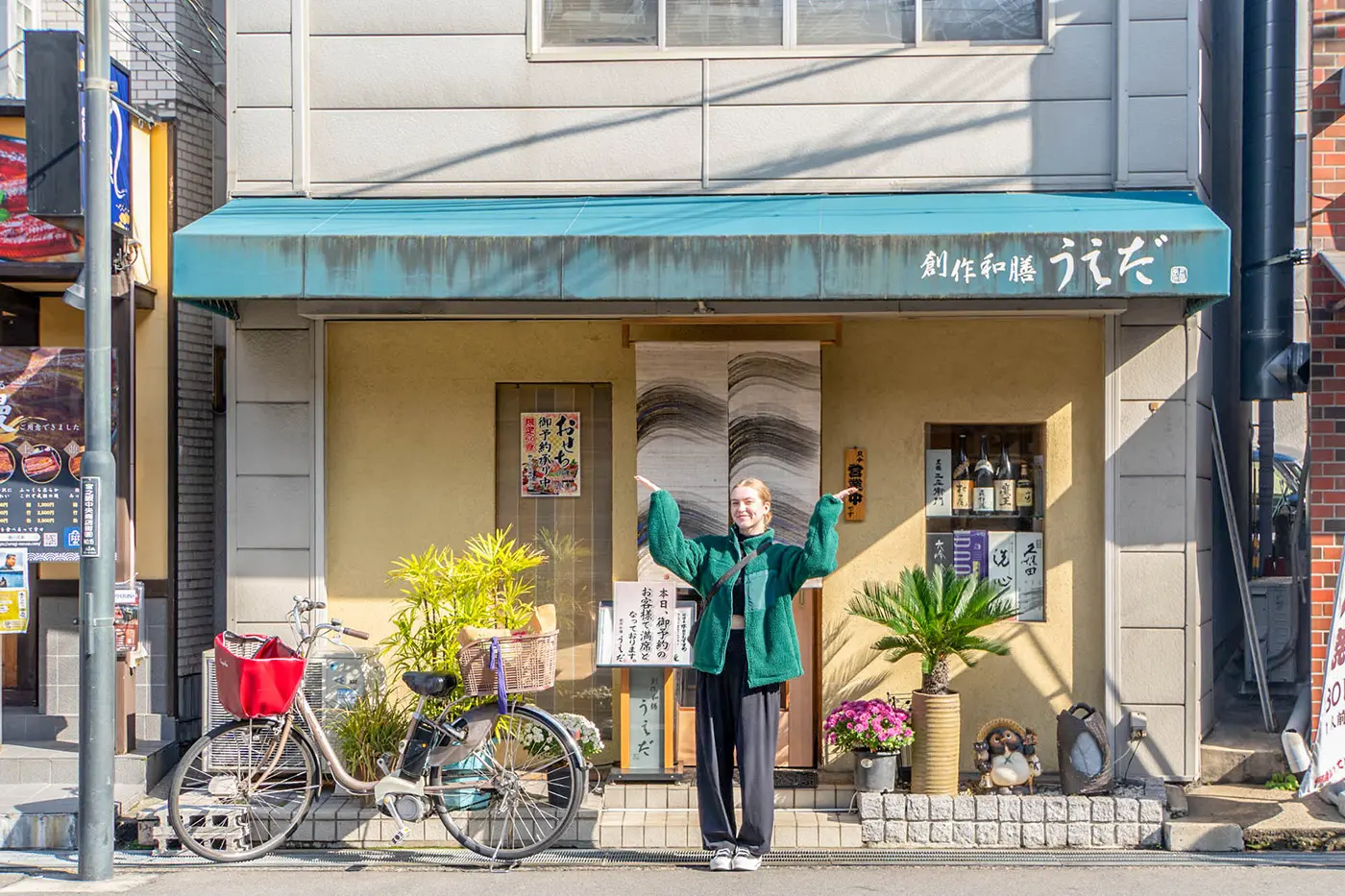
This time, we will introduce "Sousaku Washoku Ueda," located right in front of Miyanosaka Station on the Keihan Katano Line. This is a restaurant where you can enjoy a relaxing Japanese meal while basking in the afterglow of a historical stroll.
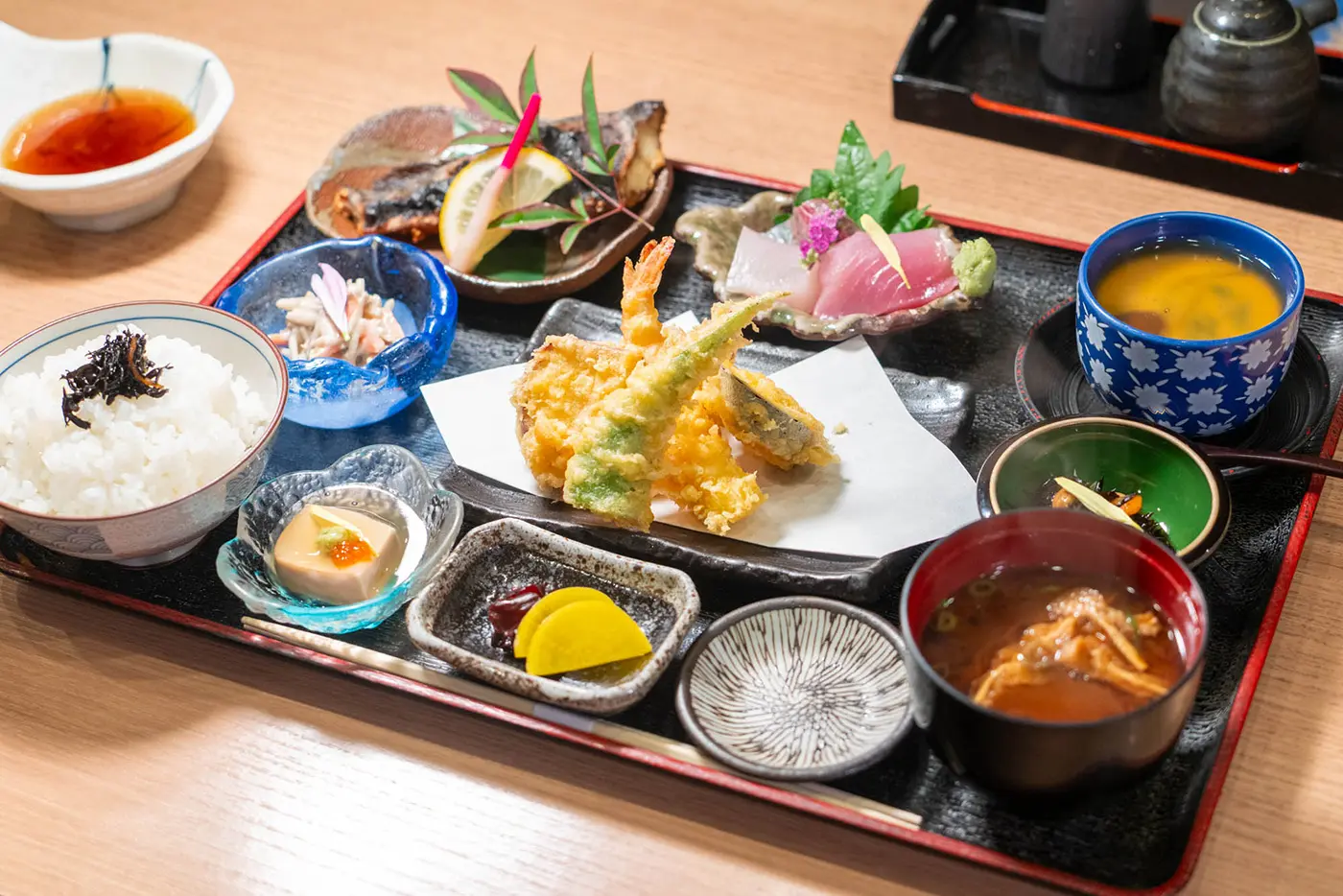
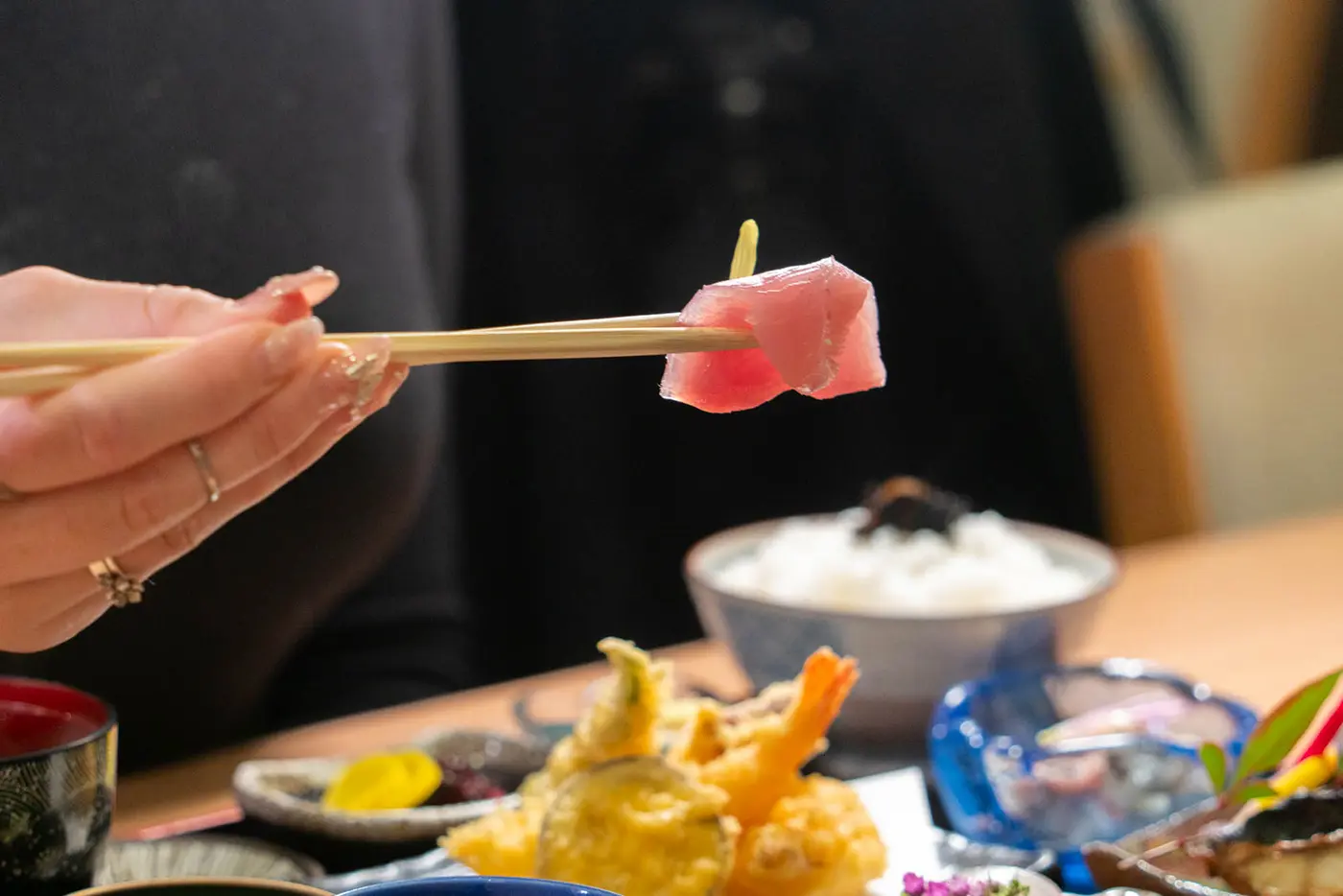
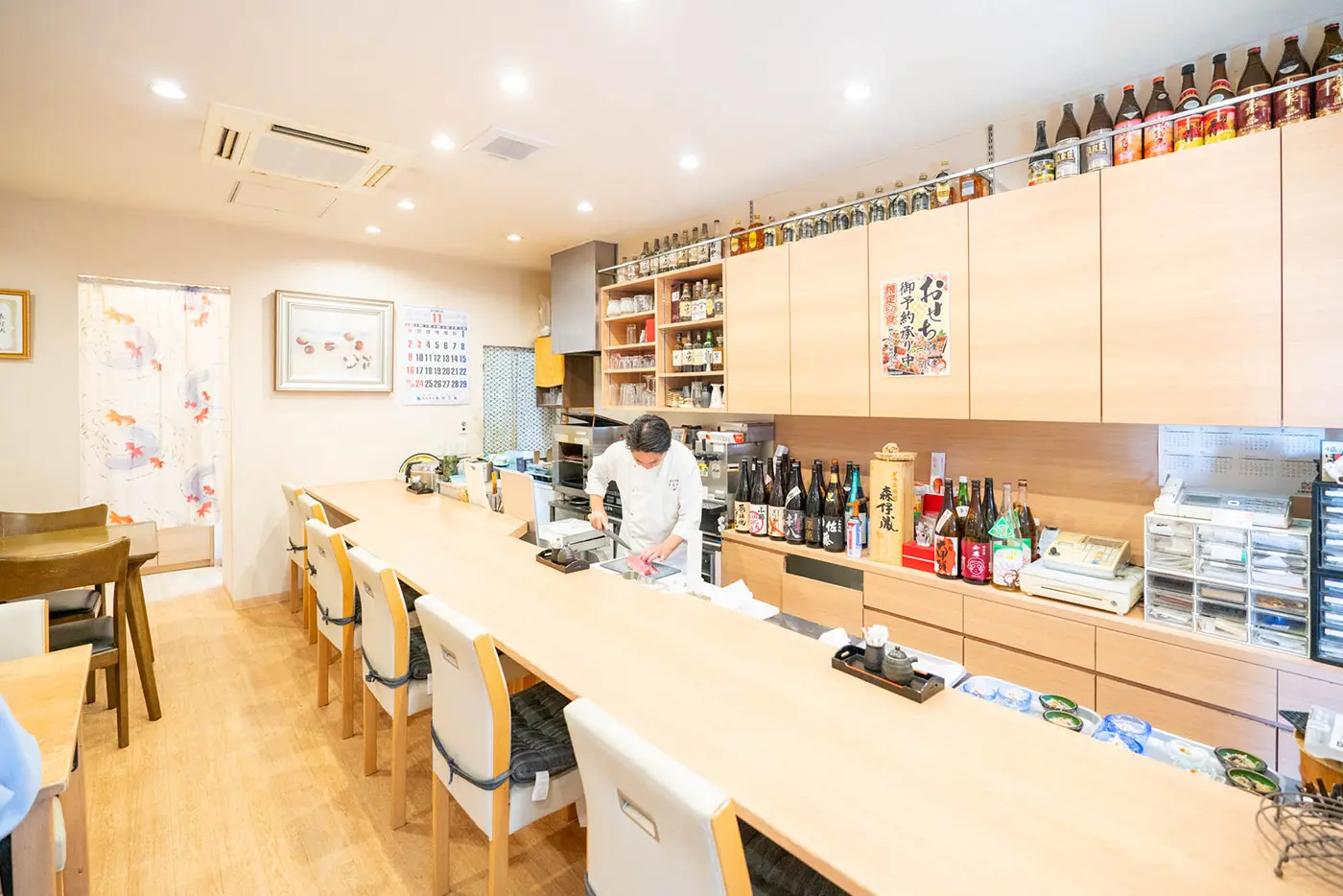
The rows of small bowls are a unique feature of Japanese food culture, and they look delicate and beautiful.
The grilled fish was plump and left the biggest impression on me. The sashimi was also fresh and had a nice, firm texture.
It was my first time having chawanmushi, but it was creamy and the slightly sweet bean paste on top was a perfect match and delicious.
To conclude your trip, stop by Hirakatashi Station and experience the city's current atmosphere
Just one stop on the Keihan Railway from Miyanosaka Station, where the ruins of Baekje Temple are located, Hirakatashi Station, the gateway to Hirakata City, is home to a variety of interesting spots you'll want to stop by during your trip.
This time, we have picked out two places that are perfect for concluding your stroll. We will introduce you to spots where you can experience the current state of Hirakata while enjoying the afterglow of your historical walk.
Hirakata T-SITE
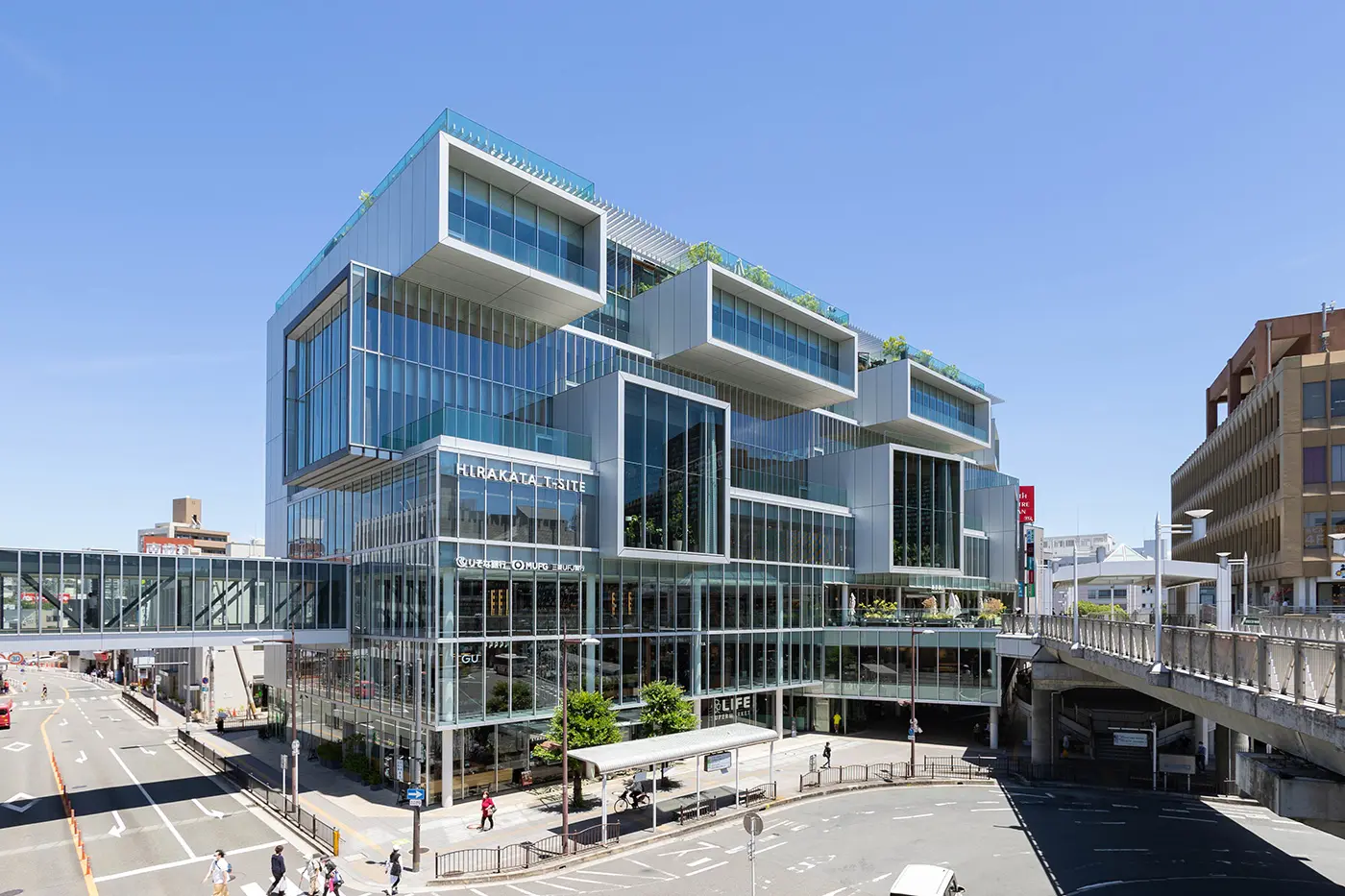
This complex is centered around a bookstore, and houses cafes and general stores. The architectural design is impressive, and you can spend your time relaxing while shopping or taking a break.
*Business hours and holidays vary by store, so please check the information for each store for details.
Hirakata City Tourist Information Center Syuku56

This tourist information center gives you a sense of the history of Hirakatashuku. It's a convenient place to stop by to gather information about walking around the area and to look for souvenirs.
Experience ancient Japanese history at the ruins of Baekje Temple
At Baekje King Shrine, we learned about the history of the Baekje royal family, and at the Baekje Temple ruins, we traced the remains of the temple and urban plan that were built about 1,250 years ago.
At first glance, it appears to be a quiet historical park, but through the placement of the foundation stones, the restored Tsukiji wall, and AR, you can get a real sense that Hirakata was an important stage in ancient history.
How did the royal family of Baekje live in Japan and what did they try to build? By walking around the ruins of Baekje Temple, you can get a glimpse of their grand vision and come into contact with ancient mysteries that are still being unraveled.
It's precisely because it's a place that seems empty that there's room for imagination. Starting from the ruins of Baekje Temple, we encourage you to take a walk around Hirakata, where ancient and modern times overlap, and experience it for yourself.
*The information in this article is current as of February, 2026. As details may have changed, please check the official websites of the facilities and stores for the latest information.
Photo: Daiki Sudou and Rina Hiraoka
Edit:morondo
Direction: Ningen Henshusha
Related Tours
Osaka: Experience a mystical prayer and a powerful performance up close at a falconry show, with a free red seal!
- A stroll around the ruins of Baekje Temple, a special historic site built approximately 1,250 years ago
- Experience a mystical prayer at Baekje King Shrine
- Get a free goshuin stamp book with goshuin stamps
