 Copy Link
 X
X
 Facebook
 LINE
LINE
 LinkedIn
 Pinterest
 WhatsApp
 KakaoTalk
 NAVER
NAVER
 Weibo
Weibo
 WeChat
 Mail
Mail
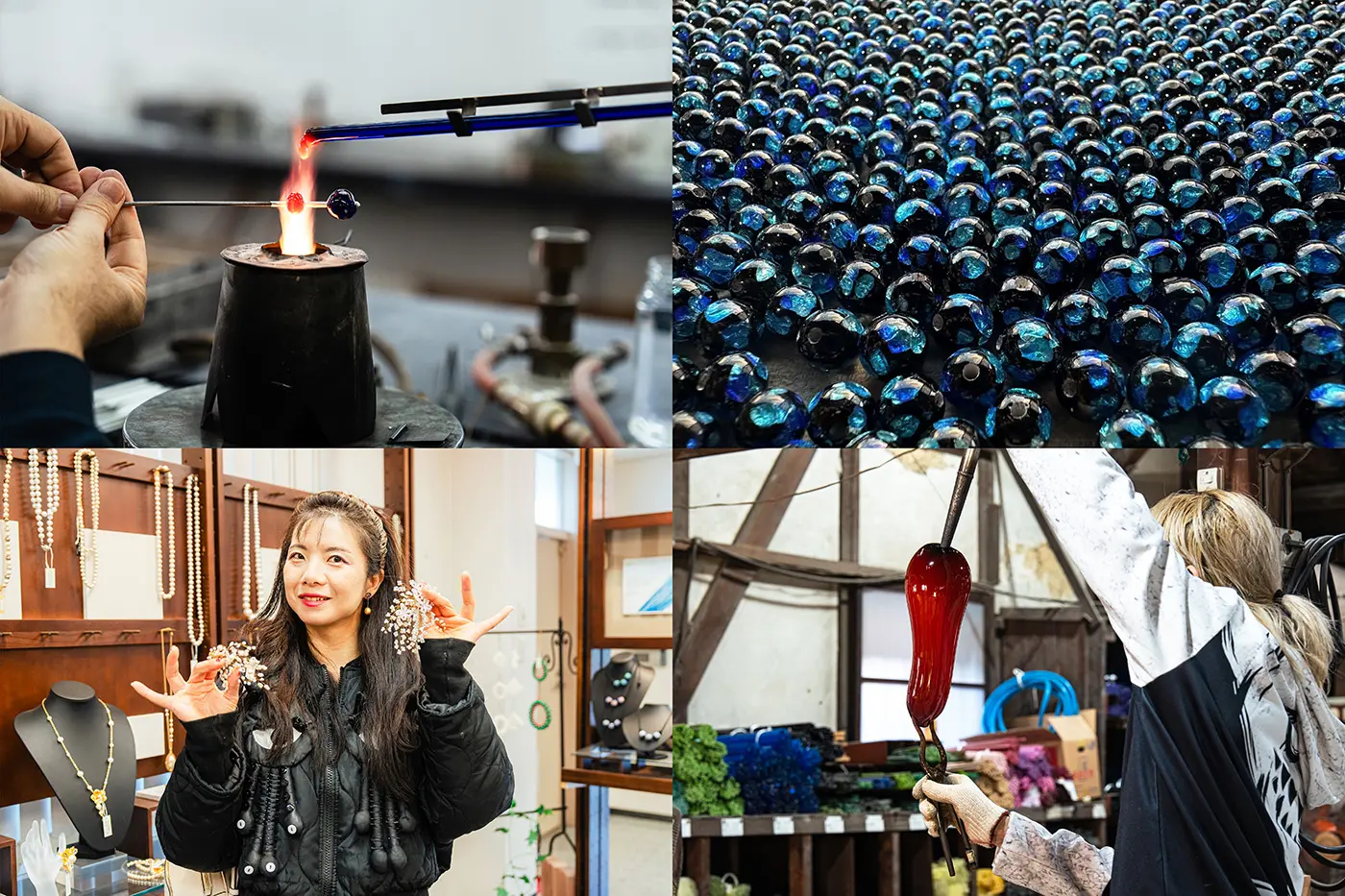

Izumi City's "Izumi Glass" was designated a "Traditional Craft" by the Minister of Economy, Trade and Industry in October 2024. Glass-making techniques were brought over from early modern Europe and were introduced to Izumi City during the Meiji period, where they became established as a craft. This time, we will visit "Satake Glass" and experience making glass beads, which are patterned glass beads. We will also visit a shopping spot for artificial pearls made from glass beads.
Related Tours
Osaka: Visit a long-established glass workshop, make a glass bead necklace, and experience a prayer at a shrine
- Tour and experience the production of glass rods, the material used in glasswork, at the long-established glass workshop "Satake Glass"
- Make your own original glass beads by melting glass rods over a fire.
- Experience prayer and purification at Shinodanomori Shrine, home to the impressive Chieda Camphor Tree, a city-designated natural monument.
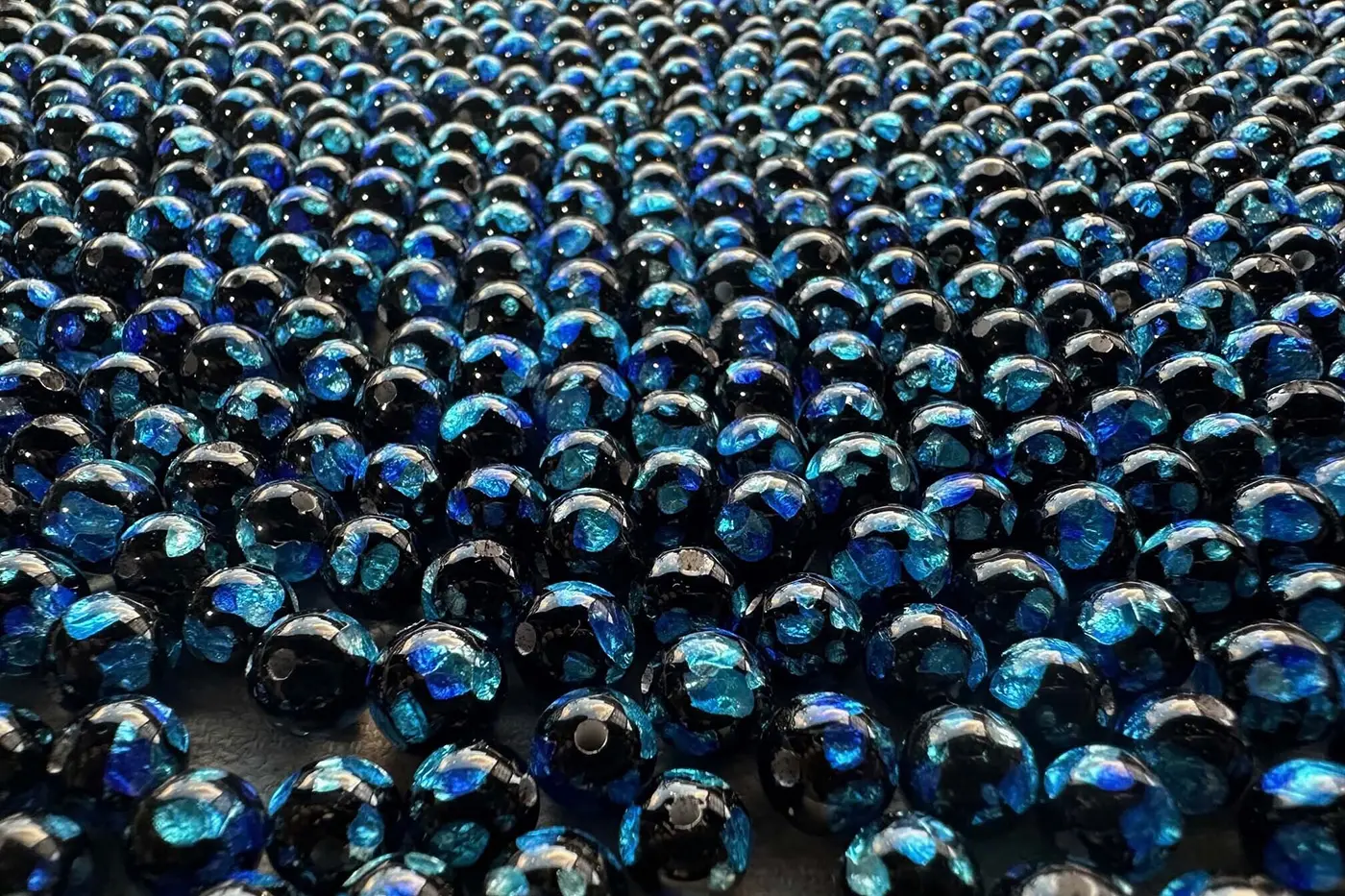
Izumi City's glass manufacturing techniques are said to have their roots in the techniques introduced by the Portuguese missionary Francisco Xavier during the Sengoku period. With such a long history, "Izumi Glass" was designated a traditional craft by the Ministry of Economy, Trade and Industry in October 2024. Because it is soft glass made with ingredients blended to have a low melting point, it can be processed using "lampwork," a process in which the glass is melted and shaped with a burner. The glass has a unique rounded shape and a warm finish.
Izumi Pearls, artificial pearls derived from glass technology, are also highly acclaimed worldwide. In the past, they were made by painting glass beads, but over time, the materials used have become more diverse. Even today, it is said that around 70% of the manufacturers of pearl accessories in Japan are located in Izumi City.
Izumi City, where these traditional techniques still live on, is home to a factory where you can experience glass processing, as well as a number of famous places where you can experience history and culture. What's more, it's easily accessible, just 20 minutes by train from Tennoji, Osaka. We'll take a short trip with Liao, who is originally from China, where you can explore the area on foot.
Guide
Visit Shinodanomori Kuzunoha Inari Shrine and reflect on the legend of "Abe no Seimei's mother"
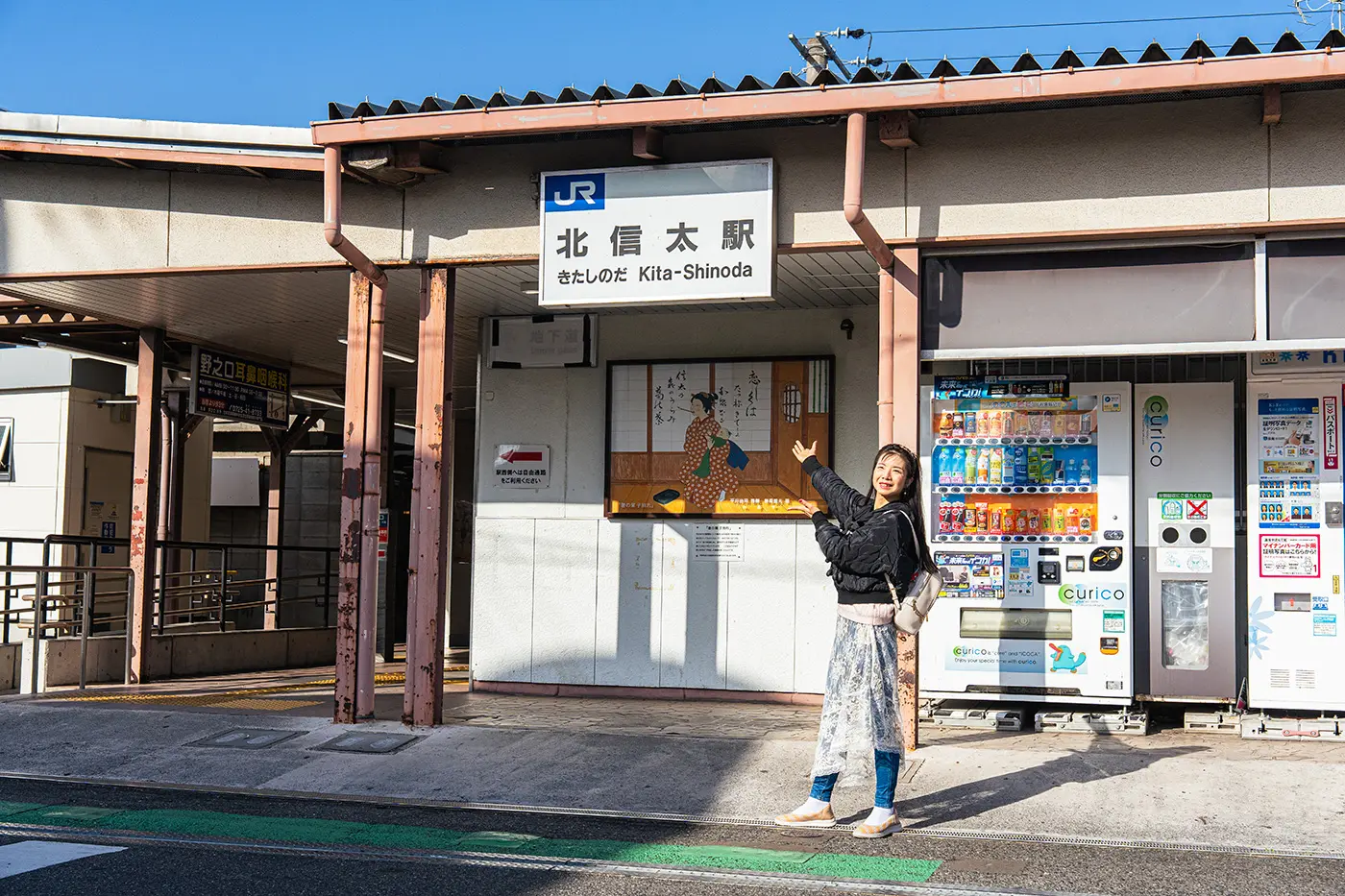
The starting point of the journey is JR Kita-Shinoda Station. It takes about 20 minutes to get there by taking the Hanwa Line from Tennoji Station. This time, we will explore the surrounding spots within a one-station area from Kita-Shinoda to the neighboring JR Shinodayama Station. First, we will walk about 5 minutes from the station to a power spot known for its miraculous powers.
Shinodanomori Shrine, a power spot just a short walk from the station, also has fox-themed charms
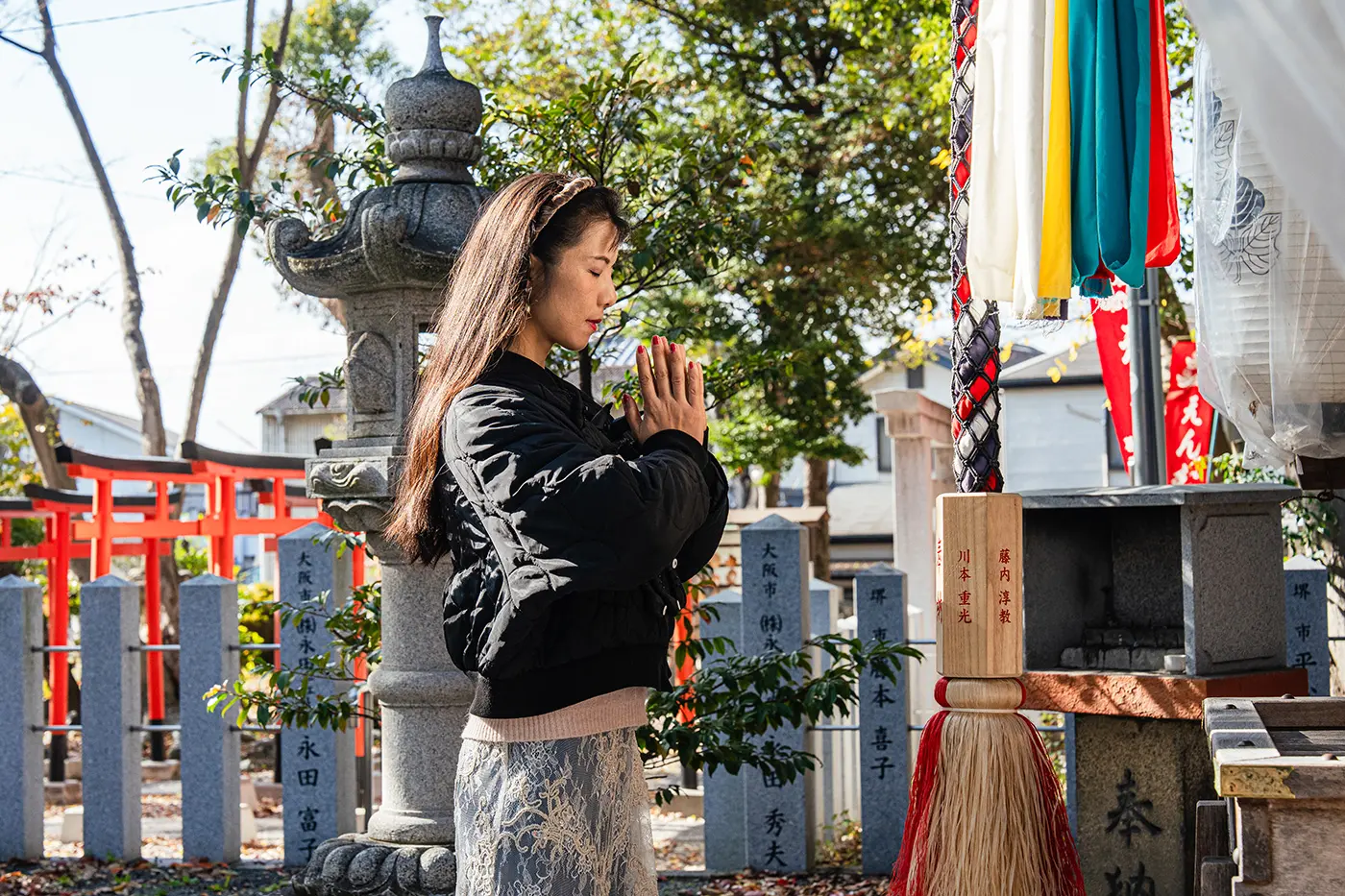
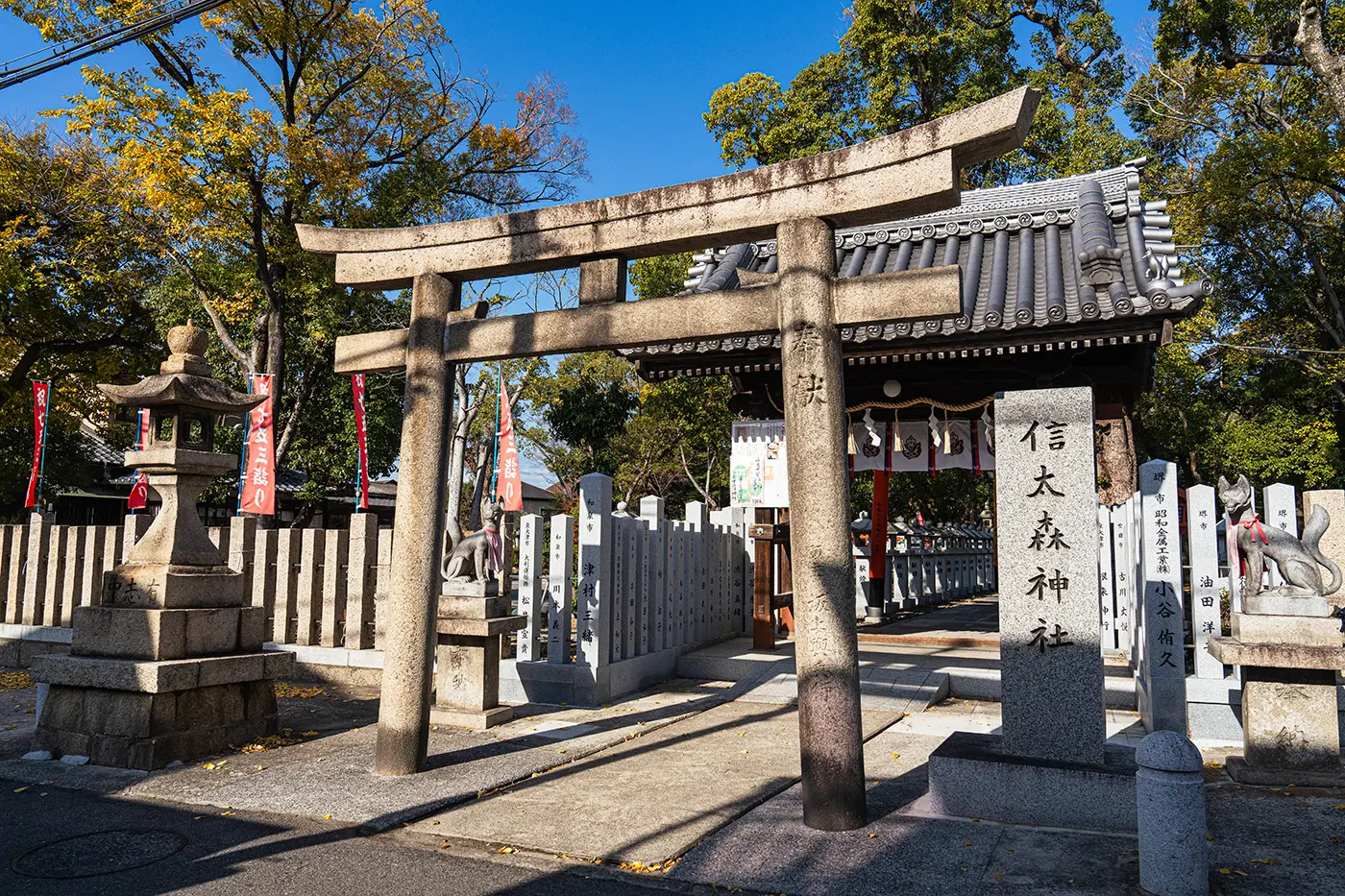
The first shrine we visited, Shinodanomori Kuzunoha Inari Shrine*, is said to have been founded in 708 and is known as the hometown of Abe no Seimei's mother. The origin of the shrine is the Kuzunoha Legend, a tragic love story between Abe no Yasuna and Princess Kuzunoha. This legend is still passed down today as a subject for Kabuki and Bunraku plays.
*Official name: Shinodanomori Shrine
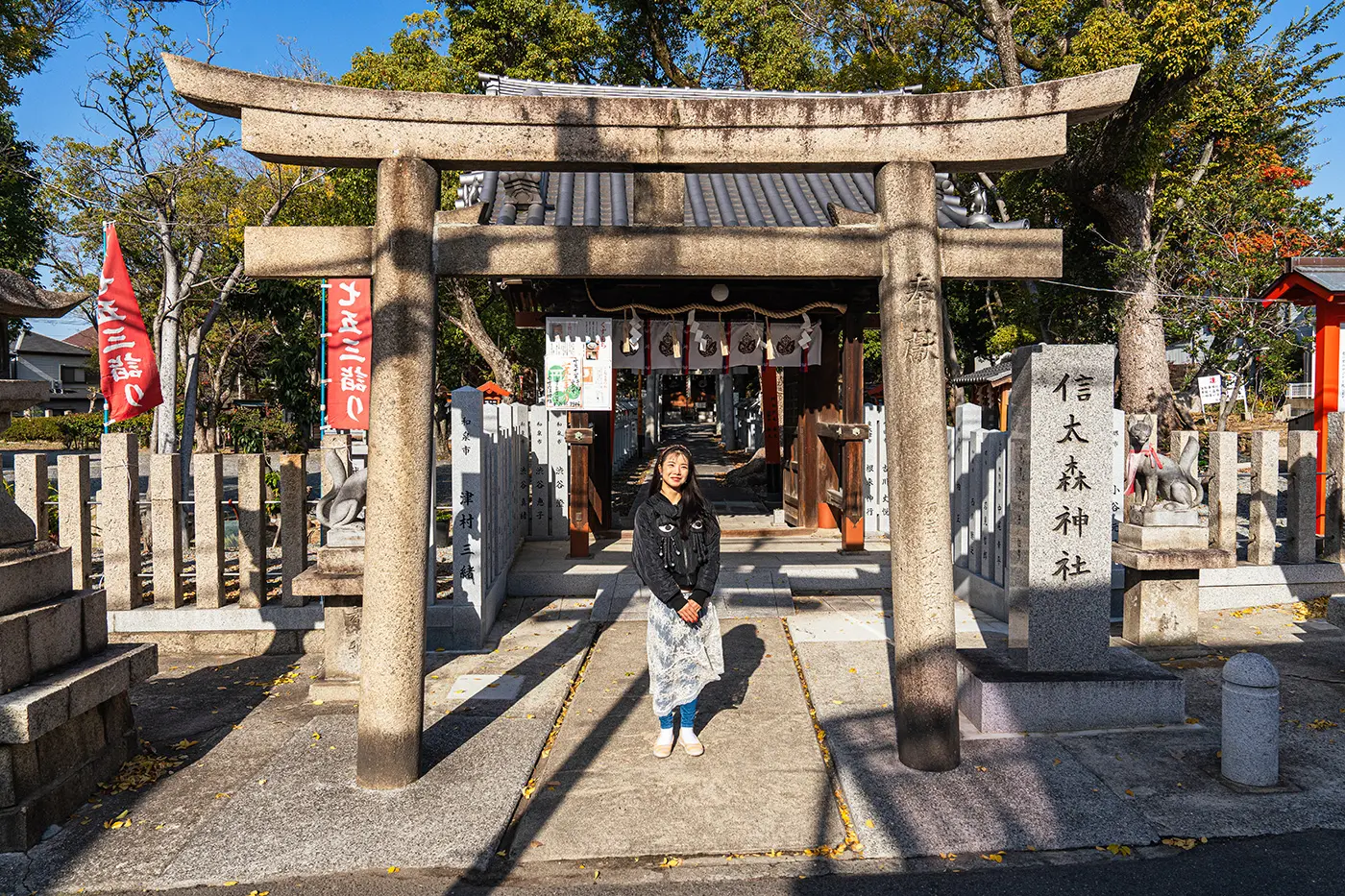
One day, while visiting the Inari shrine in Shinoda-no-Mori forest, a young man named Yasuna saves a white fox being chased by hunters. He eventually marries a woman who calls herself "Kuzunoha" and gives birth to a baby boy. However, in the autumn when his son is about five years old, it is revealed that his wife is actually the fox he once saved. Kuzunoha leaves a poem behind, and the kuzu leaves in the forest rustle in grief - or so the legend goes. And it is said that this child would later become the onmyoji Abe no Seimei.
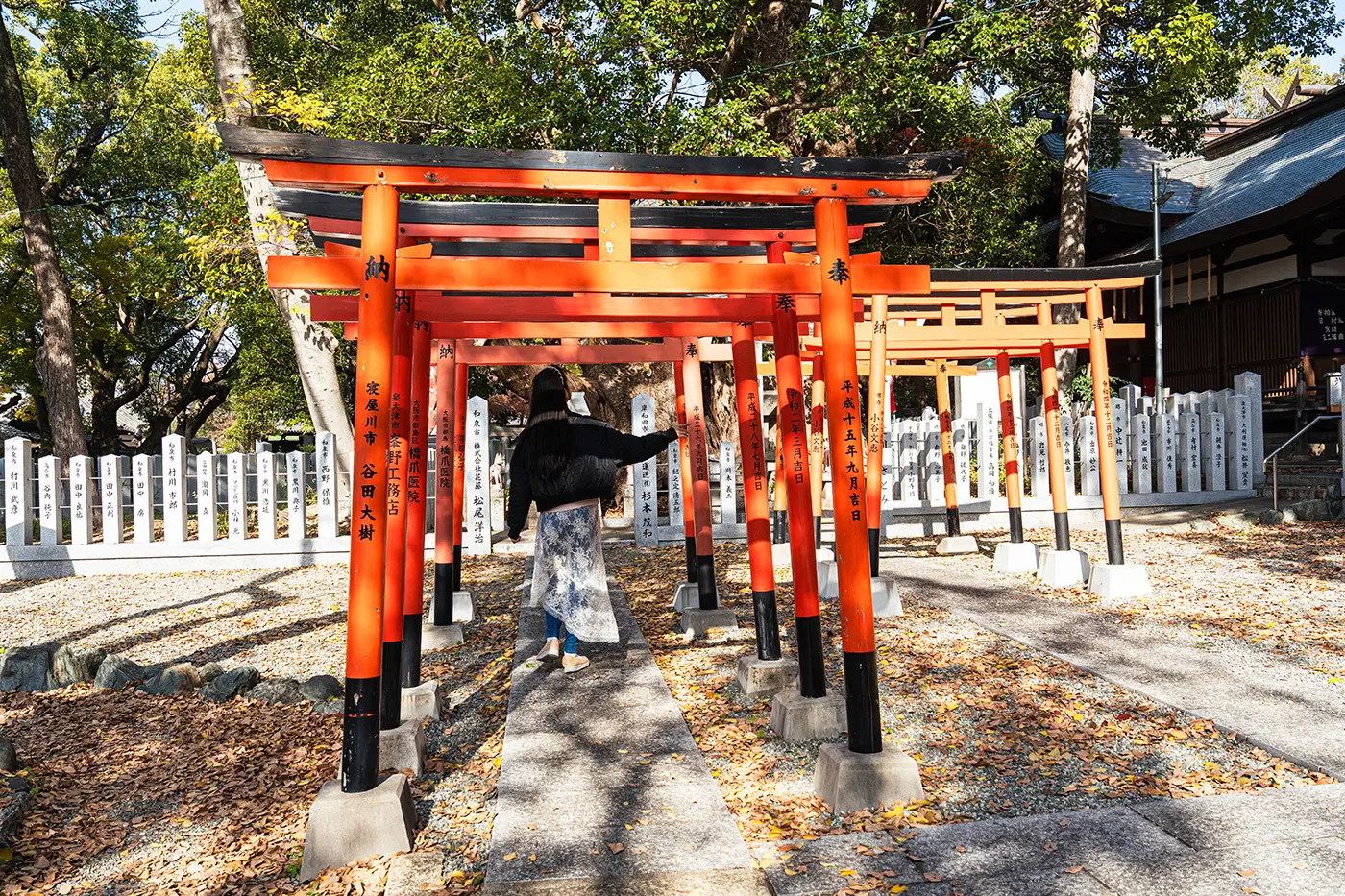
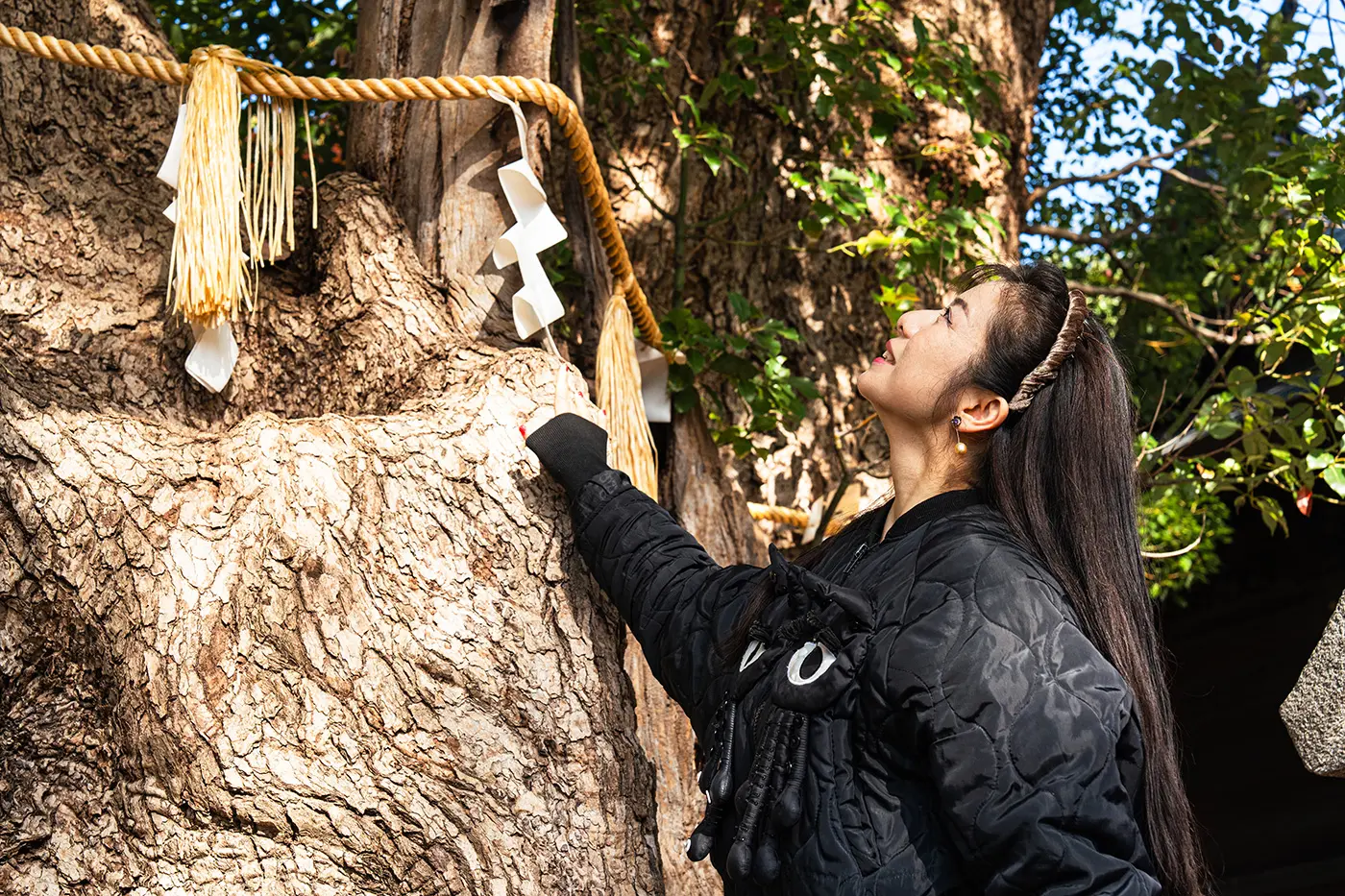
The camphor tree to the left of the main shrine, said to be 2,000 years old, is called "Meotogusu" (Couple Camphor Trees) because its single trunk splits into two, and "Chie-no-Kusu" (Thousand-Branched Camphor Trees) because its branches grow in all directions. It is said to bring good fortune in finding a good match, marital harmony, and academic success. There are no fences or other obstacles, so you can touch it, which is a rare sight.
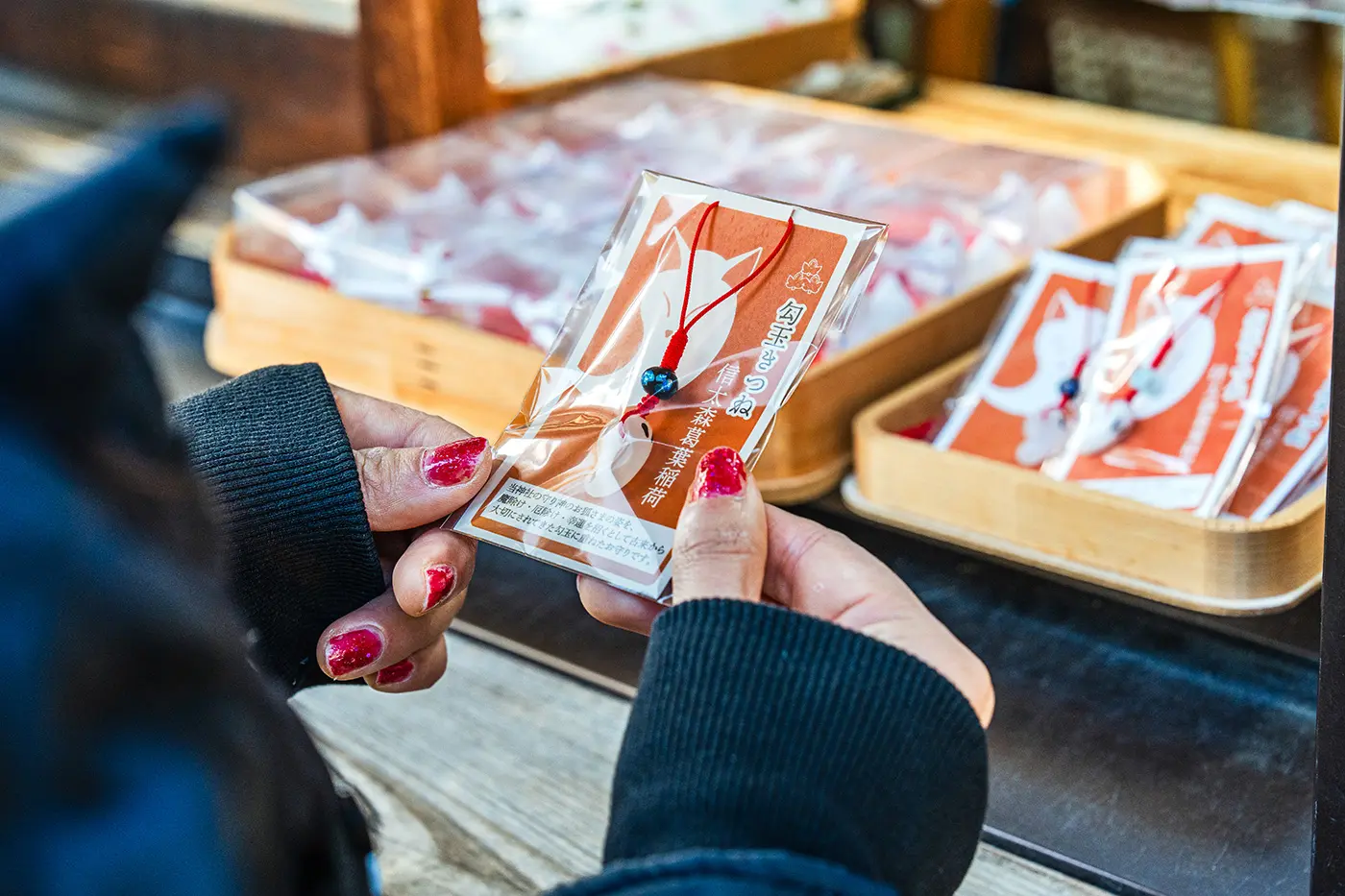
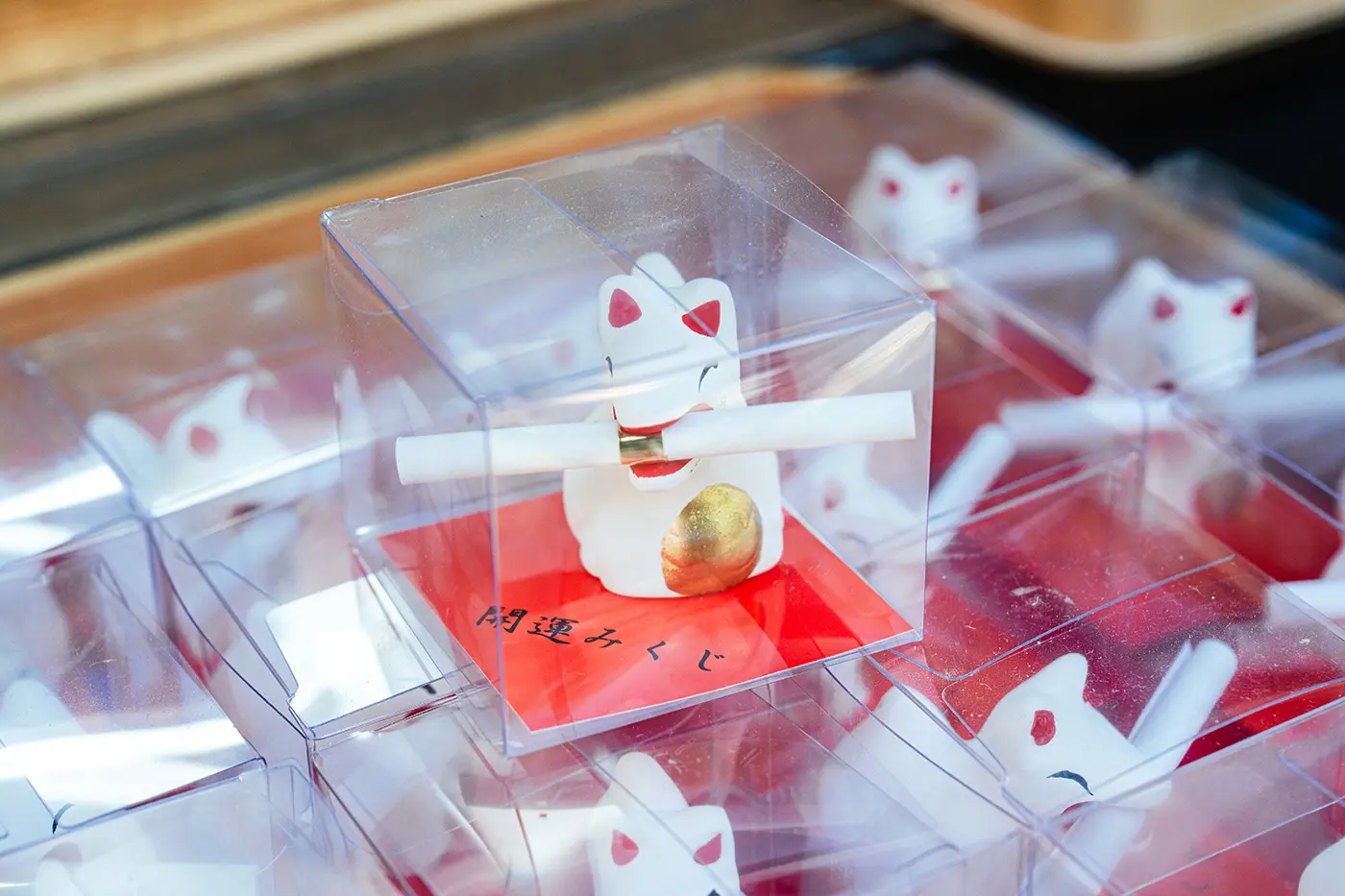
The shrine office sells unique charms. One that is especially popular with visitors from overseas is the "Magatama Fox," inspired by the Kuzunoha legend. This beautiful charm features a magatama in the shape of a white fox combined with a glass bead of a different color, and was created in collaboration with Satake Glass, which we will visit later.

I was thrilled to be able to touch the sacred tree, which gives off a sense of history! It's also wonderful that it's spacious and quiet, even though it's located near the station. The charms associated with the legend of the white fox are likely to be popular with worshippers from overseas. It seems that the number of visitors from Asia is increasing, and I think it must be capturing the hearts of people who love history and stories.
A hidden gem where you can easily purchase high-quality "Izumi Pearl" and "Izumi Glass"! Visit the shop and gallery run by a local association
After praying, head to the Izumi Pearl & Glass Gallery, a direct sales and exhibition facility run by the Japanese Artificial Pearl and Glass Fine Goods Industry Association, located about a 7-minute walk from Shinodanomori Kuzunoha Inari Shrine.
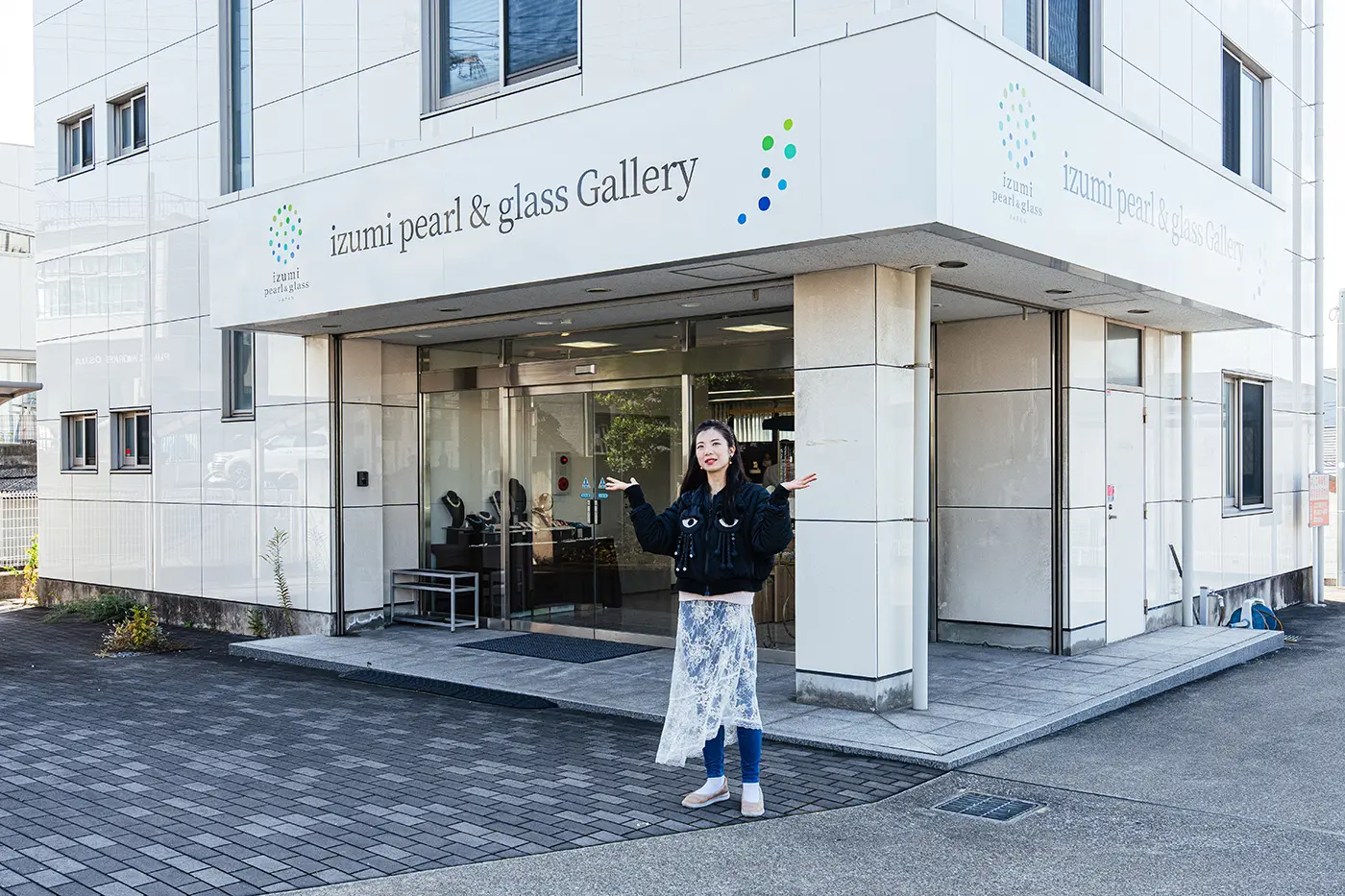
This association is an organization made up of artisans and businesses involved in Izumi Pearl and Izumi Glass. Its activities are aimed at passing on techniques and developing the industry, and currently 19 businesses based in Izumi City and elsewhere are members. With Izumi Glass now designated as a traditional craft, the association is putting even more effort into promoting it both domestically and internationally.
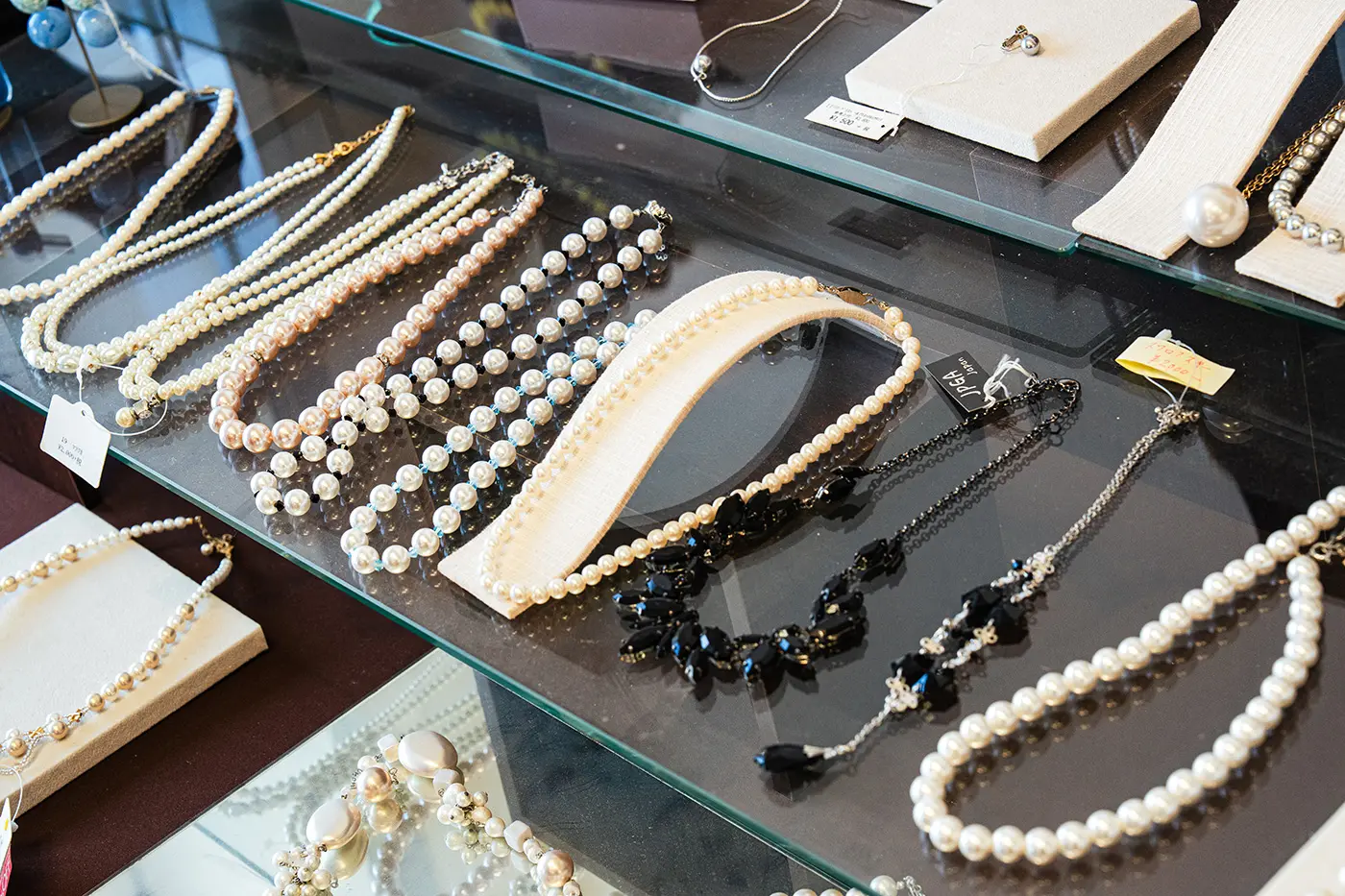
Izumi Pearls began as artificial pearls made from glass beads and a paint called "pearl essence." Due to their high quality, they have gained popularity both in Japan and overseas, and are still used by many fashion and jewelry brands today.
However, there are not many places to buy them locally. That's why this gallery collects and sells products made by members of the association. You can easily purchase artificial pearls of such high quality that they are indistinguishable from real pearls. The shop allows you to try on the products before you shop, and also serves as a showroom, with a wide range of exhibits on the techniques and manufacturing methods.
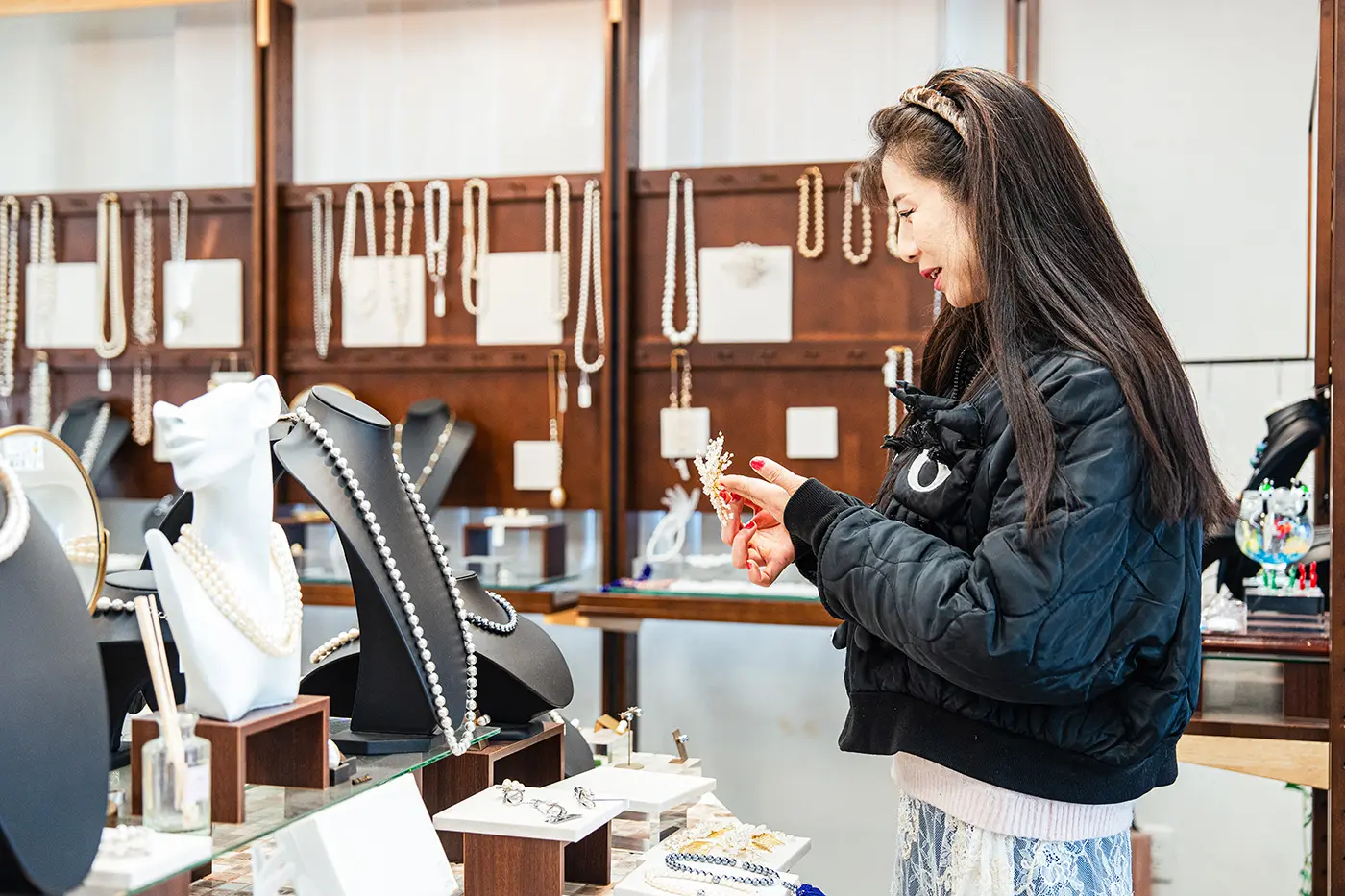
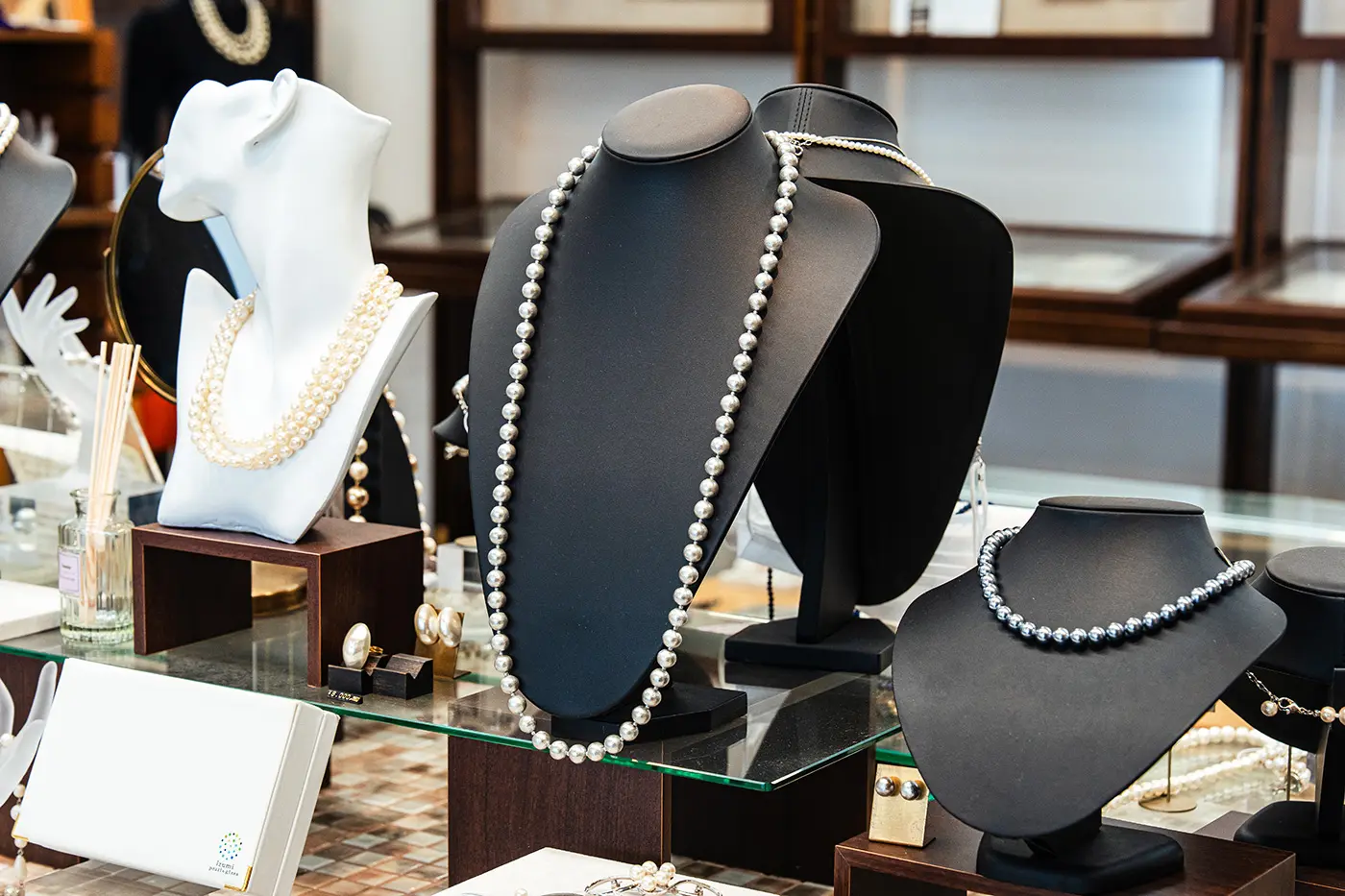
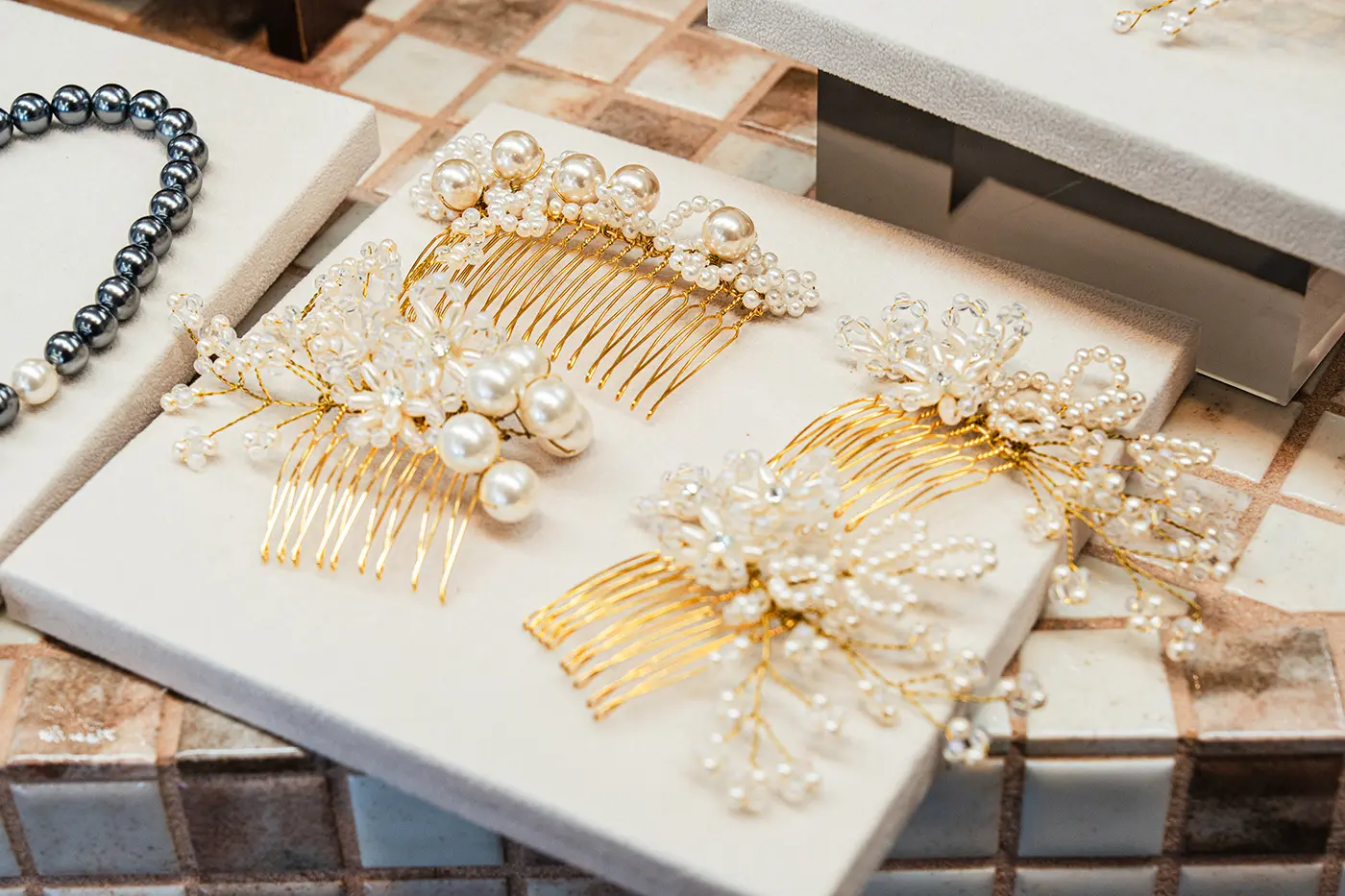
I had heard of izumi pearl & glass gallery and was curious about it. I had heard that Japanese artificial pearls have beautiful colors and are very durable. When I saw the many items lined up, I noticed that each item had a slightly different color. I was so happy to be able to buy the baby's breath-like accessory I had been looking for! I plan to wear it with my dance costumes and kimono.
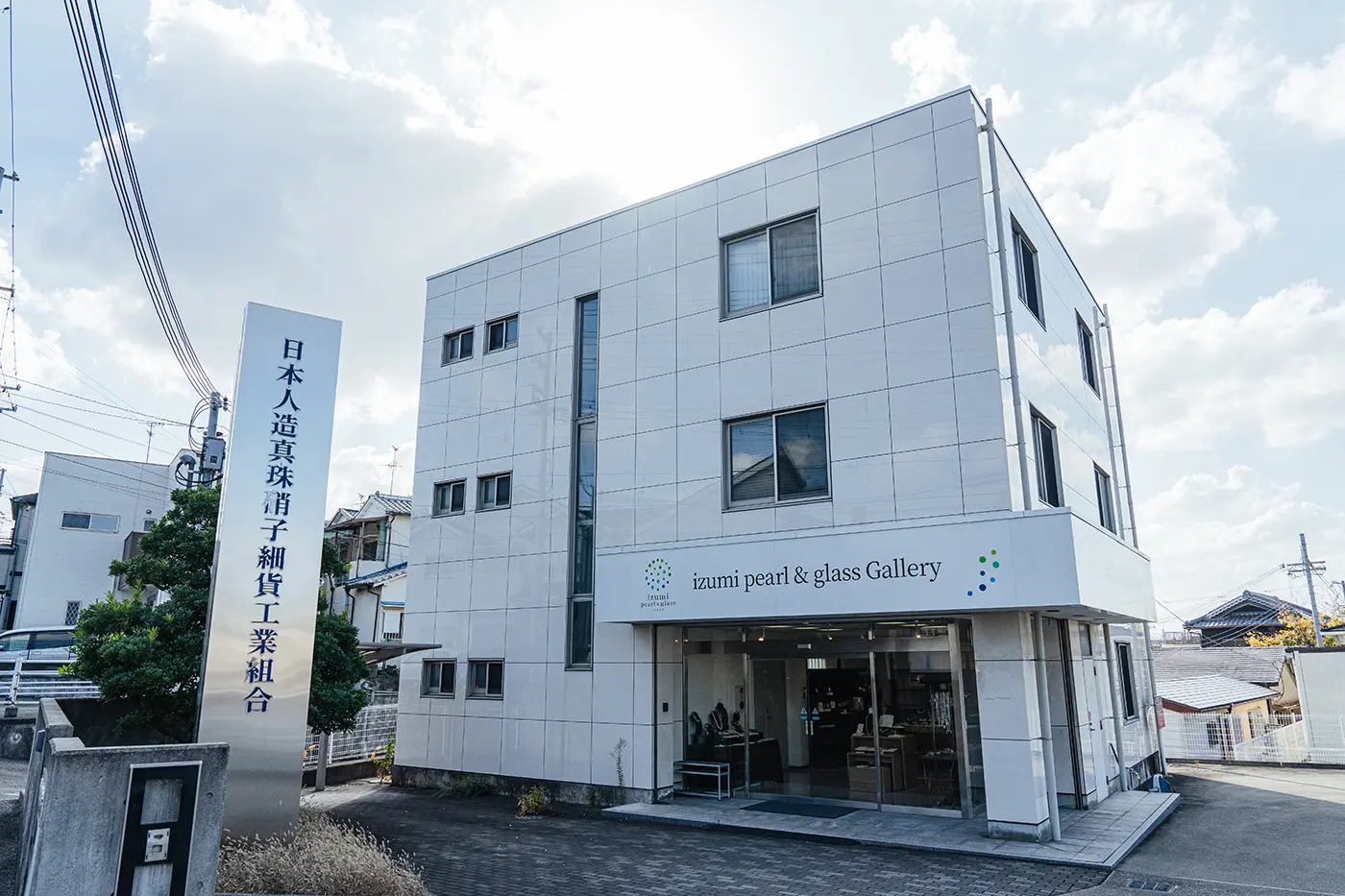
Satake Glass, a long-established company that preserves the techniques of "Izumi Glass." Learn from a craftsman and try your hand at making glass beads.
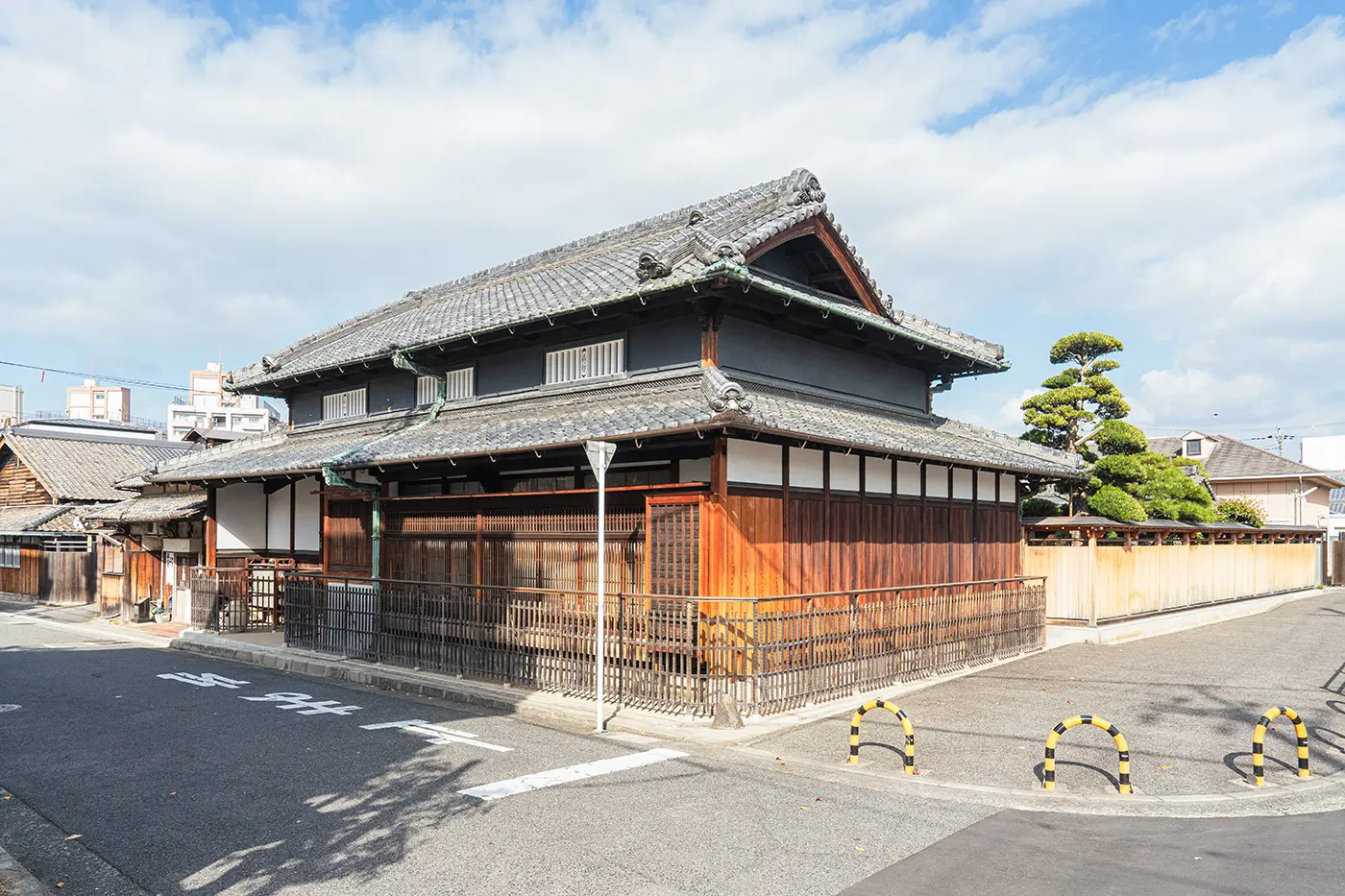
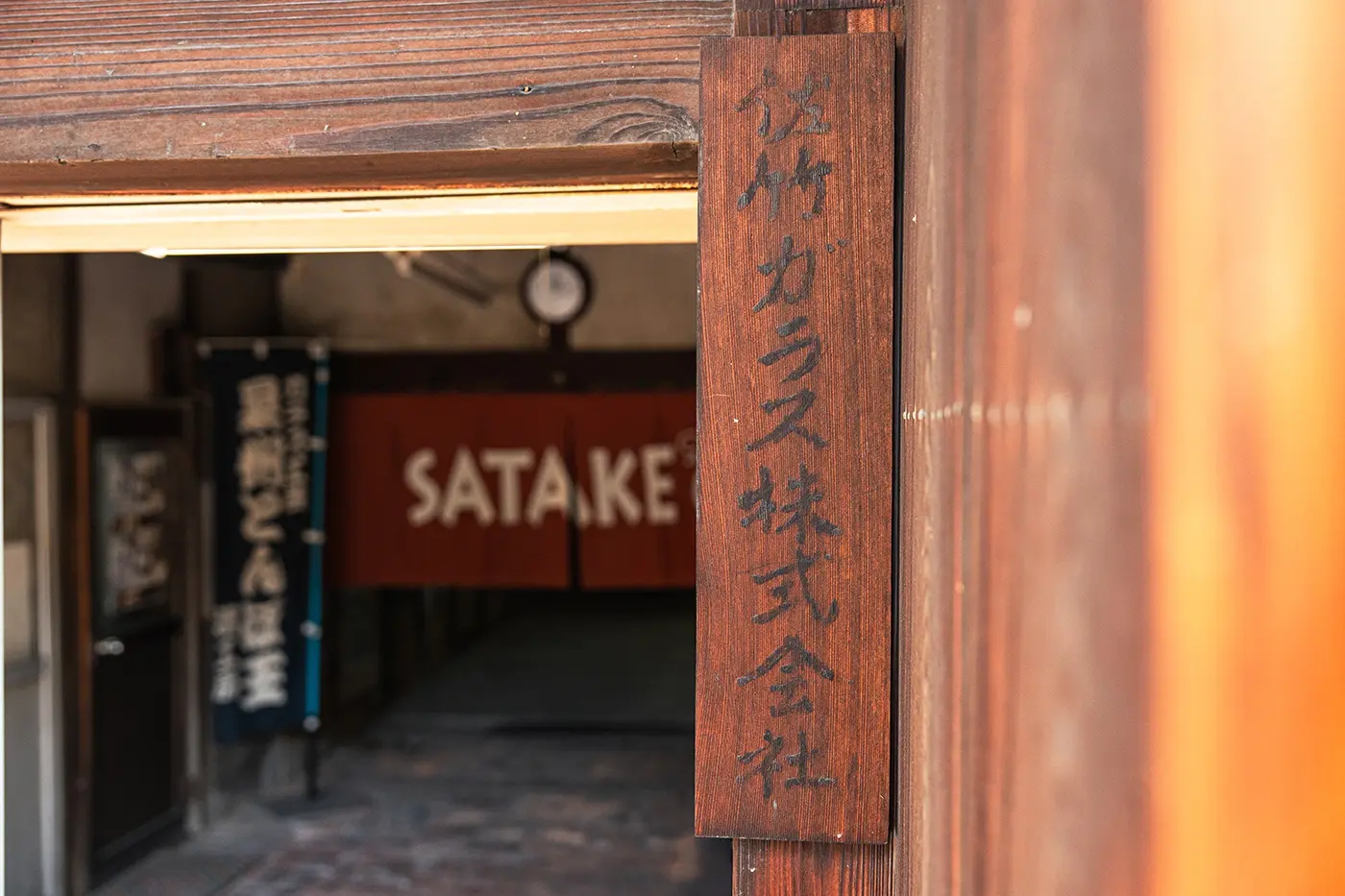
After walking for about 10 minutes from the gallery, you will arrive at Satake Glass Co., Ltd.
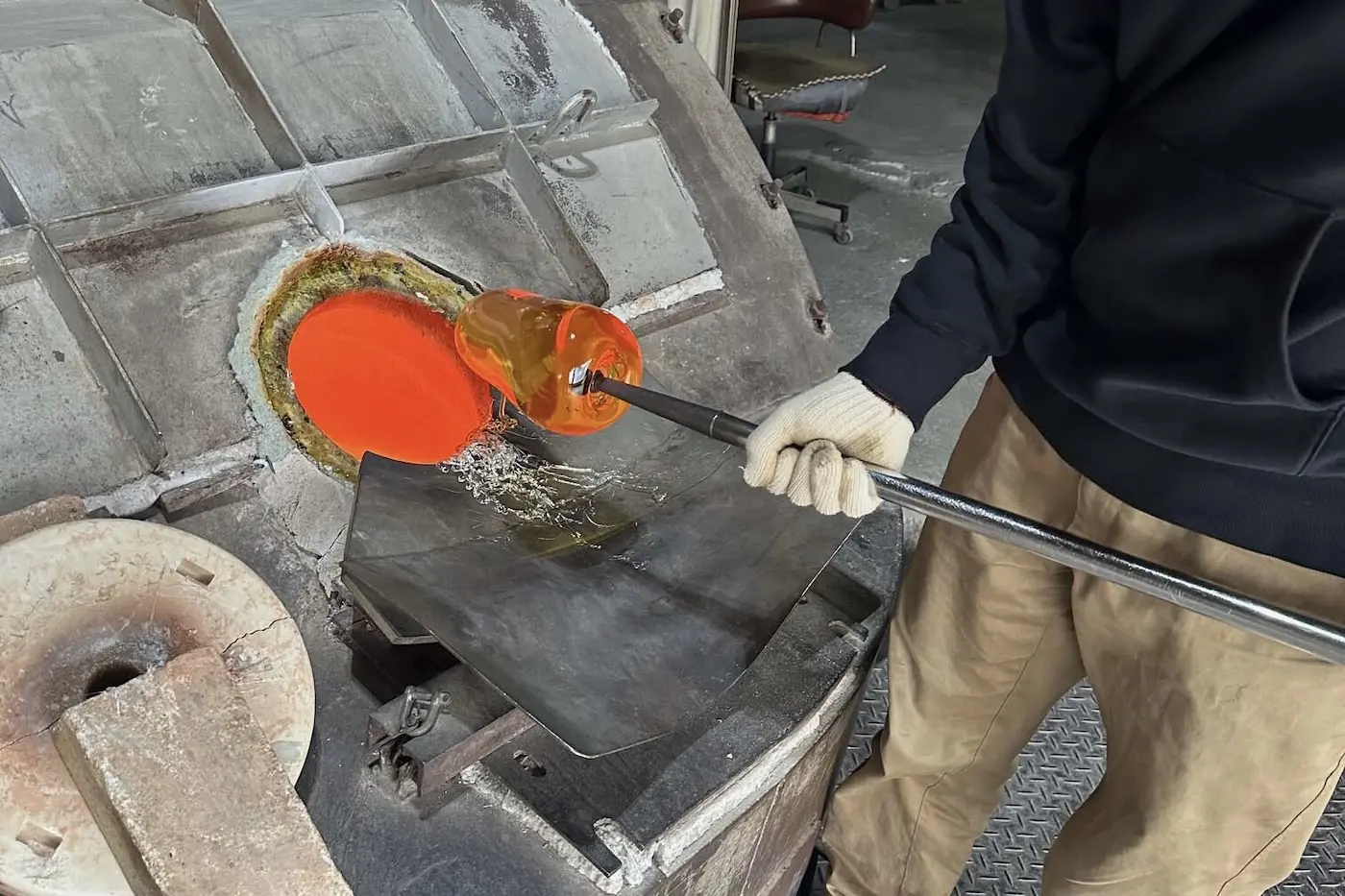
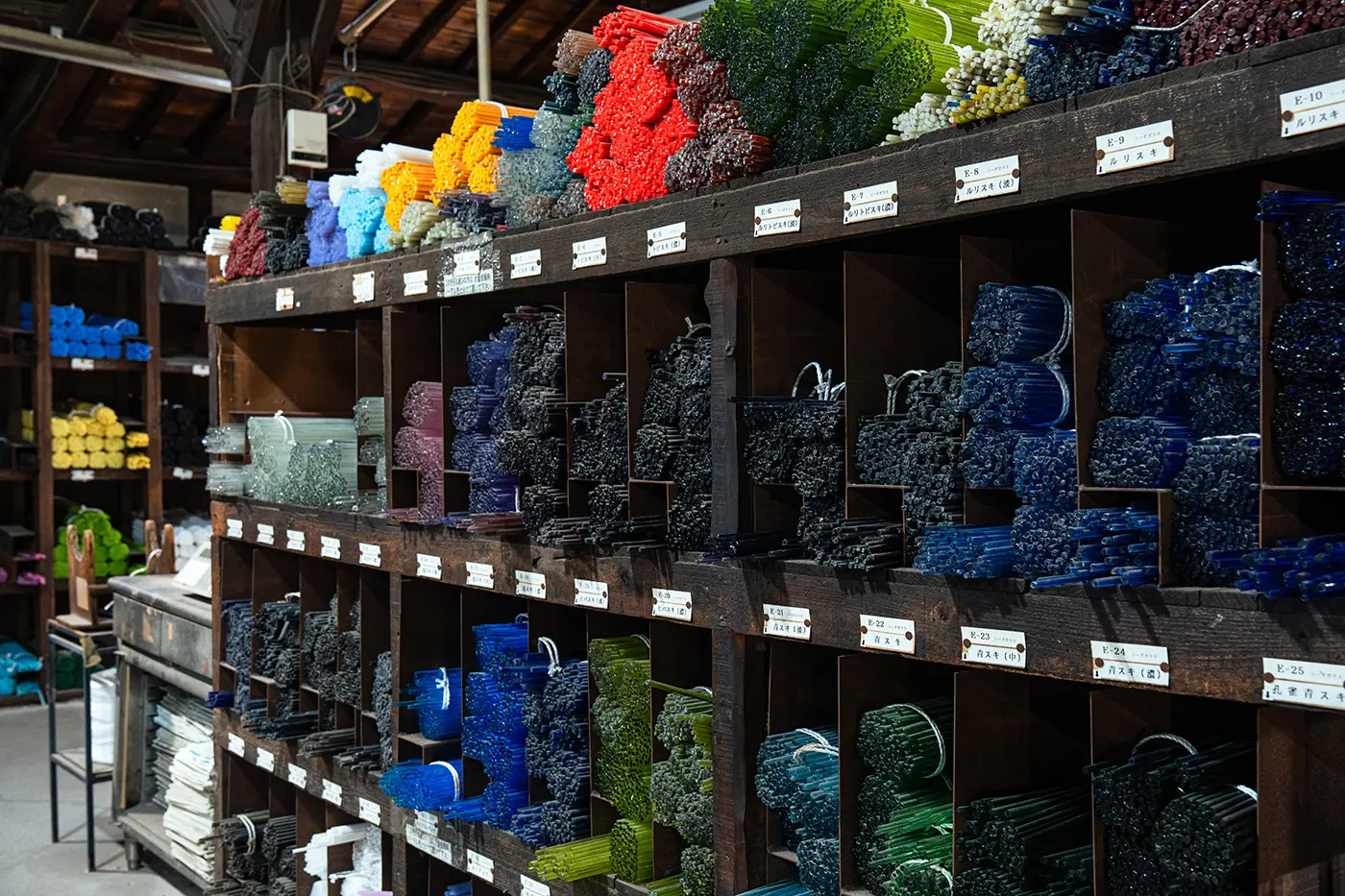
Satake Glass Co., Ltd., originally founded as Satake Glass Manufacturing in 1927, is the only manufacturer of colored glass rods for arts and crafts that has continued in business since before the war in Japan. Satake Glass and one other company in Osaka are the only manufacturers of glass rods left, highlighting their rarity. Furthermore, they use burner lampwork to create beautiful glass pieces, including glass beads, and have established a unique position as a group of technicians.
The Satake Glass company building was built in the early Showa period, shortly after the company was founded. A total of six buildings, including the main house and workshop, are designated as national tangible cultural properties. First, we were given a tour of the factory.
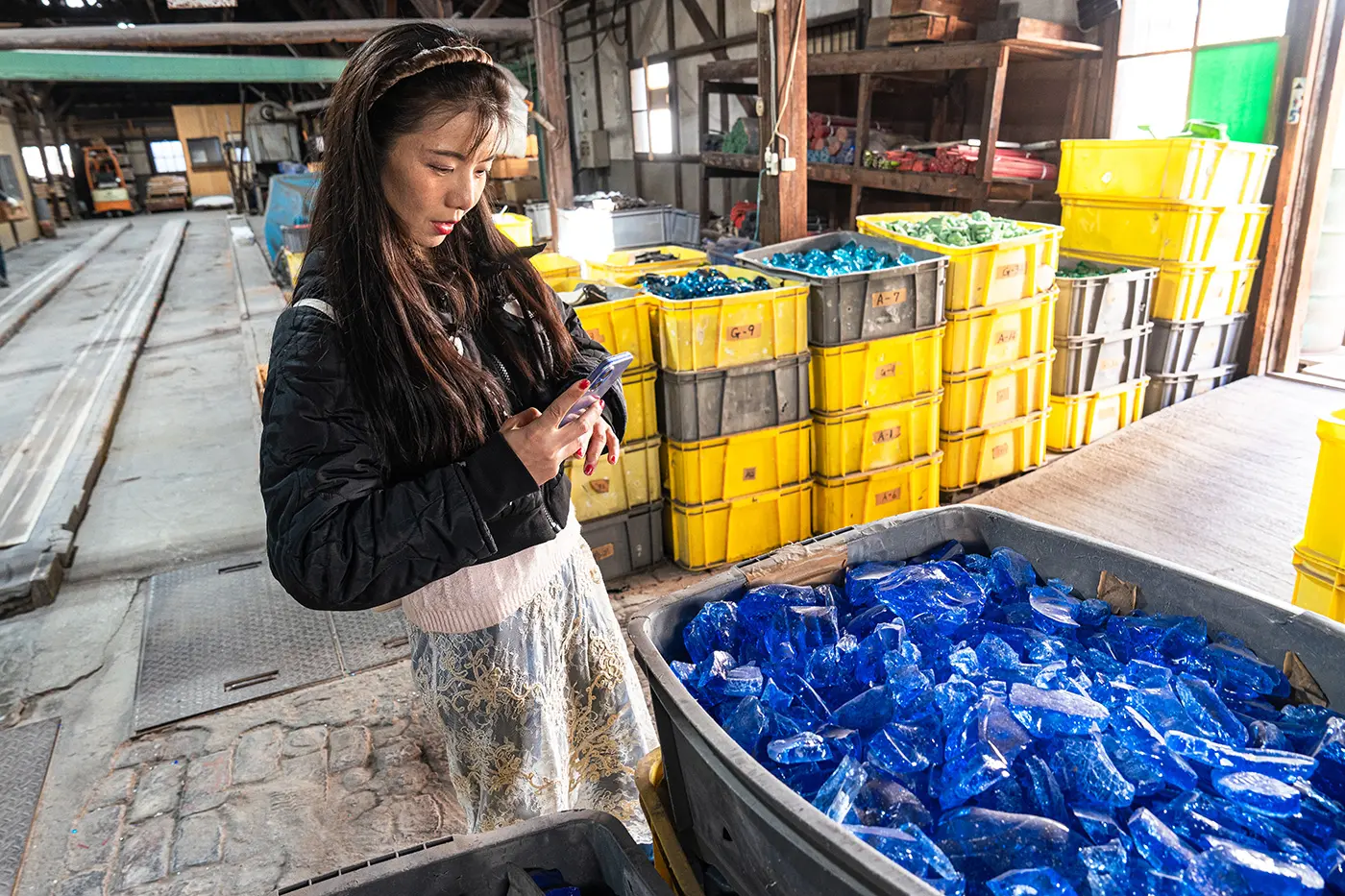
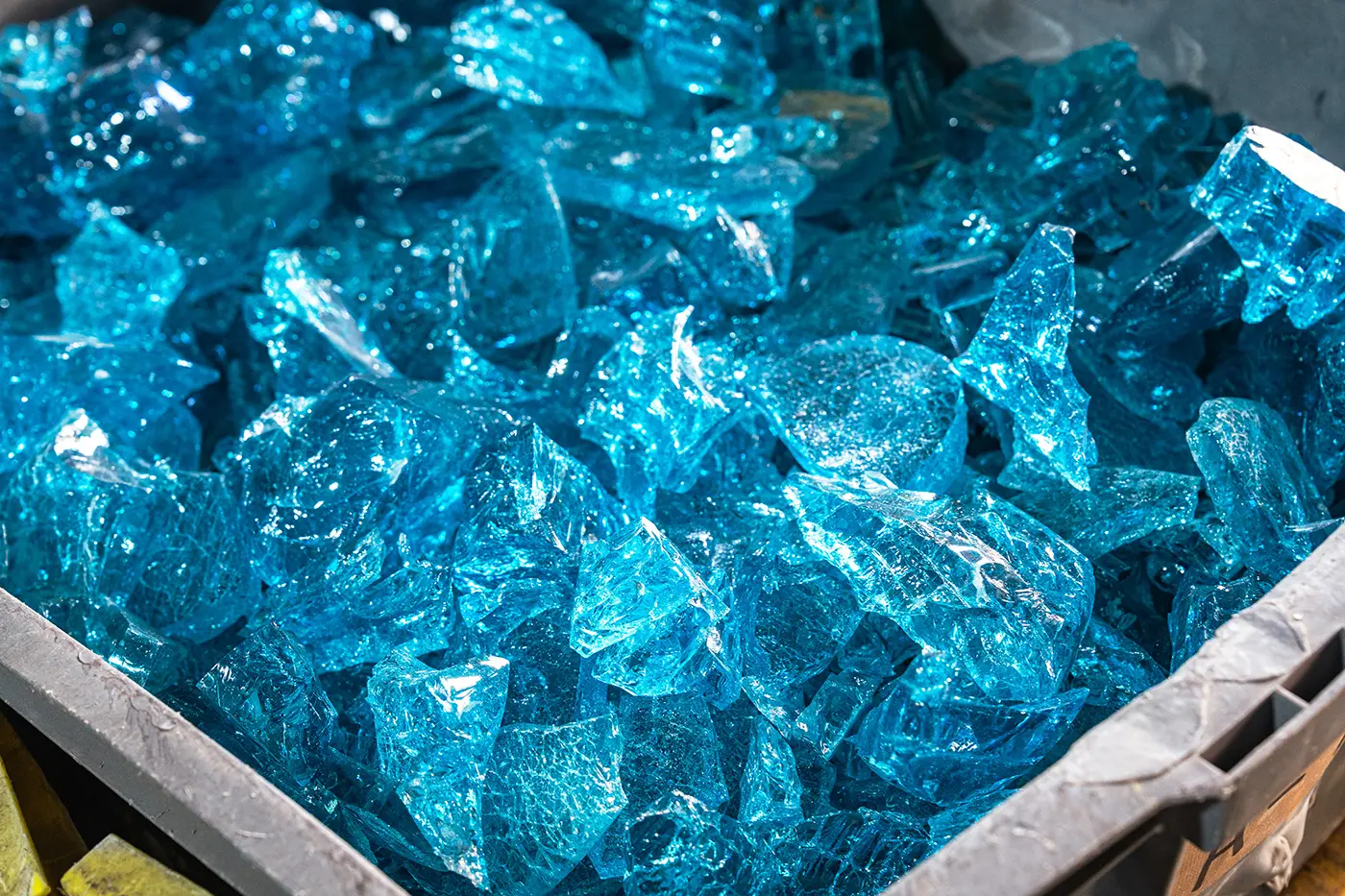
You can also see artisans working lampwork right in front of you in the mornings from Tuesday to Friday.
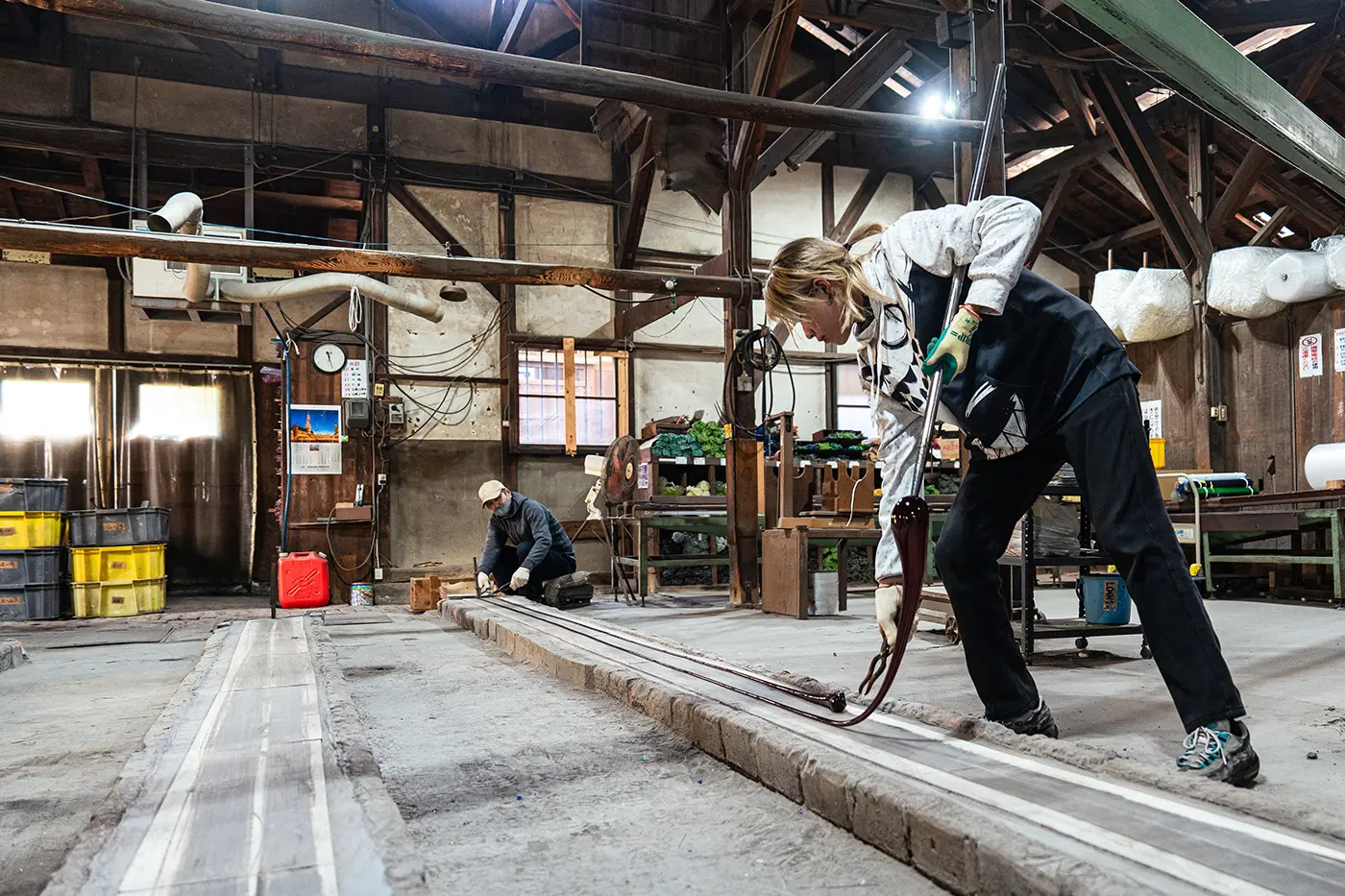
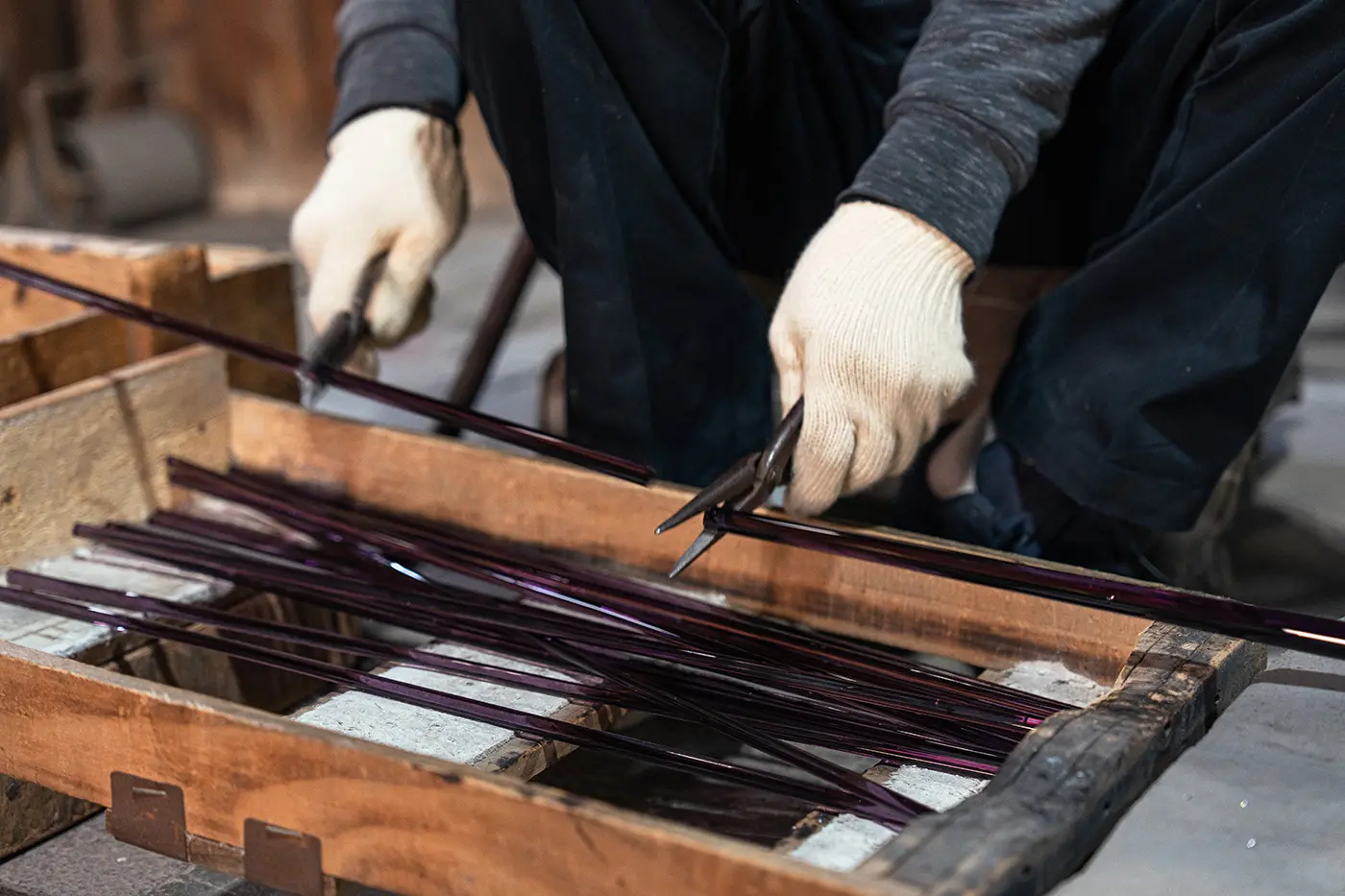
This is the manufacturing process of rod glass. This is a process called "rod pulling," in which glass melted in a crucible is drawn straight down a rail to form a rod of a consistent thickness. Because the temperature of the glass changes, speed and force are important, and the glass must be pulled in one go. The large wooden space, with its simple yet warm style, is also worth seeing.
After the tour, it's finally time to experience making glass beads. The experience begins with a lecture by staff member Shogo Maeda.
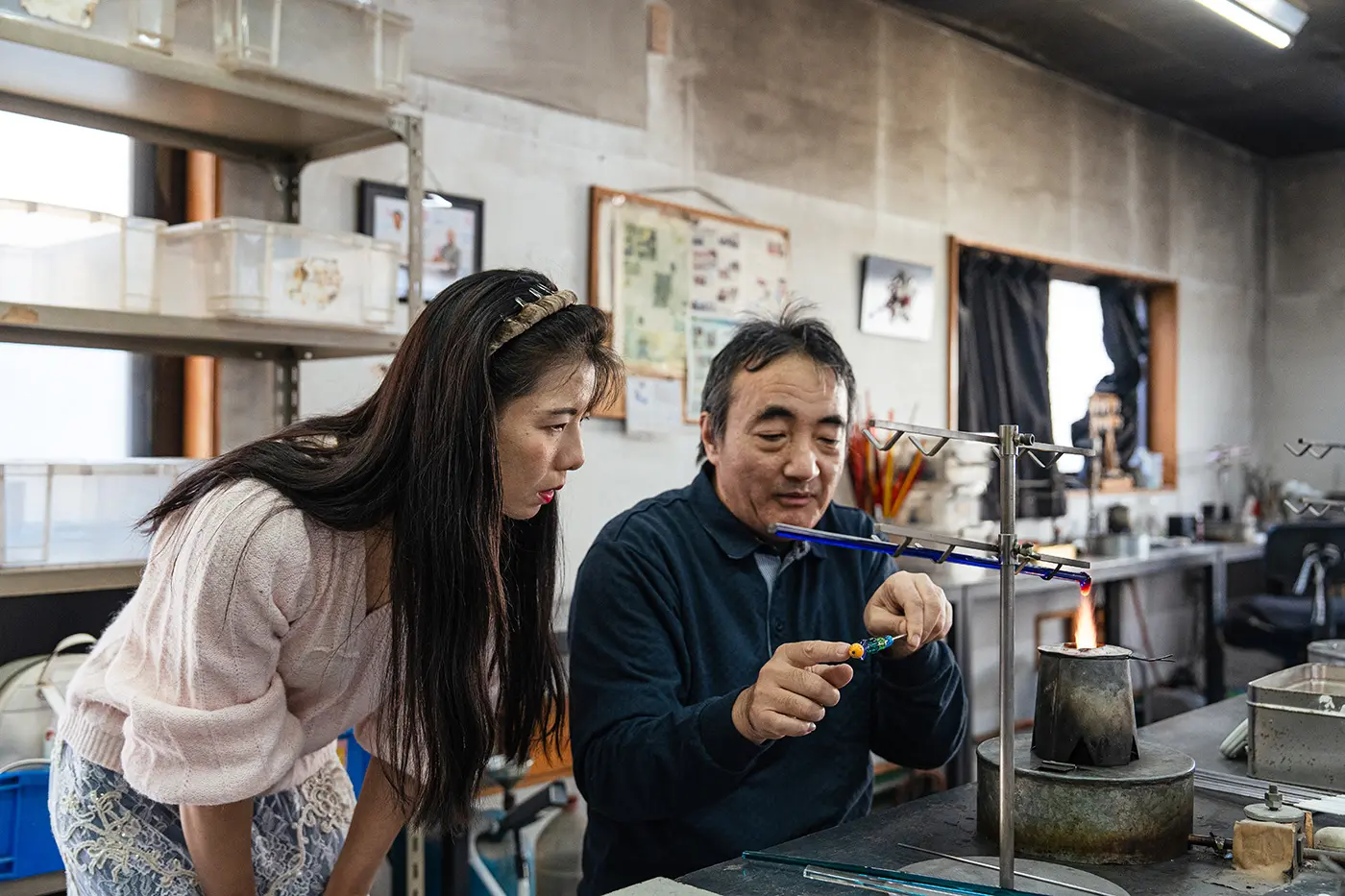
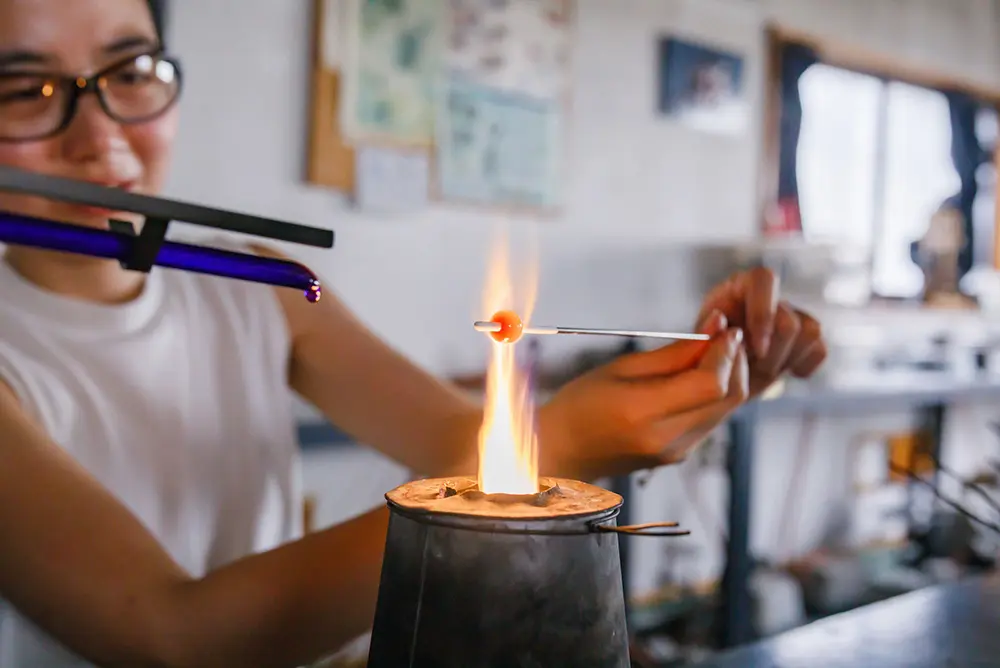
In this program, you will create round glass beads by melting a glass rod and winding it around an iron core rod. As the demonstration continues, you will be given important points to keep in mind, such as "keep the core rod horizontal and keep it turning," and "keep the glass in front and the core rod on the other side of the flame," before you get to try it out!
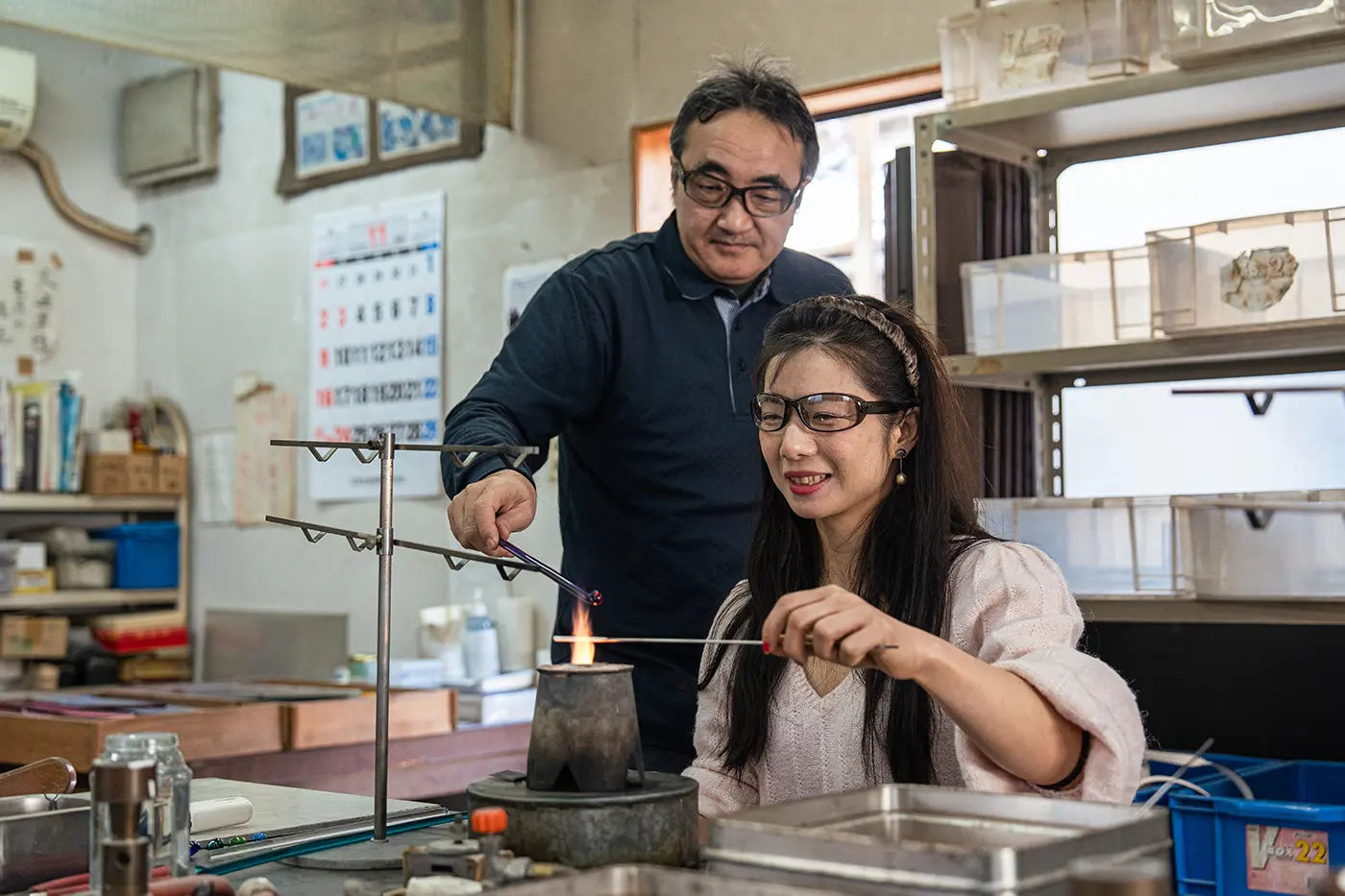
At first, I started making the glass with the help of Mr. Maeda. I started by trying to heat the core rod so that the glass would not break due to the temperature difference.
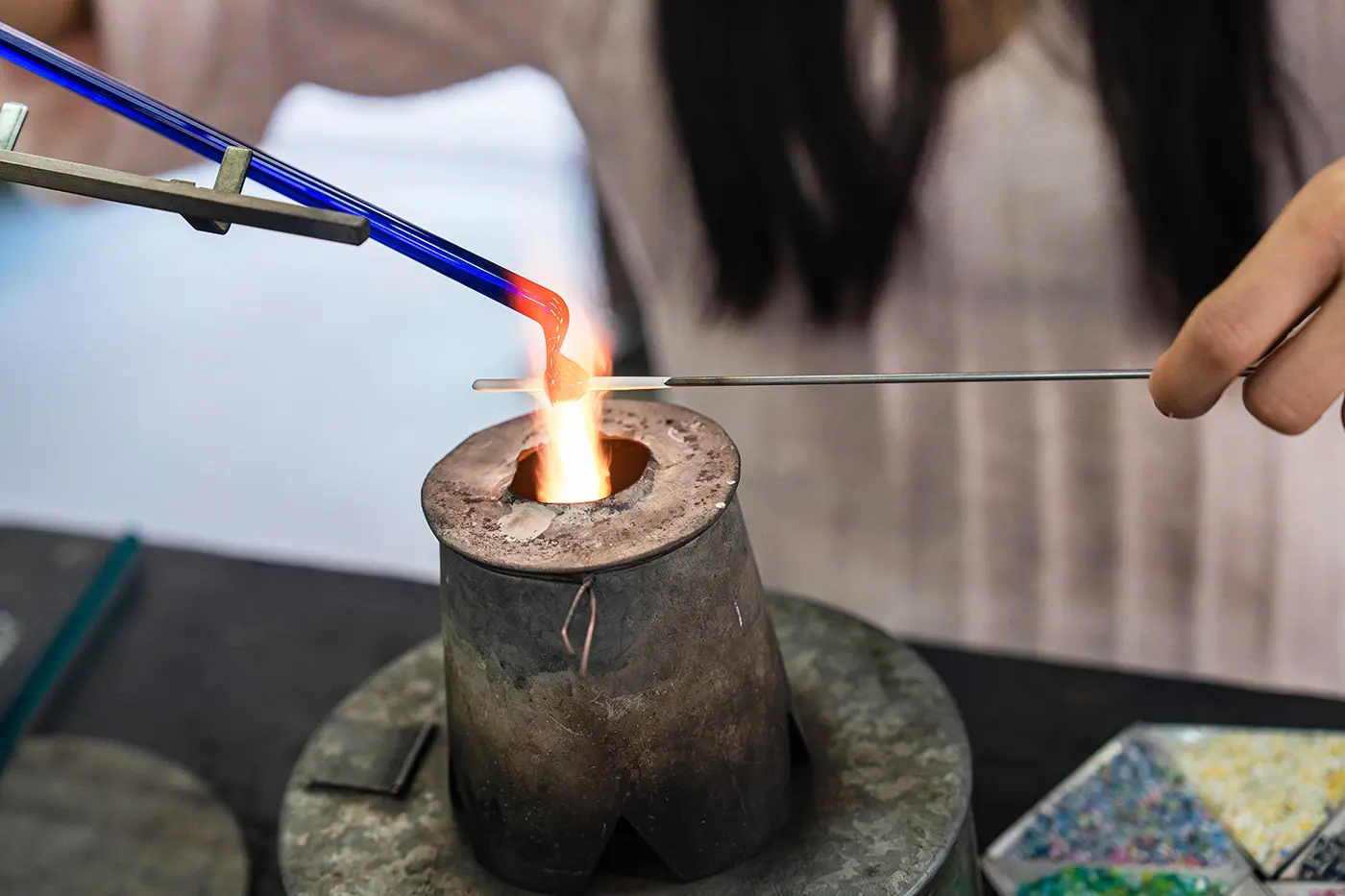
It seems that the most difficult part was winding the glass quickly and carefully so as not to drop the softened glass. And to make a nice round shape, it's also important to keep turning the core rod at a constant speed. Liao worked on this task with a serious expression on his face the whole time, as he couldn't let his guard down for even a moment.
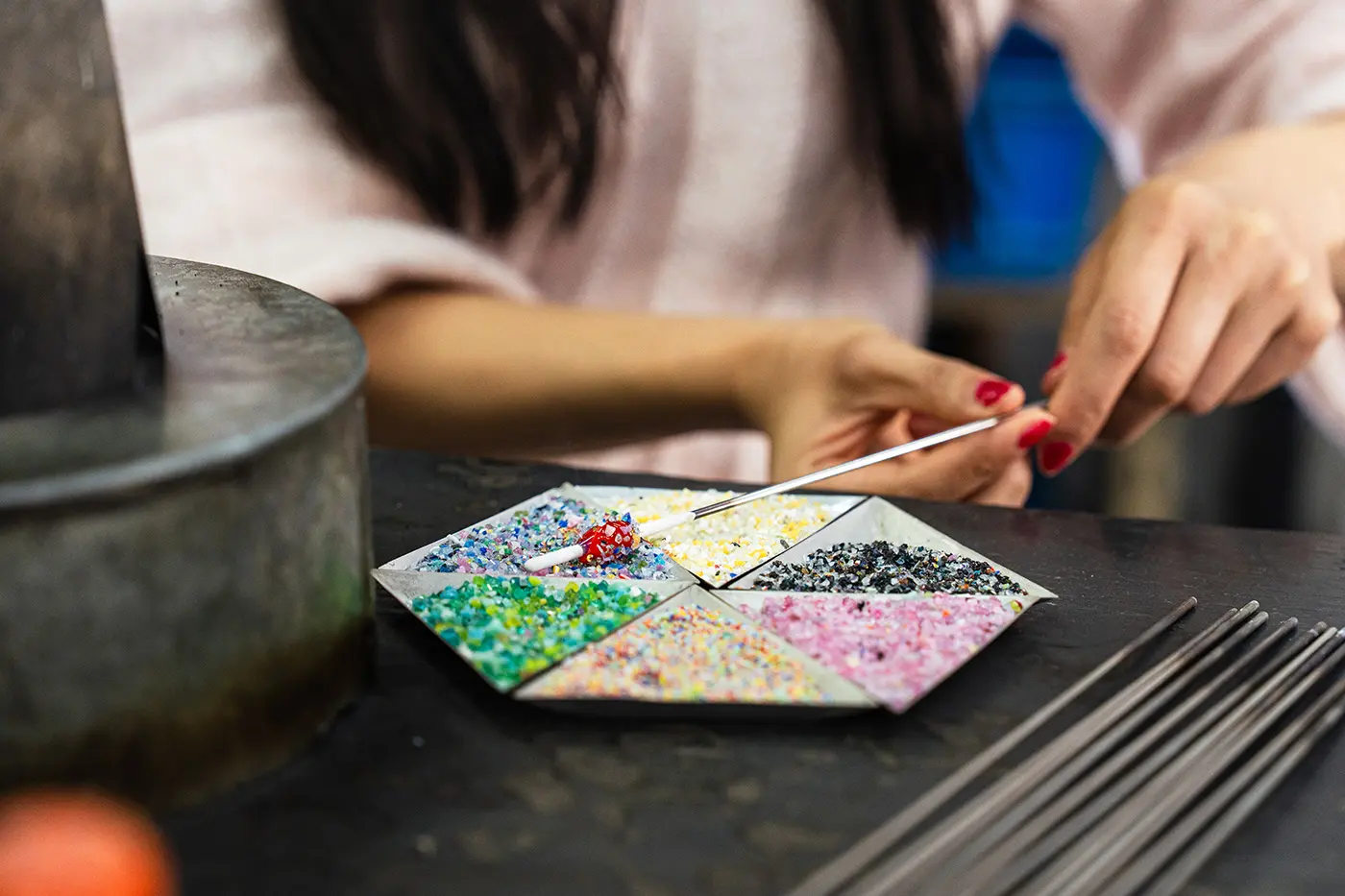
The heated glass, which remains orange, is then sprinkled with colorful glass particles and returned to the flame. The particles melt together, creating a unique pattern.
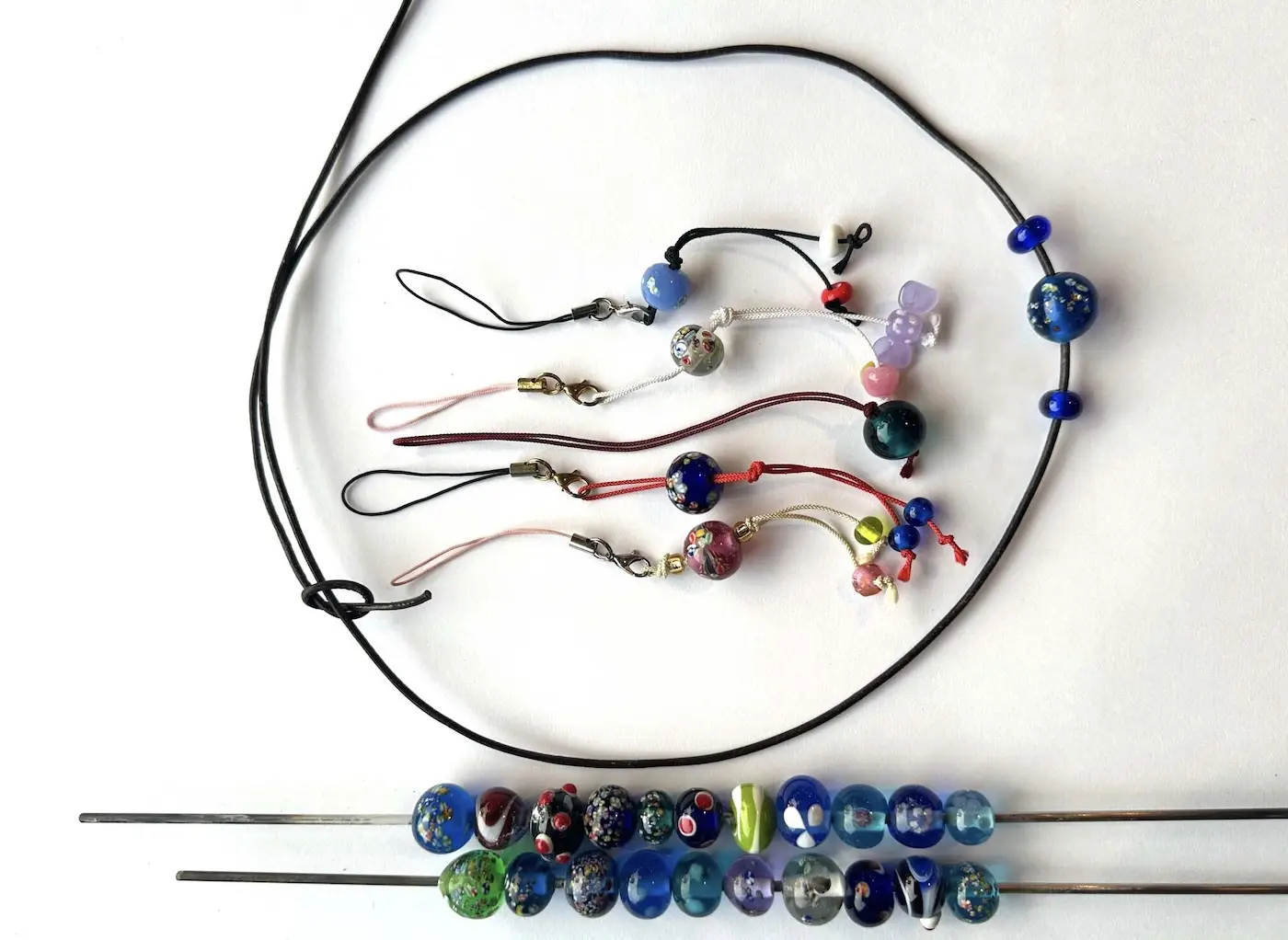
Looking back on the experience, Liao said, "It was difficult, but I was able to make a glass bead that I like." Satake Yasuhiko, the third generation owner of Satake Glass, told Liao, "We're holding this experience class because we want you to enjoy expressing yourself in your own way, but at the same time, we also want you to know how difficult glasswork is."
It takes skilled technique to shape the glass heated by the burner into the desired shape. The works produced by hand have a unique warmth that does not give off the coldness that is typical of glass, and are highly valued by many enthusiasts as rare crafts.
Satake Glass originally developed as a rod glass factory, but since the mid-2000s, they have also been producing craft items such as glass beads.
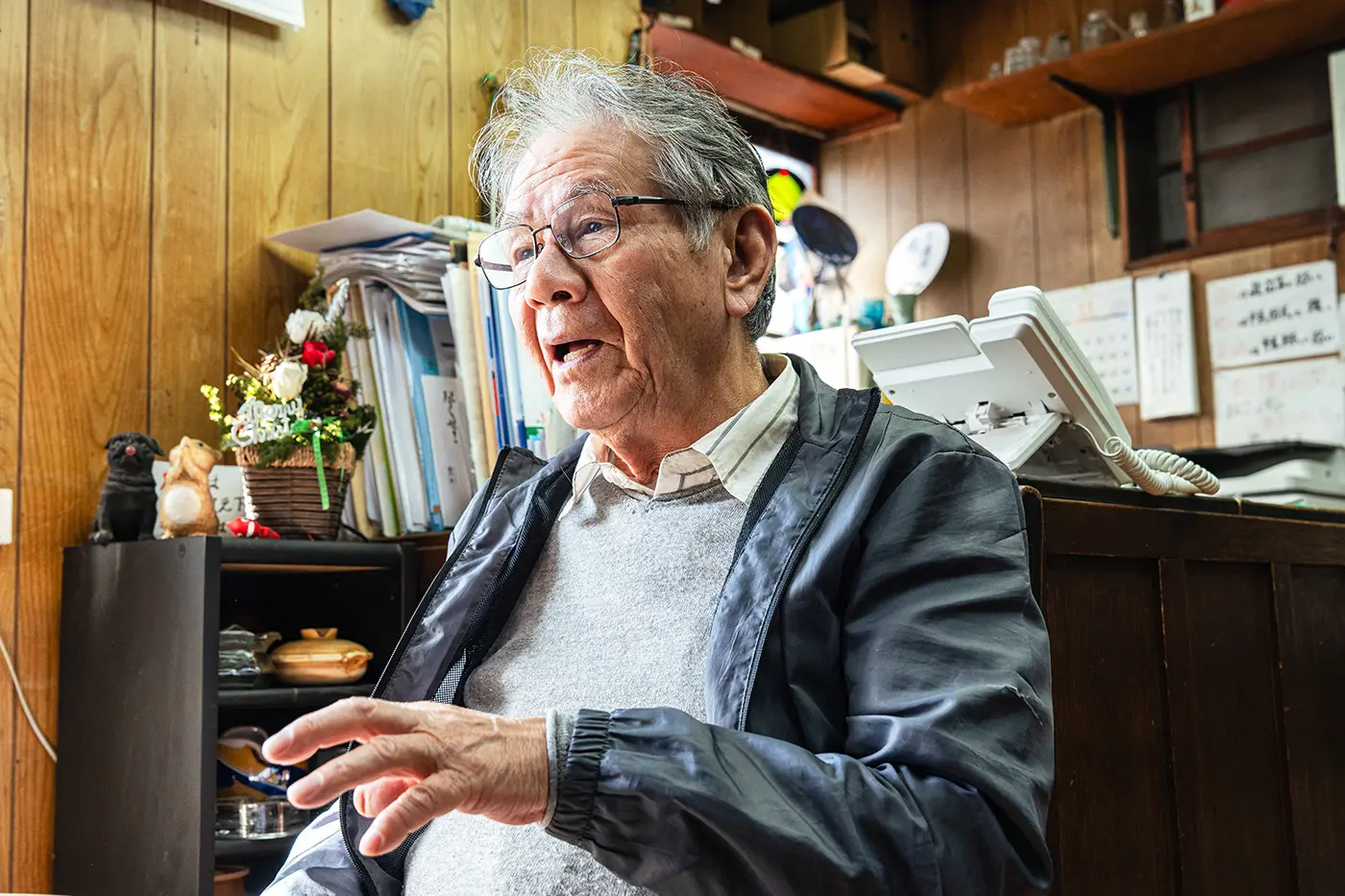
Behind this was the desire to "pass on the multifaceted techniques related to glass to future generations." Satake-san explained to us in a conversational voice, "There are difficulties that you can only understand by experiencing them, right? Learning about them will instill in you a sense of respect for the craftsmen, and that feeling will help keep this industry going."
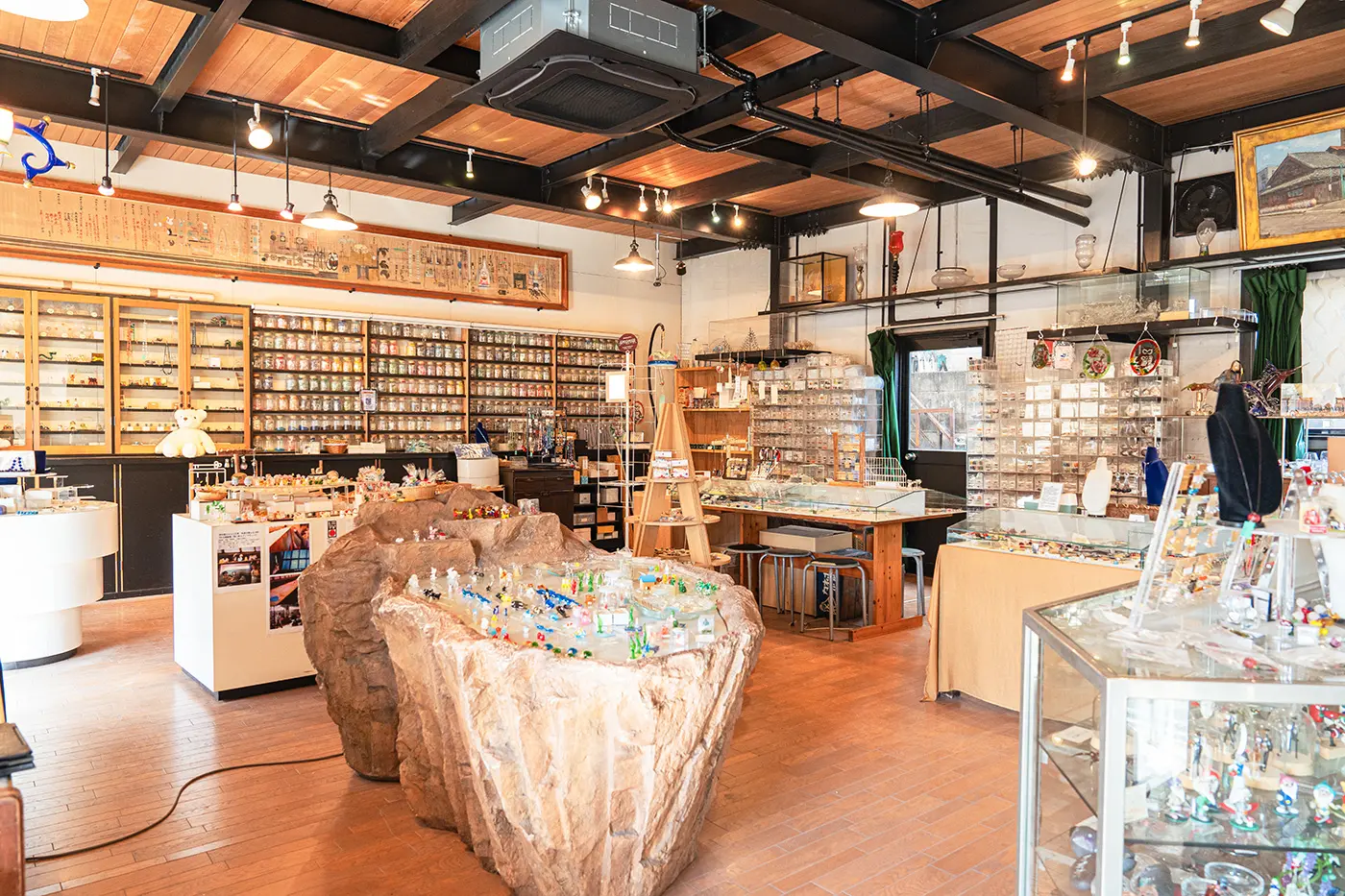
The premises also have a shop selling the company's own products, where you can purchase glasswork, accessories, beads, and more.

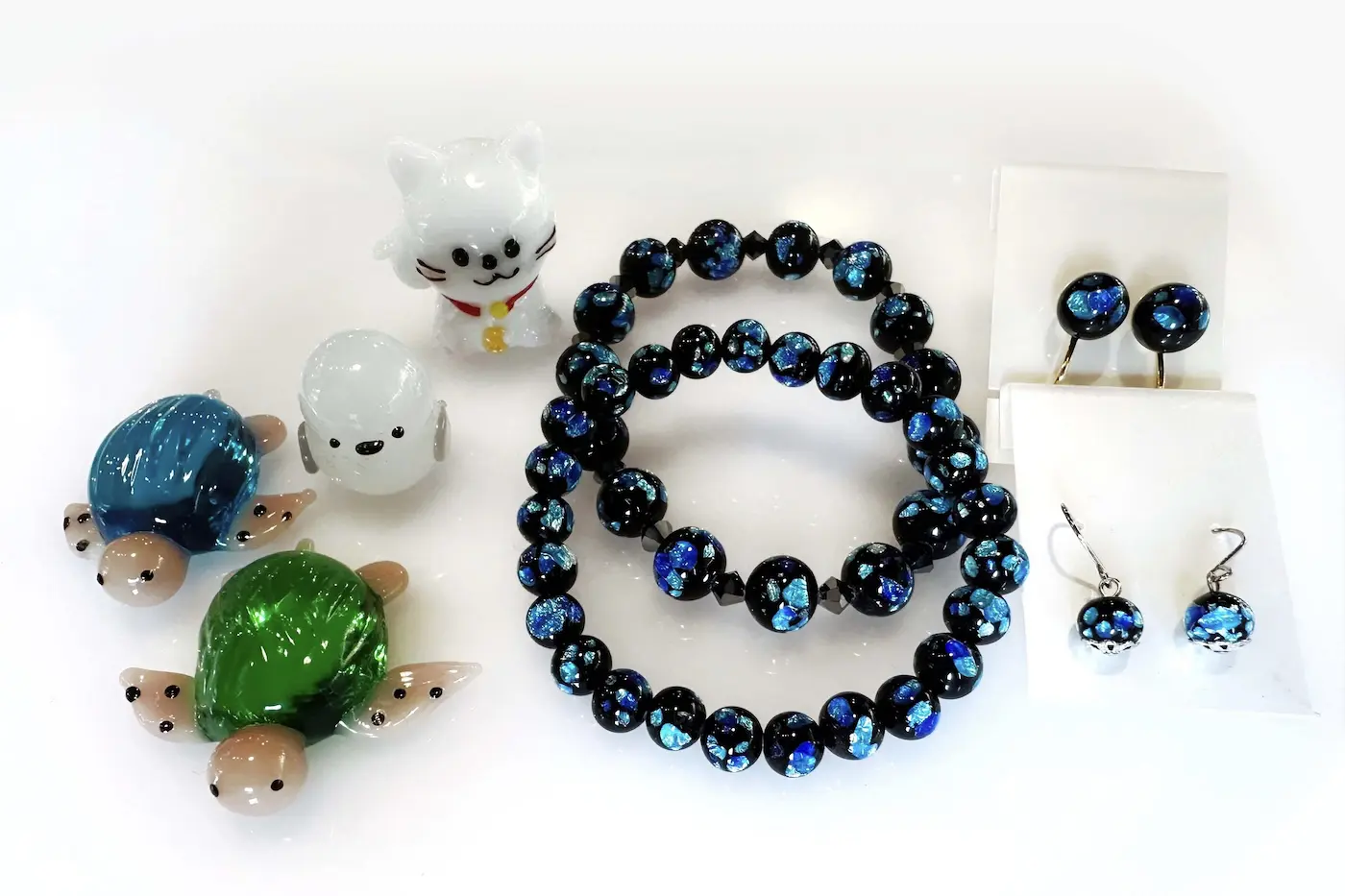
Making glass beads is difficult because you have to think about many things at the same time while moving your hands. If you let your guard down even a little, the core rod will become tilted and the shape will become distorted. In comparison, the things made by the craftsmen are truly beautiful! As Satake-san said, by actually experiencing it, I was able to feel the amazing skills of the craftsmen. I also like the ones I made myself (laughs).
Tuesday to Friday 9:10 to 10:10
Fee: Free *English available
Classroom (reservation required)
Weekdays: 9:30-/14:00- (up to 19 people per session)
Saturdays: 10:00~/13:00~ (up to 3 people per session)
Sundays: 10:00~/13:00~ (up to 4 people per session)
Price: Prices vary depending on the day of the week and the content of the experience, such as glass bead making or glass crafts.
*English support available
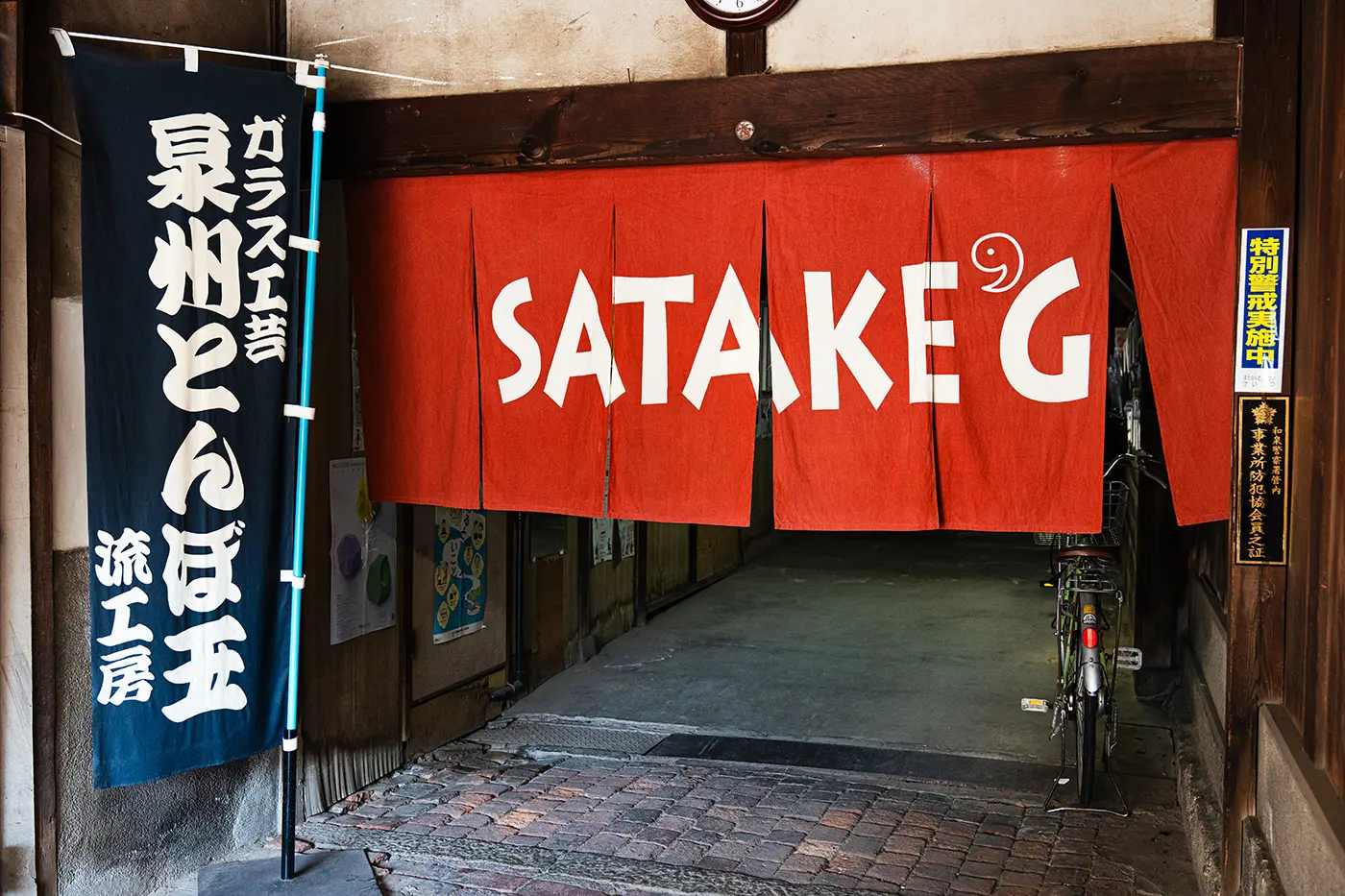
Your stomach will be completely satisfied with the exquisite eel and carefully selected sweets!
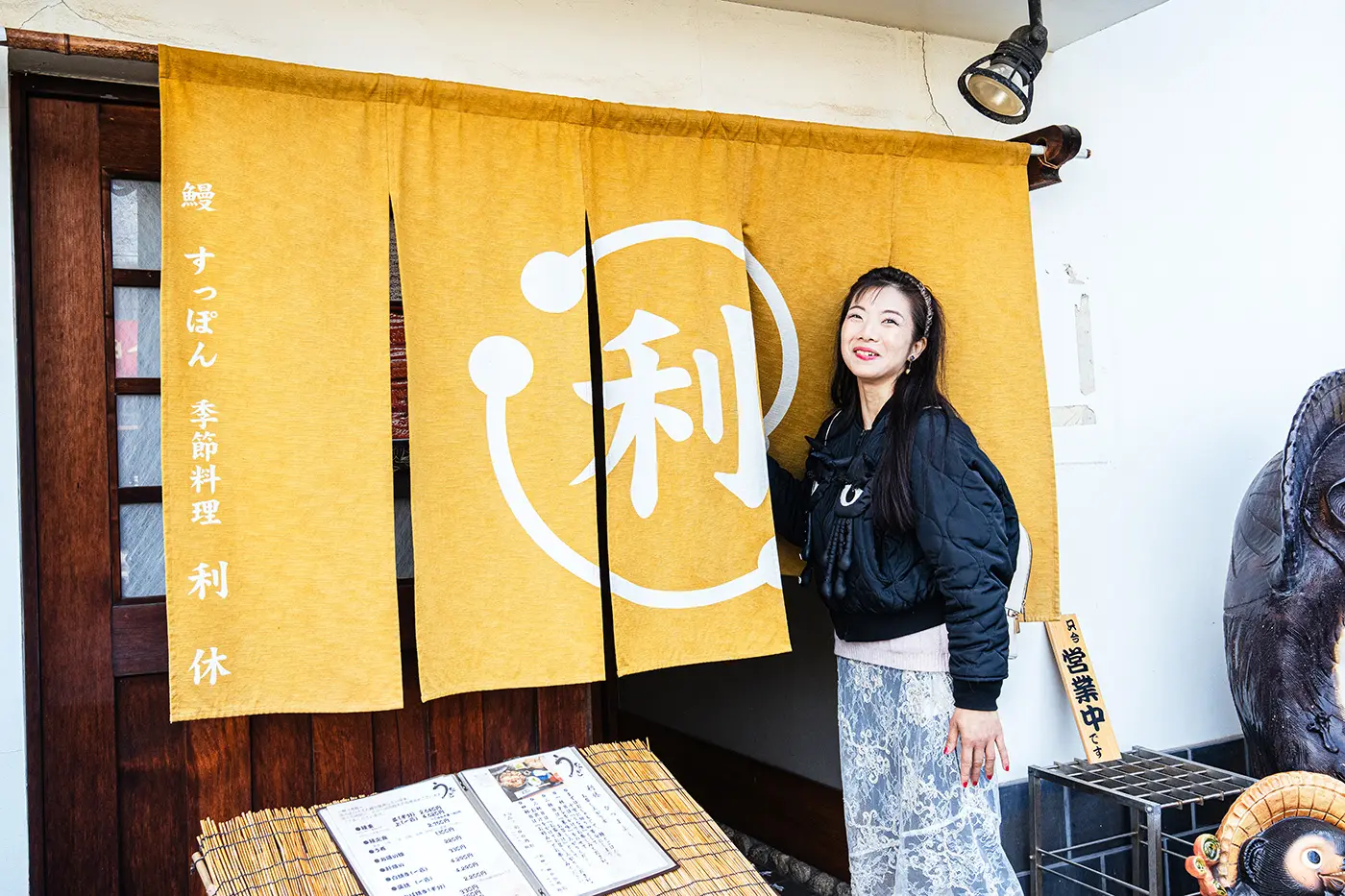
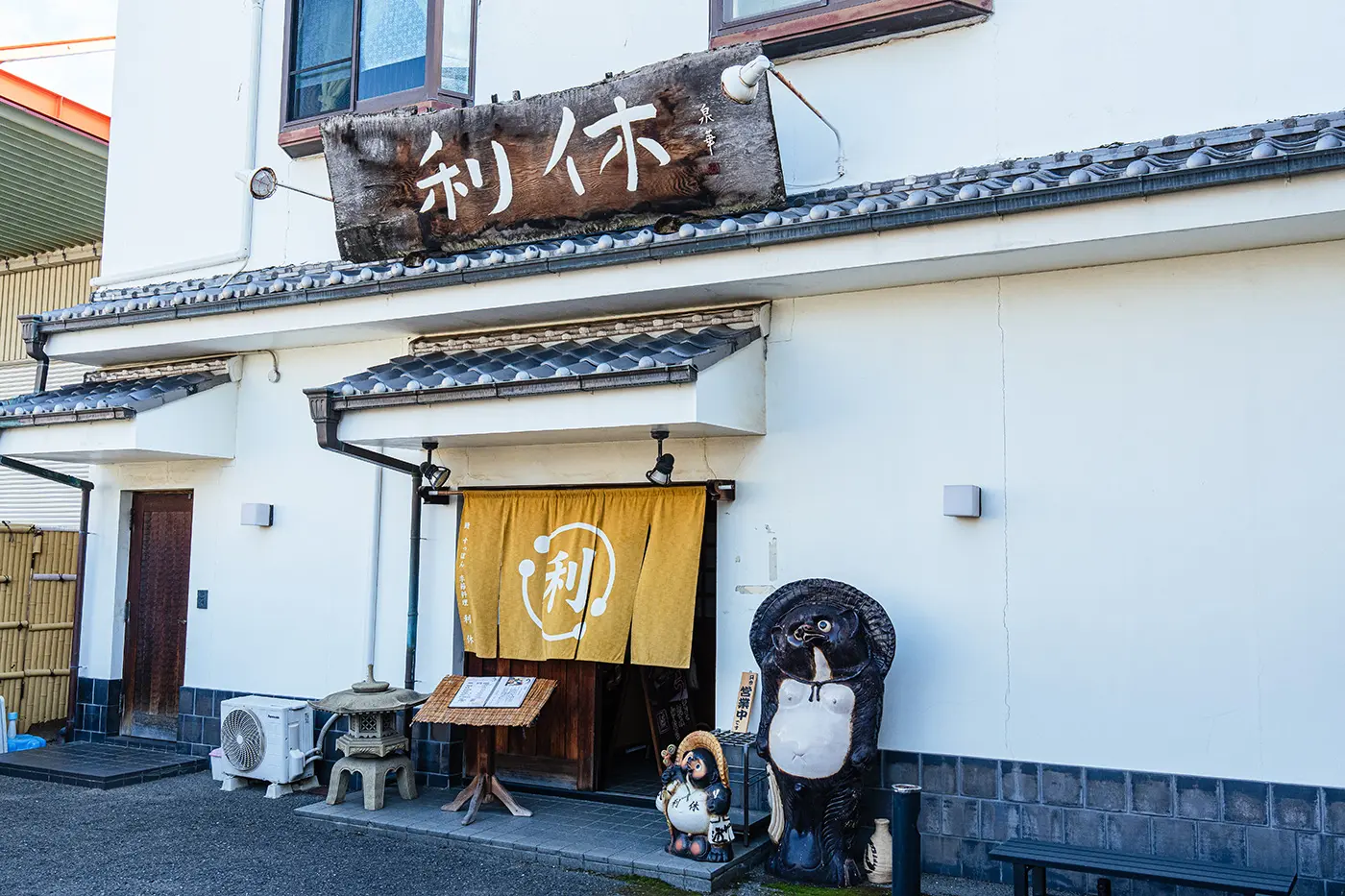
After working our brains and bodies at the Satake Glass factory, we headed off in search of lunch. We walked about eight minutes from Satake Glass to "Seasonal Cuisine Rikyu," known for its eel and soft-shelled turtle dishes. Rikyu has been highly popular for over 34 years, serving eel made with carefully selected ingredients and cooking methods, as well as seasonal dishes at reasonable prices.
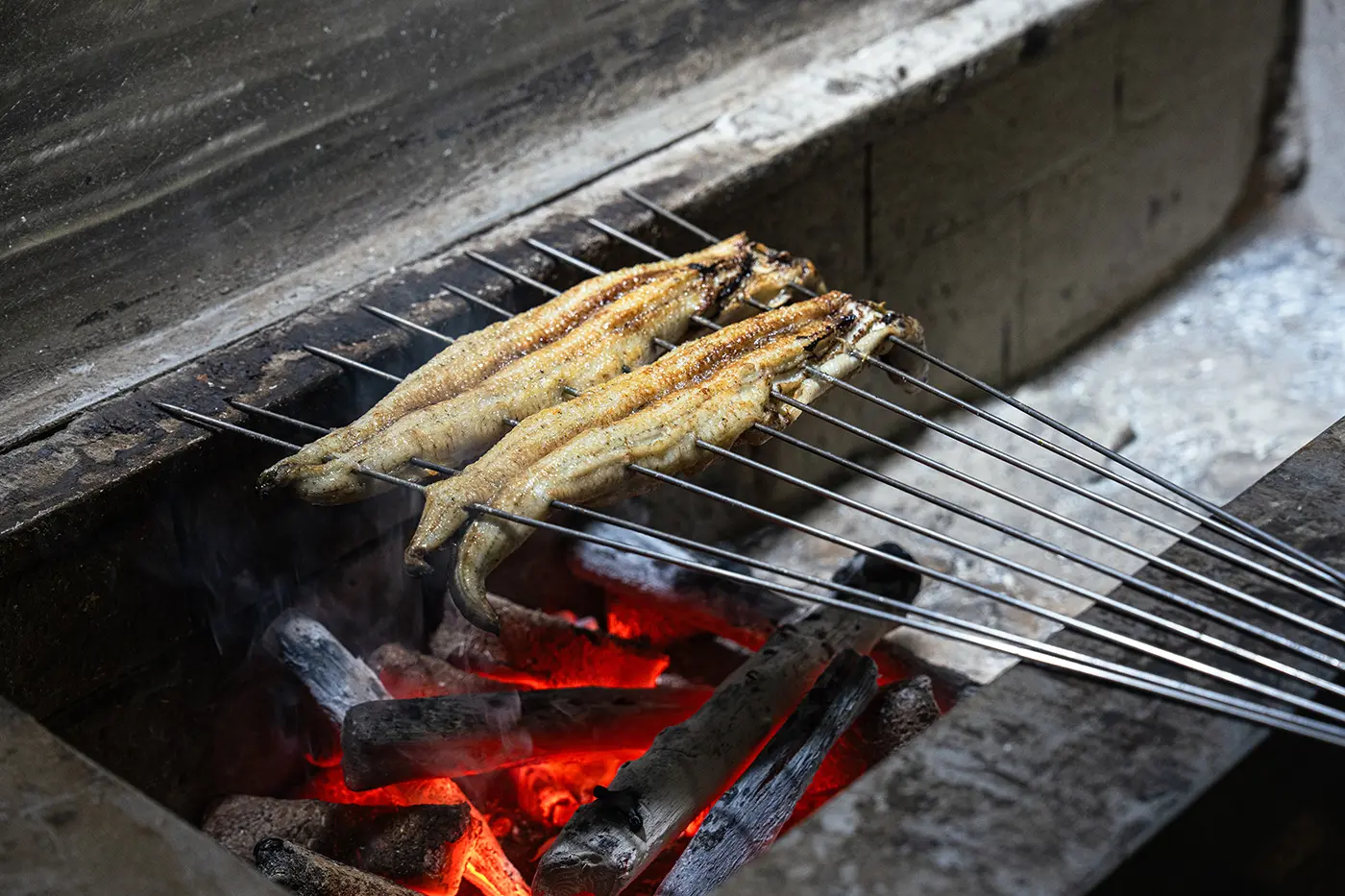
The eels are procured alive and kept swimming in a fish tank inside the restaurant, and are then butchered after an order is placed. Using high-heat binchotan charcoal, which produces more heat than regular charcoal, the eels are grilled until they are crispy on the outside and plump on the inside. The sauce, which has been added to and developed since the restaurant opened, is imbued with the delicious flavor that has been accumulated over the restaurant's history.
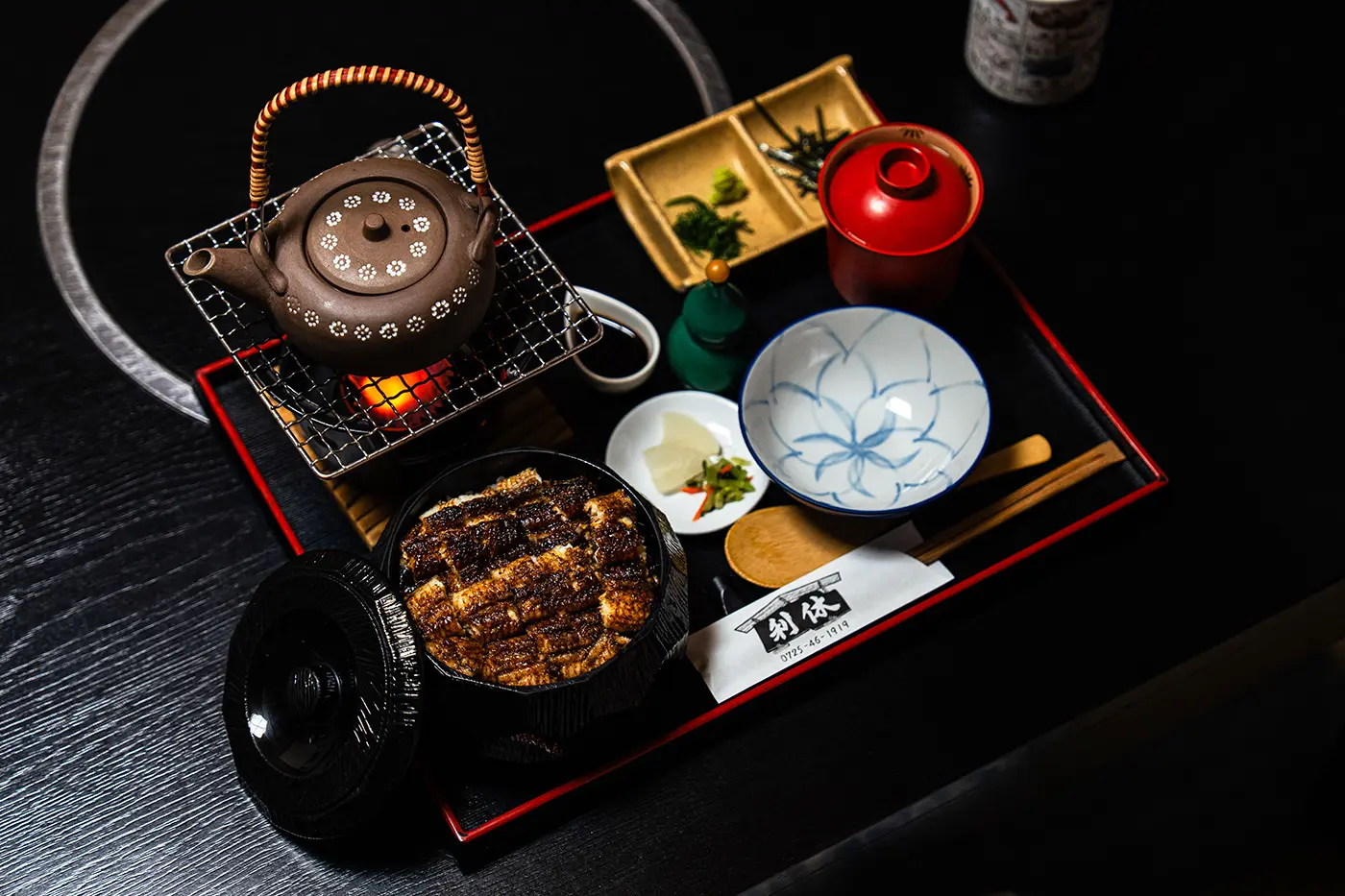
I ordered the popular menu item, Hitsumabushi (2,860 yen including tax). Following the instructions, the way to eat Hitsumabushi is to first divide it into four equal parts using a rice scoop. Then enjoy it with the condiments and broth.
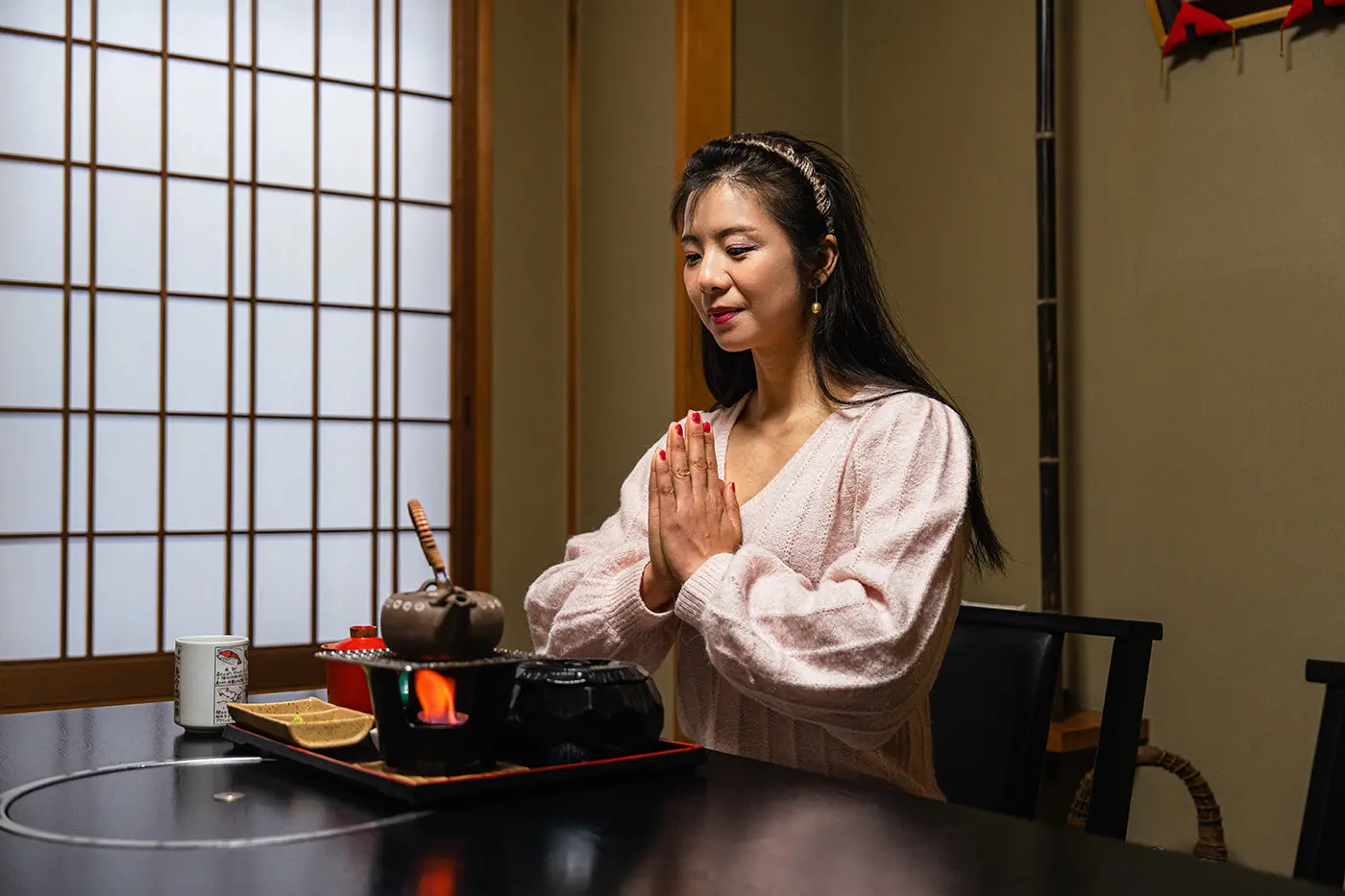
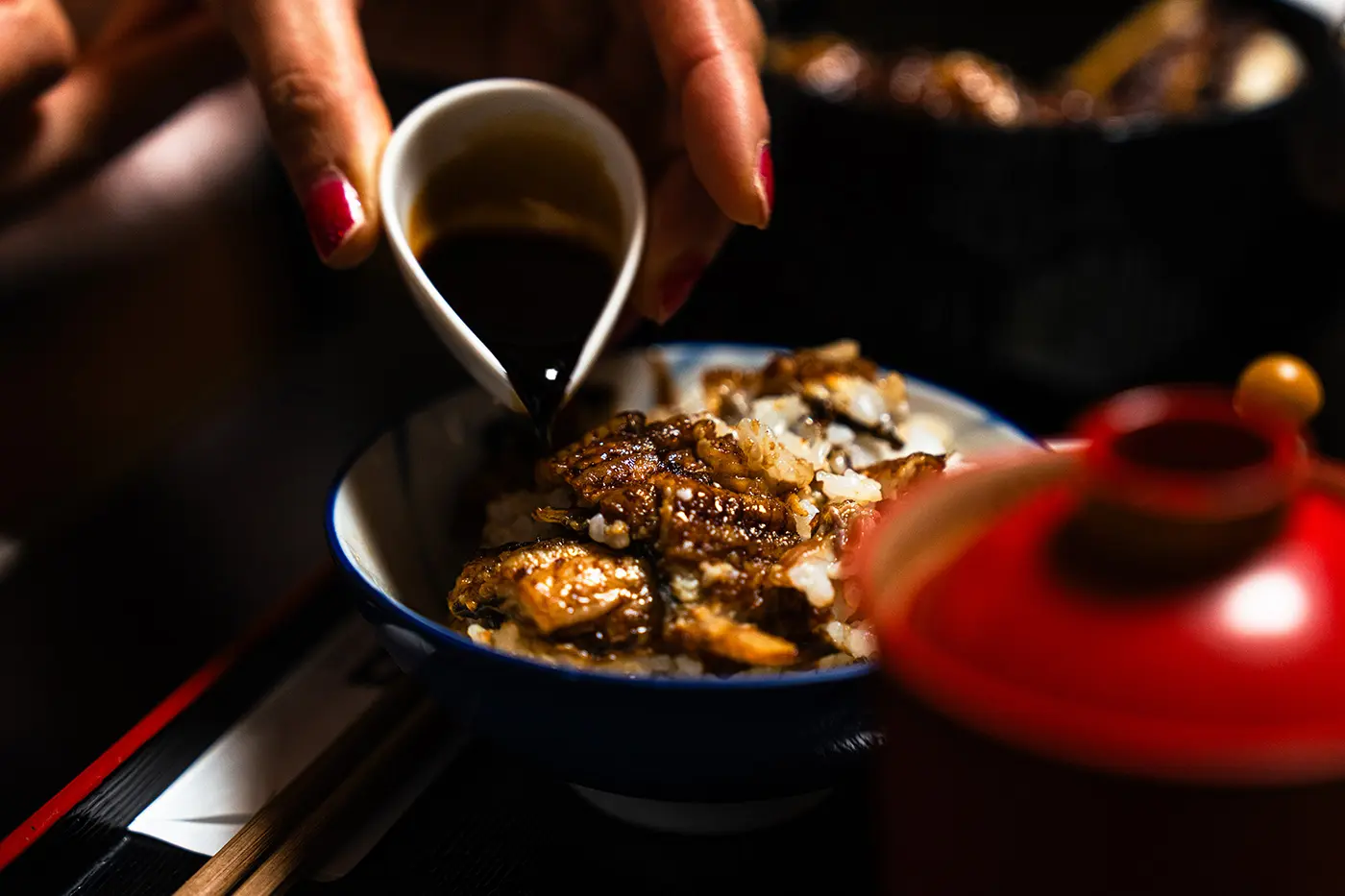
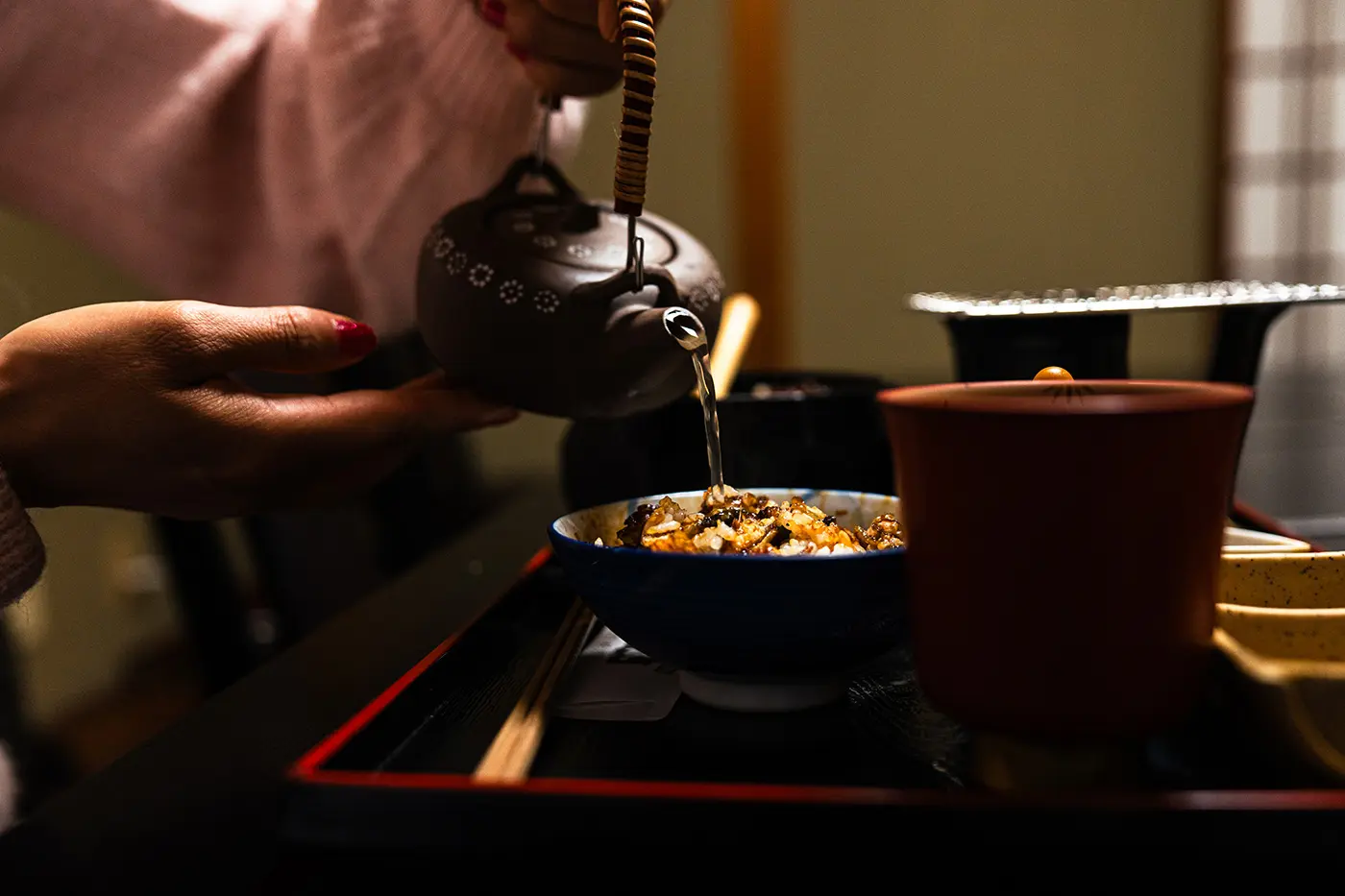
Rikyu's eel was better than any I've ever eaten! The softness and aroma were on a different level. Perhaps it's because they're so particular about freshness. Hitsumabushi is fun because you can eat it in so many different ways. I was particularly impressed by how tasty the broth was. I was also surprised that the price was reasonable despite the care taken. I heard that they have repeat customers from outside Osaka Prefecture, so it makes sense.
Sweets made with carefully selected eggs and local honey are a great souvenir
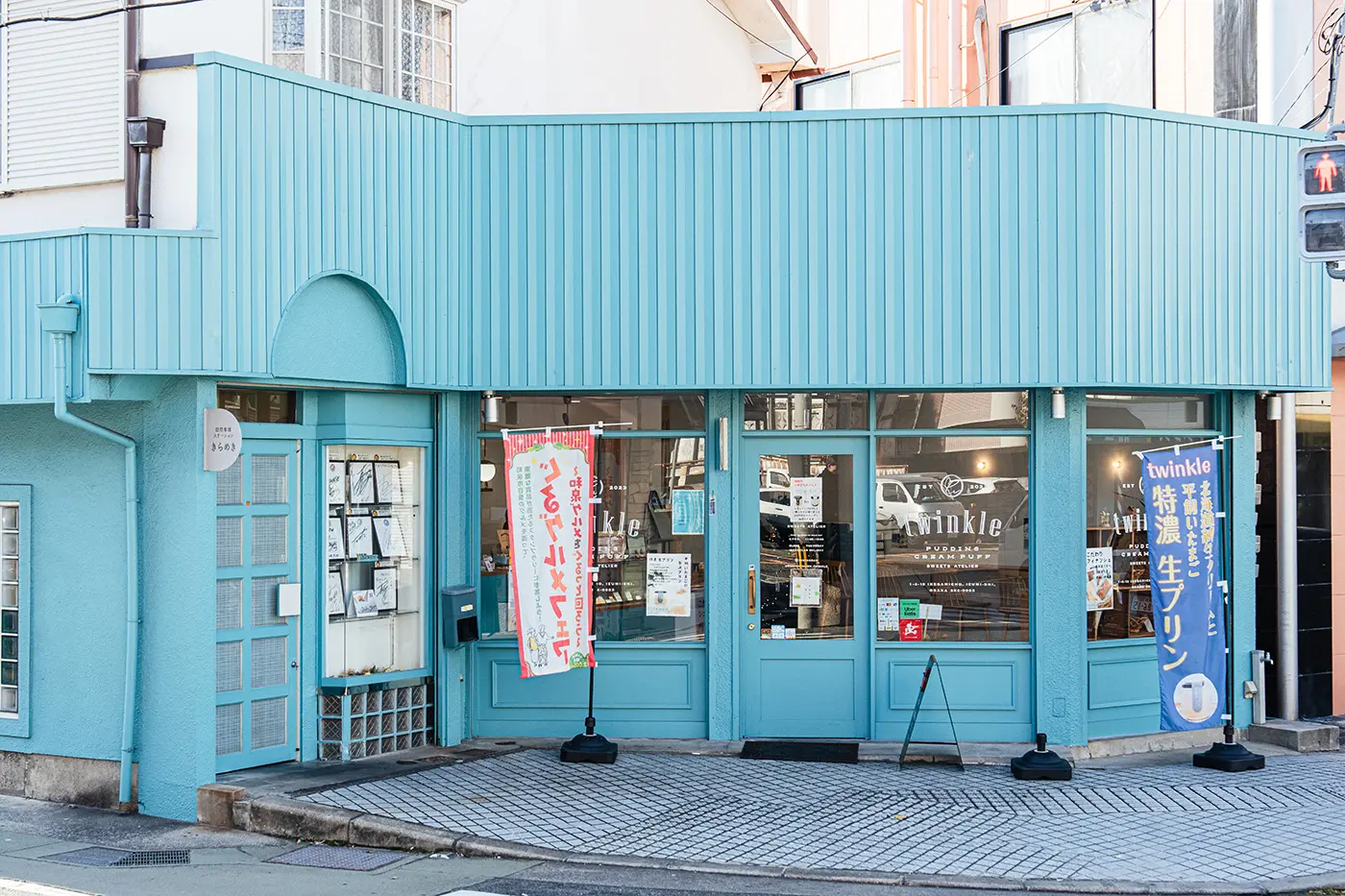
At the end of the trip, we visited a sweets shop in search of souvenirs. We arrived at "SWEETS ATELIER TWINKLE," a three-minute walk from Seasonal Cuisine Rikyu.
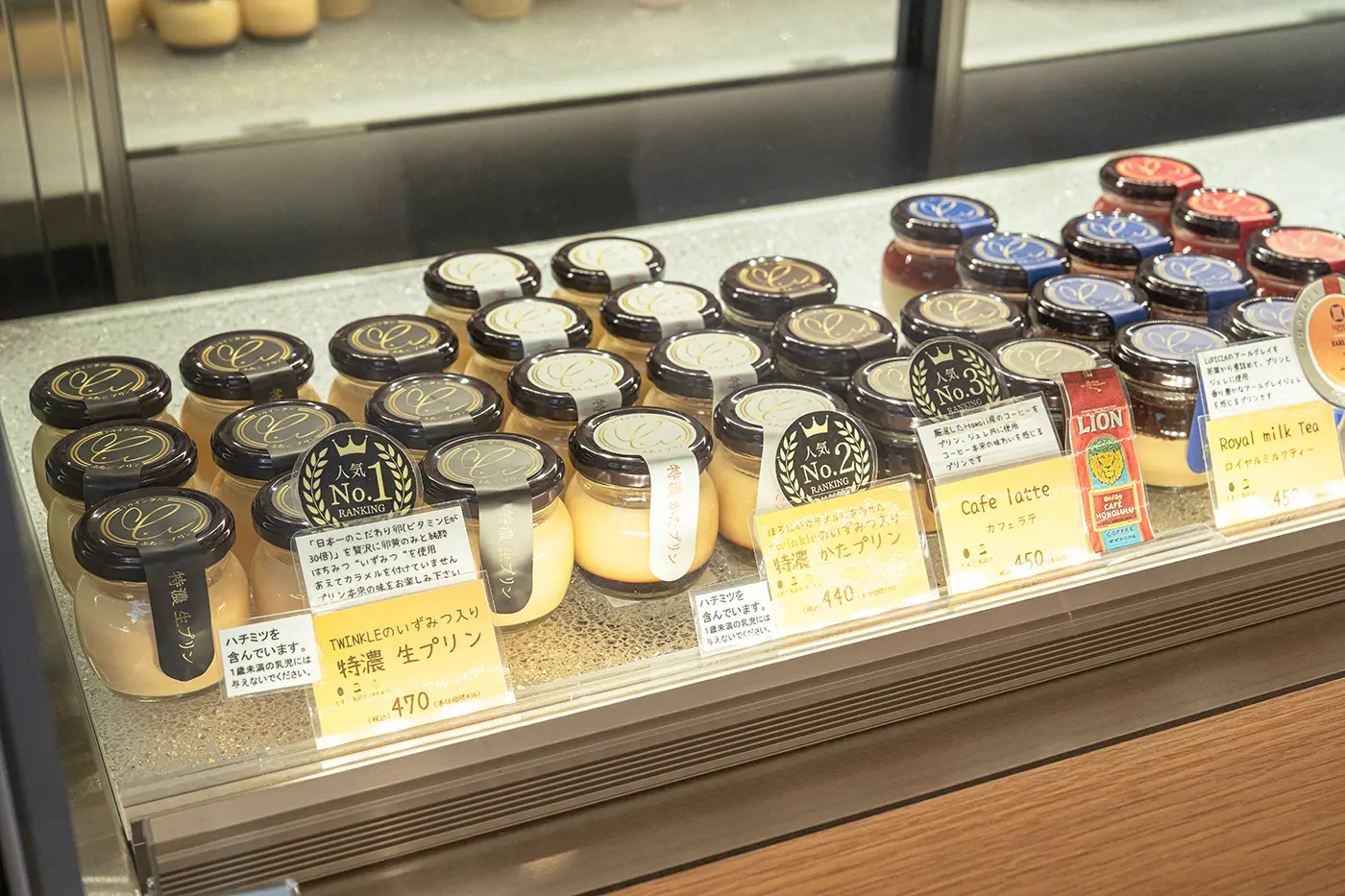
This shop, run by twin pastry chefs, opened in June 2023, and its most popular items are the extra-rich fresh pudding (470 yen) and extra-rich firm pudding (440 yen) (all prices include tax). They use only eggs from the high-end brand "Japan's No. 1 Specialty Eggs," which are produced using a free-range method called "Aviary." The gentle sweetness comes from "Izumitsu," honey produced in Izumi City. Using only the yolks of these specially selected eggs, the shop is characterized by its rich yet refreshing taste.
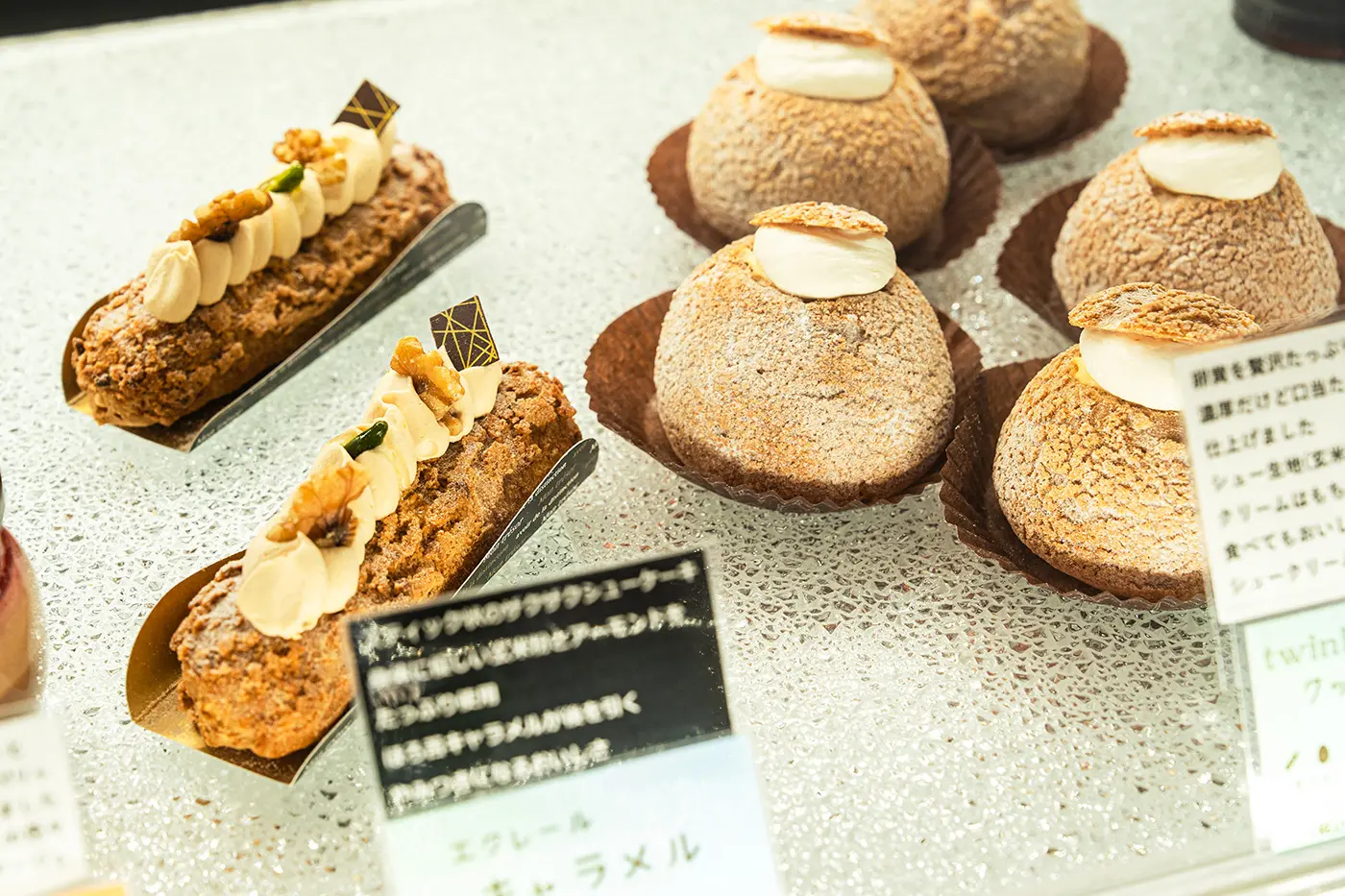
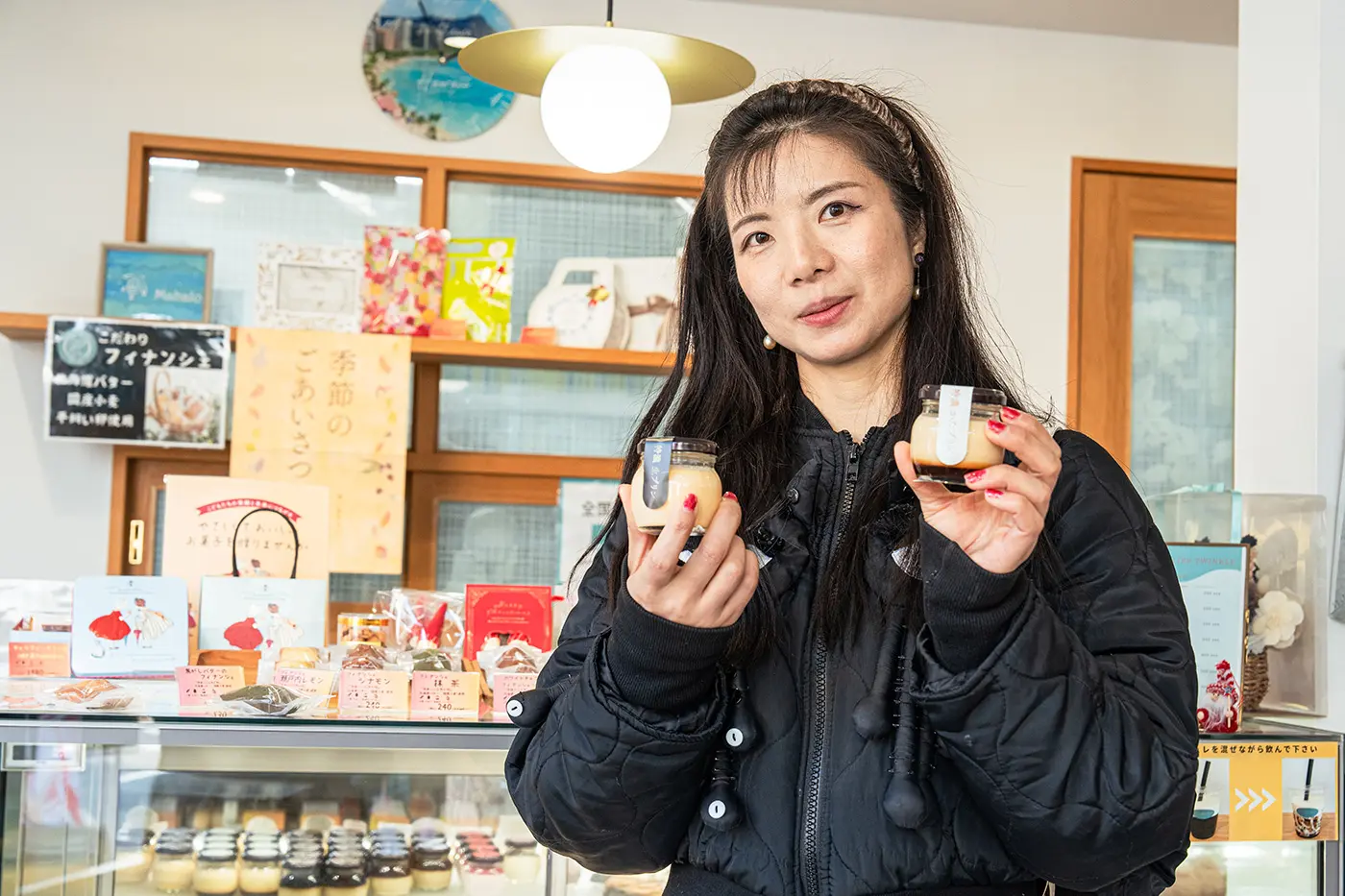
Liao chose the most popular two items: "Extra Rich Fresh Pudding" and "Extra Rich Hard Pudding."
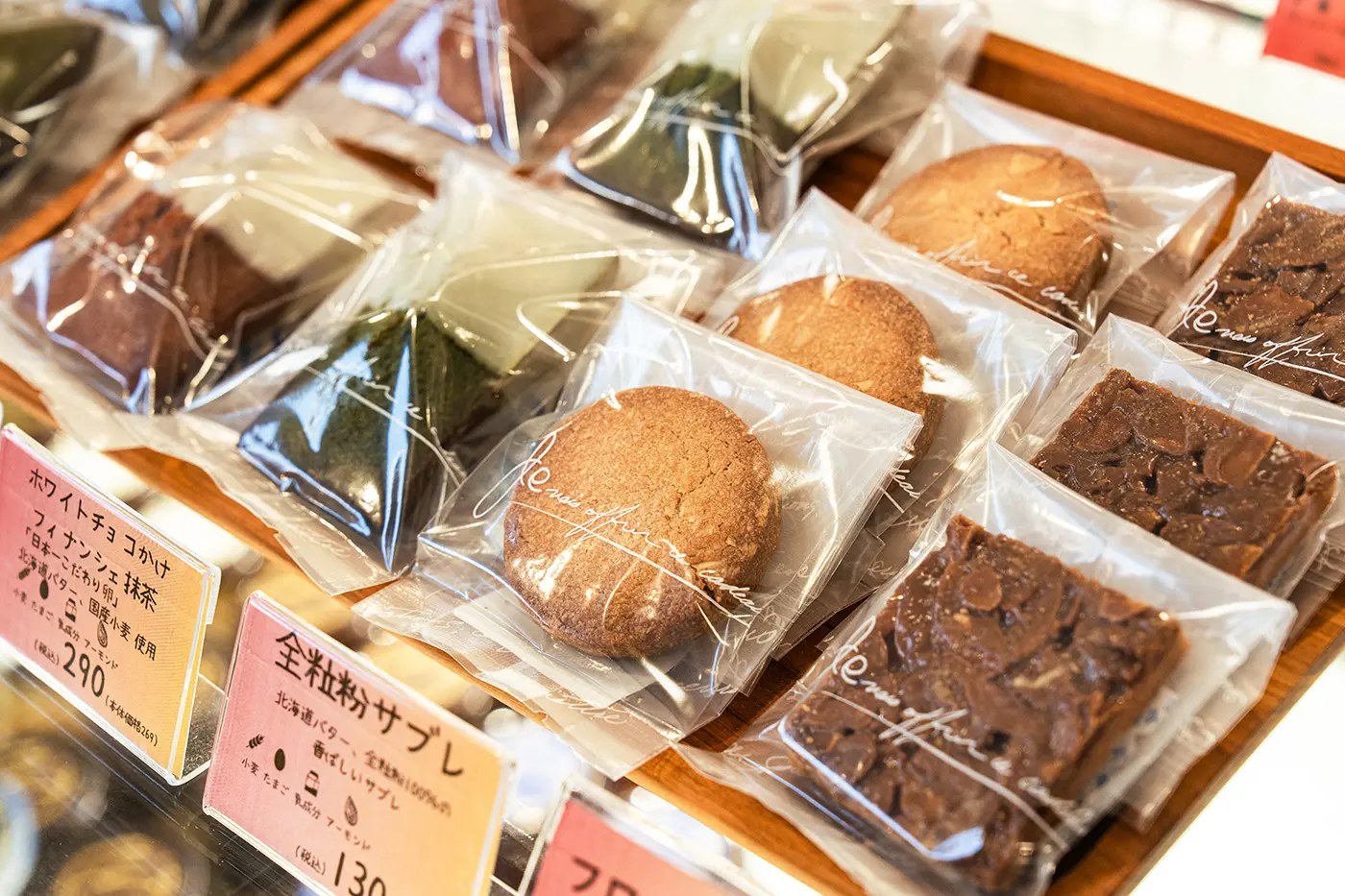
I felt that they were constantly striving to find the best ingredients, carefully selecting each and every one. I was particularly surprised to hear that they "ordered 30 different kinds of eggs from all over the country, made prototypes and compared them." There are so many flavors of pudding and financier, so I can understand why people keep coming back. When I heard their descriptions, they all looked so delicious that I actually had a hard time deciding which one to choose (laughs).
For a casual yet rich trip where you can feel the breath of artisans, head to Izumi City
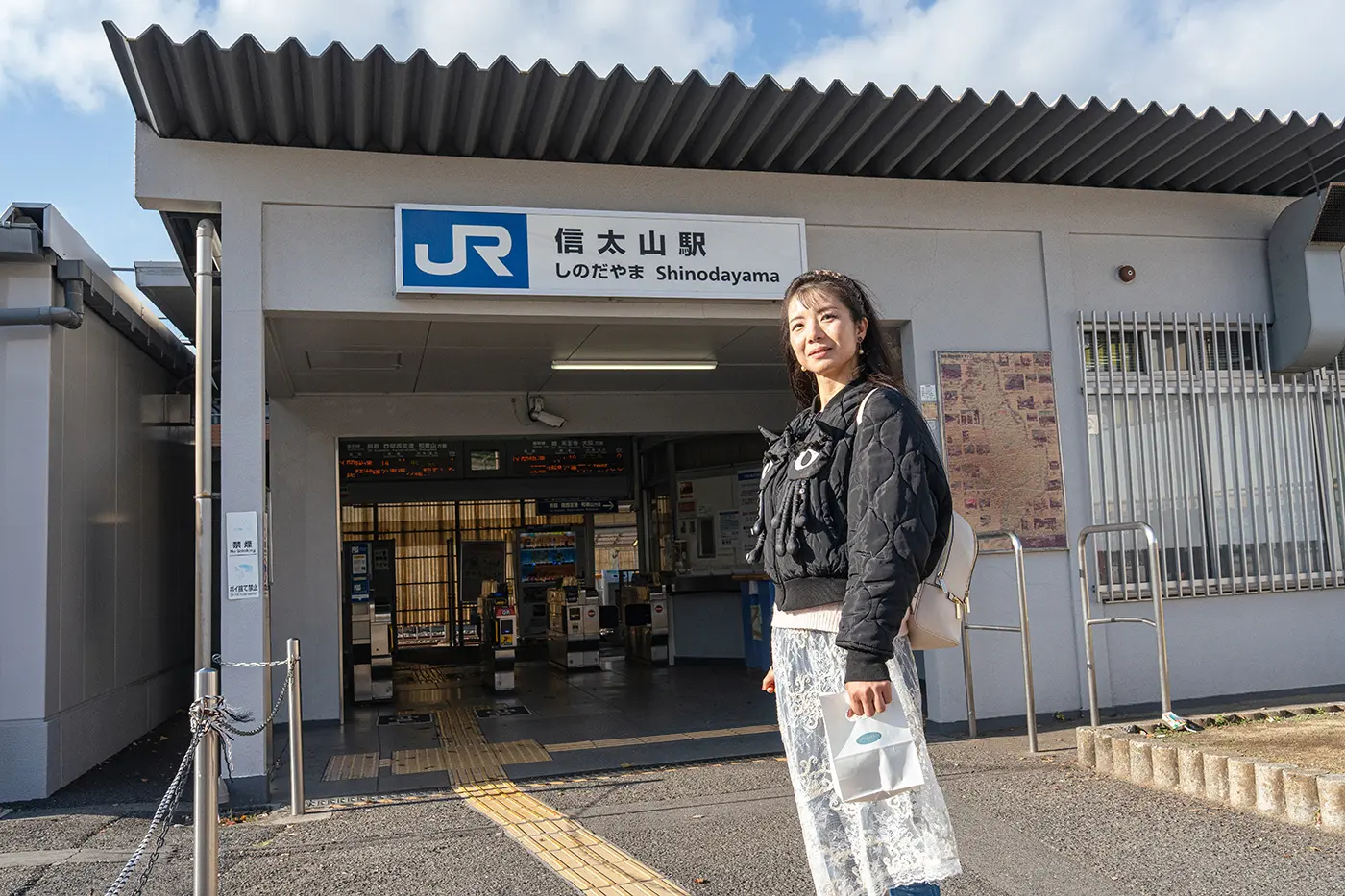
It's only about three minutes from SWEETS ATELIER TWINKLE to JR Shinodayama Station, the destination. It's a short trip, just one station away, and only half a day, packed with traditional crafts and gourmet food.
Liao said with satisfaction, "Even when my friends come from China, they often stay in Osaka city or Kyoto the whole time. But with this route, they can learn about the origins of the souvenirs they see around town and even try them out for themselves. I was surprised that I could tour the area as if it were just a stroll."
Izumi City, woven together by artisanal people across time and genre, has a unique charm. Why not use all five senses to experience its depth?
*The information in this article is current as of March, 2026. As details may have changed, please check the official websites of the facilities and stores for the latest information.
Photo: Satoru Kitagawa
Edit: Press Lab
Direction: Ningen Henshusha
Related Tours
Osaka: Visit a long-established glass workshop, make a glass bead necklace, and experience a prayer at a shrine
- Tour and experience the production of glass rods, the material used in glasswork, at the long-established glass workshop "Satake Glass"
- Make your own original glass beads by melting glass rods over a fire.
- Experience prayer and purification at Shinodanomori Shrine, home to the impressive Chieda Camphor Tree, a city-designated natural monument.
